Menu
  • AFRICA
    • African Fashion
    • African Designers
    • Textiles & Craft
    • Heritage Clothing
    • Made in Africa
    • Regional Style
  • DIASPORA
    • Diaspora Voices
    • Diaspora Connects
    • UK Scene
    • US Scene
    • Caribbean Diaspora
    • Afro-Latino Identity
    • Migration & Identity
  • CULTURE
    • Style & Identity
    • Ceremony & Ritual
    • Art & Music
    • Cultural Inspirations
    • Black Culture
    • Heritage Stories
  • FASHION
    • Trends
    • Street Style
    • Runway
    • Sustainable Fashion
    • Tailoring
    • Luxury Fashion
  • INDUSTRY
    • Editorial Intelligence
    • Market Trends
    • Brand Strategy
    • Retail & Commerce
    • Partnerships
    • Reports
    • Insights
  • BEAUTY
    • Skincare
    • Makeup
    • Hair & Hairstyle
    • Fragrance
    • Beauty Traditions
    • Natural Beauty
  • MEN
    • Men’s Style
    • Grooming Traditions
    • Traditional & Heritage
    • The Modern African Man
    • Menswear Designers
  • WOMEN
    • Women’s Style
    • Evening Glam
    • Workwear & Professional
    • Streetwear for Women
    • Accessories & Bags
    • Bridal
  • NEWS
    • Cover Stories
    • Fashion Weeks
    • Opinion & Commentary
    • Style Icons
    • Rising Stars
  • DIRECTORY
    • Designers
    • Brands
    • Boutiques
    • Stylists
    • Models
    • Photographers
    • Creative Teams
    • Events
    • Production
    • Materials & Suppliers
Omiren Magazine Partner With Us Advertise Style Index
Subscribe
OMIREN STYLES OMIREN STYLES

Fashion · Culture · Identity

OMIREN STYLES OMIREN STYLES OMIREN STYLES OMIREN STYLES
  • AFRICA
    • African Fashion
    • African Designers
    • Textiles & Craft
    • Heritage Clothing
    • Made in Africa
    • Regional Style
  • DIASPORA
    • Diaspora Voices
    • Diaspora Connects
    • UK Scene
    • US Scene
    • Caribbean Diaspora
    • Afro-Latino Identity
    • Migration & Identity
  • CULTURE
    • Style & Identity
    • Ceremony & Ritual
    • Art & Music
    • Cultural Inspirations
    • Black Culture
    • Heritage Stories
  • FASHION
    • Trends
    • Street Style
    • Runway
    • Sustainable Fashion
    • Tailoring
    • Luxury Fashion
  • INDUSTRY
    • Editorial Intelligence
    • Market Trends
    • Brand Strategy
    • Retail & Commerce
    • Partnerships
    • Reports
    • Insights
  • BEAUTY
    • Skincare
    • Makeup
    • Hair & Hairstyle
    • Fragrance
    • Beauty Traditions
    • Natural Beauty
  • MEN
    • Men’s Style
    • Grooming Traditions
    • Traditional & Heritage
    • The Modern African Man
    • Menswear Designers
  • WOMEN
    • Women’s Style
    • Evening Glam
    • Workwear & Professional
    • Streetwear for Women
    • Accessories & Bags
    • Bridal
  • NEWS
    • Cover Stories
    • Fashion Weeks
    • Opinion & Commentary
    • Style Icons
    • Rising Stars
  • DIRECTORY
    • Designers
    • Brands
    • Boutiques
    • Stylists
    • Models
    • Photographers
    • Creative Teams
    • Events
    • Production
    • Materials & Suppliers
Uncategorized

Heritage in Style: The Rise of Nigerian Children’s Runway Culture

  • Heritage Oni
  • November 28, 2025
Heritage in Style: The Rise of Nigerian Children’s Runway Culture
Total
0
Shares
0
0
0

Mainstream fashion has long overlooked children, perceiving them as too young to carry style or make statements. Fifteen-year-old me would never have imagined a runway filled with children confidently wearing garments that celebrate heritage, culture, and identity.

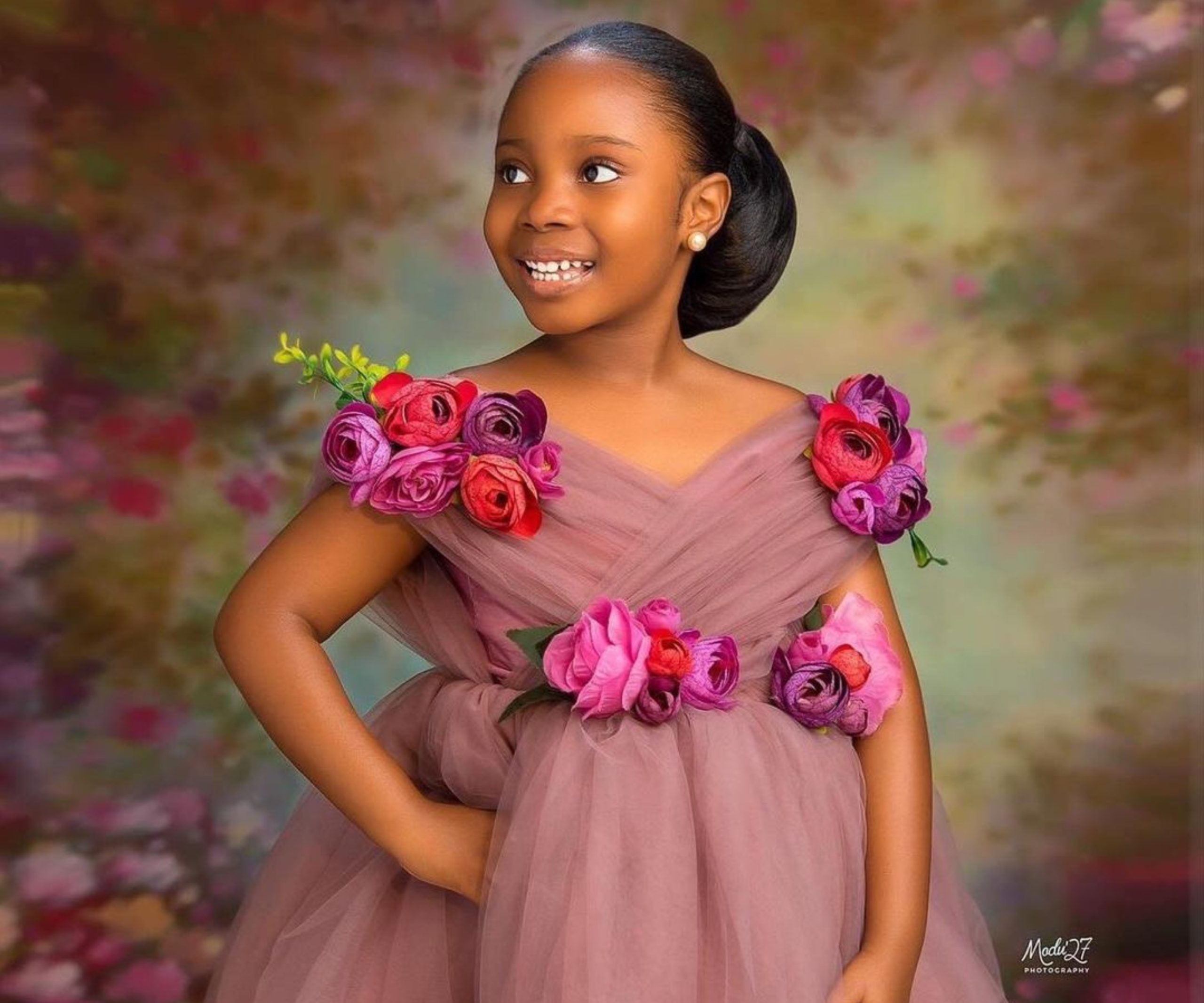
Today, Nigerian children are transforming that perception. From Lagos to Abuja, young models walk the runway with purpose, turning traditional fabrics into contemporary expressions. These events do more than showcase clothes; they amplify craftsmanship, promote inclusion, and position Nigerian fashion as a dynamic, forward-thinking force on the global stage.

Nigerian children’s runways celebrate culture, craft, and modern fashion, shaping a sustainable, globally inspired narrative for the next generation.

Heritage, Identity and Ethical Practices at the Core

Children’s runways foreground cultural storytelling. Designers use Aso-Oke, Ankara, Adire, and Kente-inspired fabrics, reimagining them in modern silhouettes that speak both to tradition and today’s style sensibilities. Each outfit carries a narrative that teaches children and audiences about regional identity and history. Runways thus become cultural classrooms, where heritage is celebrated actively rather than preserved passively.

Sustainable practices, small-batch production, locally sourced fabrics, and slow-fashion approaches make these runways ethical showcases. By modelling these values early, children become ambassadors for mindful consumption, demonstrating that luxury can be responsible and locally grounded.

Modern Luxury Through Young Eyes

Modern Luxury Through Young Eyes

These runways bridge tradition with contemporary luxury. Designers blend Nigerian textiles with modern cuts, neutral palettes, and refined tailoring, producing looks that resonate locally and globally.

Children showcase garments that are culturally authentic yet globally relevant. This duality positions Nigeria as a centre of innovation in children’s fashion and demonstrates that African heritage can translate seamlessly into modern, sophisticated style.

Inclusion and Lifestyle Innovation

Inclusion and Lifestyle Innovation

Inclusive runway initiatives, such as the Inclusive African Children’s Runway and Inclusive Runway for Kindness, spotlight children of varying abilities. These shows challenge norms, proving that style and expression are not limited by age or physical ability.

Beyond the runway, workshops and mentorship programmes equip children with knowledge in design, presentations, and etiquette. This approach nurtures talent and confidence while connecting fashion to life skills and personal development.

Read Also:

  • Skincare for melanin-rich children 
  • Little Luxe Icon: 5 Nigerian Kidswear Brands Elevating Afro Luxury
  • Afro Luxury Kidswear

Cross-Cultural Influence and Diaspora Connections

Nigerian children’s fashion increasingly engages with global trends while maintaining local roots. Designers draw inspiration from international couture, integrating it with African motifs to create hybrid aesthetics.

Diaspora collaborations enrich this dialogue. Children’s runways now reflect a fusion of local heritage and global artistry, showing that Nigerian fashion is not only culturally specific but also globally influential.

Social and Cultural Impact
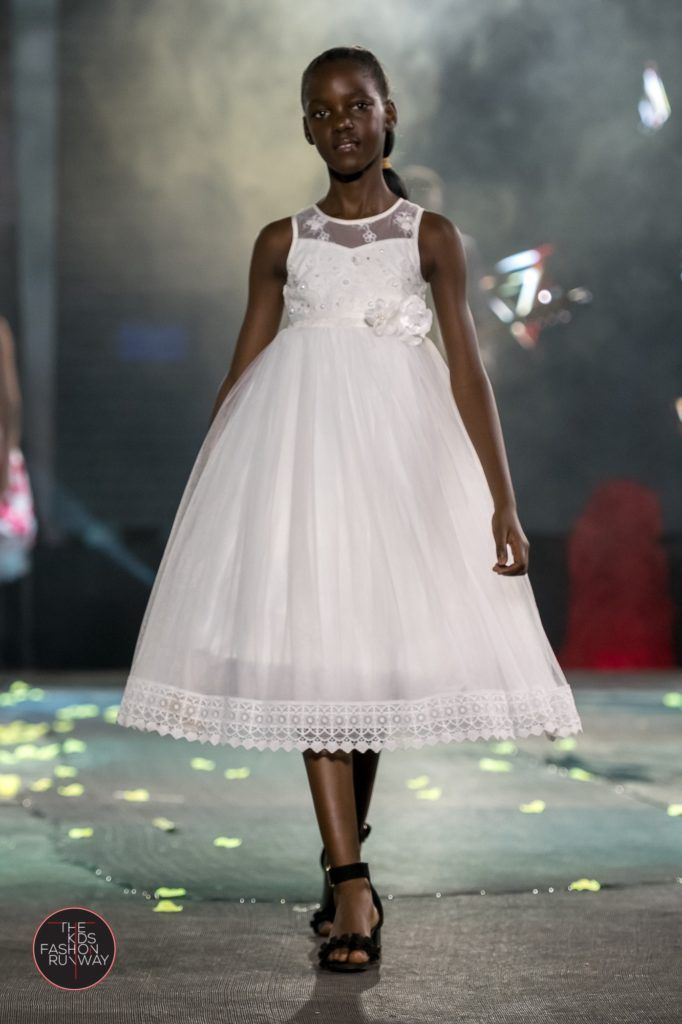
Inclusion and Lifestyle Innovation

Children’s runways foster representation, empowerment, and cultural pride. Young models develop confidence and poise, while audiences witness the value of artisanal skill, ethical practices, and heritage-driven creativity.

These events position fashion as a tool for storytelling, education, and social consciousness. They ensure that Nigeria’s cultural identity is passed to the next generation in ways that are engaging, visible, and empowering.

Conclusion

Nigerian children’s runways are redefining fashion’s role in society. They are stages where heritage meets innovation, craftsmanship meets modernity, and young models carry narratives of culture in motion.

Through these platforms, children embody identity, celebrate craft, and participate in a global dialogue. Nigerian fashion is evolving—rooted in the past, conscious in the present, and visionary for the future. Children walking these runways prove that style, culture, and social consciousness can grow together, one confident step at a time.

5 FAQs

  1. Why are children’s runways significant in Nigeria?

They preserve cultural heritage, promote local craftsmanship, and cultivate young talent in fashion and personal development.

  1. How do these runways promote sustainability?

Designers prioritise local fabrics, artisanal techniques, limited production, and ethical practices to foster responsible fashion consumption.

  1. What role does inclusion play in Nigerian children’s fashion?

Inclusive shows highlight children with diverse abilities, challenge norms, and foster representation and empowerment.

  1. How is Nigerian heritage incorporated into children’s fashion?

Modern silhouettes reimagine traditional fabrics, prints, and motifs, blending cultural storytelling with contemporary aesthetics.

  1. How do these events influence global perceptions of Nigerian fashion?

By combining local craftsmanship with modern design, children’s runways position Nigeria as a hub for culturally rooted, globally relevant fashion innovation.


Post Views: 627
Total
0
Shares
Share 0
Tweet 0
Pin it 0
Related Topics
  • African Fashion
  • African Fashion Culture
  • Children’s Runway Shows
  • Heritage Fashion Nigeria
  • Nigerian Kids Fashion
Avatar photo
Heritage Oni

theheritageoni@gmail.com

You May Also Like
How a Gaborone Beadwork Jewellery Label Turns Heritage Into Contemporary Design
View Post
  • Accessories & Bags

How a Gaborone Beadwork Jewellery Label Turns Heritage Into Contemporary Design

  • Ayomidoyin Olufemi
  • July 25, 2026
Southern African Beadwork Deserves Runway Recognition: An Opinion on Fashion's Editorial Blind Spot
View Post
  • Accessories & Bags

Southern African Beadwork Deserves Runway Recognition: An Opinion on Fashion’s Editorial Blind Spot

  • Faith Olabode
  • July 25, 2026
African Designers Buyers Should Act On in 2026: A Three-Tier Shortlist
View Post
  • Market Trends

African Designers Buyers Should Act On in 2026: A Three-Tier Shortlist

  • Rex Clarke
  • July 25, 2026
The Return: Why the African Influence on Black American Fashion Is Not a Discovery — It Is a Homecoming
View Post
  • Diaspora Connects

The Return: Why the African Influence on Black American Fashion Is Not a Discovery — It Is a Homecoming

  • Peace Vera
  • July 24, 2026
Black American Fashion Spending: Why African and Diaspora Brands Are Missing the Biggest Opportunity
View Post
  • US Scene

Black American Fashion Spending: Why African and Diaspora Brands Are Missing the Biggest Opportunity

  • Rex Clarke
  • July 24, 2026
Why Every Major Fashion Brand Is Now Trying to Understand Nigeria and Getting It Wrong
View Post
  • Editorial Intelligence

Why Every Major Fashion Brand Is Now Trying to Understand Nigeria and Getting It Wrong

  • Tobi Arowosegbe
  • July 24, 2026
Trinidad Carnival Costume Cost: Consumer Price, Band Revenue, and Who Captures the Value
View Post
  • Caribbean Diaspora

Trinidad Carnival Costume Cost: Consumer Price, Band Revenue, and Who Captures the Value

  • Adams Moses
  • July 24, 2026
How Colonial Law Targeted African Dress and Hair
View Post
  • CULTURE

How Colonial Law Targeted African Dress and Hair

  • Adams Moses
  • July 23, 2026

Leave a Reply Cancel reply

Your email address will not be published. Required fields are marked *

The Omiren Argument

African fashion and culture are not emerging. They are foundational. We document, interpret, and argue for the full cultural weight of African and diaspora dress. With precision. Without apology.

Omiren Styles Fashion · Culture · Identity

All 54 African Nations
Caribbean · Afro-Latin America
The Global Diaspora

Platform

  • About Omiren Styles
  • Our Vision
  • Our Mission
  • Editorial Pillars
  • Editorial Policy
  • The Omiren Collective
  • Campus Style Initiative
  • Sustainable Style
  • Social Impact & Advocacy
  • Investor Relations

Contribute

  • Write for Omiren Styles
  • Submit Creative Work
  • Join the Omiren Collective
  • Campus Initiative
Contact
contact@omirenstyles.com
Our Reach

Africa — All 54 Nations
Caribbean
Afro-Latin America
Global Diaspora

African fashion intelligence, in your inbox.

Editorial features, designer profiles, cultural commentary. No noise.

© 2026 Omiren Styles — Rex Clarke Global Ventures Limited. All rights reserved.
  • Privacy Policy
  • Editorial Policy
  • Terms of Use
  • Accessibility
Africa · Caribbean · Diaspora
The Omiren Argument

African fashion and culture are not emerging. They are foundational. We document, interpret, and argue for the full cultural weight of African and diaspora dress. With precision. Without apology.

Omiren Styles Fashion · Culture · Identity
  • About Omiren Styles
  • Our Vision
  • Our Mission
  • Editorial Pillars
  • Editorial Policy
  • The Omiren Collective
  • Campus Style Initiative
  • Sustainable Style
  • Social Impact & Advocacy
  • Investor Relations
  • Write for Omiren Styles
  • Submit Creative Work
  • Join the Omiren Collective
  • Campus Initiative
Contact contact@omirenstyles.com

All 54 African Nations · Caribbean
Afro-Latin America · Global Diaspora

African fashion intelligence, in your inbox.

Editorial features, designer profiles, cultural commentary. No noise.

© 2026 Omiren Styles
Rex Clarke Global Ventures Limited.
All rights reserved.

  • Privacy Policy
  • Editorial Policy
  • Terms of Use
  • Accessibility
Africa · Caribbean · Diaspora

Input your search keywords and press Enter.

Newsletter Subscribe

Join Our Community

Get exclusive access to new collections, special offers, and style inspiration.