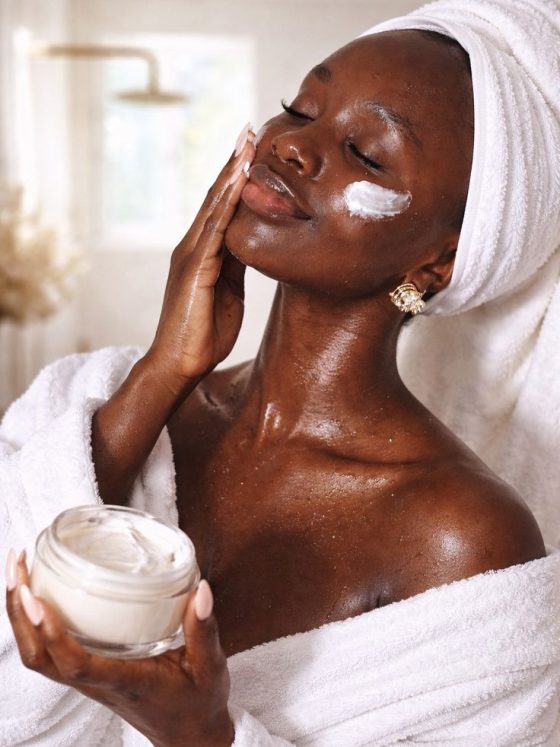
Caring for melanin-rich children’s skin goes beyond choosing gentle products; it is about building a foundation of confidence, health and cultural pride. Darker skin has unique needs because its barrier develops differently, its response to irritation is more visible, and its glow depends on consistent nourishment rather than heavy treatments. This guide blends paediatric skincare science with the elegance of high-fashion writing, giving parents clarity, not confusion. And as Nigeria’s fashion scene expands globally, understanding how to care for young, melanin-rich skin becomes part of nurturing the next generation of models, creators, and style leaders who carry the industry forward with authenticity and healthy, radiant skin.
Gentle, evidence-based skincare for melanin-rich children: routines, sun care, eczema tips, and how mindful beauty fuels Nigeria’s fashion rise in 2025.
Understanding Melanin-Rich Skin in Children

Melanin offers some natural sun protection, but does not remove the need for daily care. For children, the skin barrier is still maturing. Dryness, eczema, or picking disrupts this barrier, leading to more visible pigment changes. Prevention is simpler and kinder than correction.
Common Skin Concerns
many children with melanin-rich skin experience:
- Dryness and rough patches
- Eczema or irritation
- Hyperpigmentation from bumps or inflammation
- Sensitivity to harsh ingredients of fragrances
Choosing the right products makes all the differences in supporting their skin’s unique needs.
A lot of parents today are being more careful about choosing fragrance free moisturisers and mild cleanser for sensitive skin.
Explore gentle skincare formulations for melanin- rich children: gentle moisturisers and gentle cleanser
Daily Routine, Age by Age

Newborn to 6 months
Bath sparingly. Use a gentle, fragrance-free cleanser only when needed. Pat dry and seal moisture with a petrolatum-based ointment or ceramide cream applied to damp skin.
6 months to 5 years
Introduce a mild, soap-free cleanser and a daily emollient. Choose products that list glycerin or ceramides and avoid heavy fragrances. For the sun, prioritise shading and protective clothing. Use sunscreen on exposed areas when outdoors.
6 to 12 years
Keep the basics consistent. Teach children to avoid picking at insect bites and pimples. If eczema appears, follow paediatric guidance on appropriate topical steroids; short, supervised courses protect skin and prevent pigment changes.
Teens
When acne shows up, treat inflammation early. Topical agents such as benzoyl peroxide or azelaic acid can be introduced under clinician advice. Retinoids may be appropriate with supervision. The goal is to reduce inflammation and the stubborn post-inflammatory hyperpigmentation that follows.
A simple routine with the right products can help cleanse, hydrate, and protect your child’s skin everyday
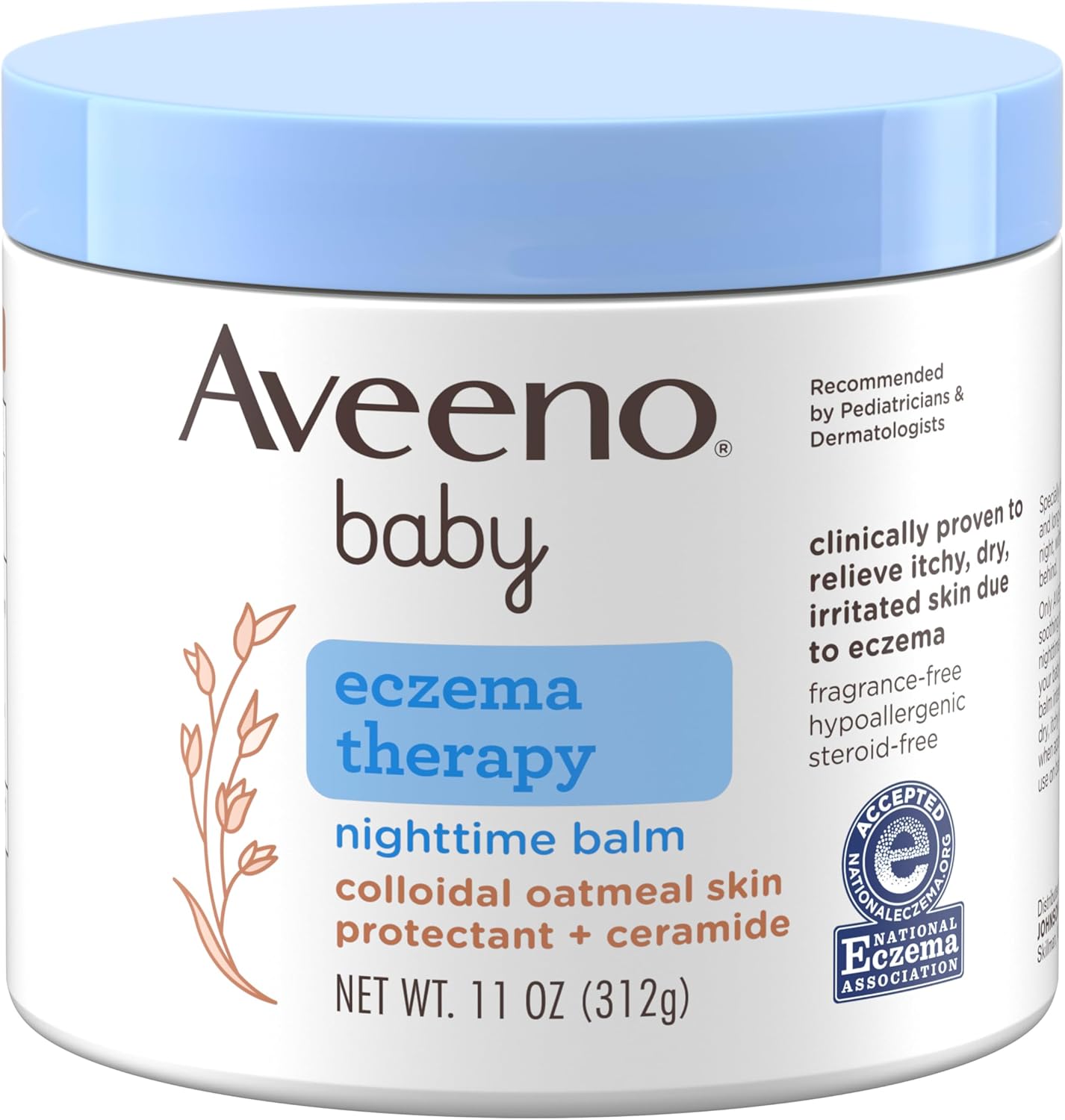
Aveeno Baby Eczema Therapy Balm
A fragrance-light balm formulated to support dry or sensitive skin with shea butter and soothing hydration. Explore the moisturiser →
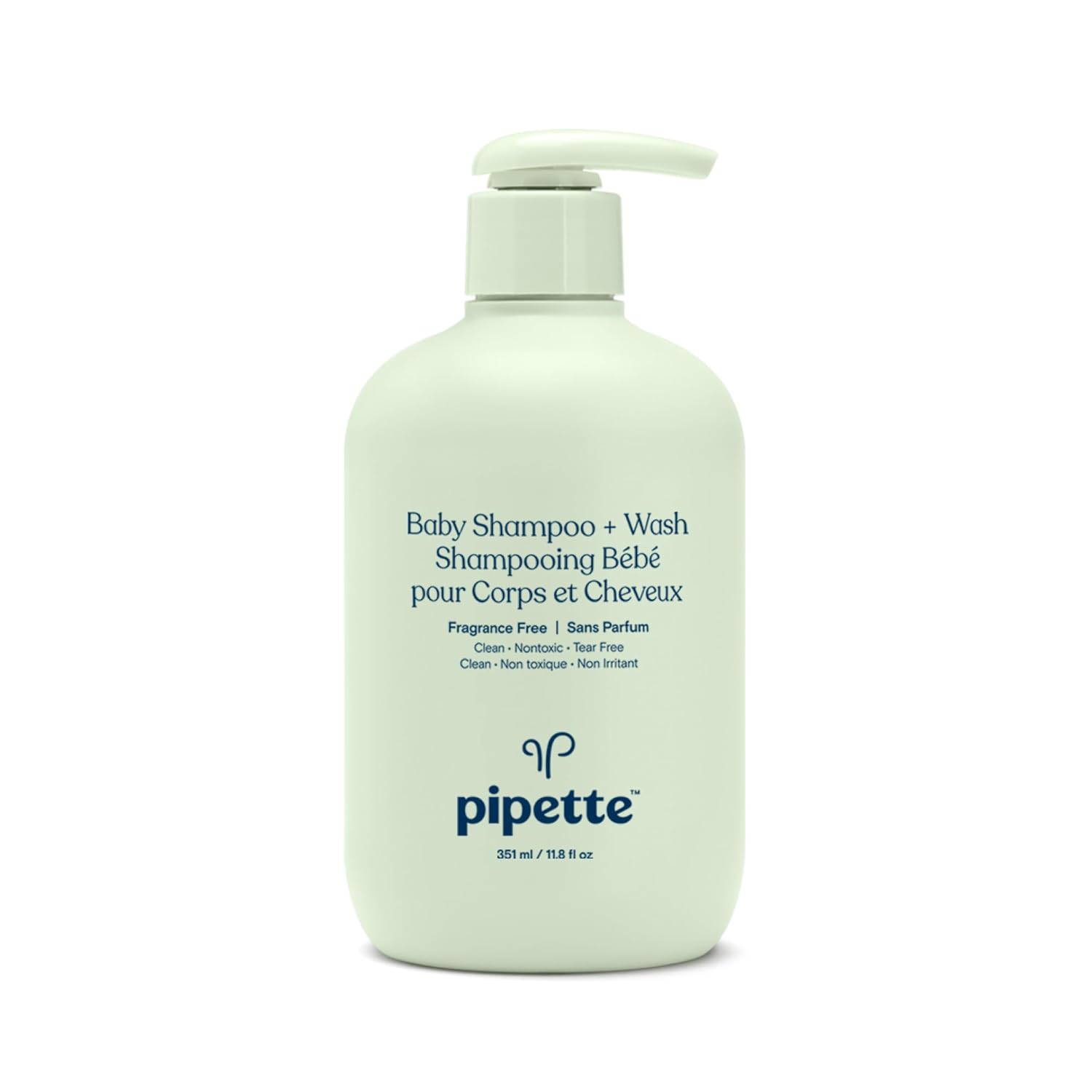
Pipette Baby Wash + Shampoo
A gentle cleanser designed for sensitive skin and everyday moisture support.
View the cleanser →
Read Also:
Ingredients Parents Should Know
Safe everyday staples include petrolatum, mineral oils, glycerin, ceramides, and colloidal oatmeal. For sun protection, zinc oxide and titanium dioxide sunscreens in tinted formulas are child-friendly and help prevent ashy films on dark skin. Strong lightening agents, high-strength peels and lasers are not first-line for children and should be reserved for specialists.
Preventing and Treating Common Problems
Eczema and acne are common. Emollients and consistent barrier care reduce flares. For wounds, gently clean them, apply petrolatum, and cover them. Children with a family history of keloids should avoid elective piercings and have early specialist reviews for any raised scars. Preventing inflammation and shielding skin from the sun dramatically reduces long-term visible marks.
How Mindful Pediatric Skincare Advances Nigerian Fashion

Healthy skin is a canvas. When children learn a ritual of gentle care, they grow into adults who value presentation and self-care. For Nigerian fashion, the implications are practical and cultural. Models and young consumers with well-cared-for skin showcase garments more naturally on camera and on the runway. Local brands that formulate sunscreens, moisturisers and makeup for melanin-rich tones capture a growing market. This feeds a virtuous cycle: demand fuels local production, designers collaborate with cosmetic formulators, and the industry gains both authenticity and economic resilience. In short, skincare rooted in respect for pigment supports representation on stage and commerce in boutiques.
Conclusion
Skincare for melanin-rich children is equal parts science and ritual. Simple, consistent steps include gentle cleansing, daily moisturisation, sun protection, and early care for inflammation to prevent many of the visible consequences that worry families. Beyond health, these small acts shape confidence and help build a Nigerian fashion ecosystem that honours its people and their skin. Start the ritual today, and you start something larger than a routine; you start a legacy.
5 FAQs
- When should I start using sunscreen on my child?
Avoid direct sun for infants under six months. Thereafter, use protective clothing and apply a broad-spectrum SPF 30+ to exposed skin, reapplying every two hours outdoors.
- Which moisturiser is best for darker-skinned babies?
Choose fragrance-free, petrolatum- or ceramide-based creams applied to damp skin after bathing. They are safe and effective at locking in moisture.
- How do I prevent dark spots after pimples or bites?
Prevent picking, treat inflammation quickly, and use daily sunscreen. For persistent marks, consult a dermatologist about gentle options like niacinamide or azelaic acid.
- Are keloids preventable?
You cannot guarantee prevention, but early wound care, silicone sheets after healing, and avoiding elective piercings in predisposed children reduce risk. See a specialist early for growing scars.
- Can local Nigerian brands meet these needs?
Yes. The rising local beauty industry increasingly formulates for melanin-rich skin. Look for products that have clear ingredient lists, paediatric safety notes, and reviews from other parents.
| Product | Best For | Key Ingredient | Why We Love It | Explore |
|---|---|---|---|---|
| Aveeno Moisture Baby Eczema Therapy Balm | Dry, sensitive skin | Shea Butter | Deeply nourishes and helps strengthen the skin barrier. | View Product → |
| Pipette Baby Wash + Shampoo | Gentle cleansing | Squalane | Gentle enough for daily use on delicate skin. | View Product → |
| Tubby Todd All Over Ointment | Dry patches, eczema-prone | Botanical Oils | Soothes irritation and locks in long-lasting moisture. | View Product → |