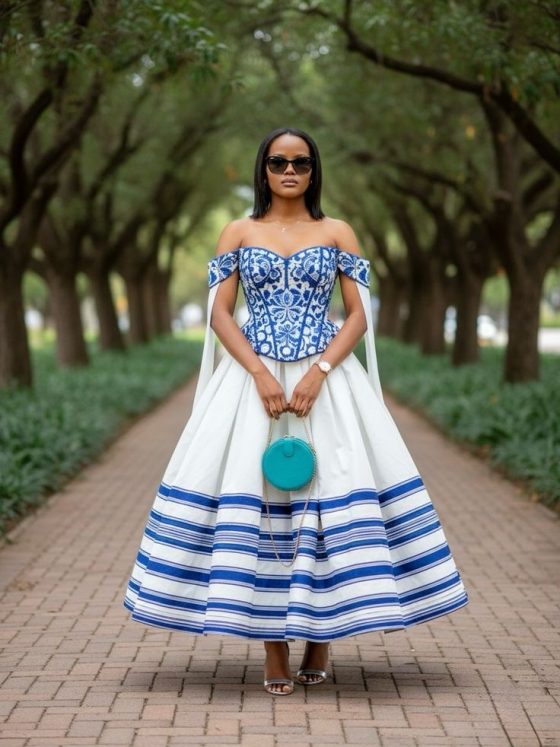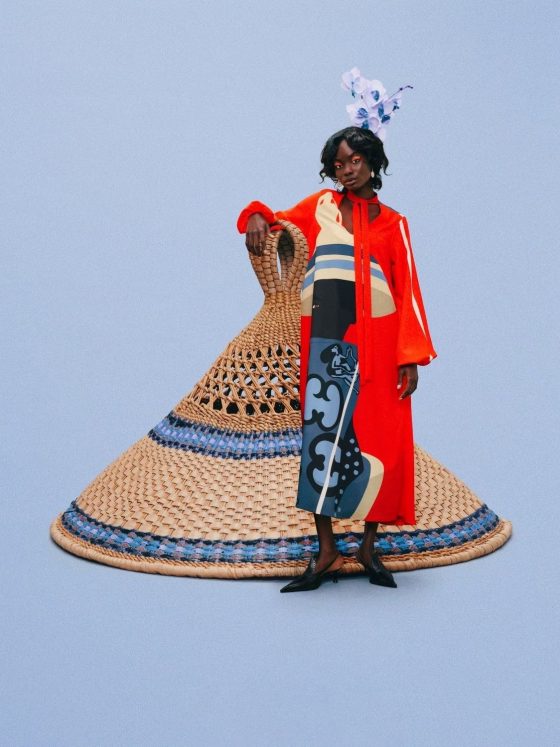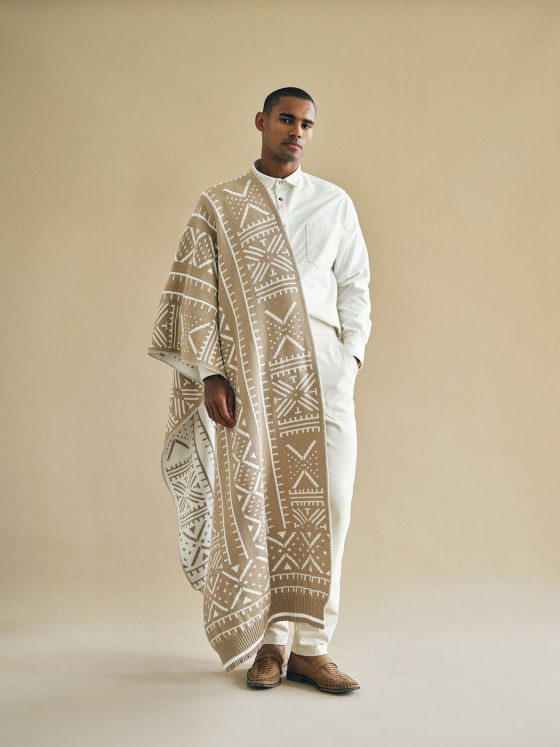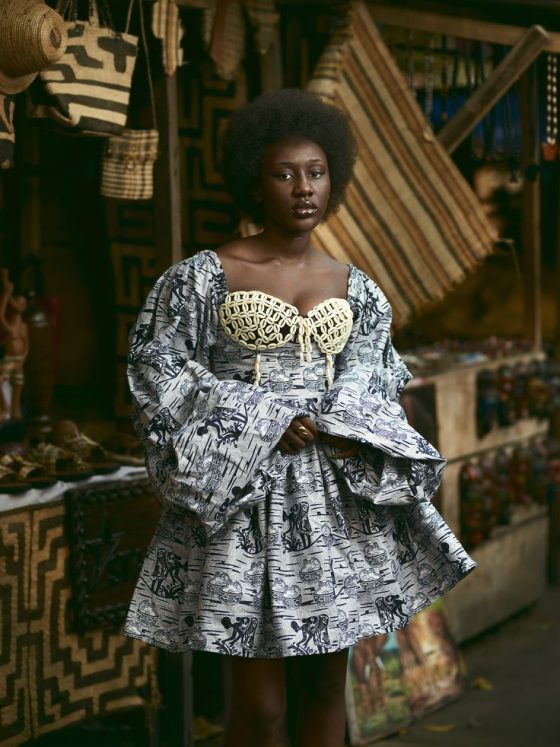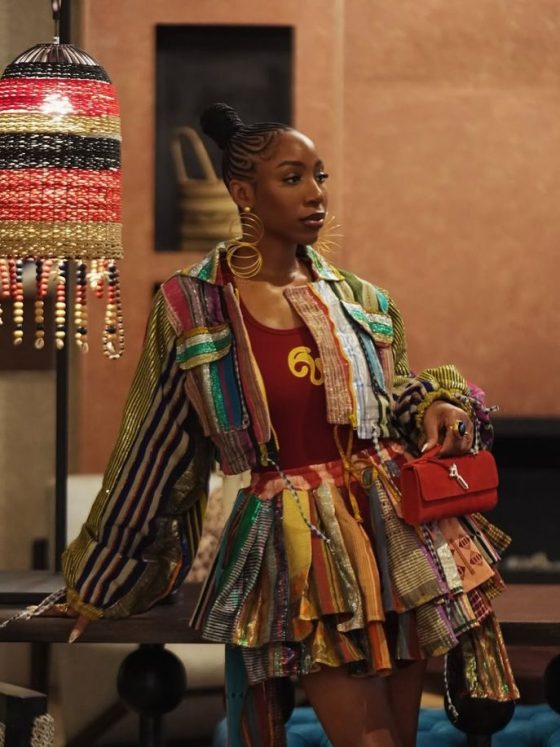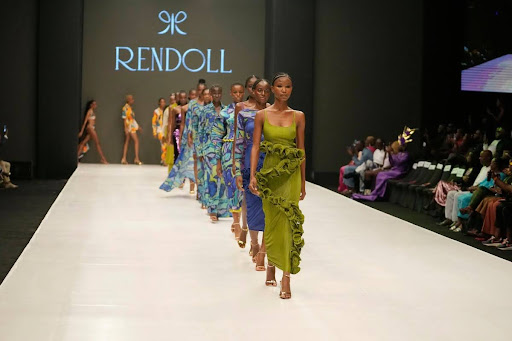
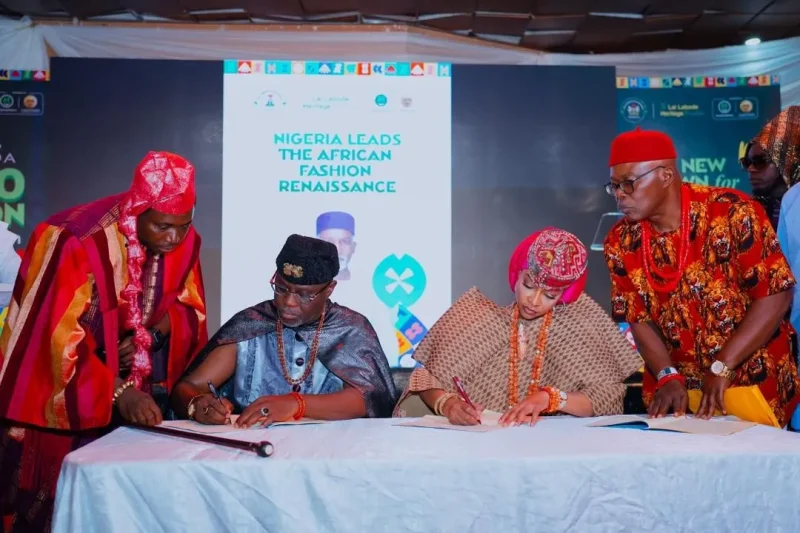
Nigeria has formally taken the lead in driving the Afroliganza Vision, a continent-wide initiative aimed at unifying Africa’s fashion industry under the Confederation of African Fashion (CAFA). By signing the African Fashion Industry Growth Charter, Nigeria positions itself as the first country to operationalise a framework aimed at creating a $500 billion African fashion industry and transforming the continent’s creative sector into a major economic force.
This milestone reflects a strategic vision that integrates culture, policy, infrastructure, and market access. It promises substantial benefits for Nigerian designers and creative entrepreneurs by offering enhanced protection of intellectual property, streamlined supply chains, and expanded market opportunities on the continent and globally.
Nigeria leads the $500 B Pan-African Fashion Bloc, boosting local designers with stronger IP, better supply chains, and continental market access.
Nigeria’s Leadership in Afroliganza and CAFA
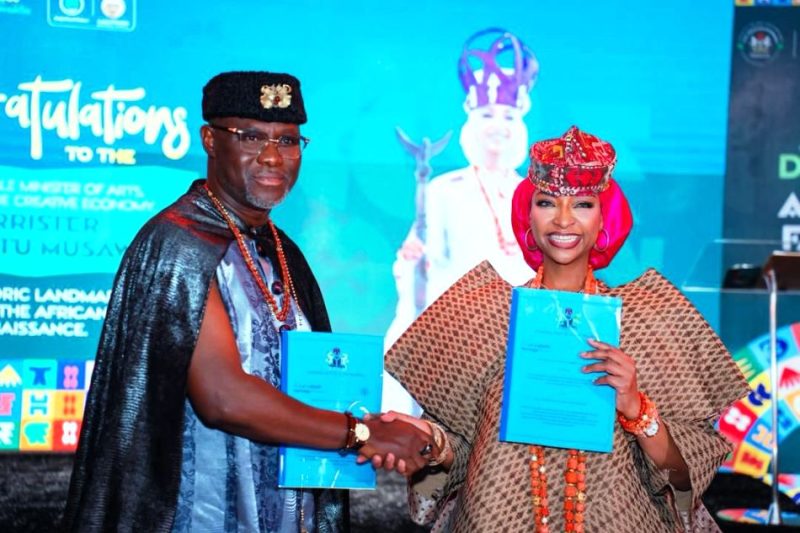
On October 6, 2025, Nigeria’s Federal Ministry of Art, Culture, Tourism, and Creative Economy, under Minister Hannatu Musa Musawa, inaugurated the working committee for CAFA/Afroliganza in Abuja. The committee brings together stakeholders from government, the creative sector, and private industry to develop policy frameworks, mobilise investment, and coordinate continental cooperation.
Nigeria’s adoption of the Afroliganza Vision marks a pivotal moment in continental fashion strategy, as the country assumes a leadership role in shaping institutional standards, trade protocols, and industrial capacity. CAFA, spearheaded by Dr Lai Labode, serves as a central body for policy alignment, research, industrial development, and talent building across Africa.
The $500 Billion African Fashion Economy: Economic and Structural Impact
Scaling the Fashion Economy
CAFA aims to expand Africa’s fashion industry significantly, growing its current US$30 billion market to US$500 billion. This growth will require industrial investment, policy harmonisation, and increased cross-border collaboration to position Nigeria as a central economic driver.
Industrialisation and Local Value Retention
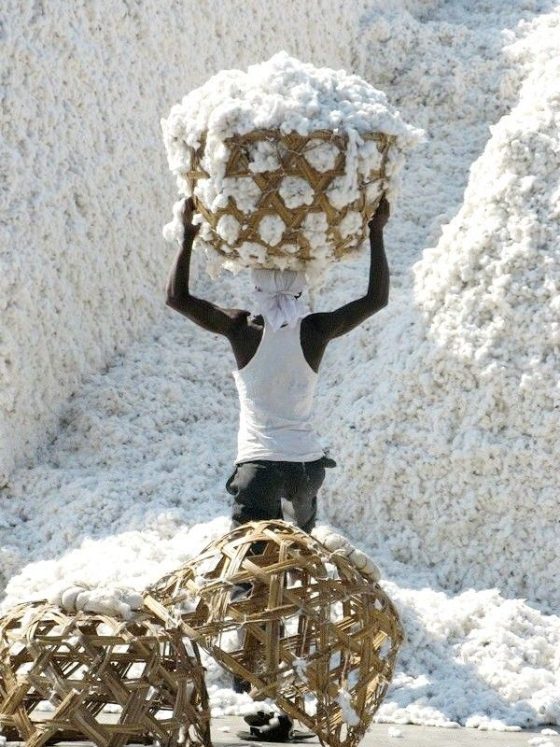
A key focus of the Afroliganza Vision is to strengthen local manufacturing and processing of raw materials, including textiles, cotton, and leather. This approach retains value within African economies, generates employment, and reduces dependency on imported finished goods.
Institutional Coordination and Policy Alignment
CAFA will function as a continental hub for governance, standard-setting, and research. Nigeria is establishing the Nigerian Fashion Federation to align stakeholders across 36 states with the continental agenda. This structure ensures that local designers, SMEs, and manufacturers participate in a harmonised policy environment.
INTERESTING READ:
- GTCO Fashion Weekend 2025: Comprehensive Review of Day 1 & Day 2
- Asake’s Fashion Evolution: Lagos Streets and His Red Bull Symphonic Look
Implications for Nigerian Designers
Strengthened Intellectual Property (IP) Protections
CAFA will standardise intellectual property protocols across participating countries, offering designers more effective legal protection against counterfeiting and illegal reproductions. This framework enhances the ability of Nigerian creatives to secure and monetise their designs.
Enhanced Access to Infrastructure
Through CAFA’s industrialisation agenda, designers will gain access to modern manufacturing facilities, improved textile mills, and reliable raw materials. This enables higher-quality production and scalability, which are critical for competing in continental and global markets.
Expanded Market Access
CAFA facilitates cross-border trade by establishing uniform standards and simplifying logistical processes. Nigerian designers can now reach a broader African consumer base and participate in structured platforms for continental commerce.
Global Visibility and Competitions
The African Global Fashion Games (AGFG), a continental showcase of design talent, will provide designers with a platform to present their work, attract investors, and gain international exposure.
Talent Development and Capacity Building
CAFA promotes professional development through mentorship, training programmes, and partnerships with research institutions. These initiatives enhance the technical skills, creative capabilities, and business acumen of Nigerian designers, enabling sustainable growth.
Strategic Significance for Nigeria
Nigeria’s leadership in Afroliganza advances cultural diplomacy by leveraging fashion as an instrument of soft power, strengthens economic capacity through industrial and trade initiatives, and asserts creative sovereignty by shaping global fashion narratives. This strategy not only generates employment and GDP growth but also positions Nigeria as a continental hub for creative excellence.
Conclusion
Nigeria’s proactive role in establishing the $500 billion Pan-African Fashion Bloc demonstrates strategic foresight, positioning the country as a central driver of the continent’s creative economy. For designers, the Afroliganza Vision and CAFA framework offer structured support, industrial access, and expansive market opportunities. With strong leadership, institutional frameworks, and continental cooperation, Nigeria is paving the way for Africa to fully harness its fashion potential on a global scale.
Read more on OMIREN and celebrate African fashion while supporting local designers shaping the continent’s style.
FAQs
- What is the Afroliganza vision?
Afroliganza is a continental initiative aimed at unifying Africa’s fashion industry under CAFA. It aims to develop a structured, high-value fashion economy across Africa, with Nigeria leading policy implementation and industrial coordination.
- What does Nigeria’s signing of the African Fashion Industry Growth Charter signify?
Nigeria’s adoption positions the country as a leader in continental fashion development, enabling it to set policy standards, coordinate trade, and guide industrialisation efforts while offering designers a structured platform for growth.
- How will Nigerian designers benefit from this initiative?
Designers gain stronger IP protection, improved access to modern production infrastructure, expanded continental and global markets, professional development opportunities, and visibility at high-profile continental platforms such as the African Global Fashion Games.
- What are the African Global Fashion Games (AGFG)?
The AGFG is a continental showcase event for designers, models, and creatives. Scheduled to begin in 2027, it provides opportunities for exposure, networking, and investment while promoting African fashion on the global stage.
- How does CAFA enhance industrialisation and supply chain efficiency?
CAFA encourages investment in raw material processing, standardises production protocols, and streamlines trade and logistics. This creates reliable supply chains, reduces reliance on imports, and ensures consistent quality across African fashion markets.