Menu
  • CULTURE
    • Style & Identity
    • Ceremony & Ritual
    • Art & Music
    • Cultural Inspirations
    • Black Culture
    • Heritage Stories
  • DIASPORA
    • Diaspora Voices
    • Diaspora Connects
    • UK Scene
    • US Scene
    • Caribbean Diaspora
    • Afro-Latino Identity
    • Migration & Identity
  • FASHION
    • Trends
    • Street Style
    • Runway
    • Sustainable Fashion
    • Tailoring
    • Luxury Fashion
    • Designers & Brands
  • BEAUTY
    • Skincare
    • Makeup
    • Hair & Hairstyle
    • Fragrance
    • Beauty Traditions
    • Natural Beauty
  • Style
    • Women’s Style
    • Evening Glam
    • Workwear & Professional
    • Streetwear for Women
    • Accessories & Bags
    • Bridal
    • Men’s Style
    • Grooming Traditions
    • Traditional & Heritage
    • The Modern African Man
    • Menswear Designers
  • INDUSTRY
    • Editorial Intelligence
    • Market Trends
    • Brand Strategy
    • Retail & Commerce
    • Partnerships
    • Reports
    • Omiren Style Index
    • Insights
    • Founders Profile
  • NEWS
    • Cover Stories
    • Fashion Weeks
    • Opinion & Commentary
    • Style Icons
    • Rising Stars
    • Press Release
Omiren Magazine Partner With Us Advertise Style Index
Subscribe
OMIREN STYLES OMIREN STYLES

Fashion · Culture · Identity

OMIREN STYLES OMIREN STYLES OMIREN STYLES OMIREN STYLES
  • CULTURE
    • Style & Identity
    • Ceremony & Ritual
    • Art & Music
    • Cultural Inspirations
    • Black Culture
    • Heritage Stories
  • DIASPORA
    • Diaspora Voices
    • Diaspora Connects
    • UK Scene
    • US Scene
    • Caribbean Diaspora
    • Afro-Latino Identity
    • Migration & Identity
  • FASHION
    • Trends
    • Street Style
    • Runway
    • Sustainable Fashion
    • Tailoring
    • Luxury Fashion
    • Designers & Brands
  • BEAUTY
    • Skincare
    • Makeup
    • Hair & Hairstyle
    • Fragrance
    • Beauty Traditions
    • Natural Beauty
  • Style
    • Women’s Style
    • Evening Glam
    • Workwear & Professional
    • Streetwear for Women
    • Accessories & Bags
    • Bridal
    • Men’s Style
    • Grooming Traditions
    • Traditional & Heritage
    • The Modern African Man
    • Menswear Designers
  • INDUSTRY
    • Editorial Intelligence
    • Market Trends
    • Brand Strategy
    • Retail & Commerce
    • Partnerships
    • Reports
    • Omiren Style Index
    • Insights
    • Founders Profile
  • NEWS
    • Cover Stories
    • Fashion Weeks
    • Opinion & Commentary
    • Style Icons
    • Rising Stars
    • Press Release
  • Fashion Analysis

Lilly Alfonso’s Aphiri and Anazimbiri: Two Starting Points for Malawian Fashion

  • Tobi Arowosegbe
  • November 18, 2026
Lilly Alfonso’s Aphiri and Anazimbiri: Two Starting Points for Malawian Fashion
Photo: @lily.alfonso/Instagram.
Total
0
Shares
0
0
0

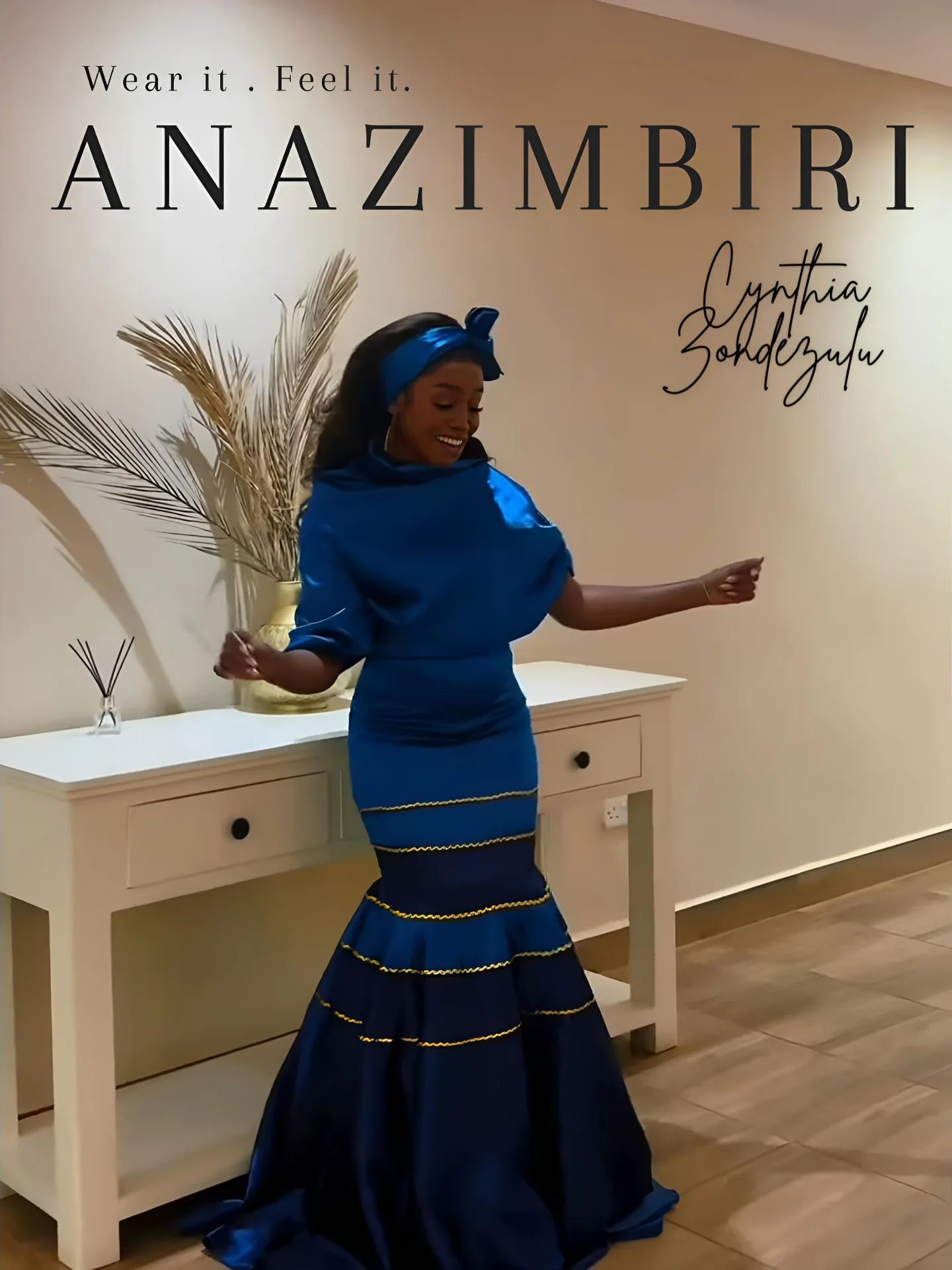
Lilly Alfonso named Aphiri after a clan name she associates with honour, ancestry and identity. She described Anazimbiri differently: as “a story, a memory, a lived experience handed down through generations.” One name directs attention to ancestry; the other to what people pass down. The difference gives substance to Alfonso’s appeal in The Nation: “We need fashion designs that tell Malawian stories, names and culture.”

Lilly Alfonso draws on a clan name and inherited memories to show how designers can start with Malawian references without prescribing a national look.

What each name asks us to notice
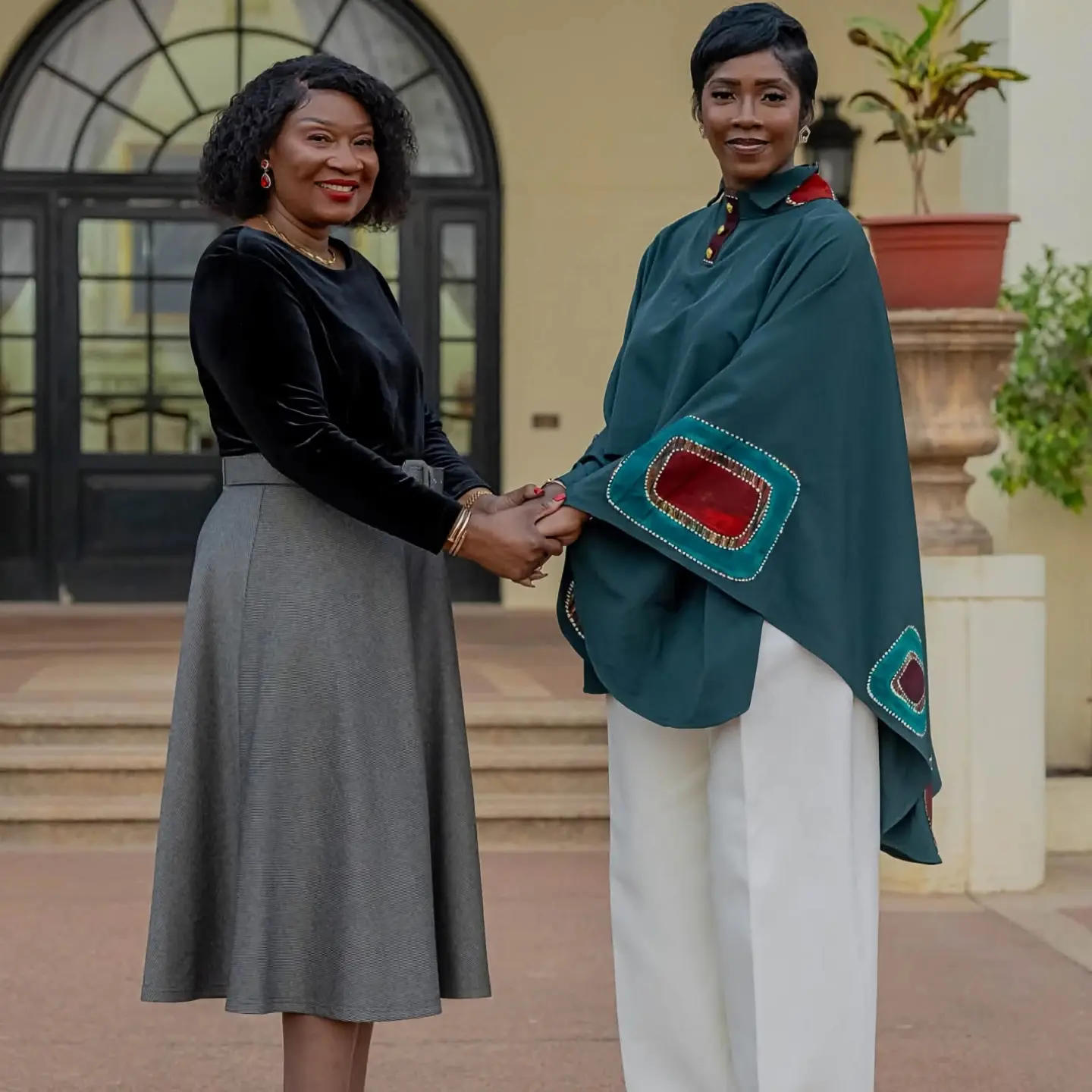
What each name asks us to notice
All Photos: @lily.alfonso/Instagram.

With Aphiri, Alfonso names the connection she wants the design to acknowledge. The January 2026 report in The Nation explains that choice without identifying the garment type. The evidence is about naming: it tells us why Alfonso chose the reference, not how she translated it into a cut or how people connected to the clan received it. With Anazimbiri, the emphasis is on how a memory survives through retelling. In December 2025, The Nation reported Anazimbiri as a fashion line. Its January report identified an Anazimbiri top. One report names a line; the other identifies a garment. Alfonso’s description of inherited experience explains what she wants the name to carry. It is not presented here as a literal translation or a description of the top’s construction.

Two nearby names belong to different works. Anazi is the dress the January report links to Gulewamkulu; that account does not assign the same inspiration to the Anazimbiri top. Achilundu is the other line named alongside Anazimbiri in December. The distinction matters because confusing the names would transfer a reported source of inspiration from one design to another.

A proposal, not a national dress code
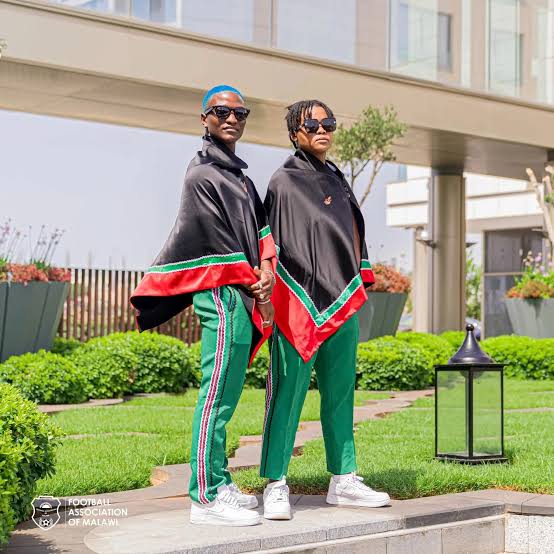
A proposal, not a national dress code
Photo: @lily.alfonso/Instagram.

Alfonso told The Nation that she believed looking to styles from elsewhere, particularly Nigeria and Uganda, had made it harder to develop a distinct Malawian fashion identity. That was her diagnosis, not a finding that Malawian designers lack original work. In the December interview, she made clear that she was not asking designers to reject global fashion. The distinction is about where to start: engaging with fashion from elsewhere does not require treating it as the default model. The January report offers a useful check on the scope of her argument. The Nation reported that ten local designers showed work inspired by Malawian culture at Malawi Fashion Identity. Alfonso’s designs were one response within that programme, not a standard against which the others had to be measured. The event can be read as a space for several answers to the same question, rather than as an attempt to settle on a national look.

The Omiren Argument
Photos: @lily.alfonso/Instagram.

Aphiri and Anazimbiri make Alfonso’s proposal more persuasive because they begin in different places. A clan name gives her a way to speak about ancestry; an inherited memory gives her a way to speak about what people pass down. Naming those sources makes the choices open to discussion without asking either design to speak for Malawi as a whole. Other designers can begin with different references and arrive at different clothes. That room for difference is what makes Alfonso’s proposal useful.

Also Read:

  • Asrafobawu Is Not a Clothing Brand. It Is a Cultural Practice. 
  • Why Wearing African Cloth in the Diaspora Is an Act of Cultural Reclamation
  • Liberian Designers Influencing African and Global Fashion
  • Haitian Fashion Designers and the Couture System the Western Industry Has Never Named

Frequently Asked Questions

What does Aphiri refer to?

Lilly Alfonso named Aphiri after a clan name she associates with honour, ancestry and identity. The January 2026 report in The Nation explains that choice without identifying the garment type. The evidence concerns naming: it tells us why Alfonso chose the reference, not how she translated it into a cut or how people connected to the clan received it.

What does Anazimbiri mean in Alfonso’s account?

Alfonso described Anazimbiri as “a story, a memory, a lived experience handed down through generations.” In December 2025, The Nation reported it as the name of a fashion line, and its January report identified an Anazimbiri top. The description explains what she wants the name to carry; it is not a literal translation or a description of the top’s construction.

Is Anazi the same design as Anazimbiri?

No. Anazi is the dress the January report links to Gulewamkulu, and that account does not assign the same inspiration to the Anazimbiri top. Achilundu is the other line named alongside Anazimbiri in December. Confusing the names would transfer a reported source of inspiration from one design to another.

Is Alfonso proposing a national dress code?

No. Her argument is about where designers start, not what the clothes should look like. She made clear that she was not asking designers to reject global fashion. The Nation reported that ten local designers showed work inspired by Malawian culture at Malawi Fashion Identity, and her designs were one response within that programme.

Post Views: 87
Total
0
Shares
Share 0
Tweet 0
Pin it 0
Related Topics
  • Anazimbiri Collection
  • Aphiri Collection
  • Lilly Alfonso
  • Malawian Fashion
Avatar photo
Tobi Arowosegbe

arowosegbetobi13@gmail.com

You May Also Like
Sindiso Khumalo: Following One Print from Artwork to Dress
View Post
  • Fashion Analysis

Sindiso Khumalo: Following One Print from Artwork to Dress

  • Rex Clarke
  • November 11, 2026
KATUSH’s Black Bird A Kanga: How a Folktale Becomes a Silhouette
View Post
  • Fashion Analysis

KATUSH’s Black Bird A Kanga: How a Folktale Becomes a Silhouette

  • Adams Moses
  • November 11, 2026
LACMA’s Zoot Suit: How Exaggerated Proportions Become a Silhouette
View Post
  • Fashion Analysis

LACMA’s Zoot Suit: How Exaggerated Proportions Become a Silhouette

  • Rex Clarke
  • November 10, 2026
Lagos Fashion Week 2026: Paciencia’s Role in Cute Saint’s Collection
View Post
  • Fashion Analysis

Lagos Fashion Week 2026: Paciencia’s Role in Cute Saint’s Collection

  • Tobi Arowosegbe
  • November 5, 2026
Lagos Fashion Week 2026: What Buyers Were Buying For
View Post
  • Fashion Analysis

Lagos Fashion Week 2026: What Buyers Were Buying For

  • Rex Clarke
  • November 5, 2026
Lagos Fashion Week 2026: The Business Behind the Craft
View Post
  • Fashion Analysis

Lagos Fashion Week 2026: The Business Behind the Craft

  • Rex Clarke
  • November 4, 2026
The Omiren Argument

African fashion and culture are not emerging. They are foundational. We document, interpret, and argue for the full cultural weight of African and diaspora dress. With precision. Without apology.

Omiren Styles Fashion · Culture · Identity

All 54 African Nations
Caribbean · Afro-Latin America
The Global Diaspora

Platform

  • About Omiren Styles
  • Our Vision
  • Our Mission
  • Editorial Pillars
  • Editorial Policy
  • The Omiren Collective
  • Campus Style Initiative
  • Sustainable Style
  • Social Impact & Advocacy
  • Investor Relations

Contribute

  • Write for Omiren Styles
  • Submit Creative Work
  • Join the Omiren Collective
  • Campus Initiative
Contact
contact@omirenstyles.com
Our Reach

Africa — All 54 Nations
Caribbean
Afro-Latin America
Global Diaspora

African fashion intelligence, in your inbox.

Editorial features, designer profiles, cultural commentary. No noise.

© 2026 Omiren Styles — Rex Clarke Global Ventures Limited. All rights reserved.
  • Privacy Policy
  • Editorial Policy
  • Terms of Use
  • Accessibility
Africa · Caribbean · Diaspora
The Omiren Argument

African fashion and culture are not emerging. They are foundational. We document, interpret, and argue for the full cultural weight of African and diaspora dress. With precision. Without apology.

Omiren Styles Fashion · Culture · Identity
  • About Omiren Styles
  • Our Vision
  • Our Mission
  • Editorial Pillars
  • Editorial Policy
  • The Omiren Collective
  • Campus Style Initiative
  • Sustainable Style
  • Social Impact & Advocacy
  • Investor Relations
  • Write for Omiren Styles
  • Submit Creative Work
  • Join the Omiren Collective
  • Campus Initiative
Contact contact@omirenstyles.com

All 54 African Nations · Caribbean
Afro-Latin America · Global Diaspora

African fashion intelligence, in your inbox.

Editorial features, designer profiles, cultural commentary. No noise.

© 2026 Omiren Styles
Rex Clarke Global Ventures Limited.
All rights reserved.

  • Privacy Policy
  • Editorial Policy
  • Terms of Use
  • Accessibility
Africa · Caribbean · Diaspora

Input your search keywords and press Enter.

Newsletter Subscribe

The Omiren Style Index

The reference directory for African, Caribbean and Afro-Latin fashion. New entries, taxonomy updates and intelligence signals — once a month. No noise.

.newsletter-form{
max-width:500px;
margin:auto;
text-align:center;
padding:30px;
}

.newsletter-form h3{
margin-bottom:10px;
font-size:28px;
}

.newsletter-form p{
margin-bottom:20px;
color:#666;
}

.newsletter-form input{
width:100%;
padding:14px 18px;
border:1px solid #ddd;
margin-bottom:15px;
border-radius:4px;
}

.newsletter-form button{
width:100%;
padding:14px;
background:#000;
color:#fff;
border:none;
cursor:pointer;
text-transform:uppercase;
letter-spacing:1px;
}