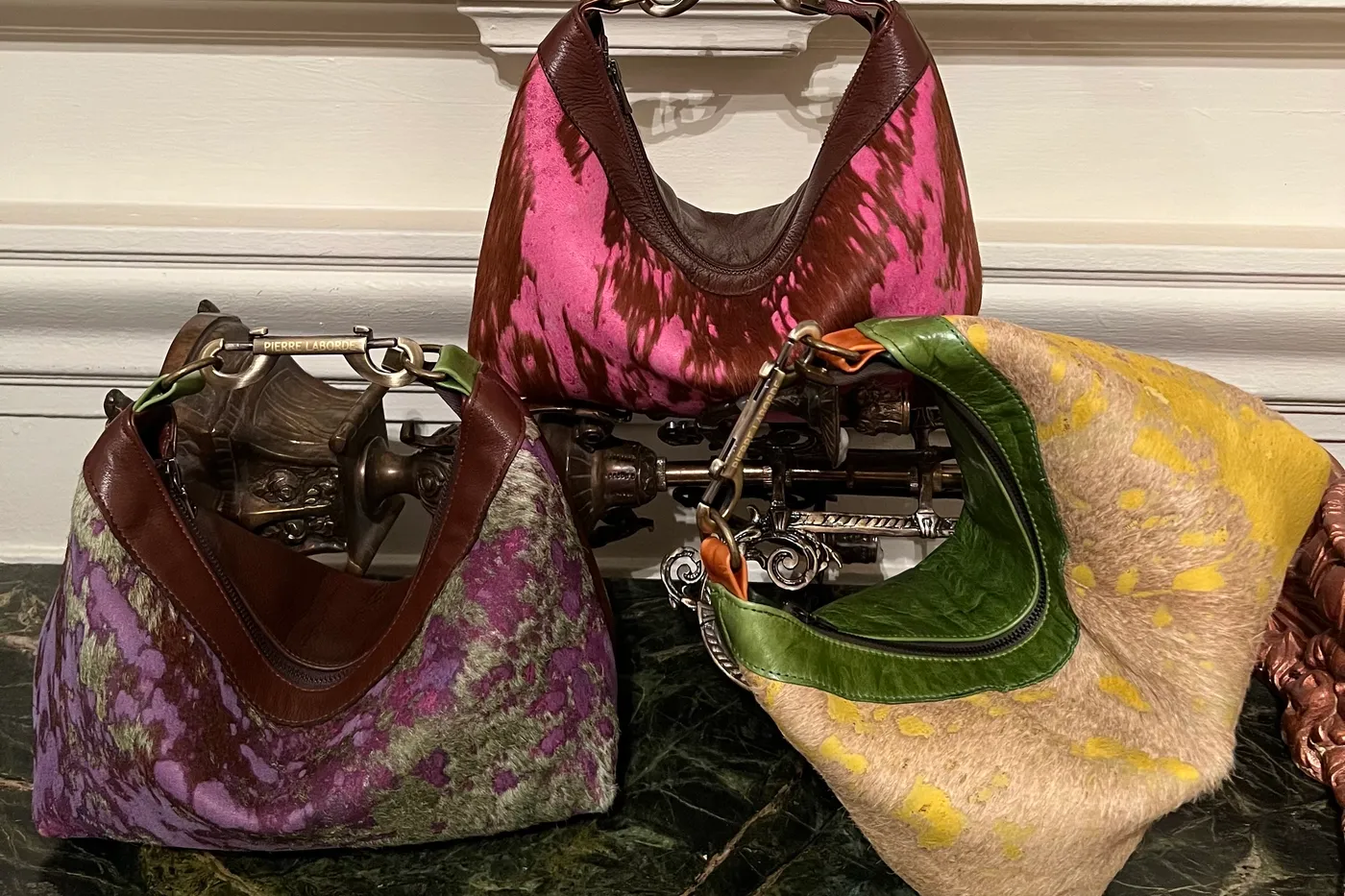
A bright exterior attracts attention. A contrasting pocket rewards the person who opens the bag. Pierre Laborde’s accessories make room for both encounters. In Chantal Fernandez’s November 2025 profile for The Cut, his handbags are described with printed silk linings and two deep pockets in different colours. The visual activity does not stop at the outer surface; it continues into the parts of the object that belong chiefly to its owner. That relationship between public appearance and private detail offers a useful introduction to Laborde. His bags can be conspicuous without making every decision for the benefit of an audience. The interior has its own character. A pocket need not disappear into the lining simply because its function is practical.
The language surrounding his recognition has sometimes offered a more familiar introduction. Shelcy Joseph’s April 2026 Market Appointment interview appeared under the headline “After Virality: Pierre Laborde on Making the Internet’s New Birkin.” The piece itself contains substantial reporting about his career, customers and creative priorities. Its headline nevertheless raises a question worth separating from the excitement: what does the comparison explain about Laborde’s work, and what does it leave unseen? “Birkin” supplies an immediate reference for desirability. It does not explain his proportions, his colour relationships or the decisions he wants to keep under his control. Those require a closer account of the designer himself.
Pierre Laborde’s colourful handbags show a distinct design identity shaped by his Haitian perspective, careful details and commitment to creative control.
A Clasp, Two Silhouettes and an Unrestrained Palette
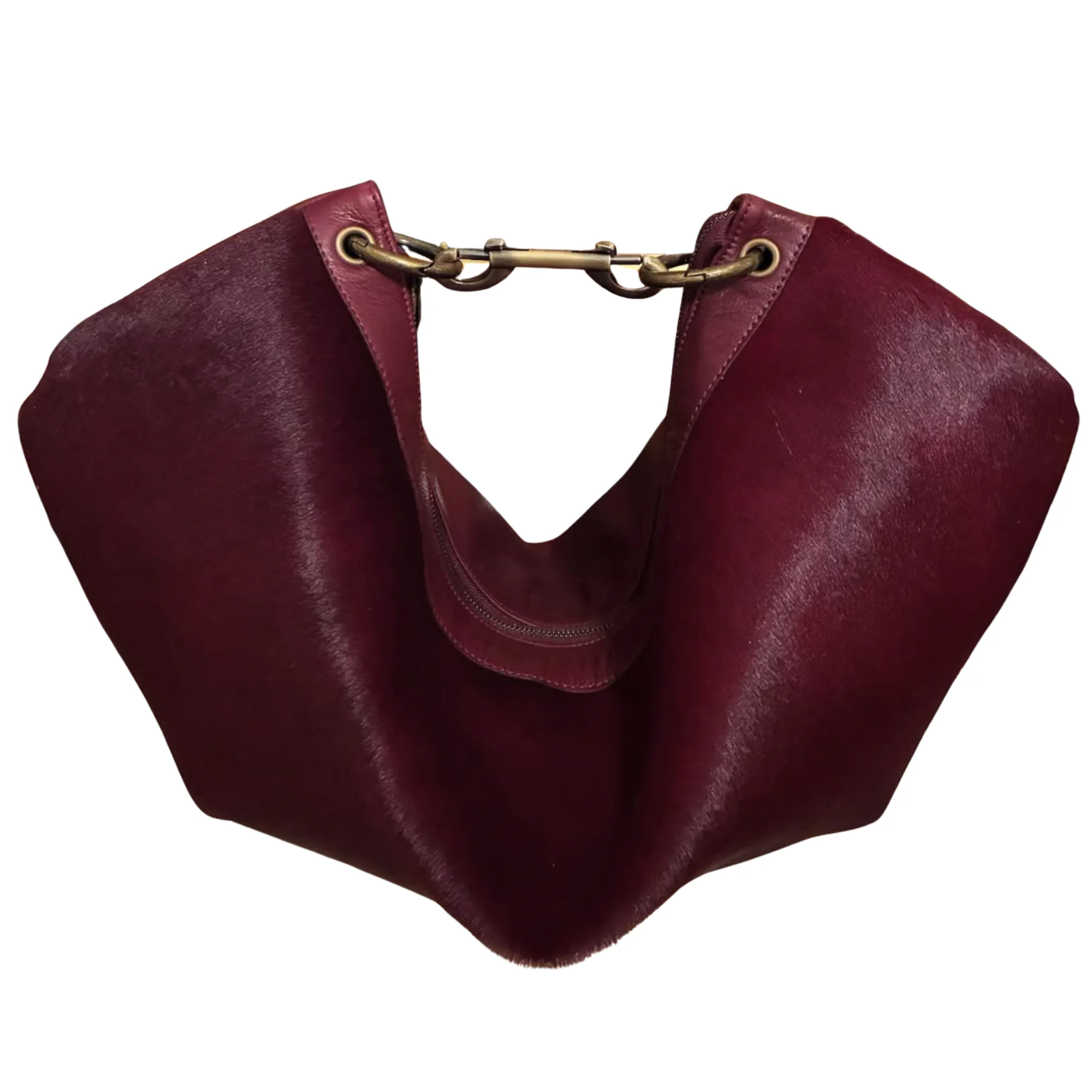
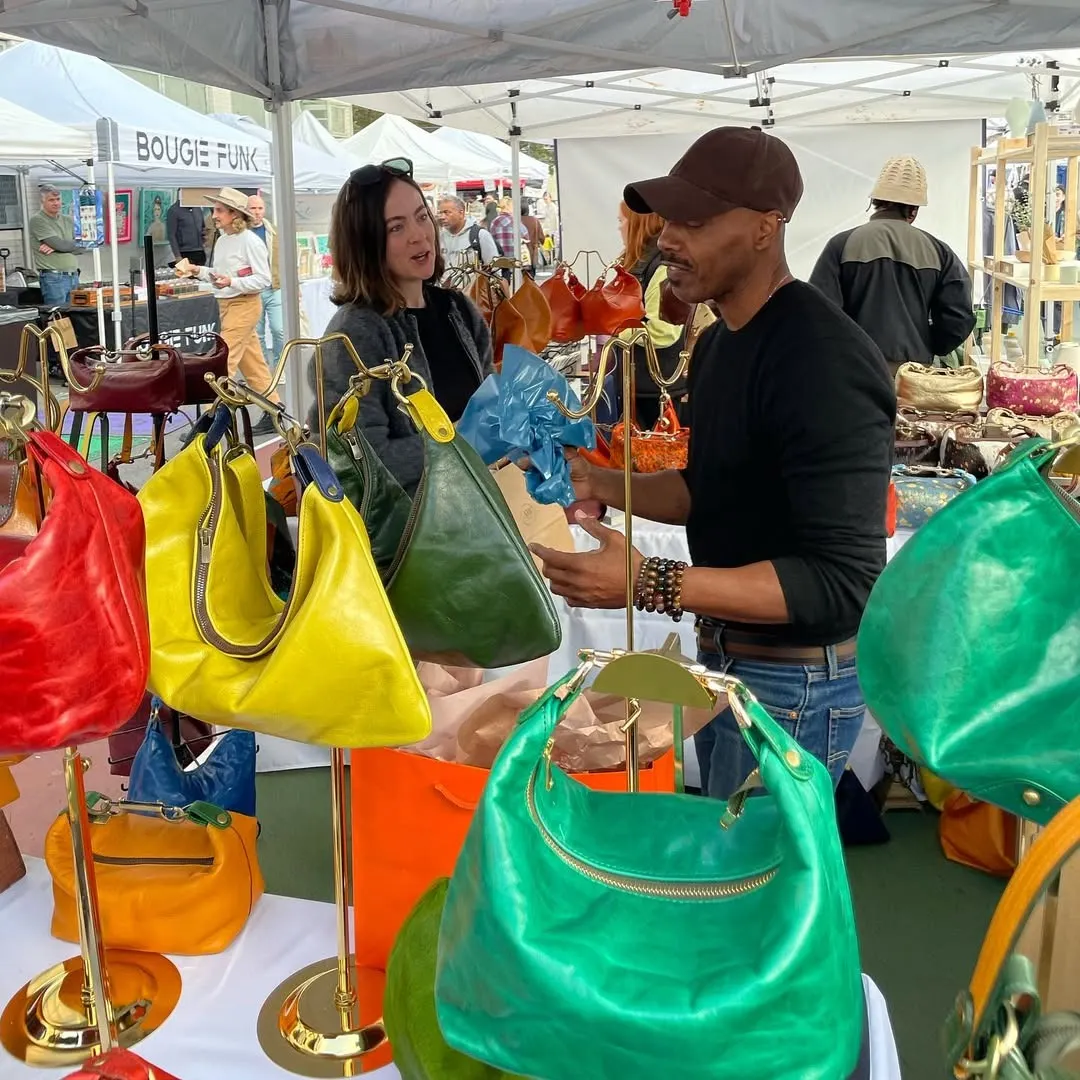
Laborde’s clasp bags have a recognisable structure across different sizes. The Cut describes smaller versions as boxy rectangles and larger ones as slouchier, hobo-style crescents. Double-sided clasp handles recur across the designs, while an additional strap allows the bags to be worn across the body. Some of the cowhide versions use striking neon blue and orange. The two silhouettes produce different effects. A compact rectangle gives colour a contained, clearly bounded field. The larger crescent allows the material to gather into a softer outline. They belong to the same design vocabulary without requiring the wearer to choose the same relationship between bag and body.
The clasp provides continuity. The surface provides variation. That distinction helps explain why these bags deserve to be discussed as designs rather than treated as interchangeable examples of a popular product. Their identity depends on the relationship between a recurring structure and changing material treatments. The development of that relationship preceded the larger audience. Speaking to Fernandez in November 2025, Laborde said he had begun making the clasp bags approximately three years earlier, initially in smooth leather. “No one cared for it,” he recalled. Interest increased when he began making them in cowhide.
The material change matters because it did not require him to abandon the underlying form. A different surface made an existing idea more compelling to customers. The clasp bag’s history is therefore one of adjustment and discovery within the practice, not simply discovery of the practice by the internet. Laborde’s own brand description places bright colours, high-gloss finishes and stylised interiors within a philosophy he calls “Vintage Quality With Modern Sensibility.” That phrase is a statement of intent rather than an independent assessment of execution. It does, however, identify a productive tension: familiar accessories conventions are made less restrained through colour, finish and internal detail.
The Interior Is Part of the Design
The lining deserves more than a passing mention because it extends that tension. Printed silk and contrasting pockets introduce another sequence of colour after the exterior has already made its impression. The bag is not visually exhausted by its front view. There is a difference between embellishing an object and carrying a design decision through it. In the bags described by The Cut, the interior participates in the same appetite for contrast as the outside. The pockets remain useful, but their usefulness does not require visual anonymity. Laborde’s brand statement also emphasises eye-catching interiors, although it refers more broadly to tapestry and an extensive range of materials. Those descriptions should not be collapsed into a specification for every bag: the printed silk documented in particular reporting and the materials listed across a collection are not necessarily interchangeable. What they establish together is that the inside is a recurring area of attention.
For the wearer, this produces two registers of experience. The exterior can be recognised across a room. The lining is encountered at a closer range through use. One addresses the social life of dressing; the other belongs to the ordinary act of reaching into a bag. That is a more revealing basis for discussing luxury than popularity alone. It asks where attention has been spent and who gets to experience the result.
Colour, in Laborde’s Own Terms
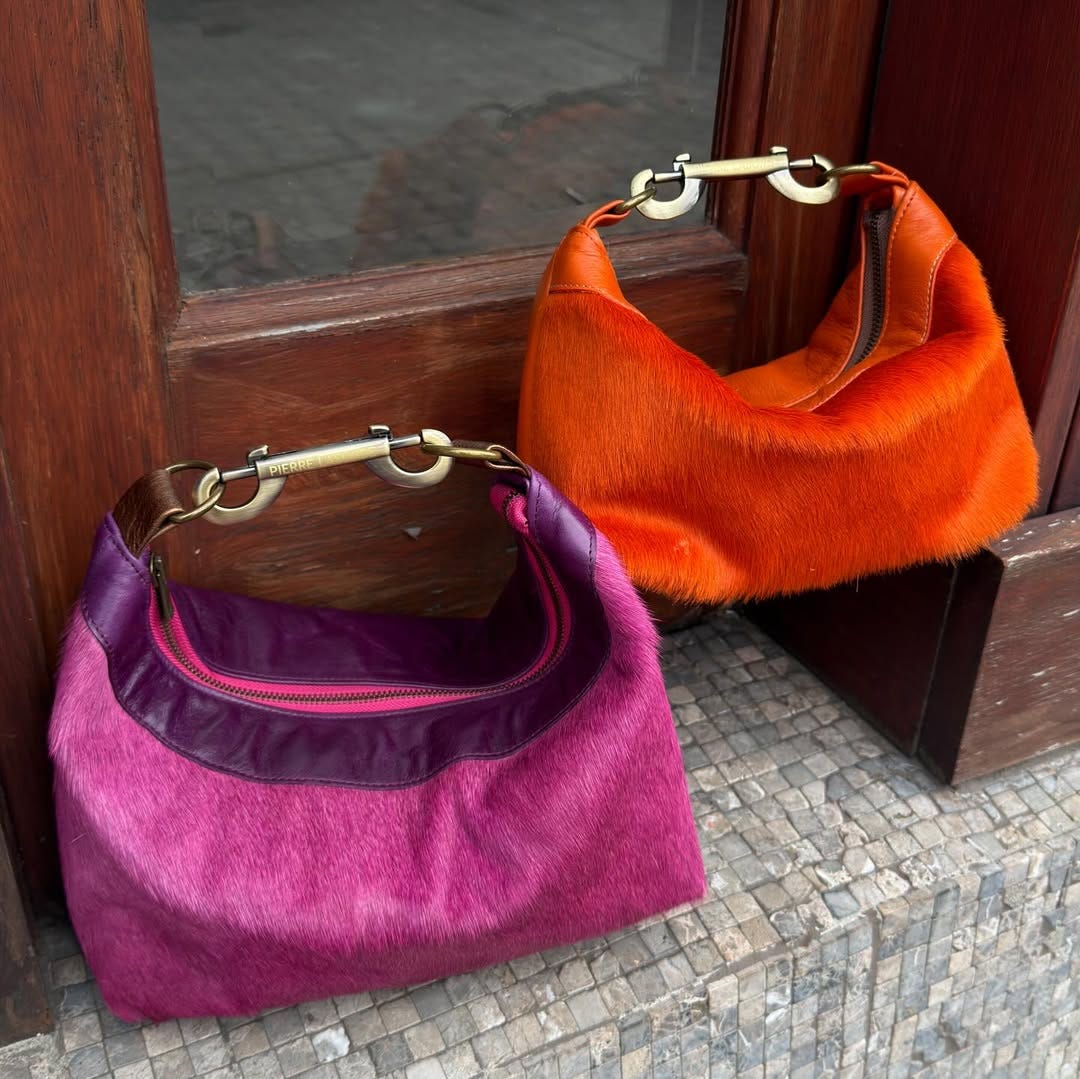
Laborde has made the relationship between his background and his palette explicit. “Coming from Haiti, color is everything to me,” he told Joseph. “I just want people to feel empowered to wear it.” His explanation connects two things: where his attachment to colour comes from and what he hopes colour will allow another person to do. The intention is not only to produce a vivid object. It is to encourage a wearer to inhabit that vividness. The neon blues and oranges described in The Cut give that statement a concrete expression. So do the contrasting interiors. Colour is not confined to a small accent that leaves the rest of the object untouched; it can organise the bag’s appearance, outside and in.
Haiti belongs in this account because Laborde places it there. His testimony gives us a specific connection without requiring every clasp or material to become a national symbol. He is describing his own creative relationship with his birthplace, not providing a universal explanation of Haitian design. That distinction allows individuality to remain visible. His background informs the work, while the particular arrangements of shape, surface and colour remain his decisions. Cultural context should sharpen our understanding of those decisions, not replace it.
The Work Before the Attention
Laborde’s account of becoming an accessories designer is less sudden than the language of a breakthrough suggests. His formal education began in fashion design at New York’s Fashion Institute of Technology. In Joseph’s interview, he described working in an industry whose conditions left him questioning the relationship between his training and the jobs available to him. He subsequently made gowns for private clients. That work offered creative involvement, but he found the labour difficult to sustain financially. Returning to FIT to study accessory design led him towards muslin totes and fabric bags, and then towards a practice he financed with his own money, including the purchase of sewing equipment.
The early market experience was uncertain. Laborde recalled days at the Grand Bazaar when he sold nothing. Friends encouraged him to put the work in front of customers, but confidence did not arrive automatically with the decision to sell. Recognition developed through repeated encounters: people returned, brought friends and became supporters of the business. This chronology changes how the later attention should be understood. The audience expanded around a practice that already contained technical development, financial risk and customer relationships. Public enthusiasm did not bring those things into existence. Nor does his experience support a simple promise that persistence will eventually be rewarded. What it documents is more specific: Laborde continued refining and presenting his work while learning which parts of it people responded to. The shift from smooth leather to cowhide belongs within that history, alongside the customer who returned with a friend.
What “The Next Birkin” Cannot Tell Us
The Birkin comparison is efficient. It gives a reader an immediate sense that these are bags people want and may find difficult to obtain. Joseph’s headline uses that recognisable reference before an interview that goes well beyond it. The limitation is not that the phrase makes no sense. It is that desirability becomes the first language through which the designer is understood. A status comparison cannot account for the relationship between Laborde’s compact rectangular bags and his larger crescents. It cannot explain why he places contrasting colour inside an object, or why an existing clasp design attracted a different response when its material changed.
Those are not secondary details beneath a more important story about demand. They are the substance of the work. There is also a difference between saying a designer has earned attention and saying his achievement resembles somebody else’s position. “The next” can confer prestige while postponing a proper description. Readers learn the level of excitement they are expected to recognise before learning what distinguishes the object. Laborde’s bags do not need to defeat, replace or rival a Hermès product for his decisions to deserve scrutiny. A more useful comparison would identify a particular formal or technical relationship. A general analogy of status tells us far less.
The Business He Wants to Make
Laborde’s insistence on creative control gives the design discussion a practical consequence. In November 2025, he told The Cut that he was not interested in mass-producing the bags or taking on an investor. “I want to be able to create the way I want to create,” he said. That statement should not be converted into a blanket argument against growth. It establishes his priority: the ability to make decisions about the work. The production arrangements reported at the time were already changing. Someone in New York’s Garment District was helping with sewing, while Laborde continued cutting materials and making the straps, including hand-painting their edges. He had also hired an assistant whom he was training. The practice was not accurately described as one person indefinitely performing every operation alone.
Shared work does not erase authorship. It makes the distribution of responsibility important. In this account, Laborde retained particular tasks while beginning to build assistance around them. His concern was not simply the number of hands involved, but the standard and direction of what those hands produced. “Quality control for me is so important; maybe that’s why it takes me a long time,” he told Fernandez. The statement gives his pace a specific context without making slowness a virtue in itself. Customers also form part of the working life he values. He described enjoying conversations at the market about products, fashion and colour, as well as the opportunity for people to ask about his story. Joseph’s interview similarly records his gratitude towards customers who chose to return and support him.
For Laborde, then, success involves more than moving products away from the maker as quickly as possible. His published testimony places creative freedom and direct exchange alongside sales. The relevant question is how a changing business can preserve the parts of the practice he actually wants.
The Omiren Argument
Laborde’s most persuasive claim to attention lies in the relationship between his decisions: a recurring clasp structure, changing silhouettes, assertive surfaces and interiors that continue the conversation. His own testimony connects that appetite for colour to Haiti and his approach to business to creative freedom.
Recognition should make those decisions easier to see. When comparison becomes the main explanation, it risks doing the opposite, replacing a particular designer with a familiar measure of prestige.
The more useful introduction is already available in the work: look at the shape, open the bag, notice where the colour continues.
Also Read:
- LaTouche: Jacmel, Haiti and the Architecture of Identity
- Waina Chancy and Atelier Ndigo: Haitian Elegance on a Global Stage
- Afro-Caribbean Fashion in Haiti: History, Identity, and the Politics of Dress
- The Handbag Was Never Just Fashion: The History of Women’s Bags, Mobility, Privacy, and Power
Frequently Asked Questions
Who is Pierre Laborde?
Francis Pierre Laborde is a Haitian-born handbag designer whose formal training includes fashion design at New York’s Fashion Institute of Technology. His accessories practice followed work in clothing and custom gowns, and later a return to FIT to study accessory design, which led him towards muslin totes and fabric bags.
What distinguishes Pierre Laborde’s handbags?
Published reporting identifies clasp-handled bags in compact rectangular and larger crescent-shaped versions, brightly coloured cowhide, printed silk linings and contrasting internal pockets. These describe documented designs, not every item in his collection, and the brand’s own description refers more broadly to tapestry and an extensive range of materials.
Does he make every bag entirely himself?
Not according to the production arrangements reported in November 2025. The Cut documented sewing assistance from someone in New York’s Garment District, while Laborde retained material cutting and strap-making, including hand-painting the edges. That is a dated account, rather than a statement of his current team structure.
Why is the Birkin comparison limited?
It supplies an immediate sense of desirability, but it does not explain his proportions, colour relationships or the decisions he wants to keep under his control. A status comparison cannot account for the link between his compact rectangles and larger crescents or for the contrasting colour placed inside the bag.