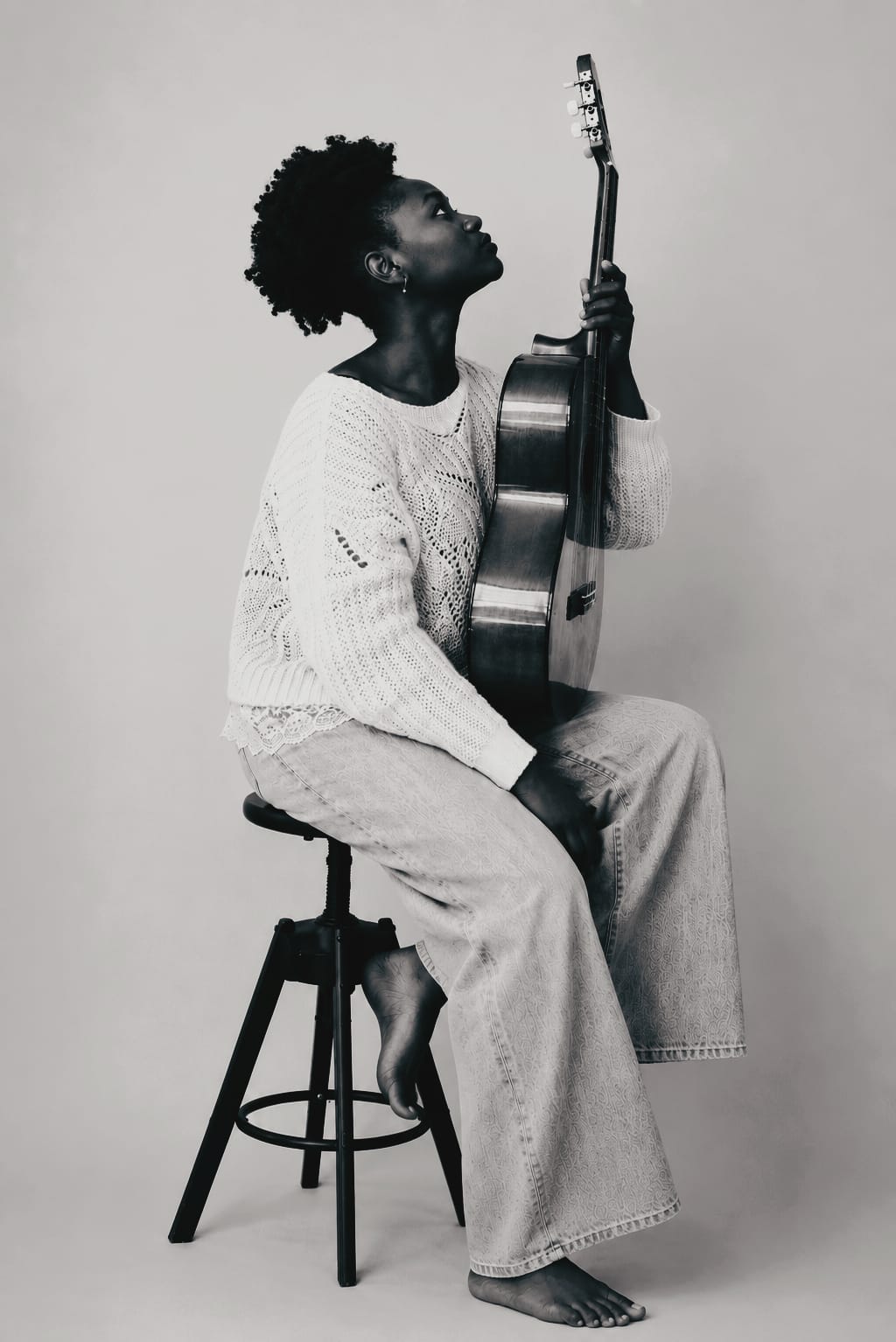
MAWUSE’s biography begins with geography, but the more revealing thread is transmission. Originally from Togo, with Togolese and Beninese roots, the singer, songwriter and visual artist is based in Nantes, France. These places establish a starting point. They do not, by themselves, explain the work.
Instead, her account turns to language, childhood, musical influence, and the relationships she hopes creativity can sustain. She sings in Ewe, Mina and English. She draws on memories of solidarity and sharing. Her understanding of love extends beyond romantic attachment to include peace, childhood and the place of children in society.
Together, these concerns suggest a more specific way of approaching her practice than simply describing it as a meeting of cultures. The central question is what a person does with the experiences, languages and values they inherit.
In MAWUSE’s supplied biography, cultural belonging is not presented only as an origin story. It also appears as an ongoing responsibility: telling stories, sharing knowledge and asking what the present is leaving for those who come after it.
Meet MAWUSE, the Togolese-Beninese artist in Nantes connecting music, language, childhood memory and cultural transmission through her creative practice.
Beyond the Language of Cultural Blending

The biography describes MAWUSE’s musical world through Afro-pop, soul, jazz and electronic sounds. These terms introduce her stated influences, but they should not be mistaken for a complete explanation of her musical identity.
A list of genres cannot establish how an artist writes a melody, shapes a lyric or decides which language a song needs. Nor does describing music as culturally diverse explain the personal choices behind it.
MAWUSE’s account places those choices within a human rather than strictly categorical framework. Words, emotions, and rhythms come together without an ambition to belong to a single genre. She emphasises the experiences she wants to communicate, with musical forms available as resources rather than fixed boundaries.
Her named influences extend from Tracy Chapman and Nina Simone to Bella Bellow, Fifi Rafiatou, Erykah Badu and King Mensah. That list is useful as a statement of artistic reference. It is not evidence that her recordings reproduce the sound or approach of any one of those figures.
The distinction matters. Influence can establish a relationship of admiration without providing a shortcut to critical understanding. MAWUSE’s work deserves to be encountered as her own, rather than explained entirely through the better-known names surrounding it.
Three Languages, One Personal Account
Ewe, Mina and English are among the clearest particulars in MAWUSE’s account of her songwriting. They locate language within the work itself, rather than leaving cultural identity to be conveyed only through biography or publicity.
Her use of these languages invites questions about expression: what she wants to say, whom she imagines addressing and how different experiences find their form in a song.
The available biography does not explain how she makes those decisions. It does not establish which language carries which subject or whether a song begins with words, rhythm or melody. Those details require her own testimony and close attention to the recordings.
The biography does establish that no single language contains her entire stated practice.
That matters for a profile concerned with belonging. Her Togolese and Beninese roots need not be treated as a background detail, mentioned once before attention moves elsewhere. Equally, they should not become a restrictive explanation for everything she makes. Language offers a more concrete point of engagement: something she actively uses to build her work.
Childhood as a Question About the Present
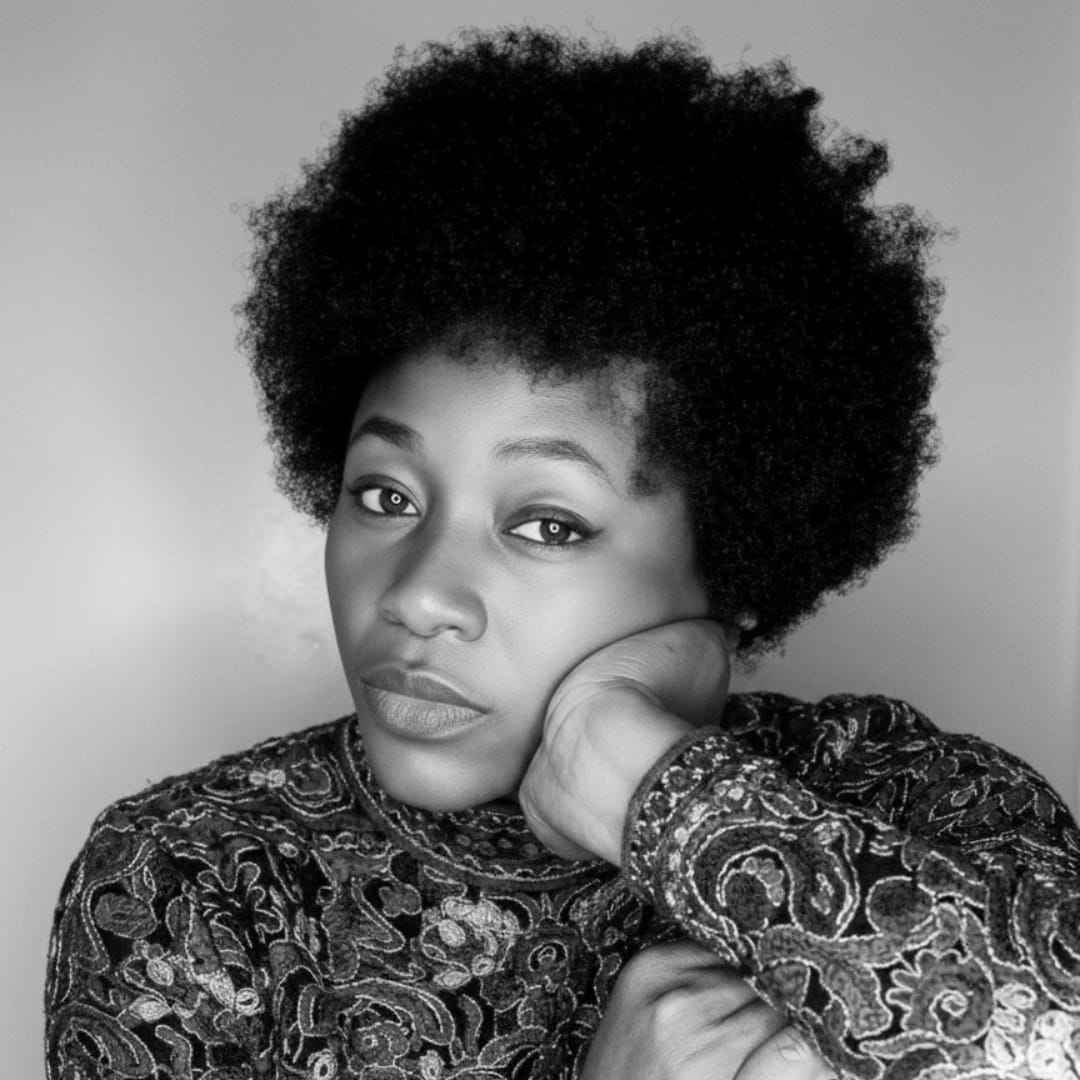
Childhood occupies a distinctive place in MAWUSE’s artistic account. Her biography describes lyrics informed by the perspective of the little girl she once was, drawing on memories of a world in which solidarity, sharing and belonging seemed to bring people closer.
The wording is important. These are remembered experiences, not proof that an earlier society was universally more generous or cohesive.
The biography explicitly resists idealising the past. Instead, memory becomes a way to question the present. What remains of the relationships she remembers? What values survive through everyday behaviour? What are adults passing on to children?
This gives nostalgia a purpose beyond the desire to return. A remembered experience can become a standard against which the present is examined, without requiring the past to have been flawless.
It also connects her personal story to a wider ethical concern. Childhood is not only a period she looks back on. Children are people whose place in contemporary society she wants to consider.
That movement, from the child she was to the children growing up now, is one of the strongest threads in the supplied account of her work.
Love Beyond the Romantic Song
MAWUSE’s biography describes love as a subject extending beyond romantic affection. Peace, childhood and human connection are part of that understanding.
This does not make romantic love unimportant. It places it within a larger field of relationships and obligations.
In this account, love can concern how people care for one another, how communities make room for children and how individuals respond to difference. Her stated interests bring emotional experience into contact with social life.
A useful distinction here is between declaring a universal message and identifying the particular experiences through which that message takes shape. “Human connection” can remain abstract unless it is anchored to a memory, a relationship or an action.
MAWUSE’s references to childhood, language and the transmission of values provide those potential anchors. They give her stated concern with shared humanity a personal point of departure, rather than leaving it as an uncomplicated slogan.
Whether and how individual songs develop those concerns is a matter for a listening-led examination, supported by lyrics and, where necessary, translations.
A Debut Release Built Through Collaboration
MAWUSE’s biography identifies 29 May 2026 as a milestone in her artistic development. Public catalogue information supports that date and lists a five-track release under her artist name, including “LONLON”, “AMÉBU” and “NTIFAFA”. Gaana
The supplied account places the recording at DoYouLike Studio in Nantes, working with David Darricarrère and pianist Léa Colombet. Catalogue credits also name MAWUSE, David Darricarrère and Colombet as composers on the release.
These credits introduce a collaborative dimension to what is otherwise a personal artistic account. The project is rooted in MAWUSE’s story, but its recorded form also involves the work of other musicians.
Her artist profile on SoundCloud describes a meeting with Darricarrère and Colombet in June 2025 as an important turning point, leading to a new phase of development in Nantes. SoundCloud
That chronology gives the release a more tangible context: an encounter, a period of collaboration and a project brought into recorded form. It is more informative than presenting a debut as an isolated arrival.
Illustration and Community as Part of the Same Practice
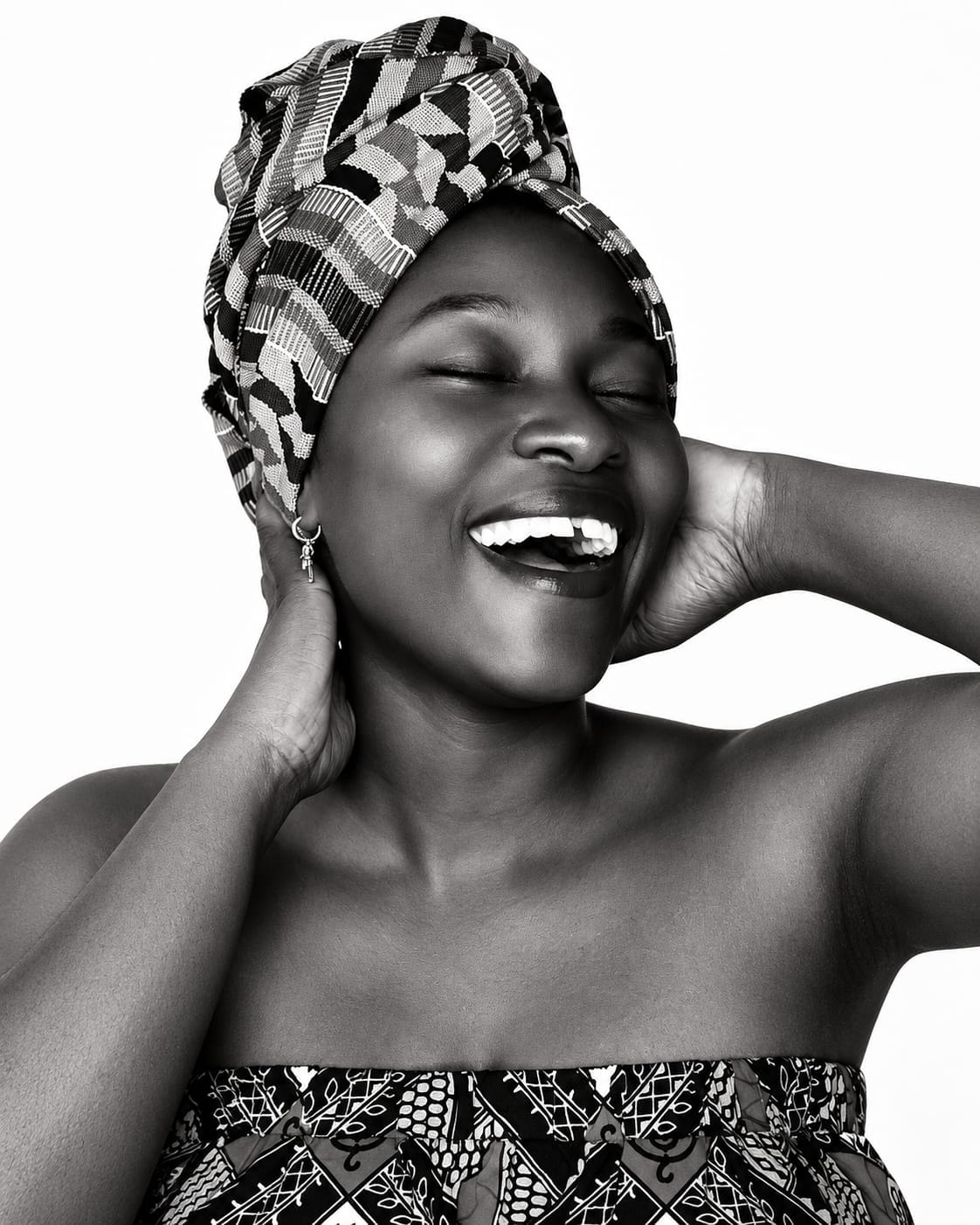
Music is not the full extent of MAWUSE’s creative activity. Her biography also identifies her as an illustrator involved in cultural, educational and community initiatives in France and Togo.
The supplied material does not name those initiatives or describe her precise responsibilities. It would therefore be premature to make claims about their reach or impact.
Their inclusion nevertheless matters to how she frames her practice. Creativity is described not only as something to perform or publish but also as a means of cultural transmission and human connection.
Illustration and music need not be collapsed into a single form to belong to the same artistic life. They can provide different ways of working with stories, ideas and audiences.
The same applies to community engagement. Its significance should ultimately be demonstrated through specific activities and the people involved, rather than accepted as a general statement of good intentions. For a fuller account of MAWUSE, those particulars would be an important next layer of reporting.
The Omiren Argument
The strongest editorial entry point into MAWUSE’s practice is transmission.
Her biography connects several activities that might otherwise be treated separately: singing in multiple languages, remembering childhood, questioning what children inherit, illustrating and participating in cultural initiatives. Their relationship lies in what people carry, communicate and pass forward.
This framework is more useful than treating her roots and French base as sufficient evidence of an interesting cultural encounter. Geography establishes where a life unfolds. It does not explain what an artist chooses to make from it.
At the same time, an editorial claim must remain proportionate to the evidence. The biography establishes MAWUSE’s intentions and self-description. To examine how those intentions operate in practice, we need recordings, lyrics, interviews, and documented community work.
Her account already makes clear the question she wants her work to hold open: not simply where we come from, but what we do with what we have received.
Also Read:
- Ewe Kente vs Ashanti Kente: Two Traditions, One Name, and a History That Colonial Borders Obscured
- The Llamada Is a Wardrobe of Memory: How Candombe Dress Makes Afro-Uruguay Visible
- Bèlè: Martinique’s Dance of Memory, Resistance, and Identity
- Aka Polyphonic Singing and Ritual Life in the Central African Republic
Frequently Asked Questions
Who is MAWUSE, and what languages does she sing in?
MAWUSE is a singer, songwriter and visual artist originally from Togo, with Togolese and Beninese roots. According to her supplied biography, she is based in Nantes, France. The biography identifies Ewe, Mina, and English as the languages used in her songs, and no single language covers her entire practice.
What musical influences and subjects does she name?
Her stated influences include Tracy Chapman, Nina Simone, Bella Bellow, Fifi Rafiatou, Erykah Badu and King Mensah, within a musical world of Afro-pop, soul, jazz and electronic sounds. Her stated themes include human emotions, identity, memory and love beyond romantic relationships, alongside childhood, peace, solidarity and what adults pass on to future generations.
When was her debut release issued, and who collaborated on it?
Catalogue information lists a five-track release dated 29 May 2026 titled MAWUSE, with “LONLON” among its tracks. The supplied biography names the EP LONLON, so the official title requires confirmation. The biography names David Darricarrere and pianist Léa Colombet as collaborators, and the catalogue credits list them alongside MAWUSE as composers.
Does MAWUSE work outside music?
Yes. Her biography identifies her as an illustrator and describes involvement in cultural, educational and community initiatives in France and Togo. The supplied material does not name those initiatives or describe her precise responsibilities, so their reach and impact cannot yet be assessed.
Artist Information
Artist: MAWUSE
Practice: Singing, songwriting and visual art
Based in: Nantes, France
Roots: Togolese and Beninese
Instagram: @ma_wuse