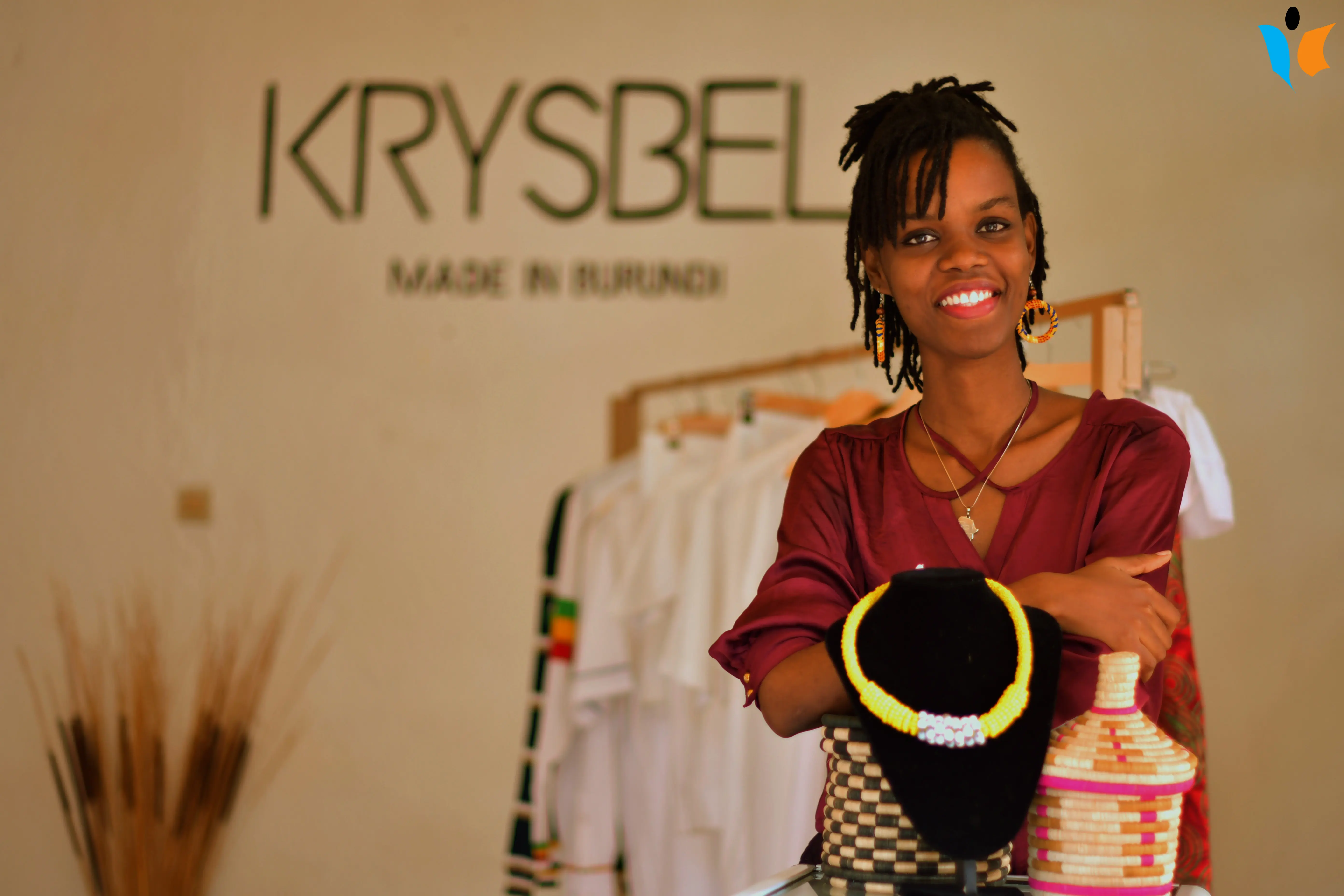
A five-piece beginning, a university business-plan assignment and an ambition to reach customers abroad shaped Krysbel’s early story. In her published account, founder Krystal Bella Shabani placed Burundi at the centre of the label she wanted to build.
How Krystal Bella Shabani shaped Krysbel’s early identity through contemporary fashion, local making and an ambition to represent Burundi abroad.
Five pieces before the international ambition
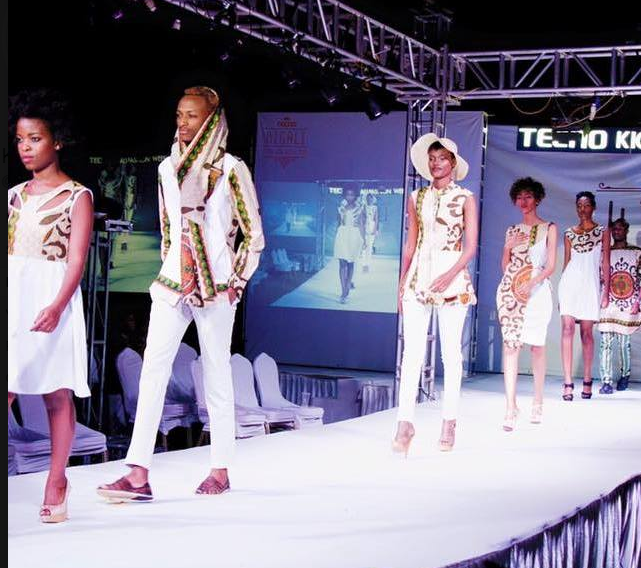
Before Krystal Bella Shabani spoke about building an international fashion label, she began with five pieces of clothing. In a 2019 interview with Lionesses of Africa, the Burundian designer recalled using approximately 2,000 Burundian francs from her pocket money to produce that first collection. A university business-plan assignment had encouraged her to consider her designs as the foundation of a business.
“A label can travel without leaving its origin behind.” Omiren Styles Editorial Intelligence
The scale makes the beginning tangible. Her account had no expansive collection, just a small group of garments that turned her interest in fashion into something she could offer customers.
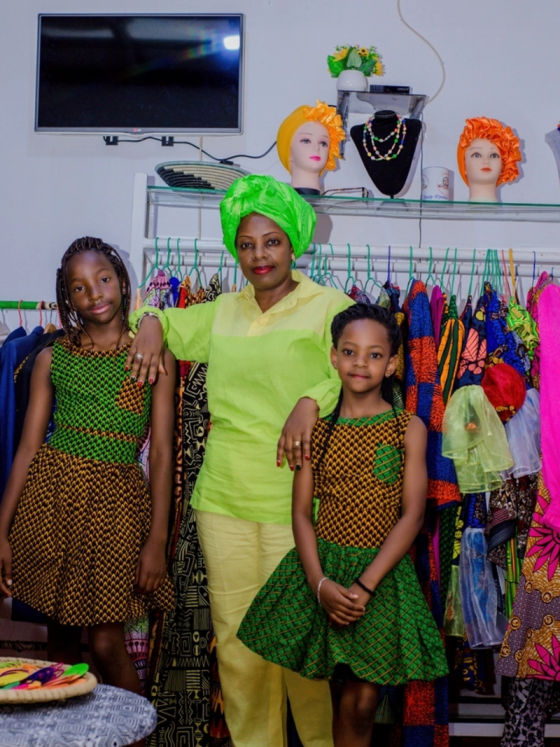
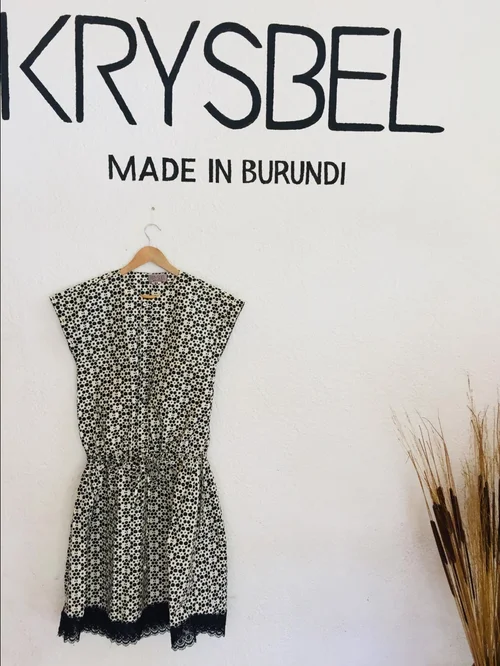
Krysbel’s name made the undertaking personal. Shabani explained that it combined elements of her full name: Krystal Bella Shabani. Its declared identity, however, reached beyond its founder. When asked to introduce the business, she described an African-inspired fashion brand and highlighted the words “Made in Burundi.”
Together, the name and the statement of origin established two anchors. Krysbel belonged to an individual designer, but Shabani wanted the country of production to remain visible as the business developed.
Her early story is therefore not simply one of starting small and hoping to grow. It is also an account of deciding what a fashion label should carry with it when it reaches beyond its immediate surroundings.
Turning an assignment into a business
Both Jeune Afrique’s April 2015 reporting and Shabani’s Global Entrepreneurship Network profile date Krysbel’s creation to 2012. Her later interview linked that beginning to her studies: developing a business plan around her designs helped her recognise fashion as a possible career.
That transition matters because designing an object and organising a business around it are different undertakings. In Shabani’s account, the academic exercise created a framework for considering how her ideas might become products.
Her first five pieces were a beginning, not evidence of a fully formed fashion system. The available interview does not identify the garments individually. It does, however, establish that the venture started with a small clothing collection before developing into the broader brand she described in 2019.
The distinction keeps the founding story in proportion. Limited starting resources can make an entrepreneur’s account compelling, but they do not explain the quality of the resulting design. Here, they reveal the scale at which Shabani began testing her ambition.
By 2019, she described Krysbel as encompassing clothing, footwear and accessories for women, men and children. That range reflects the breadth of the proposition she wanted to establish, though the interview offers more detail on the business’s intentions than on individual products.
The balance she wanted the clothes to strike
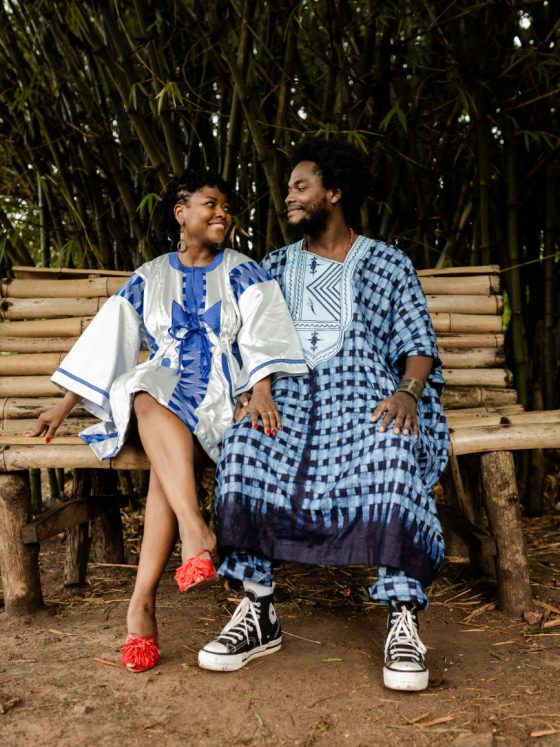
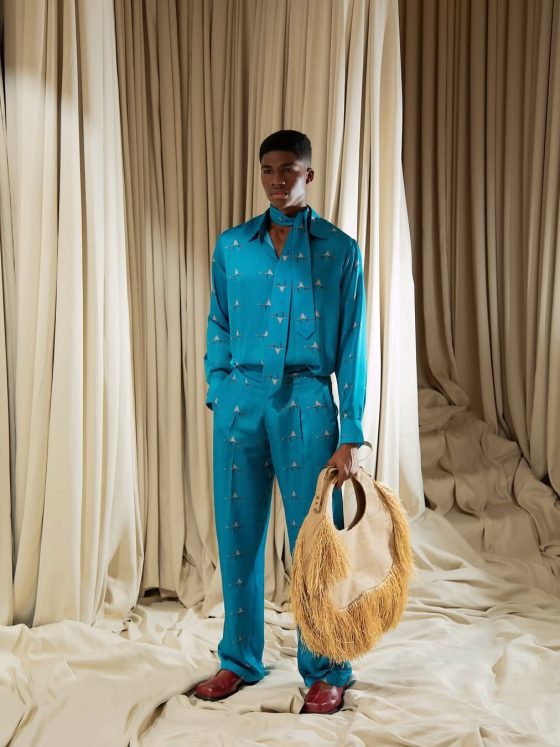
Shabani’s description of Krysbel’s appeal was concise: “a blend of contemporary design with a classic style.” She also connected the products to happiness and to her enthusiasm for culture.
Those statements reveal how she wanted customers to understand the label. Contemporary design suggested a relationship to the present; classic style suggested continuity rather than constant replacement. In her formulation, the two could coexist.
The words remain the designer’s description, not an independent verdict on a collection. Nevertheless, they identify a useful tension within the early proposition. Shabani was not presenting cultural expression as something separate from contemporary clothing. She placed it within a brand intended for customers living in the present.
That relationship is more specific than describing Krysbel only as “African-inspired.” The broader label identifies a field of reference, while Shabani’s account of contemporary and classic elements begins to explain the balance she hoped to achieve.
The historical material cannot settle how that balance operated visually. The interview does not provide a sufficiently detailed garment record to establish a recurring silhouette, a distinctive construction method or a consistent approach to proportion.
The strongest reading is therefore one of intention: Shabani wanted cultural expression to participate in a contemporary fashion proposition, rather than sit outside it as background biography.
Giving origin a place in the brand

“Made in Burundi” was the clearest geographical statement in Shabani’s account. She used it to describe the business and returned to it when explaining her ambition to build an international label.
The phrase connected two different scales. One concerned the place where the products were made. The other concerned the audience she hoped those products could reach.
For Shabani, international aspiration did not require the brand to become geographically anonymous. She said her ambition was to represent a Made in Burundi movement through the label’s development.
This is the most substantial idea in Krysbel’s early positioning. A product could travel while its place of origin remained part of its identity.
The claim should not be inflated into a conclusion that one label transformed the country’s fashion industry. Shabani was describing a direction for her business. Its significance lies in the deliberate relationship she established between growth and origin.
The founder’s name supplied authorship. “Made in Burundi” supplied a wider affiliation. Neither cancelled the other.
The people behind the proposition
Shabani’s account of production gave that affiliation a practical dimension. In 2019, she said she worked with cooperatives and associations and trained people to make her designs. She linked those arrangements to her intention to support employment in her community.
Here, design was not described as an entirely solitary activity. Her explanation placed other makers between the initial idea and the finished product.
That is important to the brand’s early identity because it gives “Made in Burundi” more substance than a slogan alone. In Shabani’s telling, the label’s local connection included relationships with the makers who produced the products. We raise the question of crediting those makers in our piece on protecting the cloth makers behind the fabric.
The testimony does not establish wage levels, workforce size or measurable employment outcomes. Those would require separate reporting. It does establish that collaborative making formed part of how she explained the business.
This distinction allows the account to retain its significance without turning an ambition into a verified social-impact claim. Shabani described a model in which her designs could create work for others. The historical record documents that intention and her stated approach.
Reaching customers beyond Burundi
The international audience in Shabani’s interview was not entirely hypothetical. She said some products were being exported to Canada, the United States and Sweden, and credited support from Burundian diaspora communities.
Those destinations give the early export story a more precise shape. Rather than describing international growth only through fashion capitals or department stores, Shabani identified people connected to Burundi who were living elsewhere.
In her account, diaspora support formed one route through which the products travelled.
That does not establish individual customers’ motivations or the scale of sales. It does show how the founder understood an important source of encouragement and demand.
The connection also extended the meaning of the brand’s geographical identity. “Made in Burundi” could speak to customers near the place of production and to people abroad who maintained a relationship with the country.
The ambition came with a practical obstacle. Shabani said shipping and exporting at scale remained difficult.
That acknowledgement makes the story more useful than a simple account of a label “going global.” Some products had reached customers overseas, according to the founder, but a reliable route to larger-scale distribution remained a challenge.
International aspiration and logistical limits coexisted. Anyone who has tried to send a parcel across a border will recognise how much weight that sentence carries, and our piece explores the realities of getting products to buyers in what follows a fashion showcase.
A direction, not a finished verdict
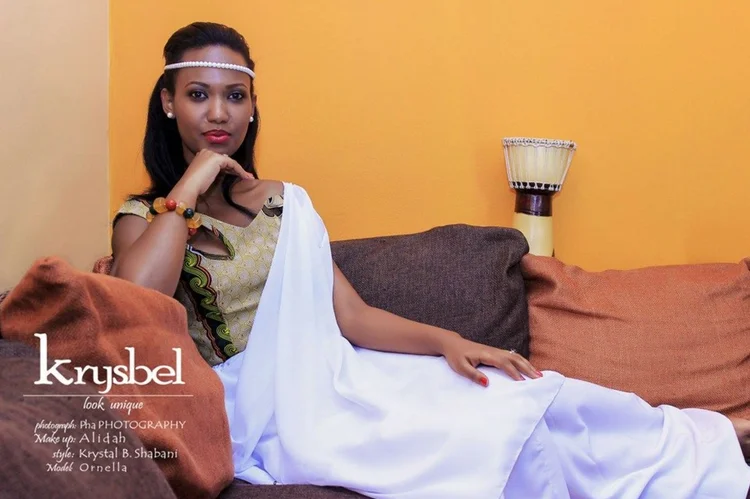
Krysbel’s early record is strongest when read as the development of a proposition. Shabani began with a small collection, named the business after herself, described an approach that combined contemporary and classic elements, and tied its future to Burundi.
The threads are related. Personal authorship gave the label a point of view. Cultural expression helped define its intended character. Production relationships gave its origin a practical dimension. Diaspora support offered one route towards customers abroad.
What emerges is a founder trying to organise those elements into a fashion business.
A full assessment of Krysbel’s design achievement would require the clothes themselves. Nevertheless, the historical account establishes something worth preserving: Shabani did not describe international ambition as an escape from origin. She wanted origin to remain legible within it.
Omiren Argument
Krysbel’s early proposition joined personal authorship to a visible place of making. Shabani’s ambition was not merely to sell beyond Burundi but to build a label whose connection to Burundi remained part of its identity.
That is the argument the historical evidence supports. It describes how a designer positioned her work, not as proof of a distinctive silhouette or a measured industrial impact.
For Omiren, the useful distinction is between recognising an ambition and assessing its execution. Shabani’s early account gives Burundi an active place in the story, as a location of making and a declared part of the label’s future. The next critical task is to examine how that proposition takes shape in identifiable garments.
Also Read:
- The Maker-Credit Test: What a Heritage Fashion Product Page Should Clarify
- How to Verify a Fashion Brand’s Fabric Claims
- After Africa Fashion Week London 2026: What Converted Into Orders, Stockists, Press or Partnerships?
- The Beauty Retail File: What Is Required by Law, and What Is Required by a Buyer?
Frequently Asked Questions
Who founded Krysbel?
Burundian fashion designer Krystal Bella Shabani founded Krysbel. Published accounts date the brand’s creation to 2012.
What does the name Krysbel mean?
Shabani explained that the name combines elements of her full name: Krystal Bella Shabani.
How did Krysbel begin?
In a 2019 interview, Shabani said a university business-plan assignment encouraged her to pursue fashion as a business. She recalled beginning with a five-piece clothing collection funded with approximately 2,000 Burundian francs from her pocket money.
What did “Made in Burundi” mean in Shabani’s early account?
Shabani used it to identify the brand’s origin and describe an ambition to represent Burundian production internationally. She also described working with cooperatives and associations to make her designs. These are her statements from 2019, not verification of current operations.