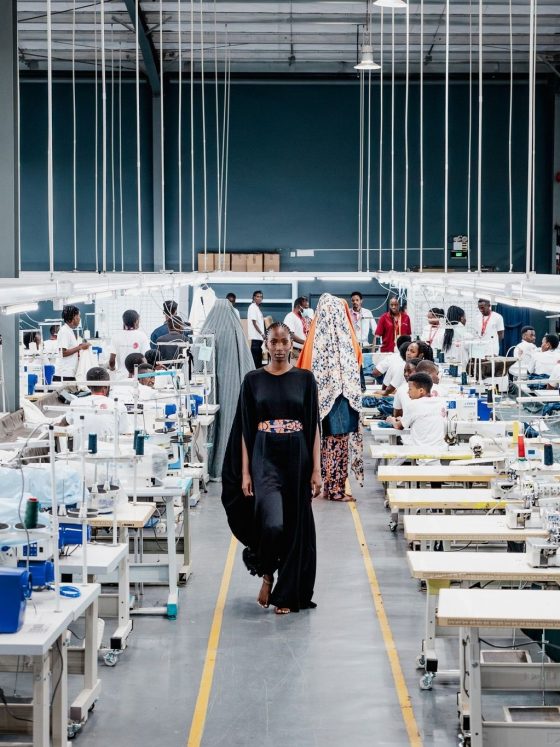
Designer boutiques, curated stores and temporary markets provide physical routes to Caribbean customers. Following a particular collection reveals the harder question: what actually reaches the shop floor?
Reporting note: This provisional analysis uses published profiles and retailers’ descriptions. No new buyer interviews or dated physical stock checks have been completed. It identifies retail routes and reporting leads, not a verified collection-to-store transaction or a live stockist guide.
Aaron Moneer’s move into a Woodbrook boutique provides a tangible starting point for examining Caribbean fashion’s retail routes. A March to April 2026 Caribbean Beat profile reports that the Guyanese-Trinidadian designer opened the premises in September 2025, presenting his Havana Collection in a space combining ready-to-wear, consultations and production. The article connects the expansion with growing local and regional demand following his 2023 Mission Catwalk win.
“A designer’s name on a shop door tells you where to knock. It does not tell you what is on the rail.” Omiren Styles Editorial Intelligence
That is a meaningful commercial development, but it is not a complete runway-to-retail story. The profile identifies Sweet Sweet Darling as his winning competition collection and Havana as the collection presented at the boutique opening. It also reports availability in Kingston and efforts to reach buyers elsewhere in the Caribbean, without naming the Jamaican outlet or identifying its stock. These are different collections, milestones and relationships, not one documented journey from presentation to purchase.
This distinction frames the question this investigation must answer. Regional designers have physical selling routes, but a designer’s presence in a market does not establish a particular collection’s availability. That requires a garment, a location and a date.
A case-led look at Caribbean fashion retail in Jamaica and Trinidad, examining boutiques, stockist claims and the gap between promotion and availability.
A Designer’s Shop Answers One Question
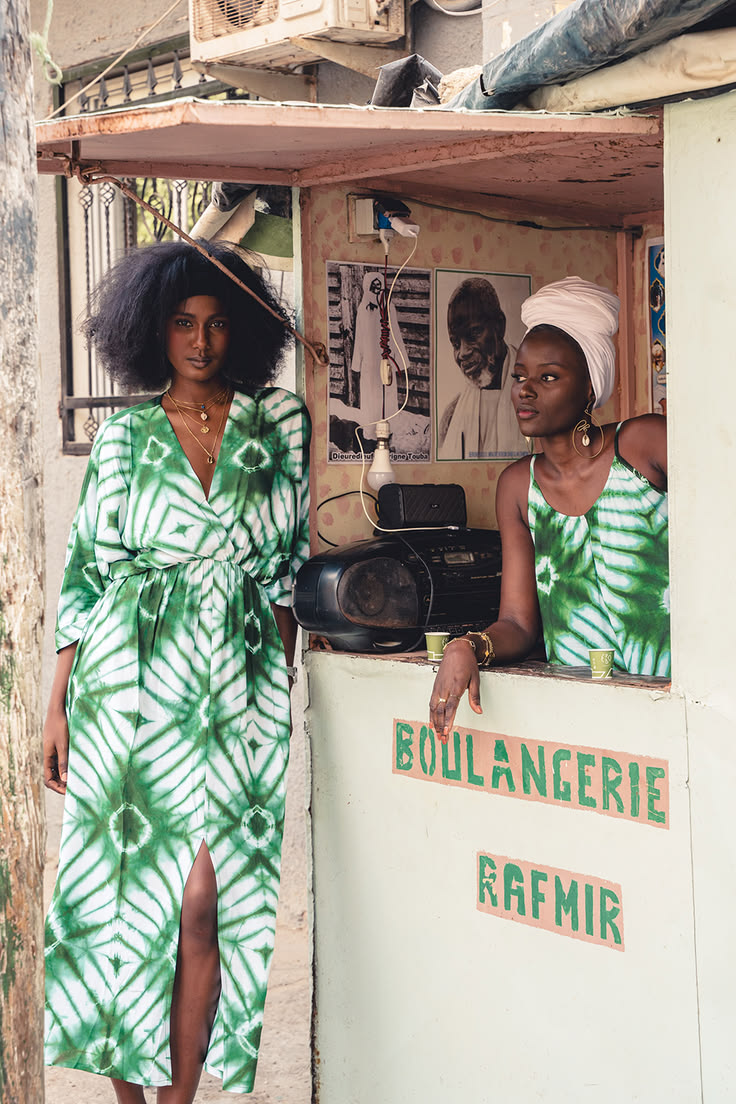
Moneer’s boutique places several activities under one roof. Ready-to-wear gives customers finished pieces to encounter, while consultations and production create a direct relationship with the designer’s operation. The published profile establishes the premises and its intended functions; it does not provide a current inventory or the share of business generated by each activity.
This direct route matters because it differs from selling through an independent buyer. On the designer’s own premises, the label controls how it presents its work and how customers engage with it. An independent retailer introduces another selection process: the store must decide which products fit its customers and commercial needs. Moneer’s reported search for additional regional locations suggests the label was still developing this wider network when the profile appeared.
Meiling’s website also lists a publicly advertised physical address at 6 Carlos Street, Woodbrook, along with opening hours and contact information. That confirms a location promoted by the label, not which runway pieces are currently inside it. Taken together, the two examples show why counting designer shops is useful but insufficient: a physical address establishes a point of contact, while collection-level access still needs checking.
The distinction also keeps the wholesale question in focus. A designer-owned boutique may be a viable route in its own right, rather than a temporary stage before wider distribution. But its existence cannot count as evidence that buyers in neighbouring markets have selected, purchased, and received the work.
The Independent Retailer Is a Separate Decision-Maker

Locale in New Kingston presents a different model. In an April 2024 article, the concept store describes selecting fashion, art, accessories, homeware and gifts for style and quality. The same article discusses Moneer’s final Mission Catwalk collection, including its white, gold and red palette and signature latticework.
That establishes a retailer’s engagement with the designer’s work. It does not establish which garments the locale ordered or offered for sale. Nor can the later Caribbean Beat reference to Kingston availability be used to identify Locale as the unnamed outlet. Direct confirmation is needed before those separate accounts can be joined into a retail transaction.
This is the most important unresolved link in the Moneer case. A conversation with the designer and the relevant Kingston retailer could establish whether a selection followed the presentation, which pieces were supplied and what customers could buy. The account would need to distinguish an outright wholesale purchase from consignment, a temporary event or another arrangement. Without that distinction, “stocked in Kingston” remains too broad to explain the business relationship.
The buyer’s reasoning would then give the story its analytical weight. Selection is not simply a judgement that a collection is attractive. In this case, the reporting must establish what the retailer chose, the agreed quantities and sizes, the delivery timetable, and any replenishment arrangement. Those remain questions for the parties involved, not proven explanations for why some Caribbean designs reach stores and others do not.
It helps to think of these as two different questions. One is whether a designer can reach customers at all. The other is whether a specific collection, shown on a specific runway, can be found by a specific shopper on a specific day. A designer-controlled shop answers the first more easily than the second, and the gap between them is where promotion and availability tend to blur.
Temporary Retail Offers Another Route
A permanent stockist is not the only way to create physical access. The Fashion Arch describes its origins in Racked – The Fashion Market, an initiative intended to expose work by designers based in Trinidad and Tobago or Trinbagonians abroad to clients and buyers. Its website also presents the Fashion Arch Gallery as a curated retail space showcasing Caribbean handmade products.
These accounts identify an operator working to connect products and customers. They do not establish how many runway collections entered the market, what sold or whether participation produced subsequent wholesale orders. An earlier report on Racked TT likewise describes retail sales rather than what followed. The appropriate measure therefore differs from that of a permanent store: assess a temporary event first against what it offered on its advertised dates, then follow up to see whether it led to further relationships.
That approach avoids treating every pop-up as either a substitute for distribution or a failed attempt to become a permanent shop. A temporary selling opportunity may serve a particular purpose. For this investigation, what matters is whether the promoted work was present and purchasable and whether claims about longer-term access are supported.
The comparison with Moneer’s boutique is useful precisely because the arrangements differ. One establishes an ongoing, designer-controlled premises; the other describes curated, event-based routes. Neither should be used to prove the performance of the other.
There is also a practical reason to keep these routes apart in the reporting. Each one asks the customer to do something different: walk into a designer’s own premises, trust a store’s selection or catch a market on its dates. A reader trying to buy a particular piece needs to know which of those applies, and a general claim that a designer is available locally does not tell them.
Follow the Collection Beyond the Guest List

The completed investigation needs to begin with an identifiable collection, not an event’s list of invited buyers. An invitation doesn’t establish attendance, attendance doesn’t establish an order, and an order doesn’t establish delivery. The sources examined here provide leads into those relationships, but not the direct confirmations needed to trace them.
For one collection, the reporting should connect the presentation date with the retailer’s selection, the agreed commercial arrangement and the arrival of named pieces. A dated availability check should then record the physical location, style, sizes, price and whether the item is ready stock, preorder or a commission. This is not a shopping recommendation. It makes the claim that runway exposure produced locally accessible testable.
A contrasting case would help establish where the route can break down. If a buyer expressed interest but no order followed, the article should identify the verified reason and give both parties an opportunity to explain it. It should not substitute familiar assumptions about pricing, production or shipping for evidence from the actual relationship.
The Omiren Argument
The available sources do not support the sweeping conclusion that Caribbean runway designers cannot be bought locally. They identify physical premises, a curated retailer and market-based initiatives. Equally, they do not demonstrate reliable collection-level distribution across the region. The evidence here is concentrated in Trinidad and Tobago and Jamaica, and the conclusion must remain within that scope.
The stronger test is narrower: after a collection is promoted, where can a customer encounter and purchase its pieces, and for how long? Moneer’s published trajectory offers a promising case, but its links to independent retail remain unverified.
Runway attention and retail access are different outcomes. Establishing the connection requires following the decisions and transactions that put the clothes on the rail.
Also Read:
- After Africa Fashion Week London 2026: What Converted Into Orders, Stockists, Press or Partnerships?
- What Happens After a Fashion Showcase? The Measures That Prove Market Access
- Althea McNish’s Golden Harvest: A Textile Between Trinidad and Britain.
- The Beauty Retail File: What Is Required by Law, and What Is Required by a Buyer?
FAQs
Does a physical boutique establish that a runway collection is available?
Not necessarily. Moneer’s published profile identifies a boutique and distinguishes collections by milestone, but it does not provide current collection-level inventory.
Can a retailer’s article be treated as proof that it stocks a designer?
It can establish promotional engagement, but stock needs separate confirmation. Locale’s article discusses Moneer’s collection without identifying an itemised retail selection or current availability.
Do Caribbean fashion markets provide a physical route to customers?
They can provide a selling setting. The Fashion Arch describes Racked as connecting designers with clients and buyers, but its published account does not establish collection-level sales or subsequent wholesale orders. Those outcomes require further verification.