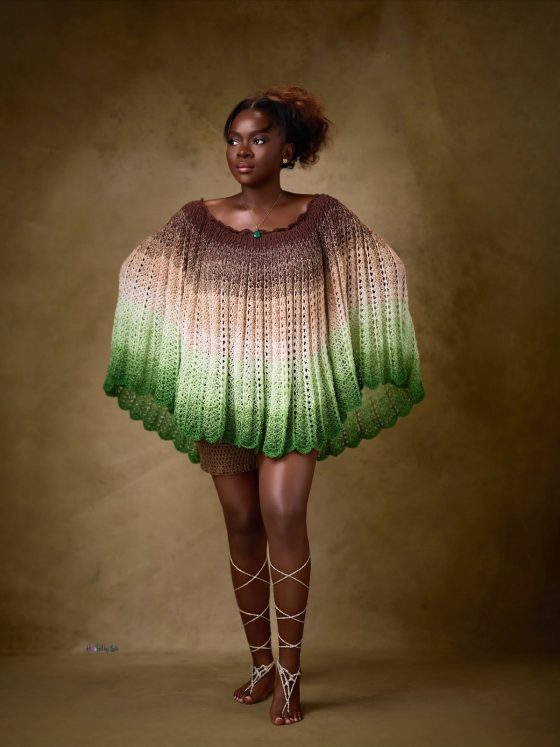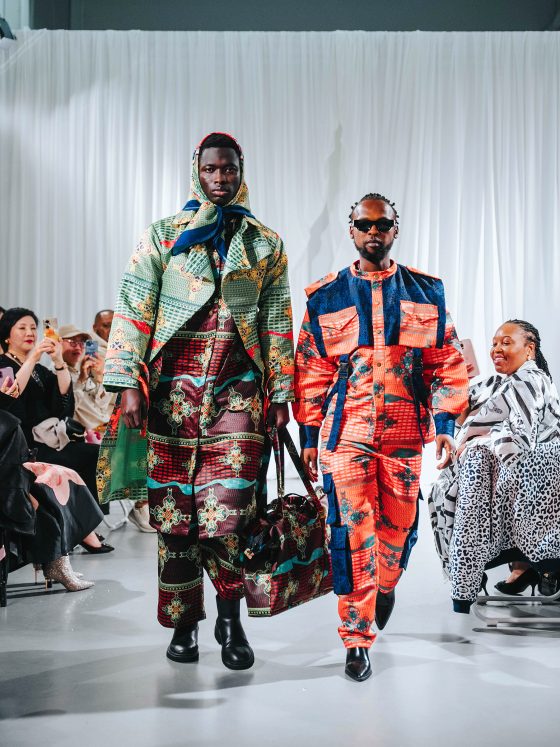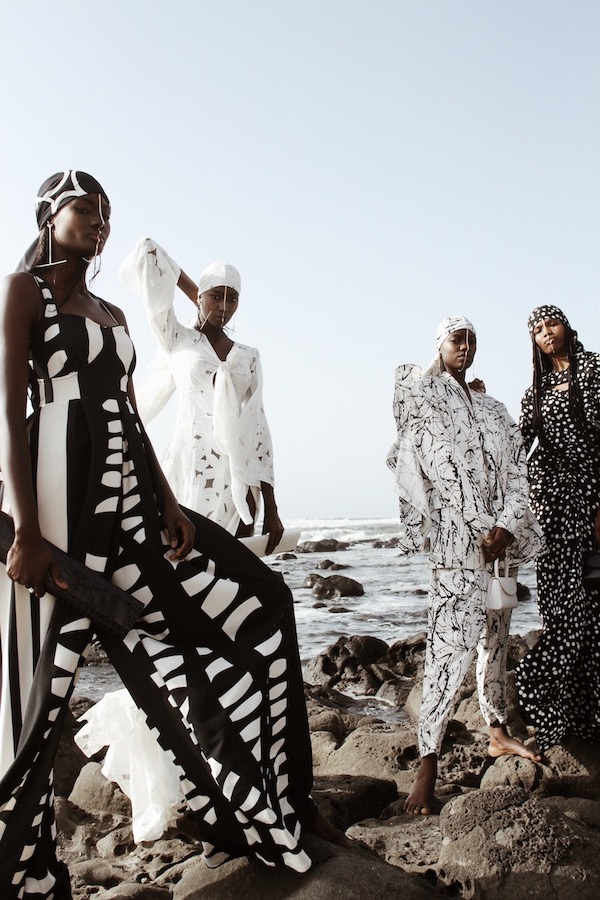
You can have strong work and still send an unclear application.
A finished garment may look impressive without explaining how you developed it. An editorial photograph may show excellent styling without identifying which decisions were yours. A campaign proposal may be beautifully designed but leave its audience and purpose uncertain.
The task is to close that gap. Show the work, explain your contribution and connect it to the role. For a diaspora fashion studio, cultural connection can make an application thoughtful and specific. It can explain why the studio matters to you. But it does not make design, styling and communications interchangeable disciplines. As Omiren has argued in its wider editorial coverage of the industry, the strongest applications from practitioners in the Global South bring research and capability together rather than relying on cultural affinity alone.
The most useful starting point is relevance. Before choosing images or arranging pages, establish what the employer needs someone to do.
Match your design, styling or communications portfolio to actual fashion studio requirements, with clear project examples, credits and submission guidance.
Check the Opportunity Before Editing the Portfolio
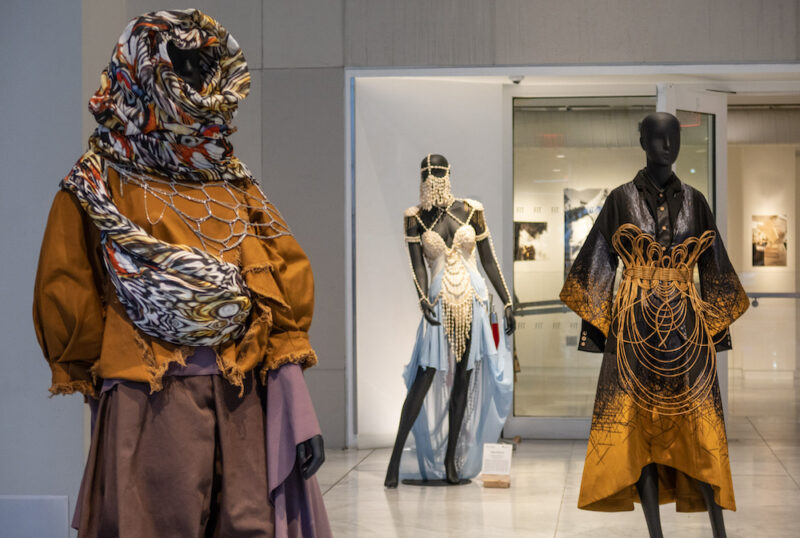
Begin with the practical conditions of the application.
Read the complete advert and check whether applications are open, the role’s seniority and responsibilities, eligibility and experience requirements, location and working arrangements, pay or other stated terms, and required documents, formats and deadlines. These details can determine whether the opportunity suits you before you spend time tailoring a submission.
The published Wales Bonner and David Alaba internship programme illustrates why this matters. Its 2025 communications placement specified a London location, full-time hours, a defined placement period, eligibility conditions and a PDF no larger than 10MB. It also requested a CV and photograph. Those instructions belonged to that specific programme; they are not universal fashion-application rules. The placement dates have passed, and an archived programme’s stated rate does not prove a current offer.
Similarly, Daily Paper’s internship page directs applicants to its careers page to check vacancies. A general introduction to internships does not establish that a particular department is accepting applications. Check the employer’s current application route before spending time on your submission.
Turn the Advert Into an Evidence Map
Once the opportunity is suitable, separate what the employer requests from what you propose to show. Do not begin by asking which projects look best together. Ask which projects demonstrate the relevant work.
For example, the historical Wales Bonner communications description named research, preparing decks and briefs, coordinating sample loans, event planning and social media support. An evidence map could look like this:
| Documented duty | Suggested portfolio evidence |
|---|---|
| Brand and social media research | A concise research example with a clear question and conclusion |
| Preparing decks and briefs | A presentation that identifies its audience, purpose and recommendations |
| Coordinating sample loans | A permitted, anonymised coordination example, if relevant |
| Event planning | A brief or schedule explaining your responsibilities |
| Social media support | Platform-specific content with its intended use explained |
The first column comes from the role description. The second is editorial guidance, not an additional employer requirement. This distinction prevents applicants from treating suggested formats as compulsory. Select evidence that demonstrates your capability and follow the advert where it gives specific instructions.
For Design: Explain the Development, Not Only the Result
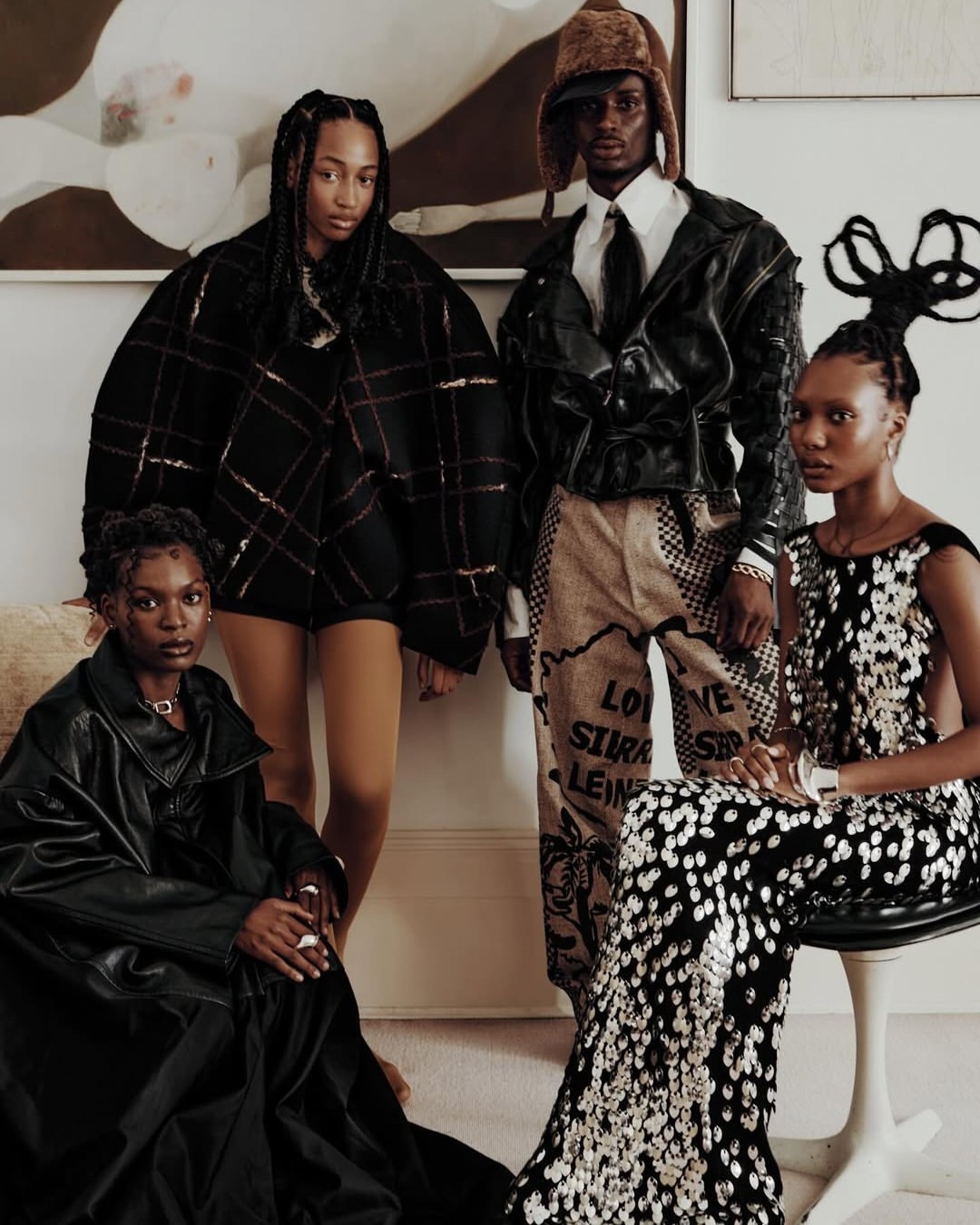
A design portfolio should connect research, decisions and outcome. The Fashion Retail Academy identifies illustrations, technical drawings and photographs of finished garments as relevant design material. It also recommends project descriptions and relevant technical information. The employer’s role still determines the emphasis.
A concept-led application may need to foreground research and development. A more technical role may require detailed evidence of construction, specifications or product knowledge. Those are related capabilities, but they are not identical.
Wales Bonner’s published production-manager description makes that difference visible. It lists accurate technical packs, bills of materials, fittings, quality control, production planning, and archive maintenance, along with substantial experience requirements. It is a senior production role, not an entry-level design brief, and should not be used as a checklist for every designer.
For a self-initiated jacket project, a clear design case study might include: the brief and intended wearer or use; selected research that informed the design; development drawings showing meaningful changes; a relevant material, pattern or construction test; and the final result with a short evaluation.
Explain why a decision changed. “I revised the sleeve after testing the first sample” tells the reader more than a page headed development containing unexplained sketches. Include technical documents only when they demonstrate understanding. A professional-looking specification should not conceal uncertain measurements or construction details.
For Styling: Make the Assignment and Your Role Visible
A styling portfolio relies on images, but those images need enough context to be assessed. The London College of Style distinguishes an ongoing stylist’s book from a selection prepared for a particular application. It describes editorial work and test shoots as useful portfolio material. Your complete book may show range. An application selection should show the work most relevant to the vacancy.
For each project, identify the brief or intended use, your styling responsibilities, relevant garment and accessory credits, the photographer and other collaborators, and any constraint that explains an important decision.
Consider a test shoot built around occasionwear. Rather than presenting five photographs without explanation, identify the concept, your selections and what you handled. If someone else developed the overall creative direction, say so. Do not call a self-initiated project a commissioned campaign. A test can demonstrate judgement without borrowing a commercial status it did not have.
This guidance covers general styling-portfolio principles. For an actual application, the advert must determine whether finished images, process notes or practical assistance experience are most relevant. Omiren’s modelling-specific guide on building a portfolio for African fashion casting directors covers a related but distinct application context.
For Communications: Distinguish the Message From the Management
Communications work can involve both creative output and coordination, and the strongest applications address both.
The Wales Bonner programme’s duties placed research and social media alongside sample loans and event planning. That breadth matters: a polished campaign proposal does not necessarily demonstrate organisational accuracy. Build your examples around the capability they show.
Message and Execution
Explain the audience, purpose, format and your contribution. A hypothetical launch proposal could include a short brief, a writing sample, a channel choice and an explanation of why the content suits its intended audience.
If it is speculative, label it. Do not imply that the brand approved, commissioned or delivered it. If a campaign was delivered, distinguish intention from outcome. Include results only when you have reliable information and permission to share them.
Organisation and Coordination
Where relevant to the vacancy, show how you kept information usable. A permitted schedule, brief, or tracker can explain responsibilities, deadlines, and task status. Remove personal, confidential or commercially sensitive information.
The purpose is not to decorate the application with administration. It is to demonstrate a skill the employer has actually requested.
Explain Cultural Connection Through the Work
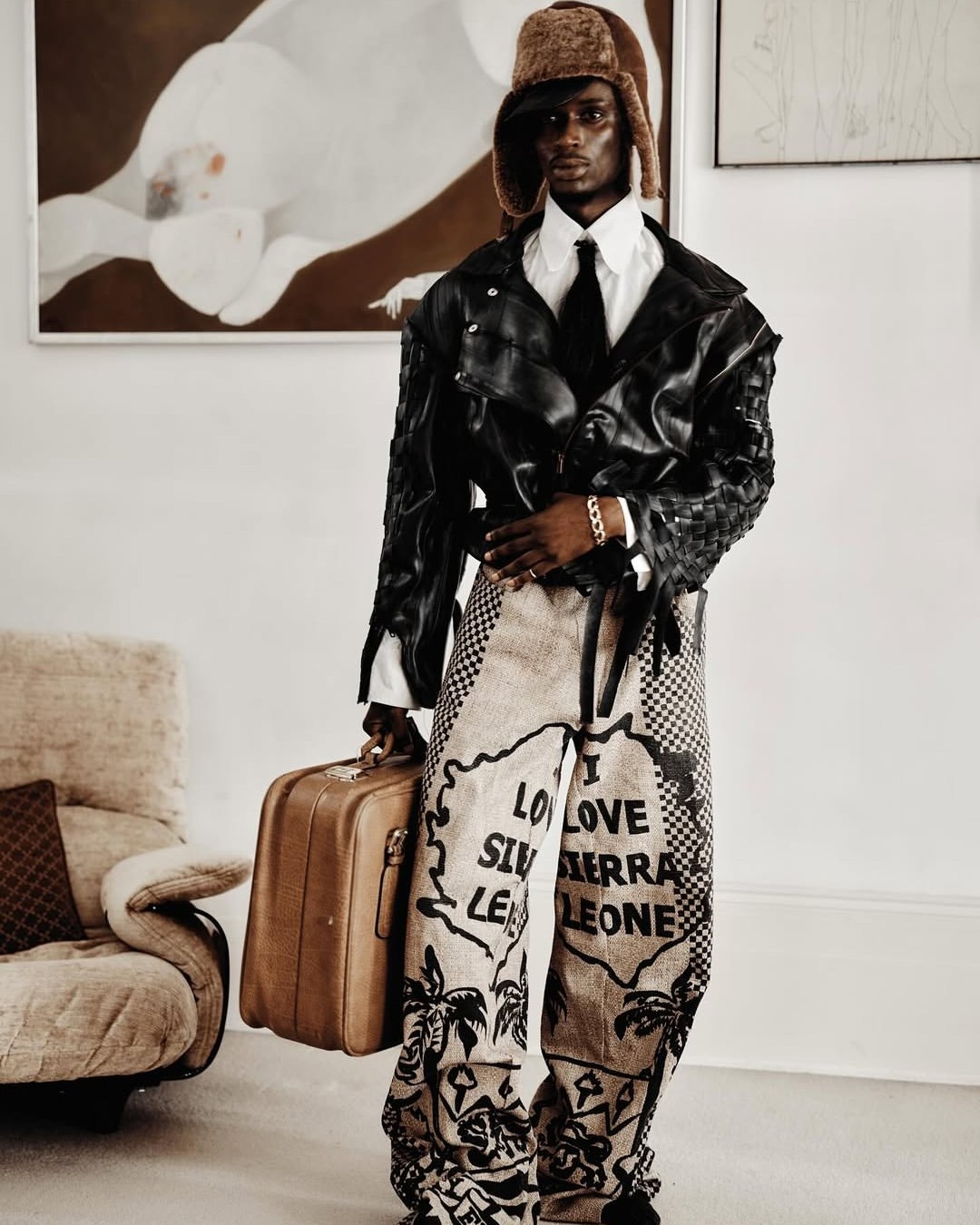
A studio’s references can help you understand its practice. They should not become instructions to imitate its output. Wales Bonner’s published programme describes a mission connected to Black culture and an Afro-Atlantic spirit, alongside values of careful research, curiosity, integrity and development. An applicant can respond to those values through the care and specificity of their own work. Omiren has explored this in its coverage of diaspora designers and creative authority: cultural connection is most persuasive when it shows up in the quality of the work rather than in the language of the cover letter.
Instead of writing only “Your brand inspires me,” explain what you have studied and how it relates to the role. For example: “My selected project shows how I developed research into a concise visual brief. I have included it because research and presentation are named responsibilities in this position.”
That is an illustrative formulation, not a sentence to copy regardless of the vacancy. Cultural understanding and practical capability need not compete. The application becomes stronger when the connection between them is clear.
Attribute Collaborative Work Accurately
The reviewer needs to know what you did. The Fashion Retail Academy recommends collaborative projects as evidence of teamwork and experience, supported by descriptions of the work. Use a consistent contribution note.
For design, distinguish concept development, pattern work, construction and documentation. For styling, distinguish garment selection, sourcing, assistance and creative direction for communications; separate research, strategy, writing, design and coordination.
A concise example: “My contribution: research, garment selection and styling. Photography and retouching by the credited collaborators.” Do not claim the entire project because your contribution was significant. Do not make your role so vague that it disappears. When a project cannot be shared, use permitted material or another example. An application is not a reason to disclose confidential work.
Prepare the Final Submission
Once the selection is clear, check the application as a reader would encounter it. Follow the stated page, file-size and document requirements. The Fashion Retail Academy describes portfolios as commonly ranging from 10 to 30 pages, but the vacancy’s explicit instructions take precedence.
Make each project easy to understand. Remove repeated images that demonstrate no additional capability. Check for readable captions and consistent credits, legible drawings and appropriate image quality, working links and accessible permissions, current contact details, clear filenames and the correct recipient, and every requested supporting document.
Use the accompanying message to identify the role and direct attention to the most relevant evidence. It should not repeat the whole portfolio. A clear application supports evaluation. It cannot guarantee an interview or an offer.
What Omiren Looks For in an Industry Application
Cultural connection can explain why a studio matters to an applicant. A portfolio should then show what they can contribute to its work. For Omiren, the strongest application combines research and capability. It explains the problem, makes the applicant’s decisions visible and preserves the distinction between individual and collaborative work. This position reflects Omiren’s broader editorial argument, explored in pieces including The Global South Made Fashion. It Just Never Got Credit, that recognition in the fashion industry follows documented contribution, not assumed affinity.
Design, styling and communications require different evidence. A studio’s cultural identity does not remove those differences, just as technical competence does not make thoughtful research unnecessary. Applicants should not have to imitate a brand’s existing output to demonstrate relevance. They should show how their own work responds to the responsibilities of the role, with accurate credits, clear reasoning and a submission the employer can understand.
ALSO READ:
- How to Build a Model Portfolio for African Fashion Casting Directors
- The Global South Made Fashion. It Just Never Got Credit.
- How to Make a Fashion Portfolio
- How to Curate a Fashion Portfolio for Your Next Job
Frequently Asked Questions
Should every application use a different portfolio?
Maintain a master portfolio, then tailor the selection where useful. Always follow the employer’s explicit requirements for format, length and content.
Can self-initiated work be included?
Yes. Relevant projects and test shoots can demonstrate skills. Identify them accurately, explain your contribution and label speculative work clearly.
Is there a standard portfolio length?
No single length applies to every role. Use the vacancy’s instructions before general recommendations. The Fashion Retail Academy suggests 10 to 30 pages as a general range, not a requirement.
Are the cited roles necessarily open?
No. The internship examples cited in this article are historical. A published careers page does not guarantee continued availability. Check the employer’s current application route and deadlines before submitting.
Does cultural connection strengthen a fashion application?
It can, when it is expressed through the quality and specificity of the work itself. Cultural affinity alone does not substitute for evidence of relevant capability. The strongest applications show both.