You wore it once. It was a wedding, a naming ceremony, a gala, a celebration – the kind that happens rarely enough that you chose the outfit with care and probably paid a significant sum. Now it hangs in a bag or sits folded in a box, and the question of how to clean it sits in the back of your mind. You have looked for guidance and found two kinds: ‘always dry clean embellished garments’ and ‘you can hand wash most things’. Both are useless. Not because they’re exactly wrong, but because they are not specific enough to tell you what to do with the garment in your hands.
Universal cleaning tips fail for embellished occasion wear because embellished occasion wear isn’t one thing. A hand-beaded aso-oke strip sewn to a base fabric is a completely different cleaning problem from a sequined mesh gown. A hand-embroidered silk kaftan is a different problem from a lace-and-crystal evening dress with a boned bodice. A traditional agbada with goldwork embroidery is a different problem from a contemporary gown with glued-on rhinestones. What works for one garment may permanently damage another. Care decisions must start with the specific garment, not a general category.
A beaded aso-oke and a sequined evening gown both count as embellished occasionwear. They need completely different care. This guide explains how to choose the right cleaning option for your specific garment, rather than following a one-size-fits-all tip.
The Four Questions That Determine the Care Decision
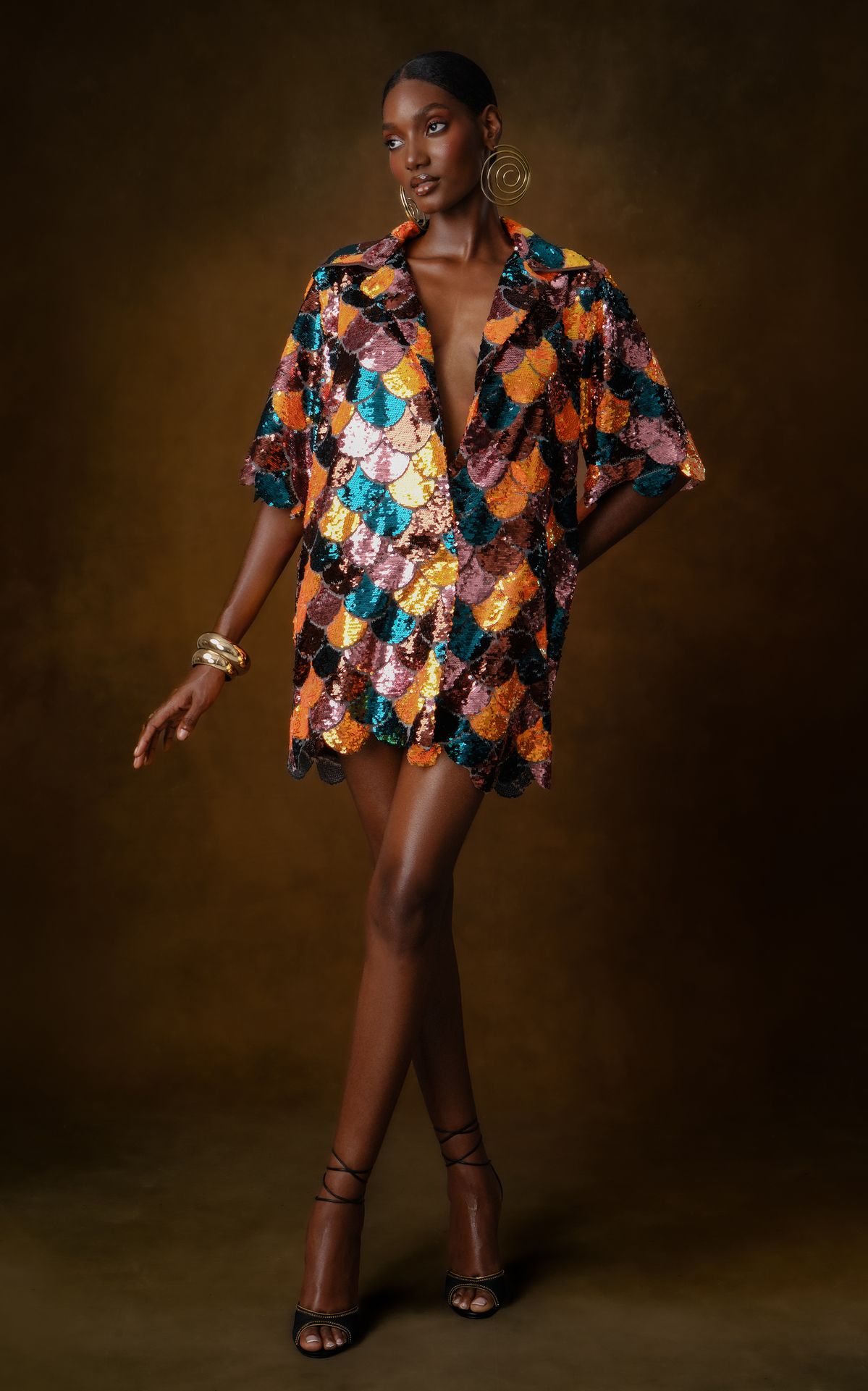
Before you choose a cleaning method, answer four questions. The answers determine the appropriate care route.
1. What are the embellishments made of?
This is the first and most important question because different embellishment materials respond differently to water, solvents, and heat. Glass beads, common on heritage occasion wear and high-end evening wear, are water-tolerant but can be damaged by prolonged soaking and heat. Sequins, which are typically made from plastic or metal-coated plastic, are vulnerable to heat, which softens the material and causes them to curl, and to harsh detergents, which dull the reflective finish. Crystals and rhinestones are often applied with adhesive that dissolves in water, so never immerse a garment with glued crystals in water. Embroidery threads, including metallic threads used in goldwork and silverwork, can tarnish with certain cleaning agents and can bleed if the dye was not fixed properly before the garment left the maker’s hands.
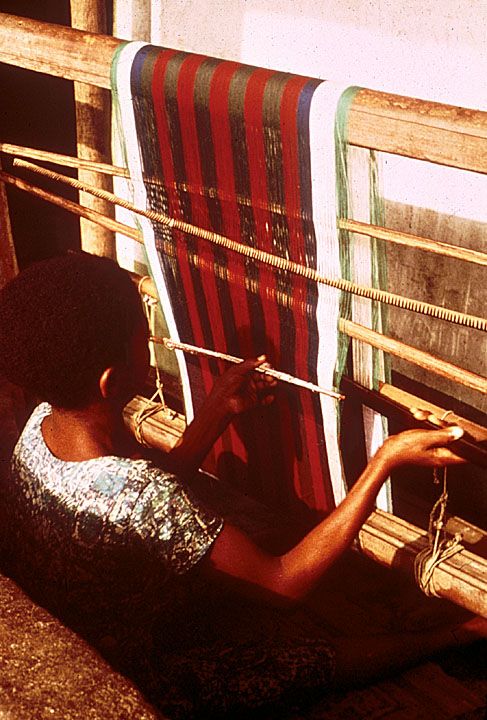
For African heritage occasionwear, the embellishment materials are often mixed. An aso-oke piece may combine the woven structure of the textile itself with surface bead embroidery using glass, plastic or coral beads. A Yoruba bridal gele can incorporate both the textile and separately attached embellishments. Knowing what each element is made from is the starting point for any care decision.
2. How are the embellishments attached?
Embellishments are applied to garments in three main ways: sewn through the fabric, tambour or chain-stitch embroidery from the reverse side, and adhered with glue or heat bonding. Each attachment method has different cleaning tolerances.
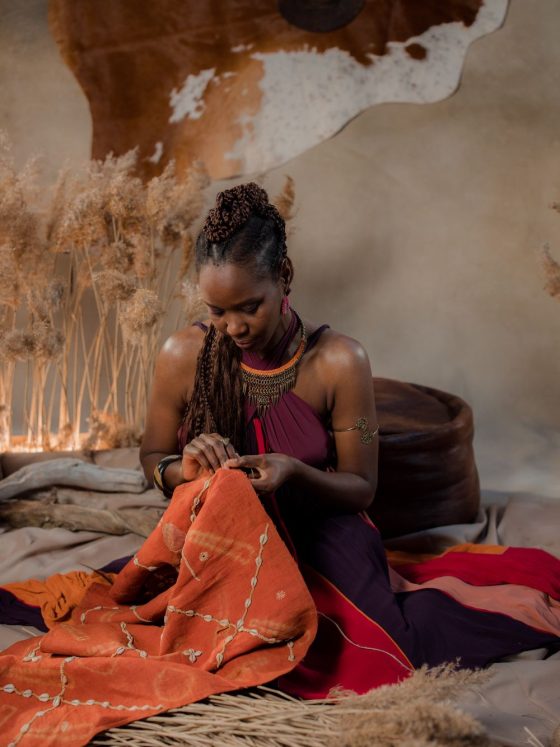
Sewn embellishments, where each bead or sequin is individually stitched to the fabric or attached via a thread passing through it, are the most durable under careful cleaning. Prolonged soaking or the mechanical agitation of a washing machine can loosen the stitches. Still, hand washing in cool water is generally safe for sewn embellishments if the base fabric tolerates water. Tambour embroidery, where the thread forms a chain stitch through the fabric from the underside, is similarly reasonably tolerant of careful cleaning. However, the thread coverage means that thorough rinsing requires attention.
Glued embellishments are a different matter entirely. The adhesives used to bond rhinestones, crystals and some plastic sequins to fabric are typically water-soluble. Immersing a garment with glued embellishments in water, even cool water, softens the adhesive, and the embellishments begin to detach. This process isn’t gradual or subtle. It can happen quickly, and losing embellishments from a section of the garment can permanently change its appearance. For glued embellishments, solvent-based dry cleaning is the appropriate route, and even then the dry cleaner must be told specifically about the glued elements.
3. What is the base fabric?
The base fabric’s care requirements interact with the embellishments’ care requirements, and both must be satisfied simultaneously. A silk base fabric that would normally be hand-washable becomes more complicated when it carries glued crystal embellishments that cannot be immersed in water. An aso-oke base, which is a woven strip fabric that can be robust in its own right, may carry surface bead embroidery whose attachment threads need careful handling. A synthetic mesh base that is technically machine-washable may carry sewn beadwork whose threads would be stressed by the machine cycle.
Heritage fabrics deserve particular attention here. Adire cloth, which carries a resist-dyed pattern that is part of the fabric’s structure, responds differently to cleaning than a commercially printed fabric carrying a surface embellishment. The dye in traditionally produced adire is applied using fermented indigo and is not always as colour-fast as commercial dyes. Adding bead embroidery to an adire garment creates a cleaning situation where the embellishments and the base fabric each have specific requirements that may pull in different directions.
4. What is the garment’s value and what is at stake?
This is not a financial calculation, although financial value is relevant. It asks what the garment means and what would be lost if the cleaning process damaged it. A beaded kaftan made for a specific occasion by a specific maker is not replaceable in the way that a high-street evening dress is. A piece of heritage occasionwear that carries cultural significance or family history has a value that transcends what it cost to produce. A garment you intend to wear again to a specific occasion differs from one that is essentially a keepsake.
The higher the stakes, the more conservative the care decision should be. A garment you can’t replace, and whose damage would be a genuine loss, should go to a specialist professional cleaner rather than being treated at home. The cost of professional cleaning for a single significant garment is almost always less than the cost of losing it.
The Care Routes, Matched to the Garment
Once you answer the four questions, the care decision becomes more straightforward.
Professional dry cleaning is the appropriate route for any garment that has glued embellishments, any garment with multiple embellishment types where the combined care requirements are complex, any garment with high financial or personal value, any garment with a boned or structured bodice or internal construction that would be distorted by water, and any garment whose care label says ‘dry clean only’. When taking an embellished garment to a dry cleaner, point out the embellishments specifically. A good cleaner will examine the attachment method before treating the garment, but prompting them reduces the risk of a rushed assessment. Ask whether they have experience with the specific type of embellishment.
Home hand washing is appropriate for garments that meet all four conditions: the base fabric tolerates water, the embellishments are sewn rather than glued, there is no internal boning or structured construction, and the care label does not prohibit washing. Use cool water, not cold and not warm. Use a minimal amount of a gentle detergent designed for delicate or eveningwear fabrics. Do not agitate the garment; move it gently through the water and let the water do the work. Do not wring or twist. Support the garment’s weight as you lift it out of the water. Lay it flat on a clean, dry towel in its natural shape to dry. Do not hang it to dry, particularly if it is heavy, as the weight of wet fabric and embellishments will distort the shape.
Spot cleaning is appropriate for minor soiling on a garment that is otherwise clean: a small mark at the hem or a splash on a section that can be addressed without immersing the whole garment. A clean cloth dampened with cool water can address many surface marks without requiring a full clean. Attempt spot cleaning only on an inconspicuous area first if you are uncertain how the fabric will respond.
Heritage Occasionwear: Specific Considerations

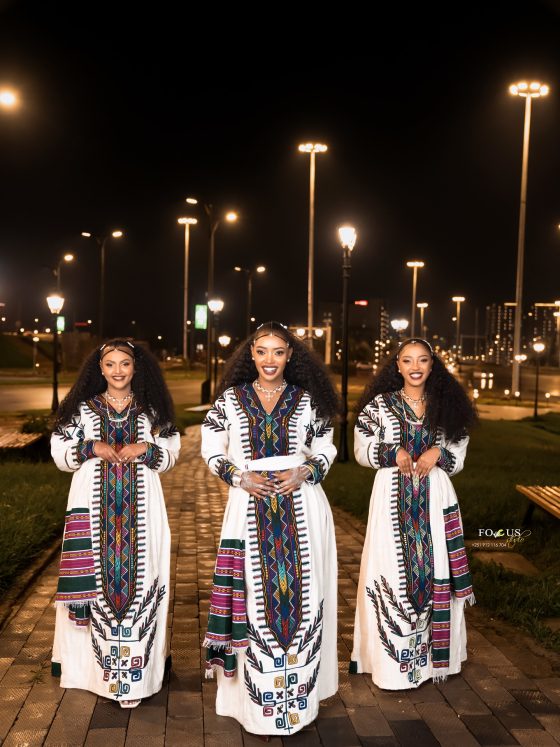
Adire, aso-oke, Kente, and other heritage textiles made into occasionwear have specific care considerations that generic embellished garment advice does not address. The fabric’s own care requirements stem from its production method, not just its fibre content. Traditionally dyed adire, for instance, is best cleaned in cool water with a neutral detergent, handled minimally, and dried out of direct sunlight, which can fade the indigo. If bead embroidery has been added to the adire, those requirements now interact with the embellishments’ requirements, and the care decision has to satisfy both.
Embroidered heritage garments, including those with goldwork, zardozi, or other traditional embroidery traditions, require particular care because metallic threads are vulnerable to tarnishing from certain cleaning agents, distortion from heat, and abrasion from mechanical cleaning. A professional cleaner with specific experience in textiles with metallic thread should handle a garment with genuine goldwork embroidery. Standard dry cleaning processes may not be sufficiently gentle.
The care decision is also the preservation decision. A garment that represents craft knowledge, labour and sometimes irreplaceable tradition deserves the same quality of attention that went into making it.
Coral bead embellishments, which appear in some Yoruba heritage garments, have their own vulnerability: coral is an organic material that can be damaged by prolonged exposure to water and by contact with acidic substances, including some cleaning agents. Only professionals familiar with organic bead materials should clean garments with coral embellishments.
Storage After Cleaning
A garment that has been cleaned and stored incorrectly is at as much risk as one that was cleaned incorrectly. Store embellished occasionwear clean, because sweat, body oil, and food residue left on the fabric will set over time and become increasingly difficult to remove. Store it in a breathable garment bag rather than a sealed plastic bag, which traps moisture and can encourage mould. If the garment has significant weight from embellishments, folding it with acid-free tissue paper supporting the embellished sections is preferable to hanging, which places continuous stress on the seams and on the thread attaching the embellishments.
Understanding what your garment is made from is the foundation of every care decision. A care label tells you what the manufacturer recommends, which is useful but not complete. It doesn’t tell you what the embellishments are made from, how they are attached, or how to manage the interaction between the base fabric and the embellishment. The four questions in this article are the information that the care label leaves out.
ALSO READ
- How Adire Cloth Holds Memory, Labour and Place
- What Textile Provenance Can – and Cannot – Prove
- How to Verify a Fashion Brand’s Fabric Claims
- Can Heritage Textiles Scale Without Losing Their Meaning?
Frequently Asked Questions
Should I always dry clean embellished occasion wear?
Not always, but dry cleaning is the correct route in several specific situations: any garment with glued embellishments, including rhinestones or crystals applied with adhesive; garments with boned or structured internal construction; garments with mixed embellishment types that have conflicting care requirements; high-value or irreplaceable pieces where the risk of home cleaning is not worth taking; and any garment whose care label specifically says dry clean only. For garments with sewn embellishments on a water-tolerant base fabric, careful home hand washing may be appropriate.
How do I know if my beads are sewn or glued?
Examine the inside of the garment where the embellishments are applied. Sewn beads will show thread on the reverse side of the fabric, passing through the fabric at the attachment point. Glued beads will show either adhesive residue on the reverse or no visible attachment mechanism at all. If you cannot see through the fabric to examine the reverse side, examine the surface of the embellishment area with a magnifying glass or in strong light: individually stitched beads typically show a thread visible at the point where the bead sits against the fabric, while glued embellishments often look as though they are simply bonded to the surface. If you are unsure, treat the garment as though the embellishments are glued and use professional dry cleaning.
Can I handwash a beaded aso-oke garment?
It depends on how the beads are attached and what the base fabric is. If the beads are individually sewn to the woven aso-oke fabric and the colour is stable, cool hand washing with a gentle detergent may be appropriate. However, aso-oke is handwoven, and the weave itself requires gentle handling. If the garment has significant bead coverage, mixed-material beads, or personal or financial value that makes the risk inadvisable, professional cleaning by someone experienced with heritage African textiles is the better option.
What do I tell a dry cleaner about my embellished garment?
When taking an embellished garment to a professional cleaner, point out every type of embellishment and where it appears. Specifically note whether any embellishments appear to be glued or if any beads are already loose before cleaning begins. If the garment includes metallic thread embroidery, note that. If it includes organic materials such as coral or natural beads, note that. Ask the cleaner whether they have handled this type of embellishment before and what their process is. A professional cleaner who knows their process will answer confidently—one who does not may be better declined in favour of a specialist.
How do I store embellished occasionwear after cleaning?
Store the garment clean, since body oil, sweat and food residue that remains on the fabric will set over time and become harder to remove. Use a breathable garment bag rather than a sealed plastic bag. For garments heavy with embellishments, consider folding them with acid-free tissue paper supporting the embellished sections rather than hanging them, since the garment’s weight puts continuous stress on the thread attaching the embellishments. Keep the storage area away from direct light and extreme humidity. Check the garment annually for loose beads or threads and address them before they become larger losses.
Why does heat damage sequins and crystals?
Sequins are most commonly made from plastic or from plastic with a metallic coating. Heat softens plastic, causing sequins to curl, warp, or lose their reflective finish. The adhesive that bonds crystals and rhinestones to fabric is also heat-sensitive: dryer heat and steam from pressing can soften it, and the embellishments begin to detach. This is why embellished garments should never go in a tumble dryer, and why you should use steam with caution and keep it away from embellished sections. Even low heat from an iron held close to a sequined surface can cause curling.