The question the title asks is structural rather than promotional. It does not ask whether 3D sampling is worth adopting or whether it will displace physical sampling. The industry’s behaviour has answered both questions: most mid-market and large fashion brands now use 3D sampling for at least part of their development process, and practitioners largely agree that digital sampling reduces physical samples by between sixty and eighty per cent without eliminating the need for physical validation at specific decision points. The structural question is more specific and more useful for a designer or buyer who wants to know when a 3D sample is a complete answer and when it is a starting point that requires physical confirmation.
This article maps the 3D sample’s capabilities against the questions a designer or buyer actually needs to answer before committing to physical production. Some of those questions the 3D sample answers completely. Some it answers approximately. Some it cannot address at all. Knowing which category each question falls into determines whether the 3D sample is the last step before a production decision or the first step before requesting a physical sample.
A 3D digital garment sample answers specific design questions before physical fabric arrives. This analysis maps exactly which questions it can answer, which it cannot, and what that distinction means for design decisions and buyer approvals.
What a 3D Sample Actually Is
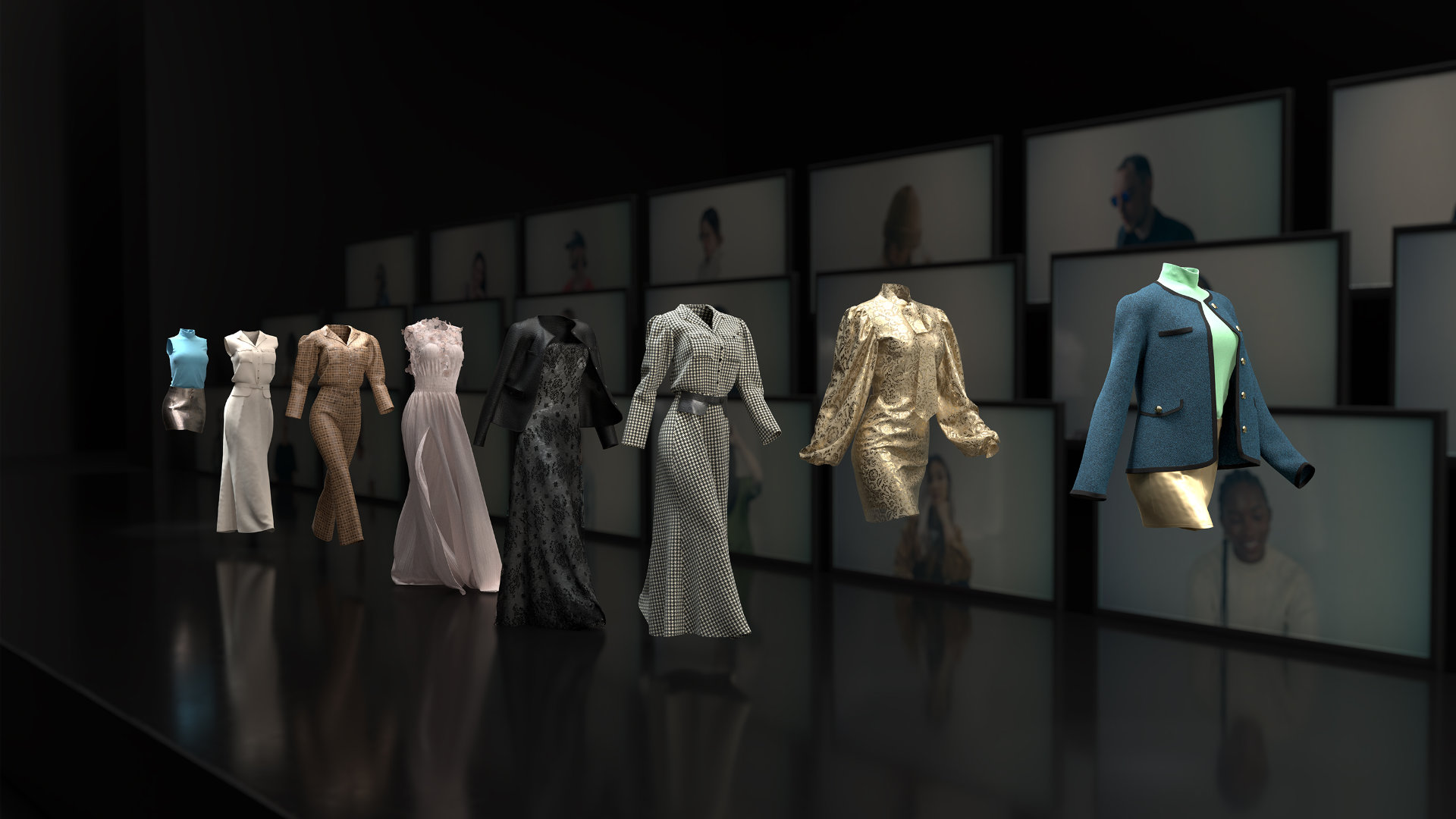
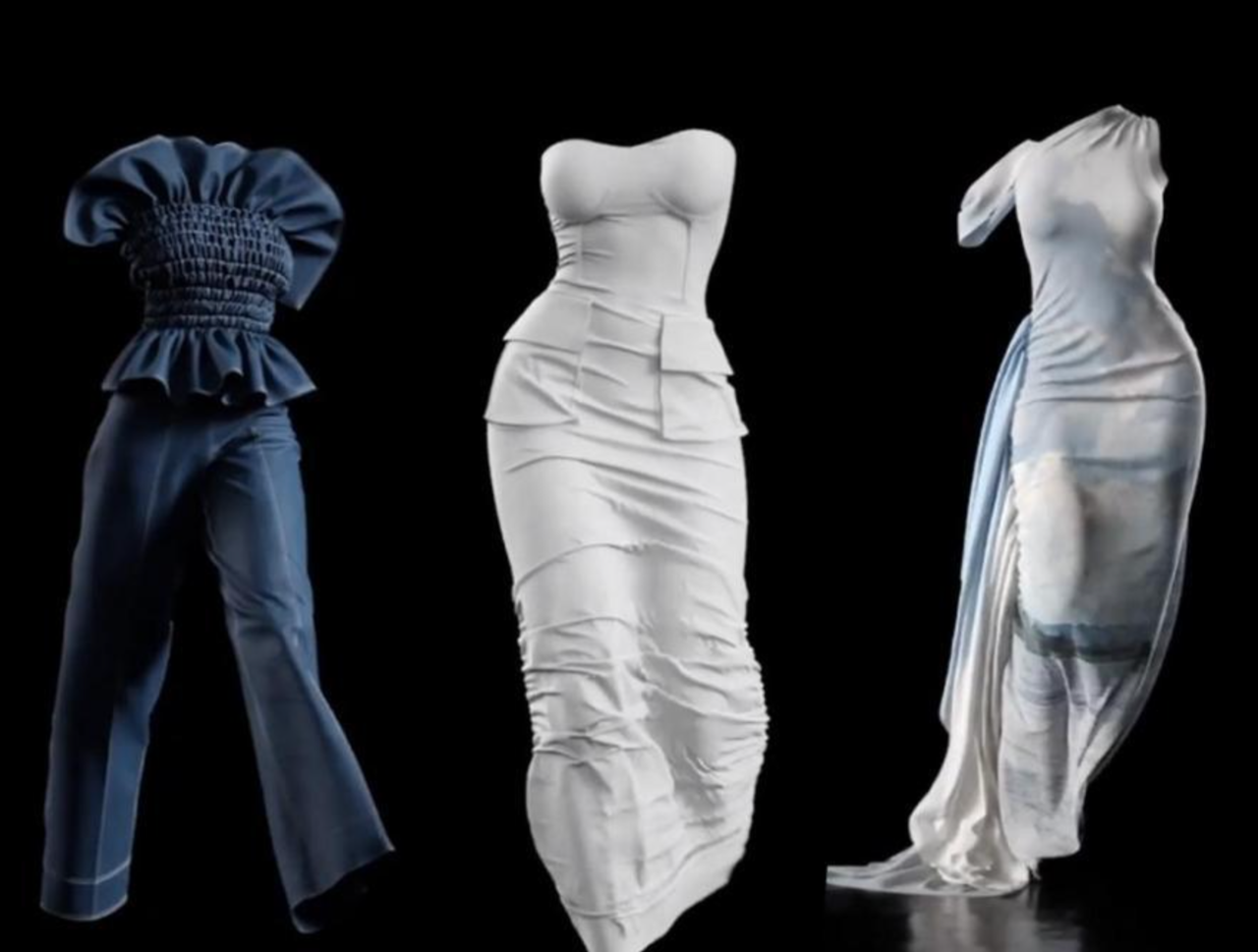
3D digital garment samples are produced by specialist software used by brands including Nike, Adidas, Hugo Boss, and thousands of independent designers, and Browzwear’s VStitcher offers strong, focused workflows and PLM integration. The software takes a 2D pattern, drapes it on a virtual avatar, and applies a digital fabric simulation that models how the fabric would behave under gravity, movement and the body’s tension points. The result is a visual representation of the garment that shows its silhouette, proportion, construction seaming, colourway and approximate drape.
The simulation’s drape accuracy depends on the digital fabric library it draws from. Brands and manufacturers build digital fabric libraries by scanning physical materials to capture their weight, drape coefficient, stretch recovery and surface texture. When the simulation draws from an accurate scan of the actual fabric being used, the drape simulation is precise. When it draws from a reference fabric in the library that approximates the intended material, the simulation is indicative. The difference between a precise simulation and an indicative one is the difference between a 3D sample that answers the drape question and one that describes the approximate drape direction without confirming its specific character.
For a typical mid-market woven shirt or knit top, 3D sampling can replace the proto sample: the first physical garment made to verify that the pattern produces the intended silhouette. Beyond the prototype stage, the fit approval sample and the pre-production sample, which verify fit on a physical body and material quality from the actual production run, still require physical garments. The 3D sample compresses the front end of the development cycle without eliminating the physical validation stage at the back end.
What the 3D Sample Can Answer Fully
Silhouette and proportion
The 3D sample’s most reliable output is the silhouette: the garment’s overall shape as it would appear on the body when made from fabric with approximately the specified weight and drape. A designer who needs to know whether a collar sits correctly against the neck, whether a sleeve cap produces the right shoulder shape, whether a hem falls at the intended length, or whether the garment’s proportions read as intended from the front, side, and back can get complete answers from a well-constructed 3D sample without a physical sample.
This is the question the 3D sample was designed to answer. The software’s draping simulation is a physics engine modelling gravity’s effect on a fabric’s mass and stiffness. When the digital fabric parameters closely match the physical fabric, the silhouette it produces matches what the physical garment will produce. Designers can review the 3D sample from every angle, identify proportion problems and return the pattern to the pattern-maker for adjustment before any fabric is cut. Each iteration that would have required a new physical proto sample, costing fabric, production time and international shipping, happens in hours within the 3D software.
Construction logic and seam placement
A 3D sample reveals whether the garment’s construction logic is sound: whether the panels connect correctly, whether the seams land where the design intends them to, whether a lining sits correctly inside the shell, and whether pocket placement creates the bulk or pull that a flat pattern does not reveal. These questions concern the pattern’s internal logic rather than the physical material, and the 3D simulation answers them reliably enough that physical confirmation is unnecessary for most standard constructions.
For complex constructions, multi-component assemblies or garments with structural elements that interact in non-obvious ways, the 3D simulation’s construction logic verification is still valuable but should be followed by physical confirmation. A woven jacket with interfacing, lining, interlining, shoulder pads, and multiple panel seams has enough interaction between materials with different properties that the 3D simulation provides a strong preliminary check rather than a definitive answer.
Colourway comparison and design direction
Colourway testing is one of the clearest 3D sampling advantages, because colour is a property of the surface texture rather than the physical material, and surface textures can be swapped accurately within the software. A designer who needs to compare twelve colourways across three silhouettes before deciding which combinations to take to physical samples can produce those thirty-six comparisons in a morning of 3D work. Without 3D sampling, each comparison requires a physical sample, with time and material costs that make the comparison prohibitive at that stage of the process.
Pattern print scaling and placement can be evaluated with similar reliability: whether a print’s repeat lands correctly on the garment’s panels, whether the scale reads correctly on the body, and whether print placement at the pocket or collar produces the intended effect. These are visual questions whose answers do not depend on the physical material’s hand-feel or structural behaviour, and the 3D simulation answers them with high accuracy.
What the 3D Sample Answers Approximately
Drape and fabric behaviour
The 3D simulation’s drape output is accurate in proportion to the accuracy of the digital fabric reference it uses. When the simulation draws from a scan of the actual fabric being considered, the drape closely predicts the physical garment’s behaviour. When it draws from an approximate reference, the drape shows the direction and character of the fabric’s movement without confirming its specific quality. A heavy crepe and a light satin will behave differently in simulation even if both are approximated from reference fabrics rather than the actual materials. Still, confirming each fabric’s drape in the finished garment requires a physical sample.
This distinction matters most for garments whose commercial success depends on a specific drape quality. A fluid evening gown whose value proposition is its drape behaviour is a garment where the 3D simulation provides strong preliminary direction. Still, the physical sample remains the decision instrument for drape. A structured woven jacket whose silhouette depends on interfacing rather than fabric drape is a garment where the 3D simulation’s drape output is less central, and the construction logic question is more important.
Fit on a virtual body.
Virtual fit review on a 3D avatar is a useful tool for identifying obvious fit problems: a collar that stands too high, a waistline that sits at the wrong level, a sleeve that pulls across the shoulder. The 3D simulation identifies these proportions and construction problems well. What the virtual avatar cannot replicate is a garment’s specific fit behaviour on a specific human body, including skin friction, postural variation, and movement patterns that real-body fitting reveals. A garment that fits a virtual avatar correctly may fit a human fit model differently at the underarm, the inner thigh or the back shoulder blade: areas where the simulation’s physics model simplifies the actual interaction between cloth and body.
The industry’s standard response is to use 3D fit review for early-stage decisions and physical fit approval for final decisions before production. The 3D fit review catches proportion and construction problems early; physical fit approval catches fit details the simulation cannot fully model. This sequencing reduces the number of physical samples required while maintaining the accuracy of the final fit decision.
What the 3D Sample Cannot Answer
Hand-feel and material quality
A 3D sample is a visual and structural prediction. It cannot tell you how a fabric feels in your hand, how it holds up under laundering, how it responds to repeated stress at the seams, or whether the material quality matches the specification. These are questions that require physical fabric.
The 3D sample’s most significant limitation is what it cannot capture about the physical experience of the material. Hand-feel is a fabric’s tactile quality: its softness or stiffness, its warmth or coolness, and how it moves through the hand. No digital simulation replicates this. A buyer who needs to know whether a fabric feels appropriate for its intended use and price point cannot answer that question from a 3D sample. The physical swatch or sample is the only instrument that provides this information.
Fabric ageing is a related limitation. How a fabric looks and behaves after washing, extended wear, exposure to sunlight, or repeated folding is not a question the 3D simulation addresses. A woven shirt’s collar that frays at the corners after five washes is not identifiable in the 3D sample. A knit that pills at the elbows after a season of wear is not visible in the simulation. These quality dimensions require physical testing of the actual material, and no amount of 3D sampling replaces that testing for a quality decision.
Seam integrity under actual stress
The 3D simulation models how seams are placed and roughly how they interact with the garment’s structure under static conditions. It does not model how seams perform under the specific stresses of use: the pulling of armhole seams under a raised arm, the stress on crotch seams in a pair of trousers, and the tension at a zipper insertion after repeated opening and closing. Seam integrity under actual use is a physical testing question, not a simulation question, and its answer affects the garment’s quality claim at the point of sale.
Material-specific performance claims
As Omiren Styles has established in its field-by-field analysis of fabric provenance claims, evidence supporting a performance claim about a fabric sits at specific points in the supply chain and requires documentation rather than visual assessment. A 3D sample of a garment described as water-repellent cannot demonstrate the water-repellent finish, because the finish is a property of the physical fabric that the simulation cannot replicate. A 3D sample of a garment made from certified organic cotton cannot verify the certification, because certification is held in documents, not in the digital image of the fabric. Performance claims require physical evidence; the 3D sample is not a substitute for that evidence.
The 3D Sample in the Design and Buying Process
For designers: where it saves development time
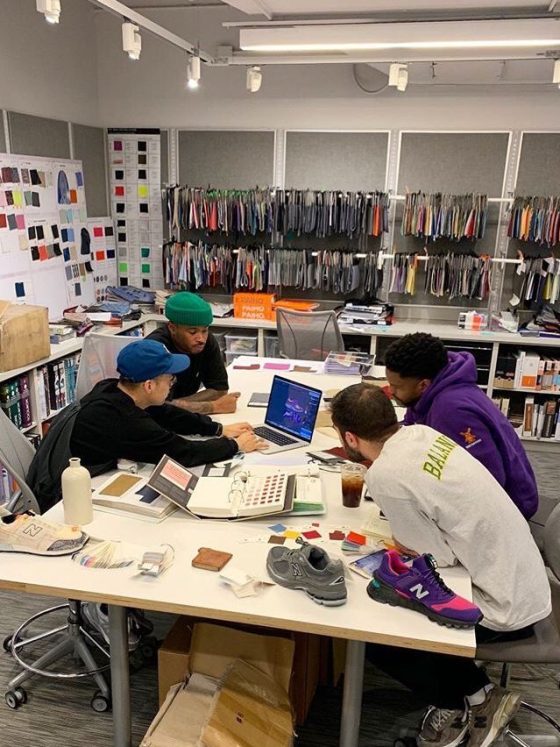
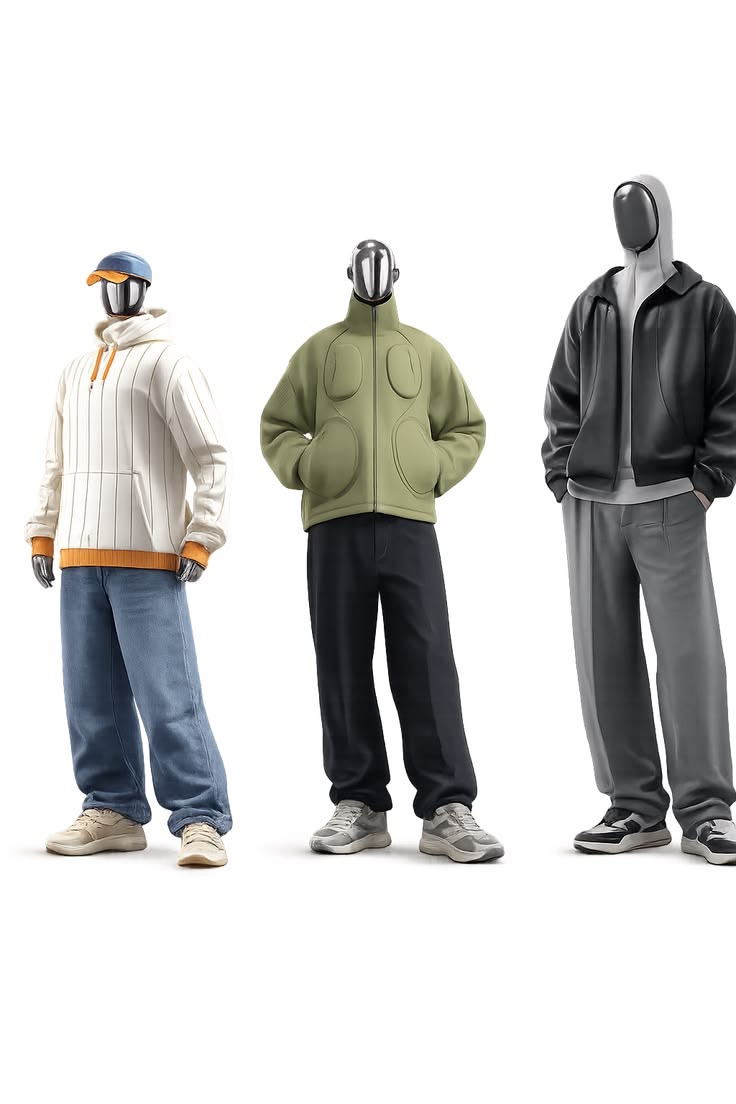
For a designer, the 3D sample’s practical value lies in the decisions it enables earlier: colourway selection, construction logic checks, proportion adjustments, and pattern corrections can all happen before a physical sample is produced. Each of these decisions, which would have required a new physical prototype sample, now happens in hours of digital work. The development cycle between design concept and physical fit approval shortens because the proto stage, which traditionally absorbed multiple rounds of sampling and international shipping, is compressed into a shorter digital iteration cycle.
The 3D sample also changes the conversation with the manufacturer. A shared digital file describing the garment’s intended silhouette, construction and colourway reduces the ambiguity of verbal or sketch-based design communication. When the designer and manufacturer review the same 3D model, the gap between the designer’s intention and the manufacturer’s interpretation narrows before physical production begins.
For buyers: what the 3D review can and cannot determine
A buyer reviewing a 3D sample for a potential wholesale order is reviewing a prediction. The 3D sample can tell the buyer what the garment will look like and roughly how it will drape. It cannot tell the buyer how the fabric feels, how good the seams are, how the garment will perform over time, or whether the material meets the certification claims the brand has attached to it. A buyer who approves a wholesale order based on a 3D sample alone has approved the design. They have not approved the product. The physical sample and the compliance documentation provide product approval.
As Omiren Styles has established in its analysis of what information a line sheet must carry, a buyer needs the fibre composition, the country of manufacture and the care label instructions alongside the product image. The 3D sample provides the image. The line sheet provides the commercial and compliance context. Both are required; neither substitutes for the other.
The Omiren Argument
The 3D fashion sample is a precise instrument applied to precise questions. It answers design questions: what does the garment look like, does the construction logic hold, does the colourway read correctly, does the proportion serve the design intention? It does not answer material questions: how does the fabric feel, does the seam hold, does the finish perform, and is the certification valid? These two categories of questions require different instruments, and using the first instrument for the second category produces a product approval without a quality decision.
For independent brands from the Global South, where development budgets make each physical sample a significant investment, 3D sampling offers specific, valuable savings: design questions can be answered digitally and cheaply before committing to a physical sample. The physical sample budget can then focus on the questions that require physical evidence: fit, hand-feel, seam integrity, and material quality. Design questions, which in traditional development cycles also require physical samples, are answered by the 3D tool before that investment.
As Omiren Styles has argued throughout its coverage of material intelligence and the Global South, the Global South made fashion and never got credit. The 3D sampling tool does not change the fabric’s material quality or the supply chain’s certification status. What it changes is the efficiency of the design development process, which is one of the structural costs that puts independent production at a disadvantage relative to brands with larger development budgets. Using 3D sampling to answer design questions lets you focus the physical sample budget on the quality and compliance questions that determine whether the product is ready for the buyer conversation.
THE 3D SAMPLE: WHAT IT ANSWERS AND WHAT IT DOES NOT
Answers fully:
- Silhouette and proportion – what the garment looks like on the body
- Construction logic – whether the seams, panels and components connect correctly
- Colourway comparison – how different colours and prints read on the garment
- Pattern correction – whether proportion adjustments solve the identified problem
Answers approximately:
- Drape behaviour – accurate when drawn from a precise fabric scan; indicative when drawn from an approximate reference
- Fit on a virtual body – catches proportion and construction problems; does not replicate real-body fit details
Cannot answer:
- Hand-feel and material quality – requires physical swatch or sample
- Seam integrity under actual stress – requires physical testing
- Fabric ageing and wash performance – requires physical testing over time
- Performance claim verification – certification and compliance documentation is not a property of the 3D image
ALSO READ
- Digital Product Passports for Fashion: The EU Framework Exists. Textile Rules Do Not Yet.
- A Fabric Provenance Claim, Field by Field: What a Buyer Should Ask to See
- A Line Sheet a Buyer Can Act On: The Information That Belongs Beside the Image
- The Global South Made Fashion. It Just Never Got Credit.
EXPLORE MORE
Read the full Material Intelligence and Production Technology coverage at Omiren Styles for ongoing analysis of production technology, material standards and the decisions that determine whether a garment is ready for the buyer. Discover travel and heritage intelligence across Africa, the Caribbean and Latin America at Rex Clarke Adventures.