A fashion brand approaches a community practitioner, a cultural organisation or an individual knowledge holder with a proposal. The brand wants to use the practitioner’s visual vocabulary, textile technique, pattern system or aesthetic authority in an upcoming collection. The conversation begins with enthusiasm on both sides. The brand is genuinely interested. The practitioner is genuinely engaged. The project sounds mutually beneficial.
Then the payment conversation starts. Or, more often, does not start, because one party assumes the other knows what is standard, neither party has legal representation present, the timeline pressure creates an incentive to agree quickly, and the word ‘collaboration’ has been doing the work of a contract that has not yet been written.
This is where cultural collaboration in fashion most consistently fails the cultural practitioner. Not in the parties’ intention, which is often genuine, but in the structural information gap between them: the fashion brand’s commercial and legal infrastructure has been managing collaboration agreements for years. The cultural practitioner’s has not, and the agreement that emerges from an unequal negotiation reflects that inequality in its terms.
“Payment structure and fees are entirely up for negotiation. There are many ways to allocate the financial aspects of collaboration. The issues to consider would be: who pays for expenses and costs? Is there a flat fee payment? Is there a sales royalty? Profit share? Auditing rights? This is all very fluid and often depends on other issues such as ownership of the key designs, intricacy of the work, and leverage of each brand.”
As legal analysis of fashion collaboration structures has documented, the party with greater commercial power typically dictates the material terms, and the payment structure is where that asymmetry is most directly expressed. A cultural practitioner entering a collaboration negotiation without knowing the payment options, the industry-standard rates, and the contractual terms that protect their interests is negotiating from a position of structural disadvantage that the other party does not share.
Omiren Styles has established, in its analysis of why cultural credit still rarely translates into licensing revenue, that the gap between credit and licensing is foundational and that the fashion industry has the commercial tools to build equitable cultural relationships but has not applied them systematically. This article outlines the specific payment structures, industry rate benchmarks, contractual terms that protect the cultural practitioner, and the questions any practitioner should ask before signing anything.
Cultural collaboration in fashion has become standard. The economics behind it haven’t been. This article outlines the payment structures, rates, red flags, and questions every cultural practitioner should ask before signing.
The Three Payment Structures and What Each Means
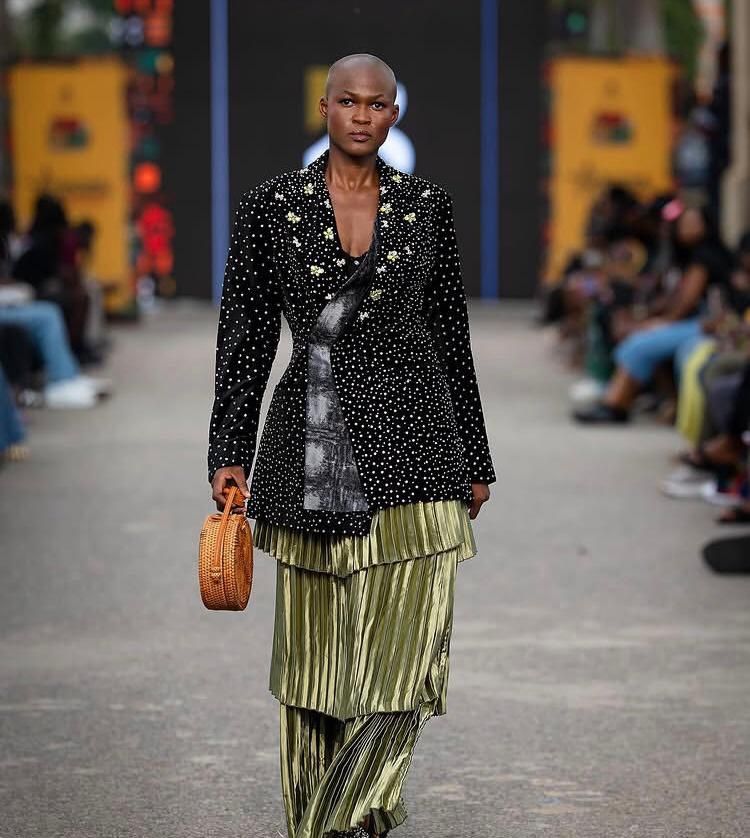
Cultural collaboration in fashion is typically structured in one of three ways, or a combination of them: flat-fee payment, royalties on sales, or profit sharing. Each has different implications for the cultural practitioner’s income, risk exposure and long-term commercial relationship with the brand.
Flat Fee
A flat fee is a one-time payment in exchange for the cultural practitioner’s contribution to the collaboration. The practitioner receives a fixed amount upon delivery of the work or signing of the agreement and nothing further, regardless of how commercially successful the collaboration proves to be.
Flat fees are simple, certain, and paid immediately. They are appropriate when the collaboration is genuinely limited in scope, when the production volume is small and fixed, and when the brand has no expectation of extending the collaboration into additional products, territories or seasons. They are systematically unfair when applied to collaborations that become commercially successful at significant scale, because the cultural practitioner’s income is capped at the flat fee, regardless of the revenue the collaboration generates.
As Pattern Observer documented in its June 2026 analysis of textile design pricing, royalties make more sense when volume is uncertain or potentially high. If a company plans to put a design on thousands of units across a major retail chain, a flat fee caps the designer’s income at the moment of signing. A 6% royalty on $200,000 in wholesale sales returns $12,000 – a number that looks very different from a $500 flat fee for the same design. The flat-fee pressure test: before accepting a flat fee offer, ask for the anticipated production volume. Multiply the anticipated wholesale unit price by the volume, then apply the typical royalty rate for that category. If the flat fee is more than 30-40% below the royalty equivalent, the practitioner is being asked to absorb all the downside risk of the collaboration while the brand retains all the upside.
For cultural practitioners in particular, the flat fee carries a specific risk that does not apply equally to independent designers working within the mainstream fashion economy: if the collaboration is commercially successful and the brand extends it, the cultural reference that generated the success belongs to the brand’s collection rather than to the practitioner. The flat fee bought the brand the right to use the reference indefinitely within the agreed scope. The practitioner received a one-time payment and has no ongoing claim on the commercial value the reference continues to generate.
Royalty on Net Sales
Fashion licensing royalty rates range from 2 to 20% of net receipts, depending on the type of licensed property, its demand, and the licensor’s track record. For textile designs specifically, 5 to 10% of wholesale sales is the standard range. Royalties are typically paid quarterly, with payment due 30 days after the end of each quarter. Licensors have the right to audit the licensee’s books to verify sales and royalty records – a right that should be specified in the agreement and is frequently omitted from informal cultural collaboration arrangements.
A royalty on net sales is the payment structure that most fairly reflects the cultural practitioner’s actual commercial contribution to the collaboration. If the collaboration is successful, the royalty scales with that success. If it is not, the royalty reflects the actual commercial outcome rather than an optimistic projection. The royalty structure also maintains the practitioner’s ongoing commercial relationship with the collaboration’s performance, creating an incentive for both parties to invest in its success.
The royalty structure has one significant risk for cultural practitioners: the definition of ‘net sales.’ Net sales is the base on which the royalty percentage is applied, and it is almost always defined to include various deductions: returns, discounts, freight costs, taxes, chargebacks and sometimes marketing costs. The specific deductions allowed determine how much the practitioner actually receives per unit sold, and the gap between gross sales and net sales in fashion retail can be substantial.
As fashion licensing legal analysis has documented, disputes most often arise over the definition of net sales. Practitioners should clarify which deductions are allowable and which are not before signing, and ensure that audit rights are included in the agreement to allow independent verification of the sales figures used to calculate royalties. A royalty agreement without audit rights is an agreement whose terms the practitioner cannot independently verify.
Profit Share
A profit share is the most ambitious payment structure from the cultural practitioner’s perspective, and the most complex to negotiate. Rather than a percentage of sales, the practitioner receives a percentage of the profit generated by the collaboration after production, marketing and distribution costs have been deducted.
Profit-share arrangements are most appropriate when the cultural practitioner is contributing something more substantial than a design licence: when they are co-designing, co-producing, or otherwise involved in the collaboration at a level that justifies a share of its commercial outcome rather than a fee for the use of their work. They are most dangerous when the definition of ‘profit’ is controlled by the brand’s accounting, because deductions allowed against gross revenue before profit is calculated can effectively reduce profit to zero, even when the collaboration generates substantial sales.
A cultural practitioner entering a profit share arrangement needs, at minimum: a defined and capped list of deductible costs; an agreed accounting methodology; quarterly reporting; and audit rights. Without these, a profit share can function as an agreement to receive a percentage of a figure controlled by the other party, which can be reduced to zero through legitimate accounting without bad faith on either side.
The Minimum Guarantee and Why It Matters
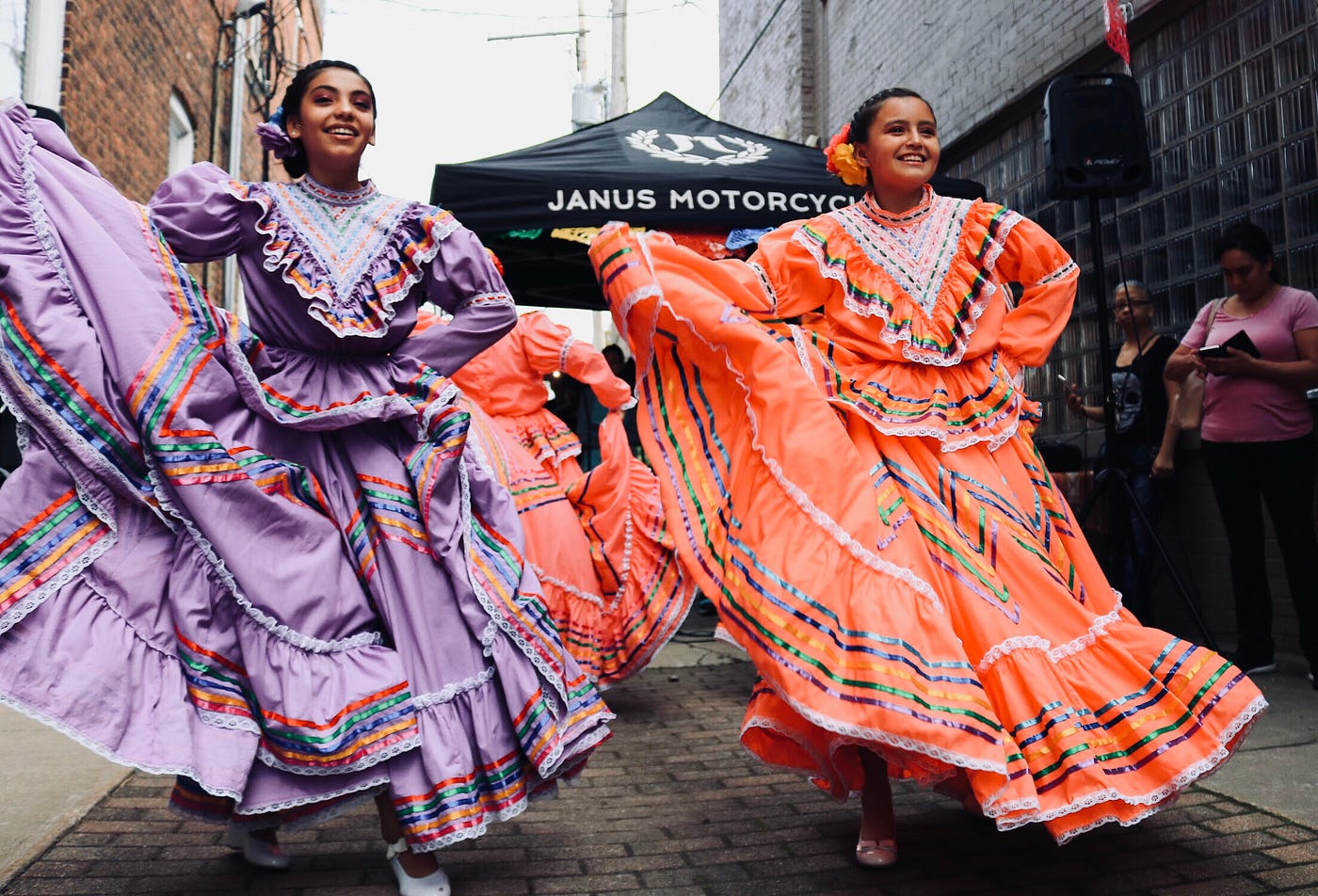
Regardless of whether the payment structure is a flat fee, royalty or profit share, the most important single clause for a cultural practitioner in a commercial collaboration is the minimum guarantee: a contractually specified minimum payment that the brand commits to making regardless of the collaboration’s commercial performance.
A minimum guarantee transforms the collaboration from a speculative arrangement into a commercial commitment. Without it, a royalty arrangement can generate zero income for the practitioner if the collaboration’s production is cancelled, delayed or commercially unsuccessful. With a minimum guarantee, the practitioner has a floor: a minimum income that the collaboration will generate regardless of what happens to the product.
The minimum guarantee should be set at a level that makes the collaboration commercially worthwhile for the practitioner to enter, taking into account the time, materials, knowledge, and risk they contribute. For a cultural practitioner who has spent years developing the knowledge that makes the collaboration possible, the minimum guarantee is the only mechanism that ensures that the contribution is compensated, even if the brand’s commercial projections prove optimistic.
The Timing Problem: When Practitioners Are Paid Late or Not at All
The question of payment timing is where the structural power asymmetry in cultural collaboration is most directly felt by practitioners.
A fashion brand operating on industry-standard payment terms expects to pay suppliers 30, 60 or 90 days after delivery. Applied to a cultural collaboration, this means the practitioner who delivers work in advance of a season launch may wait three months or more to receive payment, while bearing all production and material costs for the work delivered in the interim. For a practitioner without access to working capital or cash reserves, that 90-day payment timeline can create a cash flow crisis before the collaboration generates any commercial return.
Royalty payments typically arrive quarterly, with an additional 30-day processing period after the quarter-end. A collaboration that launches at the beginning of one quarter may not produce the first royalty payment until the end of the following quarter, creating a six-month gap between launch and first income that the practitioner must bridge with their own resources.
Late payment is particularly prevalent in collaborations where the cultural practitioner lacks legal representation. Without a payment terms clause that specifies due dates and interest on late payments, the practitioner’s only remedy for late payment is to ask, chase, and eventually consider legal action, all of which carry costs and relationship consequences that the practitioner typically bears alone.
New York’s Freelance Isn’t Free law, which took effect in 2024 and has been adopted in several other US jurisdictions, specifically protects freelance creative practitioners from nonpayment by requiring written contracts for engagements above a certain value and specifying payment timelines. The law does not solve the global power asymmetry in cultural collaboration, but it demonstrates that legislative intervention in the payment practices of commercial partnerships with creative practitioners is both possible and politically achievable.
What the Cultural Practitioner Is Actually Selling
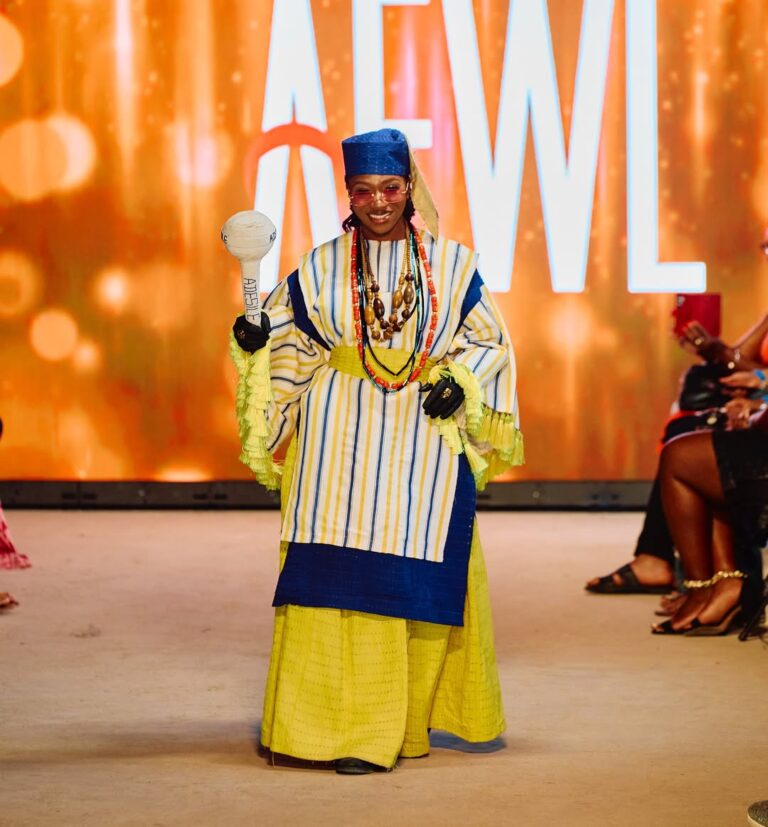
One of the most consistent sources of undervaluation in cultural collaboration is a failure to accurately define what the cultural practitioner is contributing and therefore what they are selling.
A fashion brand negotiating a collaboration with a cultural practitioner typically frames the conversation around the visual surface: the print, the pattern, the motif, the silhouette. These are the elements that will appear in the product photography and the campaign. They are also the elements most easily imitated after the collaboration ends, because they are the most visible.
What the practitioner is actually contributing in a meaningful cultural collaboration is considerably more than the visual surface: it is the knowledge system from which the visual surface was produced. The pattern is the product of a technique. The technique is the product of a tradition. The tradition is the product of generations of cultural practice that the practitioner has learned, maintained and is now making available to the brand. That knowledge system is what gives the visual surface its authenticity, cultural authority, and market value.
As Omiren Styles has established in its analysis of the Chola aesthetic and who kept the credit, the baby hair technique, the dark lip liner method, and the winged liner proportion were each developed within a community over decades of practice. The commercial value extracted from those techniques by the mainstream fashion and beauty industry was not the value of a pattern or a colour. It was the value of an aesthetic system whose cultural authority made it credible, distinctive and desirable. A flat fee that pays for the pattern while the brand retains the system is a payment for the wrong thing.
The implication for payment structure is specific. The more the collaboration’s commercial value depends on the cultural authority of the practitioner’s tradition, the more the payment should reflect that authority rather than only the discrete visual elements it produced. A royalty that scales with sales reflects this better than a flat fee. A licensing agreement that includes ongoing approval rights reflects it better than one that transfers all rights on delivery. A contract that names the specific cultural knowledge system the brand is drawing on reflects it better than one that refers only to ‘design services.’
Commissioning vs Licensing: The Distinction That Changes Everything
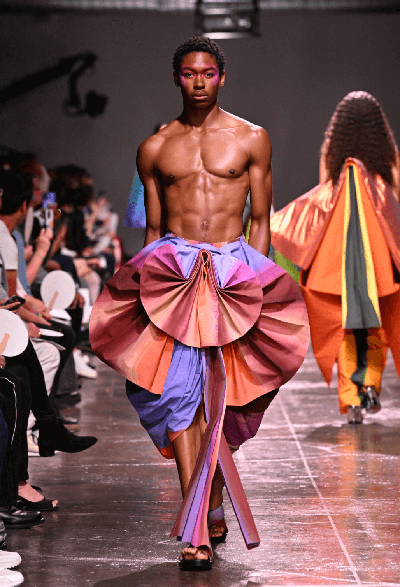
The commercial structure of a cultural collaboration determines its fundamental commercial character, and the most important structural distinction is between commissioning and licensing.
In a commissioning arrangement, the practitioner creates something new for the brand in exchange for payment. The brand typically owns the result. The practitioner receives the agreed fee or royalty and has no ongoing claim on the work after delivery. Commissioning is appropriate when the brand genuinely wants something new made rather than access to an existing cultural knowledge system.
In a licensing arrangement, the practitioner grants the brand the right to use an existing expression – a pattern, a technique, a design vocabulary – under agreed terms. The practitioner retains ownership of the underlying knowledge system and licenses specific uses of it for specific periods, in specific territories and product categories, for specific commercial purposes. The practitioner continues to hold the underlying asset and can license it again to other parties subject to exclusivity terms.
The distinction matters commercially because it determines what the practitioner retains after the collaboration ends. A commissioned work leaves the practitioner with a payment and no ongoing asset. A licensed expression leaves the practitioner with the ongoing ownership of the cultural knowledge that generated the collaboration, and the ability to build further commercial relationships from the same base.
As Omiren Styles has established in the brand checklist for working with cultural references, the appropriate commercial structure for a cultural collaboration should be determined by the nature of the relationship, the scale of the commercial use and the preferences of the knowledge holders. The choice between commissioning and licensing is not neutral: it determines who retains the long-term commercial asset produced by the collaboration, and it should be made explicitly and in writing before production begins.
Red Flags That Signal an Extractive Arrangement
There are specific signals that a proposed cultural collaboration is structured to benefit the brand at the cultural practitioner’s expense, rather than as a genuinely equitable commercial relationship.
The absence of a written agreement is the clearest red flag. A brand that proposes to use a cultural practitioner’s knowledge in a commercial product without a written agreement is proposing to create a commercial relationship without commercial accountability. Whatever the brand claims about its intentions, the practitioner’s position, without a written agreement, is that they have no enforceable rights.
Vague ownership language is a related signal. If the agreement describes the practitioner as contributing ‘design inspiration,’ ‘creative direction,’ or ‘cultural consultation’ without specifying which IP rights are transferred, what rights are retained, and what uses are permitted, the ownership of the collaboration’s output is ambiguous. In ambiguous IP situations, the party with more legal resources typically prevails.
A flat fee without a volume cap signals that the brand intends to produce at scale. A flat fee that is fair for a limited-edition collaboration of 500 units is almost certainly unfair for a mainstream retail run of 50,000 units. If the brand declines to specify the anticipated production volume, the practitioner should decline to accept a flat fee.
The absence of audit rights in a royalty arrangement signals that the brand does not expect to be transparent about sales figures. Audit rights are standard in commercial licensing agreements between parties of roughly equal commercial sophistication. Their absence from a cultural collaboration agreement is not an oversight. It is a structural feature.
A requirement to transfer all IP rights as a condition of payment is the most extreme version of the extractive arrangement: the brand pays once for permanent ownership of the cultural knowledge system, removes the practitioner’s ability to use it themselves or license it to others, and retains all future commercial value the knowledge system generates. This structure should be rejected unless the payment reflects the full lifetime commercial value of the IP being transferred, which it almost never does.
As Omiren Styles has documented in its analysis of the Carnival mas supply chain workers, the wire benders, seamstresses and feather workers who produce Carnival costume year after year have no IP rights in the costume designs they execute, no audit rights over the revenue the costume generates and no ongoing commercial relationship with the bands that sell the costumes they make. The structure of the Carnival costume economy is the cultural collaboration economy in its most extreme form: the practitioners whose skill makes the product possible receive a wage and no ongoing commercial stake in the product’s success. That structure is not inevitable. It is a choice that the commissioning party makes, and that the commissioned party accepts in the absence of better information about what they could insist on.
What Fair Collaboration Economics Look Like
Equitable cultural collaboration economics are not complicated to describe. They are difficult to implement because they require the more commercially powerful party to apply standards to cultural knowledge holders that it does not currently apply systematically.
A culturally equitable collaboration agreement names the specific cultural expression being licensed or commissioned, using the originating community’s terminology rather than the brand’s creative vocabulary. It specifies the payment structure, whether a flat fee, royalty, minimum guarantee, or a combination, and the calculation basis for each element. It defines net sales with a capped, agreed list of deductions, so that the royalty base cannot be eroded by costs the practitioner has not agreed to absorb. It specifies the payment timeline: when invoices are due, the interest rate on late payments, and what happens if payment is not made. It includes audit rights: the practitioner’s right to inspect the sales records that determine their royalty income. It specifies the territory, duration and product categories covered by the agreement, so that extensions require new negotiation rather than being assumed. It includes attribution requirements that name the practitioner and the cultural tradition in all public communications. And it specifies what happens when the agreement ends: what rights revert to the practitioner, and what rights, if any, the brand retains.
None of those elements is commercially radical. All of them are standard in commercial licensing agreements between parties of comparable commercial sophistication. The cultural practitioner’s claim to them is not a demand for special treatment. It is a demand to be treated as a commercial party rather than as a cultural resource.
The Omiren Argument
Cultural collaboration in fashion has become standard practice. The payment practices that accompany it have not kept pace with its commercial significance.
The cultural practitioner who enters a collaboration with a fashion brand without knowing that royalty rates range from 5 to 10% of wholesale sales in textile design, that flat fees should be tested against anticipated production volume before acceptance, that net sales definitions are negotiable, that audit rights are standard in commercial licensing, and that minimum guarantees are a normal contractual protection, enters that negotiation at a structural disadvantage that has nothing to do with the value of their contribution.
The fashion industry’s cultural collaboration economy will not become equitable through good intentions. It will become equitable when cultural practitioners enter negotiations with the same commercial information that brands enter with, when written agreements with enforceable payment terms are standard rather than optional, when audit rights are included as a matter of course, and when the definition of what the practitioner is selling is accurate enough to capture the full commercial value of the cultural knowledge they are providing.
As Omiren Styles has argued throughout this series, the Global South made fashion and never got credit. The economics of cultural collaboration are the commercial form of that argument: the knowledge that makes a collaboration valuable was produced by specific communities whose practitioners deserve to be paid for it at the rates the commercial fashion system applies when it values what it receives. The checklist sets the standard. The payment structure is where the standard becomes enforceable.
ALSO READ
- Who Owns the Pattern? Why Cultural Credit Still Rarely Becomes Licensing Revenue
- A Show Note Is Not a Strategy: A Fashion Brand’s Checklist for Working With Cultural References
- Fashion’s Value Chain Is Cultural Before It Is Commercial
- The Chola Aesthetic Went Global. Who Kept the Credit?
- The People Behind Carnival: The Hidden Fashion Supply Chain of Mas
Frequently Asked Questions
What is the standard royalty rate for a fashion-cultural collaboration?
According to UpCounsel’s analysis of apparel licensing agreements, fashion licensing royalty rates range from 2% to 20% of net receipts, depending on the type of licensed property, its demand, and the licensor’s track record. For textile design specifically, 5-10% of wholesale sales is the standard range. Royalties are typically paid quarterly, with payment due 30 days after the end of each quarter. These rates apply to commercial licensing agreements between fashion brands and design rights holders. Cultural practitioners entering into collaboration agreements should treat these benchmarks as a starting point for their own negotiations, not as a ceiling.
What is the difference between a flat fee and a royalty in a fashion collaboration?
As Pattern Observer’s June 2026 analysis of textile design pricing explains, a flat fee is a one-time payment for the right to use a design or cultural expression, regardless of how commercially successful the product turns out to be. A royalty is a percentage of sales paid on an ongoing basis as long as the product is sold. Royalties make more sense when production volume is uncertain or potentially high. A 6% royalty on $200,000 in wholesale sales returns $12,000, which looks very different from a $500 flat fee for the same design. Before accepting a flat fee, ask the brand for the anticipated production volume and calculate the equivalent royalty. If the flat fee is more than 30-40% below the royalty equivalent, it should be renegotiated or rejected.
What is a minimum guarantee and why is it important?
A minimum guarantee is a contractually specified minimum payment that the brand commits to making regardless of the collaboration’s commercial performance. It transforms a royalty arrangement from a speculative structure into a commercial commitment: the practitioner knows they will receive at least the guaranteed amount, regardless of sales performance. Without a minimum guarantee, a royalty arrangement can generate zero income if the product is cancelled, delayed or commercially unsuccessful. The minimum guarantee should be set at a level that makes the collaboration commercially worthwhile for the practitioner to enter, taking into account the time, materials, knowledge, and risk they contribute. It is a standard clause in commercial licensing agreements and should be standard in cultural collaboration agreements as well.
What are audit rights and why do cultural practitioners need them?
As fashion licensing legal analysis has established, audit rights are the licensee’s right to inspect the licensor’s sales records to verify that royalties are being calculated correctly and paid in full. They are standard in commercial licensing agreements between parties of comparable commercial sophistication. Disputes most often arise over the definition of net sales, the base on which royalties are calculated, and the specific deductions the brand is allowed to take before applying the royalty rate. Without audit rights, the cultural practitioner has no independent way to verify that the sales figures on which their royalties are based are accurate. Audit rights should be included in every cultural collaboration agreement that includes a royalty or profit share structure.
What red flags suggest a cultural collaboration is extractive rather than equitable?
The most significant red flags are: no written agreement, which leaves the practitioner without enforceable rights regardless of what the brand says verbally; vague IP ownership language that does not specify what rights are transferred and what are retained; a flat fee without specification of the anticipated production volume; the absence of audit rights in a royalty arrangement; a requirement to transfer all IP rights as a condition of payment; and payment timelines that require the practitioner to deliver work before payment is due, creating a cash flow gap the practitioner bridges at their own expense. The presence of any of these features in a proposed collaboration agreement signals that the terms should be renegotiated before signing.
EXPLORE MORE
Read the full Industry and The Omiren Argument sections at Omiren Styles for ongoing analysis of fashion collaboration economics, cultural licensing frameworks and the commercial conditions that would make cultural collaboration equitable. Discover travel and heritage intelligence across Africa, the Caribbean and Latin America at Rex Clarke Adventures.