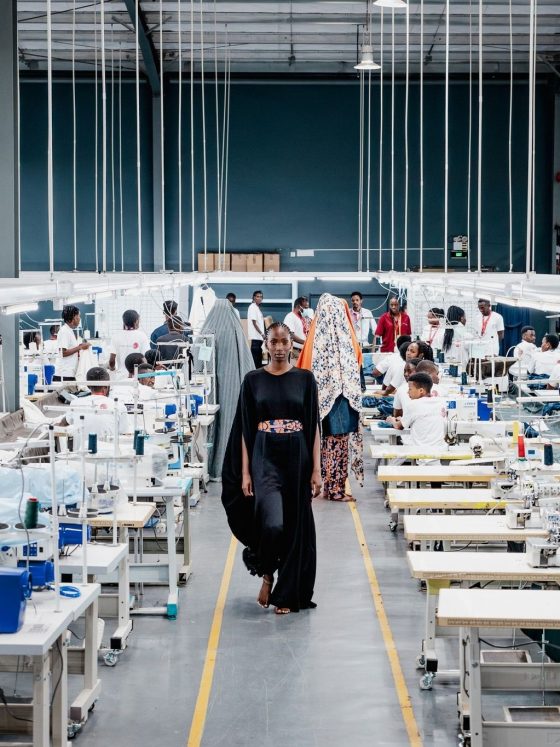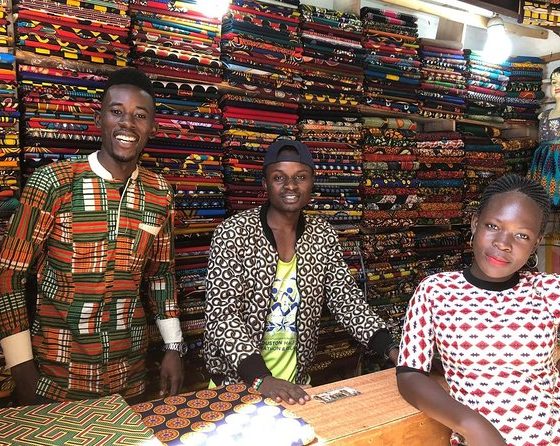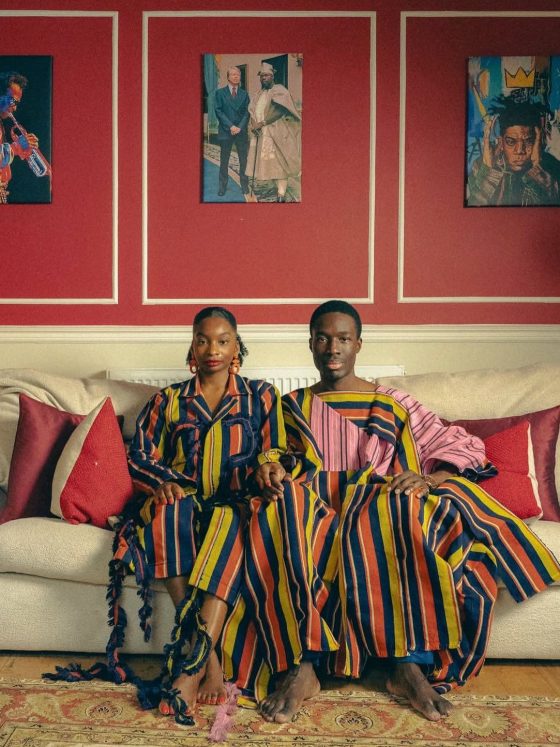
Fashion has learned the vocabulary of acknowledgement.
Collection notes now refer to “textile traditions,” “artisan communities,” “diaspora visual language” and “heritage techniques.” Campaigns name places that older fashion systems would have treated as anonymous sources of print, texture or atmosphere. Brands increasingly understand that silence looks careless, and that a vague phrase such as “African-inspired” reveals less cultural knowledge than it claims.
That change matters. Naming a source creates a record. It allows a reader, researcher or member of the originating community to ask better questions about what was used, where it came from and who benefited.
But acknowledgement is not ownership. It is not consent. It is not a contract.
A brand can precisely identify the source of a pattern, translate its visual logic into a collection, sell that collection internationally, extend it through accessories and licensing, and keep every pound of the resulting commercial value. The source community may be visible in the campaign language yet absent from every decision about use, representation, price, distribution and profit.
That is the gap fashion has yet to close.
Omiren Styles has previously established, in its analysis of what credit owes beyond naming a cultural source, that credit is not compensation. This article takes the next step: if cultural credit is the beginning rather than the end of responsible practice, what commercial tools can turn a cultural reference into a relationship?
The answer is not that every cultural influence can, or should, be placed behind a paywall. Culture moves. Fashion has always involved exchange, adaptation and reinterpretation. The question is narrower and more serious: when a company derives sustained commercial value from identifiable cultural knowledge, what mechanisms enable the people who hold, maintain or create that knowledge to participate in the terms of its use?
Licensing is one answer. It is not the only one. But it forces fashion to confront the question that a credit note can avoid.
Who has the authority to say yes, on what terms, and who receives value when the answer is yes?
Fashion has learned the vocabulary of acknowledgement. A credit line can name a cultural source. It cannot give the people behind it control over how that reference is used, or any share of the revenue it helps create. This is the licensing argument.
Credit Corrects the Record
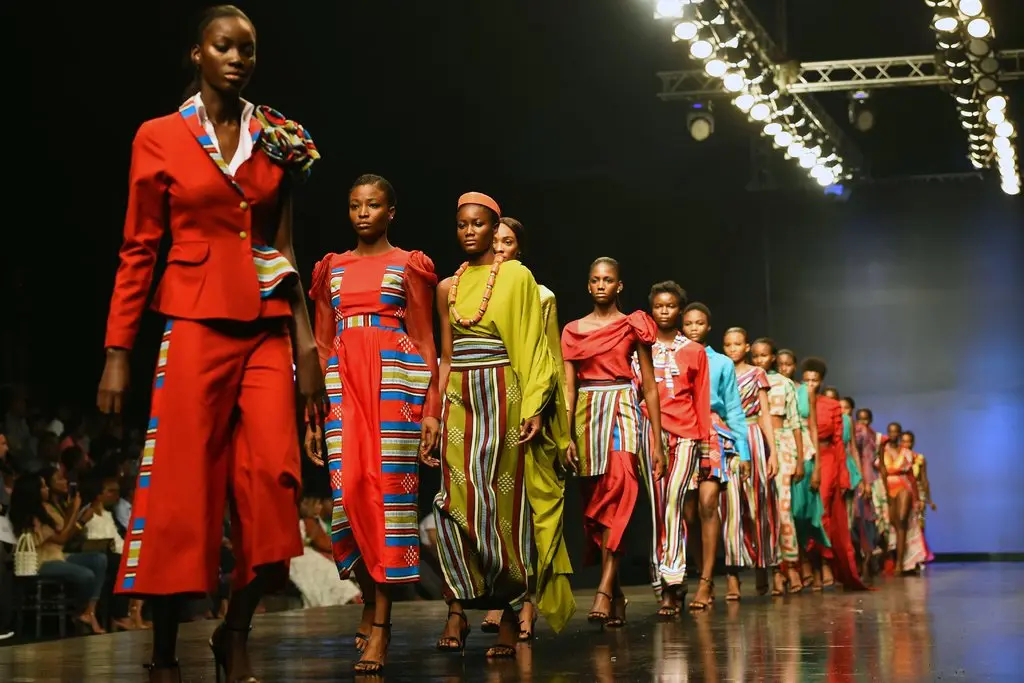
Credit has real value.
A precise acknowledgement can prevent the most basic form of cultural erasure. It can distinguish a Yoruba adire process from generic “tie-dye”; an Asante or Ewe kente tradition from a geometric surface pattern; a Tanzanian kanga from a generic “African print.” It can name individual makers, cooperatives, designers, studios and communities whose work has too often been converted into moodboard material.
Precision also improves fashion itself. A designer who understands the difference between wax print, Dutch wax, fancy print and Ankara is less likely to reproduce a false story about how a cloth was made or where its value lies. As the Omiren Styles African Textile Glossary explains, these are not interchangeable labels: they refer to different histories, production methods, market systems and cultural contexts.
Yet credit has a built-in limit. It records a relationship after a creative decision has already been made; it does not necessarily govern the decision itself.
A collection note may acknowledge a community without demonstrating that the community was consulted. A campaign may name an aesthetic source without showing whether practitioners from that cultural world were commissioned. A brand may be praised for attribution while the project’s financial architecture remains unchanged: the company owns the designs, controls distribution, sets the price, and collects the margin.
The distinction is precise. Credit says where an idea came from. Consent asks whether the holders of that cultural expression agree to its proposed use. Compensation determines whether value returns to the people whose knowledge helped produce it. Licensing sets enforceable conditions for a permitted commercial use.
These categories can overlap, but they are not substitutes for one another.
The Difficulty of Owning a Shared Tradition
Fashion’s standard intellectual-property system was largely designed around identifiable individual authors, fixed works and limited periods of protection. Traditional cultural expressions often do not fit that model.
They can be collective rather than individual. They may have been developed over generations, maintained through customary rules and embedded in social, ceremonial or spiritual life. They can include textile designs, garments, ornaments, symbols, performances, visual art, and craft practices.
This creates a familiar problem. A particular contemporary drawing, photograph, garment print or woven design may be protected by copyright or design law. But a broader visual language, especially one transmitted collectively across generations, may be treated as available to anyone unless a specific legal right, local rule or contractual arrangement says otherwise.
The result is an asymmetry. A fashion house may aggressively protect a seasonal logo, monogram, or bag shape. The communities whose cultural forms made a collection legible, distinctive,e or desirable may have no comparable means of controlling its commercial use.
The World Intellectual Property Organisation (WIPO) recognises this challenge directly, noting that traditional cultural expressions can sometimes be protected through existing systems, including copyright, related rights, trademarks, geographical indications and appellations of origin. But “sometimes” is doing significant work. Whether protection exists depends on the expression, the jurisdiction, the rights holder, and the available legal route.
That uncertainty should not be used as an excuse for inaction.
The legal question, “Can this use be stopped?”, is narrower than the commercial question a responsible fashion company should ask: “Who should be involved before we use this, and how should they benefit if we do?”
The Evidence From This Series
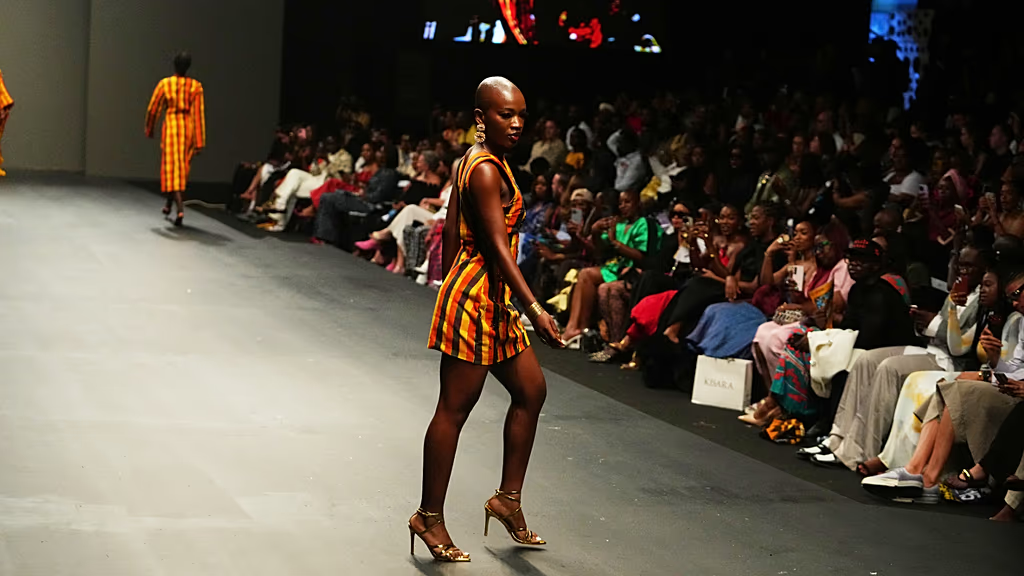
Across this series, Omiren Styles has documented case after case of the same structural pattern: a cultural aesthetic or material tradition is built by a community under conditions of economic marginalisation or historical suppression; it is extracted by mainstream or luxury fashion institutions; it is credited, where credit occurs at all, as inspiration rather than as intellectual property; and the commercial value it generates accrues to the extracting institution rather than to the originating community.
As Omiren Styles has established, in its analysis of the Chola aesthetic and who kept the credit, the Chola aesthetic built by working-class Mexican-American women in East Los Angeles over five decades became a global reference point for luxury runway designers and beauty brands, whose collections were credited to the translating designer rather than to the originating community. The baby hair technique, the dark lip liner method, the specific proportions of the winged liner: each was developed within a community over decades of practice, adopted wholesale by the mainstream fashion and beauty industry, and absorbed into seasonal credit lines that named an aesthetic category without naming the people who built it.
As Omiren Styles has documented in its analysis of Caribbean Madras and its Creole transformation, the maré tèt, the Antillean Creole headwrap code built by Martinican and Guadeloupean women out of colonial trade cloth, is one of the most precisely documented examples of a community transforming an external material into a specific cultural language, complete with a communicative system encoded in the number of points tied into the fabric. Fashion photography that presents the headwrap as a decorative element has extracted the image from this code without documenting it. The image travels. The meaning stays behind.
As Omiren Styles has established, in its analysis of the African cotton supply chain, the extraction argument operates at the raw material level as well as the aesthetic level: Africa produces approximately 6% of the world’s cotton, exports 90% of it as raw fibre, and spends approximately $50 billion annually importing finished textiles back. The cultural and material knowledge embedded in the cotton supply chain, the specific weaving traditions, the dyeing practices, the finishing knowledge, accumulates in the manufacturing economies that process the fibre rather than in the agricultural economies that grow it. The licensing question is downstream of the supply chain question, but both concern the same underlying structure: who captures the value from a cultural and material tradition that others sustain.
As Omiren Styles has established in its analysis of the Afro-Brazilian fashion system, the extraction of Afro-Brazilian aesthetic authority into a commercial fashion system whose ownership, editorial direction and investment structures remain disproportionately concentrated elsewhere is a structural feature of the global fashion economy rather than a series of individual creative decisions. São Paulo Fashion Week’s diversity casting requirement addresses representation on the runway. It does not address who owns the brands, controls the supply chains or captures the margins from a fashion market whose creative foundations are profoundly Afro-Brazilian.
Licensing Is a Commercial Language
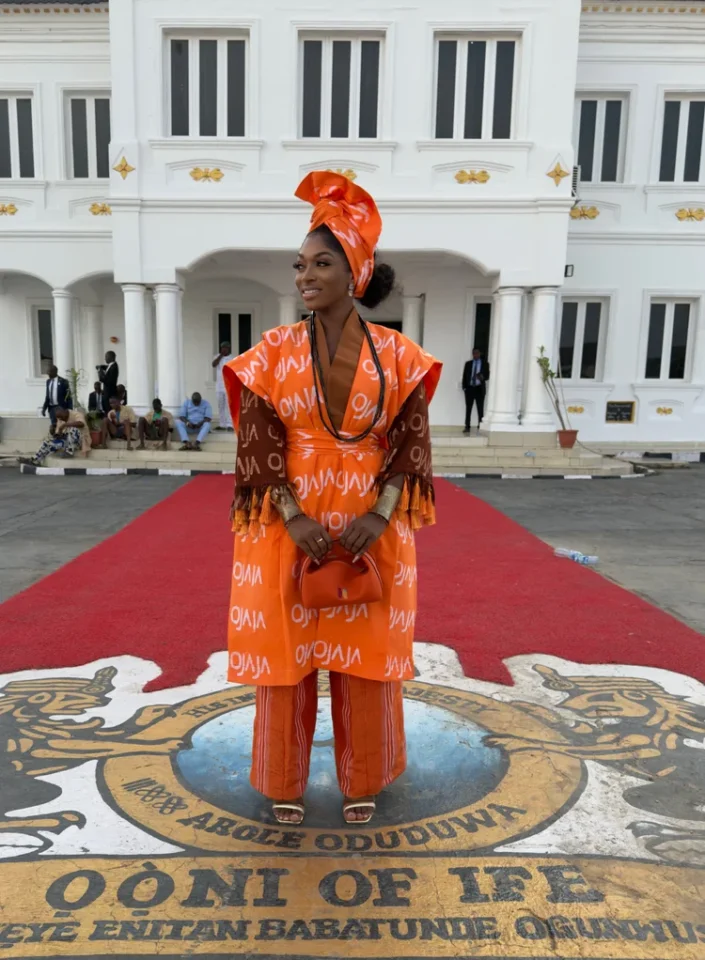
Fashion already understands licensing.
It licenses names, logos, celebrity likenesses, prints, illustrations, music, photography and brand assets. It negotiates territory, duration, exclusivity, approval rights, minimum guarantees, royalties, quality controls and termination clauses. It knows that a valuable asset deserves a contract.
The difficulty arises when the asset is shared cultural knowledge rather than the property of an individual company. Who represents the community? Which use requires authorisation? How is payment divided fairly? Who decides whether a proposed adaptation is respectful, inappropriate or simply inaccurate?
Those are difficult questions. They are not reasons to pretend that no commercial structure is possible.
A responsible agreement might include a clearly identified individual maker, collective, community body or authorised representative; a description of the specific cultural expression or design element proposed for use; prior and informed consent before sampling, product development or public launch; limits on the product categories, territories, quantities and period of use; approval rights over representation, messaging and final execution; a fee, royalty, minimum guarantee, sourcing commitment or combination of these; accurate attribution in product pages, campaigns, retail materials and press communications; a process for monitoring unauthorised extensions or third-party use; and a clear plan for where the benefit goes and how it is governed.
None of this makes a relationship perfect. Nor does it solve every question of collective ownership. It does, however, move the relationship from a unilateral claim of “inspiration” to a documented negotiation.
WIPO’s draft guidance for fashion companies considering Indigenous cultural expressions similarly stresses prior and informed consent, mutually agreed collaboration terms, and proper acknowledgement before a product or project is made public.
The point is not to turn culture into a transaction alone. It is to recognise that fashion has already made culture commercial. The ethical question is whether the commercial terms are shared or merely extracted.
The Nana Benz Lesson: Control Was Value
The history of West African wax-print trade offers a useful correction to the assumption that textile value begins and ends with manufacture.
In Lomé, the Nana Benz — Togolese women traders active since the mid-20th century — built immense commercial authority by controlling access to specific wax-print patterns. Their power did not come only from selling cloth. It came from exclusive distribution rights, regional networks, pattern knowledge and the ability to shape what consumers could obtain across West African markets. As Omiren Styles’ analysis of Nana Benz shows, a successful trader could hold exclusive wholesale rights to numerous designs. Certain patterns carried names tied to traders and circulated with social meaning and market value. The women were not incidental sellers in a European textile story; they helped construct the commercial intelligence that made the market work.
That history matters because it reveals an often-overlooked truth: control over access, naming, circulation and distribution is a form of cultural and commercial power.
When fashion uses a textile tradition but leaves the people who sustain its meanings outside the commercial chain, it removes that power from the relationship. A credit note may preserve a name. It does not restore control over use, distribution or profit.
Licensing is not identical to the Nana Benz model. But both concern the same underlying question: who has the right to set terms around a pattern’s commercial life?
Not Every Reference Needs the Same Response
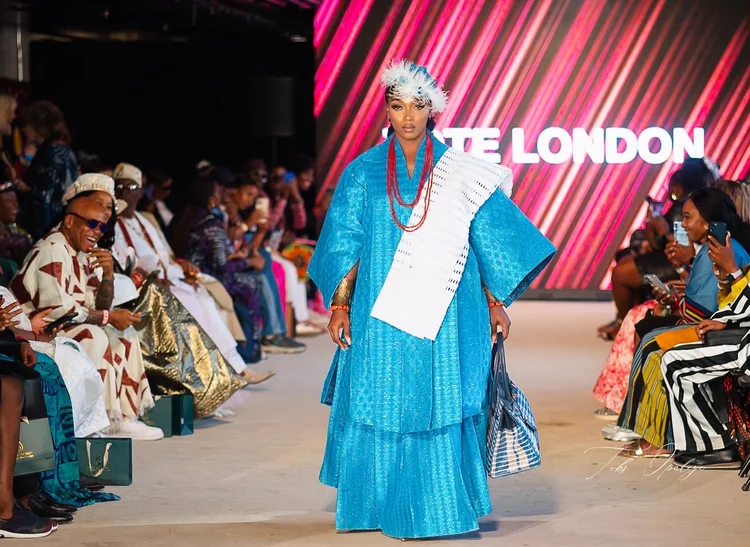
A serious framework must avoid easy formulas.
There is a difference between a designer studying the history of a silhouette, a museum documenting a textile, a journalist describing a garment tradition, and a global company using a recognisable cultural expression to sell products at scale. There is also a difference between working with a living individual artist, a registered cooperative, a collective of makers, an Indigenous community and a widely dispersed cultural practice with no single governing authority.
The response should match the context.
When direct commissioning is appropriate
If a brand wants to use the work of a living artist, weaver, printmaker, photographer, or designer, the baseline is straightforward: commission them, agree on the terms in writing, and pay them fairly. A vague acknowledgement cannot replace a fee, ownership terms or a share of the work’s commercial extension.
When sourcing is appropriate
If a collection relies on a specific material practice or craft technique, direct sourcing may create a more meaningful relationship than visual imitation. That must still involve fair pricing, realistic lead times, transparent specifications and respect for production capacity. “Artisan sourcing” is not ethical simply because it occurs close to a craft tradition.
When licensing is appropriate
As WIPO has documented, where a community, collective, or recognised representative body has authority over a distinctive cultural expression, licensing can establish the conditions for commercial use. It can protect against misrepresentation, create recurring income and give cultural holders a decision-making role.
When a brand should stop
Some expressions should not be used commercially at all. A community may regard an object, symbol, pattern, ritual or design as sacred, restricted, ceremonial or unsuitable for fashion product development. The fact that an image is available online does not establish permission. The real discipline lies in accepting that “no” is a possible outcome.
From Public-Domain Logic to Relationship Logic
Fashion often defaults to public-domain logic: if a pattern, motif or image can be found in a book, archive, social feed or marketplace, it is treated as raw material for interpretation.
That approach confuses access with authority.
A public image can document a cultural expression without giving commercial permission to reproduce it. A museum collection can preserve an object without resolving the rights or responsibilities attached to its use. A familiar textile name can circulate widely, while the people behind the production, meaning, and local trade remain economically distant from the brands that benefit from its recognition.
WIPO has observed that existing IP frameworks may leave traditional cultural expressions vulnerable because these expressions are often treated as part of the public domain, despite customary laws and practices that govern their use in community contexts.
Fashion cannot wait for a universal legal instrument before changing its conduct. The absence of a clean, universal legal rule does not erase the need for due diligence.
A more responsible approach begins before design development.
- Identify the source precisely. Do not use “African,” “tribal,” “ethnic,” “folk”, or “heritage” as catch-all categories. Determine the place, people, maker, technique, language and historical context involved.
- Establish whether the expression is living, collective or restricted. Ask who uses it, who maintains it and whether customary rules govern its circulation.
- Find the appropriate knowledge holders. This may mean an individual artist, a cooperative, a cultural organisation, a local authority, a community representative or multiple parties.
- Ask before production, not after launch. Consent after a campaign has been photographed is no longer consent; it is damage control.
- Agree commercial terms in writing. Define payment, attribution, approval, territory, duration, use categories and review mechanisms.
- Publish enough information to be accountable. Consumers and communities should be able to see more than an aesthetic claim. They should be able to understand the relationship.
This is not a demand for brands to reveal confidential commercial terms. It is a demand for evidence that a relationship exists beyond branding language.
What Fashion Should Measure
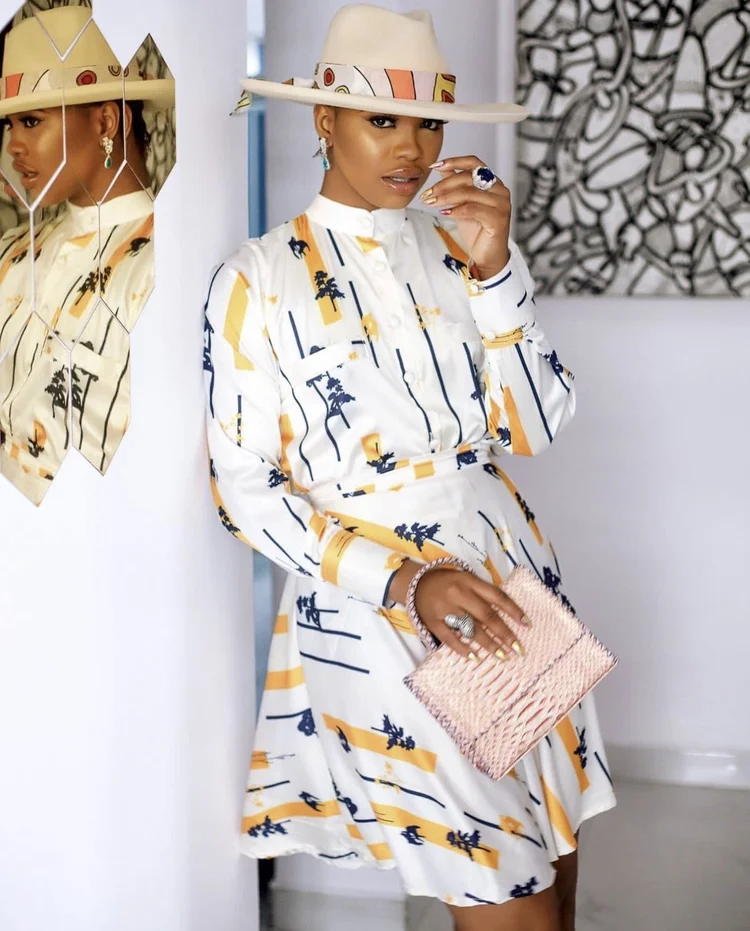
Fashion has become increasingly comfortable measuring carbon, traceability, supplier compliance and diversity targets. Each is imperfect, but the industry accepts that reporting systems create pressure to improve.
Cultural accountability needs similar discipline.
A brand using an identifiable cultural source should be able to answer whether the source was named accurately and specifically; whether the relevant maker, community or representative was consulted before use; whether they approved the design direction and final representation; whether people from the originating context were commissioned as designers, artisans, stylists, photographers, advisers or producers; whether the relationship included a licence, sourcing agreement, royalty, minimum guarantee, profit share or infrastructure investment; whether the claimed benefit can be independently verified; and whether the relationship will continue beyond one collection.
These questions set a higher standard than “inspired by.” They do not prohibit exchange. They make extraction harder to disguise as appreciation.
The challenge for fashion is not a lack of available tools. Contracts exist. Licensing systems exist. Geographical indications, collective marks and trademarks exist. Co-creation and sourcing partnerships exist. The necessary change is a decision to treat cultural knowledge as something more than free creative inventory.
The Omiren Argument
Fashion should not be judged solely by whether it can name the origin of an idea. It should be judged by what it builds with the people behind that idea.
A credit line is better than silence. It can repair part of the historical record and make future research more truthful. But fashion cannot congratulate itself for recognition while refusing the obligations that recognition makes visible.
The standard must become more practical: name sources precisely; learn the meaning before using the form; seek consent before commercialisation; commission people as authors, not cultural validators; pay through licences, royalties, sourcing, equity or sustained investment; give cultural holders a say over representation; and make the relationship visible enough to be held accountable.
The pattern is never only a pattern. It can contain technique, memory, social meaning, trade history, authorship and labour. When fashion turns that knowledge into a product, it enters a commercial relationship whether it acknowledges one or not.
The question is whether that relationship will remain extractive, or become shared.
As Omiren Styles has argued throughout this series, the Global South made fashion and never got credit. The licensing argument is the commercial form of that political claim: the communities whose knowledge, aesthetics and material traditions generate value for the global fashion industry should participate in the terms of that value’s commercial distribution. Credit is where the argument begins. Licensing is where it becomes enforceable.
ALSO READ
- Credit Is Not Compensation: What Fashion Owes Beyond Naming a Cultural Source
- The Chola Aesthetic Went Global. Who Kept the Credit?
- Brazil’s Fashion System Has Not Matched Its Afro-Brazilian Reality
- Caribbean Madras: From Colonial Textile to Contemporary Creole Fashion
- Nana Benz of Lomé: How Togolese Women Traders Built West Africa’s Wax-Print Empire
- African Textile Glossary: 20 Terms Fashion Keeps Getting Wrong
Frequently Asked Questions
What is the difference between cultural credit and licensing?
Cultural credit identifies a source in editorial, campaign or product language. Licensing is a commercial agreement that permits a defined use on negotiated terms. A licence may specify payment, duration, territory, product category, attribution, quality controls, approval rights and the consequences of unauthorised use. Credit may form part of a licensing agreement, but credit alone does not give a community economic participation or control. As WIPO’s draft guidance on traditional cultural expressions in fashion documents, the distinction is foundational: naming a source after the fact is not the same as securing prior and informed consent before commercial use.
Can traditional cultural expressions be protected by intellectual-property law?
Sometimes. WIPO identifies several possible routes, including copyright and related rights, trademarks, geographical indications and appellations of origin. The availability and strength of protection depend on the expression, applicable law, ownership structure and jurisdiction. Traditional cultural expressions can be difficult to protect through conventional IP alone because they may be collective, intergenerational and governed by customary law rather than individual authorship.
Does using cultural inspiration always require permission?
No universal rule applies to every cultural reference, jurisdiction or creative act, as WIPO’s fashion guidance acknowledges. The ethical and legal considerations differ between historical research, editorial discussion, individual artistic influence, direct reproduction and large-scale commercial use. However, where a brand uses a living, identifiable cultural expression or knowledge system to create commercial value, responsible practice requires research, engagement with relevant holders, and consideration of consent, commissioning, licensing or benefit-sharing.
What should a fashion brand include in a cultural licensing agreement?
A responsible agreement should identify the authorised parties and the precise expression involved; set out intended uses, product categories, territory and duration; establish payment or royalty terms; require accurate attribution; define approval and quality-control processes; protect against misleading representation; explain how benefits are distributed; and set procedures for dispute resolution, renewal and termination. The appropriate terms must be developed with the relevant cultural holders and legal advisers in the applicable jurisdiction.
Why does precise textile terminology matter for the licensing argument?
Precise terms help determine where a textile comes from, how it was made, which people and production systems are involved, and whether claims about heritage or craft are accurate. Calling every colourful printed cotton “Ankara,” “wax print” or “African fabric” collapses distinct material histories and obscures the communities whose knowledge and labour made those traditions meaningful. Precision is also the precondition for a legally meaningful licensing agreement: you cannot define the terms of use for a cultural expression that has not been precisely identified.
EXPLORE MORE
Read the full Industry and Distribution, Retail and Value Capture sections at Omiren Styles for ongoing analysis of cultural licensing, intellectual property, fashion accountability and the commercial frameworks that can turn cultural credit into shared value. Discover travel and heritage intelligence across Africa and the diaspora at Rex Clarke Adventures.