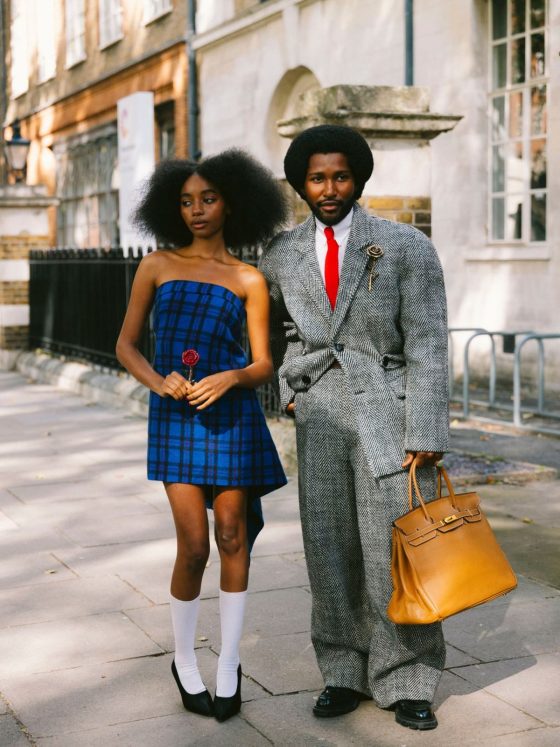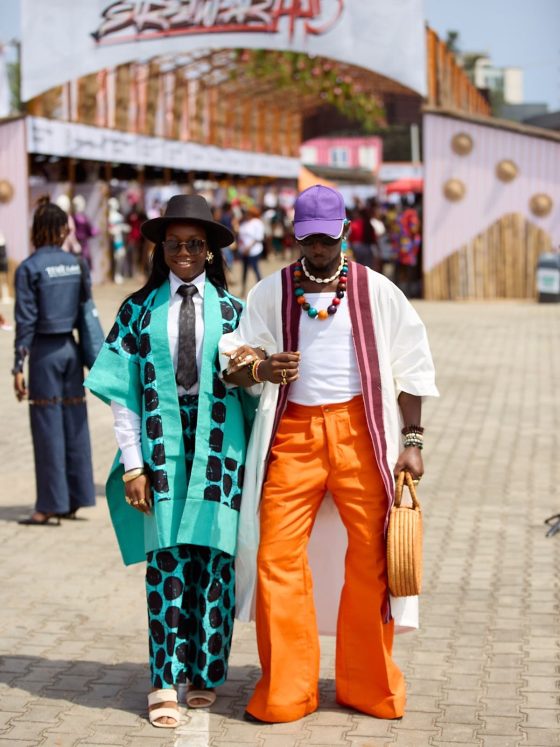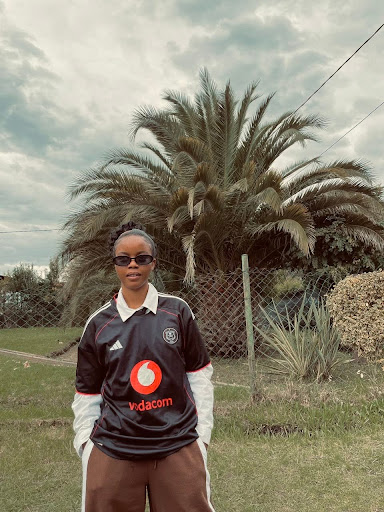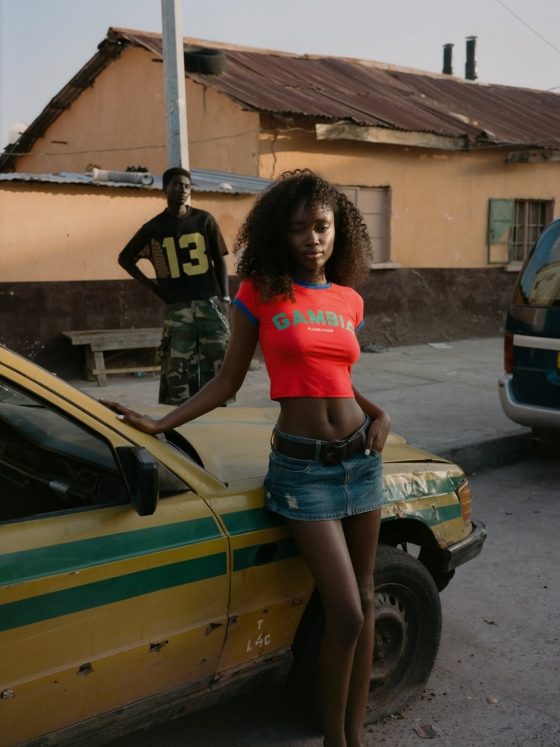
Before a footballer enters the stadium, there is a part nobody photographs.
The alarm before sunrise. The train or bus ride to training. The repeated drill. The recovery session. The meal is prepared around a schedule. The workday or study shift that begins after football ends—the decision to train again after injury, rejection or a bad performance.
Alejandro Patiño García wants Locked Society to dress that part.
The Colombian founder, based in London and shaped by competitive football, is building the label around a phrase that has become common in contemporary culture: “locked in”. In his version, it doesn’t mean looking busy, posting motivational quotes or treating exhaustion as an identity. It means committing to a goal, accepting the routine required to reach it, and taking responsibility for the work nobody else can do for you.
“Society” is the other half of the name. It recognises that ambition is rarely as individual as success stories suggest. Families, friends, coaches, teammates, mentors and communities create opportunities, provide support and help someone recover when progress stalls. But support cannot replace personal effort.
“People can support you, but nobody can do the work of improving yourself for you.” — Alejandro Patiño García, Founder, Locked Society
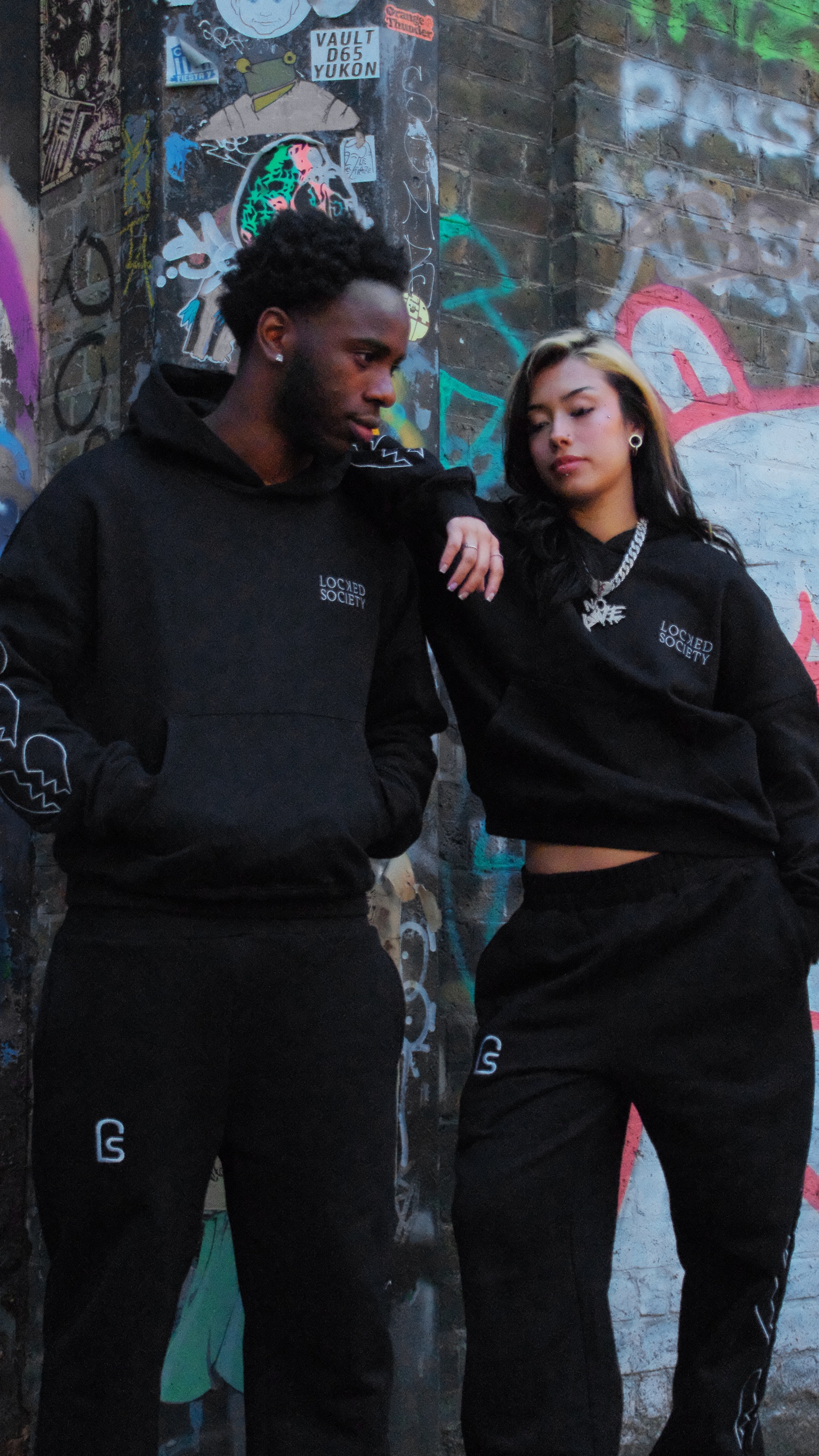
Locked Society’s first pieces, heavyweight hoodies and relaxed, straight-to-wide-leg trousers with embroidered details, are intended as a uniform for that in-between space: clothing for training, travelling, studying, working, making, recovering and returning to the task. The brand’s challenge is clear. Streetwear already knows how to sell ambition as an image. Locked Society must prove it can make ambition feel more honest: grounded in practice, family history, football culture and a community that does more than appear in campaign content.
Colombian founder Alejandro Patiño García is building Locked Society around discipline, family sacrifice and the routine behind ambition — the part of the story that streetwear rarely photographs. This introduces the brand and the argument behind it.
The Family Lesson Beneath the Label

Locked Society begins with Patiño García’s parents.
They came to Europe as immigrants with little material security and a determination to create more opportunities for their two sons. Their work ethic shaped the founder’s understanding of responsibility. The brand’s language of discipline is not a borrowed streetwear slogan. It comes from watching his parents work day and night to build a future for their family. “There is nobody I’m more grateful to,” he says.
That history gives Locked Society a meaningful foundation, but it also creates a responsibility. Migration, sacrifice, and working-class perseverance have become familiar visual material in fashion. Brands often borrow their emotional force without asking who benefits from the story. Locked Society should not romanticise hardship. Its more useful argument is that perseverance is a practice. It can be inherited as an example without being treated as a requirement to suffer. It can acknowledge that people begin from unequal positions while still recognising the agency required to move forward.
The difference between a brand that exploits that history and one that honours it lies in how it uses the story: whether the people whose lives created the brand’s emotional authority are paid contributors, credited visibly and given genuine input. Whether the community the brand builds around itself is a real network of relationships or a visual production that borrows authenticity without returning anything to its sources.
Omiren Styles has established, in its analysis of what credit owes beyond naming a cultural source, that naming a source does not answer who owns the product, controls the intellectual property, receives the margin or benefits from future growth. The same principle applies to the human stories that give a brand its emotional credibility. LockedSocialfounders ‘ parents are the source of the brand’s deepest argument. How the brand manages that relationship — not in its copy but in its practices — will determine whether the argument holds.
Football Is the Design Context
Patiño García’s competitive-football background gives Locked Society its clearest cultural reference, one that most streetwear brands use incorrectly.
Football is often presented through spectacle: stadium lights, elite contracts, major tournaments, celebrity players and the final score. But football culture is built in the quieter hours. It depends on repetition, recovery, travel, hierarchy, tactical discipline, physical maintenance and the ability to keep returning after disappointment. That is where Locked Society locates itself.
The brand does not begin with a football jersey or a technical training kit. It begins with the garments around the game: the hoodie worn on the journey to training, the relaxed trousers worn after a session, the outer layer carried between work, study, training and home. The product category is familiar. The design task is to make it specific.
The heavyweight hoodie is designed for comfort, warmth, structure, and repeated wear before or after activity. The relaxed trousers are designed for ease of movement without losing a deliberate streetwear silhouette. The straight-to-wide-leg cut is a contemporary proportion designed to work with trainers, outerwear and daily layering. The embroidered detail is a more durable form of brand expression than a surface slogan. The focused first range is a chance to establish fit, fabric and construction before expanding too quickly.
For a brand built around consistency, these product decisions are the evidence. The brand should be precise about what heavyweight means: fabric weight in GSM, fibre composition, whether the fabric is brushed or loopback, how the garment has been tested for shrinkage, where it is made and how the embroidery performs after repeated washing. Trousers need the same clarity on fit, waist position, size range and how the hem works with the footwear customers actually wear. These details are not secondary. They are the product’s first argument.
London Is a Test, Not Just a Location

Locked Society is based in London, a city where football, migration, creative work and streetwear are already deeply connected. That gives the brand a rich environment, but it also makes imitation easy.
London streetwear is crowded with labels using oversized fits, collegiate graphics, football references, aspirational photography and language about the culture. The challenge for Locked Society is not to look like it belongs in that market. It is to say something it cannot say without Patiño García’s particular story — his Colombian roots, London life and football background create a perspective that should influence more than the brand biography.
That perspective could shape who is featured in campaigns, the languages used in storytelling, the neighbourhoods and real spaces where images are made, the musicians and artists and grassroots organisers who collaborate, the approach to colour and graphic identity, the kinds of football stories the brand chooses to tell, and the relationship between diaspora identity and ambition.
The strongest version of Locked Society will not turn Colombia into a graphic reference or use London as a generic backdrop of concrete, estates and late-night streetlights. It will identify the real experience between the two places: fammigrationment, adaptation, football culture, access, pressure, and the effort to build a future in a city that rewards visibility but does not guarantee opportunity.
Omiren Styles has documented in its analysis of visibility versus market power in African and diaspora fashion brands that attention and commercial durability are distinct. The diaspora brands that convert visibility into lasting businesses are those that have built the specific cultural argument that only they can make. For Locked Society, that argument is not about London streetwear in general. It is about the specific experience of growing up Colombian in London, shaped by football discipline and immigrant parents, and finding that most streetwear was selling the outcome of that experience without ever documenting the process.
“Society” Has to Become Real
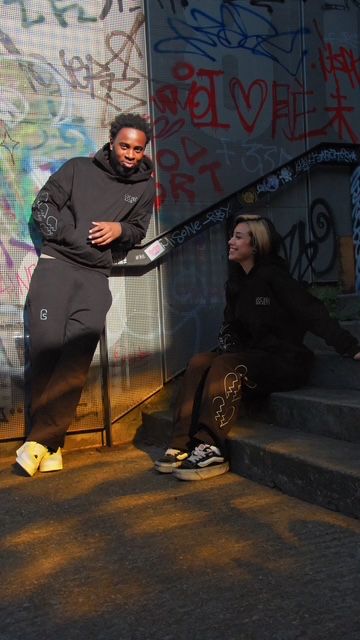
The most important word in the brand name may be the second one. “Locked in” explains the individual mindset. “Society” should explain what the crisis centres on.
That requires more than a customer base. A credible community shows up in the relationships a brand maintains: who gets paid, who receives authorship, who is invited into decision-making, who benefits from exposure and whether the brand stays connected to people before they become famous.
Locked Society’s proposed next step — creative projects with current and aspiring footballers — has potential because football contains a wide network of stories that mainstream sports coverage consistently ignores. The obvious route would be to dress a successful player, photograph them near a stadium and call it community. The more meaningful route would be to build a record of the work behind football: the academy player balancing education and selection pressure; the women’s footballer navigating unequal resource access; the non-league player working a day job before an evening game; the grassroots coach building safety and confidence for young people through local sport; the player returning from injury with the patience and isolation that rehabilitation requires; the Colombian or Latin American player in London carrying diaspora identity and adaptation alongside tactical preparation.
The key is authorship. Footballers and creatives should not become unpaid proof of the ban’s authenticity. They should be paid contributors, quoted accurately, credited visibly and given genuine input into the project’s direction. If a film, portrait series or capsule collection creates commercial value, the people whose stories create that value should share in it. That is the difference between community as content and community as practice.
Omiren Styles has established, in its analysis of photographers building an ethical record of African street style, that an image becomes an ethical record only when consent, accurate context and a path back to the subject travel with it. For Locked Society, the same principle applies to every creative collaboration: ask for informed consent, pay contributors, explain where photographs and stories will appear, credit every collaborator and give participants a route to correct or withdraw material that becomes inaccurate or harmful. The people pictured would not be raw material for a streetwear moodboard. They would be co-authors of the world the brand is trying to build.
The Product Must Carry the Belief
Every young streetwear brand has an origin story. Fewer have products that carry beyond the first campaign.
Locked Society’s early garments have the right starting logic: comfortable, durable essentials that can move across sport, creative work and everyday life. But the brand must resist the temptation to build desire through scarcity alone. A limited drop can create urgency. It cannot create trust. Trust will come from whether customers believe the garments are worth wearing repeatedly.
That means the brand should be prepared to publish the practical information that a serious customer needs. Fabric composition and GSM, confirming what heavyweight means in material terms. Country and manufacturing partner, connecting the brand’s labour values to its supply chain. A full fit guide with measurements to help customers choose the right size and reduce avoidable returns. A clear size range that shows who the brand is actually designed to include. Retail price and tax position, making the value proposition legible. Embroidery and garment-care guidance to help the product last and protect its detailing. And an honest explanation of the drop, pre-order or core-stock model, so customers understand availability and the brand’s approach to overproduction.
A label built around hard work should identify the people who produce the clothing. The story cannot end with the founder and the customer. It must include the cutters, machinists, embroiderers, quality-control teams, warehouse workers, photographers, models and collaborators who make the brand possible. This is not an optional ethical appendix. It is the most direct way for Locked Society to prove that its values apply beyond its own marketing.
Omiren Styles has established, in its analysis of the economics of made-to-measure tailoring and the infrastructure that allows craft businesses to scale, that a brand built around consistency needs the operational infrastructure to keep its word across seasons, not only in the first drop. Establishing fit and fabric standards before expanding categories, building supplier relationships before multiplying colourways, and publishing transparent production information before customers demand it: these decisions determine whether a fashion brand remains an independent label or becomes a lasting business.
Streetwear Should Document More Than Success
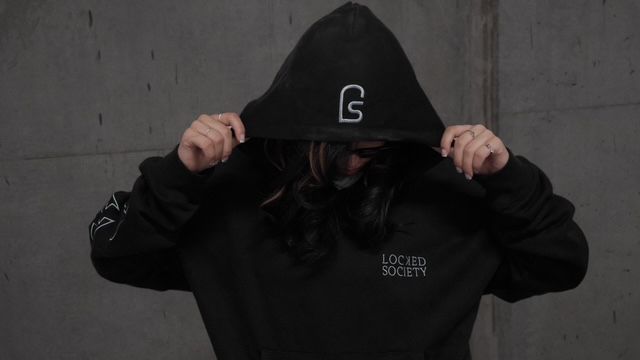
The greatest opportunity lies in creating a distinct image archive centred on football and ambition.
Streetwear campaigns typically show the outcome: the player in the tunnel, the artist on stage, the founder in the studio, the product in an aspirational location. Locked Society can document the middle. The player is on the early bus. The trainer is packing a kit bag after work. The filmmaker is editing match footage in a bedroom. The student is recovering after training. The coach is putting cones away after a session. The friend who keeps someone accountable when confidence falls.
These are not glamorous images in the usual sense. They are more truthful ones. And they serve the customer living in that middle more directly than any image of a successful outcome does. The person the brand is addressing — the student applying for an opportunity, the apprentice learning a trade, the founder working after a day job, the player travelling across London for training, the young artist building a portfolio, the person rebuilding confidence after a setback — does not yet have the outcome. They have the process. The brand should look like the process.
Omiren Styles has established, in its analysis of the Nairobi street style economy and what it means to document a fashion culture from within, that the most valuable documentation is not the image extracted from a community by an outside observer but the record built by someone who has a sustained relationship with the people in it. For Locked Society, that means the brand’s visual record of football culture will be most credible when it is made by people who live inside that culture, not merely photographed passing through it. Patiño García’s football background, his parents’ story and his London life are the access. The brand’s task is to use that access to produce something it could not make without it.
A Uniform for People in Progress
Locked Society is still early. That is an advantage.
The brand can choose to get the fundamentals right before growth makes them harder to change. It can establish fit before expanding categories. It can test fabrics before multiplying colourways. It can build relationships with grassroots players and creatives before pursuing celebrity endorsement. It can publish transparent production information before customers demand it. It can make a community platform before “community” becomes a campaign word.
Patiño García does not need to prove that ambition photographs well. Streetwear already knows how to do that. The harder, more worthwhile task is to make clothing that tells a more honest account of progress: one shaped by immigrant parents, football discipline, daily effort, collective support and the unfinished work of becoming.
The hoodie is only the beginning. Locked Society’s real test is whether the people who wear it can recognise their own routines inside the brand — and whether the people who help create that story share in its value. A brand built on the premise that nobody does the work alone should be the first to demonstrate that in how it pays, credits and includes the people whose work makes it possible.
Omiren Styles has established, in its analysis of African and diaspora fashion brands that convert visibility into market power, that the brands that last are not the ones with the best launch campaigns. They are the ones that have built the systems, supplier relationships, community commitments and product standards that allow them to keep their word across seasons. Locked Society has the story. Now the work is to build the infrastructure that proves the story.
ALSO READ
- Credit Is Not Compensation: What Fashion Owes Beyond Naming a Cultural Source
- Visibility Is Not Market Power: Why Global Attention Still Fails Independent African Fashion Brands
- Directory Profile: Photographers Building an Ethical Record of African Street Style
- The Economics of Made-to-Measure: What Tailoring Businesses Need to Scale Without Losing Fit
- Nairobi Street Style Is a Local Fashion Economy, Not an “Afro-Chic” Export
Frequently Asked Questions
What is Locked Society, and who founded it?
Locked Society is a London-based streetwear brand founded by Alejandro Patiño García, a Colombian founder shaped by competitive football and immigrant family experience. The brand takes its name from the phrase “locked in,” meaning committed to a goal and consistent in the daily work required to reach it, and from “society”, which acknowledges that ambition is shaped by the families, communities and networks that surround an individual. The brand’s first pieces are heavyweight hoodies and relaxed straight-to-wide-leg trousers with embroidered details, designed as everyday wear for the routines of training, studying, working and making that precede any visible outcome.
What is the brand’s design and community philosophy?
Locked Society positions itself against the version of ambition that streetwear typically sells: the outcome, the visibility, the successful player or artist photographed at the moment of achievement. Its design and community philosophy centre on the process: the routines, the discipline, the recovery, the travel, and the daily decisions that produce an outcome over time. The brand draws directly on Patiño García’s background in competitive football and the example of his immigrant parents, and it is building its community practice around paid collaborations with footballers, creatives and grassroots organisers whose stories represent the work behind the sport rather than its spectacle.
How does Locked Society approach community and collaboration ethically?
As Omiren Styles has established in its analysis of credit and compensation in fashion, naming a source does not answer who benefits commercially from what is taken. Locked Society’s approach to community and collaboration should be evaluated on the same terms: whether collaborators are paid, credited and given genuine authorship over the projects they contribute to; whether the people whose stories create the brand’s emotional credibility share in the commercial value that credibility produces; and whether the brand remains connected to grassroots players, coaches and creatives before they become publicly visible rather than only approaching them after success. A community built on those terms is a practice. A community built only on shared imagery is content.
What should customers know about Locked Society’s products?
Locked Society’s first range includes heavyweight hoodies and relaxed trousers with embroidered branding. Customers should expect the brand to publish full product specifications before purchase: fabric composition and weight in GSM, country and manufacturing partner, a comprehensive fit guide with measurements, the full size range, retail price inclusive of any taxes, embroidery and garment-care guidance and an explanation of whether pieces are available as limited drops, pre-orders or core stock. These specifications are not secondary details. For a brand built around consistency and durability, they are the first and most direct evidence of whether the brand’s stated values are expressed in the product itself.
EXPLORE MORE
Read the full Industry and The Field sections at Omiren Styles for ongoing profiles of diaspora fashion founders, London streetwear brands and the community and commercial infrastructure behind independent labels. Discover travel and heritage intelligence across Africa and the diaspora at Rex Clarke Adventures.