The African fashion industry does not have a recognition problem. It has a structural one. Talented designers across the continent produce work that holds its own against anything coming out of Milan or Paris. Buyers exist. Capital exists. Consumer appetite, both within Africa and across the diaspora, is documented and continues to grow. What remains underdeveloped is the connective tissue: cross-border relationships, trade channels, and institutions capable of treating African creativity as an economic system rather than a cultural spectacle.
The African Fashion and Arts Award (AFAA) is making that argument by bringing its 2026 edition to Abidjan. Not in a press release headline. In the structure of the event itself. The three-day programme running from 6 to 8 November combines a conference, an exhibition and creative marketplace, a runway showcase, and an awards gala. That sequence puts commercial infrastructure before ceremony, not after it.
That sequence is the statement.
AFAA’s Abidjan edition is not asking whether African fashion deserves recognition. It is asking whether a continental platform can build the commercial infrastructure recognition alone cannot.
AFAA’s 2026 move to Abidjan is more than an awards event. It tests whether an Afrocentric platform can connect creative talent to markets, buyers and cross-border opportunities.
AFAA 2026 Abidjan: What the Programme Actually Contains
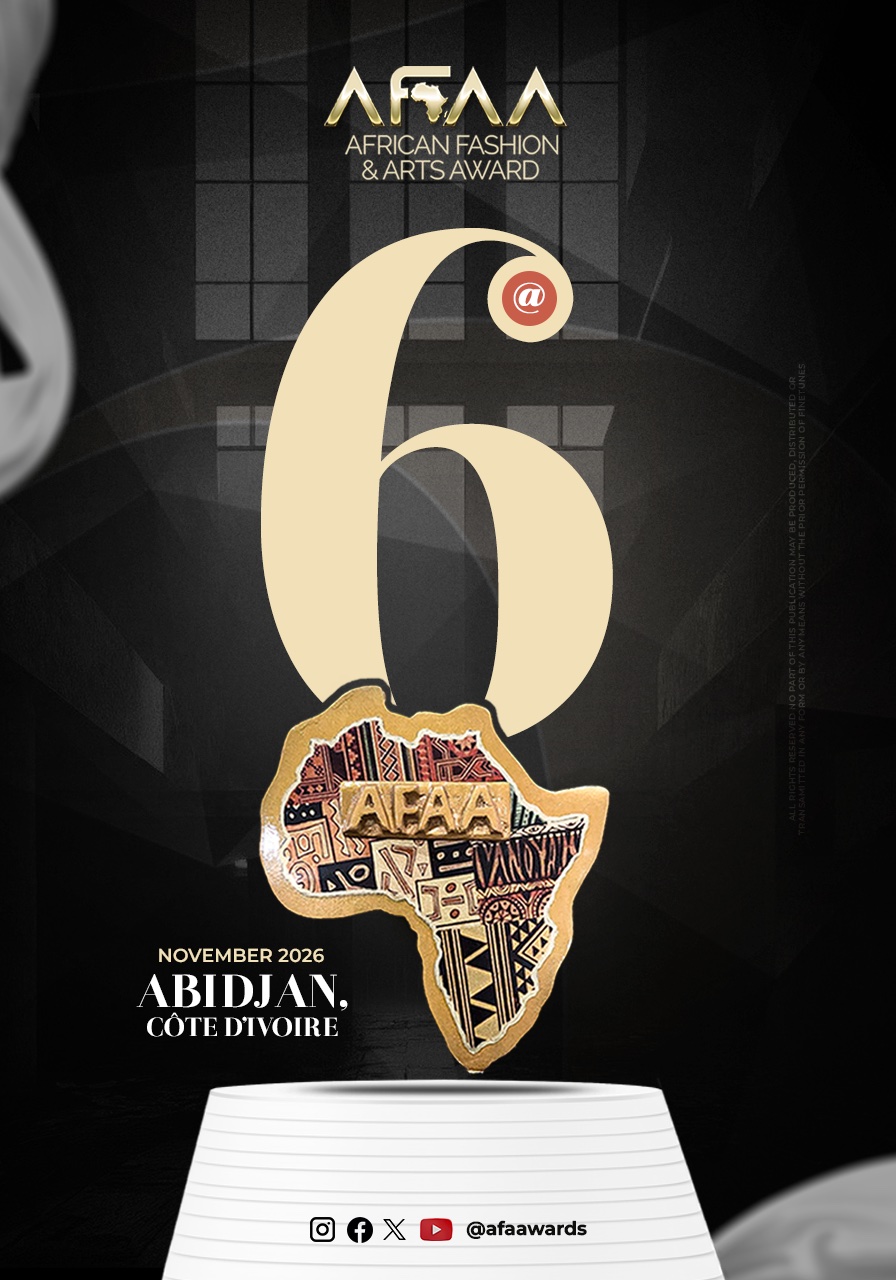
The AFAA 2026 theme is “Africa Beyond Borders: Unifying Creativity, Unlocking Opportunities.” The choice of Abidjan as host city is deliberate. English-language routes continue to dominate continental fashion coverage. Lagos, Accra and Nairobi receive the majority of international attention directed at African fashion. Francophone cities, including Abidjan, Dakar and Kinshasa, produce serious creative work and commercial activity that rarely receive proportionate coverage from English-language platforms.
AFAA’s move to Abidjan is a challenge to that imbalance.
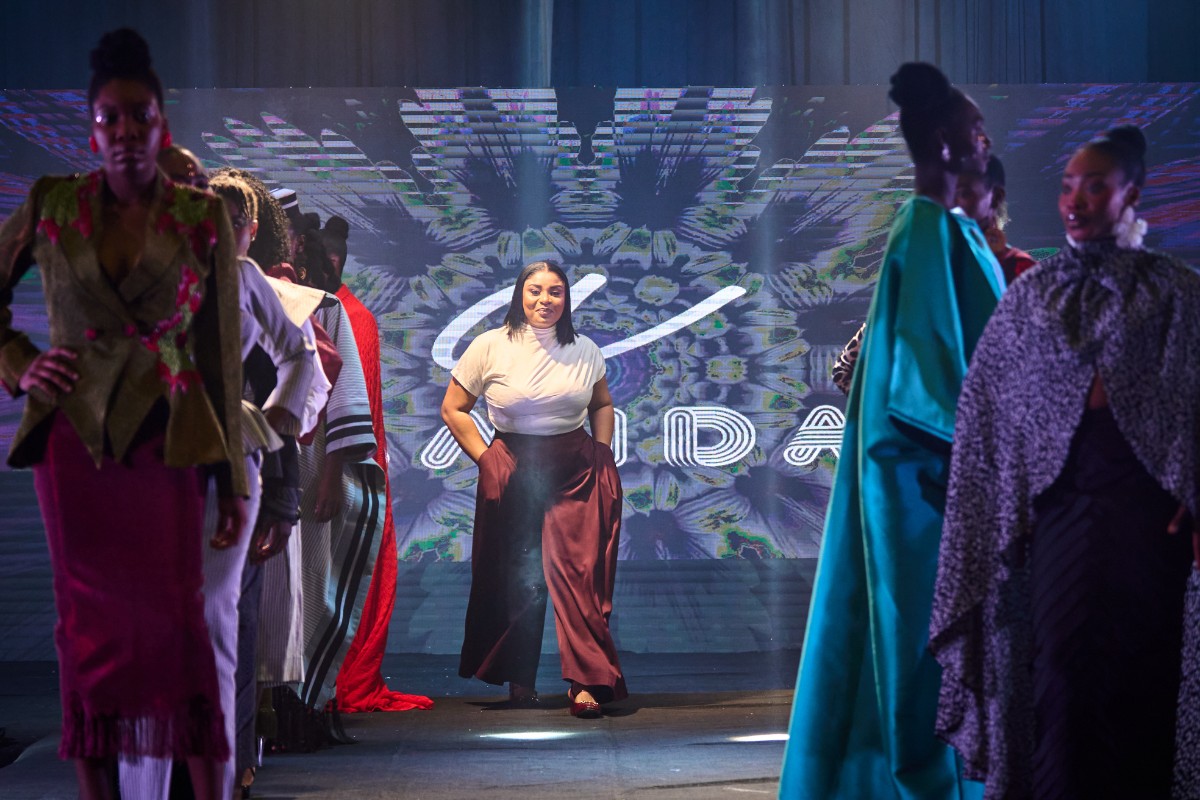
The AFAA exhibition and creative marketplace is open to fashion brands, artists, creative entrepreneurs, buyers, investors and media. The runway showcase invites designers to represent their countries on the platform and to connect their collections with an Afrocentric continental audience. The business and creative conference is framed around high-level conversations that shape the future of Africa’s creative economy across fashion, arts, culture, policy, innovation, tourism, and cross-border collaboration. Only after all of that comes the awards gala.
This ordering is not accidental. It reflects how AFAA has always understood its mandate: not celebration first, but connection first.
The Platform Has Always Been About More Than an Award
AFAA’s stated mission is to reward and celebrate fashion and art creatives, encouraging both established and emerging creatives in Africa, building capacity for self and overall improvement to drive improvements in the continent’s GDP growth and employment opportunities. That is a different mandate from an awards show. An awards show creates a winner. AFAA’s stated purpose creates conditions.
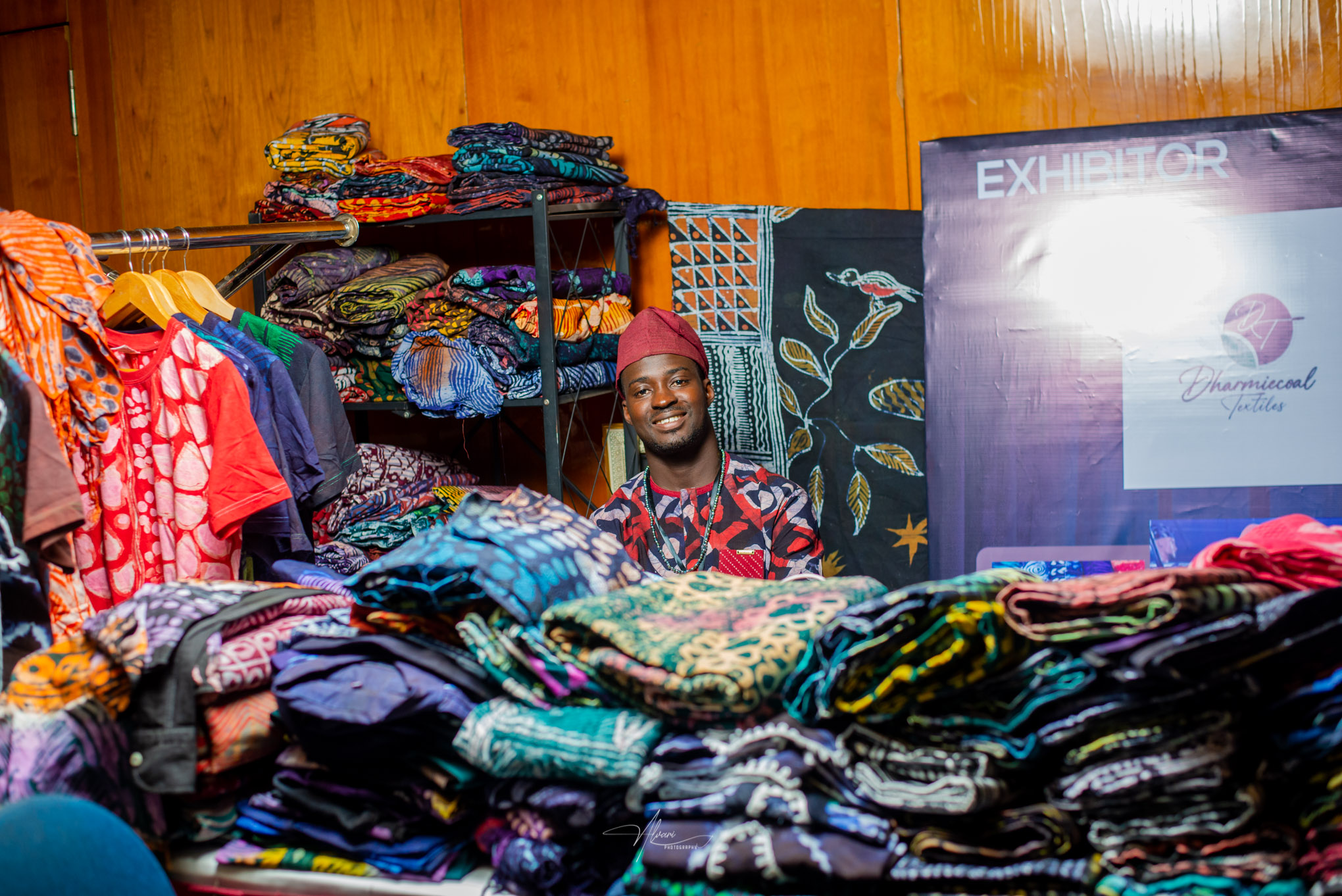
Its earlier editions demonstrate this in concrete terms. A previous Abuja edition hosted an AFAA Shopping and Vendors Festival with more than 100 vendors, developed in direct partnership with the Federal Capital Territory Administration. That is not a cultural add-on. That is market infrastructure: a platform using its convening power to put products in front of buyers, generate transactions, and demonstrate that a creative event can deliver commercial outcomes.
AFAA Fest, the platform’s market-facing component, is designed to facilitate business-to-business connections while creating an immersive environment for sales, client engagement and brand storytelling. The model is consistent across editions: recognition celebrates talent; infrastructure helps talent survive. AFAA has understood that difference and built accordingly.
The African fashion market is worth $31 billion. A platform that exists only to distribute awards operates at the edge of that economy. A platform that creates marketplaces, connects buyers to brands, and builds intra-African trade relationships operates inside it.
Why Abidjan Carries the Weight This Argument Requires

Côte d’Ivoire does not need a visiting platform to validate its creative culture. Global brands, including Tommy Hilfiger and Mango, have opened stores in Abidjan as malls continue to be built, and local designers, multi-brand retailers, and manufacturers have established ventures around which a unique business ecosystem is evolving.
The commercial foundation is documented. Within the West African Monetary Union, Côte d’Ivoire is the largest economy, accounting for more than 39% of regional GDP, and provides supply lines via its ports to the Sahel and the wider Francophone West African region. In 2025, the country’s economy consolidated its macroeconomic trajectory with growth estimated at 6.5%, driven by the secondary and tertiary sectors, the latter recording growth of over 7%.
Abidjan’s fashion infrastructure has been growing with equal intention. The city held its first dedicated Fashion Week in October 2024, and the Fashion Week by Elie Kuame ran its December 2025 edition from the 8th to the 14th, positioning itself around a Born in Africa label philosophy: promoting local artisans and designers through a platform that links creative output to commercial strategy and investor awareness. As documented in Ivorian Designers Taking African Fashion to the Global Stage, designers including Elie Kuame operate ateliers in Abidjan, managing full production cycles and combining traditional Ivorian fabrics with modern materials. This is not event production. It is infrastructure.
The investment signal from outside the continent confirms the direction. Afreximbank’s $2 billion creative industry programme, Canex, funds export initiatives across fashion, film, art, music, literature, sports and gastronomy. Abidjan-based investment firm Birimian Ventures’ founder, Laureen Kouassi-Olsson, has described the initiative as important because it highlights the investability of African fashion entrepreneurs. Capital is moving toward Abidjan’s creative economy from institutional sources. AFAA’s 2026 edition enters a city where that movement is already underway.
The fashion, textile, and footwear sector in Côte d’Ivoire is steadily expanding, with imports valued at over $250 million in 2023, and more than 70% of products arriving from China, Turkey, France, and Italy. That import dependency is both a market reality and an argument for what AFAA is doing. A city spending at that scale on fashion imports, while developing its own design and production infrastructure, is a city whose purchasing economy local and continental brands have not yet fully reached. AFAA’s marketplace model is arriving at exactly the right moment.
For deeper context on how Abidjan’s designers and creative economy have laid the foundation AFAA is now arriving into, read Abidjan After Dark: How Ivory Coast’s Night Economy Produces Its Most Honest Fashion Moments.
Abidjan is not an empty location on the African fashion map. It is a city where the commercial and creative conditions for this platform’s argument already exist. AFAA is not bringing something new to Abidjan. It is bringing its platform to where the work is already being done.
The Omiren Argument

African fashion platforms are consistently judged by the profiles they elevate and the awards they distribute. That is the wrong measure. The more demanding question is whether a platform can do what markets and governments have not yet done at scale: build durable commercial relationships between African creative businesses and the buyers, investors and institutions capable of sustaining them.
AFAA’s Abidjan edition tests this directly. The move into a Francophone commercial capital is a structural statement about where African fashion infrastructure needs to reach: not only the cities already on the international circuit, but the full geography of African creative production. The risk, as with any platform making this kind of argument, is that ambition and execution diverge. A marketplace that draws genuine buyers and produces cross-border transactions is infrastructure. A marketplace that draws foot traffic is a festival. The difference is not visible in a programme announcement. It becomes visible in what designers and creative businesses report after the event. Whether they made sales, whether they met buyers they can return to, whether a cross-border relationship that did not exist before Abidjan now does. The theme says Africa beyond borders. November is where that claim either acquires its evidence or does not.
ALSO READ
- Abidjan After Dark: How Ivory Coast’s Night Economy Produces Its Most Honest Fashion Moments
- Ivorian Designers Taking African Fashion to the Global Stage
Frequently Asked Questions
What is AFAA 2026 and where does it take place?
The African Fashion and Arts Award 2026 edition takes place in Abidjan, Côte d’Ivoire, from 6 to 8 November 2026. The event brings together fashion designers, artists, creative entrepreneurs, buyers, investors and media under the theme “Africa Beyond Borders: Unifying Creativity, Unlocking Opportunities.” Full details and applications are available at afaawards.org.
Why did AFAA choose Abidjan for its 2026 edition?
Abidjan is the largest economy in the West African Monetary Union and one of the region’s most active commercial and creative cities. AFAA’s Abidjan edition tests whether an Afrocentric awards and marketplace platform can build cross-border commercial relationships in Francophone West Africa, a region with significant creative output that has historically received less coverage from English-language fashion platforms.
What does AFAA Abidjan 2026 include beyond the awards ceremony?
The three-day programme includes a business and creative conference, an exhibition and creative marketplace, a fashion runway showcase, and the awards gala. The structure places commercial connection and industry conversation before the ceremony, reflecting AFAA’s mission of capacity building and intra-African trade development rather than recognition alone.
How is AFAA different from a standard awards show?
AFAA’s stated mission extends beyond recognition to capacity building, employment creation and continental economic development. Earlier editions have included vendor festivals with over 100 vendors and government partnerships designed to connect creative businesses directly to buyers and markets. AFAA Fest, its dedicated market component, facilitates business-to-business connections alongside cultural programming.
EXPLORE MORE
Read the full Industry archive on Omiren Styles for ongoing coverage of African fashion infrastructure, creative economy analysis, and the institutions building the commercial systems African design requires.