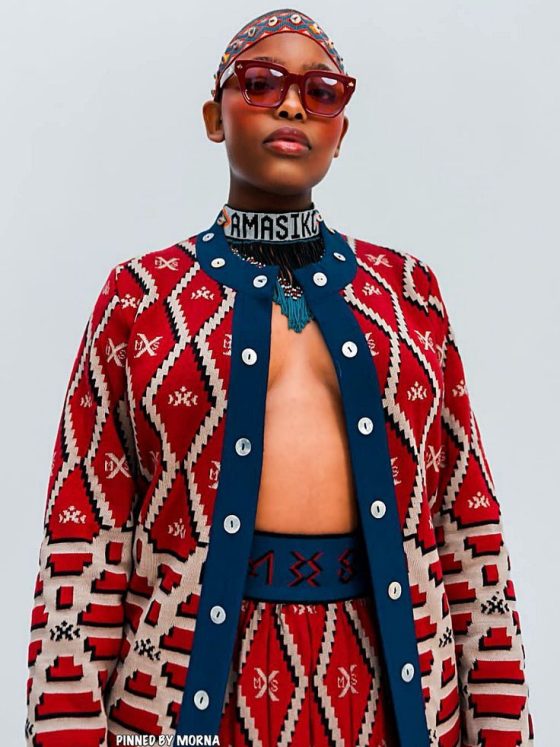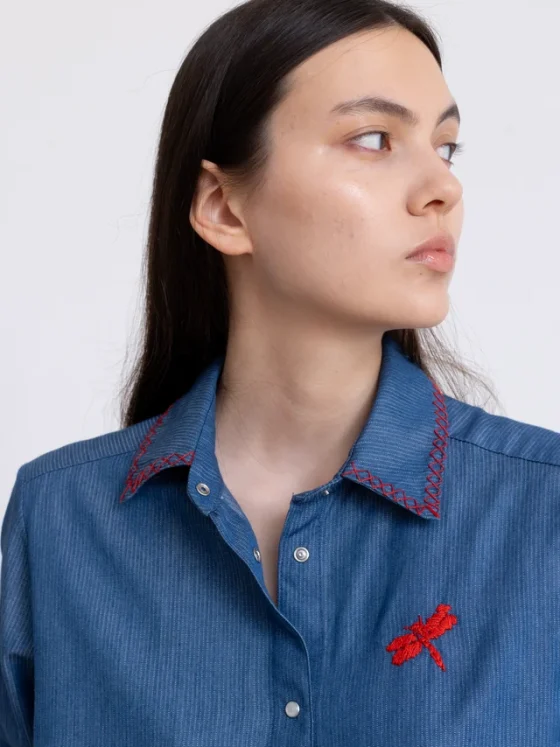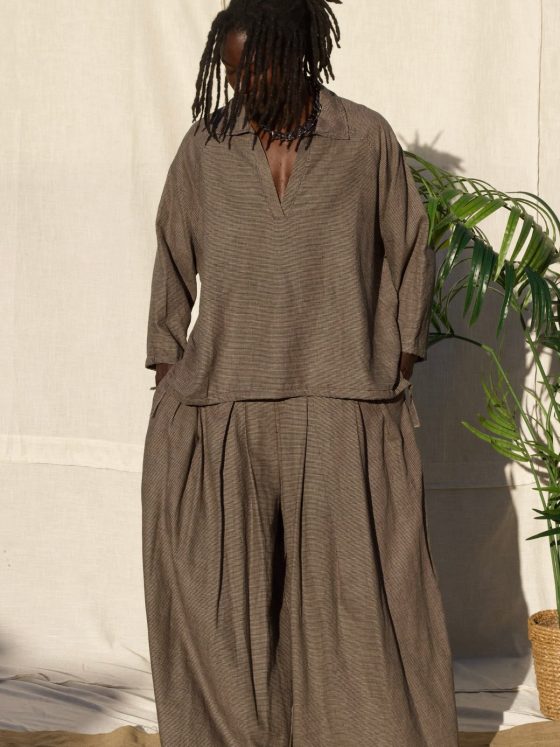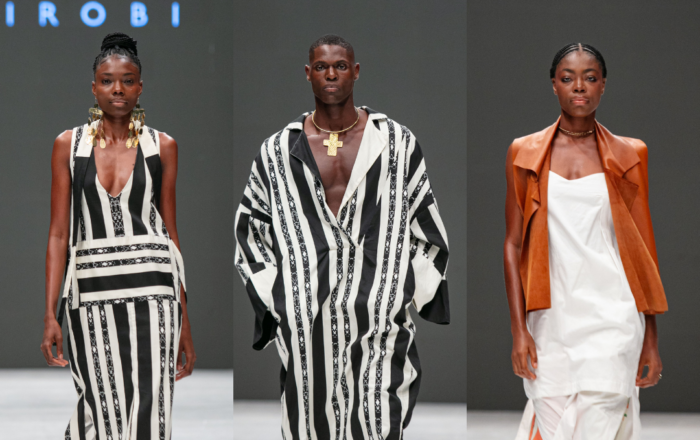
The African fashion market is worth 31 billion dollars. Kenya’s share of that market has historically been underdocumented. For years, the global conversation about African fashion was shaped by West and South African names: the Lagos runway calendar, the Accra fashion week ecosystem, the Johannesburg designers reaching Paris showrooms. Nairobi was building in the background. It has been building for over a decade. What is different in 2026 is that the building has become impossible to ignore.
Six Kenyan fashion brands define what Nairobi has been constructing: Katush, Hamaji Studio, Sevaria, Studio Namnyak, Ami Doshi Shah, and Adele Dejak. They do not share an aesthetic, a price point, or an approach to market. What they share is a commitment to making in Kenya, from Kenyan knowledge and East African craft tradition, without calibrating that knowledge toward an outside audience’s approval. The result is fashion that is recognisably East African without being derivative of anywhere else, and increasingly authoritative on international stages without having compromised to get there.
Katush is on the BoF 500 and in Selfridges. Hamaji showed in Berlin. Six Kenyan brands are building Nairobi’s case for global fashion authority. Here they are.
Kenyan Fashion Brands and the Infrastructure Behind Them
The ecosystem that supports these six brands is itself worth documenting. Nairobi’s fashion infrastructure has been built around community rather than industry. The JAMAA concept store in Nairobi brings together Katush, Studio Namnyak, KikoRomeo, Ami Doshi Shah, and Adele Dejak in one of the most concentrated gatherings of serious Kenyan design anywhere on the continent. The NEST collective book Not African Enough documents key voices in contemporary Kenyan fashion. Nairobi Fashion Week, Africa Tranoï during Paris Fashion Week, and the Ethical Fashion Initiative Kenya Fashion Accelerator all provide routes to international visibility without requiring designers to relocate.
East African textile traditions are the foundation of what these brands are making. Kitenge, Kikoi, and Kanga are each a distinct cultural document with their own production geography, their own social occasion grammar, and their own relationship to the communities that made them. Brands like Katush and Ami Doshi Shah are not referencing these textiles for aesthetic effect. They are treating them as primary design material with a cultural authority that no European fabric can replicate.
Katush has been collected by the Victoria and Albert Museum in London and the Brooklyn Museum in New York, stocked in boutiques in Kenya, the US, and Japan, and placed inside Selfridges London alongside Orange Culture and Christie Brown. Katungulu Mwendwa has made the BoF 500 Class of 2025. The visibility problem Nairobi once had is now someone else’s problem.
Katush: Katungulu Mwendwa
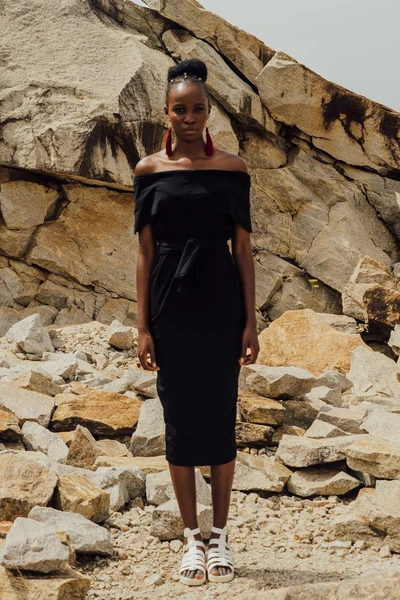
Katungulu Mwendwa is the reference point for this entire conversation. As Business of Fashion’s BoF 500 Class of 2025 profile confirms, Katush was founded in 2014 on a design philosophy Mwendwa describes as a curious sceptic’s review of the perceptions of Kenyan, African and female identity. That is not marketing language. Her aim, in her own words, is to subvert preconceived notions on African design. The brand relies on local production, regional artisans, and natural fibres, including cotton produced by smallholder farmers in Africa. Collections take cues from traditional Kamba folklore, Dinka corsetry practices, the elaborate cultural dress of the Wodaabe subculture, and the everyday creative energy of Nairobi.
Mwendwa grew up following her late grandmother around the curio shop she ran in Nairobi, which sourced work from Akamba artisan groups in Eastern Kenya. That early exposure to craft community as economic infrastructure is visible in how Katush operates: not a brand that uses artisans as suppliers, but a brand whose creative identity is inseparable from its artisan relationships. She studied fashion in the United Kingdom and returned to Nairobi to build locally, a decision that is now producing results that were not yet imaginable when she made it.
The credential record is substantial and specific. Katush’s works are held in the permanent collection of the Victoria and Albert Museum in London, dating from 2013-2021, and have been exhibited at the Brooklyn Museum in New York. The brand has been featured in international editions of Vogue and shown at Paris Fashion Week, New York Fashion Week, and Lagos Fashion Week. In 2025, the Style House Files x Lagos Fashion Week Woven Threads installation at Selfridges London placed Katush inside the third floor of a major London department store alongside Orange Culture, Christie Brown, Lisa Folawiyo, and Andrea Iyamah. In October 2025, Katungulu Mwendwa was inducted into the BoF 500 Class of 2025. By 2025, Katush boutiques were operating in Kenya, the US, and Japan. The visibility problem Nairobi once had is now someone else’s problem.
Hamaji Studio: Louise Sommerlatte
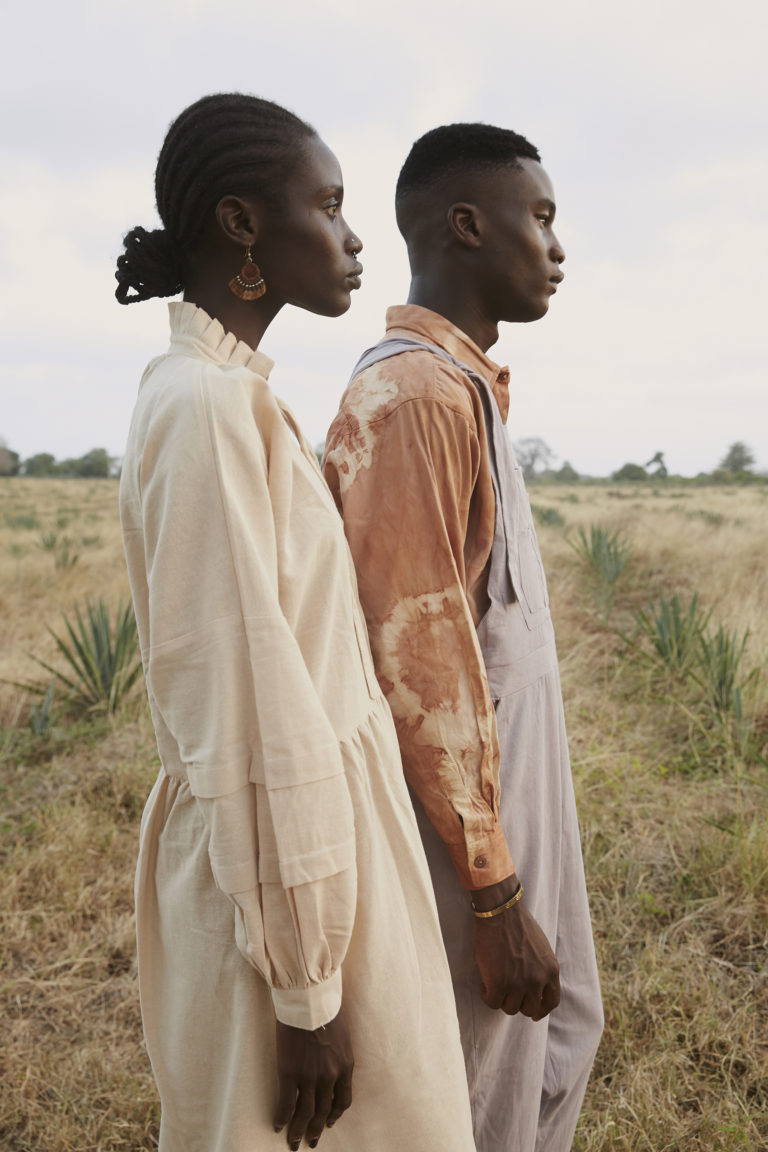
Louise Sommerlatte founded Hamaji in 2017 after her fashion design studies in Cape Town produced a graduate collection project that became the brand. Hamaji operates more like a living route than a brand anchored to one city. Its name, drawn from the Swahili word for nomad in the coastal dialect, reflects intentional movement between Kenyan weaving communities, Indian textile artisans, and international fashion platforms. The brand works with Kenyan cottons, Indian silks, botanical dyes, and upcycled fabrics, producing at the world’s only carbon-neutral, fair trade factory in Kenya.
Sommerlatte was born in Nairobi and raised on the Athi River plains and in the Chyulu hills, the daughter of a conservationist and a botanist. That upbringing is the foundation of the brand: not as biographical reference but as design logic. As Fashion United’s documentation of the Ethical Fashion Initiative Kenya Fashion Accelerator selection confirms, Hamaji was selected alongside Katush for the second EFI accelerator programme, chosen for its commitment to sustainability and its model of community partnership. The programme, a joint venture from the UN and the World Trade Organisation’s International Trade Centre, prepares beneficiaries to become investment-ready and to accelerate their business in the global marketplace. Hamaji has since presented at Berlin Fashion Week and shown its practice as a model of how African fashion can build ethical global supply chains without erasing craft or identity.
Sevaria: Jamie Bryan Kimani
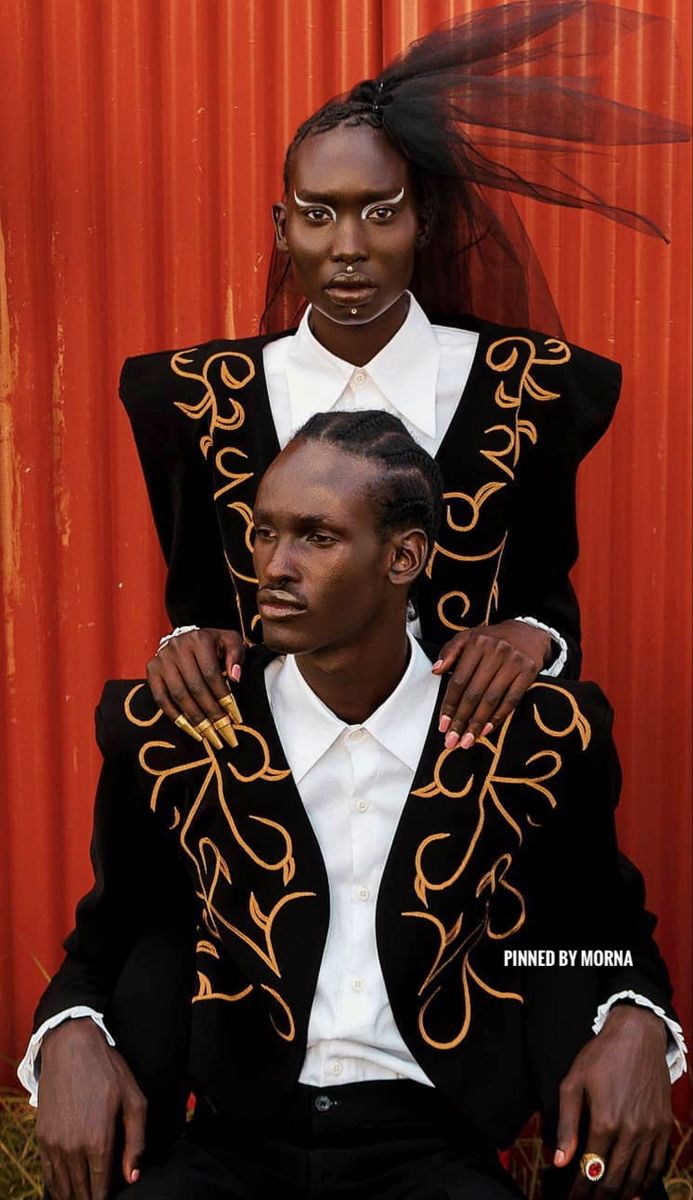
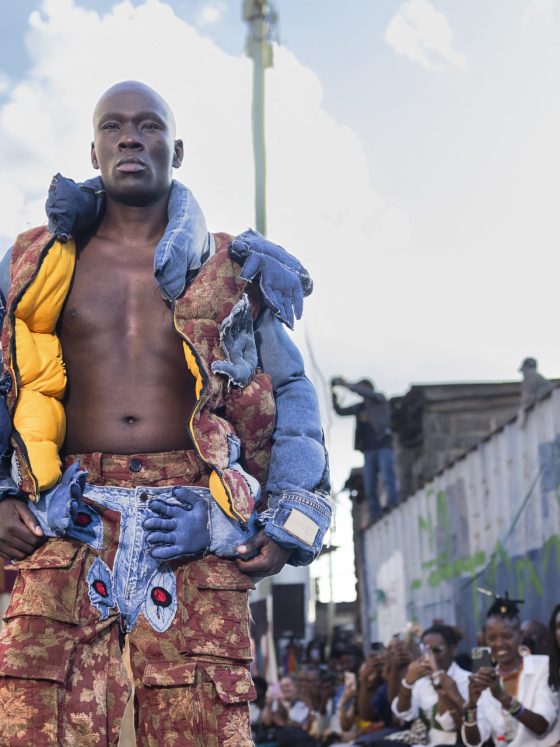
Jamie Bryan Kimani founded Sevaria in 2018 because he could not find the clothes he wanted in the men’s section and decided to make them himself. The brand name is a portmanteau of seven, his lucky number, and Macharia, his surname. From that personal starting point, Sevaria became one of the most distinctive genderfluid design practices in East Africa: androgynous silhouettes fused with vibrant Kenyan and East African cultural references, built from upcycled and deadstock materials, produced with an ethic of intentionality that mirrors the design philosophy.
The brand draws its cultural vocabulary from specific sources: Fela Kuti’s stage presence, the elaborate dress traditions of East African communities, and the energy of Nairobi’s creative underground. These are not general African references. They are specific aesthetic arguments made by specific people and communities, incorporated into garments that are simultaneously bold and precisely made. Kimani’s stated ambition is direct: when you think of African brands, I want Sevaria to be in the top five. The international validation is building toward that: ADJOAA, the leading African fashion e-tailer, stocks the brand; AKJP Studio on Kloof Street in Cape Town carries it; and Fashion Scout UK has featured Sevaria in its Creative DNA Kenya showcase.
Studio Namnyak: Namnyak Odupoy
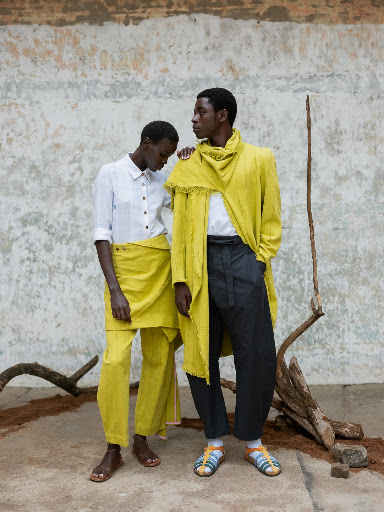
Studio Namnyak is a technical design studio in Nairobi built on a philosophy that slow, intentional fashion and cultural preservation are not separate commitments but the same one. Namnyak Odupoy’s signature handloomed fabrics use techniques passed down through generations of Kenyan artisans: each thread carefully dyed and woven by hand on traditional looms, producing textiles with unique character whose quality becomes more visible over time. The distinctive yellow threads throughout the brand’s pieces reference the sun-drenched landscape of East Africa. The garments are minimalist in silhouette and rich in process.
The credential record places Studio Namnyak alongside the most internationally recognised African designers: the brand has shown at Africa Tranoï during Paris Fashion Week. It is a permanent fixture at JAMAA in Nairobi alongside Katush, KikoRomeo, Ami Doshi Shah, and Adele Dejak. It is a featured designer in Not African Enough, the NEST collective’s landmark fashion book documenting the most important voices in contemporary Kenyan fashion. The brand is building presence through the depth of what it makes and the specificity of the spaces where it is shown.
Ami Doshi Shah
Ami Doshi Shah approaches fashion through adornment: jewellery and accessories that function as primary statements of identity rather than finishing touches. The work sits at the intersection of craft, identity, and sculptural form. The stockist list confirms the brand’s standing across the African continent: Alara Lagos, Merchants On Long in Cape Town, Industrie Africa, The Lotte in Accra, and Aby Concept all place Ami Doshi Shah in the same retail contexts as the most respected African design from Lagos to Johannesburg. That cross-continental distribution reflects design confidence and market credibility built without relocating from Nairobi.
Doshi Shah has spoken about the value of the JAMAA concept store as an opportunity to present work alongside incredible designers and brands representing the breadth and innovation in Kenya and the continent. That formulation describes exactly what her work does: Kenyan craft heritage translated into contemporary jewellery that belongs in the same conversation as the most considered African fashion being made anywhere.
Adele Dejak
Adele Dejak is one of the longest-standing independent design brands in Kenya, and among the most globally documented. Her bold, handcrafted jewellery and accessories use recycled materials and traditional techniques. As Kenyan Vibe’s documentation of Adele Dejak’s presence at the Tribal Chic 2024 designer lineup confirms, the brand has sustained its identity through consistency, quality, and a clear design point of view for more than a decade. The work has been featured in international fashion publications and shown at Paris Fashion Week’s Africa Tranoï. It is a co-anchor of the JAMAA Nairobi concept store alongside Katush, Studio Namnyak, KikoRomeo, and Ami Doshi Shah. That roster is itself a statement about where Nairobi stands.
What distinguishes Adele Dejak is longevity in a category where longevity is rare. The brand has not needed to reinvent itself to remain relevant because it never built its identity around the moment. It built it around the work. A decade of sustained presence in international fashion conversation without relocation, without institutional prize validation, and without compromising the founding proposition is its own credential.
At a Glance: Six Brands, One City
| Brand | Founder | Base | Founded | Category | Key Credential |
|---|---|---|---|---|---|
| Katush | Katungulu Mwendwa | Nairobi | 2014 | Unisex contemporary | BoF 500 2025, V&A, Brooklyn Museum, Selfridges London |
| Hamaji Studio | Louise Sommerlatte | Nairobi/Mt Kenya | 2017 | Artisanal ethical womenswear | UN Ethical Fashion Initiative, Gather&See |
| Sevaria | Jamie Bryan Kimani | Nairobi | 2018 | Genderfluid cultural | Fashion Scout UK, AKJP Cape Town, ADJOAA |
| Studio Namnyak | Namnyak Odupoy | Nairobi | — | Minimalist handloomed | Paris Fashion Week Tranoï, NEST collective book |
| Ami Doshi Shah | Ami Doshi Shah | Nairobi | — | Artisanal jewellery | Alara Lagos, Merchants On Long, Industrie Africa |
| Adele Dejak | Adele Dejak | Nairobi | — | Statement accessories | Paris Fashion Week, JAMAA Nairobi, 10+ years |
| Kipepeo Collection | — | Kenya | — | Luxury hand-stitched | Nairobi Fashion Week, artisan empowerment model |
What Nairobi Is Building
These six brands do not share a single aesthetic. Katush’s intellectual minimalism is a different proposition from Sevaria’s genderfluid exuberance. Hamaji’s nomadic femininity occupies a different register from Studio Namnyak’s handloomed precision. Adele Dejak’s statement accessories and Ami Doshi Shah’s considered adornment approach the same cultural territory from different angles. The diversity within this cohort is itself an argument: Nairobi’s fashion identity is not one story but several, and none of them requires each other to be consistent. As Omiren Styles’ analysis of the African cities defining global fashion by 2030 confirms, Nairobi is building fashion authority through brand quality and craft depth rather than through fashion week scale or institutional prize validation.
What the six brands share is structural. Each has built from East African craft knowledge outward, treating that knowledge as design advantage rather than heritage reference. Each has found international recognition without relocating from Nairobi. And each is part of an ecosystem- the JAMAA store, the Africa Tranoï circuit, the Ethical Fashion Initiative accelerator, the NEST collective documentation, the Nairobi Fashion Week infrastructure- that supports Kenyan fashion at a level that makes the city’s continued invisibility in global fashion media increasingly difficult to justify.
The Omiren Argument
The African fashion market is worth 31 billion dollars. Nairobi’s contribution to that figure has been systematically underreported. Katush is in the BoF 500, the V&A, the Brooklyn Museum, and Selfridges London. Hamaji is making fashion in a carbon-neutral factory in Kenya, linking Kenyan weavers to Indian artisans and Berlin Fashion Week without erasing the specificity of either. Sevaria is building genderfluid East African fashion that Fashion Scout UK has found worth showcasing. Studio Namnyak is showing at Paris Fashion Week’s Africa Tranoï and being documented in landmark books alongside Kenya’s most important fashion voices. Ami Doshi Shah is stocked in Lagos, Cape Town, Accra, and Nairobi simultaneously. Adele Dejak has sustained an independent accessories brand for more than a decade without institutional validation or international relocation. These are not brands that are about to become serious. They are serious. The watching has begun. The coverage needs to catch up.
Also Read:
- KikoRomeo: The Nairobi Brand That Turned Kenyan Craft Into Global Fashion Authority
- Hamaji Studio and the New Cartography of Fashion
- Kenyan Menswear: Bespoke Tailoring, Olympic Kits, and the Designers Rewriting the Rules
Frequently Asked Questions
Who are the top Kenyan fashion brands in 2026?
The six most internationally credentialled Kenyan fashion brands are Katush (BoF 500 Class 2025, V&A, Brooklyn Museum, Selfridges London, NYFW, Paris FW), Hamaji Studio (Ethical Fashion Initiative Kenya Fashion Accelerator, Berlin Fashion Week, carbon neutral production), Sevaria (Fashion Scout UK Creative DNA Kenya, ADJOAA, AKJP Studio Cape Town), Studio Namnyak (Africa Tranoï Paris FW, JAMAA Nairobi, NEST Not African Enough book), Ami Doshi Shah (Alara Lagos, Merchants On Long Cape Town, Industrie Africa, The Lotte Accra), and Adele Dejak (Africa Tranoï, JAMAA Nairobi, 10+ years sustained international presence).
What is Katush and why is it significant?
Katush is a Nairobi-based unisex fashion brand founded in 2014 by Katungulu Mwendwa. It is the most internationally documented Kenyan fashion brand: works held in the V&A permanent collection since 2013-2021, shown at the Brooklyn Museum, featured in international editions of Vogue, and shown at Paris Fashion Week, NYFW, and Lagos Fashion Week. In 2025, Katush was included in the Selfridges London Woven Threads installation alongside Orange Culture and Christie Brown, and Katungulu Mwendwa was inducted into the Business of Fashion BoF 500 Class of 2025. Boutiques in Kenya, the US, and Japan stock the brand.
What is Hamaji Studio and what makes it distinctive?
Hamaji Studio is a Nairobi-based ethical womenswear brand founded in 2017 by Louise Sommerlatte. Its name means nomad in coastal Swahili. The brand operates between Kenyan weaving communities and Indian textile artisans, producing garments using Kenyan cottons, Indian silks, botanical dyes, and upcycled fabrics at the world’s only carbon-neutral, fair trade factory in Kenya. It was selected alongside Katush for the Ethical Fashion Initiative Kenya Fashion Accelerator, a joint UN and World Trade Organisation programme, and has shown at Berlin Fashion Week.
What is the JAMAA concept store in Nairobi?
JAMAA is a concept store in Nairobi that serves as one of East Africa’s most significant gathering points for contemporary Kenyan design. Its permanent roster includes Katush, KikoRomeo, Studio Namnyak, Ami Doshi Shah, and Adele Dejak: a concentration of internationally credentialled Kenyan brands in a single retail environment. The store functions as both a commercial platform and a cultural statement about the depth of fashion talent working in Nairobi.
Who is Ami Doshi Shah and where is her work stocked?
Ami Doshi Shah is a Nairobi-based jewellery and accessories designer whose work operates as primary statements of cultural identity rather than finishing touches. Her stockist list spans the African continent: Alara Lagos (Nigeria), Merchants On Long (Cape Town), Industrie Africa (online), The Lotte (Accra), and Aby Concept. This cross-continental distribution is among the most extensive of any Kenyan designer working today.
Explore More
Read the full Fashion > Industry section for Omiren Styles’ documentation of African fashion brands, creative economies, and the design intelligence being built across Nairobi, Lagos, Accra, Johannesburg, Kigali, and the diaspora.