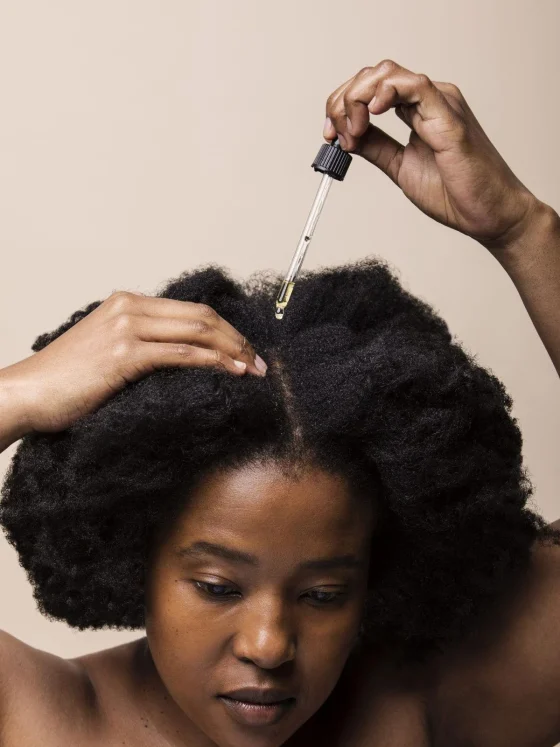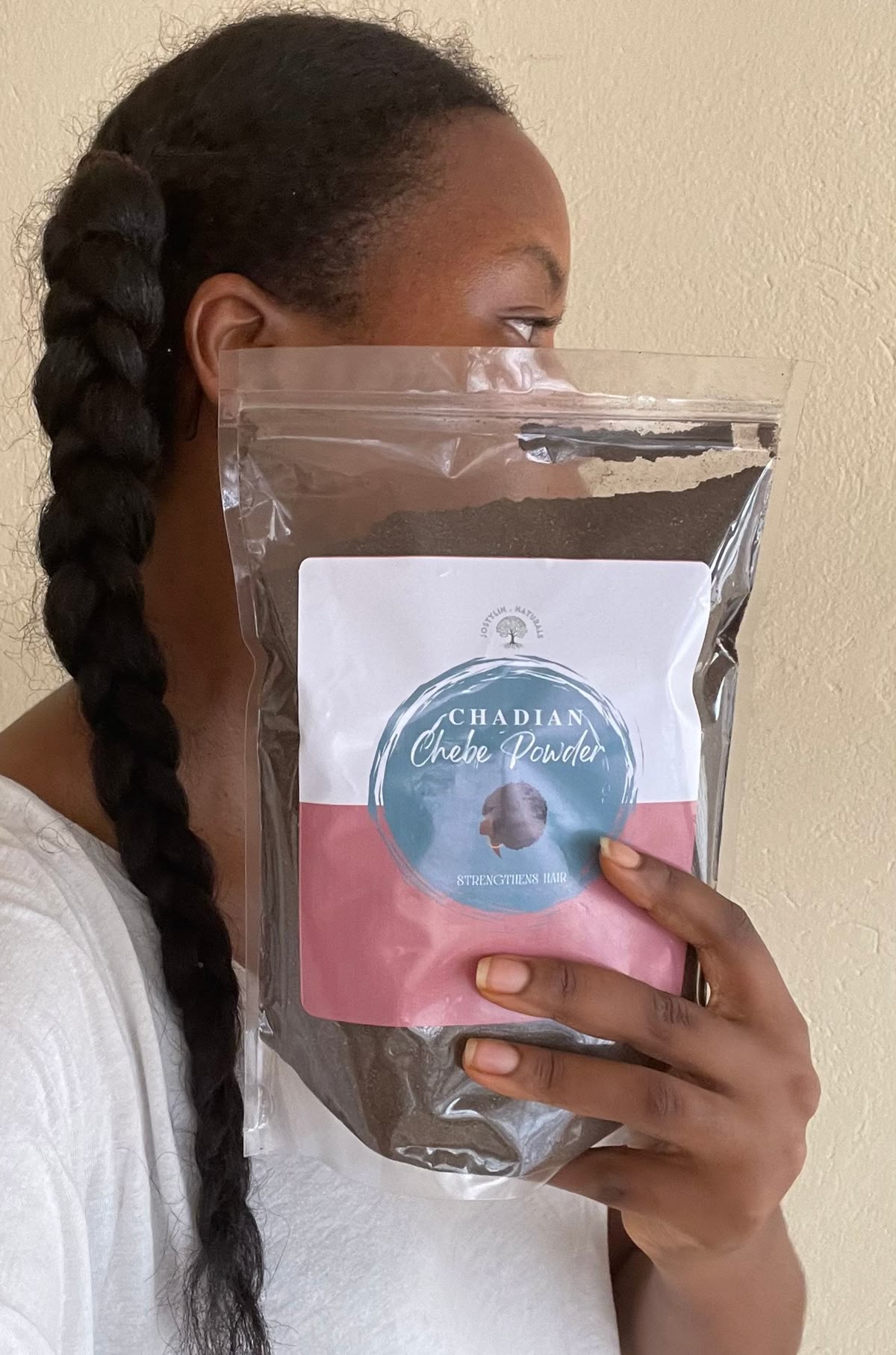
In the Wadai region of Chad, the Basara Arab women are semi-nomadic, living in one of the driest and hottest climates on Earth. They are also known across the region for hair that reaches their waists and sometimes their knees. The tradition behind this is not genetics. As documented research on Chadian hair traditions confirms, historical records and oral tradition suggest that the practice dates back at least 500 years. A reddish powder called chebe, sometimes spelt chewe or shebe, is ground from Croton zambesicus seeds, mahllaba soubiane cherry pit kernels, cloves, samour resin, and lavender stone scent, roasted together and combined into a fine fragrant mixture. Applied every three to five days to mid-length and ends, never to the scalp, it creates a botanical coating that locks in moisture, reduces breakage, and allows hair to retain length over years of growth.
The global beauty industry found this tradition approximately a decade ago. What happened next is the story Omiren Styles is here to document. The African cosmetics market was valued at 4.14 billion US dollars in 2025. The African haircare market is expected to grow by 1.61 billion dollars at a CAGR of 7.9% through 2030, driven specifically by the natural hair movement and the demand for indigenous botanical ingredients. Chebe is part of that growth. The women who created it are not proportionally part of that profit.
The Basara Arab women of Chad have used chebe powder for 500 years. The global beauty industry found it. Here is what happened to the value chain.
Chebe Powder, Chad, and the Formula That Works
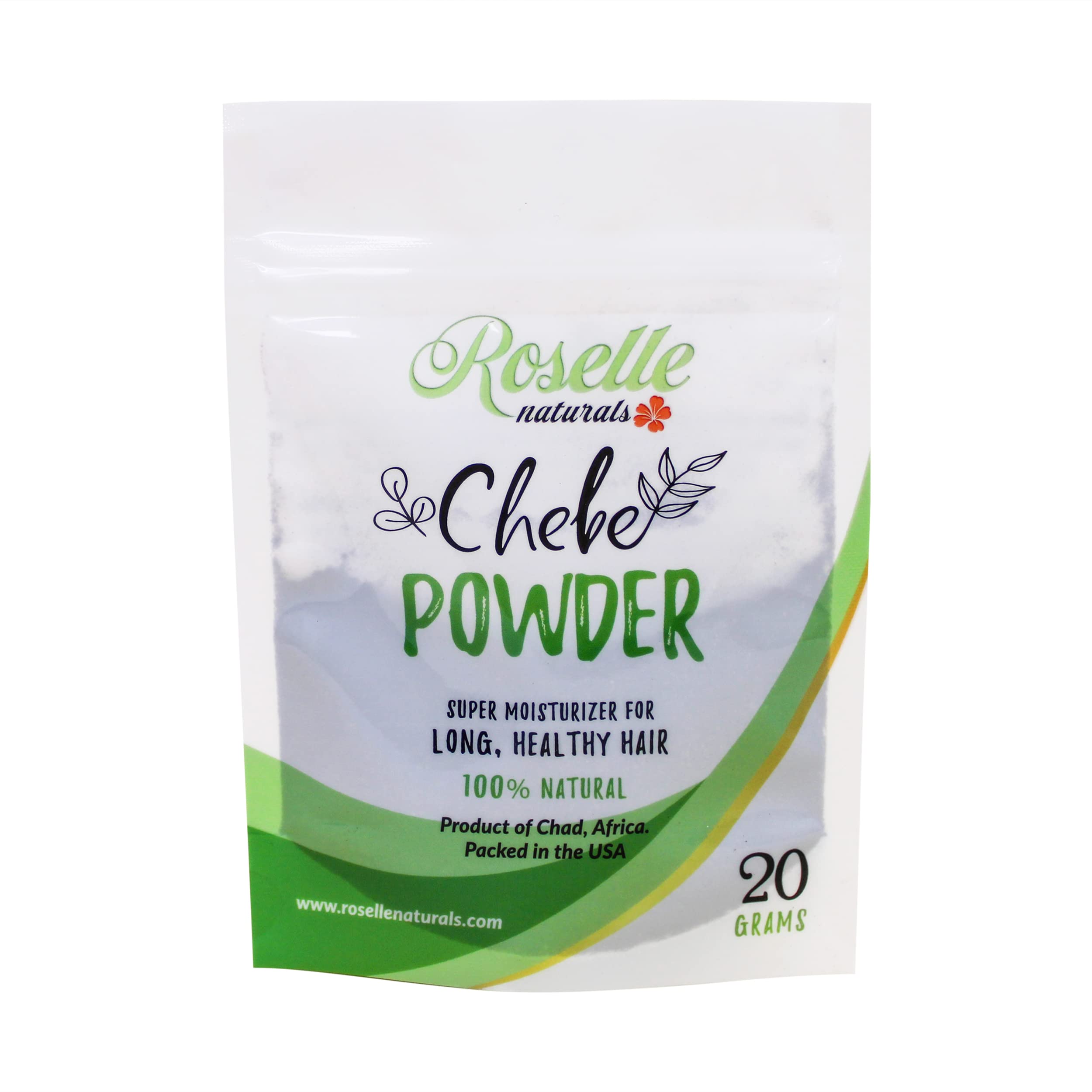
Authentic chebe powder is not a single ingredient. It is a compound recipe whose effectiveness depends on the interaction of its components. As Essential Care Plus’s supply chain documentation from Guera, Chad, confirms, the real Chadian formulation consists of Croton zambesicus seeds, Mahllaba Soubiane cherry pit kernels, cloves, and samour resin. The seeds are roasted, the ingredients ground together by hand, and the resulting powder combined with oils or butters before application. The mixture is worked into the hair shaft from mid-length to ends in sections, then braided, twisted, or cornrowed in place. It remains in the hair until the next wash day, which under traditional practice is every three to five days.
The mechanism is physical as much as chemical. Chebe powder creates an occlusive coating around each hair fibre, reducing the moisture loss that causes brittleness and mid-shaft breakage in natural, coily, and textured hair. The cloves contribute antimicrobial and antifungal properties that support scalp health. The samour resin adds a binding texture that helps the mixture adhere to the hair shaft. The cherry pit kernels condition and soften. Together they constitute a length retention system developed and refined over generations in conditions of extreme heat and aridity that test any hair care regime to its limit.
That this system works is not disputed. The Basara women of Chad demonstrate it continuously. The question that the global beauty market has largely declined to ask is what it means to sell that knowledge without tracing it back to its origin.
Discovery, Virality, and What Followed
Chebe powder’s entry into the global beauty conversation began with a YouTube blogger known as Ms Sahel Vlog, who documented her visit to the Basara Arab women of the Sahel region and shared the tradition with an international audience. The video travelled fast. Within a few months, chebe was being searched, ordered, and duplicated across the global natural hair community. The demand was real, and it moved faster than supply chains rooted in Chad could follow.
The gap between demand and authentic supply produced exactly what it always produces in African botanical markets: substitution. Sellers entered the market with products labelled chebe powder or chebe-inspired that contained no Croton zambesicus seeds, no mahllaba soubiane, no samour resin from Chad. Some contained fenugreek and clove with food colouring, marketed to an audience that could not easily verify the contents. The authentic formula, developed over five centuries in Guera and the Wadai region, was displaced at retail by products that carried its name and none of its content.
The market is full of chebe-inspired powders that contain no chebe seed, no cherry pit kernels, and no resin from Chad. Some are simply fenugreek and clove with food colouring. The Basara women grinding the real formula in Guera receive none of the revenue from the products sold in its name.
The African Botanical Extraction Pattern
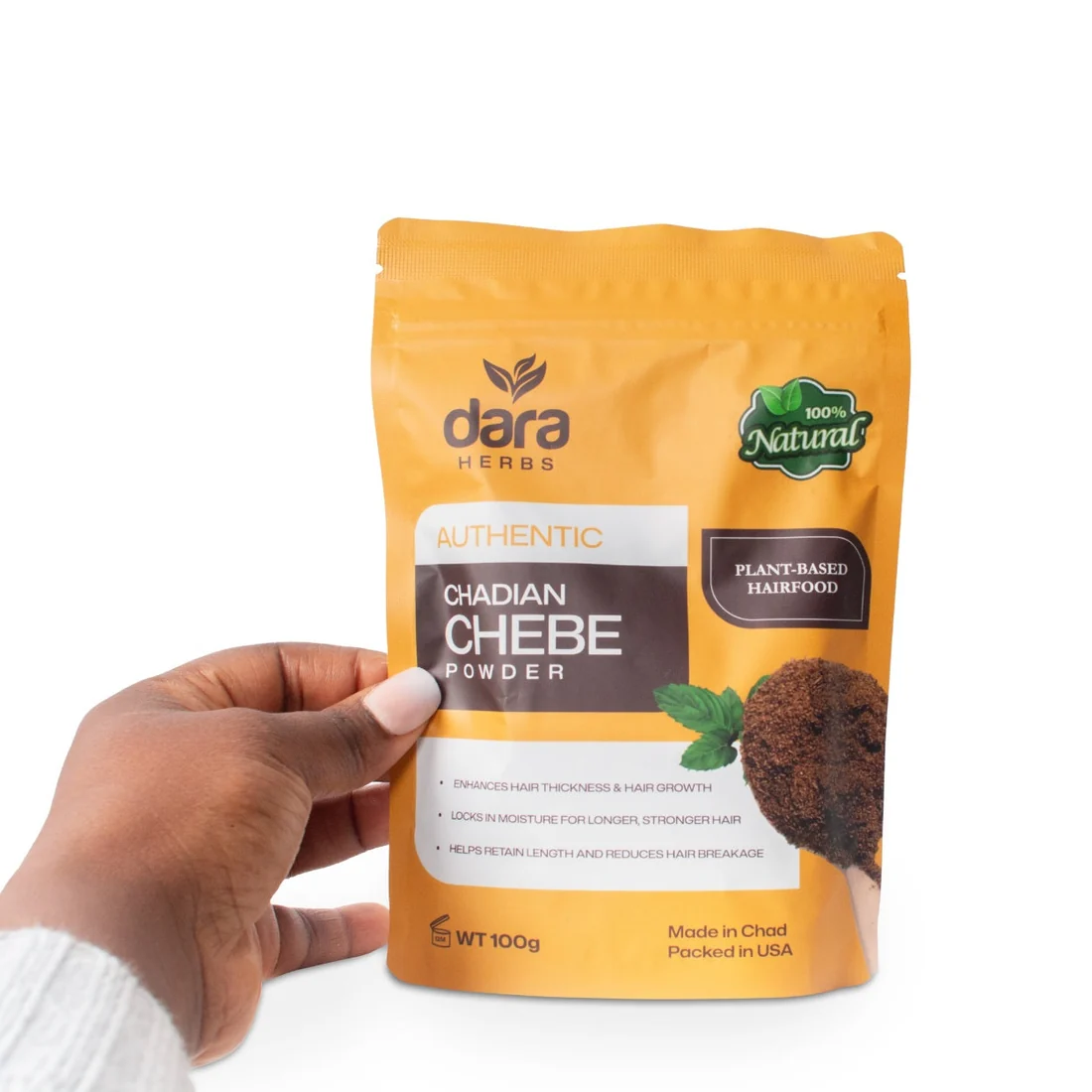
Chebe is not an isolated case. It is the most visible recent example of a pattern that runs through African beauty traditions wherever the global industry has found them valuable. The same extraction logic applies across African botanical beauty ingredients: the product becomes known globally, the production system does not, and when the demand grows large enough, supply chains outside Africa fill it with cheaper alternatives that carry African names without African content. The ingredient leaves without the knowledge system that produced it. The value accumulates at the point of branding and retail, not at the point of origin.
The African cosmeceuticals market, products that sit between cosmetics and pharmaceuticals, tells this story from the supply side. As Mordor Intelligence’s 2026 market analysis confirms, the market was valued at 4.12 billion US dollars in 2025 and is projected to reach 6.33 billion by 2031 at a CAGR of 7.39%. Zero-tariff trade agreements under the African Continental Free Trade Area are cutting raw material costs, and mobile commerce now accounts for 69% of web traffic in the sector. The market is growing. What is not growing at the same rate is the proportion of that value captured by the communities whose knowledge produced the most in-demand ingredients.
Sephora, Nordstrom, and Amazon have all expressed interest in what the industry is calling A-Beauty, a label for African-origin beauty products finding international retail distribution. That interest is real, and it represents an opportunity. It also represents a risk: that A-Beauty becomes the category label under which African botanical ingredients are distributed internationally. In contrast, the knowledge systems, sourcing communities, and original formulations that justify the category’s existence remain poorly compensated and poorly attributed.
What Authentic Sourcing Looks Like
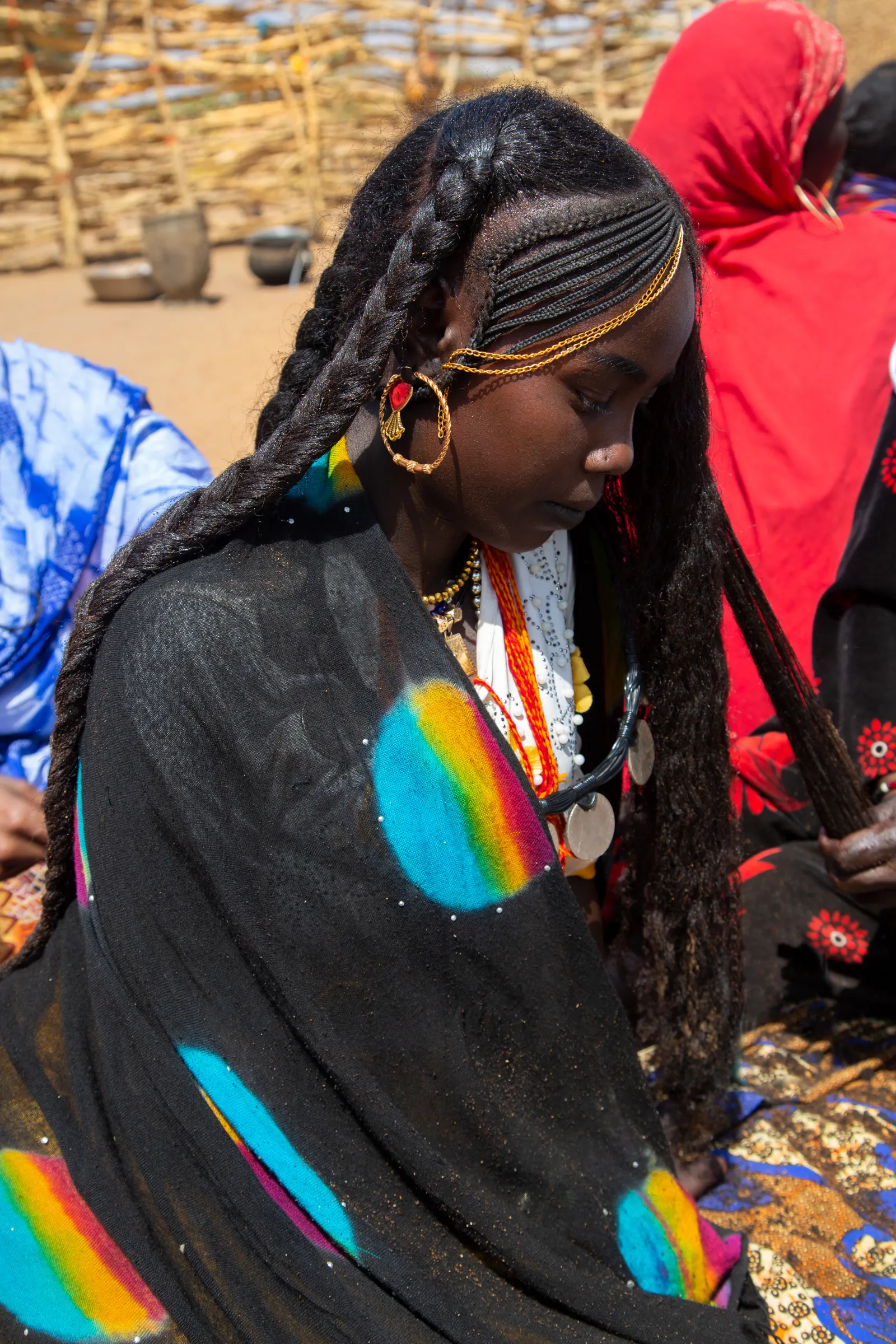
The contrast with inauthentic sourcing is visible at the ingredient level. Omiren Styles’ analysis of Afro-luxury hair trends for 2026 confirms that the authentic trajectory for African botanical beauty involves baobab, marula, chebe, and moringa sourced for their actual healing, strengthening, and hydrating properties, not for the cultural marketing value of African origin labels. That distinction requires supply chain transparency: knowing where the Croton zambesicus seeds were harvested, by whom, under what labour conditions, and with what portion of the retail price returning to the source community.
Women’s cooperatives in Guera, Chad produce authenticated chebe powder with certificates of analysis and phytosanitary certificates available for export shipments. The cooperatives confirm the ingredients, the sourcing geography, and the traditional preparation method. This is the supply chain that the authentic chebe market depends on. It is also the supply chain most vulnerable to displacement by cheaper substitutes, because retail buyers cannot easily distinguish authentic from imitation without ingredient transparency that most product labels do not provide.
The African haircare market’s trajectory makes this structural problem urgent. As Technavio’s market analysis of African haircare confirms, the market is expected to grow by 1.61 billion dollars at 7.9% CAGR between 2025 and 2030, driven by the natural hair movement and the demand for indigenous botanical extracts. A market of that scale and growth rate, built specifically on the cultural and scientific authority of African botanical knowledge, has a structural incentive to source the real ingredients from their real communities. The question is whether the commercial infrastructure builds fast enough to make that the default rather than the exception.
The Cultural Dimension the Beauty Industry Misses
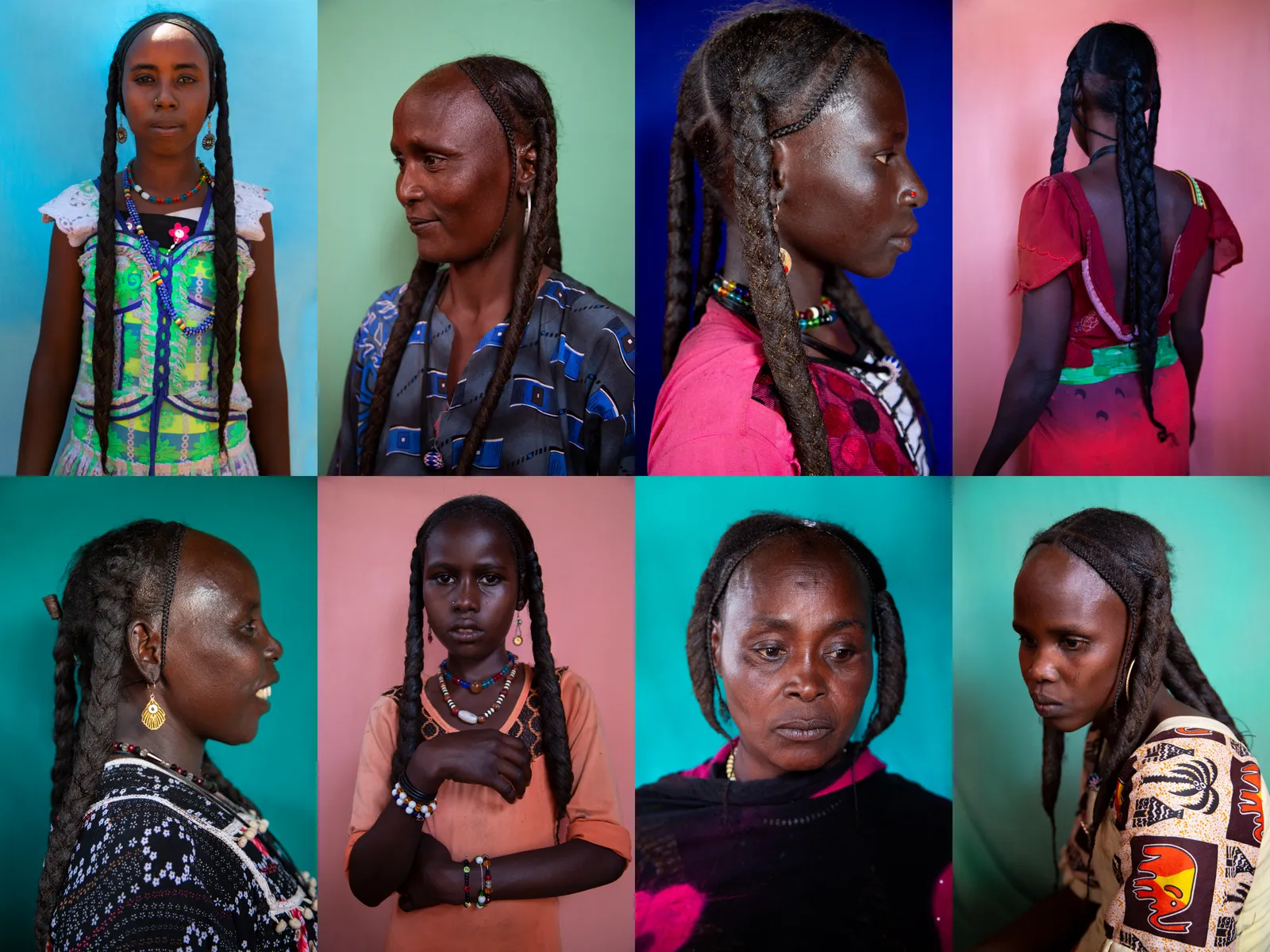
Chebe is not only a hair care product in its original context. It is a communal ritual, a beauty practice transmitted between mothers and daughters, a tradition whose application method is as important as its ingredients. African beauty traditions consistently integrate technique and therapy into a single practice: the how of application is part of what produces the result, not a separate step added for effect. When chebe powder is sold as an ingredient in isolation, the application ritual that makes it effective disappears from the consumer’s experience. The powder is extracted from its cultural context as completely as it is extracted from its geographical one.
The Basara Arab women who grind chebe in Guera do so using techniques passed through generations, in community, with knowledge of proportions and preparation methods that no ingredient label captures. The beauty industry’s translation of this into a product strips out everything except the ingredient list. What reaches the consumer is a pale extract of a practice that, in its original form, is a complete system of community knowledge, seasonal ritual, and intergenerational transmission.
The Omiren Argument
Chebe powder is the clearest current example of how the global beauty industry extracts African botanical knowledge without adequately compensating the communities that produced it. The Basara Arab women of Chad’s Wadai region have maintained a hair retention tradition for at least 500 years in one of the most demanding climates on Earth. That tradition is scientifically valid, culturally coherent, and commercially valuable. The Africa cosmeceuticals market will reach 6.33 billion US dollars by 2031. The Africa haircare market will grow by 1.61 billion dollars at 7.9% CAGR through 2030. Chebe is a driver of both figures. The women’s cooperatives in Guera who produce authenticated Croton zambesicus formulations with export documentation are not the primary beneficiaries of that growth. The brands selling fenugreek and clove with food colouring under the chebe name are. Omiren Styles documents this not because authentic chebe is a trend but because the structural problem it illustrates applies to every African botanical ingredient that the global beauty industry has decided to value. When the knowledge leaves without the community, the value chain is broken before it begins.
ALSO READ:
- Moringa, Marula, and Mongongo: The African Oils That No One Told You Were the Best in the World
- Top Afro-Luxury Hair Trends Set to Define 2026
- Traditional Facial Massage Techniques From Across Africa That Modern Beauty Has Yet to Discover
- The Cultural Geography of Smell Through Fragrance
Frequently Asked Questions
What is chebe powder and where does it come from?
Chebe powder is a traditional hair retention mixture from Chad, used for at least 500 years by the Basara Arab women of the Wadai region. It is made from Croton zambesicus seeds, mahllaba soubiane cherry pit kernels, cloves, samour resin, and lavender stone scent, roasted and ground together. Applied every three to five days to the mid-length and ends of the hair, it creates a botanical coating that locks in moisture and reduces breakage, allowing the hair to retain length over years of growth.
What are the ingredients in authentic chebe powder?
Authentic chebe powder from Chad contains Croton zambesicus seeds (the primary ingredient, also called lavender croton), mahllaba soubiane (cherry pit kernels), cloves, samour resin, and lavender stone scent. These are roasted, ground together by hand, and combined with oils or butters before application. Products sold as chebe that do not list these specific ingredients individually, or that substitute fenugreek or other fillers, are not authentic Chadian formulations.
Who discovered chebe powder and how did it reach global markets?
Chebe was known to the Basara Arab communities of Chad for centuries. It entered the global beauty conversation approximately a decade ago when a YouTube blogger known as Ms. Sahel Vlog documented her visit to the Basara women of the Sahel region and shared the tradition with an international audience. The video’s spread created rapid global demand that outpaced authentic supply chains from Chad, leading to the proliferation of substitute products carrying the chebe name without the Chadian ingredients.
How do Basara Arab women use chebe powder?
Basara women mix the chebe powder with oils or butters to create a paste, then apply it in sections to the mid-length and ends of the hair, specifically avoiding the scalp to prevent irritation. The hair is then braided, twisted, or cornrowed in place. The mixture remains in the hair until the next wash day, which under traditional practice is every three to five days. The application is repeated continuously as a maintenance ritual rather than an occasional treatment.
Why is the global beauty industry’s relationship with chebe a problem?
The global beauty industry’s relationship with chebe follows the same extraction pattern that affects most African botanical beauty ingredients: the product name and cultural authority travel globally. At the same time, the sourcing communities receive limited commercial benefit. Substitute products using the chebe label without authentic ingredients displace legitimate cooperatives in Guera, Chad, from their own market. The African cosmeceuticals market is projected to reach 6.33 billion dollars by 2031, driven partly by demand for authentic African botanicals. The structural question is whether the communities that produced these traditions are positioned to capture a proportionate share of that value.
What does the Africa haircare market growth mean for chebe and similar ingredients?
The Africa haircare market is forecast to grow by 1.61 billion US dollars at 7.9% CAGR between 2025 and 2030, with the natural hair movement specifically driving demand for indigenous botanical extracts. This creates both an opportunity and a risk for ingredients like chebe. The opportunity is that growing demand for authentic African ingredients increases the commercial viability of sourcing directly from origin communities. The risk is that the same growth incentivises substitution, as cheaper imitations are easier to scale than supply chains rooted in traditional production methods in remote regions.
Explore More
Read the full Beauty > Hair & Skincare section at omirenstyles.com for Omiren Styles’ documentation of African beauty traditions, botanical ingredients, and the value chains that determine who benefits when African knowledge enters global markets.