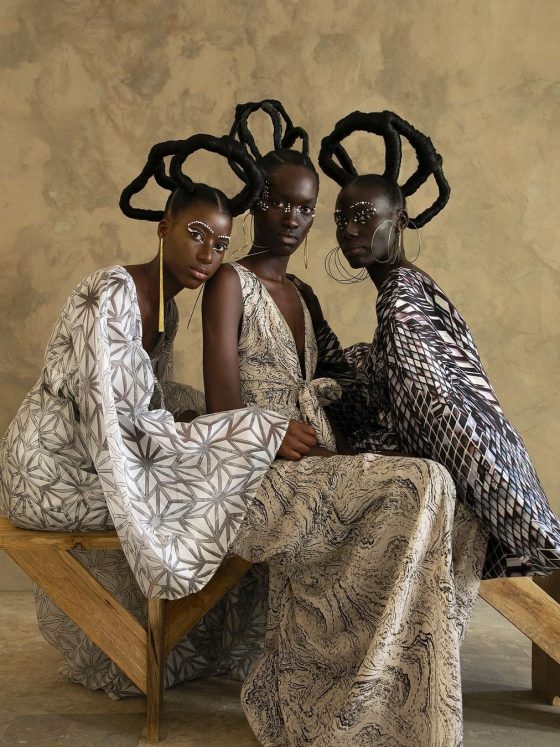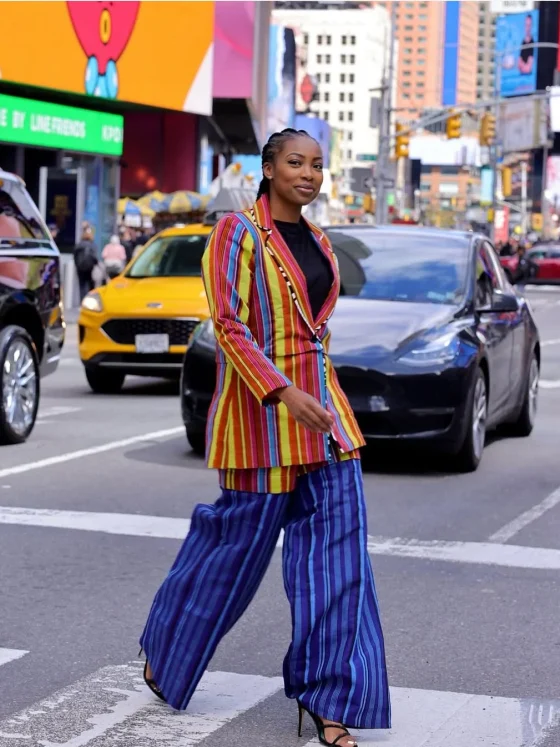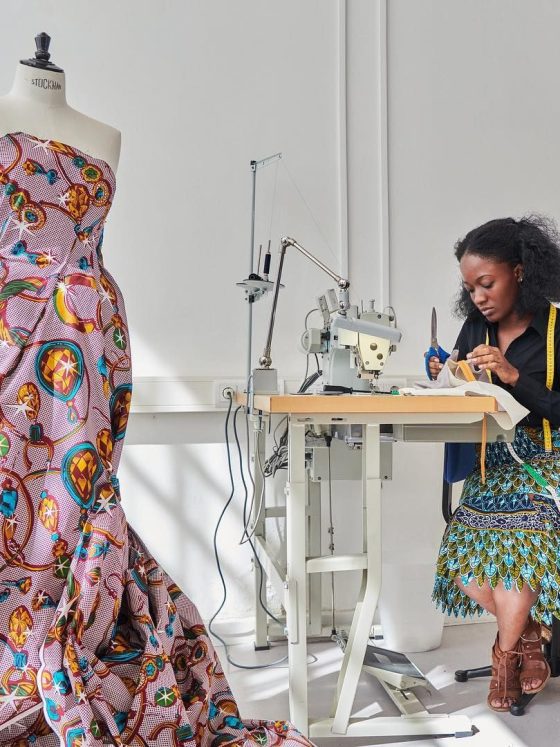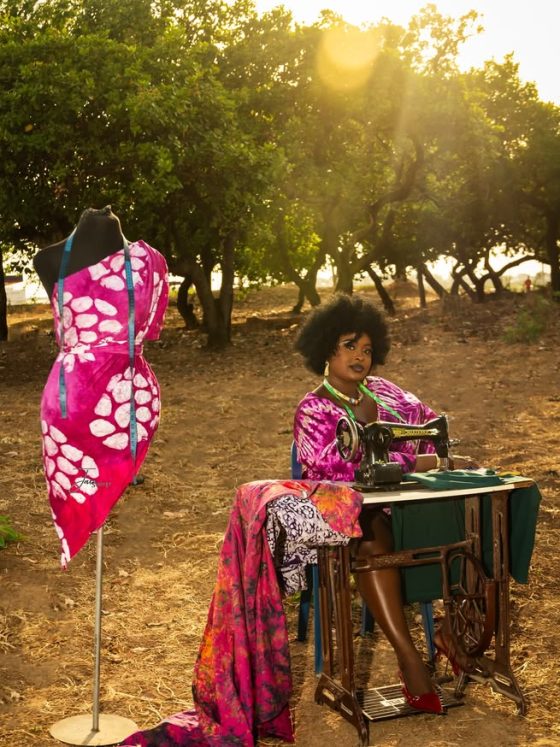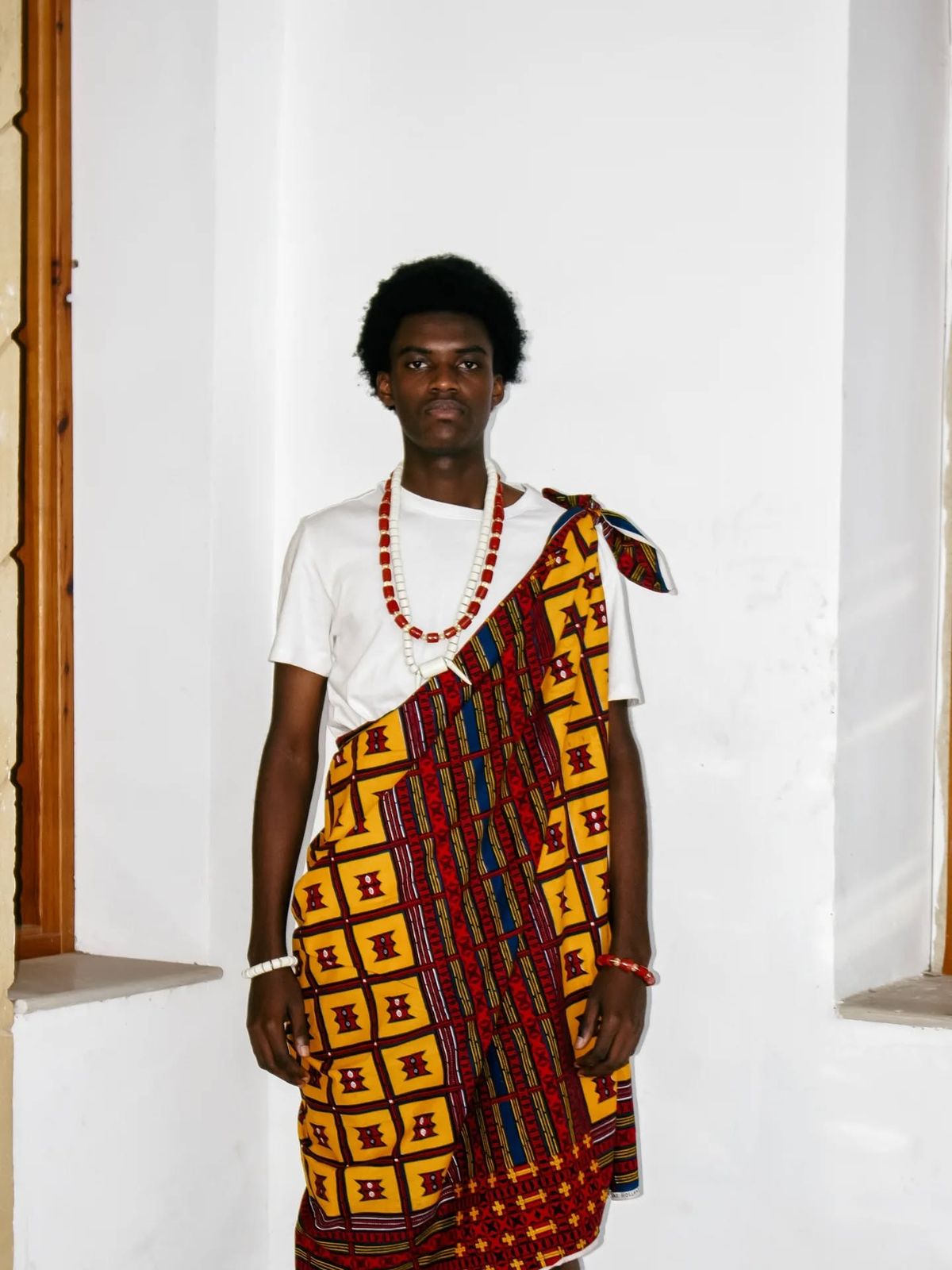
When Western fashion media describes African dress, it reaches for the same words every time. Vibrant. Colourful. Bold. Striking. The language is appreciative in its way, but it is also fundamentally incurious. It treats colour as sensation rather than statement, spectacle rather than syntax. What those descriptions consistently miss is this: in many African dress traditions, colour is a political language with its own grammar, history, and consequences. It does not decorate the garment. It argues through it.
The African fashion market is worth 31 billion dollars. A significant part of what makes that market what it is cannot be accessed through the vocabulary of Western fashion writing, because that vocabulary is not equipped to read what the dress is doing. This article is an attempt to describe what is being missed and to explain why the stakes of missing it are higher than a question of aesthetic preference.
When Western fashion calls African dress vibrant, it misses the point. Colour in African dress is a political language. This is what it has always been saying.
The Politics of Colour in African Dress: How Regional Systems Work

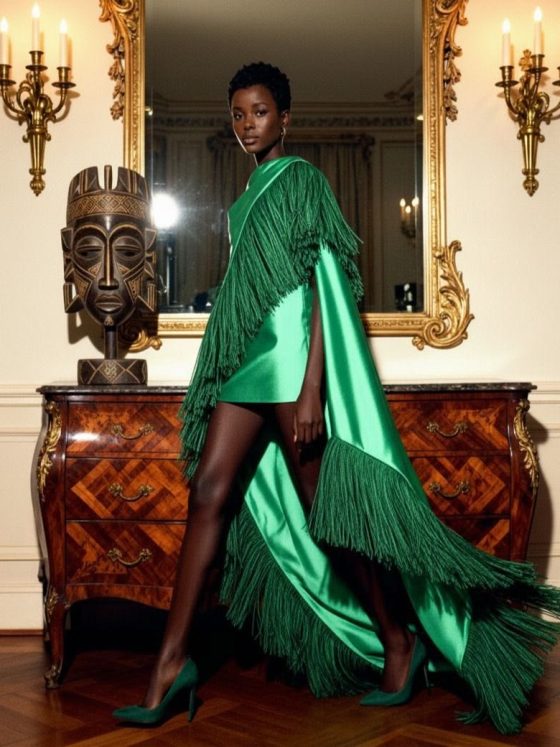
There is no single African colour code. The continent’s textile traditions are regional, ethnic, ceremonial, and contextual, and reading them correctly requires knowing which system you are in. In the kente tradition of the Akan people of Ghana and Côte d’Ivoire, colour operates as a documented symbolic system that the Asante court formally managed. As the African American Intellectual History Society’s documentation of kente’s history and symbolism confirms, each colour carries specific meaning: gold signals wealth, royalty, and high status; black carries the weight of spiritual energy, maturation, and union with ancestors; red marks political and spiritual feelings; green connects the wearer to growth and renewal. These are not aesthetic associations. They are claims about position, occasion, and the nature of the moment being marked.
Wearing the wrong colour combination in the wrong context is not a fashion error. It is a misstatement, and it is read as one. Omiren Styles’ documentation of Asante kente history confirms that only the Asantehene could initiate new kente designs for royal occasions. Each Asante king created a new design during his reign in close consultation with master weavers, and that design was permanently associated with him. The Asantehene had a special assistant whose sole responsibility was to select, store, and repair his official wardrobe. The royal wardrobe was a managed political instrument. Every colour choice in it was a governance decision.
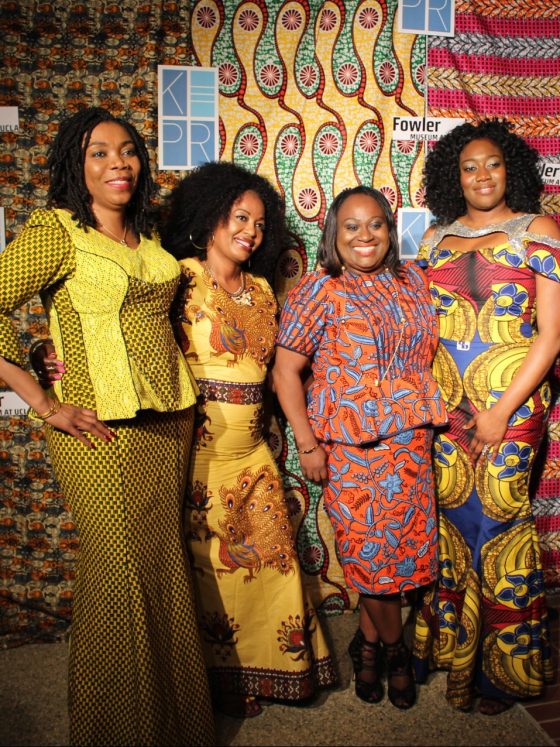
In Yoruba ceremonial dress, colour also works as a social and political instrument. Aso-oke, the hand-woven fabric used for ceremonies, weddings, and significant social events, is colour-coded by occasion and social standing. The practice of aso-ebi, in which groups wear matching fabric to signal collective identity and solidarity, turns the colour choice into a public political act: here we are, together, in public, making a claim about who belongs to whom and why. The matching cloth is not coordinated for the photograph. It is declaring a social structure to everyone who sees it.
Wearing the wrong kente colour combination in the wrong context is not a fashion error. It is a misstatement, and it is read as one. The colour is never decorative. It is declarative.
Further south, Ndebele beadwork represents one of the most studied examples of colour-as-biography in African dress. Omiren Styles’ documentation of Ndebele traditional styles confirms that beadwork communicates a woman’s marital status, age, life stage, and community identity through pattern and palette. The iphephetu marks coming of age. The ijogolo marks the birth of the first child. The nguba records a lifetime of significant events in accumulated beaded strips. These are not style choices. They are identity documents worn on the body, readable to anyone who knows the code.
Ethiopian netela and the white and gold it carries signal purity, peace, and religious devotion in its base form. But the same garment communicates mourning, celebration, or political orientation depending on how it is worn, how its border colours are arranged, and in what context it appears. The colour does not carry one meaning. It carries a grammar.
Colour as Resistance: When Dress Became Confrontation
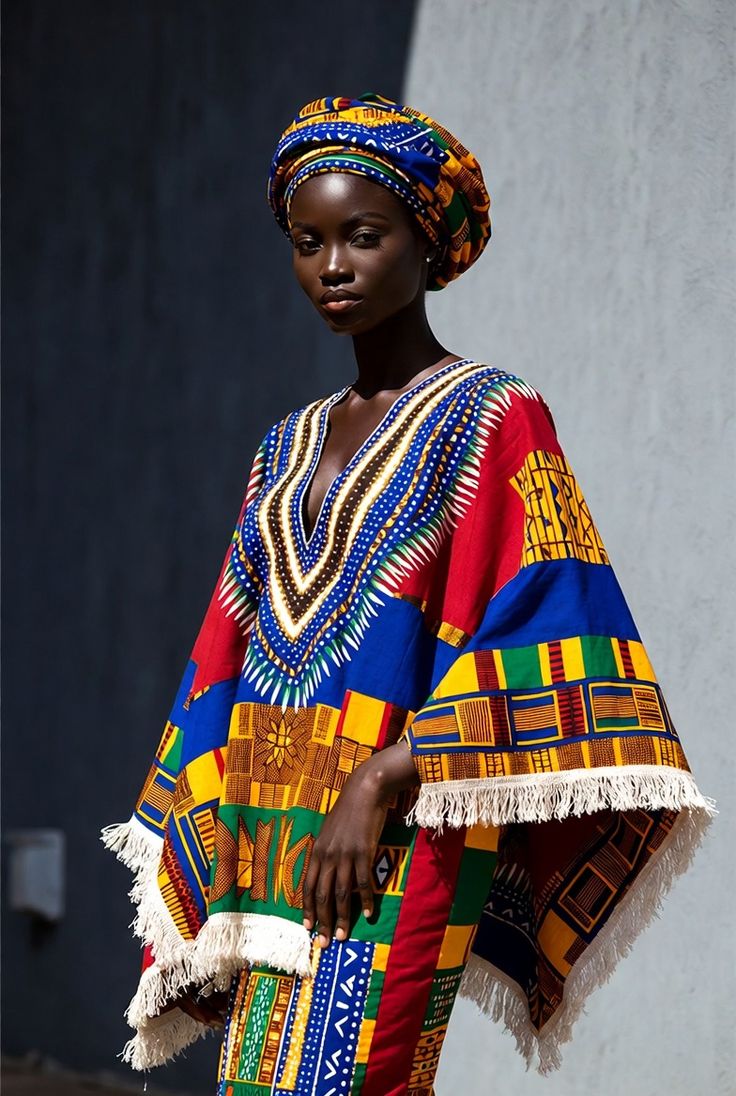
The political force of African dress colour becomes clearest under colonial and apartheid rule. Colonial authorities understood, correctly, that maintaining traditional dress was an act of political retention. Wearing traditional cloth was not neutral. It was a way of refusing erasure. In British and French-controlled Africa, indigenous dress was routinely suppressed or pathologised by administrators who read, more accurately than many contemporary fashion writers, what the cloth was doing. The colour said: what came before you is still here.
During the independence era of the 1950s and 1960s, dress became an explicit instrument of political communication across the continent. In Ghana, Kwame Nkrumah’s deliberate adoption of kente at moments of national and international significance was not sentimental. It was strategic. Nkrumah wore kente to the United Nations and to meetings with international heads of state, positioning Ghanaian traditional textile as a legitimate equivalent of Western formal dress on the world stage. The message was architecturally simple: African formal dress does not need Western dress as its reference point. It is complete, authoritative, and what this nation’s leadership wears when it wants to declare who it is.
In South Africa, the politics of colour in dress were even more direct. Under apartheid, the regulation of what Black South Africans could wear in specific spaces was an instrument of racial control. Against that system, Black dress became a visible declaration of pride, refusal, and collective identity. As the USC Bass Lab’s documentation of kente cloth in political protest confirms, colour was not simply worn under apartheid. It was deployed. The ANC’s colour palette of black, green, and gold was chosen because those colours made a claim. Each time someone wore them publicly, under a government that understood the claim, that was an act of political courage that could carry legal consequences. The Ndebele communities who elaborated their beadwork traditions most dramatically during the apartheid period were not practising folk art. They were practising visible resistance in the only medium available to them.
From Ceremony to Street: How Meaning Travels
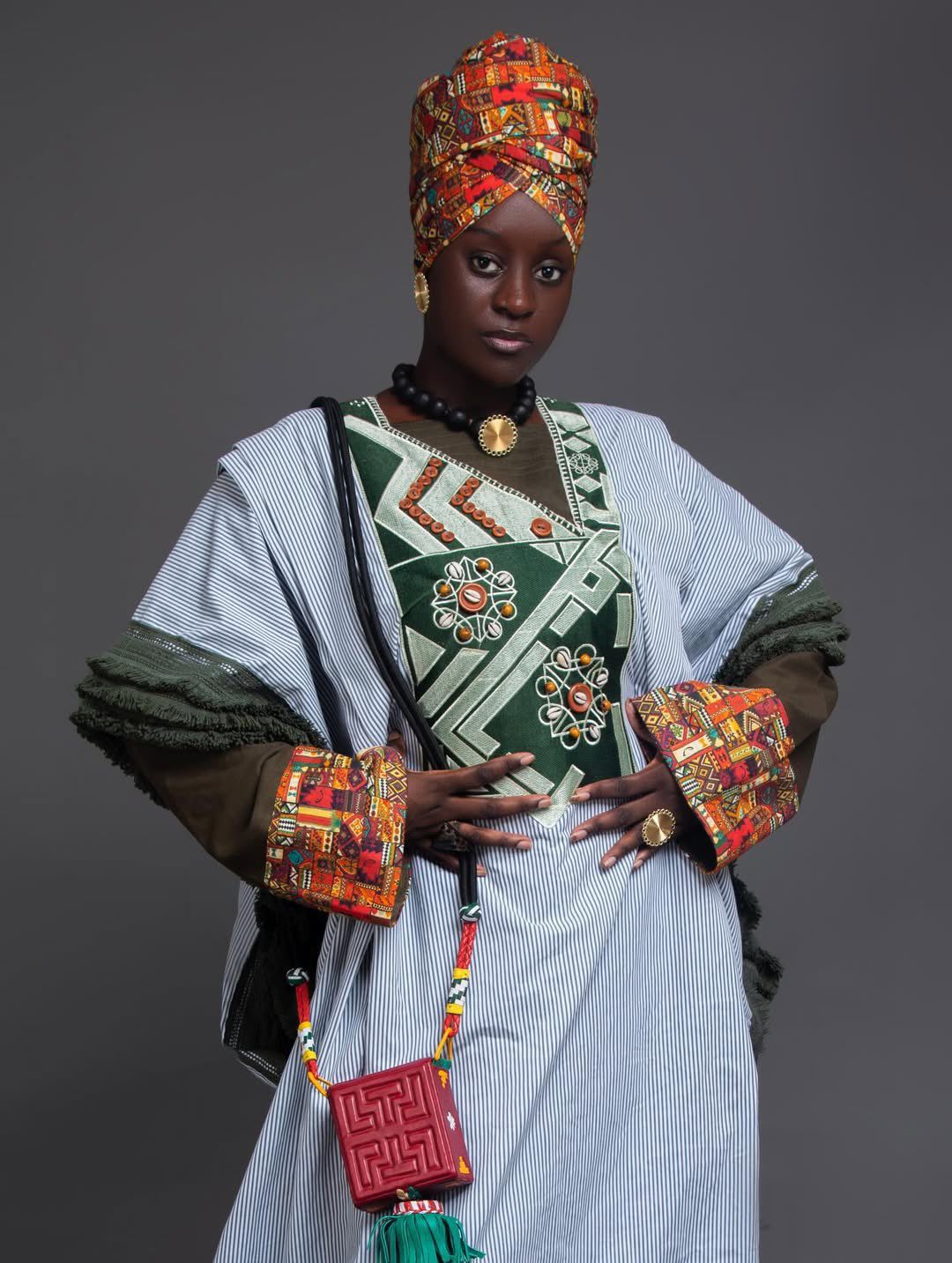
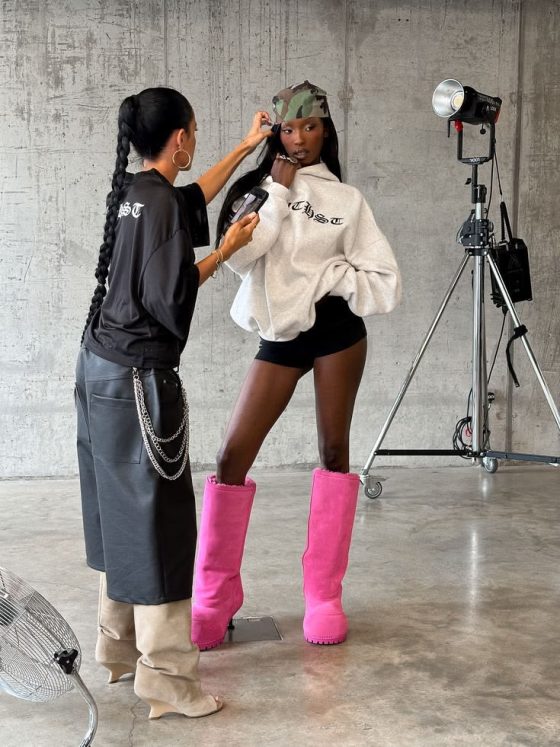
The meaning of colour in African dress does not stay fixed in ceremonial space. It travels into street style, diaspora fashion, and contemporary design, where it retains its symbolic power even as its context changes. A colour code can shift from ritual meaning to generational style without losing its charge, because the people who wear it know what they are doing even when the people who photograph it do not.
The Ankara prints and kente fabrics that have become globally visible arrived in mainstream fashion consciousness stripped of their most specific regional meanings. But they did not arrive stripped of meaning entirely. As Omiren Styles’ documentation of who actually owns Ankara confirms, the West African women who assigned names and meanings to the patterns of wax print fabrics, making specific designs essential to specific ceremonies and social occasions, built a cultural value into those fabrics that the Dutch and Chinese manufacturers who produce them have never compensated or credited. When diaspora Africans wear Ankara or kente on significant occasions, the colour and pattern choices connect the wearer to something that cannot be purchased: lineage, community, and a political claim about belonging that does not require Western validation.
Contemporary African designers working across Lagos, Accra, Nairobi, and Johannesburg are making this politics explicit again. When designers like Kenneth Ize work with Nigerian aso-oke, bringing hand-woven textile traditions to international platforms, they are not simply reviving heritage. As Omiren Styles’ guide to shopping African fashion with cultural literacy confirms, the colour and material choices in African ceremonial dress carry cultural and intellectual value on their own terms, without needing the endorsement of European fashion capitals to confirm it. The street style emerging from Lagos Island, Accra’s Osu neighbourhood, and Johannesburg’s Maboneng district demonstrates what happens when ceremonial colour codes meet youth culture and economic aspiration: colour becomes simultaneously ethnic identity, city identity, class positioning, generational sensibility, and global cultural literacy.
Why Fashion Writing Gets African Colour Wrong
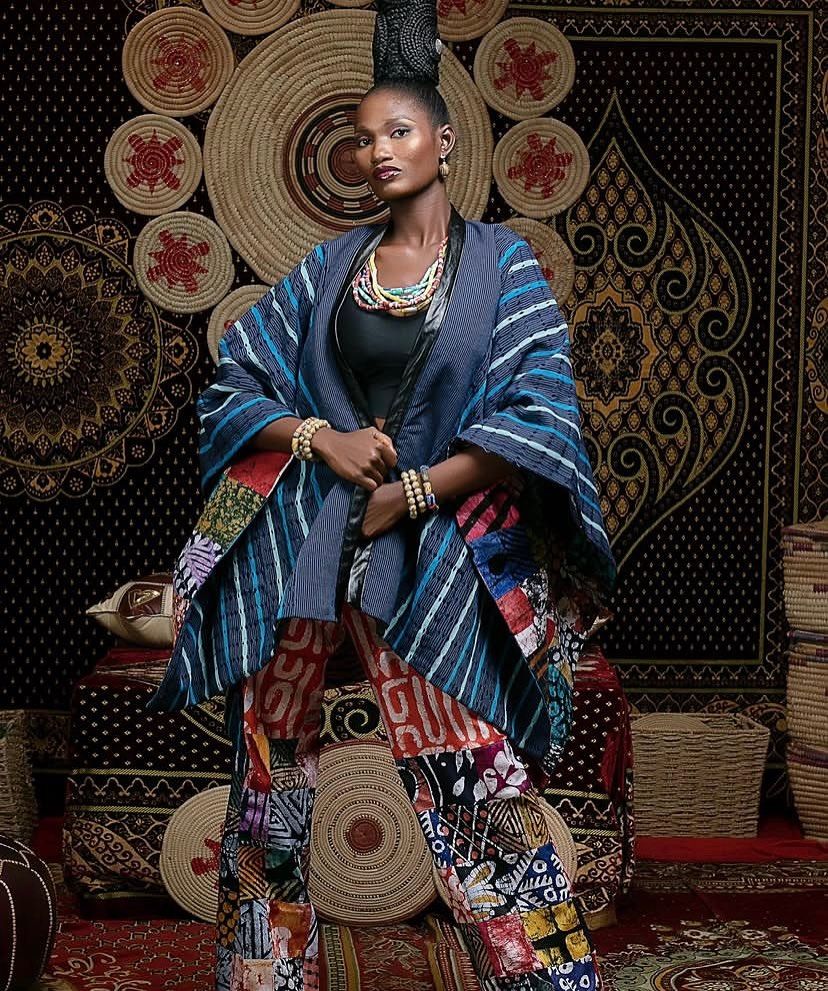
Mainstream fashion writing often misses the politics of colour in African dress because it reads African dress as sensation before meaning. That creates a shallow critical language in which colour becomes a synonym for liveliness instead of a carrier of history and political thought. The result is not just imprecise writing. It is cultural flattening.
When African fashion is described primarily as visually exciting, the knowledge systems behind it are treated as scenery rather than authorship. The Akan colour codes in kente, developed and transmitted across centuries of royal court practice, are flattened into bold pattern. The Ndebele beadwork that encodes a woman’s biography under apartheid becomes striking jewellery. The aso-ebi that declares collective political solidarity at a Yoruba ceremony becomes coordinated outfits. In each case, the description is not wrong about what can be seen. It is wrong about what is being said.
A better vocabulary for African dress would ask what a colour is doing, who chose it, in what setting, and against what social or political background it becomes legible. That is the level at which African dress has always operated. The Asantehene’s wardrobe manager was doing editorial analysis at a higher level of precision than most fashion writing achieves today.
The Omiren Argument
African dress has never been only about style. It has always been about position. The colour in kente announces status, spiritual orientation, and the nature of the occasion. The colour in aso-ebi declares collective solidarity and social hierarchy simultaneously. The colour in Ndebele beadwork records a woman’s biography and her community’s resistance to a state that tried to erase both. The colour in the kente on Nkrumah’s shoulders at the United Nations argued for African legitimacy on a global stage at the moment when that argument was most consequential. The African fashion market is worth 31 billion dollars. The colour politics in that market have been operating since before colonial encounter, surviving suppression under colonial rule, deployed as explicit political language during independence movements, and transmitted into diaspora communities and contemporary street style across three generations. When Omiren Styles documents African dress, it documents those colour systems as what they are: political languages with grammar, history, and consequence. Not vibrant. Not bold. Precise.
ALSO READ:
- When Dressing Becomes Declaration: Clothing as Cultural Identity
- Top 5 Traditional Styles for Ndebele Women in 2026
- The African City That Fashion Forgot: How Benin, Oyo, Dahomey, and Asante Dressed Before Europe Arrived
- Ghanaian Highlife and the Origins of Afrocentric Formal Dress
Frequently Asked Questions
What do colours mean in African dress?
Colour meanings in African dress are regional and specific rather than continent-wide. In Akan kente traditions, gold signals royalty and high status, black carries spiritual energy and connection to ancestors, red marks political and spiritual significance, and green signals growth and renewal. In Ndebele beadwork, colour and pattern combinations communicate a woman’s marital status, age, life stage, and community identity. In Yoruba aso-ebi practice, matching colour choices declare collective solidarity and social belonging. Each system is distinct, precise, and requires specific cultural knowledge to read accurately.
How was African dress used as political resistance?
African dress functioned as political resistance in several documented contexts. Under colonial rule, wearing traditional cloth was a way of refusing cultural assimilation, which colonial authorities understood and frequently suppressed. During African independence movements of the 1950s and 1960s, leaders including Kwame Nkrumah wore kente at international forums including the United Nations, positioning African traditional dress as a legitimate equivalent of Western formal dress on the world stage. Under apartheid in South Africa, Ndebele communities elaborated their beadwork traditions as visible cultural resistance, and wearing ANC colours publicly was an act of political courage with legal consequences.
What is aso-ebi and why is it political?
Aso-ebi is the Yoruba practice of wearing matching fabric to signal collective identity and solidarity at weddings, ceremonies, and significant social events. The colour and pattern of the matching cloth declare who belongs to which social group, what relationship they have to the occasion, and what their collective social position is. It is political because it makes social hierarchy and community membership visible in public space: the colour choice is a structured claim about solidarity and belonging, not a coordinated aesthetic decision.
Why does Western fashion writing misread African colour?
Western fashion writing tends to describe African dress as visually exciting without reading what the visual language is actually saying. This treats colour as decoration rather than as a communication system with specific grammar and political history. The Akan kente colour code, developed across centuries of Asante royal court practice; the Ndebele beadwork that encodes a woman’s biography; the aso-ebi that declares collective solidarity: each is flattened into descriptions like vibrant or bold, which describe what the garment looks like without addressing what it means. The result is writing that treats African communities as suppliers of aesthetic interest rather than as architects of sophisticated political and visual systems.
How does African dress colour travel into diaspora communities?
Colour systems in African dress travel into diaspora communities as both inherited knowledge and conscious political choice. When diaspora Africans wear kente, aso-oke, Ankara, or other culturally specific fabrics on significant occasions, the colour and pattern choices connect the wearer to lineage, community, and a political claim about belonging that does not require external validation. The meaning shifts as the context changes: a kente cloth worn at a diaspora graduation carries different specific meanings than one worn at an Asante royal ceremony, but it retains its charge as a declaration of cultural identity and political continuity across distance and generations.
Explore More
Read the full Fashion > Opinion and Culture > Heritage & Identity sections for Omiren Styles’ documentation of African dress systems, colour traditions, and the political languages that African communities have used, defended, and transmitted across centuries.