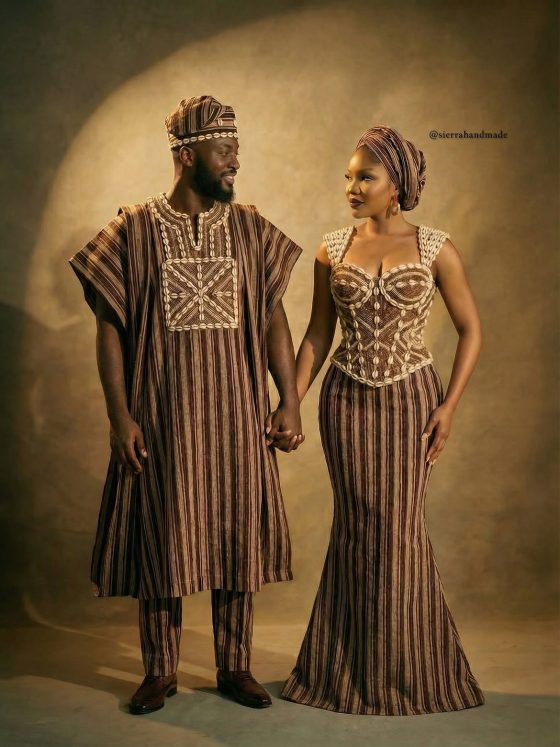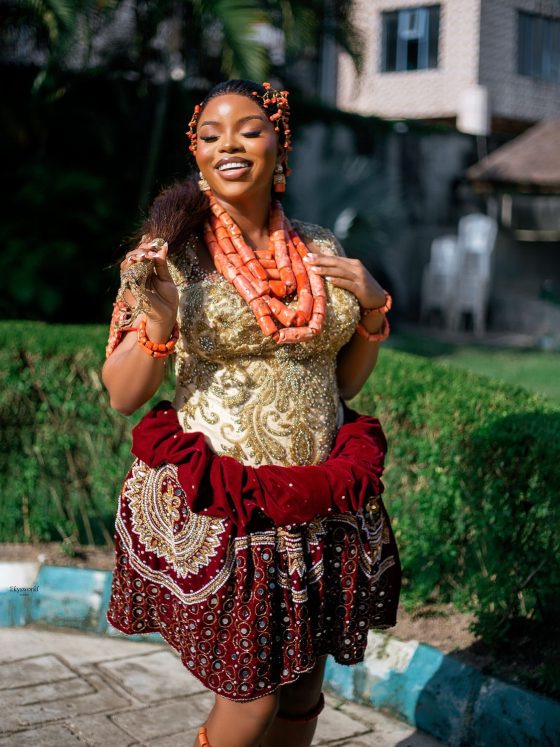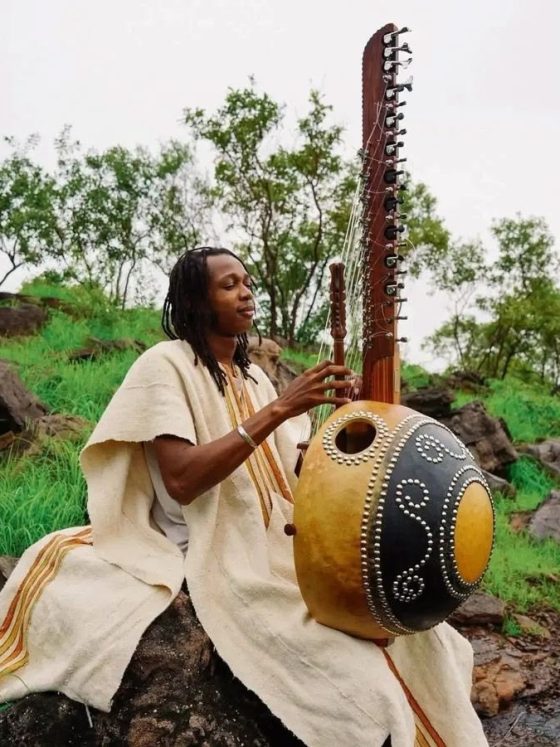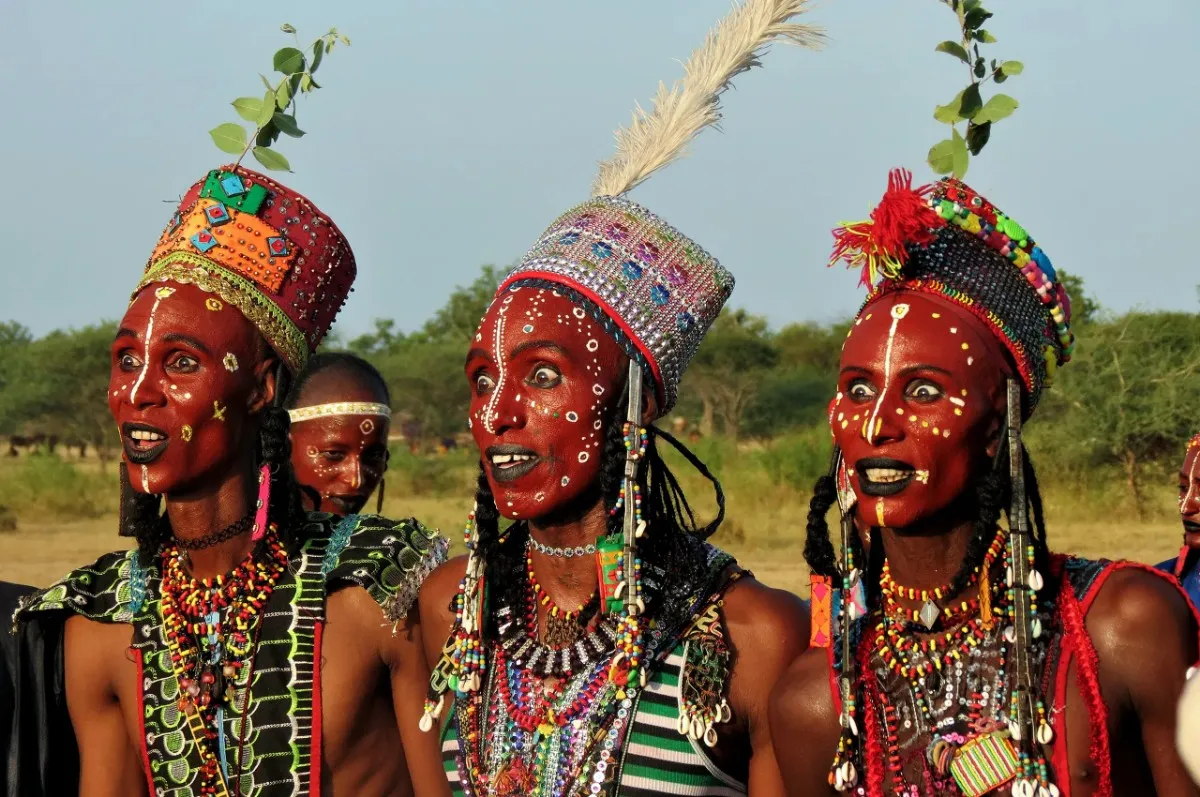
Chad does not have a single national dress tradition. It has at least two that belong to entirely different ecologies, and understanding either one without the other produces a distorted picture of the country’s clothing heritage. The Sahel Divide, the transition zone running roughly east to west across Chad where the Sahara gives way to savanna, is not just a geographic feature. It is a cultural boundary that separates two distinct ways of life, two different relationships between community and landscape, and two dress traditions that each carry the full weight of their own history. The Toubou in the north and the Sara in the south are two of the most documented examples of that plurality within a country that is home to more than 200 ethnic groups.
This is the central argument: Chad’s clothing heritage is strongest when read as a collection of living ethnic traditions, not when forced into the frame of a single national costume. As Omiren Styles has argued in its analysis of African dress heritage, the traditions that institutional recognition describes as regional are often the most culturally specific and therefore the most culturally valuable. The Toubou and Sara dress traditions demonstrate that with unusual clarity.
Discover how Chad’s Toubou and Sara dress traditions reflect desert and savanna life, and what distinguishes each community’s attire.
Why Toubou and Sara Dress Developed Differently: The Sahel Divide as Starting Point
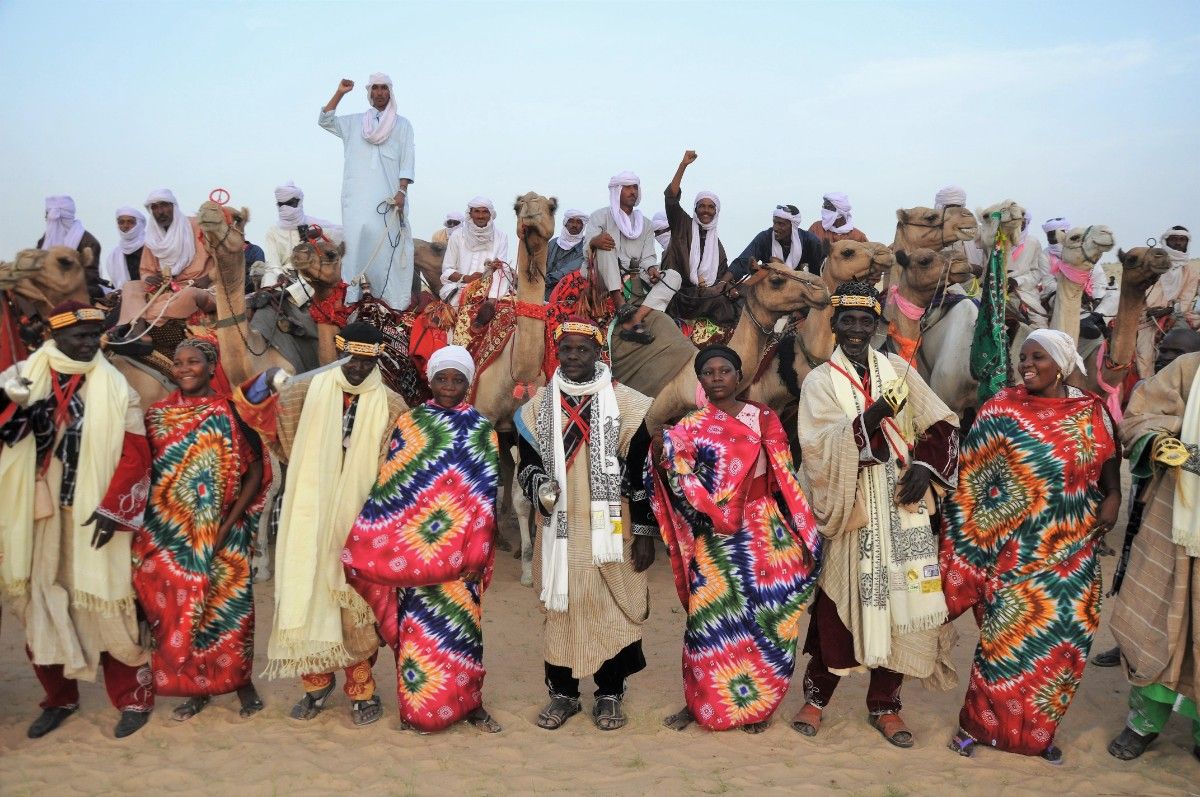
The Sahel Divide is the analytical frame that makes sense of this piece. The Toubou have traditionally lived in the arid northern regions of Chad, including the Tibesti and Ennedi mountains and the flat expanse of the Sahara between them. Life in the Sahara imposed specific, non-negotiable demands on dress: protection from intense sunlight, from blowing sand, from the dramatic temperature drops that follow desert nightfall. Clothing that could not meet those demands was clothing that could not support survival in that environment. The Sara have long lived in the wetter, more fertile south, where rivers, woodlands, and arable land supported settled farming villages. Without the environmental urgency of the desert, dress evolved under a different set of pressures: the social rhythms of village life, the agricultural cycle, the ceremonies that marked community belonging across generations. The Sahara and the savanna are not just different climates. They produce different kinds of human organisation, and different kinds of human organisation produce different clothing cultures. That is the argument this piece makes, and it is an argument grounded in the two communities rather than in a general claim about Chad.
Toubou Dress: Clothing Built for the Sahara
The Toubou are a pastoral people whose traditional movement across northern Chad’s deserts and mountains required clothing adapted to one of Africa’s most demanding environments. The loose, long robe that characterises Toubou dress is not an aesthetic preference. It is thermal logic: the flowing design allows air to circulate under the fabric, which creates a cooling effect against the skin, while the length and coverage protect against the sun, the wind, and the sand that the Saharan landscape delivers at scale. As Omiren Styles has documented in its analysis of the kanzu as East African traditional dress, across the Saharan and Sahelian zones of Africa, the long loose robe is one of the most consistent adaptations to desert conditions, appearing in different communities across a vast geographic range because the environment makes similar demands on anyone who has to live and move within it.
For Toubou men, turbans and wrapped head cloths are as functional as the robe itself. Wrapped correctly, they reduce sun exposure, protect against airborne sand and dust, and retain warmth during the cold desert nights that follow the intense heat of the Saharan day. These are not purely ceremonial items. They are practical tools that also carry cultural identity, because the techniques for wrapping them, the materials used, and the occasions for which specific styles are appropriate are all socially transmitted knowledge that belongs to the community. The garments are practical first. They become cultural because practical knowledge, transmitted across generations, becomes culture.
Like all living dress traditions, Toubou clothing has changed with access to new materials. Factory-made fabrics are widely available, and modern clothing appears in daily life. What has not changed is the relationship between the garments and the environment that produced them. When a Toubou dress is worn in its traditional forms, it continues to demonstrate an understanding of the Sahara that was developed over centuries of pastoral life in that landscape. As Omiren Styles has documented in its analysis of how African craft knowledge is transmitted, the knowledge embedded in craft traditions is the tradition itself, not simply the object it produces.
Sara Dress: Clothing Shaped by Agricultural Community Life
The Sara people of southern Chad developed their dress traditions in conditions that have almost nothing in common with the Sahara. The south’s rivers, fertile land, and reliable rainfall supported settled villages where families grew crops including millet, sorghum, cotton, and groundnuts. Seasonal agricultural rhythms, not the demands of desert travel, shaped what people wore and when. The availability of locally grown cotton gave Sara communities a specific fibre source that informed their textile production and distinguished their dress vocabulary from the imported or traded materials more common in the north. Cotton cloth, locally produced, becomes a carrier of local identity in ways that factory-imported fabric cannot replicate.
Where Toubou dress is primarily organised around protection and mobility, Sara dress is primarily organised around social identity and community ritual. Weddings, initiation ceremonies, harvest celebrations, and other community gatherings are the occasions where traditional Sara clothing appears in its most deliberate forms. As Omiren Styles has documented in its analysis of Setswana wedding dress as a ceremonial system, across many African communities, the most culturally specific dress appears at the moments when community identity is most explicitly being expressed and transmitted: when families join, when generations pass knowledge forward, when the community marks the transitions that define its shared life. Sara’s dress at these occasions is not supplementary to the ceremony. It is part of how the ceremony works.
The social function of Sara dress extends to the way it communicates belonging and status within the community. The garments worn at community events are not interchangeable. Specific occasions call for specific dress, and the knowledge of what to wear, when to wear it, and how to present it correctly is itself a form of social competence that marks full membership in the community. That social coding operates whether or not an outsider can read it.
Across the Sahel Divide: What the Comparison Reveals
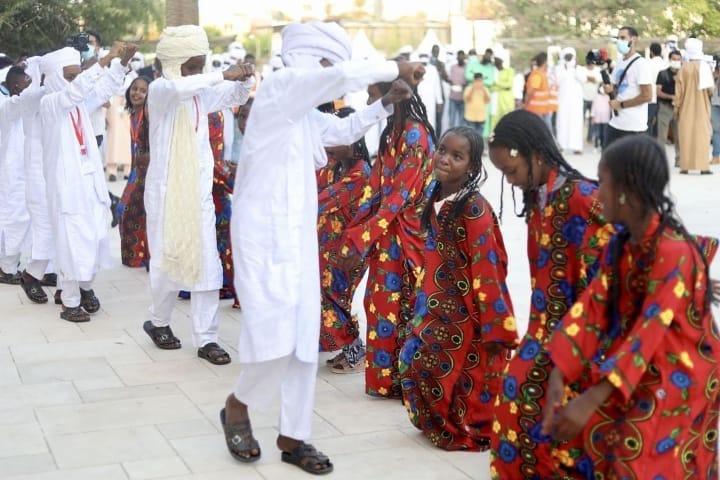
Put the Toubou and Sara dress traditions side by side and the most important thing that becomes visible is not the differences between them, though those are substantial. It is what their differences prove about the country that contains them. Chad is home to more than 200 ethnic groups. The Toubou and Sara are two of the most documented, but they represent a principle that applies across the country’s full ethnic plurality: clothing heritage is not a national achievement in the singular. It is a collection of specific achievements, each belonging to specific communities, each carrying the specific knowledge of specific environments and specific social systems. As Omiren Styles has argued in its analysis of how African dress functions as political language, the most misleading thing that can happen to an African dress tradition is to be absorbed into a generic “national costume” frame that strips it of the community specificity where its cultural intelligence lives.
The Sahel Divide that separates Toubou and Sara dress traditions is not a border that needs to be crossed or unified. It is a real geographic and cultural difference that produces real cultural plurality, and that plurality is the most accurate description of Chad’s clothing heritage available. The flowing robe of the Toubou is not a less-developed version of what the Sara wear. The community-centred dress of the Sara is not a more settled version of Toubou desert pragmatism. Each is complete on its own terms, carrying the full weight of the knowledge and history that produced it.
The modern influences on both traditions, the availability of factory fabrics, the presence of Western-style clothing in urban areas, the combination of traditional and contemporary dress that is documented across sub-Saharan Africa, do not change this argument. They extend it. As Omiren Styles has documented in its analysis of African fashion cities and their distinctive character, the traditions that survive modernisation most durably are those that remain legible as specific traditions with specific communities rather than dissolving into a generic African aesthetic. Toubou dress survives as Toubou dress. Sara dress survives as Sara dress. That specificity is the source of their durability.
The Omiren Argument
Chad’s clothing heritage is strongest when read as a collection of living ethnic traditions rather than forced into one national costume. That is not a modest claim about cultural diversity. It is a specific claim about where cultural value lives. The value in Toubou dress is not that it represents Chad. It is that it represents the Toubou, and the Toubou’s specific knowledge of how to dress a human body for life in the Sahara. The value in Sara dress is not that it represents Chad. It is that it represents the Sara, and the Sara’s specific knowledge of how clothing functions as social language in an agricultural community where ceremony and belonging are organised through cloth. As Omiren Styles has argued across its coverage of African dress traditions, African fashion’s authority does not need to be assembled into a single tradition to be taken seriously. It is already serious, already specific, already carrying more cultural intelligence than a national costume frame can hold. The Sahel Divide is not a problem in Chad’s clothing heritage. It is the reason that heritage is worth writing about.
Two traditions, two ecologies, two complete bodies of clothing knowledge. Not a divided country. A plural one.
ALSO READ
- Malagasy Lamba Cloth: Why Its Handwoven Heritage Aligns With the Future of Luxury Resortwear
- Julius Nyerere and the Politics of Rejecting Western Suits
- Malagasy Lamba Cloth: Why Its Handwoven Heritage Aligns With the Future of Luxury Resortwear
- Sarraounia Mangou’s Ceremonial Dress and Nigerien Queenly Resistance
Frequently Asked Questions
Why does Chad not have one national dress tradition?
Because the country is home to more than 200 ethnic groups, each with their own dress cultures shaped by specific environments, livelihoods, and social systems. The Toubou in the north and the Sara in the south are two of the most documented examples, but they represent a principle that applies across Chad’s full ethnic plurality. As Omiren Styles has argued, the most accurate description of Chad’s clothing heritage is a collection of specific ethnic traditions, not a single national costume. The plurality is the heritage.
What makes Toubou dress different from Sara dress?
Toubou dress was shaped by life in the Sahara: the primary concern is protection against sun, sand, blowing wind, and cold desert nights. Long loose robes and wrapped turbans developed as practical responses to those specific environmental demands. Sara dress was shaped by settled agricultural community life in southern Chad’s savanna, where the primary concerns are social identity, ceremonial occasion, and the communication of community belonging. The garments, occasions, and social coding are entirely different, because the environments and ways of life that produced them are entirely different.
What is the boubou, and where does it fit in Chad’s dress traditions?
The boubou, the wide loose robe worn across the Sahel and West Africa, is common across Chad’s different communities, including the Toubou, and functions as both daily and ceremonial dress. Its widespread adoption across the region reflects the practical logic of the loose flowing garment in hot climates, as well as the spread of Islamic dress conventions across the Sahelian zone. However, the boubou is not the entirety of either Toubou or Sara dress heritage. Both communities have more specific garments and dress practices that belong to their particular cultural contexts rather than to the broader regional form.
How have modern materials changed traditional clothing in Chad?
Factory-made fabrics are widely available across Chad, and both the Toubou and Sara communities now use them alongside or instead of traditionally produced textiles in daily life. Western-style clothing is documented in urban areas across the country. What has not changed is the relationship between traditional garments and the communities that produced them: traditional dress continues to appear at ceremonies, community celebrations, and occasions where cultural identity is being explicitly expressed. As Omiren Styles has documented in its analysis of African craft fashion, the knowledge embedded in traditional dress is the tradition itself. As long as that knowledge is transmitted, the tradition remains alive even when the materials change.
What does the Sahel Divide mean for understanding Chad’s dress heritage?
The Sahel Divide is the transition zone running east to west across Chad where the Sahara gives way to savanna. It is not just a geographic feature but a cultural boundary that separates two distinct ecologies, two different ways of life, and two different dress traditions. Understanding this divide is the most useful frame for approaching Chad’s clothing heritage, because it explains why the country’s two most documented dress traditions, Toubou and Sara, are so different from each other while both being entirely coherent and complete within their own contexts. The Sahel Divide is not a problem in Chad’s cultural identity. It is the reason that identity is plural rather than singular.