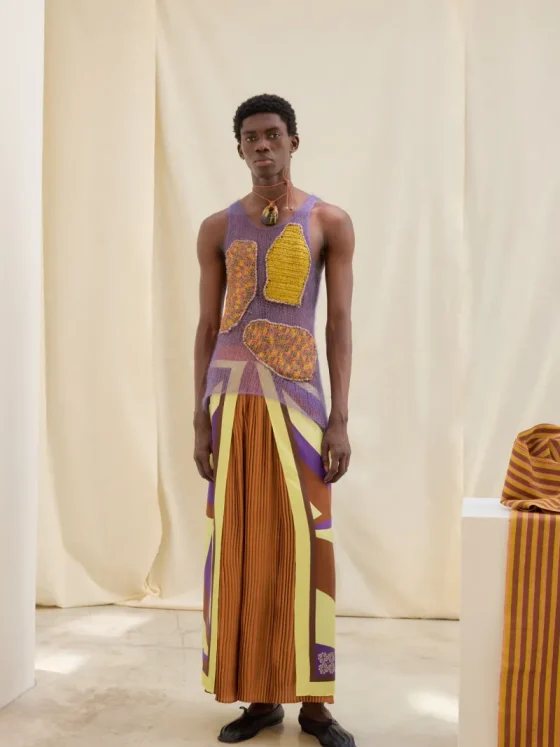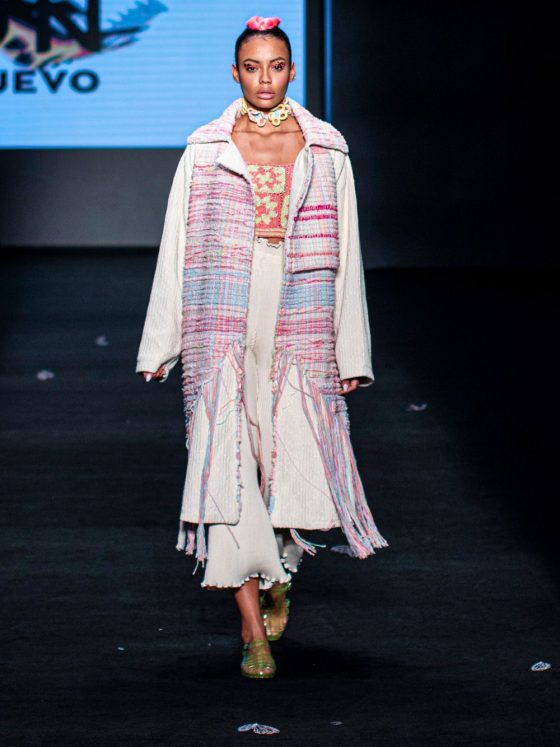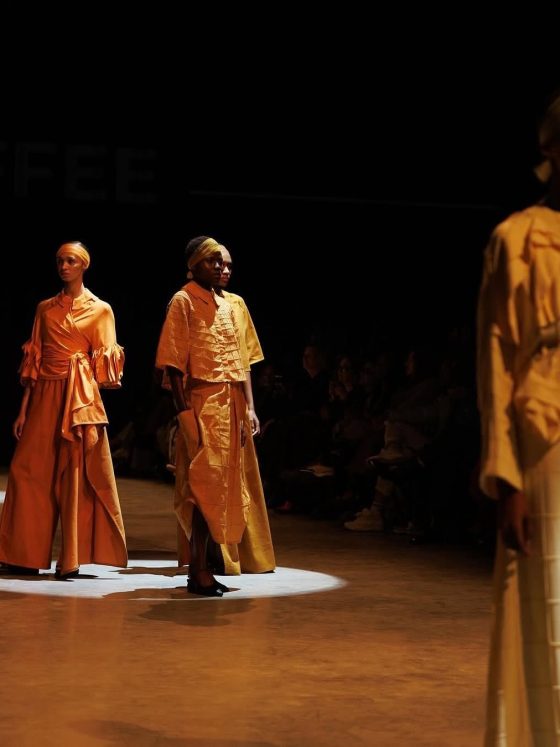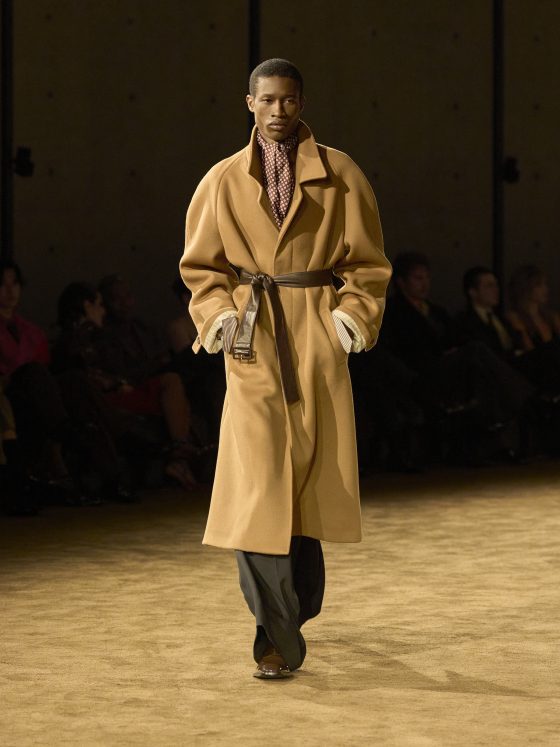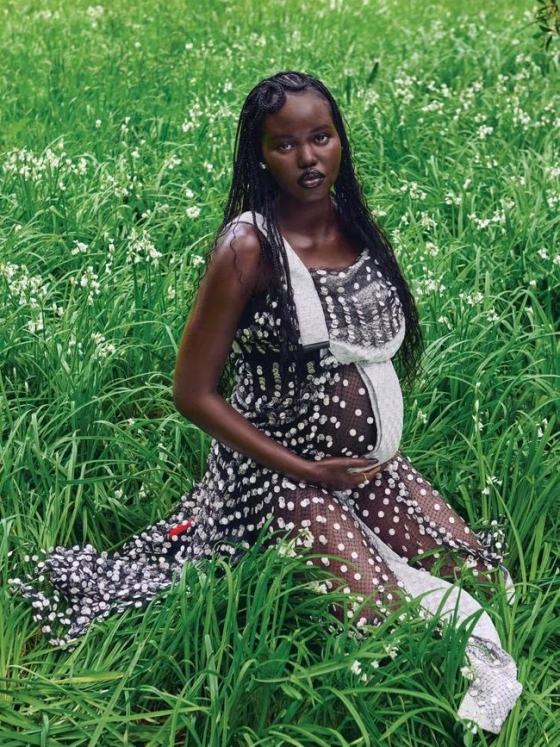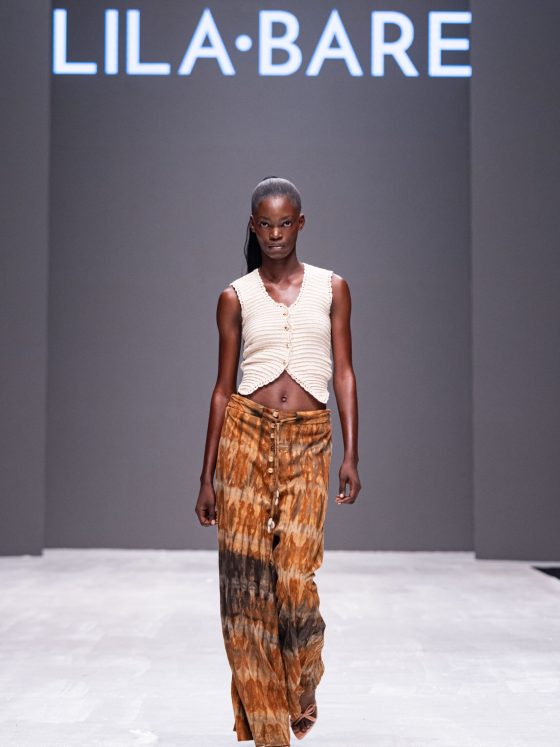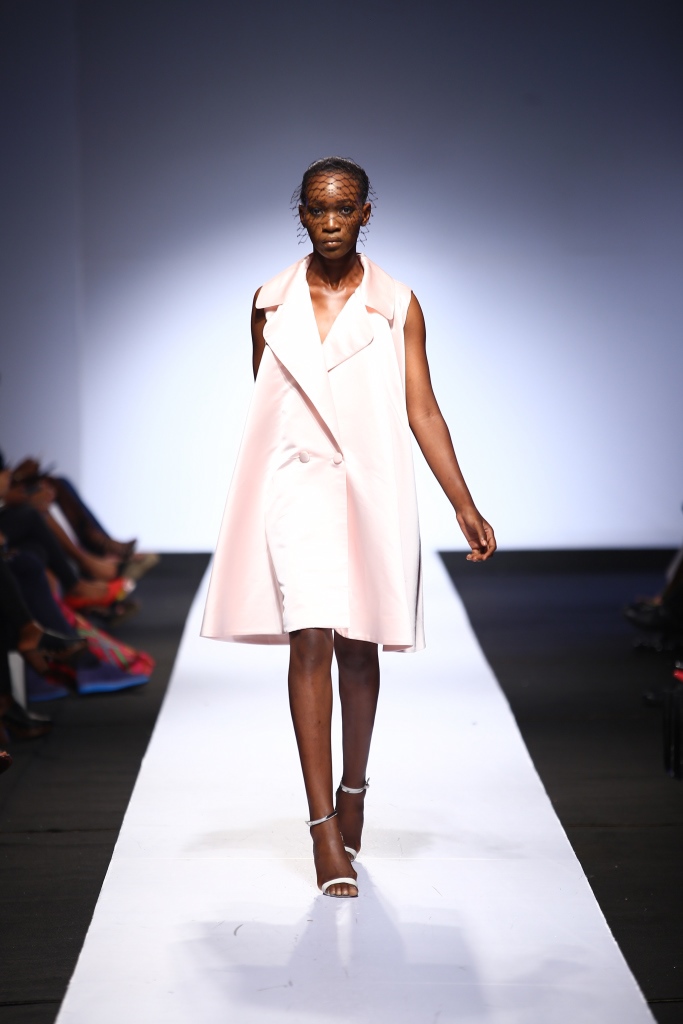
The provisional schedule for London Fashion Week SS27 was published by the British Fashion Council on July 20, 2026. The week runs from September 17 to 21. McQueen returns to London for the first time since 2022, Sunday at 20:00. Mulberry debuts Christopher Kane’s first ready-to-wear collection the same day. Burberry closes the week. The mainstream fashion press will write about all three in the first paragraph of every preview. Omiren Styles is writing about what comes before them on the schedule.
On Thursday, September 18, Tolu Coker shows at 12:30. On Friday, September 19, Labrum London shows at 14:00 and Onalaja, making its LFW debut, shows at 18:00. Three African-heritage British designers confirmed on the SS27 schedule across a 36-hour window. In the context of what Omiren Styles has documented about the structural shift in British fashion’s creative centre over the past five years, these three slots are not three separate stories. They are one argument, staged across consecutive days.
Tolu Coker at 12:30. Labrum at 14:00. Onalaja making its LFW debut at 18:00. The SS27 schedule is published and the African and diaspora designers are the story. Here is why.
The Schedule in Full Context
The BFC provisional schedule for LFW SS27, published July 20, 2026, is the most significant provisional schedule in recent LFW history for two reasons that have nothing to do with McQueen. First, Fashion East returns following the BFC’s commitment of further investment in the talent incubator, reinforcing the institutional pipeline that has historically been the entry point for African-heritage designers who later moved to the main schedule. Second, the returning NEWGEN recipients, Charlie Constantinou, E.W.Usie, Liza Keane, Octi, Oscar Ouyang, Pauline Dujancourt, The Ouze, and Yaku, represent a cohort whose breadth signals that the BFC’s NEWGEN investment is sustaining a wider range of creative voices than at any previous point.
The new schedule entrants are equally significant. Geordie Campbell (British menswear), Joyce Bao (Chinese designer), Lovebirds (New Delhi-based contemporary), and Onalaja (demi-couture) are all new to the schedule this season. As confirmed by Fashion Week Daily’s SS27 calendar, the full schedule on the day that includes Labrum and Onalaja runs from Simone Rocha at 10:00 through McQueen at 20:00. Labrum at 14:00 and Onalaja at 18:00 sit on either side of the Mulberry Christopher Kane debut at 15:00, making that Friday evening one of the most concentrated single sessions of creative argument on the entire SS27 calendar.
“This season marks an exciting moment for London Fashion Week, with the return of leading British brands alongside an exceptional new generation of creative talent.” — Laura Weir, Chief Executive, British Fashion Council, LFW SS27 schedule announcement, July 2026
Tolu Coker: The Argument That Has Been Building
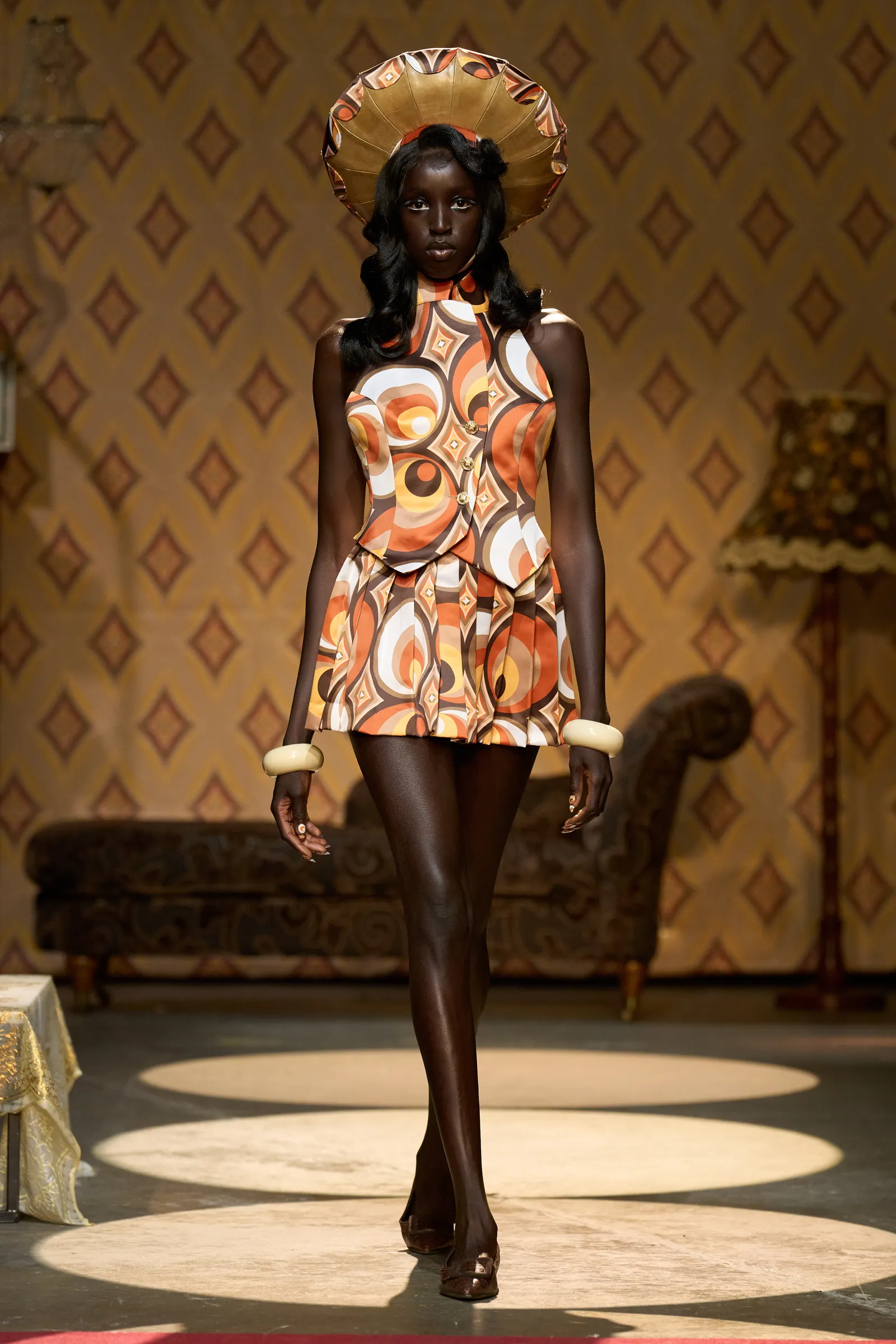
Tolu Coker at 12:30 on Thursday, September 18 is, by the measure of the SS27 schedule, a mid-morning slot on the opening day. By the measure of what that slot represents for a British-Nigerian designer who opened LFW AW26 for King Charles III and was a 2025 LVMH Prize semifinalist, it is a confirmation of continued schedule placement for a designer who is now in her fourth consecutive BFC NEWGEN season. As Marie Claire Nigeria’s AW26 coverage confirms, the Nigerian-heritage presence at LFW AW26 was the season’s creative centre even when it was not the commercial headline. Tolu Coker’s AW26 Survivor’s Remorse collection, British heritage tartans in Yoruba colours, corseted jackets, and pleated skirts, King Charles III in the front row, was the most precisely argued collection of the week. SS27 is the question of what she argues next.
The BFC’s decision to shortlist Onalaja for the BFC Vogue Designer Fashion Fund 2026, worth £150,000 and high-level mentoring, confirms that the institutional investment in this generation is not limited to schedule placement. The Fund shortlisting, announced just before the AW26 shows, was for Onalaja rather than Coker this cycle. Still, both outcomes reflect the same institutional logic: the BFC is now treating African-heritage British designers as the investment priority rather than the diversity representation. As Omiren Styles has argued in its analysis of African designers at London Fashion Week, the BFC has built the platform. The designers have built the arguments. The retailers who attend but do not order are the gap that the SS27 schedule should be designed to close.
Labrum London: The West Africa Argument at Peak Volume
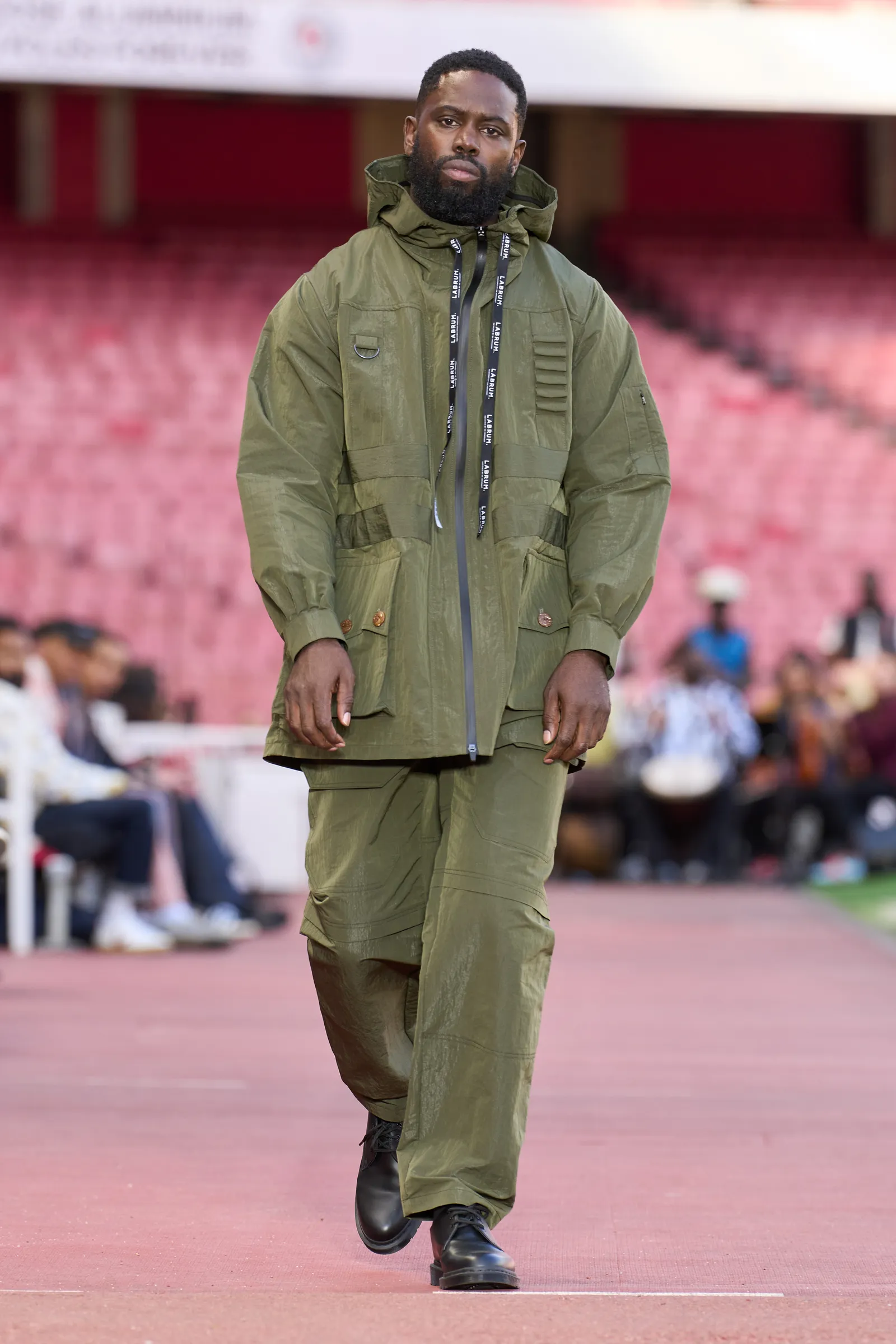
Foday Dumbuya’s Labrum London at 14:00 on Friday, September 19, arrives with a specific documented track record that makes the SS27 slot a different kind of statement from a debut. As Stylist’s SS26 review documents, Labrum’s SS26 show “Osmosis” at Central Hall Westminster earned a standing ovation, not just for the showmanship but for the message: Dumbuya bridged continents, histories, and futures, weaving West African rhythms, spoken word, and orchestral sounds with rich tailoring, cowrie shells, and feathered headwear. That standing ovation did not happen because the fashion press decided to be generous. It happened because the collection made an argument that was impossible to dismiss.
Labrum’s brand mission, to tell the untold stories of West Africa through clothing, as confirmed by the Mayor of London Creative Economy Growth Programme documentation, is not a positioning statement. It is a design brief that has produced, across multiple seasons, tailoring that sits in the same institutional frame as the British houses surrounding it on the schedule while making arguments those houses have never made. A Labrum jacket is a British jacket. It is also a West African argument, and the two things are not in tension. That is precisely the point.
The Queen Elizabeth II Award for British Design that Labrum received, alongside Ahluwalia and Patrick McDowell, is the institutional signal that the British establishment understands what Dumbuya is doing. The SS27 slot at 14:00, on the same day’s schedule as Mulberry’s Christopher Kane debut, is the commercial signal that the BFC is positioning Labrum as a centrepiece of the week rather than a peripheral interest. As Omiren Styles has documented in its analysis of African fashion intelligence in the UK, the creative centre of British fashion has moved. Labrum is now part of that centre.
Onalaja: The New Entrant and What It Signals
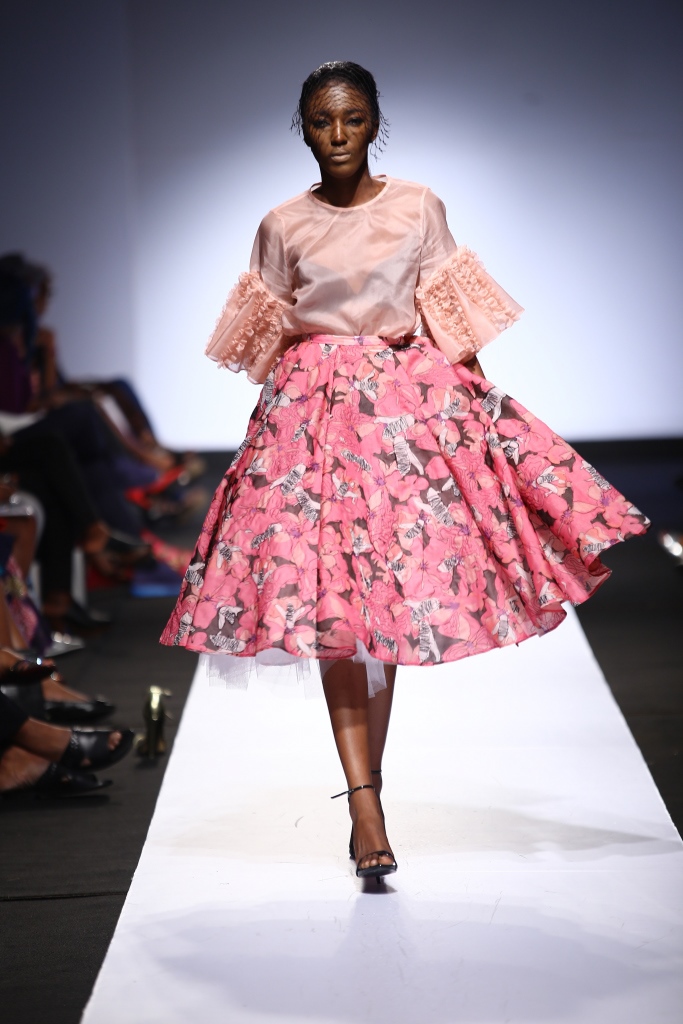
Onalaja’s LFW debut at 18:00 on Friday, September 19 is the most significant new addition to the SS27 schedule for readers of Omiren Styles. Described by the BFC as a “vibrant demi-couture brand” and confirmed by Fashion Week Daily’s full SS27 calendar as an 18:00 slot on the Friday evening, Onalaja was shortlisted for the BFC Vogue Designer Fashion Fund 2026, worth £150,000, a shortlisting that Marie Claire Nigeria identified as “a significant milestone for the growing brand.” The BFC Vogue Designer Fashion Fund shortlisting places Onalaja in institutional company that includes past recipients who have subsequently become defining voices on the LFW schedule.
The demi-couture positioning is worth noting precisely. Demi-couture sits between ready-to-wear and full couture in terms of construction intensity and price positioning: it requires significant hand-craft input, typically involves individual fittings, and commands price points that position the brand above mainstream luxury ready-to-wear. For a British brand with a visible cultural heritage identity making its LFW debut at this level, the demi-couture positioning is a commercial argument as much as a creative one: it claims a price tier that has historically been occupied by European houses and asserts that a British-African design practice belongs there. As Omiren Styles has argued, the traditions that institutional recognition discovers were never absent. Onalaja’s LFW debut is not an emergence. It is an arrival on a platform the work had already earned.
Ahluwalia: The Season Without a Runway
Ahluwalia by Priya Ahluwalia is not confirmed on the SS27 runway schedule as of the provisional publication. In AW26, Marie Claire Nigeria confirmed that Ahluwalia “although not on the runway this season, made a statement in its own distinctive way,” with the BFC introducing the LFW Designer Showcase as a new initiative to connect designers directly with industry experts. The Showcase model represents a different commercial logic from the runway: direct buyer and press engagement without the production cost of a full show. For a brand with the Adidas and Mulberry collaboration track record and Queen Elizabeth II Award recognition that Ahluwalia holds, the non-runway season is a strategic choice rather than a capability gap. Whether Ahluwalia returns to the runway for SS27 will be confirmed in the final schedule.
What the Press Will Miss
The SS27 preview cycle will concentrate on McQueen’s return to London, Christopher Kane’s Mulberry debut, and Burberry’s expected spectacle. These are legitimate commercial and creative events. They are not the creative argument that LFW SS27 is actually making. The creative argument is made by Tolu Coker at 12:30 on Thursday, by Labrum at 14:00 and Onalaja at 18:00 on Friday, and by whatever Ahluwalia does in or around the schedule. That argument, that British fashion’s creative authority in 2026 comes from designers translating African and diaspora heritage into contemporary fashion on their own terms, is the story that the mainstream fashion press systematically undercovers in favour of the commercial headline.
Omiren Styles’s consistent position, documented across its analysis of every LFW season covered in this period, is that the African-heritage British designers are not the supporting cast for a week headlined by European luxury houses. They are the reason LFW remains the creative rather than the commercial fashion week: the city that produces Wales Bonner, Coker, Dumbuya, Ahluwalia, Daley, and now Onalaja is not producing derivatives of Paris or Milan. It is producing something that Paris and Milan are not producing. As Omiren Styles has argued, paying attention is not the same as understanding. The SS27 press cycle will pay attention to McQueen. Understanding what LFW is requires reading Labrum at 14:00 and Onalaja at 18:00 on the same Friday afternoon as the argument the week is actually making.
The headline is McQueen returning to London. The story is what was already there before McQueen came back.
The Omiren Argument
The LFW SS27 provisional schedule, published July 20, 2026, places three African-heritage British designers on the official schedule across two consecutive days: Tolu Coker at 12:30 Thursday, Labrum at 14:00 Friday, Onalaja at 18:00 Friday. This is not a scheduling coincidence. It is the outcome of years of institutional investment from the BFC through NEWGEN, the Queen Elizabeth II Award, and the Fashion Trust, of sustained commercial build from each designer, and of a creative argument about what British fashion is that has been made more clearly by this generation than by any other currently on the LFW schedule. Wales Bonner’s appointment at Hermès is the proof of concept at the apex of global luxury. Coker, Dumbuya, and Onalaja are the proof of concept at the level where the next decade of British fashion is being built.
As Omiren Styles has documented, the BFC has built the platform. The fashion press arrives at LFW in September and covers the platform’s most commercially established occupants. The commercially established occupants are not where the creative authority resides in SS27. The creative authority resides at 12:30 on Thursday and at 14:00 and 18:00 on Friday. Those three slots are the story. This article exists to say that before the week begins, so that it is on the record when the week ends and the mainstream press has written primarily about McQueen.
ALSO READ
Frequently Asked Questions
When is London Fashion Week SS27?
London Fashion Week SS27 runs from September 17 to 21, 2026, as confirmed by the British Fashion Council’s provisional schedule announcement on July 20, 2026. The provisional schedule places Tolu Coker at 12:30 on Thursday, September 18, Labrum London at 14:00 on Friday, September 19, and Onalaja at 18:00 on Friday, September 19. McQueen closes the week on Sunday, September 20 at 20:00.
Which African-heritage designers are confirmed on the LFW SS27 schedule?
The confirmed African and diaspora heritage designers on the provisional SS27 schedule are Tolu Coker (British-Nigerian, BFC NEWGEN, 12:30 Thursday September 18), Labrum London by Foday Dumbuya (Sierra Leonean-British, Queen Elizabeth II Award, 14:00 Friday September 19), and Onalaja (demi-couture brand making its LFW debut, 18:00 Friday September 19, shortlisted for the BFC Vogue Designer Fashion Fund 2026). Ahluwalia’s SS27 participation format had not been confirmed at the time of this article’s publication. Fashion Week Daily confirms the full schedule.
What is Onalaja and why is its LFW debut significant?
Onalaja is a British demi-couture brand making its London Fashion Week debut at 18:00 on Friday, September 19 as a new schedule entrant, as confirmed by the BFC provisional schedule. The brand was shortlisted for the BFC Vogue Designer Fashion Fund 2026 just before the AW26 shows, as documented by Marie Claire Nigeria, with the Fund worth £150,000 in funding and high-level mentoring from the BFC and Vogue. Its demi-couture positioning, sitting between ready-to-wear and full couture, places it at a price tier that has historically been occupied by European luxury houses, asserting that a British brand with African heritage belongs in that commercial category.
Why does Omiren Styles argue that the African-heritage designers are “actually the story” at LFW SS27?
Because London Fashion Week’s claim to be the creative rather than the commercial fashion week rests on the designers who make arguments that Paris and Milan do not make. In SS27, those designers are Tolu Coker, Labrum London, and Onalaja. McQueen’s return to London is commercially significant. Christophe Kane’s Mulberry debut is commercially significant. Neither makes an argument about British fashion’s creative authority that the African-heritage cohort does not make more precisely and more originally. As Omiren Styles has documented, the BFC has built the platform; the African-heritage designers are the argument it was built to make.