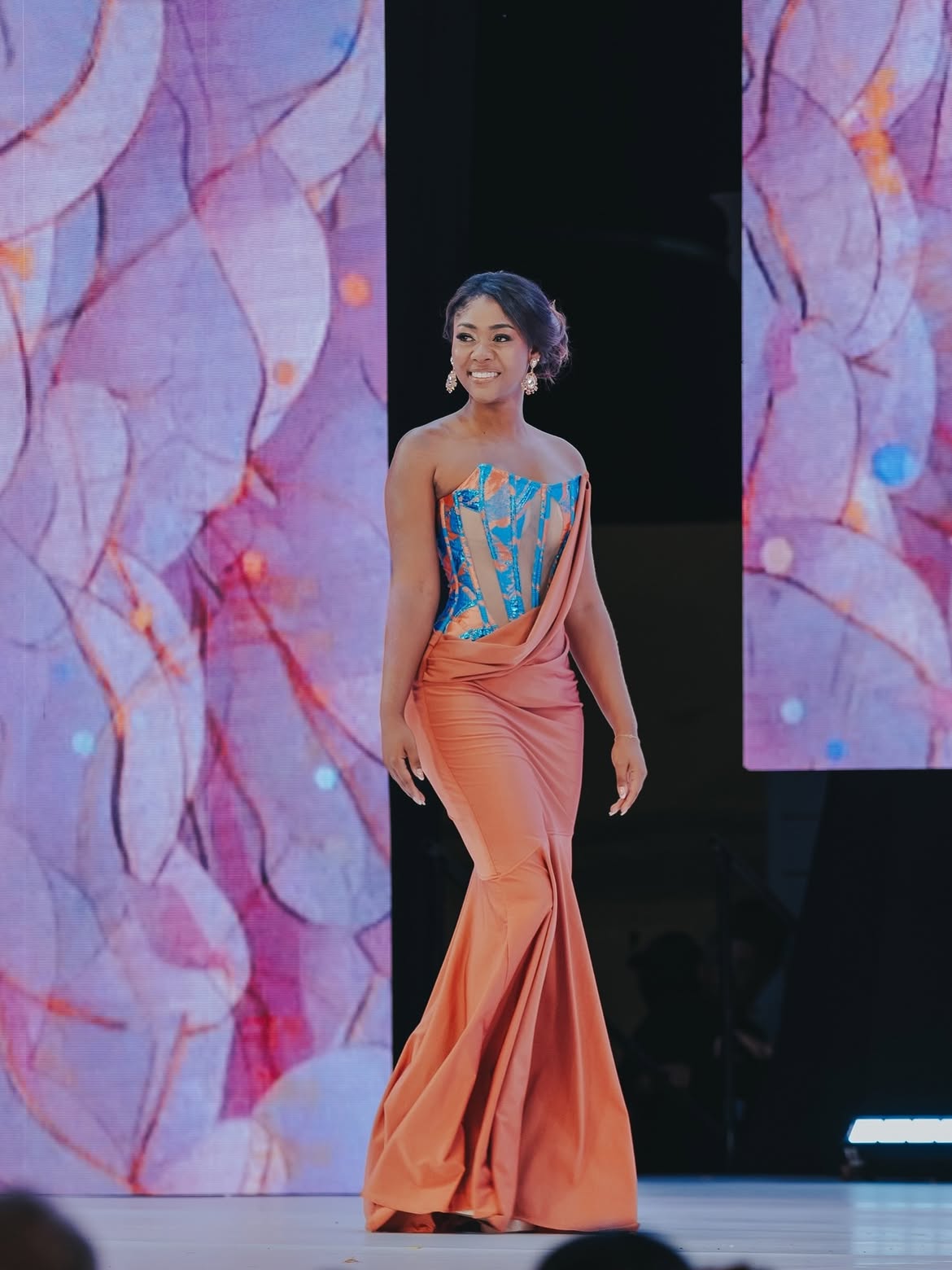
In August 2022, Francia Márquez was sworn in as Colombia’s Vice President. She wore a blue dress with circular orange motifs that fell over a white underskirt and a flowing white bolero that crossed her chest. Every detail was a decision. The white bolero represented the peace to be woven forward. The kente on the sleeves acknowledged African roots. The kitenge patterns referenced the baskets that Pacific women carry on their heads across the coast. The inauguration outfit of Colombia’s first Afro-Colombian female Vice President was not state fashion. It was a territorial document, made in a Cali apartment by a twenty-three-year-old from one of the most conflict-affected municipalities on Colombia’s Pacific coast.
That designer was Esteban Sinisterra Paz. His brand, Esteban Africa, operates from Cali with a showroom, a 59,000-strong Instagram following, and a national and international shipping operation. None of those facts explains why the brand matters. What explains it is the specificity of the argument built into every garment. Esteban Africa carries the Colombian Pacific, its people, its conflict, its textile inheritance, its forced displacements, and its systematic economic abandonment as a design language. Not as inspiration. Not as a reference. As the thing itself.
Esteban Sinisterra Paz built a brand in Cali that carries the Colombian Pacific to state occasions. His clothes dressed a Vice President’s oath. This is what that means.
From Santa Barbara Iscuande to a Vice President’s Inauguration
Sinisterra grew up in Santa Barbara Iscuande, Narino, a municipality on Colombia’s south Pacific where the available futures narrow quickly. Most young people, he has said, face one of two choices: the country’s internal armed conflict, or leaving. He was six years old when violence displaced him. He moved first to Guapi in Cauca, then to Buenaventura, one of the Pacific’s major port cities, where he found other young men sewing and realised there was no stigma attached. His aunt and grandmother taught him the craft. His father, who believed sewing was women’s work, was not convinced.
He started the brand at fifteen. T-shirts first, alterations to support his family, the visual vocabulary already forming: dense colour, pattern that acknowledged African roots, Pacific territory expressed in print. Local artists noticed. Word-of-mouth built. Francia Marquez contacted him before she announced her presidential candidacy. She had seen his work. She wanted a proposal. He presented her with a two-piece suit as a tribute to the women cantaoras, the singers of the Pacific. She wore it. She kept calling.
The relationship between Sinisterra and Marquez is not a designer-client arrangement. It is a collaboration between two people committed to the same argument about the Colombian Pacific’s right to exist, visibly, at the centre of national life. Marquez mentioned her ancestors in her oath of office. Sinisterra encodes those ancestors into the fabrics. The garments and the oath are the same statement, made in different languages.
What the Clothes Actually Say
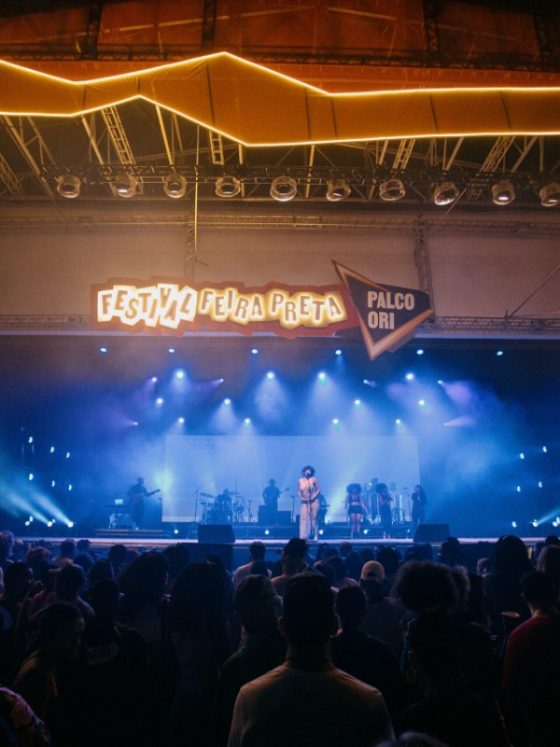
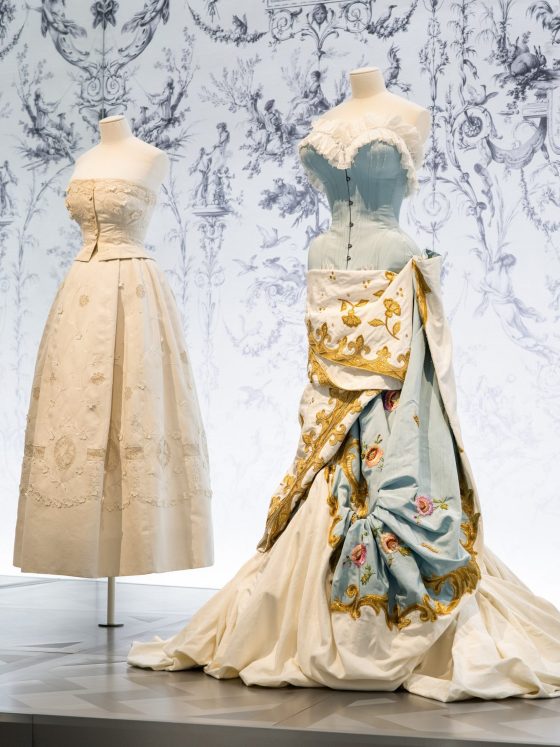
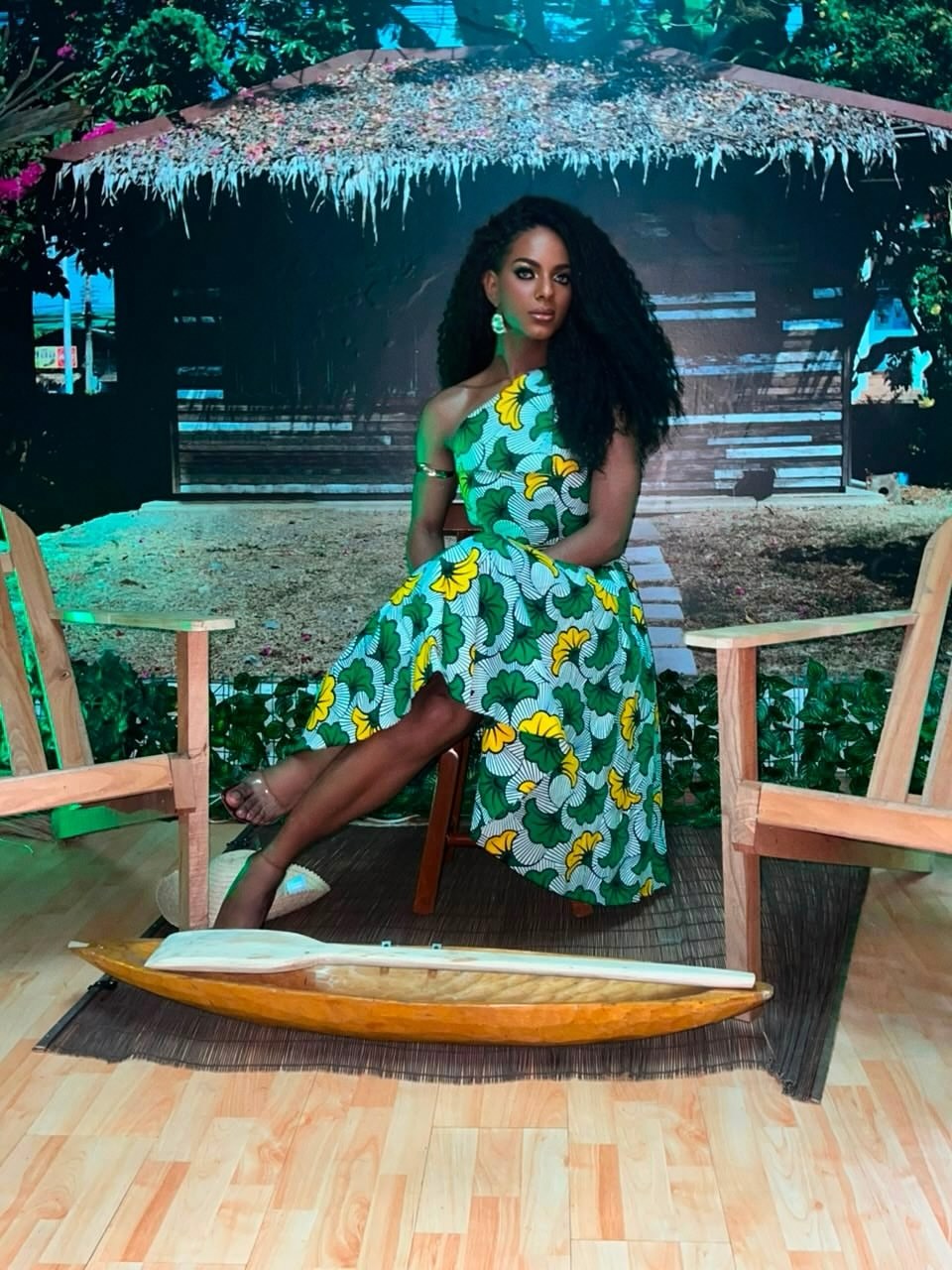
Each garment in Sinisterra’s vocabulary names something. The kente-referencing fabrics situate the brand within an African design inheritance that runs from West Africa to the Colombian Pacific, through the histories that brought Afro-descendant communities to the coast. The kitenge patterns map the Buenaventura coastline. The embroideries reproduce traditional Pacific women’s dress. The colour palettes draw from Pacific festivals, particularly the Petronio Alvarez Festival, held annually in Cali, where Esteban Africa’s stand has sold nearly empty within hours. The festival is one of the few institutional spaces in Colombia where Pacific culture is centred rather than managed, and Sinisterra’s presence there demonstrates what happens when a designer whose entire aesthetic is rooted in a specific cultural geography finds the audience to which that geography belongs.
This is not decoration. The Colombian Pacific has been subject to armed conflict, forced displacement, environmental extraction, and structural economic neglect for decades. The communities of Narino, Choco, and Buenaventura have been treated as peripheral to the national project. When Sinisterra says that his fashion is resistance, he is not using the word as Western fashion media uses it, as a vague gesture toward creative individuality. He means something precise. He means that the communities whose dress he encodes have been rendered invisible by the same state whose Vice President now wears them on her body at the inauguration. The clothes do not reference that political fact. They are that political fact, made visible in silk and embroidery.
What International Fashion Media Missed
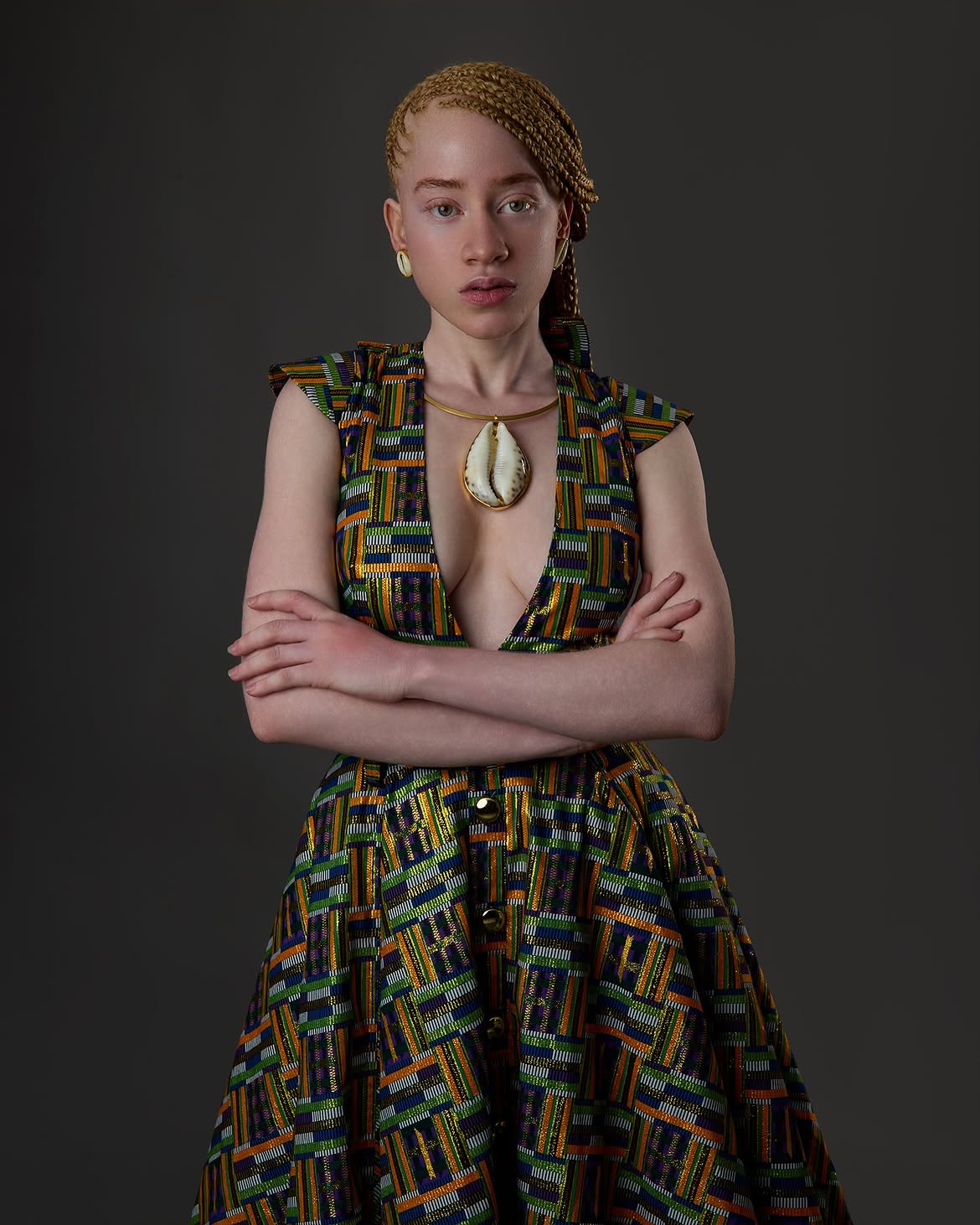
Reuters filed a piece in September 2022, after the inauguration. The coverage treated the story as human-interest: a young designer from a poor region makes a good dress for an important woman. It did not examine the design language. It did not ask what the fabrics mean, where they come from, what the Pacific textile tradition Sinisterra draws from has been through historically, or why a Vice President choosing to carry that tradition into a state occasion is an act with a specific political content. International fashion media covered the dress. It did not cover the argument the dress was making.
That is a category error. Covering the dress as a human-interest story is the same intellectual move as covering Márquez’s election as a diversity milestone. Both framings centre the international observer’s surprise rather than the subject’s authority. Sinisterra is not a poor boy who got lucky. He is a designer with a fully developed political and aesthetic position, operating from a city that the global fashion industry has chosen not to look at, making clothes for the most politically significant Afro-descendant figure in Colombian history. The clothes are not incidental to that significance. They are its medium.
The Afro-Colombian Fashion Argument, Continued
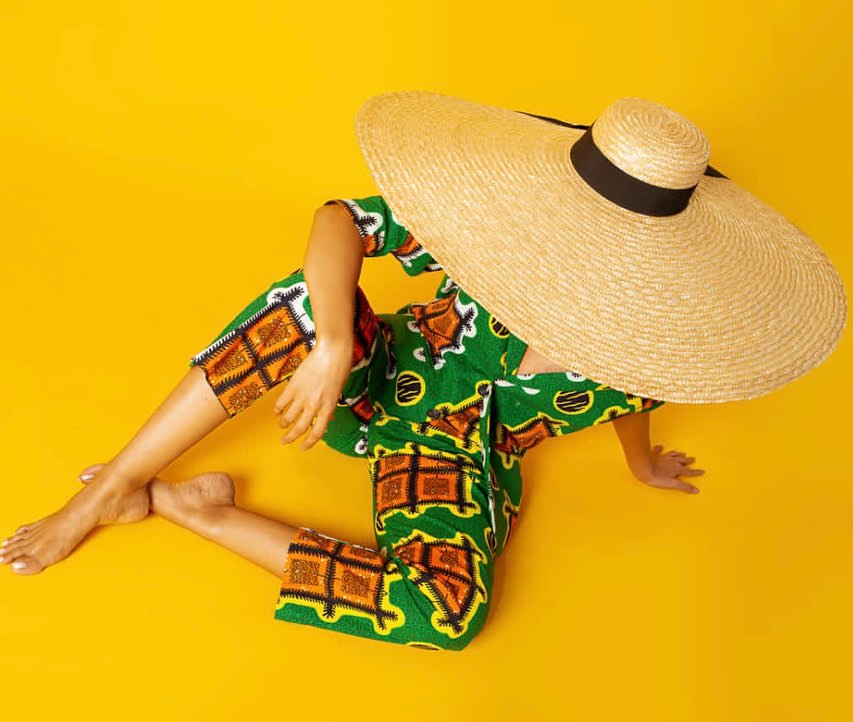
This piece is the second in a two-part reading of Afro-Colombian fashion as political and cultural practice. The first, on Lia Samantha, examined Afro-Colombian fashion as identity and Black Atlantic dialogue, the transatlantic conversation between Colombian Pacific heritage and the Nigerian and wider African design traditions that share its aesthetic inheritance. Lia Samantha’s work is built on visibility: making Afro-Colombian identity undeniable in a mainstream fashion industry that has consistently marginalised it.
Sinisterra’s work operates on the same foundation but pushes further. Where the Lia Samantha argument is about presence, asserting Afro-Colombian fashion’s right to be seen on the same stages as Nigerian print culture and wider Afrocentric fashion, the Esteban Africa argument is about territory. These clothes are not about being included in Colombian fashion. They are a claim that the Colombian Pacific’s cultural geography constitutes its own design language, its own fashion authority, and its own political speech. The brand and its patron have been making that claim together since before Márquez was elected. The inauguration dress was not a moment of arrival. It was a continuation.
Esteban Africa is still in Cali. Fashion media is still not covering it. The clothes are still carrying the Pacific.
The Omiren Argument
The global fashion industry has a consistent habit with designers from politically marginalised geographies: it covers the person, not the argument. Esteban Africa is the argument. His clothes carry a specific territorial claim: that the Colombian Pacific, its communities, its displacement history, its African-rooted textile inheritance, and its women’s dress tradition constitute a design language with the same authority as any fashion capital’s aesthetic vocabulary. That language was worn at a state inauguration. It was spoken in the oath of office. It has been sold nearly empty at the largest celebration of Pacific culture in the country. None of this is a story about a talented designer who got the right break. It is a story about fashion functioning precisely as Omiren Styles argues African and Afrocentric fashion always has: as a territorial document, political speech, and cultural memory worn on the body.
The failure of international fashion media to cover the design language rather than the human-interest narrative is not an oversight. It is the default condition: the refusal to grant non-European fashion systems the intellectual seriousness that their arguments demand. Esteban Africa has been making a serious argument in fabric for a decade. The clothes are the text. The Vice President’s inauguration was the publication event. What is left is for the editors, who should have been paying attention, to catch up on what the Colombian Pacific has already said. As Omiren Styles has argued, African and Afrocentric fashion did not arrive at the world’s attention because the world became more attentive. It arrived because the communities carrying these traditions never stopped producing them.
ALSO READ
- Lia Samantha: Afro-Colombian Fashion, Afro-Latin Identity and New Conversations with Nigerian Style
- Colombian Traditional Fashion: What the Mola, the Pollera, and Cartagena’s Dress Culture Actually Are
- The Rise of Afro-Brazilian Fashion Designers and Their African Roots
- Deborah David: The Garifuna Model Who Made Latin America Look
Frequently Asked Questions
What is Esteban Africa?
Esteban Africa is a Cali-based fashion brand founded by designer Esteban Sinisterra Paz, who grew up in Santa Barbara Iscuande, Narino, on Colombia’s Pacific coast. The brand builds its visual language from Afro-Colombian Pacific textile traditions, including kente-referencing fabrics, kitenge patterns, and Pacific women’s embroidery, positioning Colombian Pacific cultural geography as a complete design system.
Who did Esteban Africa dress for the Colombian Vice President’s inauguration?
Esteban Sinisterra Paz designed the inauguration dress worn by Francia Márquez when she was sworn in as Colombia’s Vice President in August 2022. The dress used a blue body with orange motifs, a white bolero symbolising peace, kente-referencing sleeves acknowledging African roots, and kitenge patterns referencing Pacific women’s baskets. Each detail was a deliberate design decision rather than an aesthetic choice.
Why is the Colombian Pacific significant to Esteban Africa’s design language?
Sinisterra was displaced from Santa Barbara Iscuande, Narino, by conflict at age six, moving through Guapi and Buenaventura before establishing his brand in Cali. The Colombian Pacific’s communities have faced armed conflict, forced displacement, environmental extraction, and systematic economic neglect. Sinisterra’s design vocabulary encodes that history, with colour palettes from Pacific festivals, embroideries from traditional women’s dress, and African-referencing textiles, making the clothes a territorial document rather than a cultural reference.
How does Esteban Africa relate to the wider Afro-Colombian and Afrocentric fashion conversation?
Alongside designers such as Lia Samantha and the Afro-Brazilian designers documented by Omiren Styles, Esteban Africa represents the argument that Afro-Colombian fashion is not a subcategory of Latin American fashion but a distinct tradition with African roots, Pacific coast geography, and a political dimension shaped by the experience of Afro-descendant communities in Colombia. The brand participates in the Black Atlantic creative network that connects West African textile inheritance to the Colombian Pacific, the Caribbean, and the wider diaspora.
Where can you find Esteban Africa?
The brand is based in Cali, Colombia, with a showroom there and national and international shipping. Instagram: @esteban_african_oficial.