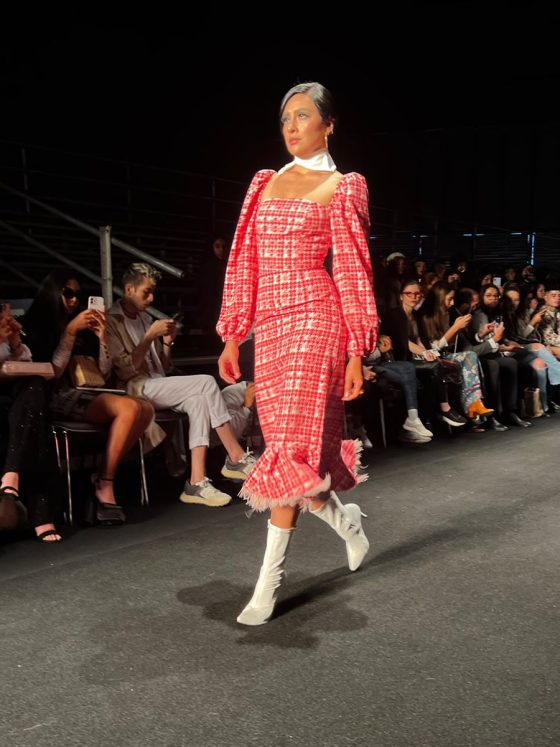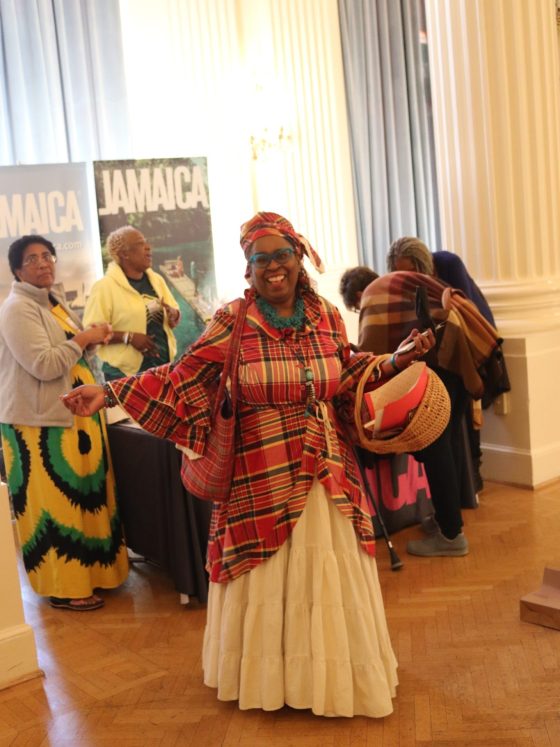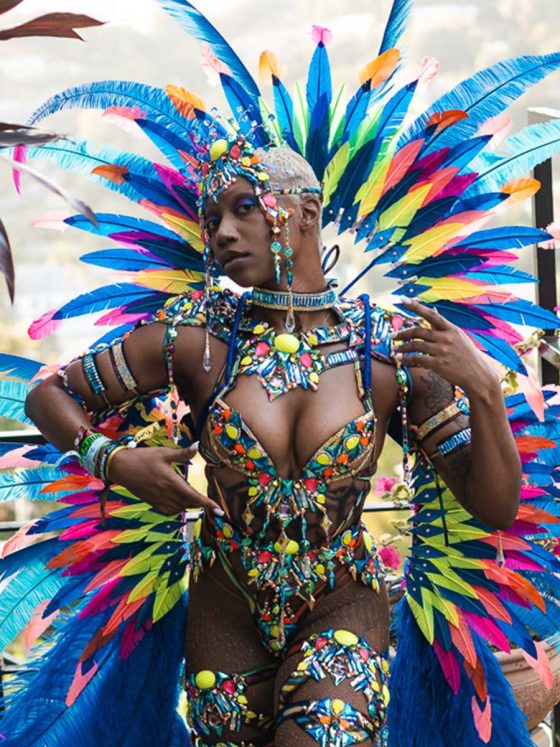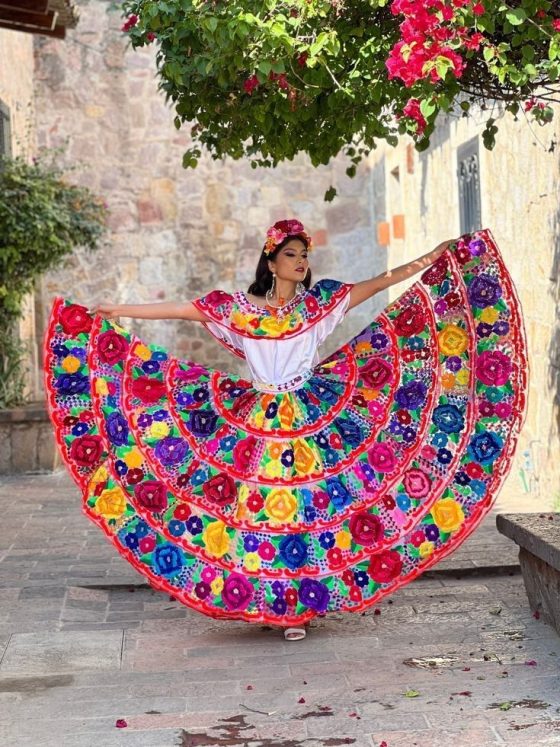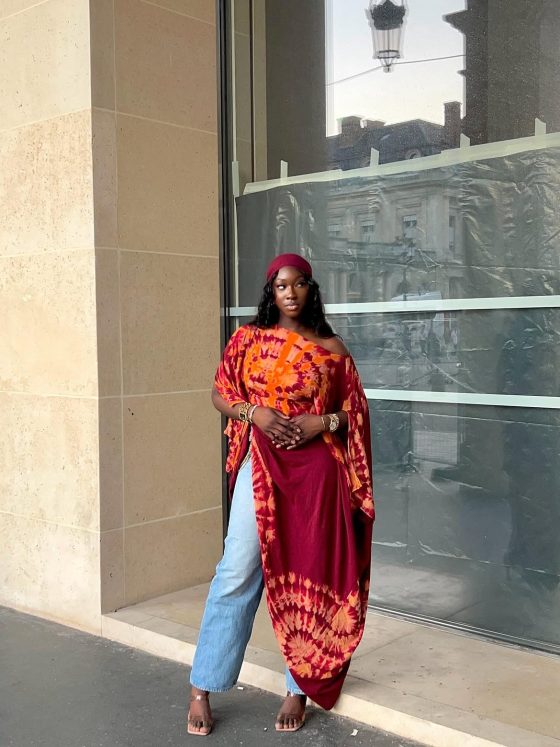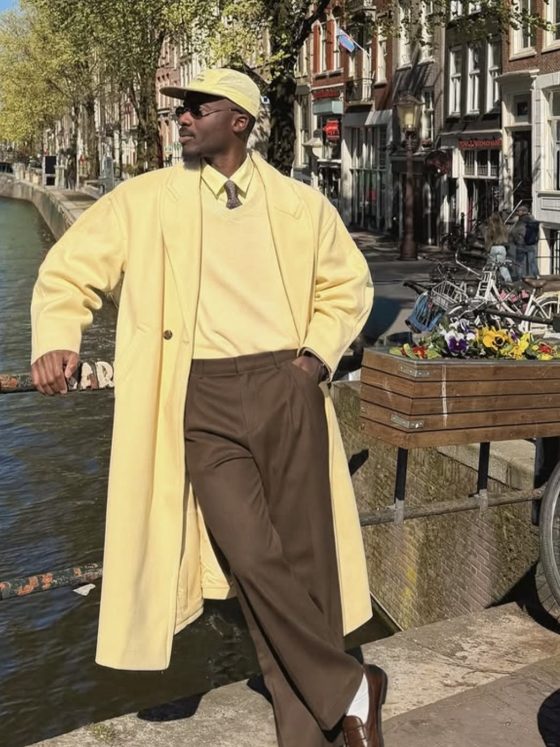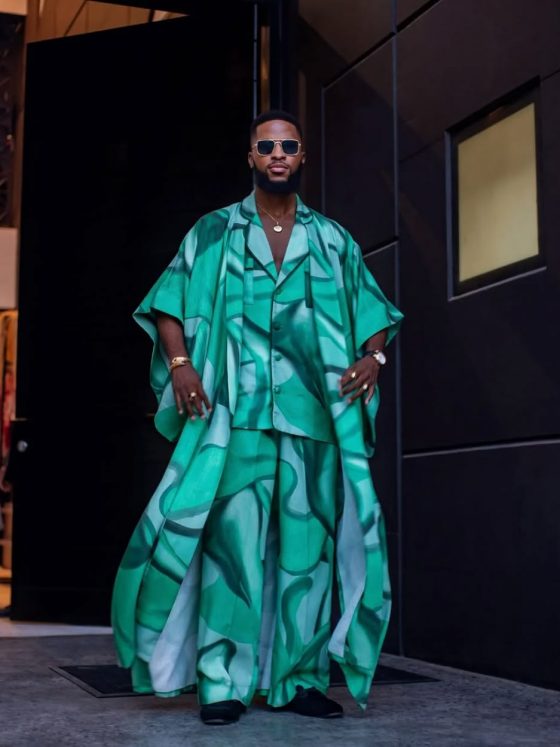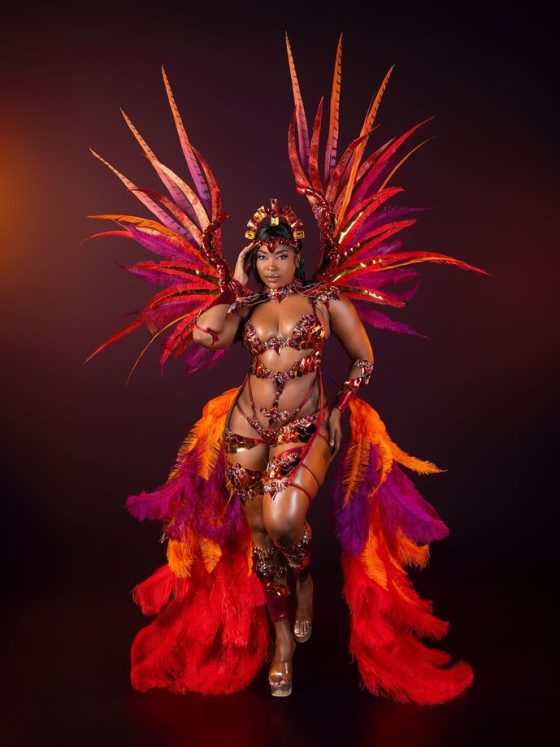
For eighteen years, one platform decided who got to call themselves a Caribbean fashion designer with an audience. Caribbean Fashionweek launched in Kingston in November 2001, built by Pulse Investments founder Kingsley Cooper, and by the time it staged its final edition in June 2019, it had hosted more than two hundred designers from over thirty countries, drawn international press from Vogue to the BBC, and given the region something it had never had before: a single annual address where buyers, editors, and Caribbean designers were guaranteed to be in the same room.
Then the room went quiet. The event paused in 2020 as the pandemic shut down live gatherings across the region, and it never resumed. Cooper, the founder who built it, died in June 2024 at seventy-one. Five years on, no successor event in the Caribbean has stepped into that exact role. What happened in the gap matters more than the history, because it answers the question every emerging Caribbean designer is actually asking: if the old door closed, who opened the next one, and where is it now?
For eighteen years, one platform decided who got to call themselves a Caribbean fashion designer with an audience. Caribbean Fashionweek launched in Kingston in November 2001, built by Pulse Investments founder Kingsley Cooper, and by the time it staged its final edition in June 2019, it had hosted more than two hundred designers from over thirty countries, drawn international press from Vogue to the BBC, and given the region something it had never had before: a single annual address where buyers, editors, and Caribbean designers were guaranteed to be in the same room.
Then the room went quiet. The event paused in 2020 as the pandemic shut down live gatherings across the region, and it never resumed. Cooper, the founder who built it, died in June 2024 at seventy-one. Five years on, no successor event in the Caribbean has stepped into that exact role. What happened in the gap matters more than the history, because it answers the question every emerging Caribbean designer is actually asking: if the old door closed, who opened the next one, and where is it now?
Caribbean Fashionweek ran for 18 years before going quiet. The Caribbean Fashion Collective just landed on the CFDA calendar instead. Here is what changed.
What Caribbean Fashion Week Actually Built
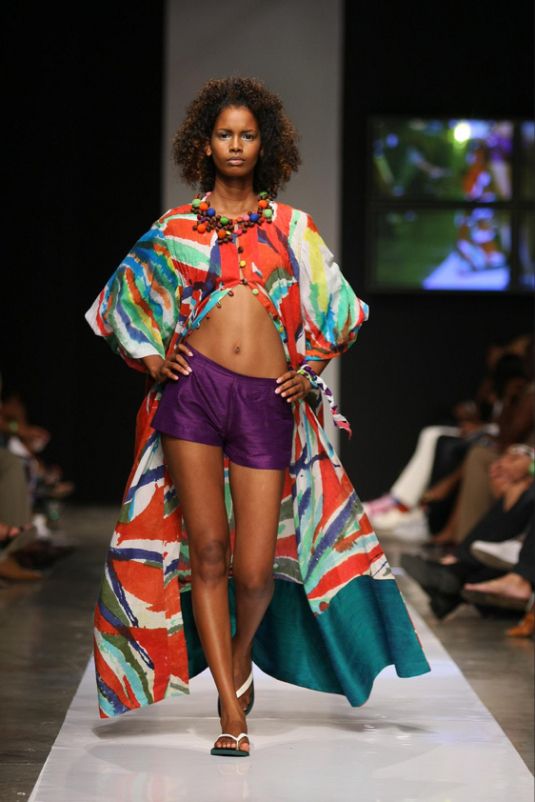
Cooper had been running Pulse since 1980, building it from a modelling agency into the first entertainment company of its kind listed on the Jamaica Stock Exchange. Caribbean Fashionweek was his most ambitious creation: a four-day event held at Kingston’s National Indoor Sports Centre that, in its debut year, drew more than fifty designers. Jamaica fielded over twenty; Trinidad and Tobago followed with ten. The event was explicitly designed as business infrastructure rather than spectacle. It ran a formal business forum, brought in international buyers, and helped establish the Caribbean Fashion Industry Association, which represents the region’s design and attracts a bloc.
The event’s growth mirrored the region’s ambitions. By 2007, an audience that had started in the hundreds had grown into the thousands. The mirroredress footprint had expanded to include the Associated Press, Marie Claire, the New York Times, Women’s Wear Daily, and British Vogue, which named it an important new development in world fashion. In 2019, the year of its final staging, Pulse extended the platform further still, bringing African designers, including Lanre Da Silva Ajayi, to Kingston as part of a formal Caribbean-Africa fashion exchange, a partnership built with Lagos-based Fashion One and Nigeria’s Zenith Bank. That cross-continental ambition is precisely what makes the platform’s subsequent silence so consequential. It was not a small regional show that quietly faded. It was the most internationally connected fashion platform the Caribbean had built, and it stopped.
Where the Door Reopened
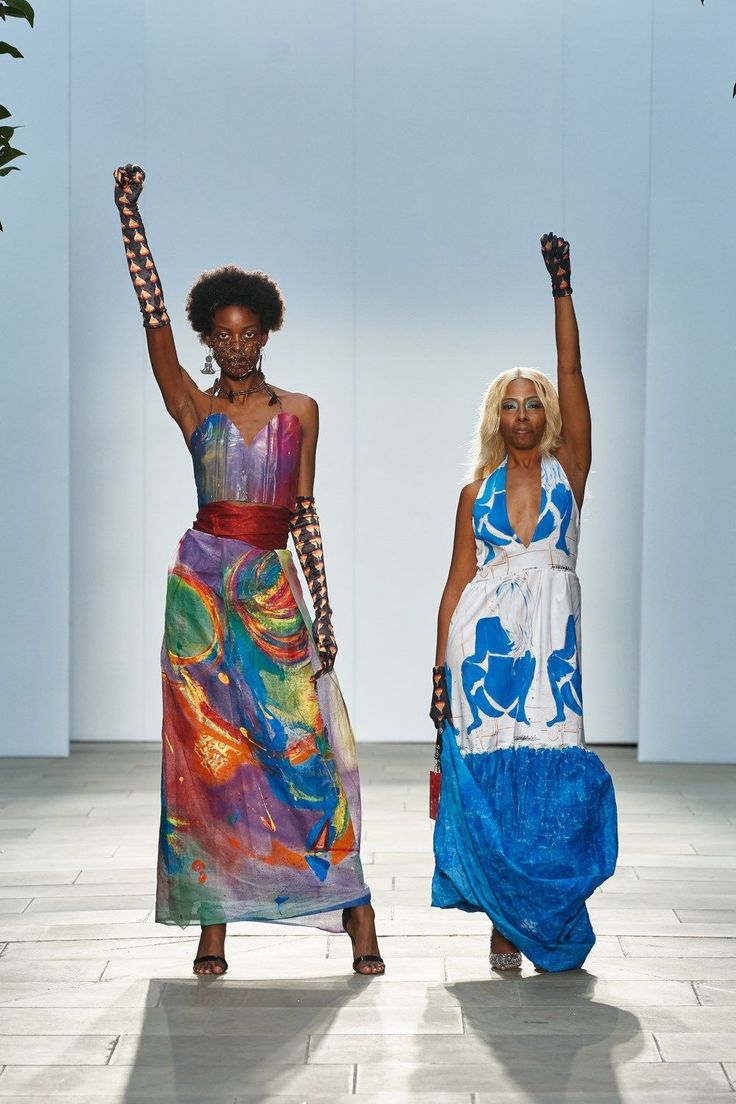
The Caribbean Fashion Collective launched in New York in September 2024, three months after Cooper’s death, though the timing is coincidental rather than a deliberate succession. Founded by Jamaican-born former model and show producer Xavier Walker, alongside co-founders Norka Vasquez and Stewella Daville, CFC took a structurally different approach to the same underlying problem: how to put Caribbean designers in front of the buyers and editors who decide global visibility. Rather than building a new Caribbean-based event and asking international buyers and the press to travel to it, as Caribbean Fashionweek had done from Kingston, CFC built its platform within New York Fashion Week, where buyers and editors were already gathered.
That approach paid off quickly. In September, CFC made its official debut on the CFDA Fashion Calendar during New York Fashion Week’s Spring/Summer 2026 season, becoming the first Caribbean-focused showcase to be formally listed alongside the established New York schedule. The Spring/Summer 2026 lineup featured six designers, including Aesthete Artwear, Kudos Designs, MAK GIOUS, Atelier Sanel, Rêve Jewellery, and Kimblyne Henry Designs, with press attention from Elle, Harper’s Bazaar, Marie Claire, and Essence. Walker described the CFDA listing as validation that Caribbean designers belong in that room, not as guests invited in for one season but as a recognised part of the calendar going forward. CFC has already confirmed a second NYFW showcase for September 2026, suggesting the platform intends to make the calendar listing a permanent fixture rather than a one-time milestone.
ALSO READ
- Trinidadian Carnival Masquerade Is a Fashion System; It Is Time the World Called It That
- Crop Over Fashion: Barbados Built Its Own Aesthetic System, and It Has Nothing to Do With Trinidad
What Each Model Actually Offers a Designer
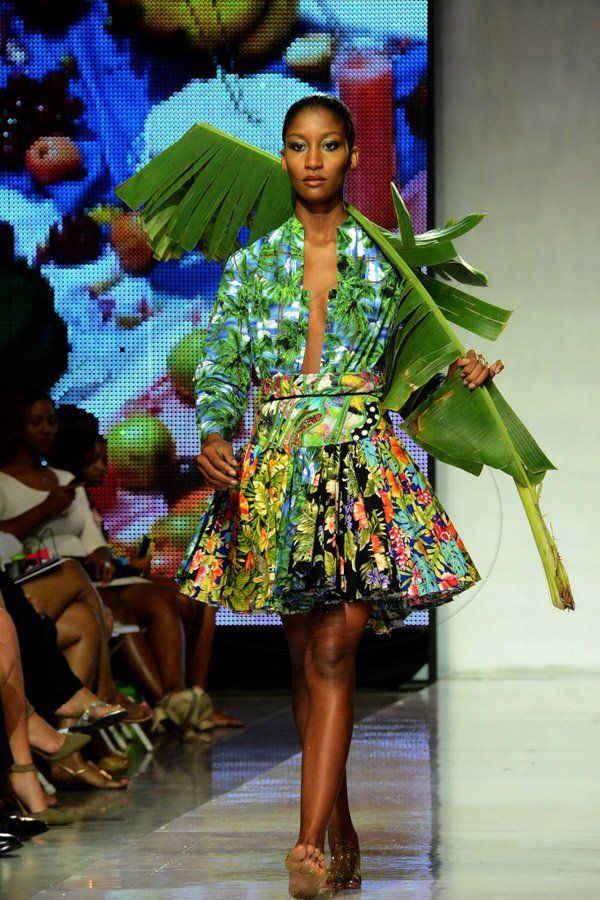
These two organising models are not simply old and new versions of the same thing. They solve different problems. Caribbean Fashionweek’s strength was regional density. As Omiren Styles has documented in Trinidadian Carnival Masquerade Is a Fashion System, the Caribbean already runs production systems, including mas bands that function as informal fashion houses, rivalling anything staged on a conventional runway. Caribbean Fashionweek’s contribution was building a single address where those systems could be seen alongside one another and alongside the formal designer collections of Jamaica, Trinidad, and beyond, all gathered specifically because they were Caribbean. The Caribbean Fashion Collective solves a different problem entirely: not regional visibility, but direct access to the institutional infrastructure, the CFDA calendar, the New York press corps, and the American buyer network, which has historically decided which designers reach a global audience at all.
Neither model has fully replaced the other, and the gap itself is the opportunity signal. A designer in Bridgetown or Port of Spain currently has a clear, working route into the New York fashion calendar through CFC, a route that did not exist five years ago. What that designer does not currently have is a comparable, large-scale, business-oriented event staged inside the Caribbean itself, on the scale Cooper built. Fashion Week Trinidad and Tobago, organised through the Fashion Association of Trinidad and Tobago since 2007, continues to operate on a smaller, national scale, tracing its own roots back to Rosemary Stone’s 1990 Colour Me Caribbean show, but no current platform has replicated Caribbean Fashionweek’s specific function as a region-wide, internationally covered, buyer-facing event hosted on Caribbean soil.
THE OMIREN ARGUMENT
The assumption built into most coverage of Caribbean fashion infrastructure is that opportunity flows from a single, permanent address. Either the region has its Fashion Week, or it does not. Caribbean Fashionweek’s eighteen-year run and subsequent silence prove that assumption wrong twice over. It proves a platform can be genuinely significant, internationally covered, and businesslike, and still not be permanent. And it proves that when one address goes quiet, designers do not wait; they find or build the next one, even if that one is in a different country, run by a different generation, and organised around a fundamentally different theory of access.
What the Caribbean Fashion Collective represents is not a replacement for Caribbean Fashion Week. It is evidence that the region’s fashion ambition does not require a single institutional home to survive. CooperFashionWeek door in Kingston, because in 2001, that was where a Caribbean designer’s access to the world had to be built from scratch. In 2024, Walker built a different door in New York because that was where institutional access already existed, waiting only for someone to insist that Caribbean designers belonged inside it. Both decisions were correct for their moment. The opportunity signal for any Caribbean designer reading this now is that the next door has already opened, and it is not the same door that closed.
FREQUENTLY ASKED QUESTIONS
What happened to Caribbean Fashionweek?
Caribbean Fashionweek, founded in Kingston in 2001 by Pulse Investments chairman Kingsley Cooper, staged its final edition in June 2019, paused in 2020 due to the pandemic, and has not resumed since, with Cooper, its founder, dying in June 2024 without the event having returned, a status that remains unchanged as of 2026.
What is the Caribbean Fashion Collective, and who founded it?
The Caribbean Fashion Collective is a New York-based platform founded in September 2024 by Jamaican-born producer Xavier Walker, alongside co-founders Norka Vasquez and Stewella Daville, created to give Caribbean designers direct access to New York Fashion Week and its institutional infrastructure.
Has the Caribbean Fashion Collective been officially recognised by the fashion industry?
Yes. In September 2025, the Caribbean Fashion Collective made its official debut on the CFDA Fashion Calendar during New York Fashion Week’s Spring/Summer 2026 season, becoming the first Caribbean-focused showcase formally listed on that calendar, a recognition that places Caribbean designers within the same institutional schedule as established New York brands, and has already confirmed a second showcase for September 2026.
Is there still a major Caribbean fashion event held within the Caribbean itself?
Fashion Week Trinidad and Tobago, organised by the Fashion Association of Trinidad and Tobago since 2007, continues to be held nationwide. Still, no current platform has replicated Caribbean Fashionweek’s specific role as a region-wide, internationally covered buy. Still, no event has been hosted on Caribbean soil.
Why does it matter who organises Caribbean fashion’s biggest stage?
The organiser determines which designers gain international visibility and which buyers and press attend, so a shift from a Caribbean-based platform to a New York-based one changes not just the location but the type of access available, moving from regional density toward direct entry into existing American fashion industry infrastructure.
Omiren Styles documents the Caribbean as a fashion authority rather than a fashion reference. Read the full Caribbean fashion cluster in our Diaspora Voices series on Omiren Styles.