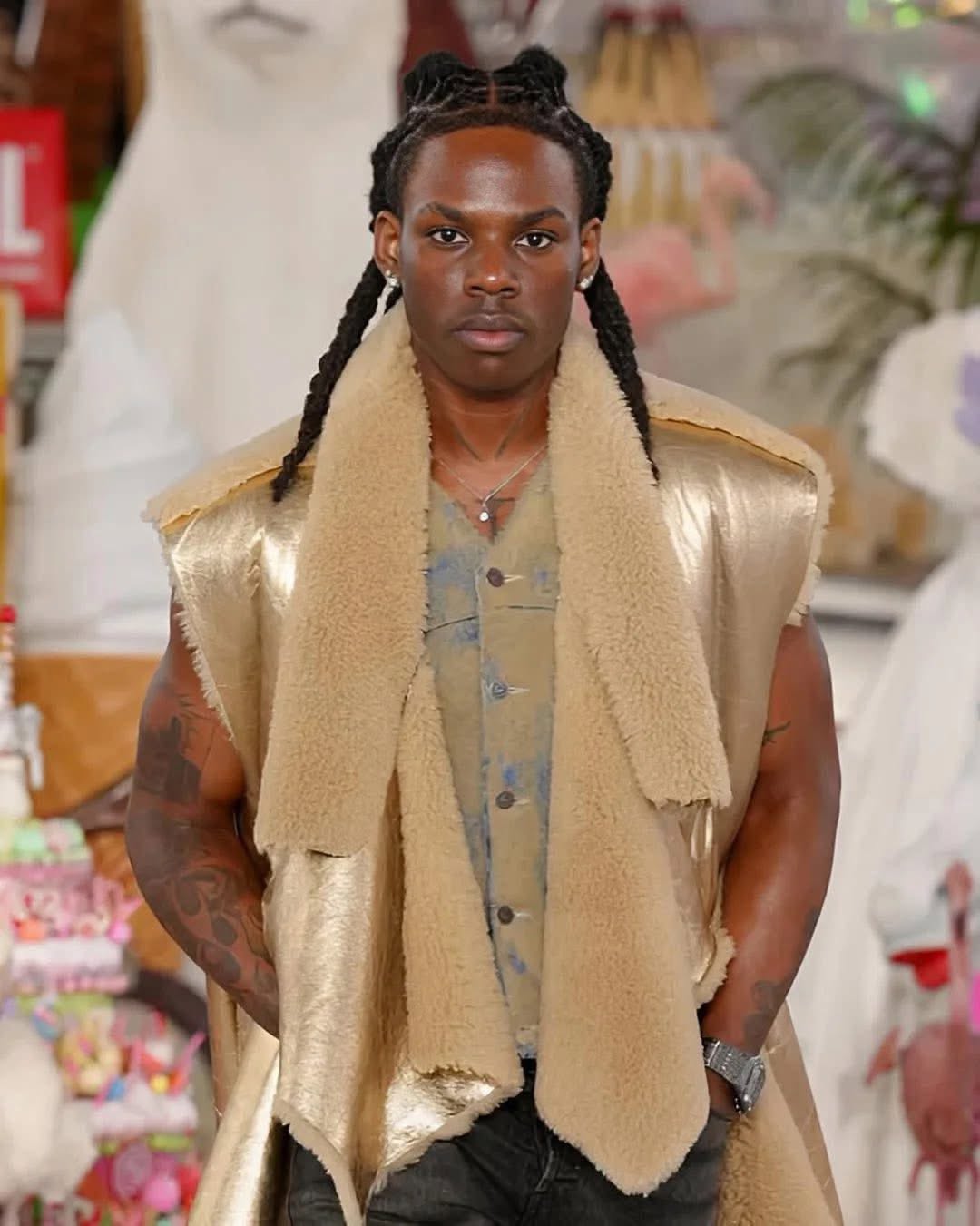
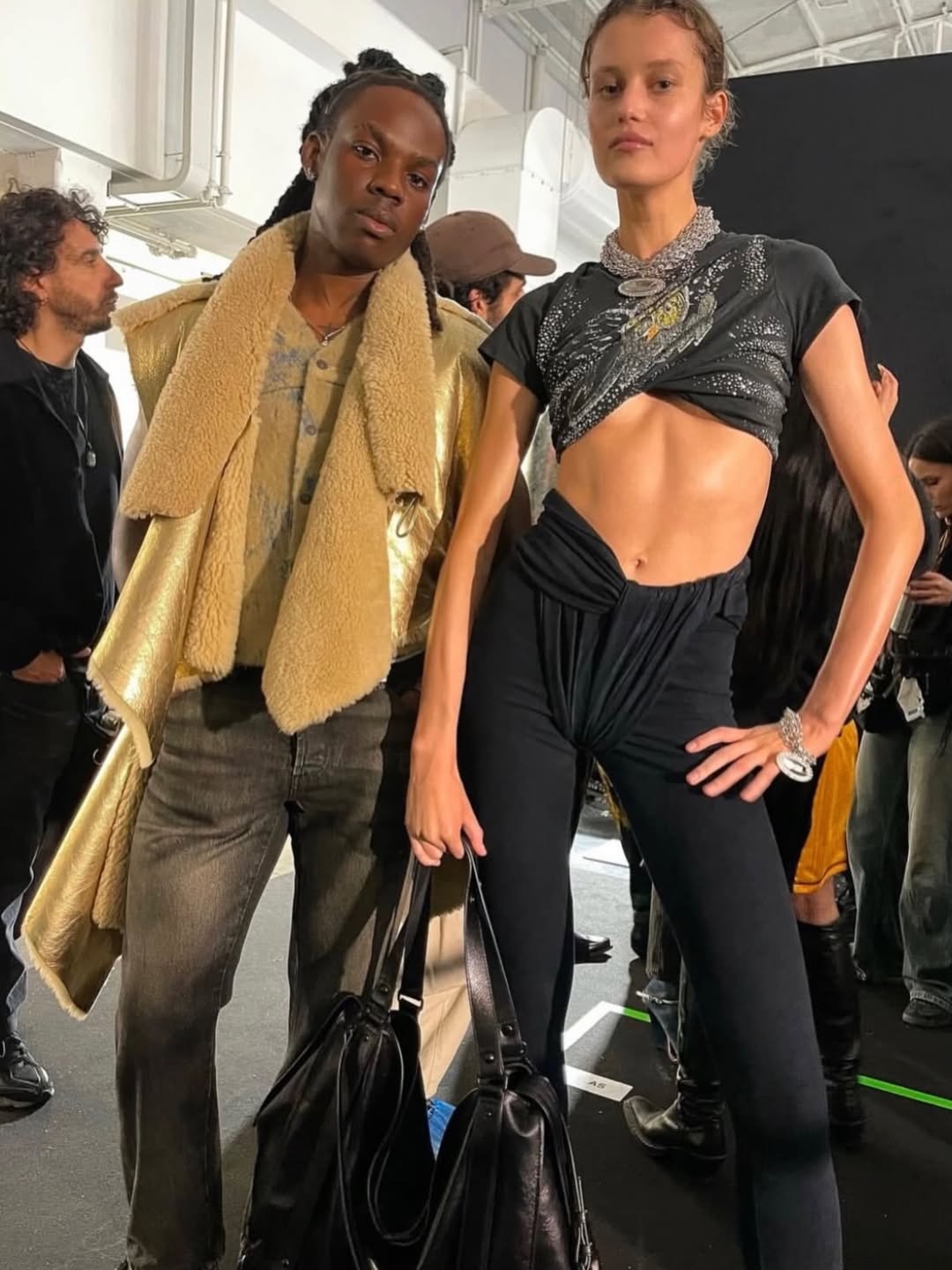
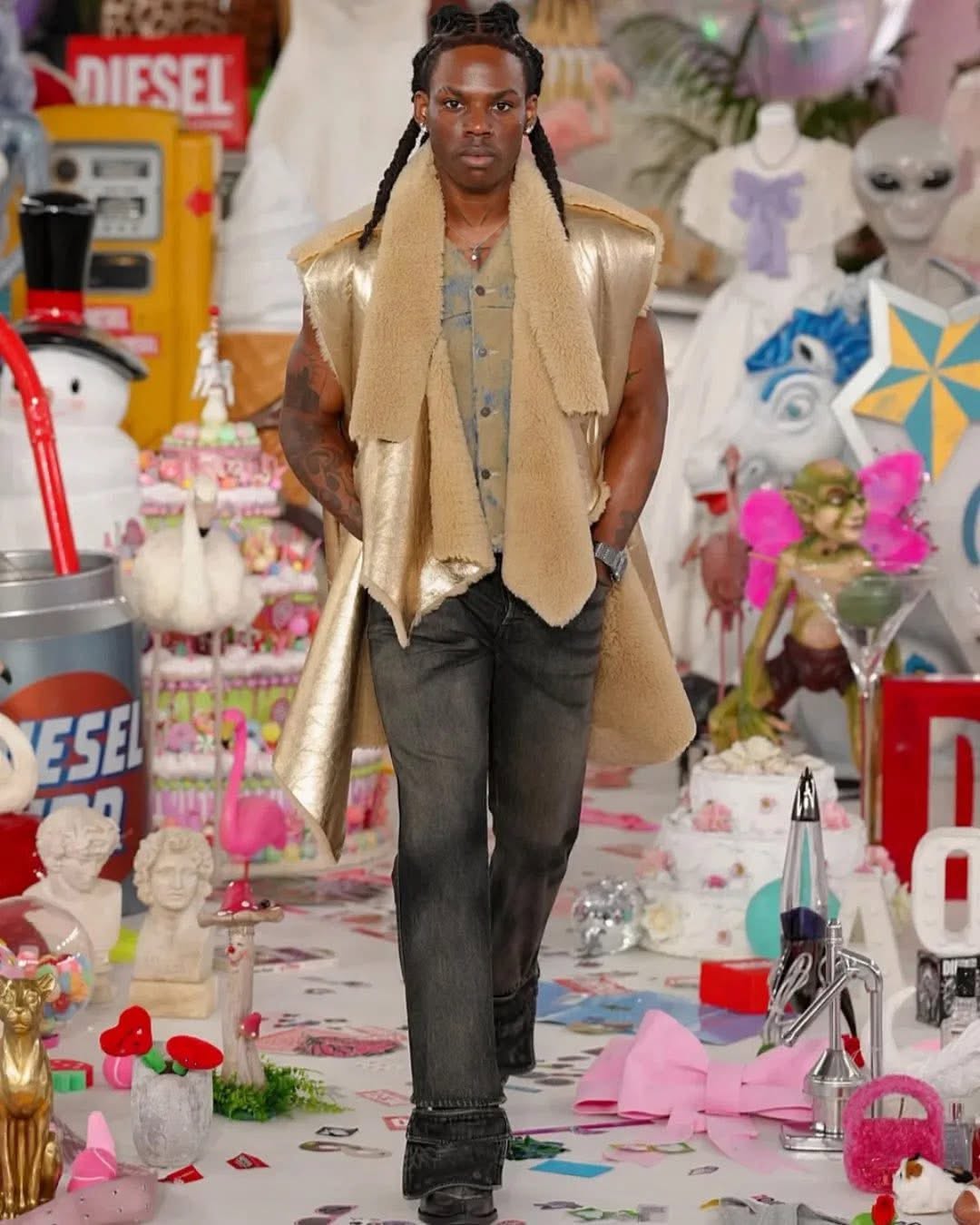
On 25 February 2026, Nigerian artist Rema walked the Diesel AW26 runway in Milan. Under Glenn Martens’ creative direction, the show featured 50,000 archival objects spread across a warehouse, crystal-covered denim, and an atmosphere the press described as chaotic and intentional. Rema did not just attend as a front-row guest. He walked alongside professional models in one of the most discussed shows of Milan Fashion Week. The coverage from the African press was immediate and celebratory. BellaNaija Style called it the Milan Fashion Week moment we love to see. Pulse Nigeria described him as stunning audiences. Industry insiders, as quoted by Zed Multimedia, suggested that his involvement spotlights African artistry on an international stage. None of that is wrong. It is just incomplete.
All of that is true, and none of it is analysis. A runway appearance is, at minimum, a commercial transaction with two parties: Diesel and Rema. The transaction delivered measurable benefits to both. Diesel acquired cultural proximity to the most globally resonant music scene of the moment and signalled relevance to African and global youth audiences who follow Afrobeats artists. Rema acquired a prestigious runway credit, global fashion press coverage, and the kind of brand positioning that compounds with the other partnerships his team has been building, including Pepsi, Puma, and Tommy Hilfiger. The transaction was mutually beneficial, professionally managed, and entirely rational for both parties.
The question the African fashion press did not ask is the only one that matters commercially: what did the Diesel x Rema partnership deliver for African fashion? Not for Rema’s personal brand, which is a separate business with its own team and its own strategy. For African fashion: the designers, the manufacturers, the infrastructure, the creative economy that the cultural moment is supposed to be building toward.
Rema walked the Diesel AW26 runway in Milan. The African press called it an arrival. It was a commercial transaction. Here is the analysis of the coverage missed.
Omiren Argument:
A European brand using an African artist for cultural relevance is not the same as African fashion gaining commercial power. The distinction is precise, and the African fashion press keeps failing to make it. Rema walking for Diesel is evidence of Afrobeats’ cultural influence. It is not evidence of African fashion’s commercial progress. Those are different things, and conflating them is how the industry mistakes a headline for a milestone.
What Diesel Got From This Partnership
Diesel’s commercial logic is transparent and well-executed. The brand, under Glenn Martens, has spent five years repositioning itself from a mid-market denim label associated with the early 2000s into a more avant-garde fashion house with genuine cultural credibility. That repositioning requires continuous investment in the cultural signals that communicate youth relevance: show aesthetics, casting, campaign partners, and the celebrity adjacencies that tell a global Gen Z audience that Diesel is where the cultural conversation is happening.
Afrobeats provides exactly what Diesel needs. The genre generates more streams per release than almost any other music movement currently operating. Its artists have built global audiences that are young, culturally invested, and increasingly wealthy. Rema’s Calm Down became the first African song to surpass one billion Spotify streams. His brand partnerships, estimated at $2.4 million annually by industry analysts, include Pepsi, Puma, and Tommy Hilfiger. He is not a niche figure being introduced to a global audience. He is a proven commercial entity whose presence signals to Diesel’s core demographic that the brand is paying attention to the right things.
In industry terms, Diesel did not discover Rema. Diesel hired his cultural authority in the same way it might hire any other asset that communicates a specific kind of relevance. The transaction is legitimate. The beneficiary is Diesel’s brand positioning in the African and global youth market. That is the commercial reality of what happened in Milan.
What Rema Got From This Partnership
Rema’s benefit is also clear. A runway appearance at Milan Fashion Week is a brand positioning move that goes beyond any single payment. It places an artist in the same cultural context as the fashion houses that define global style. It generates press coverage across fashion and music media simultaneously. It signals to the next luxury partner in the negotiation that Rema is not a music star being introduced to fashion, but a figure already operating at the level where Diesel, Louis Vuitton, Dior, and Jacquemus make their talent decisions.
Rema has been building systematically toward this kind of positioning. His Louis Vuitton front-row placement under Pharrell Williams, his existing Puma and Tommy Hilfiger relationships, and now the Diesel runway appearance form a coherent sequence, a portfolio of placements rather than isolated wins. Each placement builds the case for the next. The Diesel runway is not a random celebrity casting. It is a calculated move in a long-term personal brand strategy that Rema’s team is executing with considerable sophistication.
The African press coverage treated the Diesel appearance as evidence of African music’s global arrival. That framing serves Rema’s interests precisely. It turns a commercial brand transaction into a cultural statement, amplifying the value of the placement for everyone involved. It is also incomplete as a description of what actually happened.
What African Fashion Got From This Partnership
The honest answer is: nothing structural yet. The Diesel x Rema partnership generated no contracts for Nigerian designers. It created no wholesale relationships for African fashion brands. It invested no capital in African textile manufacturing, design schools, or the retail infrastructure that connects African designers to global consumers. It did not commission African designers to dress Rema for the show. It did not use the moment to foreground African fashion alongside Afrobeats culture.
This is not a criticism of Rema. Managing his personal brand and investing in African fashion infrastructure are two different things, and it is not Rema’s responsibility to do the latter. It is also not a criticism of Diesel specifically. European brands using African cultural capital for brand relevance is a rational commercial behaviour, not a moral failing. The criticism is of the framing that treats this transaction as African fashion’s gain when the gain accrued to Diesel and to Rema, both of whom benefited from the arrangement on terms they negotiated for themselves.
The cultural capital is African. The commercial infrastructure that monetises it is not. Rema walking for Diesel added to Diesel’s brand equity and Rema’s personal brand portfolio. The African fashion industry’s balance sheet was unchanged. The African press called it a milestone. It was a transaction.
ALSO READ
- The Red Carpet Is Not a Brand Strategy. African Designers Need to Stop Treating It Like One.
- Why No Serious Investor Has an African Fashion Portfolio: The Cost of Institutional Blindness
- African Consumers Are Locked Out of the Brands They Are Making Famous
- Thebe Magugu Has a Brand Strategy. Most African Designers Do Not. Here Is the Difference.
The Pattern Is Wider Than One Partnership
The Diesel x Rema partnership is one instance of a pattern operating across every major European luxury house. Burna Boy and Tems fronted a Burberry holiday campaign. Asake attended the Jacquemus Spring/Summer 2026 show during Paris Fashion Week. Wizkid was spotted in Dior Men’s AW26. Rema and Tems have both been positioned in the front row at Louis Vuitton under Pharrell Williams. 54 Magazine reported in its luxury fashion analysis that brands such as Burberry, Balmain, and Dior are tapping the biggest African stars to expand their reach and position themselves as culturally relevant to youthful global audiences.
The commercial benefit to these houses is measurable and documented. Brand relevance with a global youth audience. Credibility in rapidly growing African luxury markets, where the number of African dollar millionaires is projected to reach 195,000 by 2031, a 42% increase over the current decade. Press coverage that crosses music and fashion audiences simultaneously. The African artists bring authentic cultural authority that money cannot buy directly. The houses provide global platforms, production budgets, and brand positioning that accelerate the artists’ commercial trajectories.
The benefit to African fashion infrastructure from all these partnerships combined is effectively zero. No European luxury house that has dressed, photographed, or featured an Afrobeats artist as part of a brand campaign has made a corresponding investment in African design schools, textile manufacturing, wholesale infrastructure, or the access barriers that prevent African consumers from buying from African designers. The cultural exchange flows in one direction. The commercial investment does not flow back.
What a Partnership That Actually Benefits African Fashion Would Look Like
The framing that every Afrobeats x European luxury partnership is either a cultural exchange or a cultural extraction is overly binary. There is a range of possible arrangements, and some of the more sophisticated ones are beginning to emerge. The question is whether African fashion institutions, artist management teams, brand advisers, and the press are making enough of them to shift the pattern.
A partnership that genuinely benefits African fashion does some or all of the following. It uses African designers to dress the artist for the collaboration, generating wholesale visibility for those designers. It includes a manufacturing or supply chain investment in African textile production, even at a modest scale, as part of the deal structure. It creates a platform for African designers within the European house’s communications rather than simply borrowing African cultural authority for the house’s own messaging. It builds a relationship that compounds: a Diesel x Rema partnership that leads to a Diesel x Nigerian designers commission, or a Diesel manufacturing investment in Lagos, would be a different kind of transaction than a runway appearance.
None of this is utopian. It requires African fashion institutions, artist management teams, and the African press to hold these partnerships to a higher standard of accountability. It also requires African artists and their teams to understand that their cultural leverage can be deployed not just in service of personal brand strategy but in service of the industry that produced them. The African Fashion Foundation, the Fashion Law Africa Summit, and the few institutions thinking seriously about these questions are doing important work. Whether that work translates into actual partnerships is a separate question, and one Omiren will return to. For the full context on why European luxury houses have not made structural investments in African design infrastructure despite their deep engagement with African cultural capital, see Why No Serious Investor Has an African Fashion Portfolio.
There is also an uncomfortable question this piece has not fully explored: whether some African fashion advocates are accepting the visibility of Afrobeats x European luxury partnerships as a substitute for the structural investment that would actually change the industry’s commercial architecture. That is a question about complicity, and it deserves its own analysis. Omiren will return to it directly.
FREQUENTLY ASKED QUESTIONS
What did Rema’s Diesel AW26 runway appearance involve?
On 25 February 2026, Nigerian artist Rema walked the Diesel AW26 runway at Milan Fashion Week, under creative director Glenn Martens. He did not attend as a celebrity guest but walked alongside professional models in a show that featured 50,000 archival objects from Diesel’s history and received significant international press coverage. The show continued Diesel’s five-year repositioning from a mid-market denim label into a more avant-garde fashion house with cultural credibility among youth.
What did Diesel gain from the Rema partnership?
Diesel acquired cultural proximity to the most globally resonant music movement currently operating, and signalled relevance with African and global Gen Z audiences. Rema’s Calm Down was the first African song to surpass one billion Spotify streams, making him a proven commercial entity whose presence communicates to Diesel’s core demographic that the brand is paying attention to the right cultural signals. The partnership is a brand positioning investment, not a charitable cultural exchange.
What did the Diesel x Rema partnership deliver for African fashion broadly?
Nothing structural yet. The partnership generated no contracts for Nigerian designers, no wholesale relationships for African fashion brands, no investment in African textile manufacturing or design infrastructure, and no commission for African designers to dress Rema for the show. The commercial benefit accrued to Diesel’s brand positioning and Rema’s personal brand portfolio. The African fashion industry’s commercial architecture was unchanged by the partnership.
Is the Diesel x Rema pattern unique or part of a wider trend?
It is part of a well-established pattern. Burna Boy and Tems fronted a Burberry holiday campaign. Asake attended the Jacquemus Paris Fashion Week show. Wizkid appeared in Dior Men’s AW26. Rema and Tems have been positioned in front rows at Louis Vuitton under Pharrell Williams. Across all of these partnerships, the commercial benefit to European luxury houses, in brand relevance and youth audience credibility, is measurable. The benefit to African fashion infrastructure, across all of them combined, is effectively zero.
What would a partnership that genuinely benefits African fashion look like?
One that uses African designers to dress the artist, includes a manufacturing or supply chain investment in African textile production, creates a platform for African designers within the European house’s communications, and builds relationships that compound over time. A Diesel x Rema partnership that led to a Diesel commission for Nigerian designers, or a manufacturing investment in Lagos, would be a structurally different transaction than a runway appearance. None of this is impossible. It requires African fashion institutions, artist management teams, and the press to hold these partnerships to a higher standard of accountability.
Why does the African fashion press celebrate these partnerships without analysing them?
The same reason it covers red-carpet placements as arrivals rather than asking what the brand builds from them: the framing serves the narrative of African fashion’s global ascendancy, which the press is invested in. A Rema runway appearance generates positive coverage, social engagement, and the sense that African culture is being recognised at the highest level. Analysing it as a commercial transaction with unequal structural benefits requires a willingness to complicate a story the press would rather tell as a triumph. Omiren will return to this question in a dedicated analysis.
Omiren Styles covers the business of African fashion with precision and without apology. Subscribe for weekly retail intelligence, brand strategy analysis, and the industry reporting the African fashion press is not doing. African fashion and culture are not emerging. They are foundational.