Menu
  • CULTURE
    • Style & Identity
    • Ceremony & Ritual
    • Art & Music
    • Cultural Inspirations
    • Black Culture
    • Heritage Stories
  • DIASPORA
    • Diaspora Voices
    • Diaspora Connects
    • UK Scene
    • US Scene
    • Caribbean Diaspora
    • Afro-Latino Identity
    • Migration & Identity
  • FASHION
    • Trends
    • Street Style
    • Runway
    • Sustainable Fashion
    • Tailoring
    • Luxury Fashion
    • Designers & Brands
  • BEAUTY
    • Skincare
    • Makeup
    • Hair & Hairstyle
    • Fragrance
    • Beauty Traditions
    • Natural Beauty
  • Style
    • Women’s Style
    • Evening Glam
    • Workwear & Professional
    • Streetwear for Women
    • Accessories & Bags
    • Bridal
    • Men’s Style
    • Grooming Traditions
    • Traditional & Heritage
    • The Modern African Man
    • Menswear Designers
  • INDUSTRY
    • Editorial Intelligence
    • Market Trends
    • Brand Strategy
    • Retail & Commerce
    • Partnerships
    • Reports
    • Omiren Style Index
    • Insights
  • NEWS
    • Cover Stories
    • Fashion Weeks
    • Opinion & Commentary
    • Style Icons
    • Rising Stars
Omiren Magazine Partner With Us Advertise Style Index
Subscribe
OMIREN STYLES OMIREN STYLES

Fashion · Culture · Identity

OMIREN STYLES OMIREN STYLES OMIREN STYLES OMIREN STYLES
  • CULTURE
    • Style & Identity
    • Ceremony & Ritual
    • Art & Music
    • Cultural Inspirations
    • Black Culture
    • Heritage Stories
  • DIASPORA
    • Diaspora Voices
    • Diaspora Connects
    • UK Scene
    • US Scene
    • Caribbean Diaspora
    • Afro-Latino Identity
    • Migration & Identity
  • FASHION
    • Trends
    • Street Style
    • Runway
    • Sustainable Fashion
    • Tailoring
    • Luxury Fashion
    • Designers & Brands
  • BEAUTY
    • Skincare
    • Makeup
    • Hair & Hairstyle
    • Fragrance
    • Beauty Traditions
    • Natural Beauty
  • Style
    • Women’s Style
    • Evening Glam
    • Workwear & Professional
    • Streetwear for Women
    • Accessories & Bags
    • Bridal
    • Men’s Style
    • Grooming Traditions
    • Traditional & Heritage
    • The Modern African Man
    • Menswear Designers
  • INDUSTRY
    • Editorial Intelligence
    • Market Trends
    • Brand Strategy
    • Retail & Commerce
    • Partnerships
    • Reports
    • Omiren Style Index
    • Insights
  • NEWS
    • Cover Stories
    • Fashion Weeks
    • Opinion & Commentary
    • Style Icons
    • Rising Stars
  • Style & Identity

Linen, Cotton, or Brocade? How Do You Choose the Right Fabric for Different Occasions?

  • Fathia Olasupo
  • June 11, 2026
Linen, Cotton, or Brocade? How Do You Choose the Right Fabric for Different Occasions?
Total
0
Shares
0
0
0

Most men spend far more time thinking about colour than fabric.

They debate whether the Navy is better than black. They compare patterns. They focus on shoes, watches, and accessories. Yet the single decision that often determines whether an outfit succeeds or fails is made much earlier.

The fabric.

A well-tailored garment made from the wrong fabric can feel uncomfortable, look out of place, and undermine the purpose of the occasion. A simpler garment made from the right fabric often achieves the opposite.

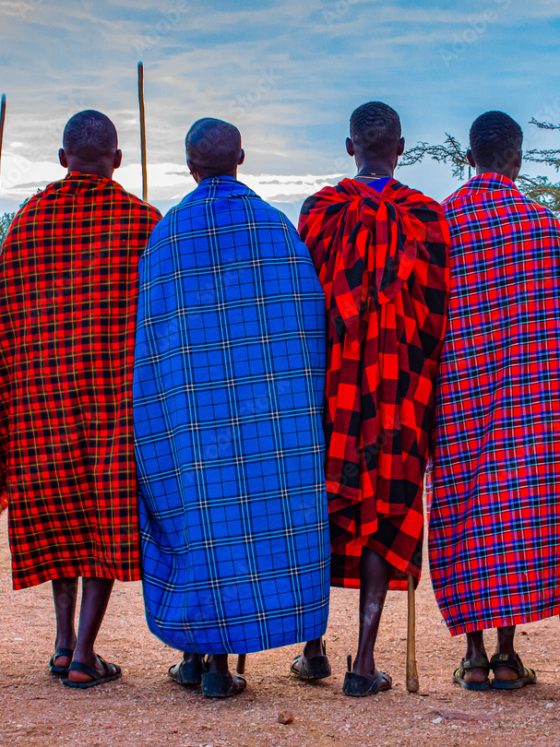
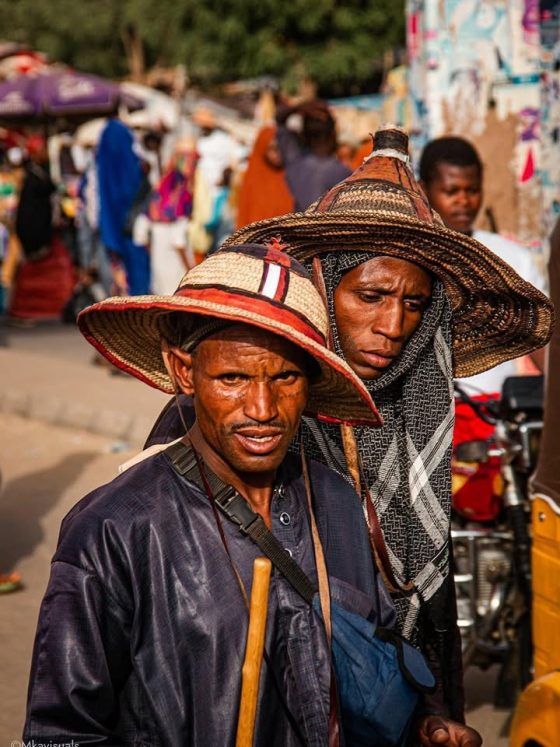
Across Africa, fabric choice has never been merely a technical decision. Climate, ceremony, status, profession, and local textile traditions have all influenced what people wear and when they wear it. Understanding fabric means understanding the relationship between clothing and context.

The question is not which fabric is best.

The question is which fabric is best for the moment.

Learn when to choose linen, cotton, or brocade and how fabric choice shapes comfort, style, and occasion in African menswear.

Why Fabric Matters More Than Many Men Realise
Why Fabric Matters More Than Many Men Realise

Before anyone notices colour or design, the fabric is already doing most of the work.

It determines how a garment hangs. It influences how the body moves. It affects comfort, breathability, durability, and visual presence.

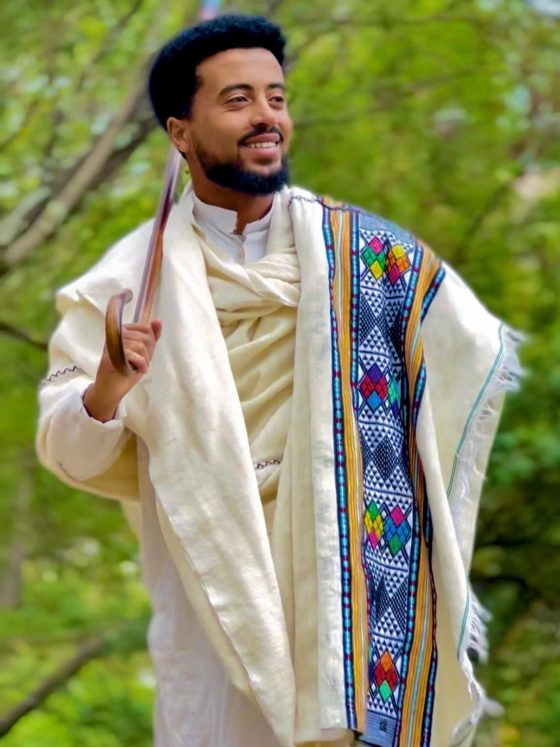
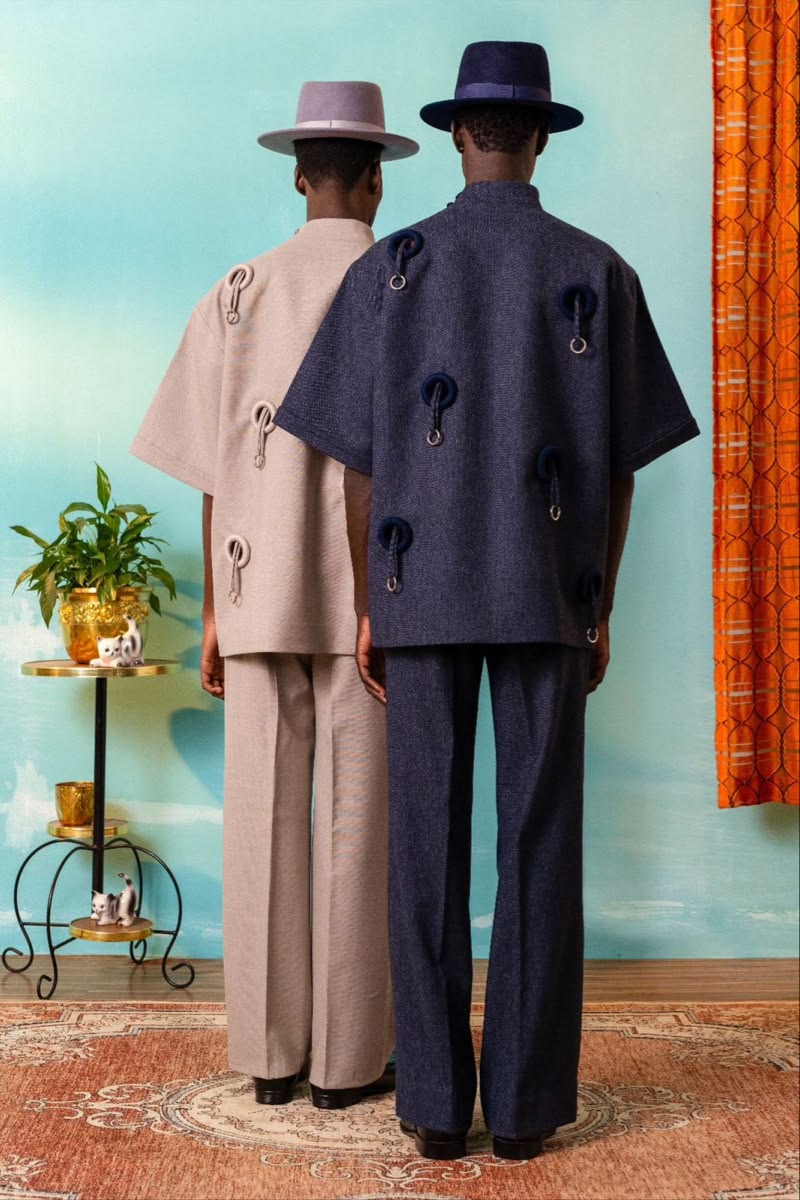
The same kaftan can communicate entirely different things depending on whether it is made from lightweight linen, structured cotton, or richly textured brocade.

This is why experienced tailors often begin with fabric selection before discussing design details.

The material creates the foundation upon which everything else depends.

When Linen Makes the Most Sense

Linen remains one of the most practical fabrics for warm climates.

Made from flax fibres, it is valued for its breathability and ability to remain comfortable in high temperatures. Across many parts of Africa, where heat and humidity shape daily life, linen offers an obvious advantage.

Linen works particularly well for:

  • Daytime events
  • Casual formal gatherings
  • Holiday wear
  • Creative professional settings
  • Warm-weather weddings

Its slightly relaxed texture communicates ease rather than formality. This makes linen ideal for situations where elegance is required without excessive stiffness.

The fabric’s tendency to wrinkle is often presented as a weakness. In reality, many linen wearers see this as part of their character. Linen signals confidence because it does not attempt to look rigidly perfect.

Why Cotton Remains the Everyday Standard
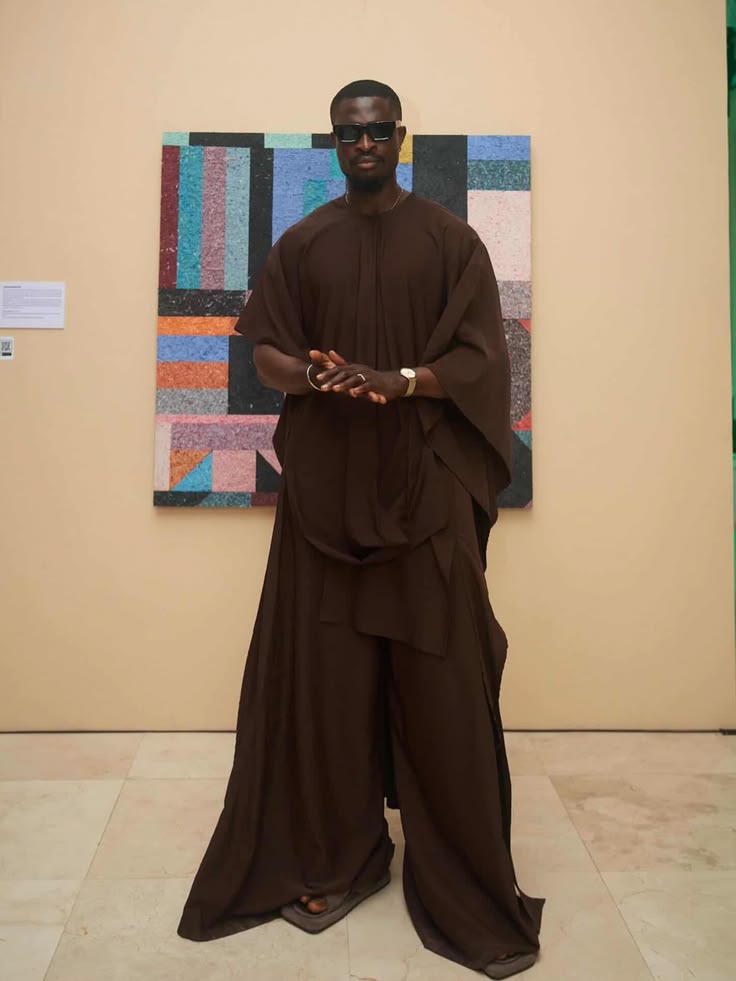
Why Cotton Remains the Everyday Standard

If linen excels in comfort, cotton excels in versatility.

Cotton adapts to a wider range of situations than almost any other natural fibre. It can be lightweight or structured, casual or formal, simple or luxurious, depending on how it is woven and finished.

Across the continent, cotton has become a foundation of everyday menswear because it balances durability, comfort, and affordability.

Cotton works particularly well for:

  • Office wear
  • Everyday traditional attire
  • Travel
  • Smart-casual dressing
  • Year-round use

For me, in building a wardrobe, cotton provides the greatest flexibility because it performs reliably across different environments.

It may not always be the most dramatic choice, but it is often the most useful.

When Brocade Changes the Conversation

Brocade serves a different purpose altogether.

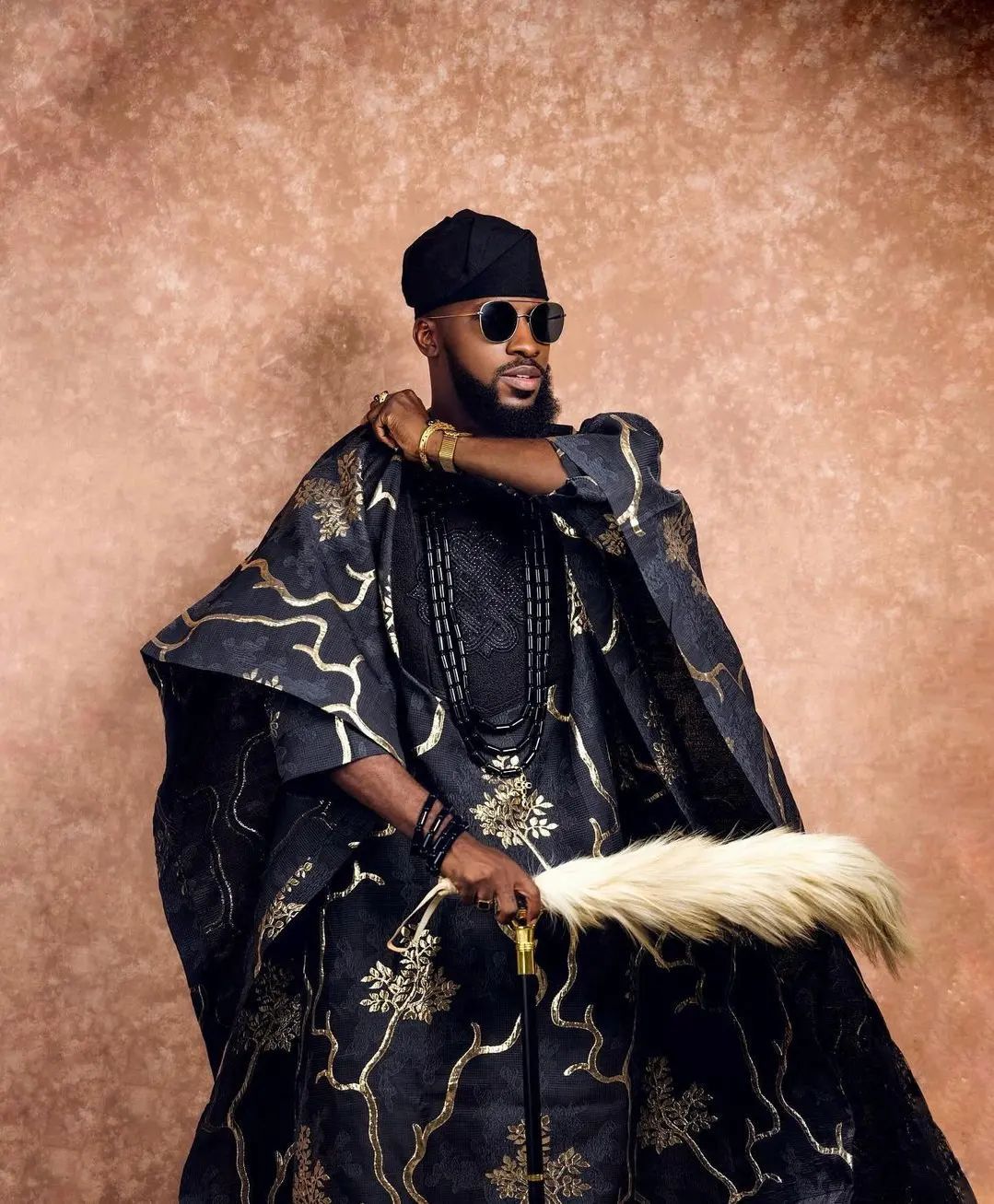
Unlike linen or cotton, brocade is designed to create presence. Its textured surface, decorative weaving, and visual weight make it particularly suited to occasions where clothing carries ceremonial significance.

Especially in West Africa, brocade has become closely associated with celebrations, weddings, religious events, and major social gatherings.

Brocade works best for:

  • Weddings
  • Traditional ceremonies
  • Religious celebrations
  • Formal receptions
  • Significant family occasions

The fabric communicates the occasion. It tells people that the event matters.

This is why many men reserve brocade for moments where clothing is expected to rise above everyday functionality.

READ ALSO:

  • How Are African Men Redefining Professional Style Beyond the Suit?
  • What Chiefs Wear: The Language of Royal Dress Across African Kingdoms

The Best-Dressed Men Understand Context
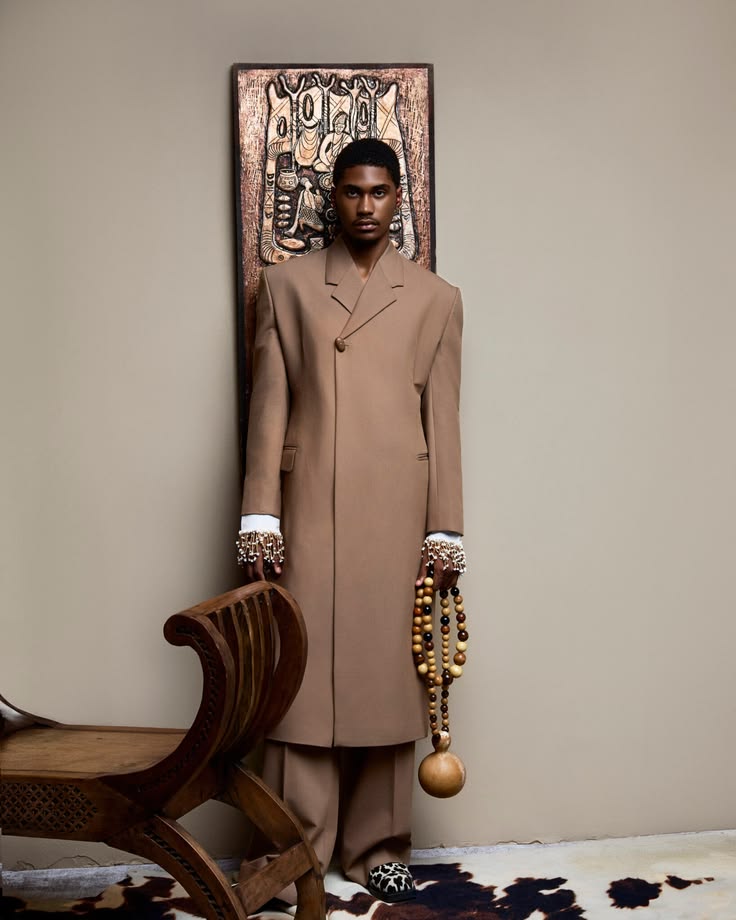
The Best-Dressed Men Understand Context

One of the most common style mistakes is treating every occasion as though it requires the same solution.

A brocade outfit may feel excessive at a daytime networking event. Linen may feel too relaxed for a highly ceremonial wedding. Cotton may work perfectly in situations where either extreme would appear misplaced.

Good style is rarely about wearing the most expensive fabric. It is about understanding context.

The man who dresses appropriately for the occasion often appears more confident than the man trying hardest to attract attention.

The Omiren Argument

Contemporary menswear discussions often encourage men to chase trends, labels, and luxury branding. In doing so, they overlook one of the oldest principles of good dressing: matching fabric to purpose.

African clothing traditions have long understood that garments should respond to climate, occasion, and social meaning. Linen, cotton, and brocade each succeed when used in the environments for which they were designed. The most stylish men are not necessarily those wearing the most expensive fabrics. They are the men who understand what a fabric is trying to do and allow it to do its job.

FAQs

  1. Which fabric is best for hot weather?

Linen is generally considered one of the most breathable options for warm climates.

  1. Is cotton more versatile than linen?

Yes. Cotton works across a wider range of everyday and professional situations.

  1. Why is brocade popular for ceremonies?

Its texture, structure, and visual presence make it well-suited to formal celebrations and important events.

  1. Can linen be worn to weddings?

Yes, particularly for daytime or less formal weddings in warm climates.

  1. What should determine fabric choice?

Climate, occasion, comfort, and the required level of formality.

Post Views: 333
Total
0
Shares
Share 0
Tweet 0
Pin it 0
Related Topics
  • fabric sourcing and quality
  • fashion production
  • fashion textiles
  • garment construction
Fathia Olasupo

olasupofathia49@gmail.com

You May Also Like
Inside the Somali Sadex Qayd: The Cultural Clothing of Somali Women
View Post
  • Style & Identity

Inside the Somali Sadex Qayd: The Cultural Clothing of Somali Women

  • Meseret Zeleke
  • September 8, 2026
How Baile Funk and Football Shape São Paulo Fashion
View Post
  • Style & Identity

How Baile Funk and Football Shape São Paulo Fashion

  • Peace Vera
  • September 4, 2026
The Art, Identity and Resilience of Borana Oromo Leather Attire, Ethiopia
View Post
  • Style & Identity

The Art, Identity and Resilience of Borana Oromo Leather Attire, Ethiopia

  • Meseret Zeleke
  • September 3, 2026
Luanda's Suit Is Not a Colonial Leftover: How Angolan Men Made Tailoring Their Own
View Post
  • Style & Identity

Luanda’s Suit Is Not a Colonial Leftover: How Angolan Men Made Tailoring Their Own

  • Fathia Olasupo
  • August 28, 2026
Mozambican Women's Capulana Wrap Styling for Modern Wardrobes
View Post
  • Style & Identity

Mozambican Women’s Capulana Wrap Styling for Modern Wardrobes

  • Philip Sifon
  • August 27, 2026
São Toméan Dress Is Not Fusion: It Is a Creole Language of Layer, Labour and Memory
View Post
  • Style & Identity

São Toméan Dress Is Not Fusion: It Is a Creole Language of Layer, Labour and Memory

  • Faith Olabode
  • August 27, 2026
Candombe drummers in coordinated shirts, vests, scarves, and hats playing drums during Montevideo Llamada.
View Post
  • Style & Identity

The Llamada Is a Wardrobe of Memory: How Candombe Dress Makes Afro-Uruguay Visible

  • Faith Olabode
  • August 27, 2026
The Shiromani as National Dress: Comorian Wedding Attire and the Politics of Oceanic Identity
View Post
  • Style & Identity

The Shiromani as National Dress: Comorian Wedding Attire and the Politics of Oceanic Identity

  • Fathia Olasupo
  • August 24, 2026
The Omiren Argument

African fashion and culture are not emerging. They are foundational. We document, interpret, and argue for the full cultural weight of African and diaspora dress. With precision. Without apology.

Omiren Styles Fashion · Culture · Identity

All 54 African Nations
Caribbean · Afro-Latin America
The Global Diaspora

Platform

  • About Omiren Styles
  • Our Vision
  • Our Mission
  • Editorial Pillars
  • Editorial Policy
  • The Omiren Collective
  • Campus Style Initiative
  • Sustainable Style
  • Social Impact & Advocacy
  • Investor Relations

Contribute

  • Write for Omiren Styles
  • Submit Creative Work
  • Join the Omiren Collective
  • Campus Initiative
Contact
contact@omirenstyles.com
Our Reach

Africa — All 54 Nations
Caribbean
Afro-Latin America
Global Diaspora

African fashion intelligence, in your inbox.

Editorial features, designer profiles, cultural commentary. No noise.

© 2026 Omiren Styles — Rex Clarke Global Ventures Limited. All rights reserved.
  • Privacy Policy
  • Editorial Policy
  • Terms of Use
  • Accessibility
Africa · Caribbean · Diaspora
The Omiren Argument

African fashion and culture are not emerging. They are foundational. We document, interpret, and argue for the full cultural weight of African and diaspora dress. With precision. Without apology.

Omiren Styles Fashion · Culture · Identity
  • About Omiren Styles
  • Our Vision
  • Our Mission
  • Editorial Pillars
  • Editorial Policy
  • The Omiren Collective
  • Campus Style Initiative
  • Sustainable Style
  • Social Impact & Advocacy
  • Investor Relations
  • Write for Omiren Styles
  • Submit Creative Work
  • Join the Omiren Collective
  • Campus Initiative
Contact contact@omirenstyles.com

All 54 African Nations · Caribbean
Afro-Latin America · Global Diaspora

African fashion intelligence, in your inbox.

Editorial features, designer profiles, cultural commentary. No noise.

© 2026 Omiren Styles
Rex Clarke Global Ventures Limited.
All rights reserved.

  • Privacy Policy
  • Editorial Policy
  • Terms of Use
  • Accessibility
Africa · Caribbean · Diaspora

Input your search keywords and press Enter.

Newsletter Subscribe

The Omiren Style Index

The reference directory for African, Caribbean and Afro-Latin fashion. New entries, taxonomy updates and intelligence signals — once a month. No noise.

.newsletter-form{
max-width:500px;
margin:auto;
text-align:center;
padding:30px;
}

.newsletter-form h3{
margin-bottom:10px;
font-size:28px;
}

.newsletter-form p{
margin-bottom:20px;
color:#666;
}

.newsletter-form input{
width:100%;
padding:14px 18px;
border:1px solid #ddd;
margin-bottom:15px;
border-radius:4px;
}

.newsletter-form button{
width:100%;
padding:14px;
background:#000;
color:#fff;
border:none;
cursor:pointer;
text-transform:uppercase;
letter-spacing:1px;
}