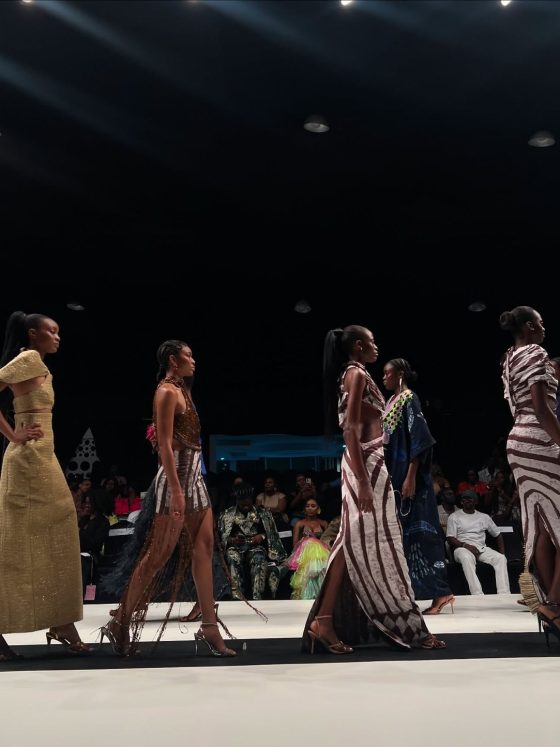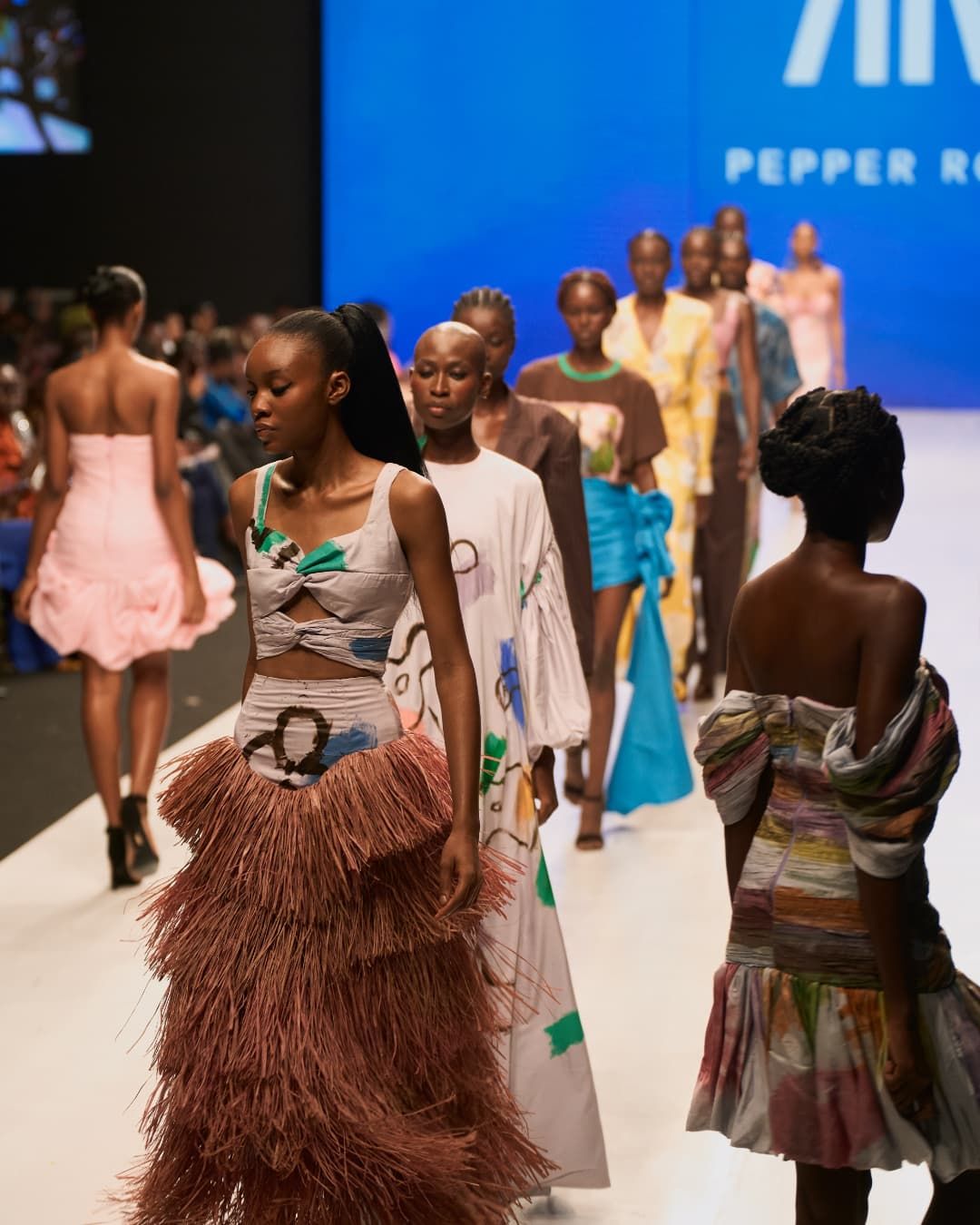
The casting director, the designer, the agency, the brief: none of these are within a model’s control. What happens before those encounters is.
Preparation is the one part of a modelling career that belongs entirely to the model. The models who build sustained careers in African and diaspora fashion treat it as a professional discipline, not an afterthought.
Not because preparation substitutes for presence or physical authority. Because preparation is what allows presence and physical authority to be expressed clearly in the specific contexts where careers are made.
How models prepare for castings, fittings, and runway shows in African fashion: the practical habits, checklists, and professional discipline that build lasting careers.
The Three Contexts Every Model Must Understand
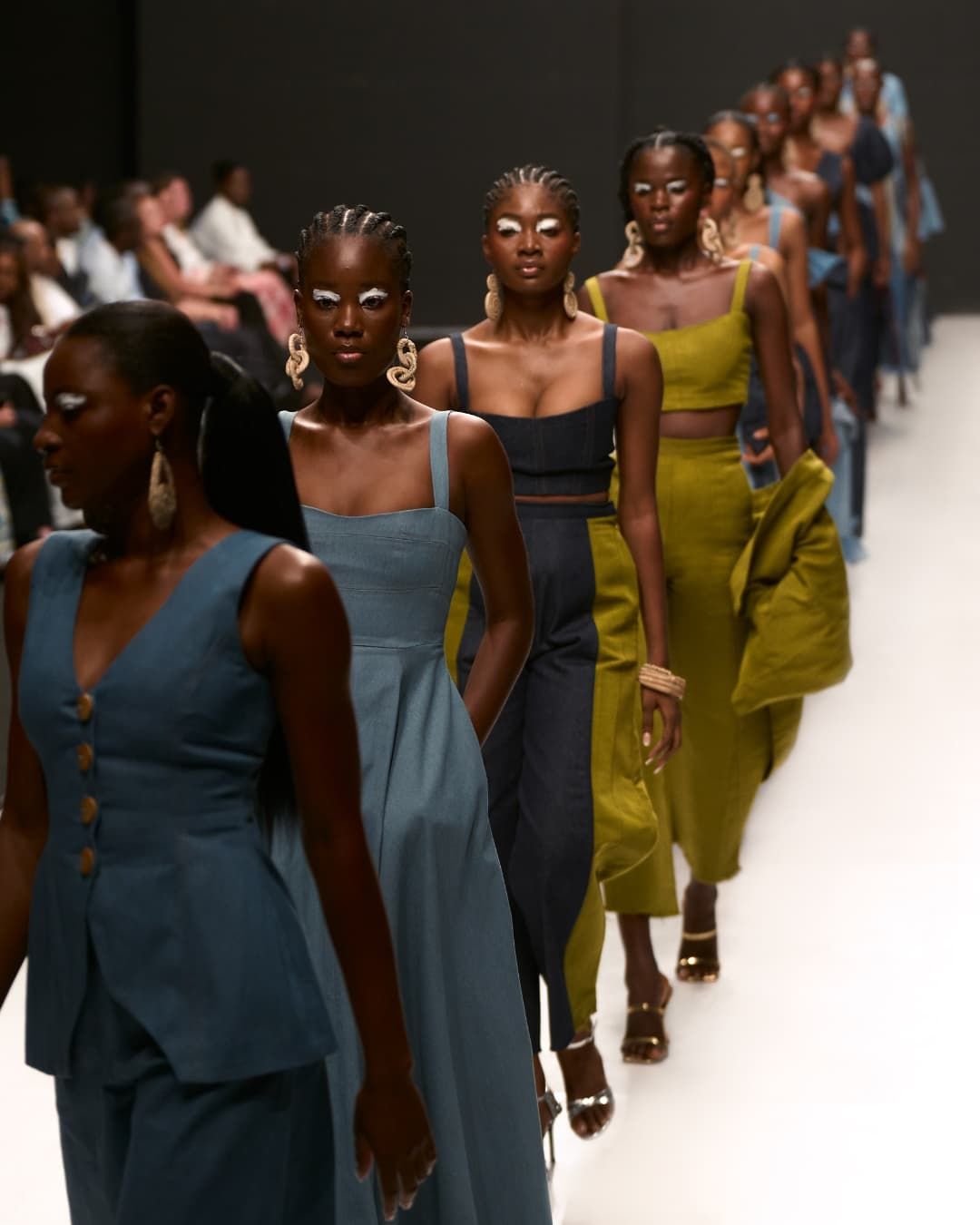
Model preparation is not one skill. It is three distinct disciplines, each matched to a different professional context.
- Casting: an audition. The decision-maker is evaluating whether you fit the project
- Fitting: a collaboration. The designer needs your body as an active working tool, not a passive one
- Runway: a performance. The garment is the subject, your walk is the delivery mechanism
Each context has a different primary audience, a different measure of success, and a different set of behaviours that communicate professional competence. The model who understands these differences before entering each environment has a structural advantage over one who operates on instinct. alone
Bringing casting energy to a fitting, or runway energy to a casting, is one of the most common professional errors emerging models make. It is also entirely preventable.
Preparation is the one variable in a model’s career that is entirely within their control.
One Day, Three Contexts: A Lagos Fashion Week Scenario
Consider a Lagos Fashion Week for an emerging model with three bookings in a single day.
The morning starts with a casting for a mid-range Nigerian womenswear label. The designer is known for structured Ankara tailoring, minimalist editorial. The model arrives in a neutral bodysuit and straight trousers. She has looked at the label’s last two lookbooks. She knows her measurements and delivers them without hesitation. The casting takes seven minutes. She leaves a clear impression.
At midday, the same model is at a fitting for a different designer. The garment is an Aso-oke jacket. The shoulder is pulling slightly on her right side. Rather than saying it feels uncomfortable, she tells the tailor exactly where the seam is sitting and in which direction it needs to move. The production team adjusts the garment in twelve minutes. She is thanked specifically for the precision.
In the evening, she walks two looks in a group show. The first has a four-centimetre block heel she has been practising in for three days. The second is a quick backstage change in under 90 seconds. She arrives at the backstage call thirty minutes early, knows her position in the run of show, and is dressed and composed before the music starts.
Three contexts. One day. Three different preparations, each requiring different knowledge.
This is what professional model preparation looks like in practice. Not perfection, but specificity.
How to Prepare for a Model Casting
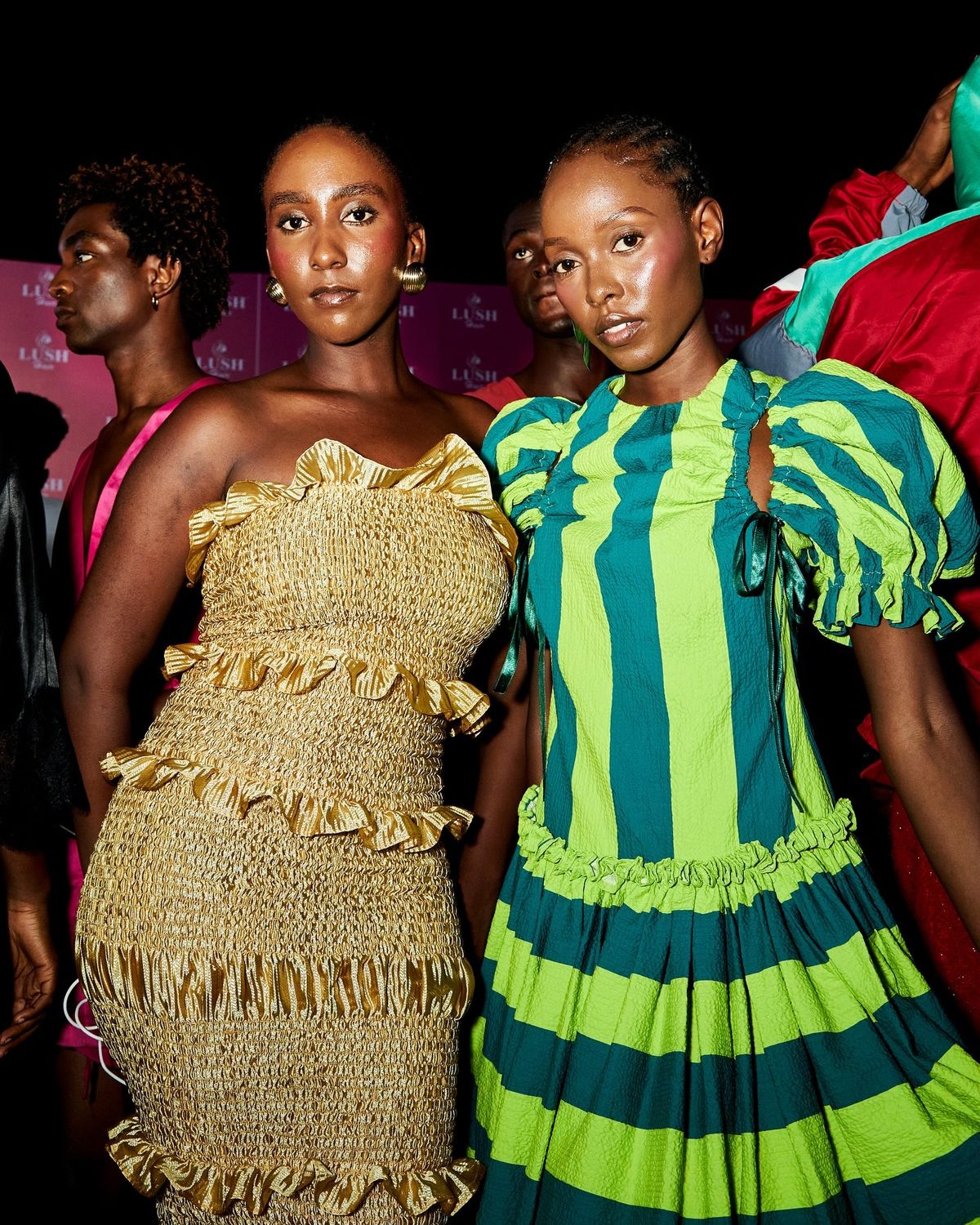
Research the brief
Knowing the designer, photographer, or brand you are casting for changes how you carry yourself in the room. A model casting for a label known for structural, architectural garments understands, without being told, that the casting director is probably not looking for expressive, movement-heavy posing.
Ten minutes with the brand’s published work before a casting is ten minutes most models do not spend. The ones who do are immediately differentiated.
Arrive physically ready
Rested, groomed, and dressed in a way that does not compete with the casting director’s ability to imagine you in their project. Neutral clothing, minimal styling, clean hair. The casting is not the performance. It is the audition for the performance.
For African and diaspora models, physical readiness includes knowing your accurate measurements and being able to communicate them promptly. Casting processes for designers working in African textiles may involve different measurement conventions from Western fashion production. A model who can communicate their measurements in the relevant terms is demonstrating professional literacy most casting briefs never explicitly ask for.
Keep your portfolio current
A portfolio that does not reflect your current appearance is not a portfolio. It is a historical document. Casting directors making immediate decisions need to see what the model looks like now.
Keeping the portfolio current is not administrative maintenance. It is part of casting preparation, and it is ongoing.
The model who makes a casting director’s job easier by arriving prepared and knowing their own qualities is more likely to be remembered than one who requires extensive direction.
What Happens at a Model Fitting
A fitting is not a passive event. It is a working session in which the model is a collaborator, not a prop.
The model’s body is the testing environment for the garment. Whether a seam holds, whether a silhouette reads correctly, whether a hem falls at the right point: these are questions that cannot be answered until the garment is on a body. The model who understands this treats the fitting accordingly.
Communicate fit issues precisely
The designer or production team needs the model to be still when stillness is required, to move when movement is required, and to communicate honestly when something does not fit correctly.
Learning the basic vocabulary of garment fit is not specialised knowledge. It is professional literacy. A model who can say precisely where a garment is pulling and in which direction gives the designer information they can act on. A model who says it feels a bit uncomfortable provides almost nothing.
Arrive at your booked measurements
If your measurements have changed since the booking, communicate before the fitting. Most designers prefer to know in advance so they can adjust accordingly. The model who communicates proactively demonstrates professional seriousness. The one who does not ask the designer to discover the problem at the worst possible moment.
For models working specifically in African fashion, fitting preparation includes familiarising yourself with the construction properties of the textiles involved. A garment constructed from Aso-oke will behave differently on the body than one made from woven European suiting fabric. Understanding these differences, even at a basic level, helps a model carry the garment correctly and communicate fit issues in terms the production team can use.
ALSO READ
- The Aso-Oke Weaver Crisis: What Happens When Nigeria’s Most Important Cloth Can No Longer Be Made
- Kenneth Ize and the Aso-Oke Question: What It Means to Build a Luxury Brand on a Handwoven Cloth
- The Problem with Calling Every African Designer One to Watch
- What the World Lost When Hand-Weaving Gave Way to Mass Production
How to Prepare for Runway Shows
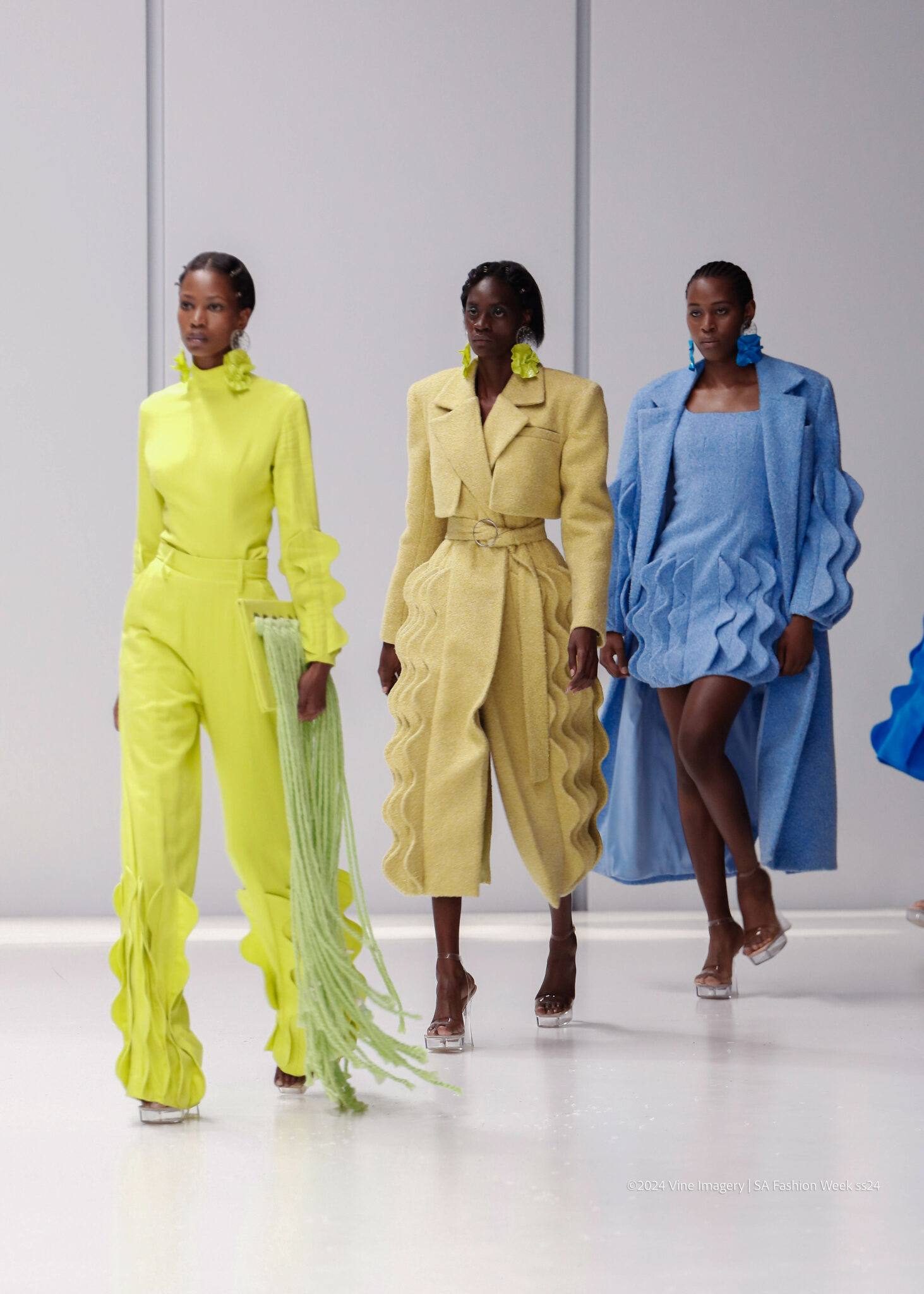
Understand your walk as a garment service
A runway walk is not a model’s personal expression. It is a service to the garment. The silhouette the designer spent months constructing needs to read correctly from the front of the house. The model’s walk is the delivery mechanism.
Personal presence matters. But it needs to be in the service of the garment rather than in competition with it. The models consistently rebooked by designers are those whose walk communicates character while keeping the garment as the primary subject.
Practise in the correct shoes at show pace
Runway preparation means practising in shoes of the correct heel height, construction, and sole material. A model who has built their walk in flat trainers and then performs in heeled mules on a polished runway is encountering that combination for the first time at the worst possible moment.
Practise at show pace, which is typically faster than expected, and practise turns at speed. These are mechanical skills. They are built through repetition before the rehearsal, not during it.
Arrive backstage organised
Arrive with enough time to be dressed calmly. Know your position in the run of show before the call time. Be available to the stylist for final presentation without needing to be managed.
The model who is organised backstage is the model who walks out composed. For African fashion shows, where quick changes between looks are common, this discipline has direct consequences for the quality of the show’s output.
Model Preparation in African Fashion Contexts
The following checklist consolidates the preparation disciplines across all three contexts. It is not exhaustive, but it covers the areas where most professional errors occur.
- Updated portfolio with current images that match your present appearance
- Accurate measurements confirmed and ready to communicate without hesitation
- Brand research done before every casting: lookbooks, recent editorials, campaign tone
- Neutral casting outfit that does not compete with the casting director’s assessment
- Basic garment fit vocabulary so you can communicate fitting issues precisely
- Runway shoe practice in the correct heel height, at show pace, with turns
- Backstage arrival early enough to dress calmly and know your run of show position
- Communication with the production team if measurements or availability have changed
For African and diaspora models navigating markets where infrastructure is still developing and casting processes are less standardised than in Paris or New York, preparation is not just a matter of professional discipline. It is a competitive advantage.
The models who are consistently rebooked, who build agency relationships that open international markets, and who eventually become the names casting directors call before the brief is finalised, are almost invariably the ones who treat representation as the one variable in their careers that is entirely within their control.
Preparation is not the talent. It is what allows the talent to be seen.
FAQs
What should a model bring to a casting?
At minimum: an updated portfolio with current images, a comp card with accurate measurements, and a neutral outfit that does not distract from the assessment. Beyond the materials, bring specific knowledge of the brand or project you are casting for. Research the designer’s recent work before arriving. Casting directors remember models who walk in knowing what the project is and demonstrating that they have thought about whether they fit it.
What is the difference between a model casting and a model fitting?
A casting is an audition. The casting director is evaluating whether you are right for the project. A fitting is a working session. The designer is using your body as the testing environment for the garment. The casting requires you to present yourself clearly and confidently. The fitting requires you to be an active collaborator: still when needed, mobile when needed, and able to communicate fit issues in precise garment terms rather than general comfort language.
How do I prepare for my first runway show?
Practice the walk in the specific shoes you will wear, at the pace the show will run. Most shows move faster than emerging models expect, and most turns need to be executed at speed without slowing the walk. Do this before the rehearsal, not during it. At the show itself, arrive early enough to dress calmly, know your position in the run of show, and be available to the stylist for final preparation without needing to be managed.
What do casting directors look for in a model’s first impression?
Whether the model meets the project’s visual and physical requirements, and whether they can clearly communicate that fit. This includes portfolio currency, measurement accuracy, and the ability to present themselves in a legible rather than distracting way. The model who makes a casting director’s job easier by arriving prepared is more likely to be remembered than one who requires extensive direction.
How should a model prepare for a fitting with an African fashion designer?
Arrive at the measurements the fitting was booked on, or communicate any changes in advance. Come with some knowledge of the designer’s aesthetic and, if possible, familiarity with the textiles involved. Be ready to communicate fit issues precisely and in garment terms. The fitting is a working session, not a passive one, and the model who treats it as such is providing the designer with the professional collaboration the process requires.
How do models manage multiple castings in a single day without losing focus?
By treating each casting as its own contained event rather than part of a sequence. This means doing the research for each project specifically rather than arriving with generic preparation, and resetting mentally between castings rather than carrying the energy of one into the next. Build enough time into a casting day to arrive at each location unhurried, because a model who rushes from one casting to the next is likely to project that urgency in the room.
How do models working in African fashion navigate casting processes that are less standardised than in European markets?
By building transferable professional literacy rather than relying on standardised infrastructure. Maintain an accurate, current portfolio regardless of whether the casting process formally requires one. Communicate clearly about measurements and availability. Research each designer or production team before you meet them. In markets where casting processes vary widely, the model who behaves professionally regardless of what the process asks for is building a reputation that outlasts any single project.
CONTINUE READING