Menu
  • Fashion
    • Africa
    • Caribbean
    • Latin America
    • Trends
    • Street Style
    • Sustainable Fashion
    • Diaspora Connects
  • Culture
    • Textiles
    • Cultural Inspirations
    • Ceremony & Ritual
    • Art & Music
    • Cultural Inspirations
  • Designers
    • African Designers
    • Caribbean Designers
    • Latin American
    • Emerging Talent
    • Interviews
  • Beauty
    • Skincare
    • Makeup
    • Hair & Hairstyle
    • Fragrance
    • Beauty Traditions
  • Women
    • Women’s Style
    • Evening Glam
    • Workwear & Professional
    • Streetwear for Women
    • Accessories & Bags
    • Health & Wellness
  • Men
    • Men’s Style
    • Grooming Traditions
    • Traditional & Heritage
    • The Modern African Man
    • Menswear Designers
  • Diaspora
    • Diaspora Voices
    • UK Scene
    • US Scene
    • Caribbean Diaspora
    • Afro-Latino Identity
  • Industry
    • Strategy
    • Investment
    • Retail
    • Insights
    • Partnerships
  • News
    • Cover Stories
    • Fashion Weeks
    • Opinion & Commentary
    • Style Icons
    • Rising Stars
    • Editorial Intelligence
Subscribe
OMIREN STYLES OMIREN STYLES

Fashion · Culture · Identity

OMIREN STYLES OMIREN STYLES OMIREN STYLES OMIREN STYLES
  • Fashion
    • Africa
    • Caribbean
    • Latin America
    • Trends
    • Street Style
    • Sustainable Fashion
    • Diaspora Connects
  • Culture
    • Textiles
    • Cultural Inspirations
    • Ceremony & Ritual
    • Art & Music
    • Cultural Inspirations
  • Designers
    • African Designers
    • Caribbean Designers
    • Latin American
    • Emerging Talent
    • Interviews
  • Beauty
    • Skincare
    • Makeup
    • Hair & Hairstyle
    • Fragrance
    • Beauty Traditions
  • Women
    • Women’s Style
    • Evening Glam
    • Workwear & Professional
    • Streetwear for Women
    • Accessories & Bags
    • Health & Wellness
  • Men
    • Men’s Style
    • Grooming Traditions
    • Traditional & Heritage
    • The Modern African Man
    • Menswear Designers
  • Diaspora
    • Diaspora Voices
    • UK Scene
    • US Scene
    • Caribbean Diaspora
    • Afro-Latino Identity
  • Industry
    • Strategy
    • Investment
    • Retail
    • Insights
    • Partnerships
  • News
    • Cover Stories
    • Fashion Weeks
    • Opinion & Commentary
    • Style Icons
    • Rising Stars
    • Editorial Intelligence
  • Caribbean

Vodou Dress and Symbolism: What Haitian Spiritual Clothing Carries and Communicates

  • Fathia Olasupo
  • May 14, 2026
Total
0
Shares
0
0
0

Before a Vodou ceremony begins in Haiti, attention is already being given to clothing. White dresses are pressed carefully. Headwraps are tied with precision. Scarves, beads, and ceremonial fabrics are selected according to spiritual purpose rather than appearance alone. The garments entering the peristyle are not costumes prepared for spectators. They are part of ritual structure, carrying obligations tied to lwa, initiation, lineage, and ceremonial order.

Vodou dress is often discussed in distorted terms. Foreign depictions often portray Haitian spiritual clothing as mysterious, theatrical, or frightening, separating the garments from the living religious systems that give them meaning. In practice, Vodou clothing functions through discipline, symbolism, and participation. Its importance comes from how it operates within ceremony and everyday spiritual life, not from visual spectacle.

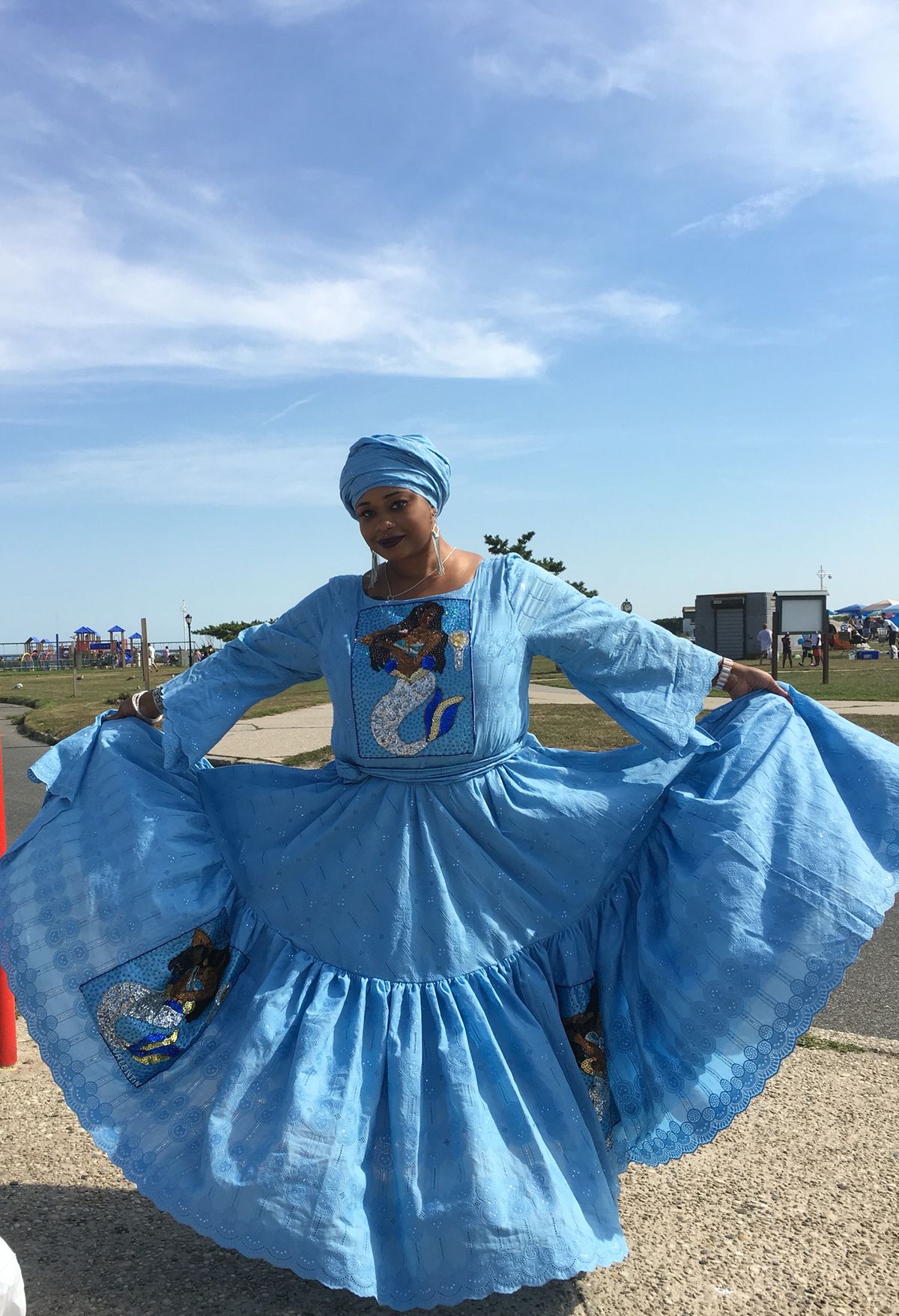
Vodou dress in Haiti conveys spiritual meaning through white garments, beads, headwraps, and ceremonial clothing.

White Clothing and Ritual Preparation
White Clothing and Ritual Preparation

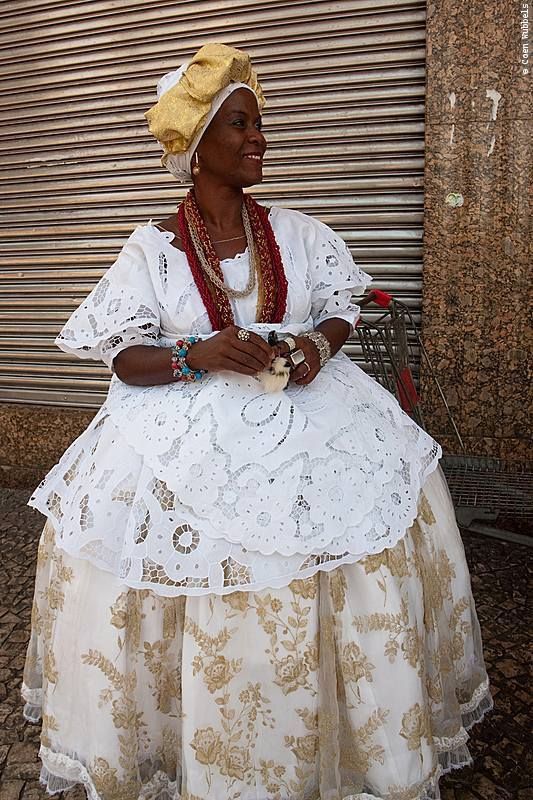
White garments hold a central place in Vodou practice, particularly during ceremonies connected to purification, initiation, healing, and spiritual transition. Dresses, loose shirts, skirts, trousers, and head coverings are worn in accordance with ritual requirements that prioritise spiritual cleanliness and ceremonial discipline.

The meaning of white in Vodou is not abstract. It relates directly to preparation, respect, and alignment within sacred space. During initiatory periods, practitioners may consistently wear white for extended periods as part of a spiritual obligation.

The garments themselves are often simple in structure, but that simplicity does not diminish their significance—the condition of the clothing matters. Cleanliness, order, and careful presentation are treated as forms of respect toward the spiritual process taking place.

This attention to dress reflects the broader role clothing plays within Haitian social life, where public presentation frequently carries moral and communal meaning alongside personal appearance.

Headwraps, Scarves, and Ceremonial Identity
Headwraps, Scarves, and Ceremonial Identity

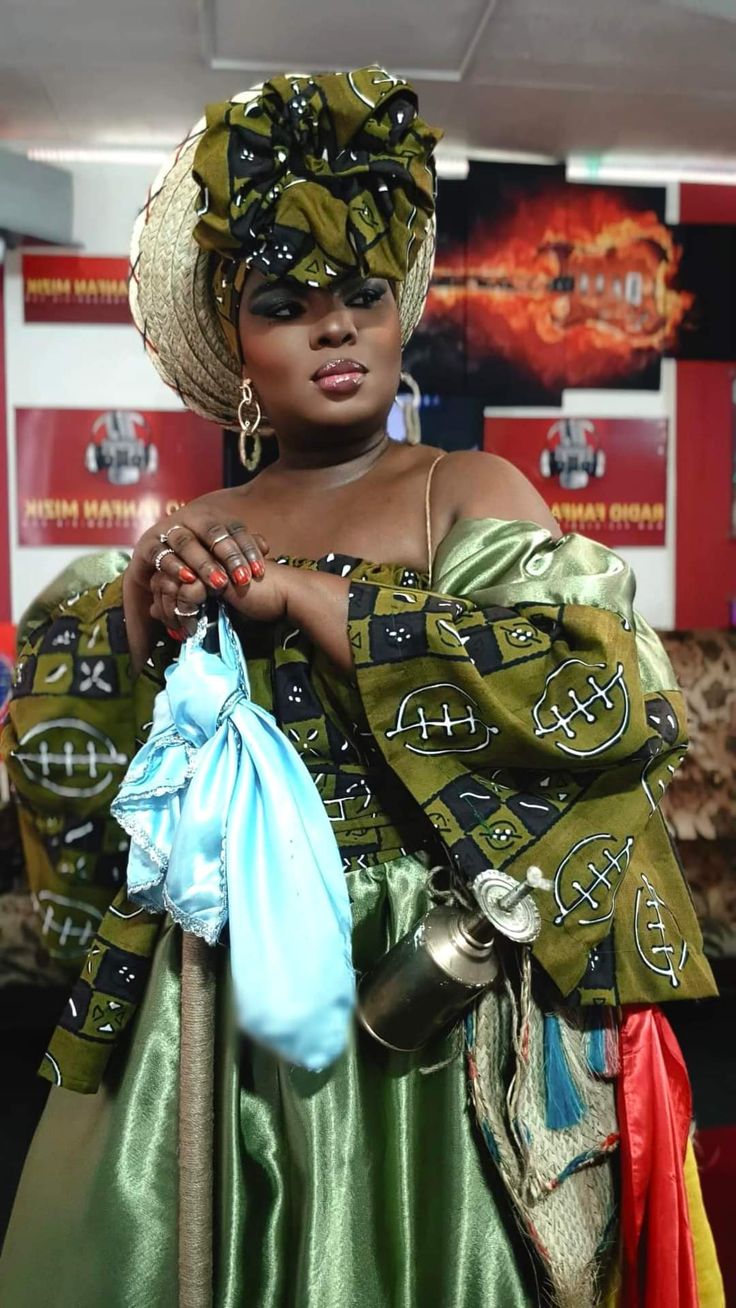
Headwraps and scarves within Vodou traditions serve practical, ceremonial, and symbolic functions. They may indicate a ritual role, spiritual status, or preparation for participation in a ceremony. The wrapping of the head also reflects ideas around spiritual containment, discipline, and respect.

Women in particular often wear carefully structured headwraps during ceremonies, though styles vary between communities and ritual contexts. Colours, tying methods, and accompanying garments may shift according to the lwa being honoured or the purpose of the gathering.

Scarves and fabric layers also contribute to movement within the ceremony. Vodou rituals involve drumming, dancing, singing, and physical participation, meaning garments must function within active ceremonial space rather than static presentation.

The clothing, therefore, works with the body rather than simply covering it. Dress supports ritual movement and spiritual interaction.

Beads, Colour, and Spiritual Lineage
Beads, Colour, and Spiritual Lineage

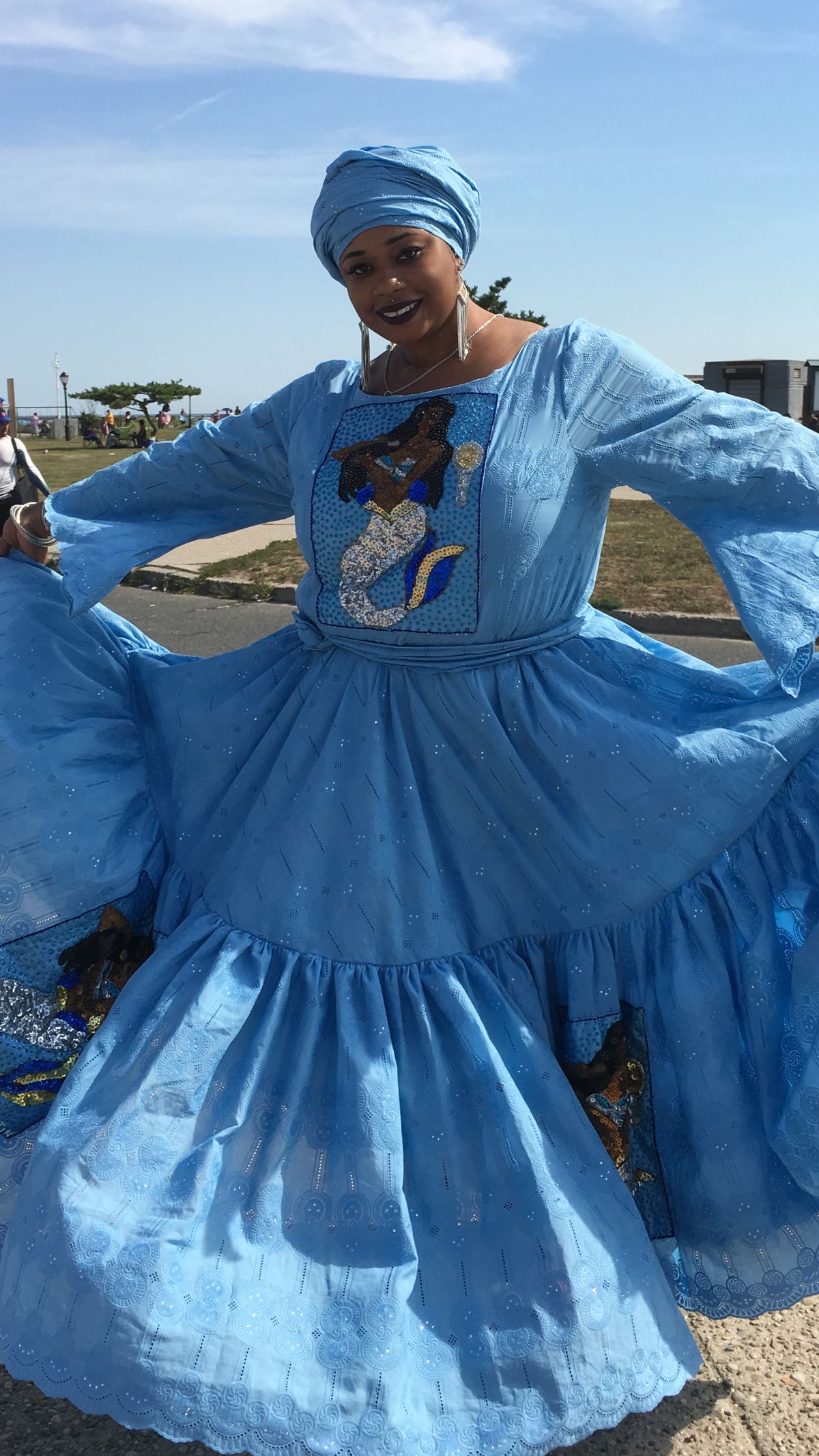
Beads carry highly specific meanings within Vodou practice. Colour combinations are linked to particular lwa, and practitioners wear them according to spiritual relationships, ritual obligations, or initiation status.

Blue and white may be associated with specific spiritual lineages, while red, black, purple, green, or gold combinations can indicate relationships to different lwa traditions. The meanings are not decorative or interchangeable. Beads function within systems understood internally by practitioners.

This specificity matters because Vodou is not a single undifferentiated spirituality. It contains multiple lwa, ritual pathways, and ceremonial traditions, each with its own visual and symbolic structure. Clothing reflects that complexity.

Imported interpretations often flatten Vodou dress into a single aesthetic image. In reality, ceremonial clothing changes according to context, lineage, and spiritual function.

READ ALSO:

  • Jamaican Textiles and Cloth Culture: Bandana Fabric, Maroon Weaving, and the Kingston Garment Economy
  • Dress and Identity in Jamaica: Rastafarian, Maroon, and Kumina Dress as Distinct Cultural Systems

Vodou Dress Beyond Ceremony
Vodou Dress Beyond Ceremony

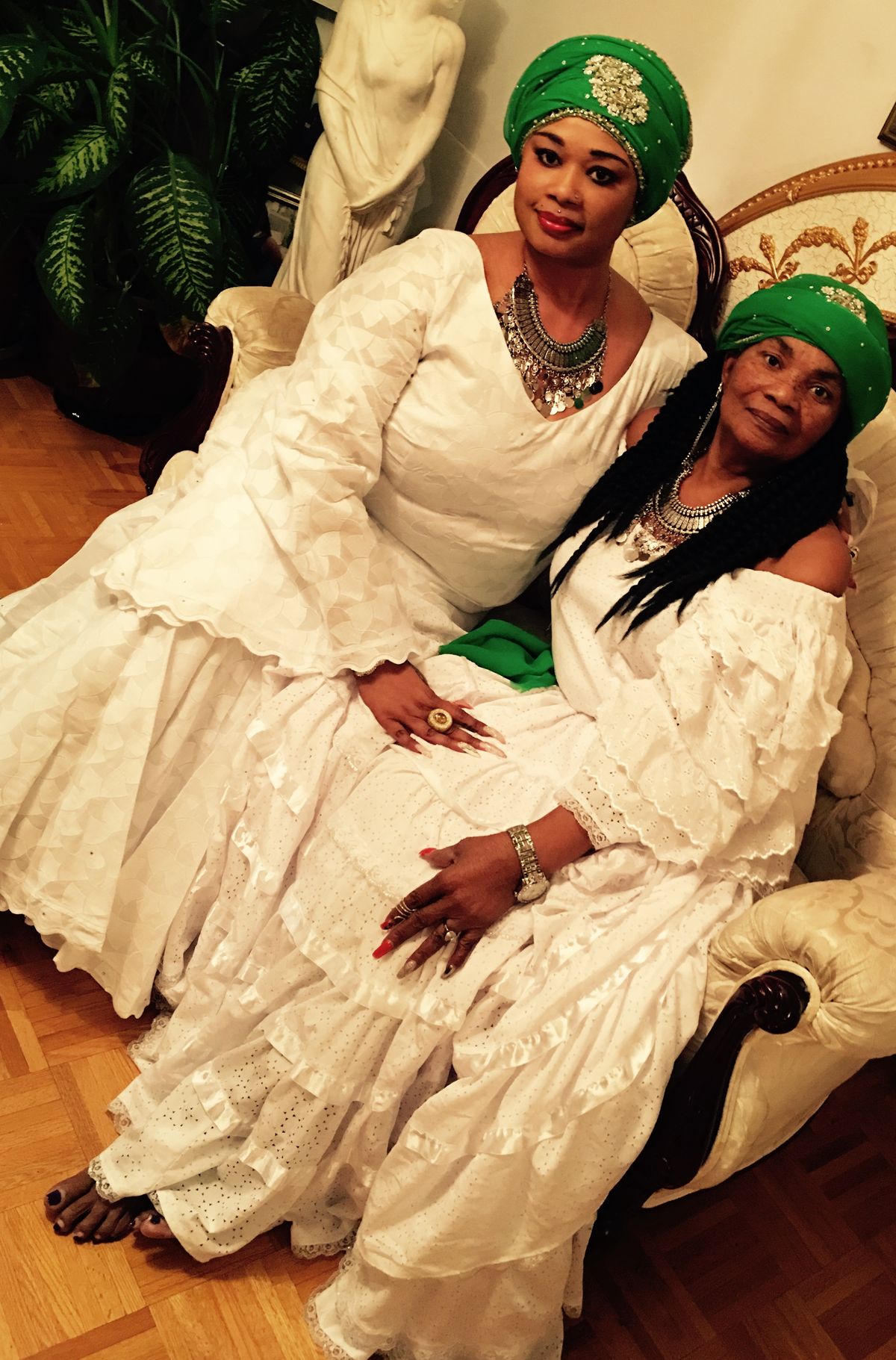
Although ceremonial clothing is most visible during rituals, Vodou dress culture extends beyond sacred gatherings. Spiritual symbols, colours, jewellery, and forms of presentation also move through everyday Haitian life.

Some practitioners wear beads beneath regular clothing. Others incorporate white garments or symbolic accessories into ordinary dress as part of spiritual discipline and identity. Religious life is not sharply separated from social life, so dress practices often overlap between the ceremonial and the everyday.

At the same time, many practitioners intentionally keep certain aspects of ceremonial clothing private or context-specific. Not all garments are meant for public visibility outside ritual space. This balance between openness and protection shapes how Vodou dress continues across generations.

The Omiren Argument

Vodou dress is often represented through foreign narratives that frame Haitian spiritual clothing as spectacle, mystery, or visual evidence of cultural differences. This interpretation strips garments of their internal meaning and disconnects them from the disciplined religious systems that organise their use.

In reality, Vodou clothing operates through structured relationships between ritual practice, spiritual lineage, ceremonial preparation, and bodily movement. The garments worn within Vodou traditions are not symbolic decorations detached from everyday life. They are active parts of a living religious system that continues to shape how practitioners present themselves, move within ceremony, and communicate spiritual belonging across Haitian communities.

FAQs

  1. Why is white clothing important in Vodou ceremonies?

White garments are associated with purification, spiritual preparation, ritual discipline, and ceremonial respect within many Vodou practices.

  1. What do Vodou beads represent?

Beads often correspond to specific lwa and spiritual lineages, with colours carrying meanings connected to ritual relationships and initiation.

  1. Are Vodou garments costumes?

No. Vodou clothing functions within active spiritual practice and ceremonial structure rather than performance or entertainment.

  1. Do all Vodou ceremonies use the same clothing?

No. Dress varies according to the lwa being honoured, the ritual purpose, community traditions, and the participant’s role.

  1. Why are headwraps important in Vodou dress?

Headwraps can reflect ceremonial preparation, spiritual respect, ritual identity, and practical participation within a ceremony.

Post Views: 50
Total
0
Shares
Share 0
Tweet 0
Pin it 0
Related Topics
  • African Diaspora Culture
  • Afro-Caribbean culture
  • Cultural Identity in Fashion
  • spiritual dress traditions
Fathia Olasupo

olasupofathia49@gmail.com

You May Also Like
View Post
  • Caribbean

Carnival Fashion vs Everyday Caribbean Style: The Gap the Media Has Never Closed

  • Ayomidoyin Olufemi
  • May 15, 2026
View Post
  • Caribbean

Havana Streetwear: Vintage Economy, Son Culture, and Afrocentric Self-Expression

  • Fathia Olasupo
  • May 15, 2026
View Post
  • Caribbean

The Guayabera Is Not Resort Wear: Cuba’s Dress Shirt and What It Has Always Been Saying

  • Ayomidoyin Olufemi
  • May 14, 2026
Mas, Cloth, and Meaning: The Textile and Costume Traditions Behind Trinidad’s Carnival
View Post
  • Caribbean

Mas, Cloth, and Meaning: The Textile and Costume Traditions Behind Trinidad’s Carnival

  • Fathia Olasupo
  • May 13, 2026
Haitian Fashion Designers and the Couture System the Western Industry Has Never Named
View Post
  • Caribbean

Haitian Fashion Designers and the Couture System the Western Industry Has Never Named

  • Ayomidoyin Olufemi
  • May 12, 2026
Edvin Thompson of Theophilio: How Jamaican Dancehall Built a New York Fashion Week Collection
View Post
  • Caribbean

Edvin Thompson of Theophilio: How Jamaican Dancehall Built a New York Fashion Week Collection

  • Ayomidoyin Olufemi
  • May 7, 2026
Afro-Caribbean Fashion in Trinidad and Tobago: Carnival, Community, and Cultural Identity
View Post
  • Caribbean

Afro-Caribbean Fashion in Trinidad and Tobago: Carnival, Community, and Cultural Identity

  • Fathia Olasupo
  • May 7, 2026
Meiling: The Trinidad Designer Who Built a Minimalist Language From Caribbean Sensibility
View Post
  • Caribbean

Meiling: The Trinidad Designer Who Built a Minimalist Language From Caribbean Sensibility

  • Ayomidoyin Olufemi
  • May 6, 2026

Leave a Reply Cancel reply

Your email address will not be published. Required fields are marked *

The Omiren Argument

African fashion and culture are not emerging. They are foundational. We document, interpret, and argue for the full cultural weight of African and diaspora dress. With precision. Without apology.

Omiren Styles Fashion · Culture · Identity

All 54 African Nations
Caribbean · Afro-Latin America
The Global Diaspora

Platform

  • About Omiren Styles
  • Our Vision
  • Our Mission
  • Editorial Pillars
  • Editorial Policy
  • The Omiren Collective
  • Campus Style Initiative
  • Sustainable Style
  • Social Impact & Advocacy
  • Investor Relations

Contribute

  • Write for Omiren Styles
  • Submit Creative Work
  • Join the Omiren Collective
  • Campus Initiative
Contact
contact@omirenstyles.com
Our Reach

Africa — All 54 Nations
Caribbean
Afro-Latin America
Global Diaspora

African fashion intelligence, in your inbox.

Editorial features, designer profiles, cultural commentary. No noise.

© 2026 Omiren Styles — Rex Clarke Global Ventures Limited. All rights reserved.
  • Privacy Policy
  • Editorial Policy
  • Terms of Use
  • Accessibility
Africa · Caribbean · Diaspora
The Omiren Argument

African fashion and culture are not emerging. They are foundational. We document, interpret, and argue for the full cultural weight of African and diaspora dress. With precision. Without apology.

Omiren Styles Fashion · Culture · Identity
  • About Omiren Styles
  • Our Vision
  • Our Mission
  • Editorial Pillars
  • Editorial Policy
  • The Omiren Collective
  • Campus Style Initiative
  • Sustainable Style
  • Social Impact & Advocacy
  • Investor Relations
  • Write for Omiren Styles
  • Submit Creative Work
  • Join the Omiren Collective
  • Campus Initiative
Contact contact@omirenstyles.com

All 54 African Nations · Caribbean
Afro-Latin America · Global Diaspora

African fashion intelligence, in your inbox.

Editorial features, designer profiles, cultural commentary. No noise.

© 2026 Omiren Styles
Rex Clarke Global Ventures Limited.
All rights reserved.

  • Privacy Policy
  • Editorial Policy
  • Terms of Use
  • Accessibility
Africa · Caribbean · Diaspora

Input your search keywords and press Enter.