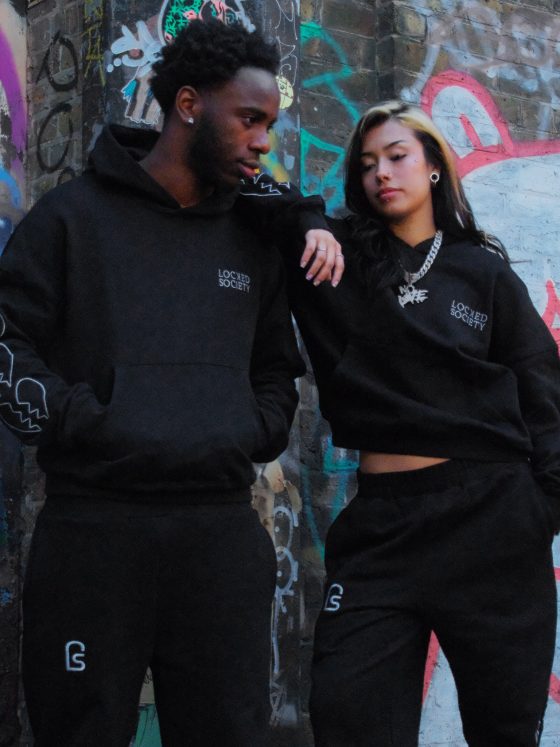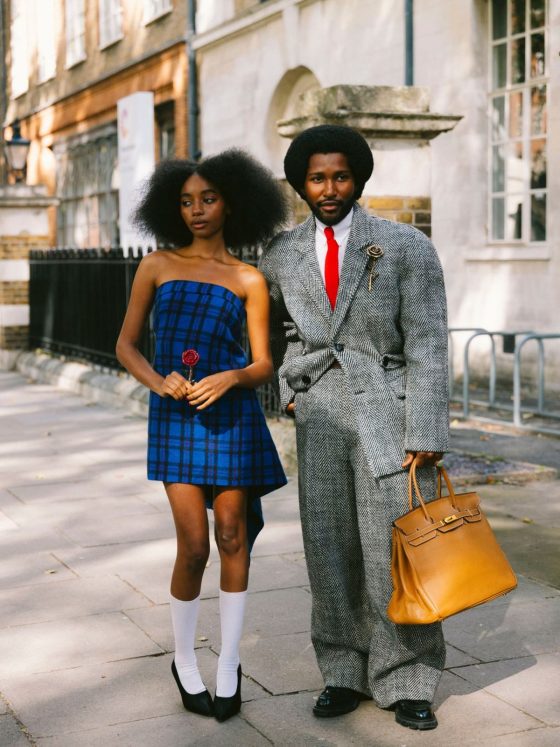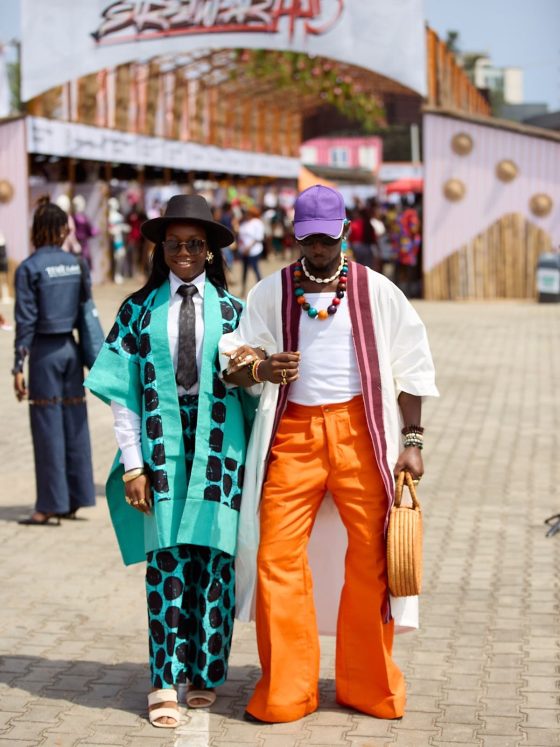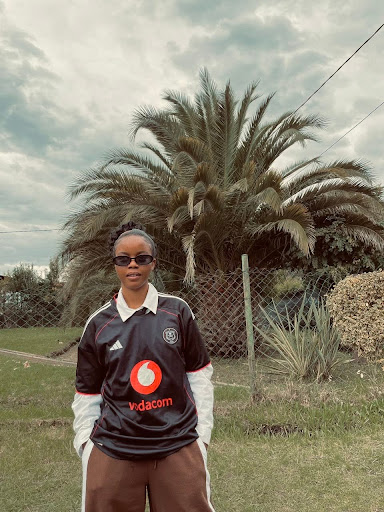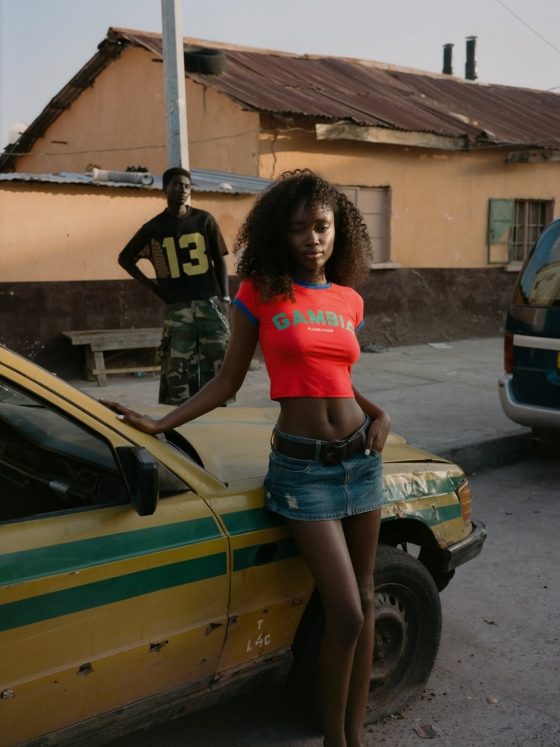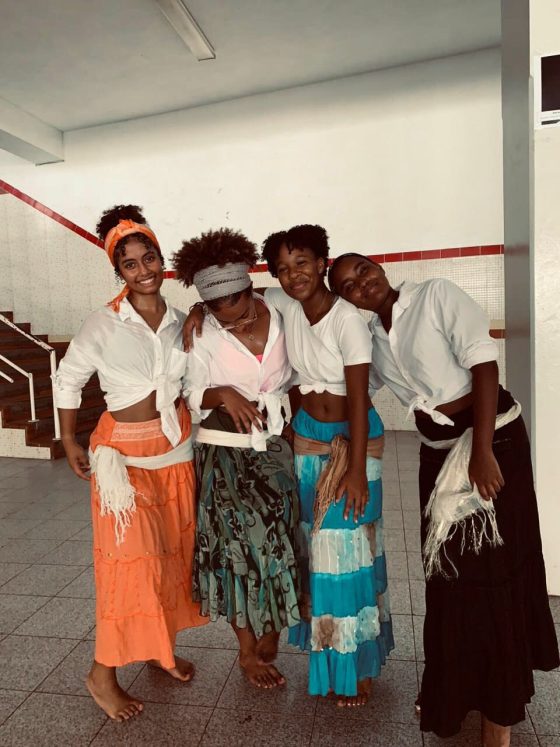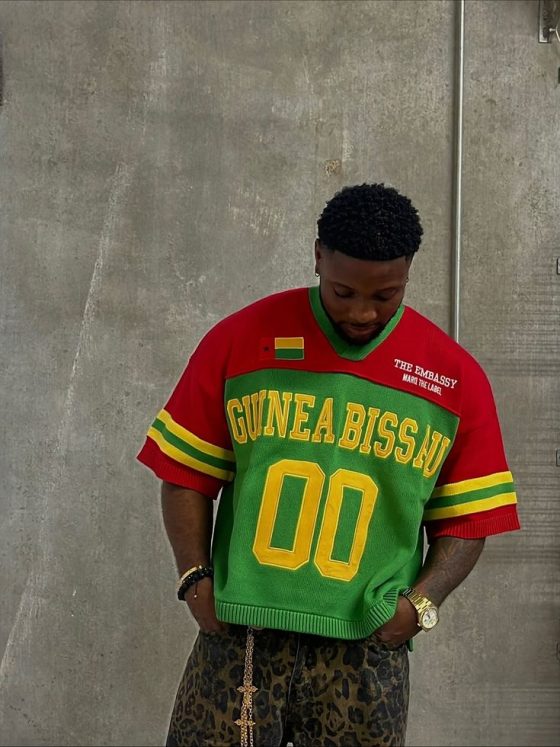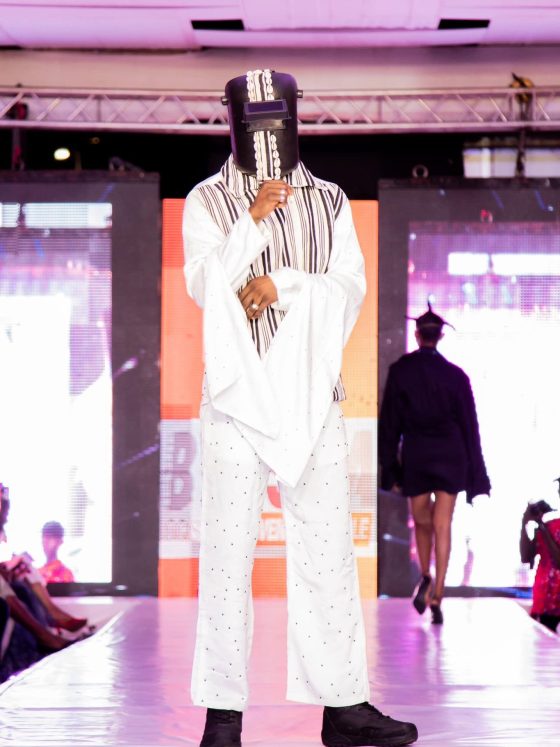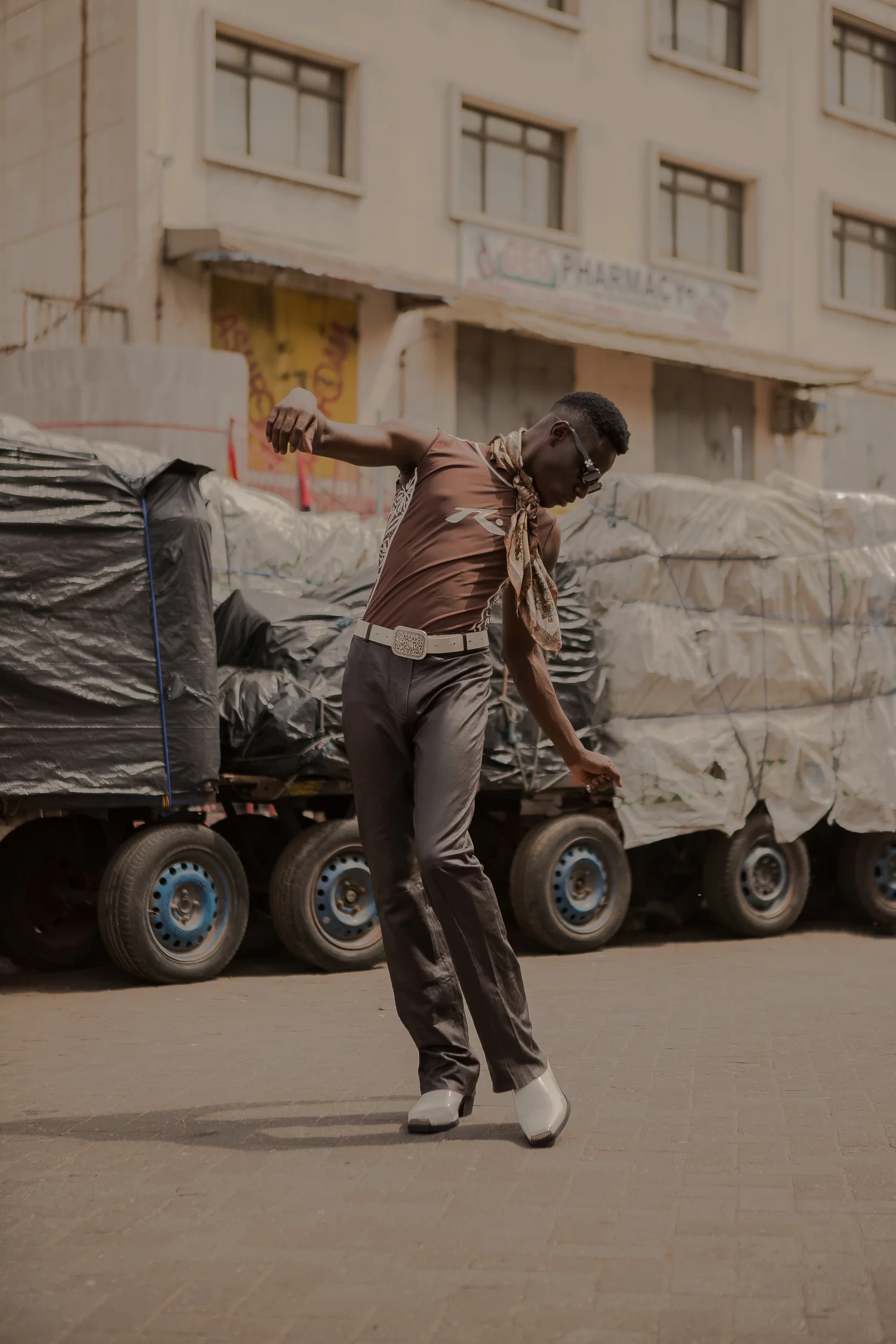
Accra streetwear is often framed through global fashion references, but in the city, it is shaped by everyday urban movement.
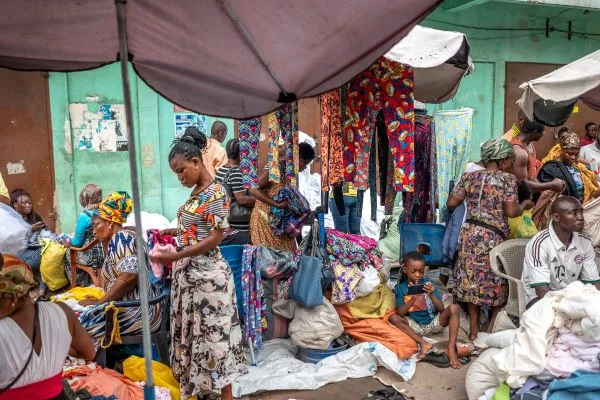
At Kantamanto market, imported clothes are sorted, priced, and reintroduced into circulation by traders who decide what to resell, alter, or discard. Young people then pick from these flows and adjust pieces through basic tailoring before wearing them across the city.
In Osu, Labone, and East Legon, dressing shifts between daytime routines and nightlife, where outfits are reworked for clubs, concerts, and social spaces. On university campuses, styling changes with lectures, peer groups, and events, while music scenes like hiplife, Afrobeats, and Ghanaian drill influence how outfits are combined.
Across these settings, Accra streetwear isn’t fixed after purchase. It is continuously altered through circulation, tailoring, and social use within the city.
Accra streetwear reflects how Ghanaian youth use fashion, music, resale culture, and tailoring to reshape urban style beyond Western trend systems.
Accra Streetwear and the Economics of Kantamanto Market
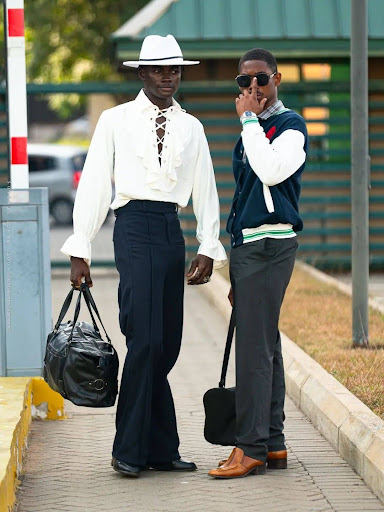
After the January 2025 fire destroyed large sections of Kantamanto Market, it remains one of the main points through which imported secondhand clothing enters circulation in Accra.
Traders unpack bales of clothing and separate garments based on fabric condition, wear level, and resale value before distributing them across different sections of the market.
Some items are sent to tailors working within or around Kantamanto, where they are repaired, resized, or adjusted before returning to stalls for resale.
Others are sold at lower prices depending on condition, while heavily damaged pieces are removed from circulation. These sorting, repair, and resale processes influence how clothing moves from import shipments into everyday wear across different parts of Accra.
Ultimately, in Kantamanto, pricing and repair decisions determine what reaches different consumer groups within the city.
Music, Nightlife, and Urban Style in Accra
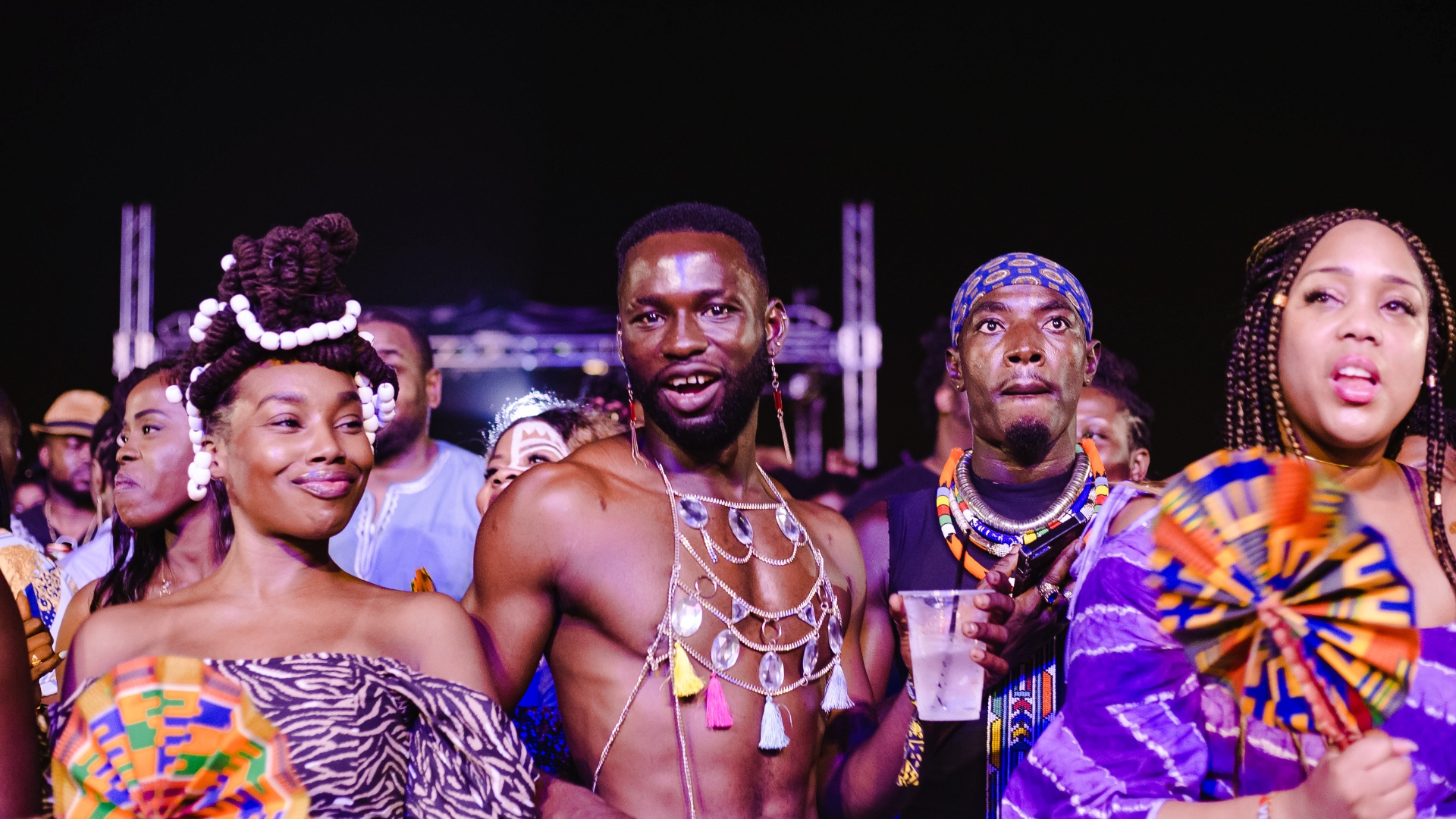
Music events in Accra shape how clothing is worn in public social spaces such as concerts, club nights, and street performances.
Hiplife, Afrobeats, and Ghanaian drill events bring together performers and audiences in settings where dressing is part of being present in the space.
At these events, outfits are chosen for evening visibility rather than everyday routine. In areas like Osu and Labone, people often change clothing when moving from daytime activities into nightlife settings such as clubs and live shows.
At concerts and parties, similar clothing choices appear among attendees. This is true where styles are influenced by what performers wear on stage or in music videos.
During entertainment periods, these similarities are most noticeable when multiple events take place across the city.
Tailoring, Customisation, and Local Streetwear Production
Tailoring plays a direct role in how Accra streetwear takes shape after purchase.
Garments from secondhand markets or retail shops are commonly taken to local tailors for adjustments such as resizing, shortening, or reshaping to fit the wearer more closely.
In areas linked to trading and transport routes, small tailoring shops and roadside stalls handle quick alterations to meet immediate demand.
These changes are often practical, focused on fit and wearability rather than a full redesign, but they still affect how a garment looks and functions when worn in the city.
Some young people also modify clothing beyond basic tailoring by combining fabrics, adding patches, or reshaping older pieces into new forms. These adjustments are usually made in response to personal preferences or social occasions rather than to formal design processes.
Gender, Identity, and Social Visibility in Ghana Street Fashion
In Ghanaian youth fashion, what people wear changes depending on where they are going and who they are meeting. On university campuses in Accra, students move through lecture halls, group study spaces, and open courtyards in outfits suited to the day.
A change of clothes often comes later for hall events, parties, or evening gatherings.
At workplaces and internship settings, dress becomes more formal during the week, with shirts, trousers, and structured outfits replacing casual looks worn outside working hours.
These same individuals often switch again when heading into social spaces after work, adjusting footwear, layering, or changing entire outfits before going out.
In transport hubs and busy streets, clothing is shaped by movement through the city. People dress for long hours outside, heat, and travel, especially those commuting between different parts of Accra during the day.
On social media, especially Instagram and TikTok, outfits worn at events, campus gatherings, and nightlife settings are posted, sometimes leading to similar combinations appearing among peers at the next round of events.
Also Read:
- How African Street Style Shapes Fashion Itself
- How Streetwear Became a Global Force
- How Cuban Street Dress Carries Afro-Caribbean Resistance in Every Stitch
- Afro-Arab Modest Streetwear: Identity & Urban Faith
Streetwear Labels, Retail Spaces, and Emerging Fashion Economies in Accra
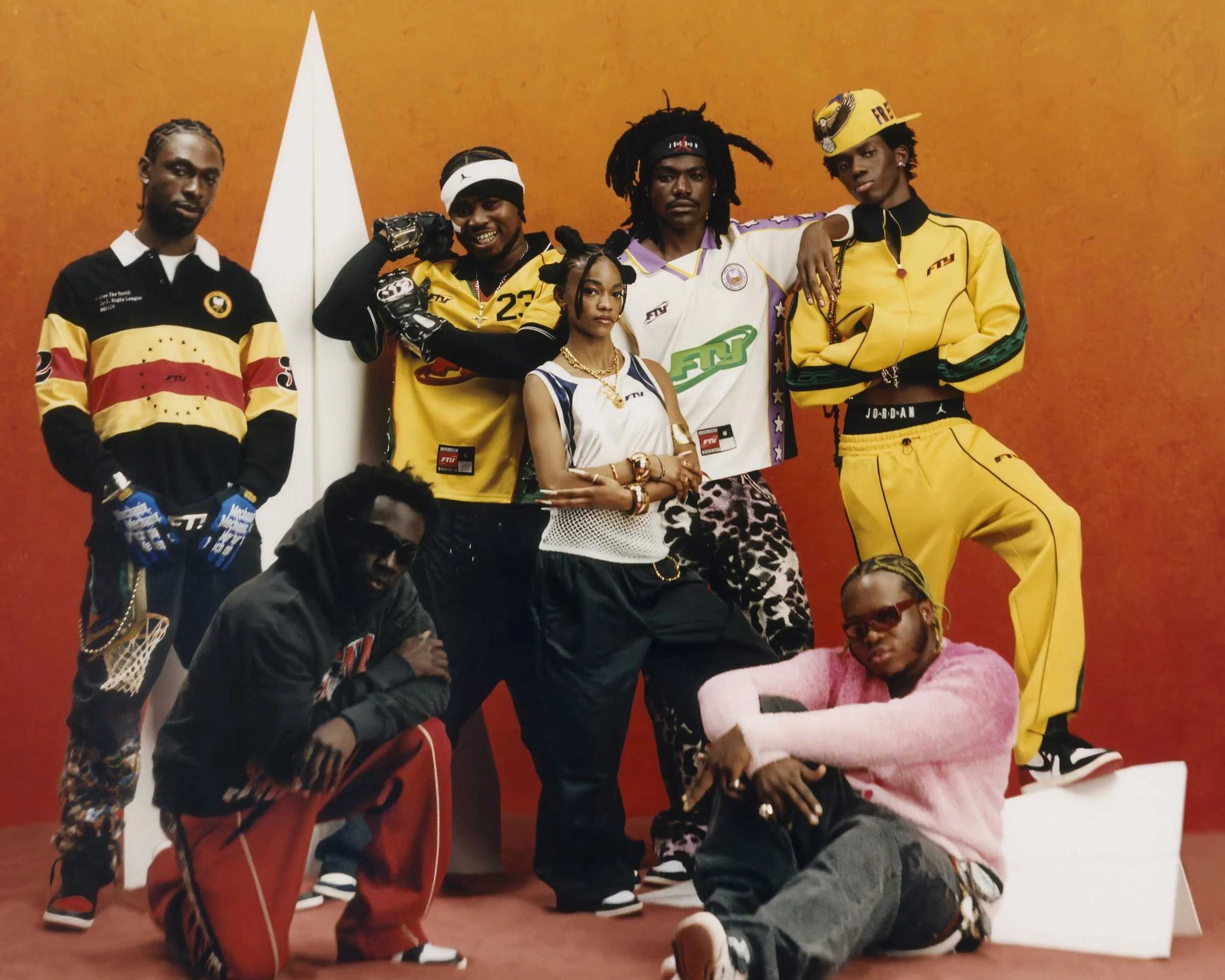
Small fashion labels in Accra operate alongside markets and tailoring shops. They produce limited runs of clothing that move through both physical and digital spaces.
Then printed T-shirts, reconstructed denim, and customised garments are sold through Instagram pages and pop-up events. They also move through informal retail arrangements rather than large storefront systems.
Osu and parts of East Legon host boutique shops and temporary fashion pop-ups. These spaces display locally produced garments alongside imported clothing. Young designers and sellers use these spaces to test designs and interact directly with customers.
They also build visibility without relying on mass production systems. Furthermore, social media platforms serve as active sales channels where sellers post products, take orders, and arrange pickups or deliveries within the city.
This allows small fashion businesses to operate without permanent retail infrastructure.
Many of these sellers rely on short production cycles, producing small quantities that respond quickly to demand from students, young professionals, and event-based buyers in the city.
The Omiren Argument
Accra streetwear is often presented as proof that Ghanaian youth are adapting global fashion trends to local taste. But that reading misunderstands what is actually happening in the city.
Most clothing worn in Accra does not enter youth fashion through designer collections or formal trend systems. It moves through resale markets, tailoring stalls, roadside trade, music spaces, and social circulation long before it appears online as style.
For instance, a pair of jeans may pass through Kantamanto, be resized by a roadside tailor, worn to a concert in Osu, reposted on social media, and later resold again through informal trade.
What outsiders read as fashion trends are often the visible result of continuous urban reuse inside Accra itself. This means Accra streetwear is not primarily built through consumption. But through circulation, alteration, and repeated public use across the city.
Frequently Asked Questions
-
What Culture Did Streetwear Originate From?
Streetwear developed mainly from Black American hip-hop culture and Californian skate and surf culture during the late 1970s and 1980s. It later expanded through sneaker culture, music scenes, sportswear, and youth subcultures in cities such as New York and Los Angeles.
-
What Are the Challenges Facing Ghanaian Youth?
Many Ghanaian youths face challenges linked to unemployment, rising living costs, informal work, and limited access to stable economic opportunities. Youth unemployment remains a major issue in Ghana despite multiple employment programmes and skills initiatives introduced over the years.
-
What Is the Most Popular Clothing in Ghana?
Traditional attire like the Ghanaian smock (also called Fugu, Batakari, or Tani) is widely regarded as one of the most popular and iconic clothing styles.
It is a versatile cotton garment for men and women, often linked to cultural identity, e.g., worn by Kwame Nkrumah at independence. Other popular traditional items include Kente cloth (Ashanti/Ewe origins) for special occasions, as well as Kaba and Slit for women.
-
Who Is the Most Popular Fashion Designer in Ghana?
Aisha Ayensu (founder of Christie Brown) stands out as one of the most prominent and internationally recognised Ghanaian fashion designers. She is known for combining African prints with modern, elegant silhouettes and has dressed celebrities like Beyoncé.
-
Which Country Invented Streetwear?
Streetwear is generally traced to the United States, particularly New York hip-hop culture and California skate and surf culture. The style later spread globally through music, sportswear brands, and youth fashion movements.