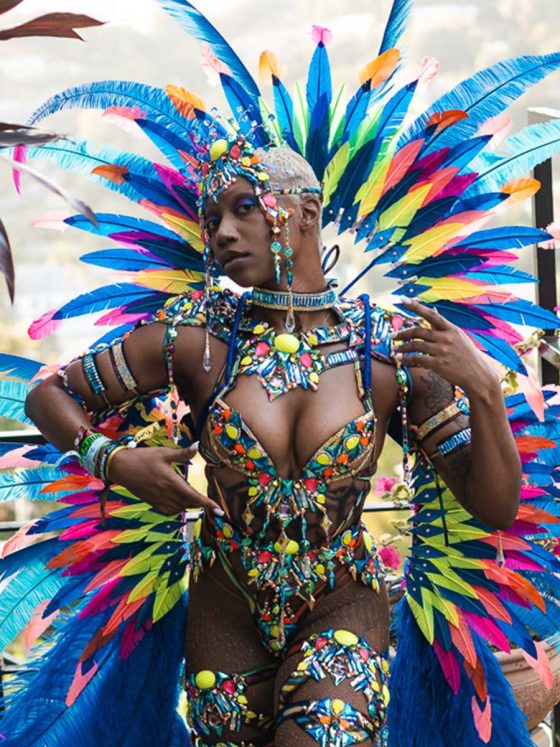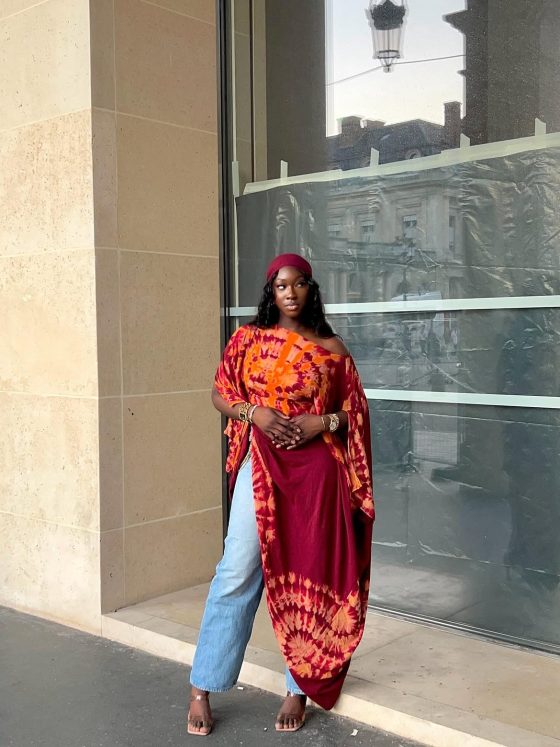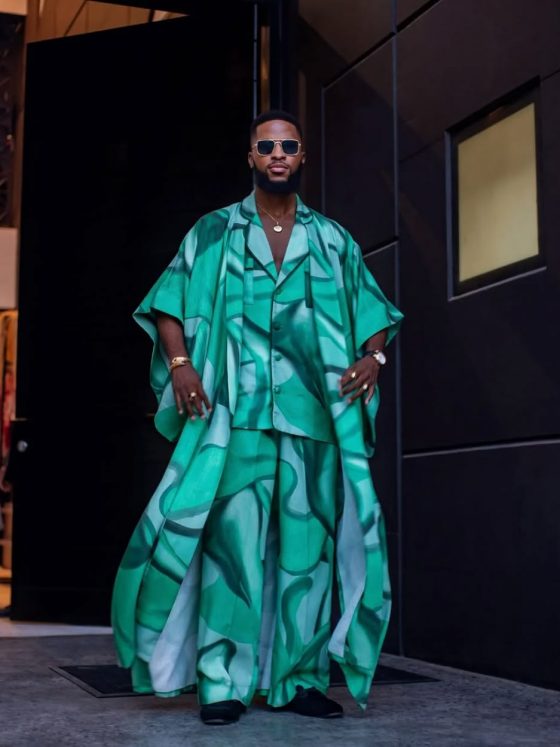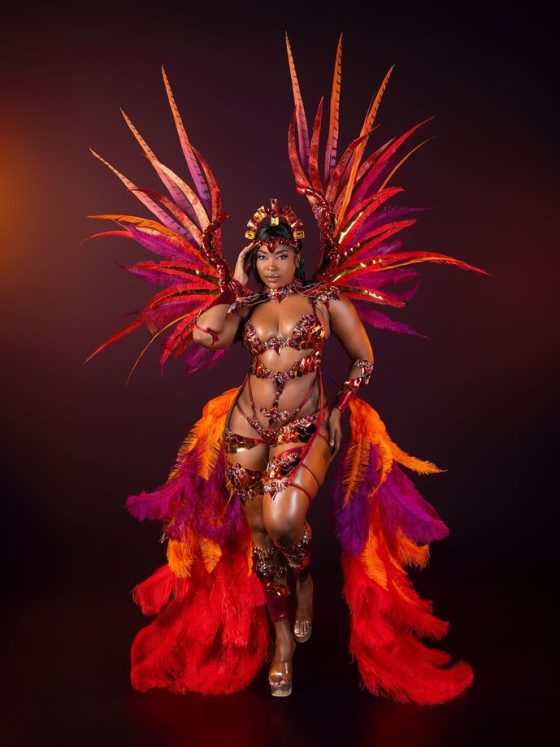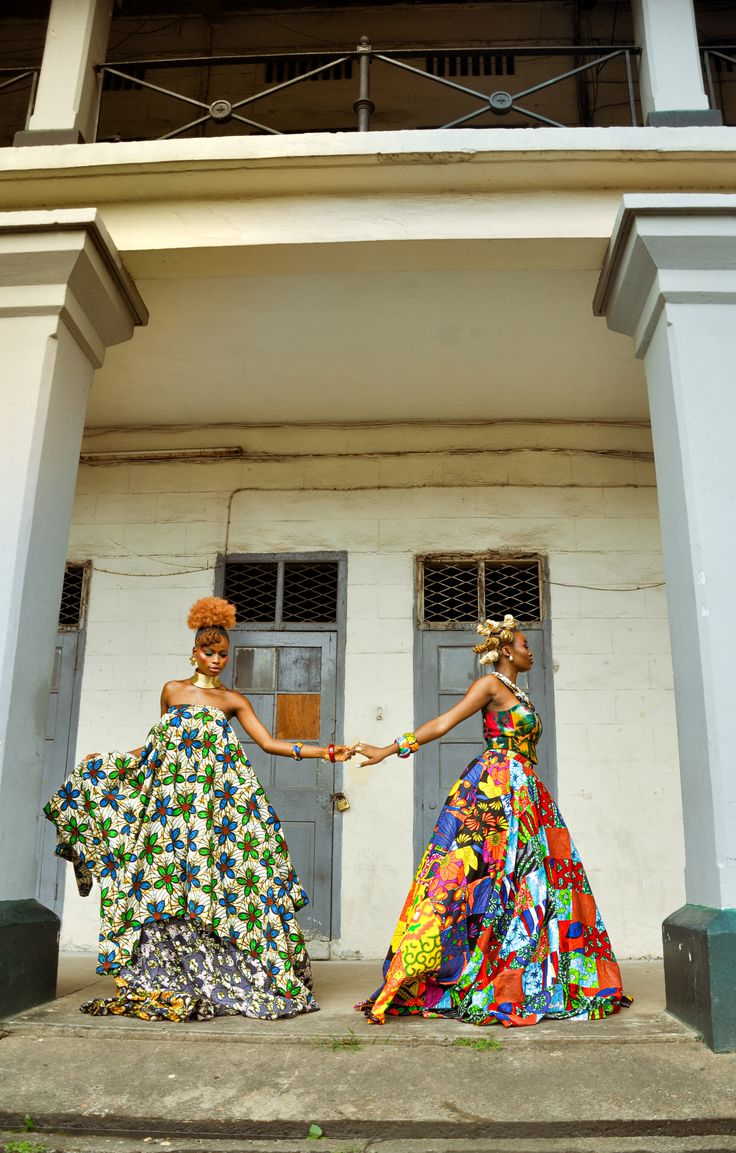
Before a masquerader steps onto the road in Port of Spain, the process has already passed through weeks of fittings, wire bending, fabric cutting, beadwork, and negotiation between designers, section leaders, and masquerade camps. The final costume may last for two days of Carnival, but the dress system behind it operates year-round. In Trinidad and Tobago, Carnival-related clothing is inseparable from cultural identity. It is one of the clearest ways communities organise visibility, memory, status, and belonging.
Yet Carnival alone does not explain dress culture in Trinidad and Tobago. Afro-Caribbean fashion in the country moves through several connected spaces, including spiritual practice, performance traditions, neighbourhood identity, and everyday urban style. What appears during Carnival season is only the most visible expression of a deeper cultural structure that has shaped how communities dress for generations.
Afro-Caribbean fashion in Trinidad and Tobago is shaped by Carnival, spiritual dress, and community identity, rather than spectacle alone.
Carnival Dress as Community Structure
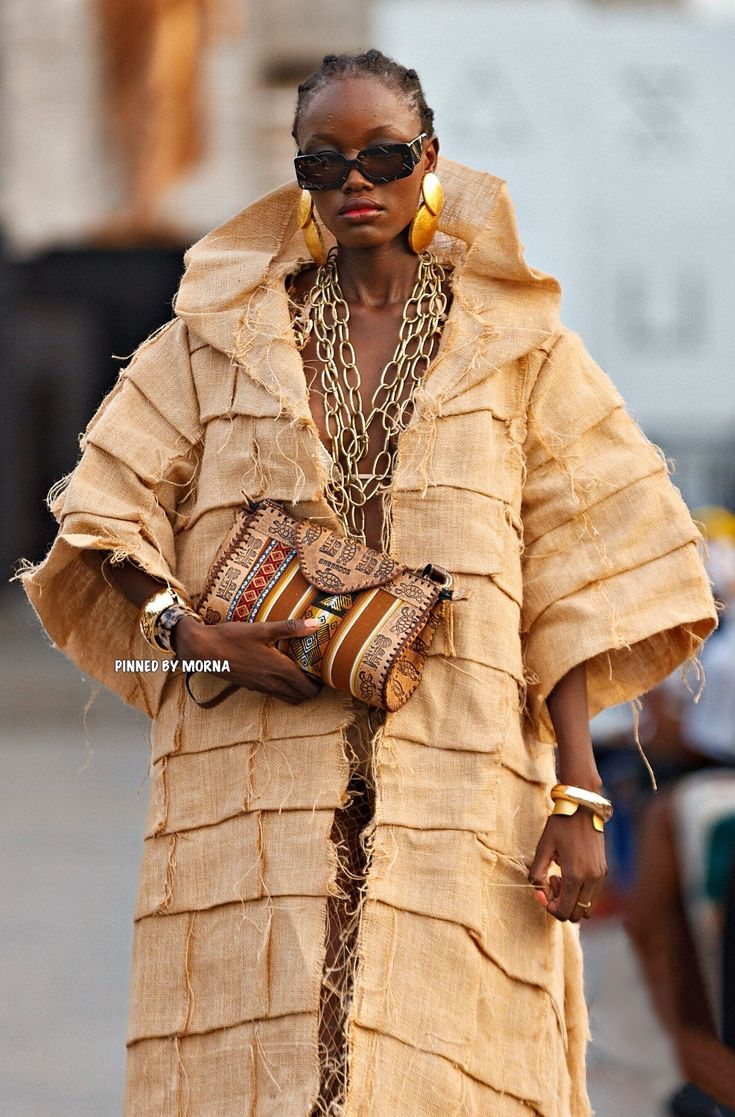
Carnival costumes in Trinidad and Tobago are often discussed in terms of spectacle, but their deeper significance lies in organisation and community participation. Mas bands are not temporary fashion projects. They are social systems involving designers, artisans, wire benders, sewists, feather workers, and neighbourhood networks that sustain costume production every year.
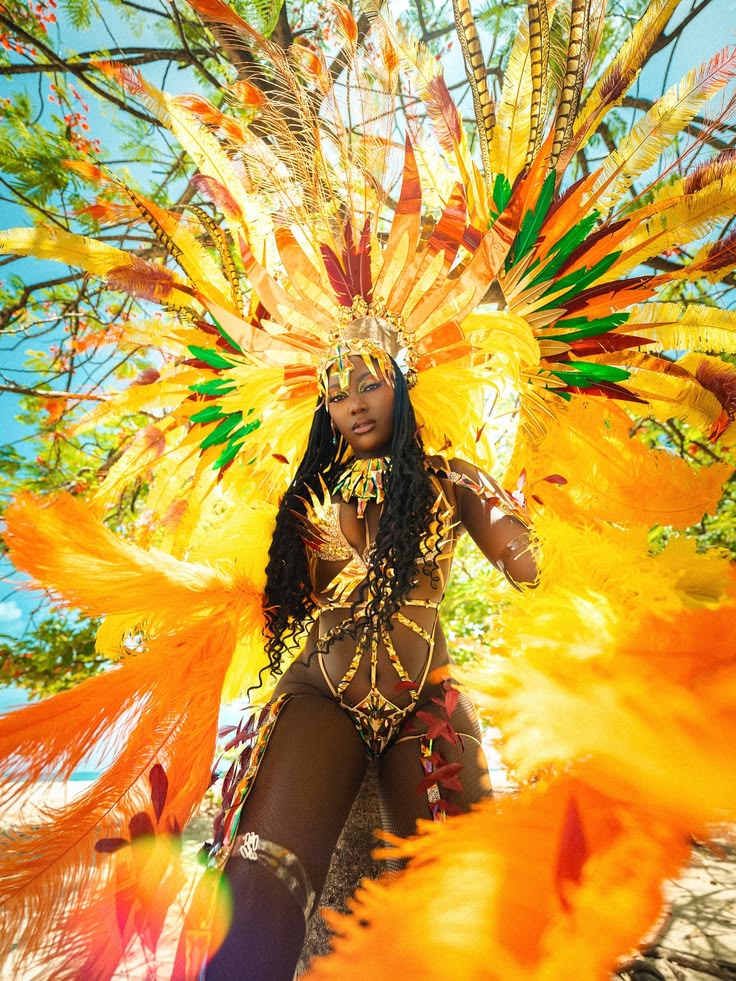
The costumes themselves carry different aesthetic traditions. Some sections prioritise large sculptural forms connected to traditional mas practices, while others focus on highly coordinated contemporary designs built around movement and visibility on the road. Colours, bead placement, fabric choice, and silhouette are all shaped by the logic of performance. A costume is designed to move within music, heat, crowd density, and long hours of procession.
A carnival dress also creates a temporary public identity. People join bands not only for entertainment but for affiliation. The costume marks participation in a collective structure that has its own hierarchy, aesthetic language, and social significance.
Traditional Mas and the Preservation of Cultural Memory
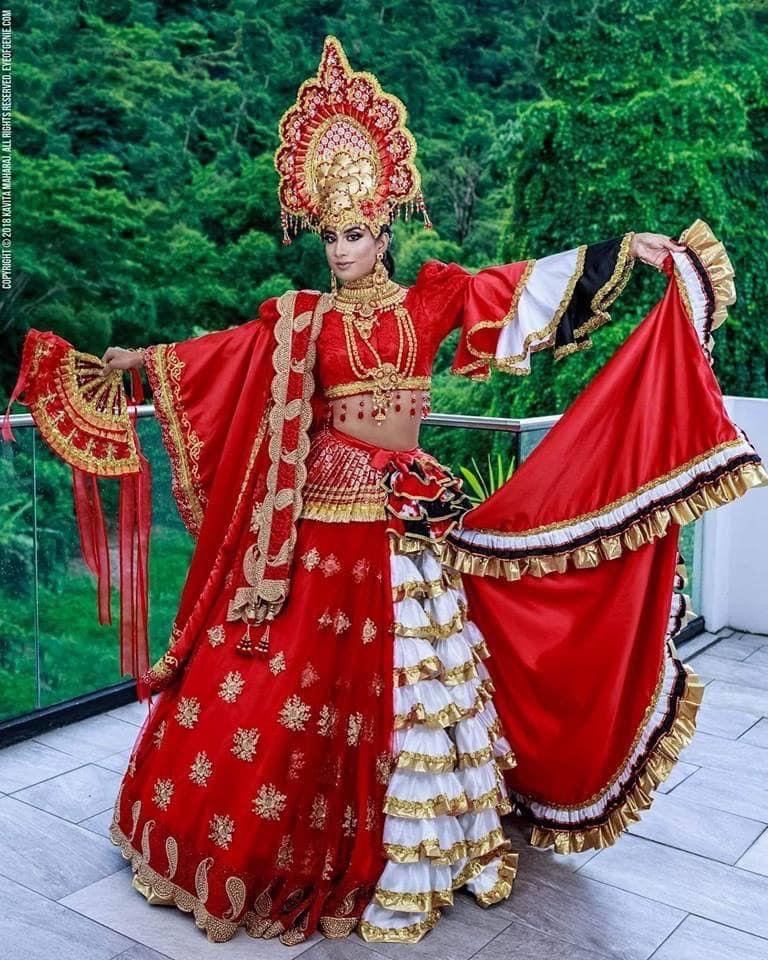
Alongside modern Carnival costume design, traditional mas characters continue to shape Afro-Caribbean dress culture in Trinidad and Tobago. Characters such as the Midnight Robber, Jab Molassie, Blue Devil, and Dame Lorraine are not decorative inventions. Each carries historical and performative meaning tied to colonial history, satire, social commentary, and African-derived expressive traditions.
The Midnight Robber’s exaggerated hat and flowing cape function as extensions of speech performance and intimidation. Jab Molassie bodies covered in oil, grease, or dark paint operate within traditions of disruption and ritualised confrontation. Dame Lorraine’s costumes exaggerate upper-class colonial dress through padding and theatrical movement.
These dress systems survive because they continue to be performed, taught, and adapted within communities. They are not museum remnants preserved through nostalgia. Traditional mas remains active because specific practitioners and cultural groups continue to produce the garments, train performers, and organise appearances during Carnival season.
Spiritual Dress and Afro-Caribbean Religious Identity
Afro-Caribbean dress in Trinidad and Tobago also moves through spiritual communities, particularly within Orisha traditions and Spiritual Baptist practices. Ceremonial purpose, rather than fashion trends, governs clothing in these spaces.
White garments commonly worn during ceremonies reflect spiritual discipline, purification, and ritual preparation. Headwraps, robes, beads, and colour-coded garments may indicate rank, role, or spiritual alignment within the practice. These dress systems are highly structured internally, even when they appear visually simple from the outside.
Importantly, spiritual dress does not operate as a costume. The garments belong to active religious systems with specific ceremonial requirements. Their meanings come from participation and practice rather than public interpretation.
The visibility of these traditions within national culture has shifted over time, particularly following the repeal of restrictions historically placed on Spiritual Baptist worship in the mid-20th century. Today, ceremonial clothing remains one of the clearest markers of continuity within Afro-Caribbean religious life in Trinidad and Tobago.
Also Read:
- Jamaican Textiles and Cloth Culture: Bandana Fabric, Maroon Weaving, and the Kingston Garment Economy
- Dress and Identity in Jamaica: Rastafarian, Maroon, and Kumina Dress as Distinct Cultural Systems
Urban Identity and Everyday Afro-Caribbean Style
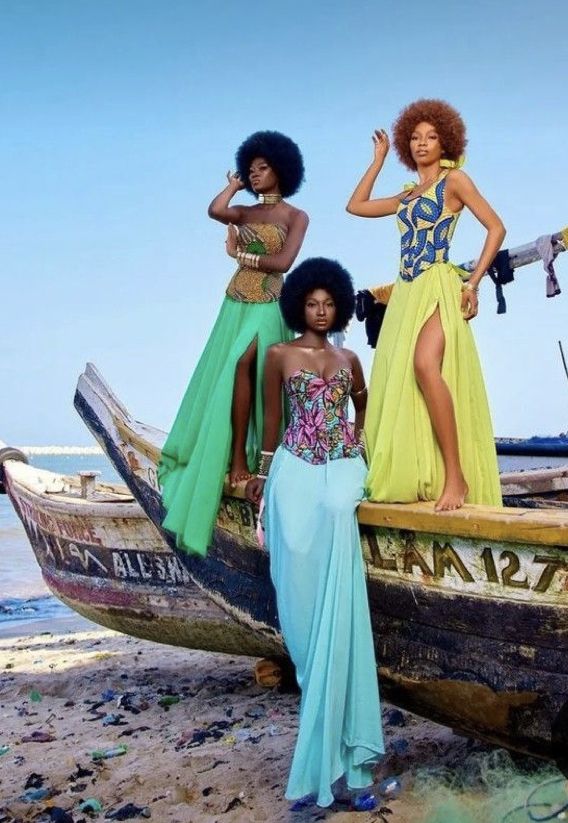
Outside formal cultural spaces, dress in Trinidad and Tobago is also shaped by music, neighbourhood identity, and social mobility. In Port of Spain and surrounding urban areas, fashion reflects a constant negotiation between local expression and global circulation.
Dancehall, soca, hip-hop, and local Carnival aesthetics all influence how young people assemble clothing. Bright colours, fitted silhouettes, designer labels, sneakers, and customised pieces exist alongside locally tailored garments and Carnival-influenced styling. Fashion here is rarely passive. People dress with an awareness of visibility, presentation, and social reading.
This is especially clear during Carnival season, when everyday clothing begins absorbing elements from mas culture. Sequins, mesh, feather details, metallic fabrics, and body-conscious silhouettes move beyond the road and into parties, concerts, and nightlife spaces.
The relationship between Carnival and daily dress is therefore not occasional. Carnival acts as an ongoing design influence, shaping how glamour, performance, and confidence are expressed throughout the year.
The Omiren Argument
The dominant assumption is that Afro-Caribbean fashion in Trinidad and Tobago begins and ends with Carnival spectacle, reducing the country’s dress culture to seasonal performance and visual excess. This interpretation treats costume visibility as the whole story while ignoring the cultural systems that sustain it.
In reality, Afro-Caribbean dress in Trinidad and Tobago operates through interconnected structures of community organisation, spiritual practice, performance tradition, and urban identity. Carnival is not separate from these systems. It concentrates them. The clothing produced for mas, traditional characters, religious ceremony, and everyday urban life reflects a society where dress functions as participation, affiliation, and cultural continuity rather than surface decoration alone.
FAQs
- What influences Afro-Caribbean fashion in Trinidad and Tobago?
Carnival, traditional mass, Afro-Caribbean spiritual traditions, music culture, and urban social life all shape dress culture in Trinidad and Tobago.
- What is traditional mas in Trinidad Carnival?
Traditional mas refers to historic Carnival characters such as the Midnight Robber, Jab Molassie, and Dame Lorraine, each with specific costumes and performance traditions.
- Is Carnival costume design important to Trinidad’s fashion industry?
Yes. Carnival costume production supports designers, artisans, wire benders, sewists, and creative industries connected to mas camps and band production.
- Why is white clothing important in Afro-Caribbean spiritual traditions?
Within Orisha and Spiritual Baptist practices, white garments often represent purification, spiritual discipline, and ceremonial preparation.
- How does Carnival influence everyday fashion in Trinidad and Tobago?
Carnival aesthetics influence nightlife dress, party fashion, tailoring, colour use, and body-conscious styling throughout the year.