Gua sha tools, sculpting techniques, and lymphatic drainage facials are all framed as current skincare advancements, and facial massage is frequently portrayed as a contemporary luxury. However, the basis of face massage is not new, as is the case with many therapies considered modern today.
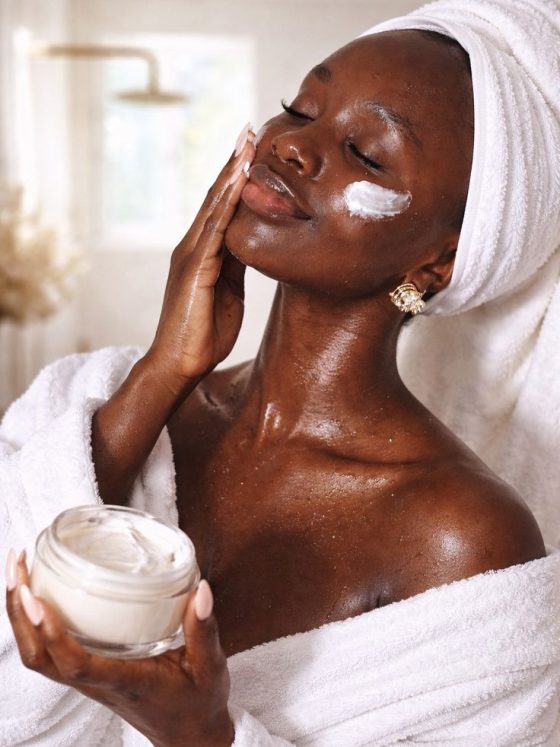
Touch has always been a component of skincare in African civilisations. As a method, not as an extra step. Oils were massaged into the skin rather than being applied. To promote circulation, reduce stress, and support the skin’s long-term function, pressure, rhythm, and movement were employed.
These methods weren’t isolated customs. They were included in everyday activities, such as bathing, applying oil, and participating in grooming customs passed down through the centuries. Appearance was not the only objective. It served to maintain the skin’s activity, responsiveness, and equilibrium.
These conventional techniques are often reflected in what contemporary beauty calls lymphatic drainage or facial sculpting, but they do not acknowledge the systems from which they originate. The way it is presented, packaged, and verified makes a difference, rather than the method itself.
African face massage is not reduced to trend alignment in this text. It looks at it as a system that existed long before tools, instructions, and vocabulary were used to explain it.
Discover traditional African facial massage techniques that improve circulation, sculpt the face, and enhance skin health, long before modern beauty trends adopted them.
African Facial Massage Was Built on Function, Not Aesthetics
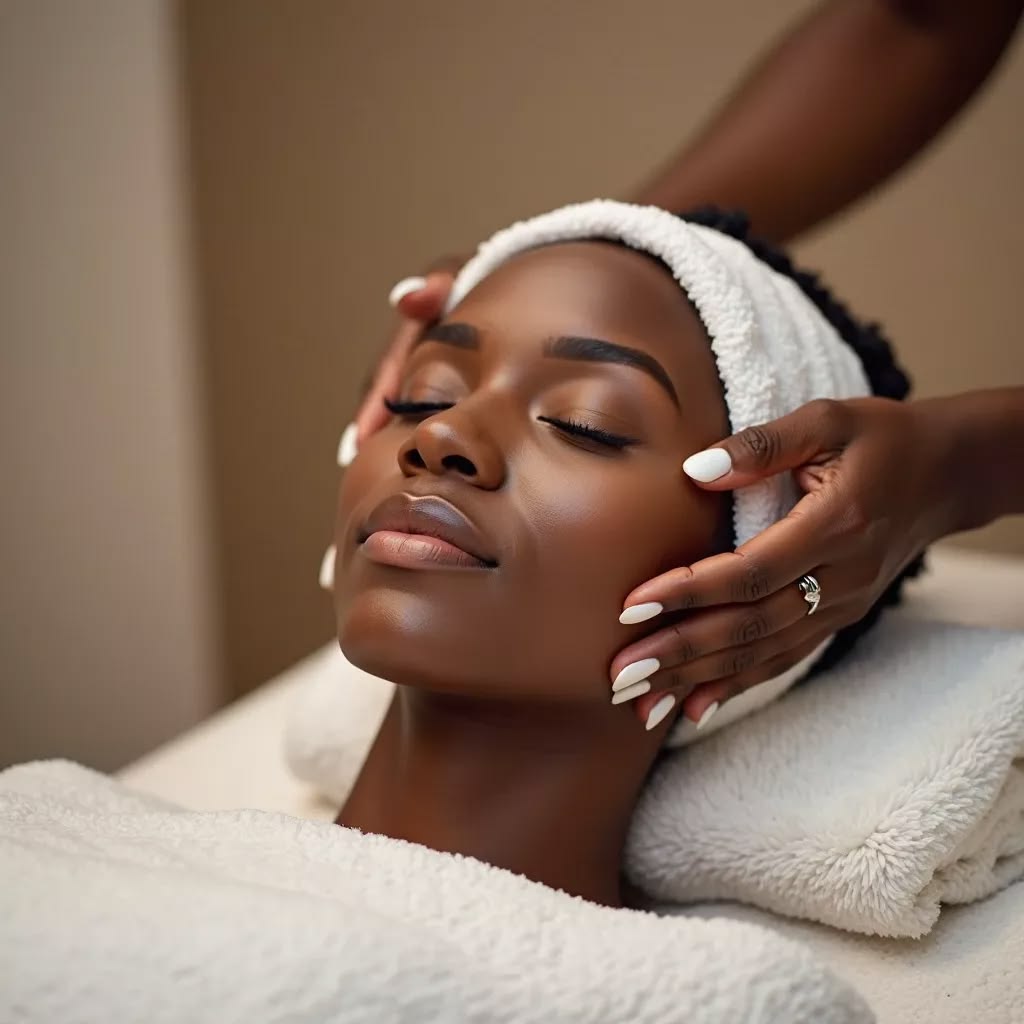
The marketing of modern facial massages frequently focuses on observable results, such as reduced puffiness, chiselled jawlines, and elevated cheekbones. Although these are surface-level interpretations of a deeper function, these results are legitimate.
In a cosmetic sense, traditional African facial massage practices were not intended to lift the face. Their purpose was to maintain the skin’s activity. To effectively deliver nutrients to the skin, movement was utilised to increase blood flow. Over time, this circulation preserved suppleness, enhanced tone, and aided in repair.
Tension release was also influenced by pressure. Stress is stored in the face, especially in the forehead, temples, and jaw. It influences how the skin sits and moves, so releasing this tension is important for more than just comfort. A relaxed face seems smoother because it is no longer trapped in contraction, not because it has been changed.
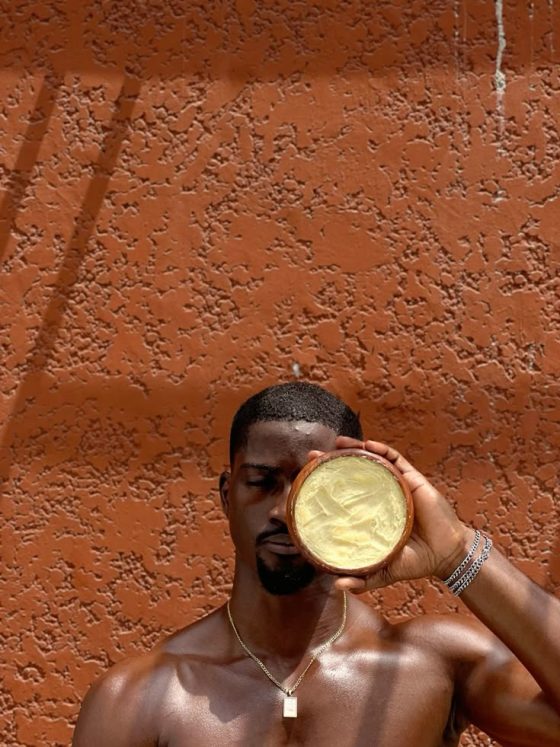
This method relied heavily on the application of oil. The slip was achieved through ingredients such as shea oil, palm kernel oil, and infused plant blends, allowing hands to slide over the skin without creating friction. Beyond that, however, they combined technique and therapy into a single procedure, nourishing the skin as it was worked on.
African brands are re-engaging with this strategy. While Natral Skincare produces oil blends intended to promote both skin nourishment and manual application, brands like Shea Yeleen concentrate on raw, premium shea products that are perfect for massage-based routines.
This indicates a change in viewpoint. Facial massage is a technique that improves the functionality of every product, not an additional step added for results.
Rhythm, Pressure, and Repetition: The Technique Behind the Practice
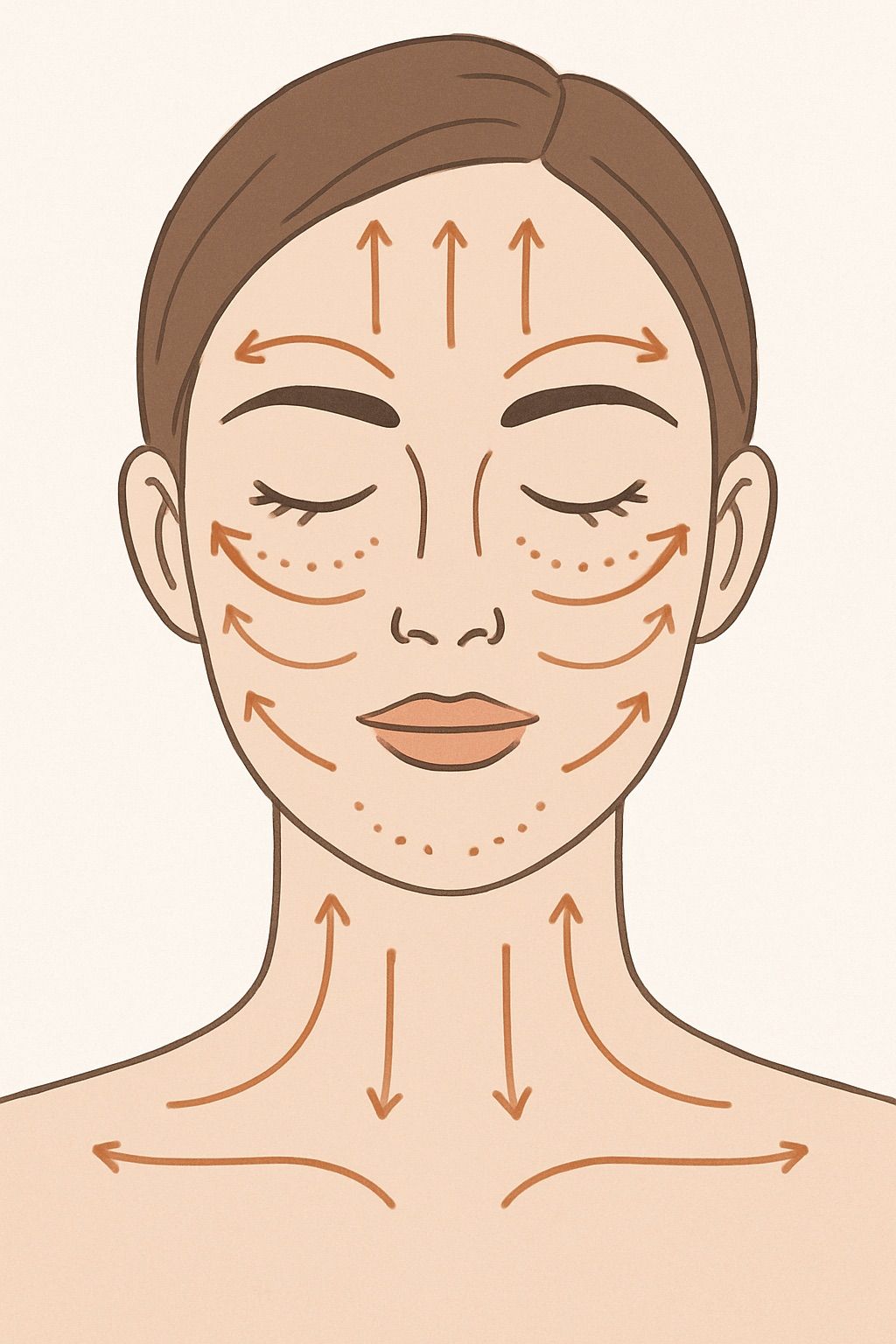
The fact that facial massage is not random is one of its most neglected features. The way the exercise is performed determines its efficacy; rhythm, pressure, and repetition are all important.
African traditional methods frequently adhered to regular patterns. circular motions to increase blood flow, upward strokes to defy gravity, and light tapping to excite the skin. Regular repetition of these motions produced cumulative effects over time.
In particular, rhythm is crucial. Quick, erratic motions are not very beneficial to the skin. Steady, controlled movements enable the skin to react gradually. This is comparable to how muscles react to exercise: consistency, not just intensity, yields results.
Additionally, pressure varies by facial region. While the jaw and cheekbones can withstand deeper pressure, delicate areas like the under-eye area require little pressure. This modification makes sure that the skin is stimulated without being overworked.
These methods roughly correspond with what contemporary beauty refers to as lymphatic drainage. Fluid movement via the lymphatic system promotes cleansing and lessens puffiness. However, in African customs, this was integrated into the daily routine rather than being a stand-alone, specialised technique.
Oils from companies like Narganics and Alaika Beauty support extended massages without clogging the skin, allowing them to be used repeatedly in these methods.
Here, how something is used is just as important as what is used. Products remain on the surface in the absence of a method. They are skillfully incorporated into the skin’s function.
ALSO READ:
Modern Beauty Extracted the Technique but Lost the System
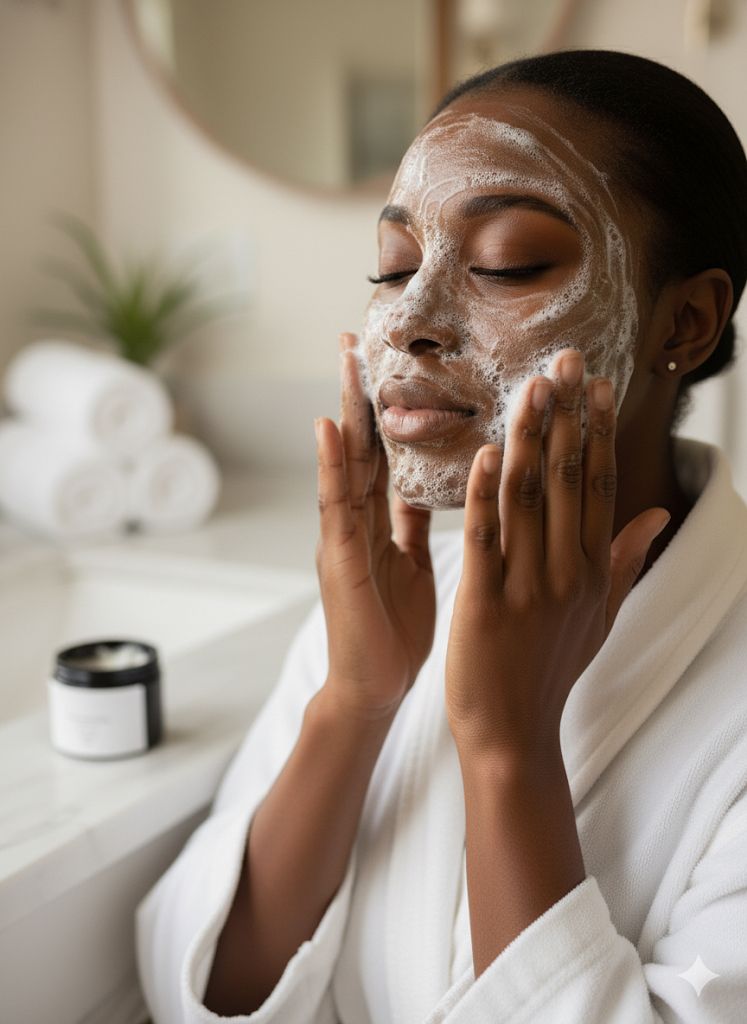
Facial massage has been reframed as tools, instructions, and separate routines as it has become increasingly popular worldwide. Rollers, sculpting tools, and gua sha have taken centre stage. However, something has been lost in the process.
Tools were not necessary for traditional African facial massage. It depended on consistency, hands, and oils. Repetition and incorporation into everyday life were more beneficial than specialised sessions or outside gadgets.
The practice becomes sporadic rather than regular when it is reduced to a tool-based habit. Treatment replaces habit. Additionally, it loses the cumulative impact that first made it effective.
Additionally, the intention has changed. Conventional techniques concentrated on preserving skin function throughout time. Contemporary adaptations frequently prioritise instantaneous, observable outcomes. This alters the technique’s application, making it quicker, more forceful, and less reliable.
African companies are starting to take back this system-level strategy. While Sahel Cosmetics concentrates on ingredient systems that promote long-term skin health rather than immediate results, companies like Hanout Boutique incorporate traditional oils and rituals into contemporary regimens.
For deeper, system-driven perspectives on African beauty practices, skincare rituals, and the structures behind what the global industry calls innovation, visit Omiren Styles, where tradition is not romanticised, but analysed, positioned, and understood with precision.
Omiren does not follow beauty trends. It identifies where they originate, questions how they are framed, and defines what they actually mean within the systems they come from.
The Omiren Argument
The international beauty industry portrays face massage as a discovery, something that has been improved, perfected, and presented using contemporary frameworks. However, this framing fails to acknowledge a basic fact: the method is not novel. Long before it was given that name, it was practised, improved, and incorporated.
Instead of creating a facial massage, the industry has isolated it. It has taken out the visible method that gave the system its effectiveness. Hands are replaced with tools. Sporadic routines replace daily practice. Immediate results replace long-term function.
The Omiren stance is unambiguous: facial massage is not a stand-alone trend. It is a component of a larger skincare system that emphasises function over time, consistency, and integration. Even though it becomes more visible, removing it from that system decreases its effectiveness.
Modern beauty must go beyond extraction if it is to interact with facial massage genuinely. It must acknowledge the systems that gave rise to them as frameworks that remain relevant, not as sources of inspiration, because the novelty of these methods is not what makes them valuable. It lies in their continuity.
Frequently Asked Questions (FAQs):
- What are the benefits of African facial massage techniques?
African facial massage techniques improve blood circulation, support lymphatic drainage, reduce facial tension, and enhance product absorption. Over time, they help maintain skin elasticity, even tone, and a natural glow without relying on aggressive treatments.
- Do I need special tools for facial massage?
No. Traditional African facial massage relies primarily on the hands. Tools are optional, but they are not necessary. Proper technique, consistency, and the use of suitable oils are far more important than any device.
- Which oils are best for facial massage on melanin-rich skin?
Lightweight, non-comedogenic oils like argan oil, baobab oil, and well-refined shea oil are ideal. They provide enough slip for massage while nourishing the skin without clogging pores.
- How often should I do a facial massage?
Consistency matters more than intensity. Short, daily sessions (3–5 minutes) are more effective than occasional long sessions. Traditional methods emphasise integration into routine rather than treating it as a separate event.
- Can facial massage help with puffiness and facial sculpting?
Yes. Techniques that support lymphatic drainage help reduce fluid buildup, which decreases puffiness. Over time, consistent massage can also improve muscle relaxation and create a more defined facial structure.
- Is facial massage safe for all skin types?
Generally, yes. However, people with active acne, severe inflammation, or sensitive skin should use gentle pressure and avoid aggravating the skin. The technique should always be adapted to the skin’s condition.
- Why is facial massage becoming popular in modern skincare?
As skincare shifts toward holistic and non-invasive methods, facial massage is being rediscovered for its ability to support skin function naturally. However, many of these techniques have existed in traditional systems long before they became trends.
- Does facial massage replace skincare products?
No. It enhances them. Facial massage improves how products are absorbed and utilised by the skin, making your routine more effective rather than replacing it.