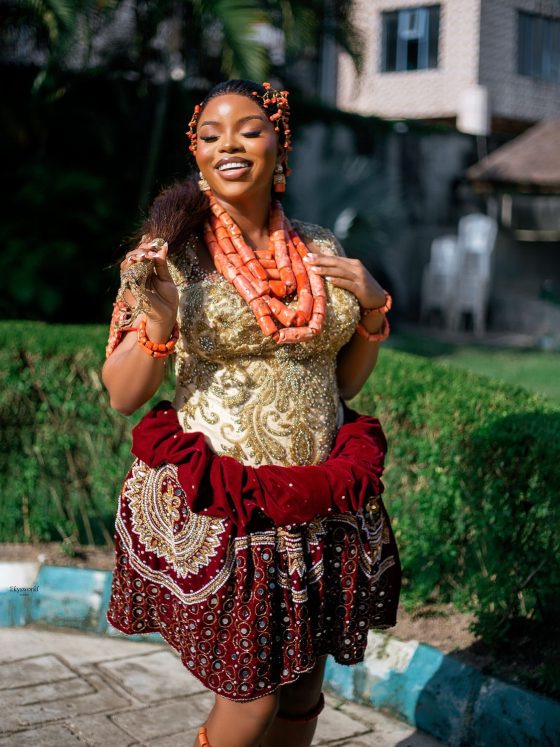
In Cartagena, Colombia, women known as Palenqueras walk the streets in skirts so wide and so boldly coloured that tourists stop to photograph them without knowing what they are looking at. They are the descendants of enslaved Africans who founded San Basilio de Palenque, the first free Black settlement in the Americas, in the seventeenth century. The way they dress is not a costume. It is not performance. It is a record. Every fold of cloth, every colour, every tied headwrap is a document of where they came from and what their ancestors refused to surrender. The fashion industry photographs them and moves on. Omiren Styles stops and reads.
From the Pollera Colora of Colombia’s Carnaval de Barranquilla to the Wob Dwiyet of Dominica, from the Madras Jip of St. Lucia to the Baiana dress of Bahia, Brazil, the traditional garments worn by women across the Caribbean and Latin America share a common root that mainstream fashion has consistently failed to name. That root is African. The women who built these dress traditions were African. The cloth knowledge, the wrapping techniques, the colour systems, the beadwork, and the layering structures all came from West and Central Africa, carried in the bodies and memories of people who crossed the Atlantic in chains and arrived with nothing but what they knew.
The Pollera in Colombia, the Wob Dwiyet in Dominica, the Baiana in Brazil. These are not just traditional dresses. They are African fashion, carried across the Atlantic and kept alive by women who refused to forget. Omiren Styles names the garments and traces them home.
The Pollera and the Palenquera: Colombia’s African Cloth Story
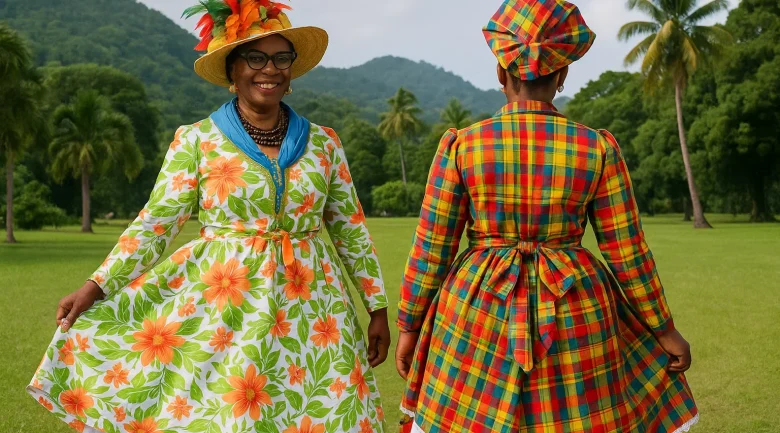
La Pollera Colora is Colombia’s most widely recognised traditional women’s garment, a vividly coloured skirt paired with a matching blouse that bares the shoulders, worn at festivals such as the Carnaval de Barranquilla, a UNESCO-declared Masterpiece of Oral and Intangible Heritage. It is taught in schools as a symbol of Colombian identity. What is taught far less often is that the fullness of the skirt, the way it moves, and the tradition of lifting and swirling it during dance trace directly to West African wrapper traditions. The act of draping, tying, and manipulating cloth around the body as a performance was not a Spanish invention. It was an African one, adapted by enslaved women on the Colombian coast who used the fabric available to them to do what their grandmothers had done with different cloth in different countries.
The Palenquera dress worn by Afro-Colombian women of Cartagena takes this further. These women, descendants of San Basilio de Palenque, the first free Black community in the Americas, dress in full skirts, bold single-colour fabric, and matching headwraps that represent one of the most direct visual connections to West African dress visible anywhere in Latin America. The Palenquero community was formally recognised by UNESCO in 2005 as an Intangible Cultural Heritage of Humanity, with specific acknowledgement of the African origins of their cultural practices. The dress is part of that heritage.
The Madras, the Tignon, and the Wob Dwiyet: The Caribbean Headwrap as Resistance
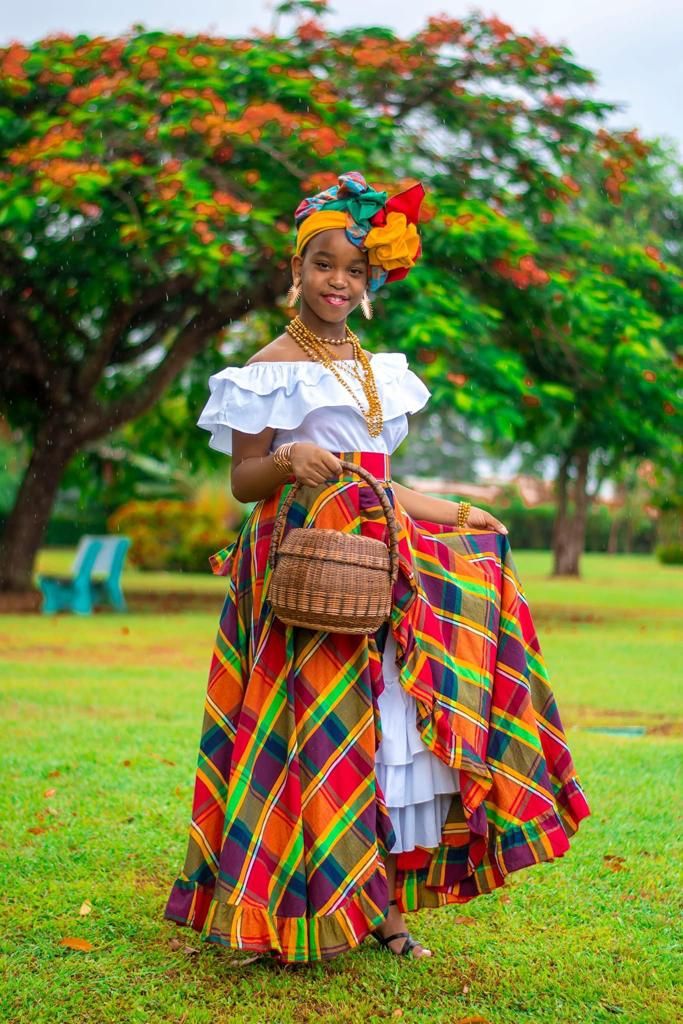
No garment in the Caribbean carries more documented African heritage than the Madras cloth and the headwrap traditions built around it. In the Caribbean, Madras became a popular material worn by both free and enslaved African Caribbean people, and women fashioned elaborate headwraps from it, known by various names depending on the region, including tignon, bandana, tét maré, and coiffe créole en madras.
The tignon itself is the most politically documented of these forms. In 1786, Louisiana’s colonial governor passed the Tignon Law, requiring free women of colour to cover their hair in public as a mark of their status. The intention was to humiliate. The result was the opposite. Women wrapped their tignons in the most elaborate configurations they could manage, turning a tool of suppression into one of the most recognisable symbols of Black feminine authority in the Americas. The tignon somewhat resembles the West African gele and was worn by Creole women of African descent in Louisiana from the Spanish colonial period. The resemblance is not a coincidence. It is descent.
In the French Caribbean, this headwrap tradition became the defining element of Creole dress. Traditionally, a woman ties her madras headdress into peaks that signal her marital status, with one peak meaning single, two meaning married, three meaning widowed or divorced, and four meaning emphatically available. This is a communicative system, not a decorative one. The use of dress to communicate social status and personal circumstance is a documented feature of West African dress traditions. It crossed the Atlantic with the women who carried it and was maintained in the Caribbean for centuries under conditions designed to erase it.
The Wob Dwiyet of Dominica is the fullest expression of this Creole dress tradition, considered a significant part of Dominica’s colonial heritage and the country’s national costume, and it inspires pageant competitions during independence celebrations. In St. Lucia, the same tradition becomes the Jip, a five-piece ensemble. The Madras Jip takes its style from the grand French robes known as Wob Dwiyet in French Creole, fused with West African cloth-wrapping traditions brought by enslaved women. The Grand’ Robe, the Douillette, the Tét Maré: each of these garments in the Antilles carries the same DNA. African women took what colonial systems gave them and built something that has lasted three hundred years.
The Baiana Dress and the Pano da Costa: Yoruba Fashion in Brazil
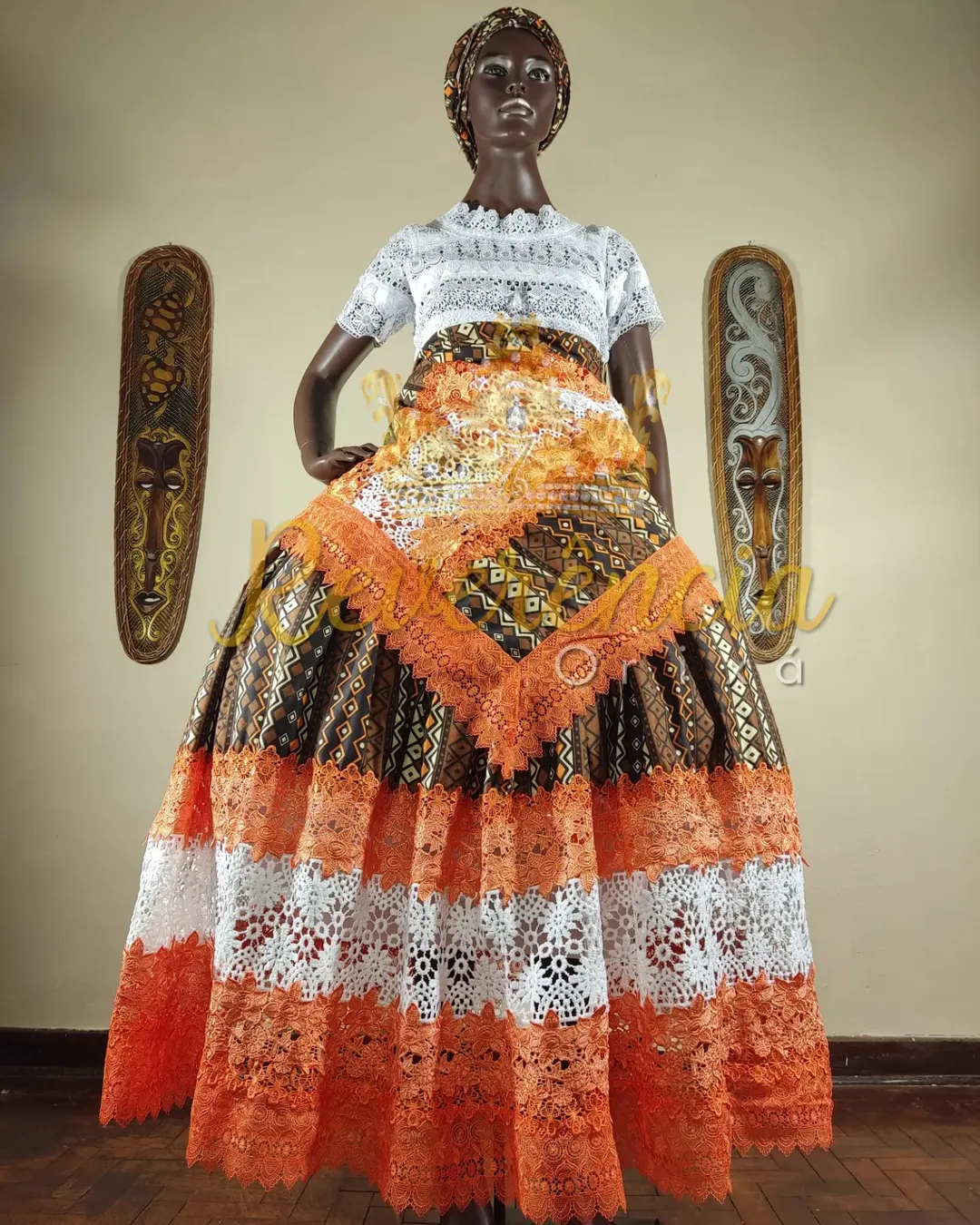
In Salvador, Bahia, the Baiana dress is the most visible and most studied example of African fashion surviving intact in the Americas. The clothing of the women of Bahia consists of a long, flowing skirt, usually in white; a bodice that gathers at the waist; and headwraps that can be traced to Afro-Islamic roots, accessorised with colourful bead necklaces and rings. Every element of this ensemble has an African origin that scholars have traced and documented.
The Pano da Costa, a strip-woven cloth worn draped across the back or shoulders, is among the most directly African elements of the Baiana dress. In Africa, they are called ‘alaká’ or ‘pano de alaká’. In Brazil, they became known as pano da costa because they came from the Ivory Coast and because they were used on the coast. The weaving technique, the strip construction, and the way the cloth is worn are all rooted in West African textile traditions. The first panos da costa were carried on the bodies of enslaved women who arrived in Brazil wrapped in this cloth, and the cloth was later woven by enslaved people and their descendants using hand looms brought from Africa in the eighteenth century.
The bead necklaces worn with the Baiana dress are not decorations. Religious beaded necklaces are worn with different coloured beads representing the various orixas, deities of Afro-Brazilian religions. This is the Yoruba bead system, transported from Nigeria and preserved in Brazil without interruption. The beads worn by a Baiana woman at a Candomblé ceremony follow the same colour-to-deity system used by Yoruba priests in Nigeria today. People from Yorubaland, Dahomey kingdoms, present-day southwestern Nigeria and Benin, and Bantu Africa were the larger groups who shaped Candomblé and its dress traditions. On 1 December 2004, the craft of the Baianas de Acarajé was declared a national heritage of Brazil, formally acknowledging the African women who built this tradition.
Also Read
- The Cloth That Crossed the Ocean: How African Fashion Tradition Lives in the Caribbean and Latin America
- The African Roots of Caribbean and Latin American Dance: When the Drum Speaks
- Wrapper Traditions Across West Africa: The Cloth That Carries Everything
- Afrocentric Beadwork and the Language of Adornment
What the Garment Names Tell Us
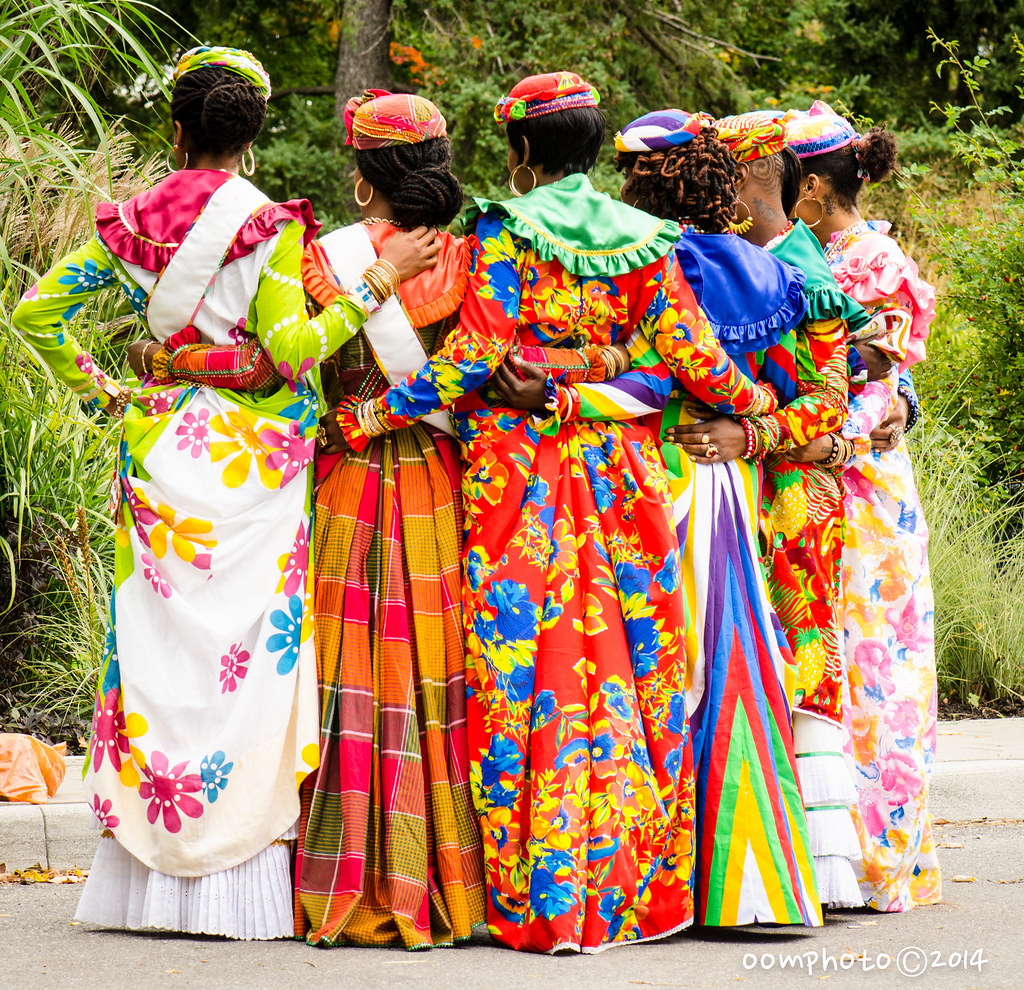
The names themselves are a record. Pano da Costa: cloth from the coast of Africa. Alaká: the Yoruba name for the same cloth. Tignon: the wrapped head covering that echoes the gele. Wob Dwiyet: the grand dress that women on the island of Dominica claimed as national identity. Pollera: the full skirt that swirls in the same motion as a West African wrapper dance. These are not borrowed aesthetics. These are African fashion forms that survived colonialism, the Tignon Law, bans on African dress, and deliberate erasure, and arrived in the twenty-first century still being worn, still being passed down, still being celebrated.
Research from Harvard’s Hutchins Centre for African and African American Research and the Smithsonian Centre for Folklife and Cultural Heritage has consistently confirmed that African material culture, including dress, textile knowledge, and adornment systems, survived the transatlantic slave trade with greater continuity than colonial historiography has been willing to acknowledge. The garments named in this article are the evidence.
The Omiren Argument
Vogue has run features on the Pollera. Elle has photographed the Baiana dress. Neither publication has told you where these garments come from. That omission is structural. The fashion industry profits from the aesthetic of African diaspora dress while refusing to credit the intellectual and cultural labour that produced it. A Baiana dress is described as “Brazilian”. A pollera is described as “Colombian”. A Wob Dwiyet is described as “Caribbean”. The word ‘Africa’ does not appear because naming Africa would require the industry to acknowledge that African women have been among the most consequential fashion makers in the history of the Americas. That acknowledgement would disrupt a hierarchy the industry has no interest in dismantling.
Omiren Styles names the garments. The Pollera comes from the African wrapper tradition. The Baiana dress is a Yoruba and Kongo fashion style worn by women in Bahia for four centuries. The Wob Dwiyet and the Madras Jip are African headwrap and cloth-draping traditions dressed in island fabric. Africa did not inspire these women. They were African. And the dresses they built are African fashion, worn today by millions of people who deserve to know the full story of what they are wearing.
The Palenqueras of Cartagena have been walking those streets since the seventeenth century. The Baianas of Salvador have been selling acarajé since before Brazilian independence. The women of Dominica have been wearing the Wob Dwiyet to every important occasion for three hundred years. They did not borrow a style. They carried one. And it is still here.
Frequently Asked Questions
1. What is the African origin of the Pollera dress worn in Colombia?
The Pollera’s fullness, its movement in dance, and the tradition of draping and swirling cloth trace to West African wrapper traditions brought to the Colombian coast by enslaved Africans. The Palenquera version of the dress, worn by Afro-Colombian descendants of the first free Black settlement in the Americas, is one of the most well-documented examples of African dress traditions maintained in Latin America.
2, What is the Wob Dwiyet, and where does it come from?
The Wob Dwiyet is the national costume of Dominica and the foundational Creole dress tradition of the French Caribbean, including Martinique, Guadeloupe, and St. Lucia, where it is known as the Jip. It developed from the grand robe worn by early French settlers and was adapted by enslaved African women who incorporated West African headwrap traditions, cloth-draping techniques, and the Madras fabric that became central to Caribbean identity.
3. Why is the Baiana dress of Brazil considered African fashion?
The Baiana dress is built from elements that trace directly to Yoruba, Kongo, and Bantu dress traditions. The Pano da Costa, the strip-woven cloth draped across the back, is named after the West African coast from which it came. The beaded necklaces follow the Yoruba orisha colour system. The headwrap echoes the Yoruba gele. Every element has a documented African origin.
4. Why does mainstream fashion not credit African origins when featuring Caribbean and Latin American traditional dress?
Mainstream fashion media consistently frames Caribbean and Latin American traditional dress as regional cultural identity without tracing those traditions to Africa. This reflects a broader structural pattern in which African cultural production is absorbed into other national or regional identities without attribution. Platforms like Omiren Styles argue that naming the African origin of these garments is not a political act but an accurate one, and that the women who built these traditions deserve to be credited in full.