São Tomé and Príncipe is the second-smallest country in Africa by population, an archipelago of two main islands on the Equator in the Gulf of Guinea, uninhabited when Portuguese explorers arrived in 1471. What came after was one of the Atlantic world’s earliest and most intensive plantation economies: sugar first, then cacao and coffee, sustained by the enslaved labour of people from across the African coast. The society that emerged from this history was not a blend of African and Portuguese cultures. It was a Creole culture: a new formation with its own languages, its own performance traditions, and its own dress vocabulary that is not legible as a mixture of its sources because Creole cultures are not mixtures. They are originals.
The African fashion and beauty market is part of the continent’s 31 billion dollar economy. Fashion coverage of São Tomé and Príncipe, where it exists at all, typically describes the islands’ dress culture as a fusion of African and Portuguese influences: as though two things were combined to produce a third, lesser thing. That description misses how Creole actually works. A Creole language is not a simplified version of its parent languages. It is a new language with its own grammar, its own vocabulary, and its own ee range. As Every Culture’s documentation of São Toméan cultural identity confirms, the people of São Tomé call their Creole language Forro, lunga santome, or dialecto , their own name, their own term, not a European category imposed on a deficient language. The dress that people in São Tomé wear carries the same Creole logic: it is its own thing, developed under specific conditions, carried by specific communities, and not reducible to its sources.
São Toméan dress is described as Aa fusion of African and Portuguese styles. That description misses how Creole works. Here is what the garments actually carry and why.
The Pagne as the Foundation Garment
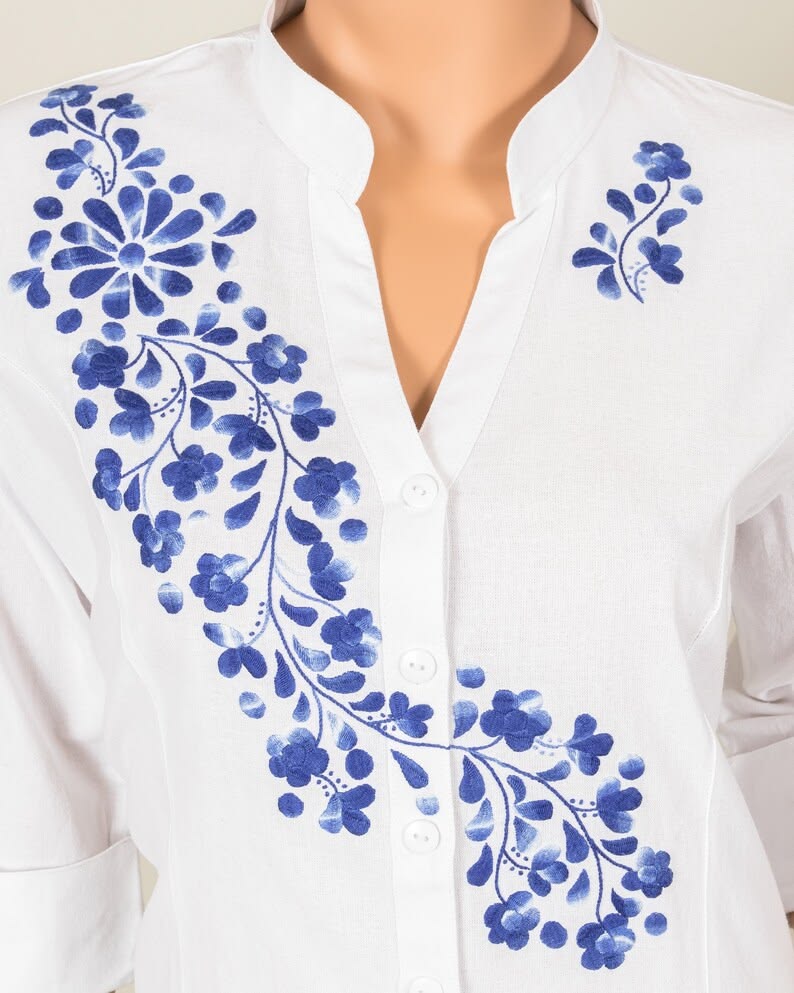
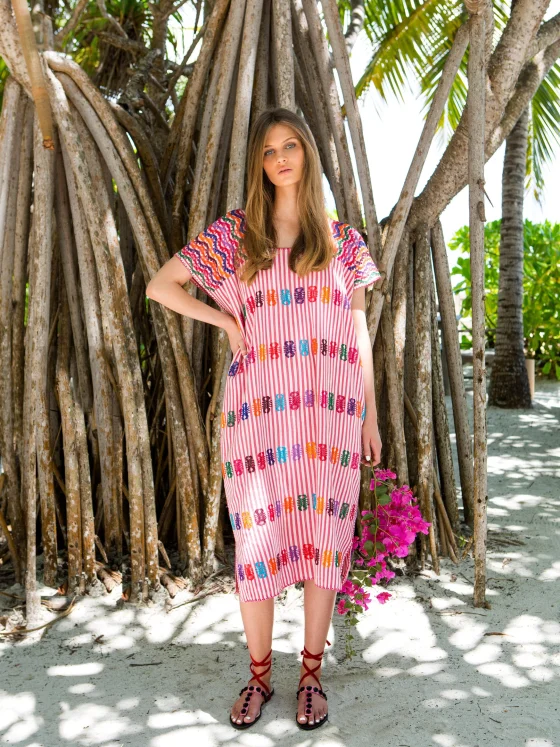
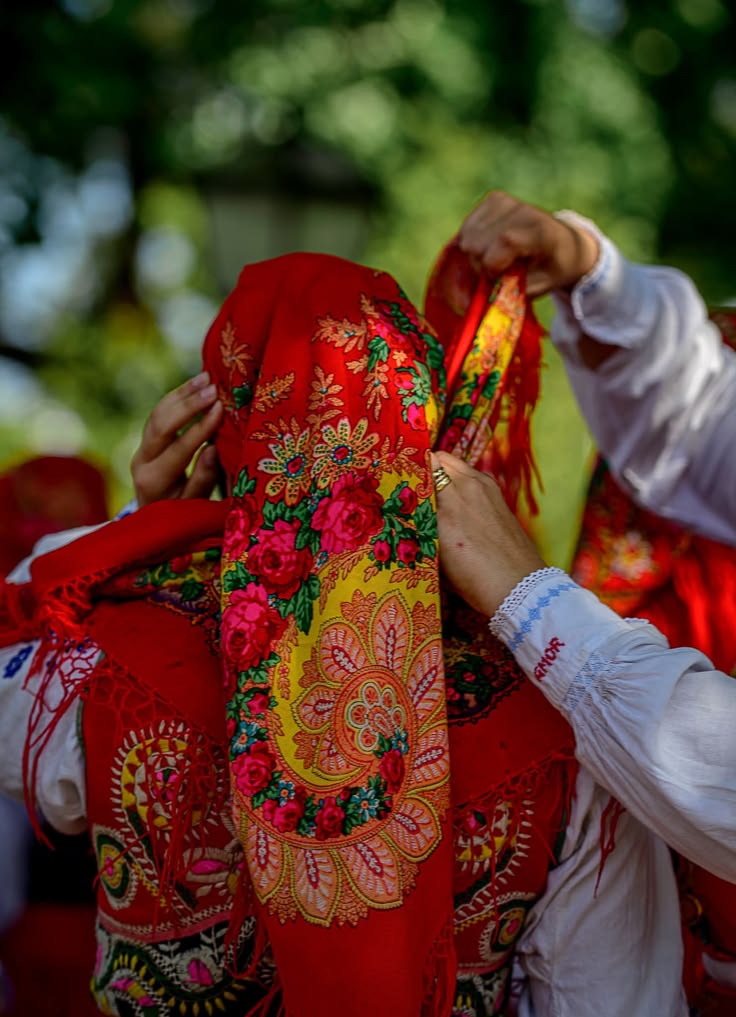
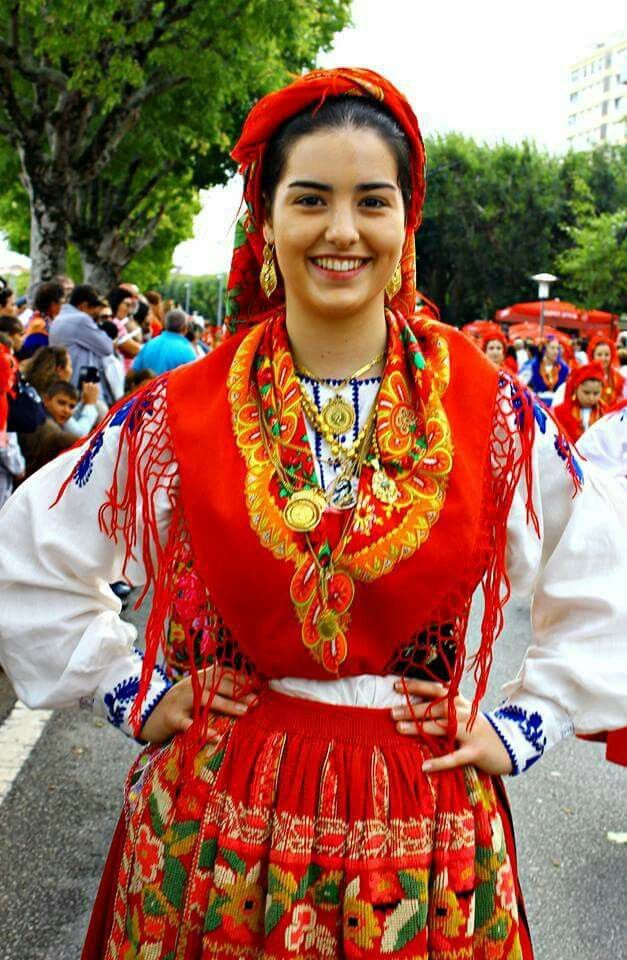
The pagne is the foundational element of women’s dress in São Tomé and Príncipe. As Outfiten’s July 2025 documentation of traditional São Toméan clothing confirms, the pagne is a wrapped, coloured and patterned skirt around the waist. The headwrap is its essential companion: women pair the pagne with a complementary or matching headwrap that signifies both modesty and cultural pride. The blouse worn with the pagne is typically embroidered, adding a layer of craft and labour to the ensemble that photographs rarely capture, because the embroidery works closely on the body rather than on the garment’s visible silhouette.
The pagne’s presence in São Toméan women’s dress connects the islands to the West and Central African textile vocabulary from which São Tomé’s dress culture draws its primary material inheritance. The pagne is not a Portuguese garment adapted for African wearers. It is an African garment that arrived with the enslaved people who were forced to the islands and who maintained their material culture under conditions of extreme suppression. That it survives in São Toméan dress today is not evidence of a blend with Portuguese colonialism. It is evidence of African durability under conditions designed to erase it.
A Creole language is not a simplified version of its parent languages. It is a new language with its own grammar. São Toméan dress works the same way: not African and Portuguese elements combined into one garment, but a specific community’s material culture that emerged from a specific history and has its own logic, its own occasions, and its own vocabulary.
The Wedding Ensemble: Boubou, Pagne, and the Occasion’s Grammar
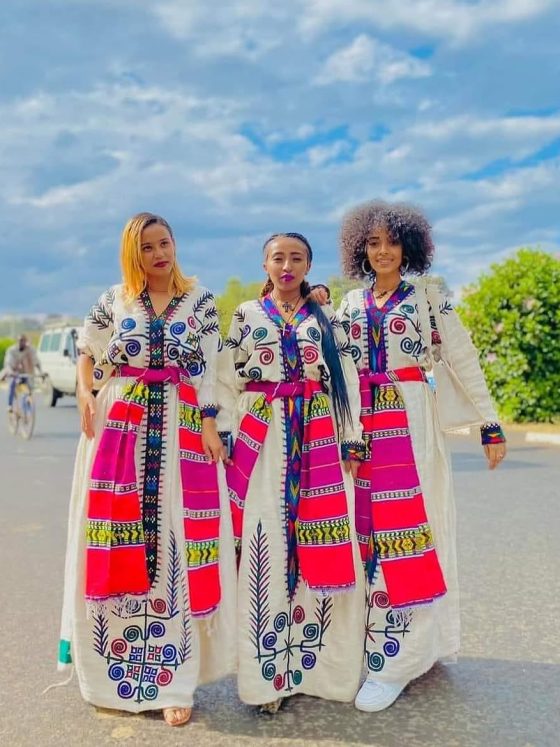
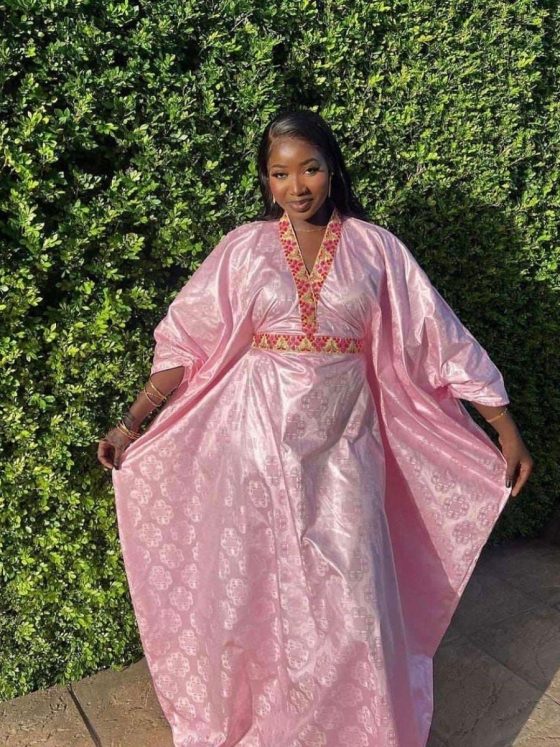
São ToméaA of dress culture, in wedding dress culture, most clearly demonstrates this. As D&D Clothing’s documentation of traditional wedding styles in São Tomé and Príncipe confirms, the groom at a traditional wedding can wear the grand boubou, the flowing wide-sleeved robe known across West and Central Africa as agbada in Yoruba, boubou from Wolof, and babban riga among the Hausa. The bride wears a boubou style complemented with a pagne, the combination’s formality determined by the fabric used. The pagne at a wedding is a formal pagne: its pattern, colour, and fabric quality signal the occasion’s significance in the same way that a formal gown does in other dress cultures.
The wedding ensemble’s grammar is specifically São Toméan rather than imported from either African or Portuguese dress tradition. The grand boubou is not a Portuguese garment. The pagne is not a Portuguese garment. The headwrap is not a Portuguese garment. These are West and Central African garments assembled into a São Toméan dress occasion through the specific social and cultural logic of the islands’ community life: Sunday observance, Catholic celebration, and the family ceremony in which West African dress vocabulary and Portuguese-influenced occasion structure coexist without either cancelling the other.
Tchiloli Costume: Labour, Memory, and the Recycled Archive
The most technically extraordinary dress practice in São Tomé and Príncipe is the Tchiloli costume tradition. Tchiloli is an ethnodrama performed by the Forro community, based on a 16th-century Madeiran poet’s version of The Tragedy of the Marquis of Mantua and the Emperor Charlemagne. As BUALA’s academic-adjacent documentation of Tchiloli in São Tomé confirms, costumes and accessories play a central part in Tchiloli and are the most striking elements, visually and ideologically. They are made by local people and families who reuse and recycle materials such as ribbon twists, upholstery, chocolate wrappings, mirrors, gilt, domestic gloves, glasses, polychrome sculptures from the last century, telephones and typewriters.
The Tchiloli costume is the most precise expression of São Toméan Creole dress logic available in any documented tradition. It is built from European narrative material: Charlemagne, the court of medieval Europe, the figures of chivalric drama. It is built on Afrion’s performance methodology: community participation, oral transmission, embodied knowledge, knowledge passed through families. And it is built from the material available in a small island economy with limited imports: chocolate wrappings, ribbon twists, domestic gloves, typewriters. The costume cannot be separated from the conditions under which it was made, and those conditions are specifically São Toméan. The recycled archive of materials is not poverty’s. It is i poverty ingenuity’s argument: a community that turns a typewriter into a costume element has understood that any object can carry meaning if the community decides that it does.
The Forro community’s exclusive access to Tchiloli, documented in the historical record, means that the me tradition is not available equally to all São Toméans. The Forro community, whose ancestors were enslaved Angolans who escaped to the islands’ interior and founded their own distinct society, maintained separate cultural practices. The Principense community of the smaller island of Príncipe has its own parallel tradition in the Auto de Floripes. These distinctions themselves evidence that São Toméan dress is not a single undifferentiated Creole blend but a set of community-specific material cultures whose differences are as significant as their shared island history.
Community, Occasion, and the Dress Calendar
São Toméan dress is organised around a calendar of Catholic observances adapted through the islands’ Creole cultural logic. Sundays, weddings, and patron saints’ festivals are the primary dress occasions. As the Festas de São Tomé festival confirms, the celebration of Saint Thomas (July 3) combines Catholic Mass with street processions. The community floats, incense, and hymn-singing coexist with Tchiloli performance and drumming in a publat occasion whose dress requirements span the formal church garment, the performance costume, and the street cestreet-celebrationIndependence Day on July 12 adds a national post-colonial occasion to the dress calendar that is n July 12 expresses São Toméan national identity rather than community or religious affiliation. The patterns and designs on the fabrics worn on independence occasions often reflect connections to the land: local flora, fauna, and natural resources specific to São Tomé rather than imported from other traditions. The dress of a nation that knows what it is, built from materials that are specifically its own.
What Fusion Misses
The fusion description of São Toméan dress misses important details; it treats the African and Portuguese inputs as equivalent. They are not equivalent: one was the culture of the enslaved majority whose material practice was systematically suppressed; the other was the culture of the colonial minority whose institutional power shaped which practices survived in official and documented forms. The pagne survived despite Portuguese colonialism, not as a product of its influence. Second, it treats the combination as a passive process: two inputs producing one output. Creole cultures are active: communities make choices, maintain practices under pressure, and develop new forms from existing materials. Third, it removes the time dimension: the dress culture that exists today in São Tomé is not the dress of the 16th-century plantation. It is the dress of a society that has had five centuries to develop what it means to dress on these islands, in these conditions, for these occasions.
The same analytical failure applies to Creole dress traditions across the African diaspora. As Omiren Styles’ documentation of the editorial shortcuts in African textile reporting confirms, describing an African textile tradition as a fusion, blend, or hybrid of its source materials is an editorial shortcut that replaces the tradition’s actual complexity with a simplified origin story. The complexity is the meaning.
The Omiren Argument
São Toméan dress is not a fusion of African and Portuguese elements. It is a Creole material culture with its own logic, its own o, its own c distinctions, and its own a grammar. The African fashion and beauty market is part of a 31 billion dollar continental economy. The pagne that São Toméan women have been wrapping around their bodies at weddings, on Sundays, and at patron saint festivals for generations is not a concession to Portuguese influence. It is West and Central African material culture that survived the conditions of the plantation economy because the people who carried it survived those conditions and refused to let their material world be erased. The Tchiloli costume that Forro families build from chocolate wrappers, ribbon twists, and typewriters is not a poverty-constrained imitation of European theatrical dress. It is a creative and ideological achievement: a community that takes whatever the world provides and makes it mean something specific, layered, and theirs. The headwrap that sits above the embroidered blouse and the pagne is not a compromise between African and European modesty conventions. It is the gesture of a woman dressing for her occasion in the vocabulary her community gave her; this vocabulary is Creole: original, specific, and not reducible to its origins.
Also Read:
Frequently Asked Questions
What is traditional dress in São Tomé and Príncipe?
Traditional dress in São Tomé and Príncipe centres on the pagne, a wrapped skirt made of brightly coloured, patterned fabric, worn by women with matching headwraps and embroidered blouses. Men wear African prints for everyday and boubou-style garments for formal occasions such as weddings. The dress culture is Creole in character: developed by the islands’ distinct communities including the Forro, Angolar, Mestiço, and Principense peoples over five centuries of island life. The most distinctive performance dress in São Tomé is the Tchiloli costume, produced by Forro families from recycled and reused materials for the ethno-dramatic performance of the same name.
What is the pagne in São Toméan culture?
The pagne is a wrapped skirt that is the foundational element of women’s dress in São Tomé and Príncipe, and across West and Central Africa more broadly. In São Toméan context, the pagne is typically brightly coloured and patterned, worn with a matching or complementary headwrap and an embroidered blouse. The formality of a pagne is defined by the fabric and pattern rather than by its condition: a formal pagne at a wedding signals the occasion’s importance through its material rather than its style. The pagne’s presence in São Toméan dress is evidence of West and the survival of Central African material culture under the conditions of the plantation economy.
What are Tchiloli costumes made from?
Tchiloli is an ethno-dramatic performance practised by the Forro community of São Tomé. Its costumes are produced by local families using recycled and reused materials, including ribbon twists, upholstery fabric, chocolate wrappings, mirrors, gilt, wrappers, gloves, glasses, polychrome sculptures from the last century, and objects such as telephones. BUALA’s academic documentation describes these costumes as the most striking visual and ideological elements of the Tchiloli performance, and notes that they are passed down through families who maintain the tradition across generations.
What is the Forro community?
The Forro are one of São Tomé and Príncipe’s main ethnic communities, descended from the freed African slaves and mixed-race children who were the islands’ earliest creolised population. They are the primary practitioners of the Tchiloli performance tradition and historically had access to certain cultural and religious practices that other communities on the islands did not. The Forro language (also called Lunga Santome) is the most widely spoken Creole language on the islands. Other main communities include the Angolar, descended from escaped enslaved Angolans who formed their own distinct inland society, and the Principense, whose Lunguyé language and cultural practices are specific to the island of Príncipe.
Why is São Toméan dress not fusion?
São Toméan dress is better described as Creole than as fusion because the fusion framework treats African and Portuguese inputs as equivalent contributors to a combined output. In fact, African material culture survived under conditions of colonial suppression rather than being combined with Portuguese culture as an equal partner. Creole cultures are also active rather than passive: communities make choices about which practices to maintain and develop under specific conditions, producing new cultural forms that have their own logic, even as they are compromises between compromises. The pagne, the headwrap, the Tchiloli costume built from recycled materials: each of these is a specific São Toméan practice with its own community history, occasion structure, and material vocabulary that the fusion label flattens.
Explore More
Read the full Culture > Heritage & Identity section for Omiren Styles’ documentation of Creole and diaspora dress traditions, island material cultures, and the communities whose dress vocabulary is not reducible to its colonial history.
Discover travel and heritage intelligence across Central Africa and the Gulf of Guinea islands at Rex Clarke Adventures.