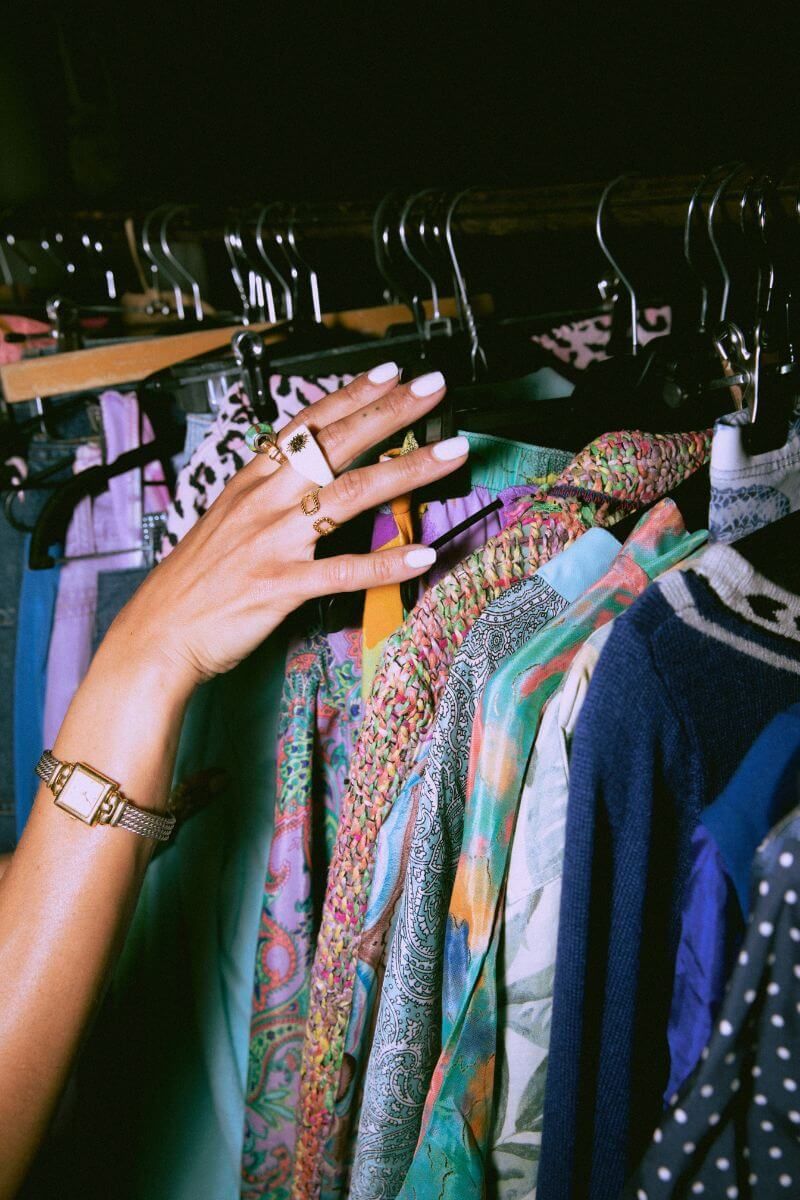
Open any wardrobe in Nigeria, and you are not just looking at clothes—you are looking at a life in fragments—a wedding aso-ebi folded beside a university hoodie. A faded NYSC tee you swear you will never wear again, yet cannot discard. A mother’s wrapper, kept long after she is gone.
Globally, fashion is often framed in terms of trends, consumption, and reinvention. But that framing is incomplete. Clothing is not just what we wear; it is how we remember. It is how we hold on.
Across cultures, garments operate as emotional archives. But in African contexts—where memory is often oral, communal, and embodied, clothing becomes something deeper: a living archive of identity, lineage, aspiration, and survival.
This is not nostalgia. It is continuity.
From memory anchors to identity politics, why clothes stay with us and how African cultural memory reshapes fashion beyond consumption.
Clothes as Memory Anchors, Not Objects
Psychology explains what many people already feel instinctively: clothing acts as a “memory anchor.” A single garment can hold entire chapters of life, graduations, heartbreaks, migrations, and victories.
Because memory and emotion are tightly linked in the brain, emotionally charged experiences become embedded in physical objects—especially those worn during the event.
In simple terms:
You don’t remember the cloth. You remember yourself in it.
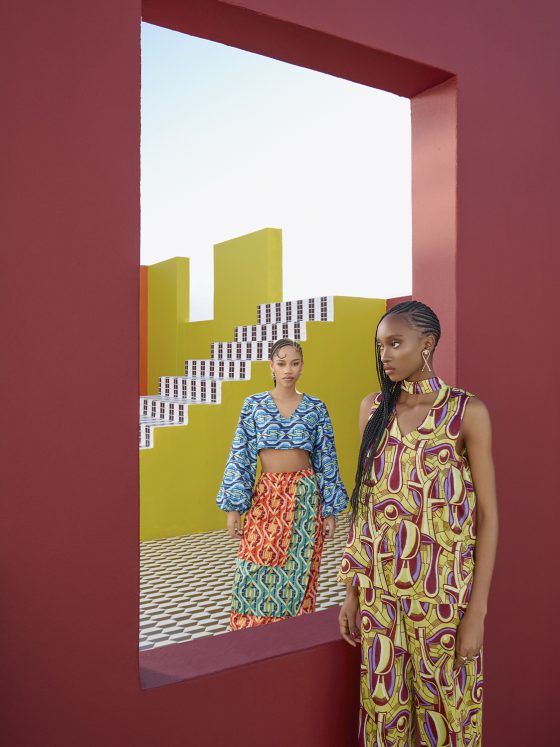
In African contexts, this attachment intensifies. A garment is rarely individual—it is social. That lace worn to a wedding is tied to family networks. That Ankara print carries shared meaning. That uniform signals a stage of life recognised by others.
Clothing doesn’t just recall memory—it validates it.
Identity Is Worn Before It Is Spoken
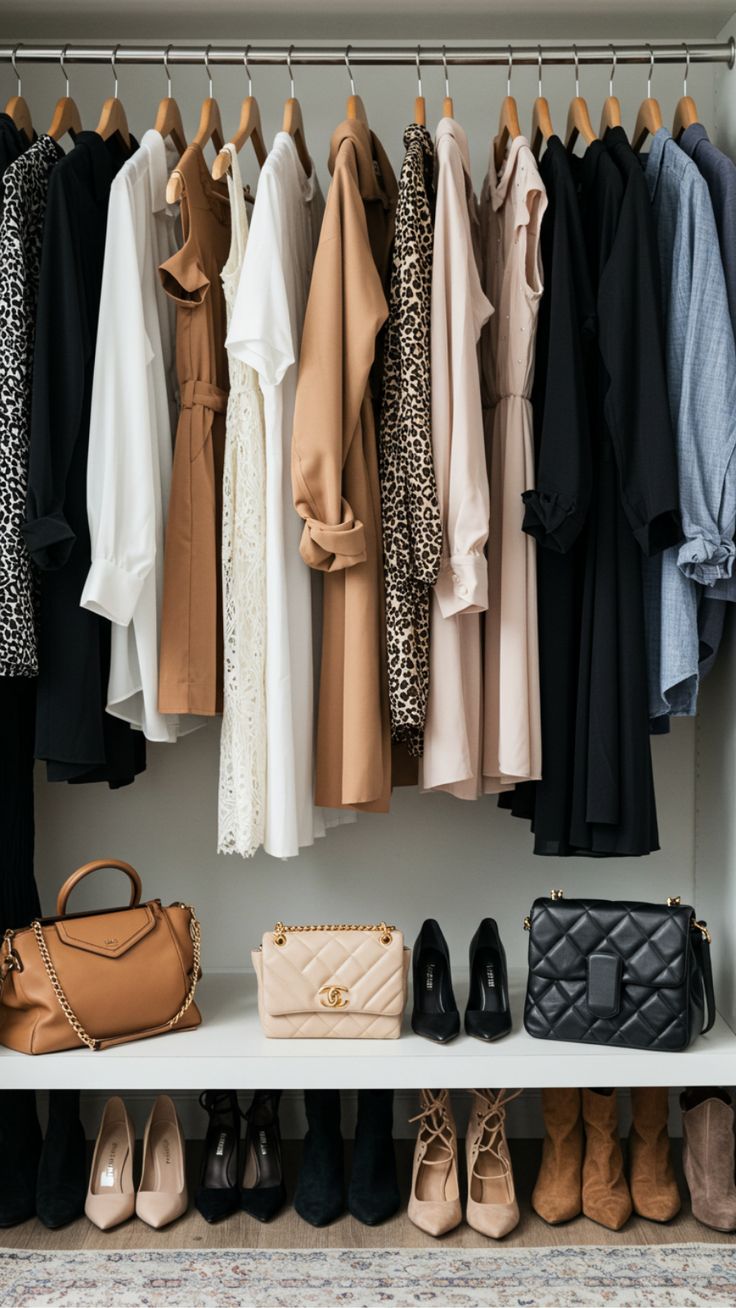
Clothing is not passive. It actively shapes identity—a concept explored through “enclothed cognition,” where what we wear influences how we think and behave.
But here is where Western frameworks fall short.
In African societies, identity through clothing is not just psychological—it is political, cultural, and historical.
- A wrapper is not just comfort; it signals womanhood, respectability, and lineage.
- A gele is not just a style; it is authority, ceremony, and presence
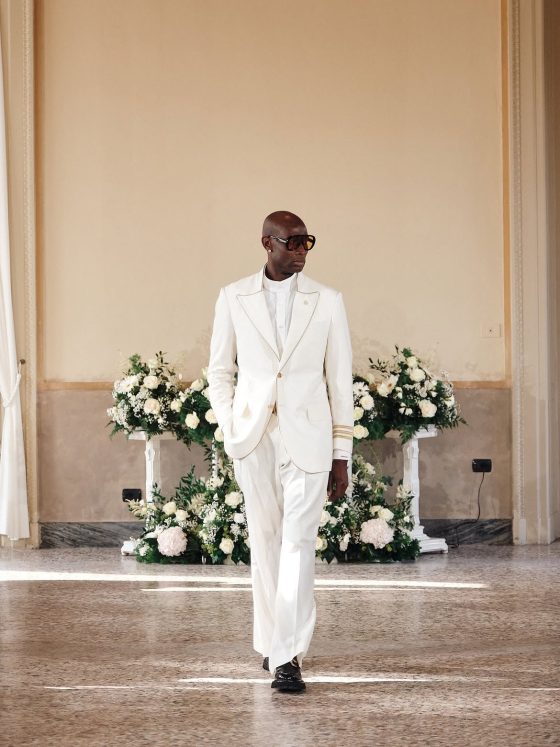
- A tailored kaftan is not just elegance; it encodes class, region, and masculinity
Discarding certain clothes is not just about decluttering; it can feel like erasing a version of oneself.
As one study notes, clothes become “interwoven into the fabric of our lives” and act as narrative tools of identity.
The African Wardrobe as Intergenerational Memory
Globally, people keep clothes for sentiment. But in many African homes, clothing is an inherited memory.
- A grandmother’s iro and buba passed down
- A father’s agbada repurposed for ceremonies
- Baby clothes stored for the “next child” or next generation
This is not hoarding. It is preservation.
In contrast to fast fashion cycles, African wardrobes often operate on a model of continuity rather than replacement. Garments are expected to outlive moments, and sometimes, their owners.
Objects belonging to loved ones often function as emotional extensions of their presence, carrying “traces” of them long after they are gone.
This is why some pieces feel impossible to let go of:
They are not clothes. They are people.
Aspirational Selves: The Clothes We Hope Into
Not all memory is backwards-looking. Some clothes represent the future.
Research shows people keep garments tied to an “idealised future self”—outfits for jobs not yet secured, bodies not yet attained, lives not yet lived.
In Nigeria’s urban centres like Lagos and Abuja, this is especially visible:
- The blazer was bought for “when things align”
- The luxury piece was saved for “a big moment”
- The outfit tied to imagined mobility—social, financial, global
This is where fashion intersects with ambition.
The wardrobe becomes a vision board.
Redefining Luxury: Memory Over Price
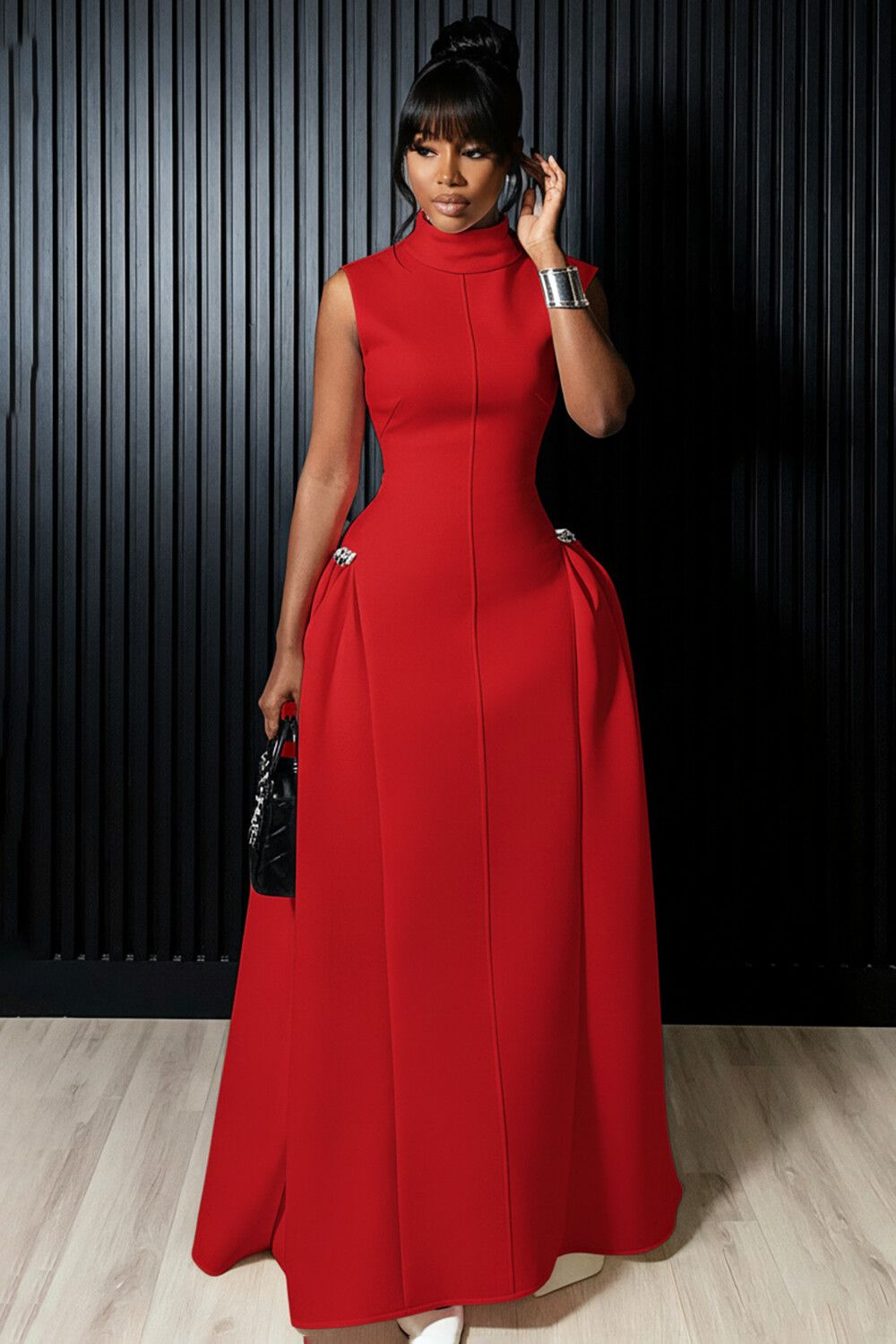
Western fashion often defines luxury through scarcity, price, and brand heritage. But in many African contexts, luxury is something else entirely:
Longevity. Meaning. Story.
A well-worn aso-oke that has attended ten weddings may carry more value than a new designer piece. A stitched outfit from a local tailor may hold more identity than a global brand.
Luxury, here, is not about acquisition. It is about endurance and emotional weight.
This reframing challenges the idea that newness equals value. Instead, it positions memory as the ultimate currency.
Read Also:
Why Letting Go Feels Like Loss
Letting go of clothes is often framed as a practical decision. But psychologically, it can feel like grief.
Why?
Because clothes operate as:
- Evidence of who we were
- Proof of the experiences we lived through
- Symbols of people we loved
Removing them can feel like deleting a chapter.
Studies show that people often fear losing the memory itself if they lose the object, even though the memory exists independently.
This explains why wardrobes become emotional archives rather than functional spaces.
Women, Clothing, and Power Beyond Aesthetics
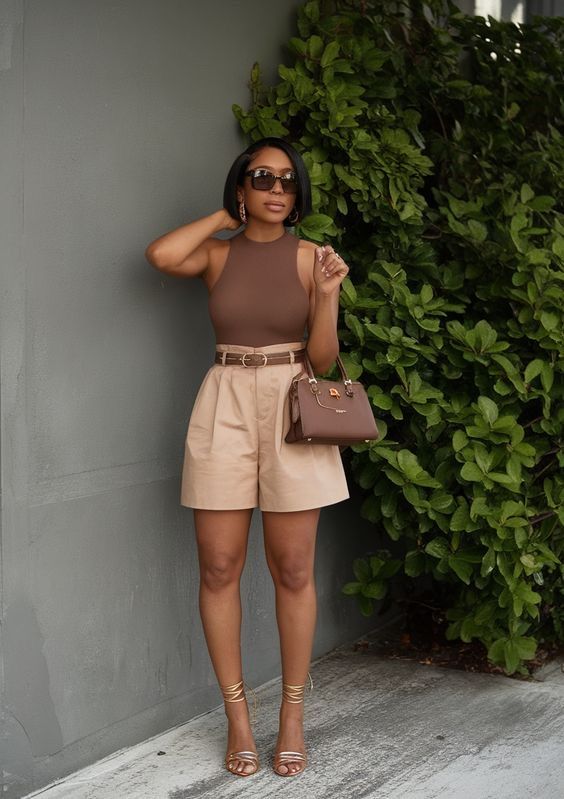
For women, especially, clothing is rarely just about style.
It is tied to:
- Respectability politics
- Cultural expectations
- Economic expression
- Bodily autonomy
In African contexts, what a woman wears can determine how she is perceived, treated, and even heard.
But clothing also becomes a site of agency:
- Choosing when to wear traditional vs Western
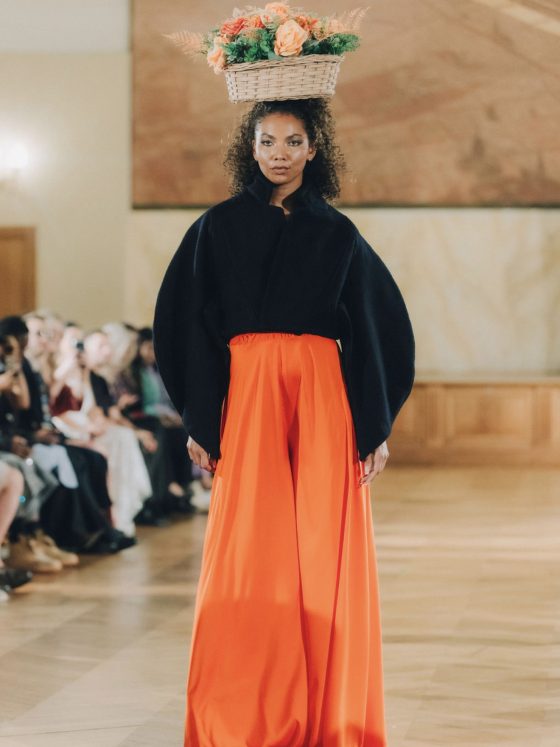
- Reinterpreting heritage fabrics in modern silhouettes
- Using fashion to negotiate visibility and power
The pieces women hold on to are often tied not just to memory but to moments of becoming.
Conclusion
Clothing is often dismissed as surface. But that is a misunderstanding.
Clothes are:
- Memory containers
- Identity markers
- Cultural documents
- Emotional anchors
And in African contexts, they are also archives of continuity—bridging past, present, and imagined futures.
So when someone says they “can’t let go” of a piece, the question is not about clutter.
It is about what that piece holds.
Because sometimes, letting go of clothing feels like letting go of yourself.
5 FAQs
1. Why do clothes feel so emotionally important?
Because they are tied to memory and identity, the brain links strong emotions to physical objects, making garments powerful triggers for recall.
2. Is it normal to keep clothes you don’t wear?
Yes. Many people retain clothes for sentimental or aspirational reasons, not just practical use.
3. Are Africans more sentimental about clothing?
Not necessarily more, but cultural systems of inheritance, ceremony, and identity make clothing more socially and historically embedded.
4. How can I let go of sentimental clothes without regret?
Separate memory from object. Document the story (photos, writing), keep a few key pieces, and intentionally release the rest.
5. What defines luxury in an African fashion context?
Longevity, craftsmanship, cultural meaning, and emotional value—not just brand or price.