Annie Idibia’s dress is credited to Gert-Johan Coetzee. Thaddeus Official is credited with Diamond Platnumz’s three-piece suit, with Gucci shoes and Versace sunglasses. Another Diamond look carries Orapeleng Modutle’s name. Khanyi Mbau’s look features an Orapeleng Modutle top and a Jozeest crown. Zari Hassan’s is a customised LSJ piece by Ronny Mahlakwane.
These details, published in DRUM’s 2022 account of Phupho Gumede K’s work on Young, Famous & African, offer a more useful starting point for understanding the stylist than almost any description of his aesthetic. The clothes come from different designers and brands. The styling brings them into a particular person’s public appearance. That distinction is the centre of this spotlight.
A chronological qualification also belongs in the opening. In November 2025, publications reported that Gumede had announced he was ‘closing the book on celebrity styling’. This article therefore examines his documented styling practice and its wider significance; it does not assume that he still offers the same services to former clients.
Phupho Gumede K’s television work reveals how styling connects personality, designers and public image – and why his career needs a carefully dated account.
The Stylist Is Not the Designer of Everything You See
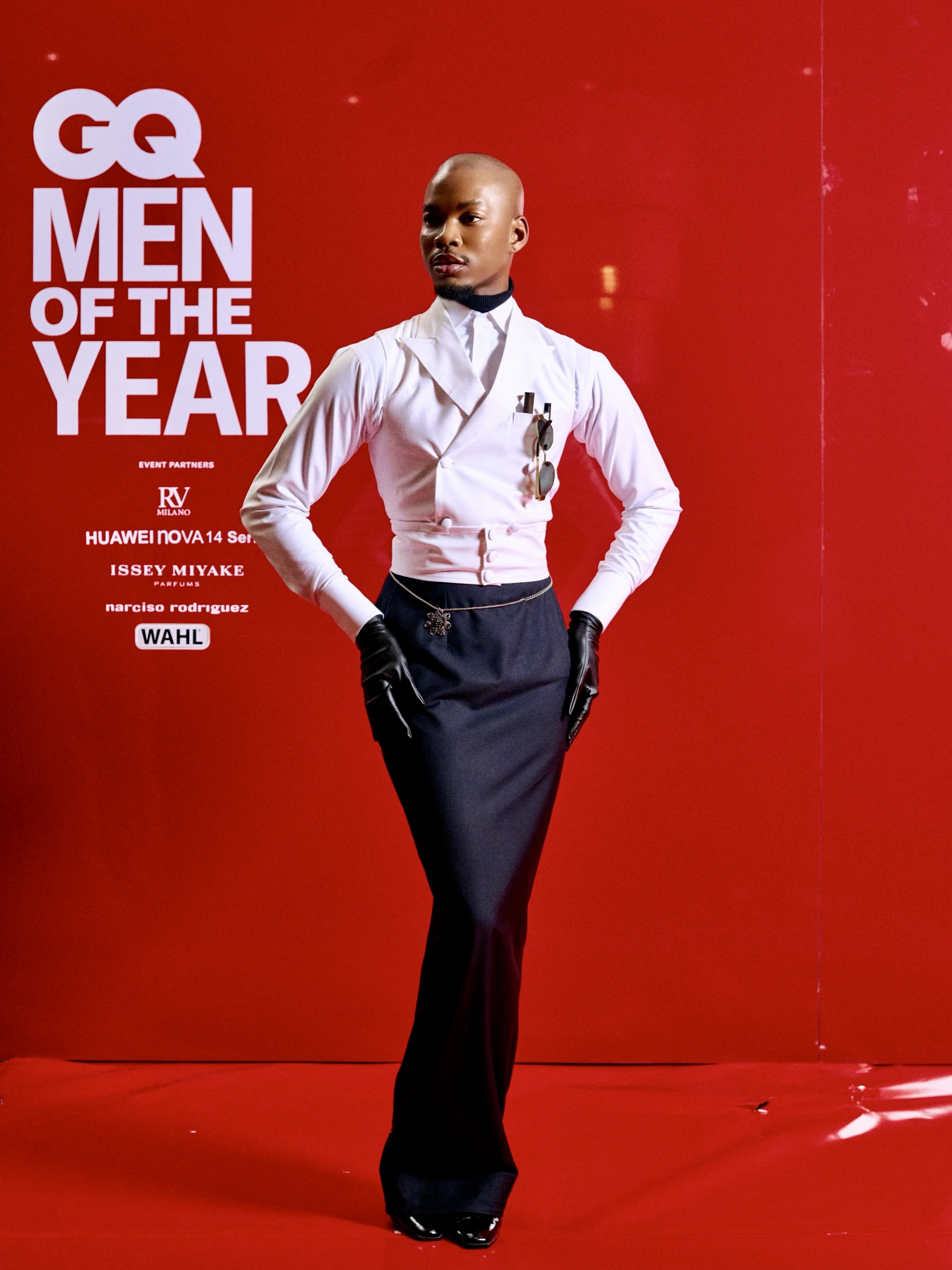
Published credits answer the question of who made a fashion image more honestly than most fashion writing does. The DRUM credits from Young, Famous & African are useful precisely because they prevent the phrase ‘a Phupho Gumede look’ from absorbing the work of everyone involved.
The examples place South African designers and international accessories within the same television wardrobe. Gert-Johan Coetzee, Orapeleng Modutle, Thaddeus Official and Ronny Mahlakwane all appear in the same account of the production’s visual output. That does not establish how every item was sourced or whether each combination followed the same method. It does show that multiple contributions assembled the image.
A stylist’s contribution can be substantial without being garment design. The published credits identify Gumede’s styling alongside the designers and brands supplying the clothes and accessories. They offer a more concrete account of his practice than describing his work solely as bold or luxurious. A work-led profile keeps those contributions distinct while examining how they meet.
Styling as Communication
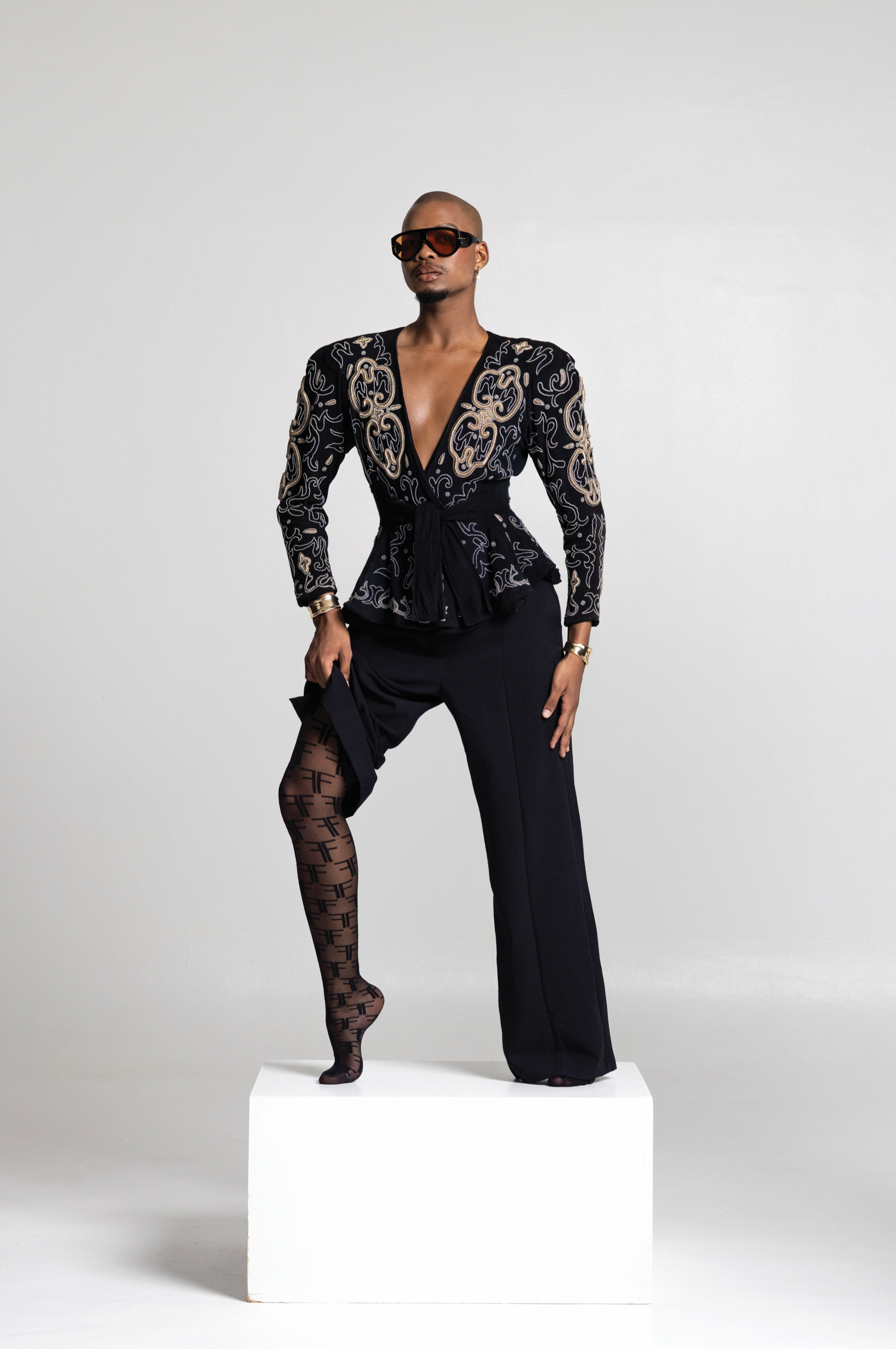
In his May 2023 interview with GQ South Africa, Gumede explained his approach through the relationship between appearance and perception. ‘Styling helps us visually understand who people are,’ he said. He connected Young, Famous & African to a desire to present wealth, opulence, and class that he felt depictions of Africa didn’t show enough of.
That is his account of the programme’s visual ambition, not a comprehensive claim about African experience. The distinction matters. A reality series can present a particular group’s luxury and public lives without representing a continent as a whole. Within that specific frame, Gumede describes clothes as part of how the cast communicates status and personality. The wardrobe is not merely decorative; it contributes to the programme’s presentation of its subjects.
His term for the work is ‘image architecture’. He emphasises consistency and agreement about what a client wants to communicate. The useful idea is continuity. A striking outfit may attract attention once. A sustained public image requires decisions about what should recur, what can change and what remains recognisable across occasions. His interview articulates that intention. Assessing how consistently it was achieved would require examining a sequence of documented looks rather than selecting a single spectacular example.
‘Styling is not just about clothes. It’s about solving personal issues, understanding individual needs, and making people feel like the best-dressed version of themselves.’ – Phupho Gumede K, Forbes Africa, December 2024
The Client Relationship Is Part of the Method
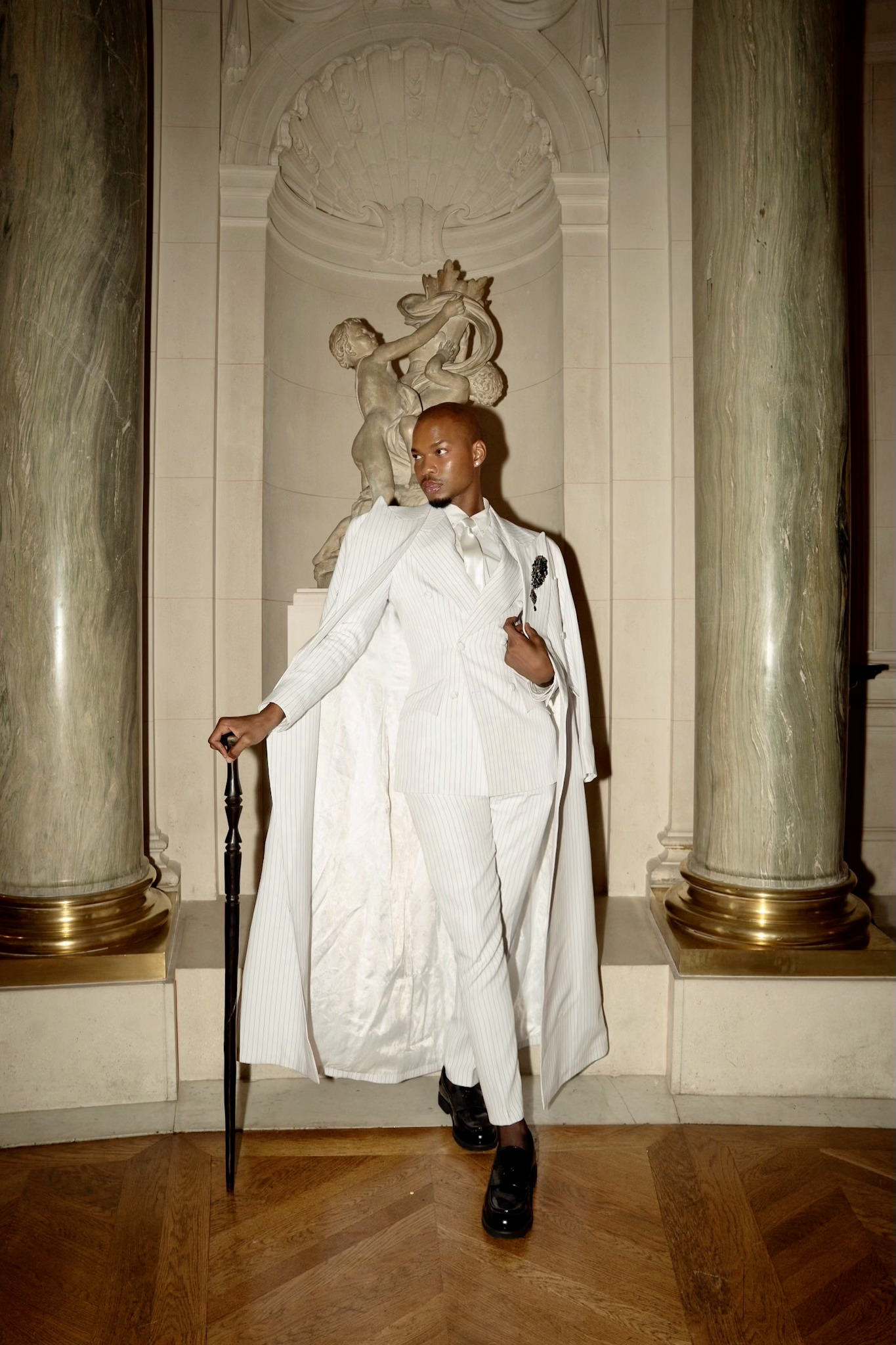
Gumede’s account does not present styling as unrestricted personal expression. When asked how he balanced his vision with clients’ preferences, he said he studied the client and found ways to guide them toward his ideas. He said a shared understanding of the intended message helped manage differences of opinion.
The Sunday Times’s 2022 profile made a similar distinction in its discussion of Annie Idibia: Gumede worked between expressing his own taste and allowing her to express hers. This is more revealing than calling a stylist a ‘dictator of taste’, even though GQ used that phrase in its introduction. The work described is negotiated. A client’s identity, preferences and willingness to experiment remain part of the outcome.
Gumede’s comments about Ayanda Ncwane make the relationship particularly clear. He said she had earned his trust through work over time. He also described Diamond Platnumz as experimental and willing to trust his opinion. Those statements identify different conditions for different styling relationships. Familiarity with one client does not automatically explain the relationship with another. They also locate part of the skill outside the finished photograph: learning how someone wants to appear and building enough confidence for a proposal to be accepted.
Television Changes the Scale of the Job
Gumede told GQ South Africa that he initially accepted an offer to style the international cast members Annie Idibia, 2Baba, Diamond Platnumz and Zari Hassan for the first season of Young, Famous & African. He subsequently became head of the wardrobe department for the second season. He described the transition as requiring an understanding of the programme’s fast pace and the cast’s established public profiles.
That is a different responsibility from producing one editorial look. The interview also acknowledges less glamorous work: Gumede complained about running around, accounting, and the behind-the-scenes administration. This detail deserves space because it complicates the public image of styling as simply arriving, selecting an outfit and leaving. His own account includes organisation alongside creative judgement. The role involved leading a team, not just choosing clothes for a single appearance.
The supplied biography makes a broader claim that he was the youngest head of department in Netflix history. His GQ South Africa interview states the narrower formulation ‘Netflix Africa history’. Neither claim should be converted into an independently verified global record without confirmation. The securely documented point is his reported progression to wardrobe leadership on season two.
A Career Crossing Editorial and Entertainment
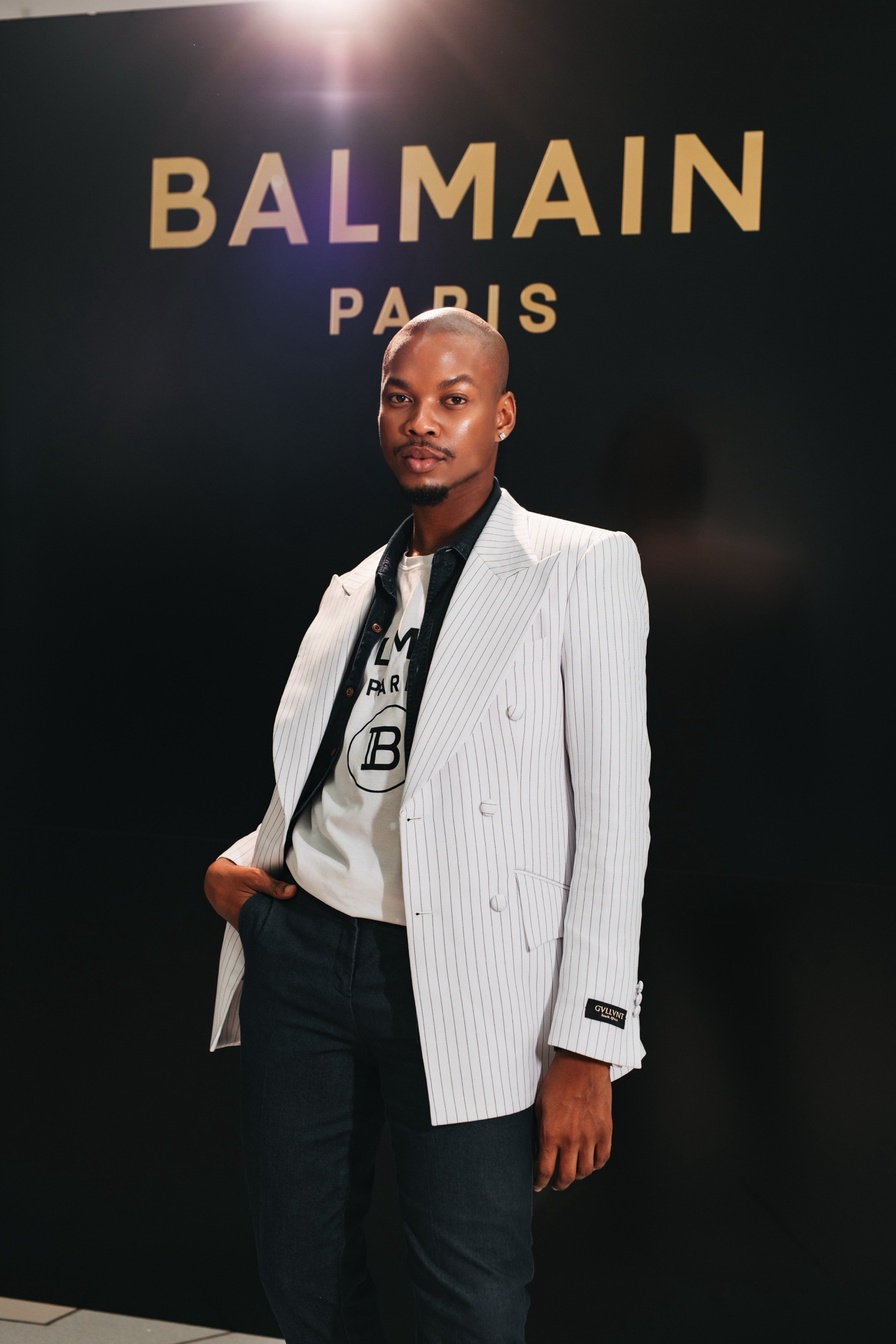
Gumede’s television work developed alongside editorial styling. Forbes Africa’s 2022 profile described his progression from in-house styling at Kwenta Media to work associated with Glamour, GQ, Reebok and Netflix. The publication included him in its 2022 30 Under 30 class. TFG Media’s subsequent profile reported that he had styled 21 magazine covers before turning 21, including work for GQ South Africa and Glamour.
That figure helps establish the reported pace of his early career. It should not be described as a record-breaking achievement unless the relevant record and comparison are documented. More important to this article is the movement between formats. A cover, a fashion spread, and a reality programme ask different things of an image-maker. The supplied biography groups them into one career; the published interviews help distinguish the work behind them.
The television examples are especially useful because they bring client relationships and a recurring public identity into the discussion, rather than treating every appearance as a standalone composition.
What Makes the Work Cross-Border?
In a 2024 feature, OkayAfrica placed Gumede’s work with Nigerian stars within a wider discussion of creative exchanges between Nigeria and South Africa. That framing gives cross-border collaboration a concrete meaning: people and contributions crossing national boundaries within a specific production. It does not mean every outfit represents African fashion collectively, nor should the presence of African designers make international brands disappear from the account.
The published credits show a mixed wardrobe. The cast have distinct public identities. The stylist’s work connects those elements within a programme. Keeping those specifics visible is more informative than a general claim about redefining African luxury.
The same credit discipline that applies to a cover image applies to a television wardrobe. Gumede’s name on the production does not collapse the contributions of Coetzee, Modutle, Mahlakwane, and the others into his own. It places his work as the function that connects those contributions to the specific people appearing on screen.
Rent-A-Dress and Access to Occasion Wear
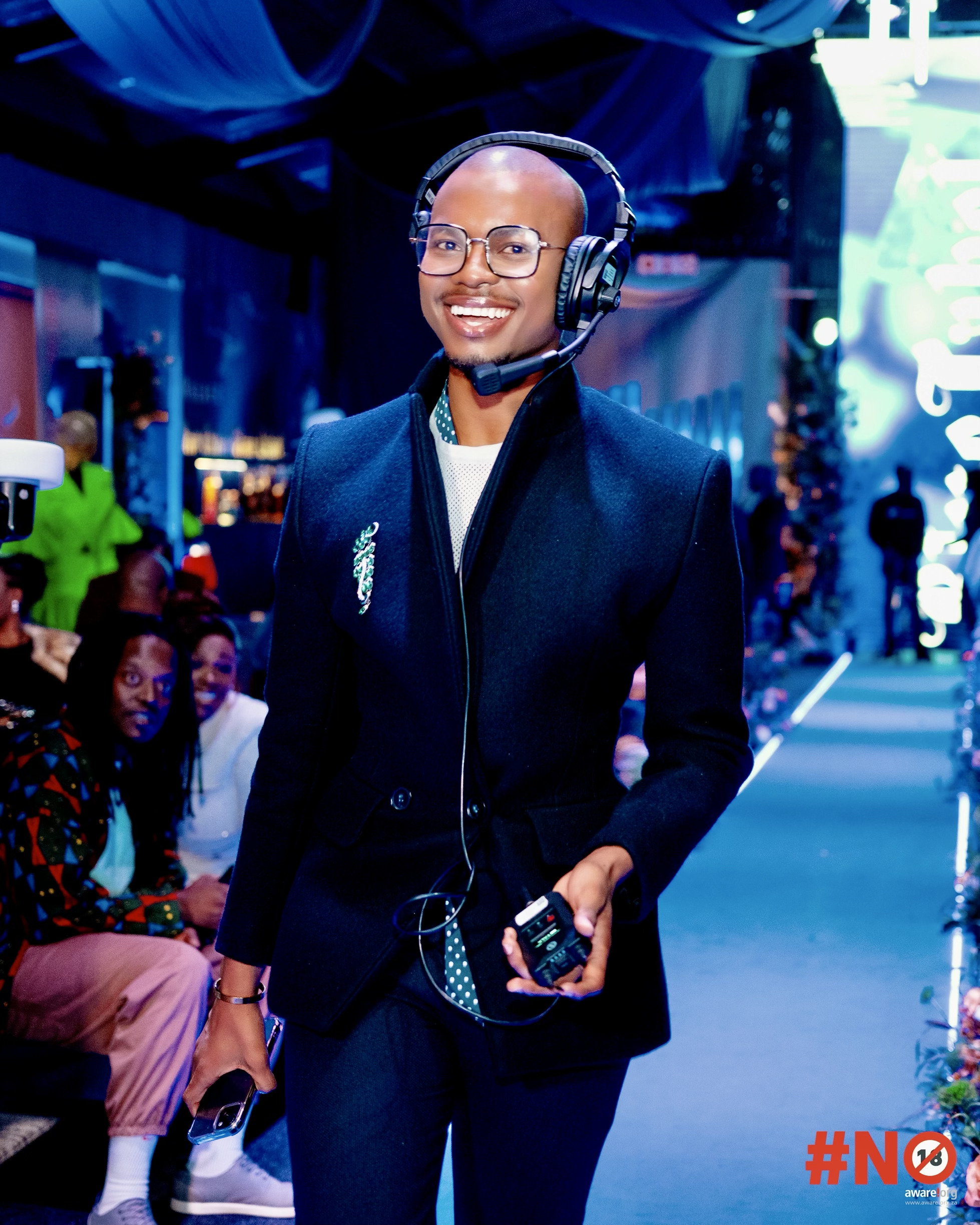
Gumede’s entrepreneurial work introduces another relationship to clothing. A December 2024 Forbes Africa article describes Rent-A-Dress as an occasion-wear rental service Gumede co-founded, presenting the business as providing garments for weddings, galas, and other formal events without requiring a new purchase for every occasion.
The article appears in Forbes Africa’s Brand Voice section. Its positive descriptions should therefore be read as brand-oriented material, not an independent environmental or business assessment. Its most useful contribution is Gumede’s explanation of the service’s purpose: styling as a way to solve personal issues, understand individual needs, and help people feel like the best-dressed version of themselves.
That connects the business to his earlier account of client-focused styling. The model changes the route to an outfit: access through temporary use rather than ownership. The available article does not establish measured reductions in waste or emissions, so those outcomes should not be claimed as proven. The defensible point is that Gumede extended his styling experience into a business presented around access, occasion dressing and customers’ needs.
A Spotlight with Its Chronology Intact
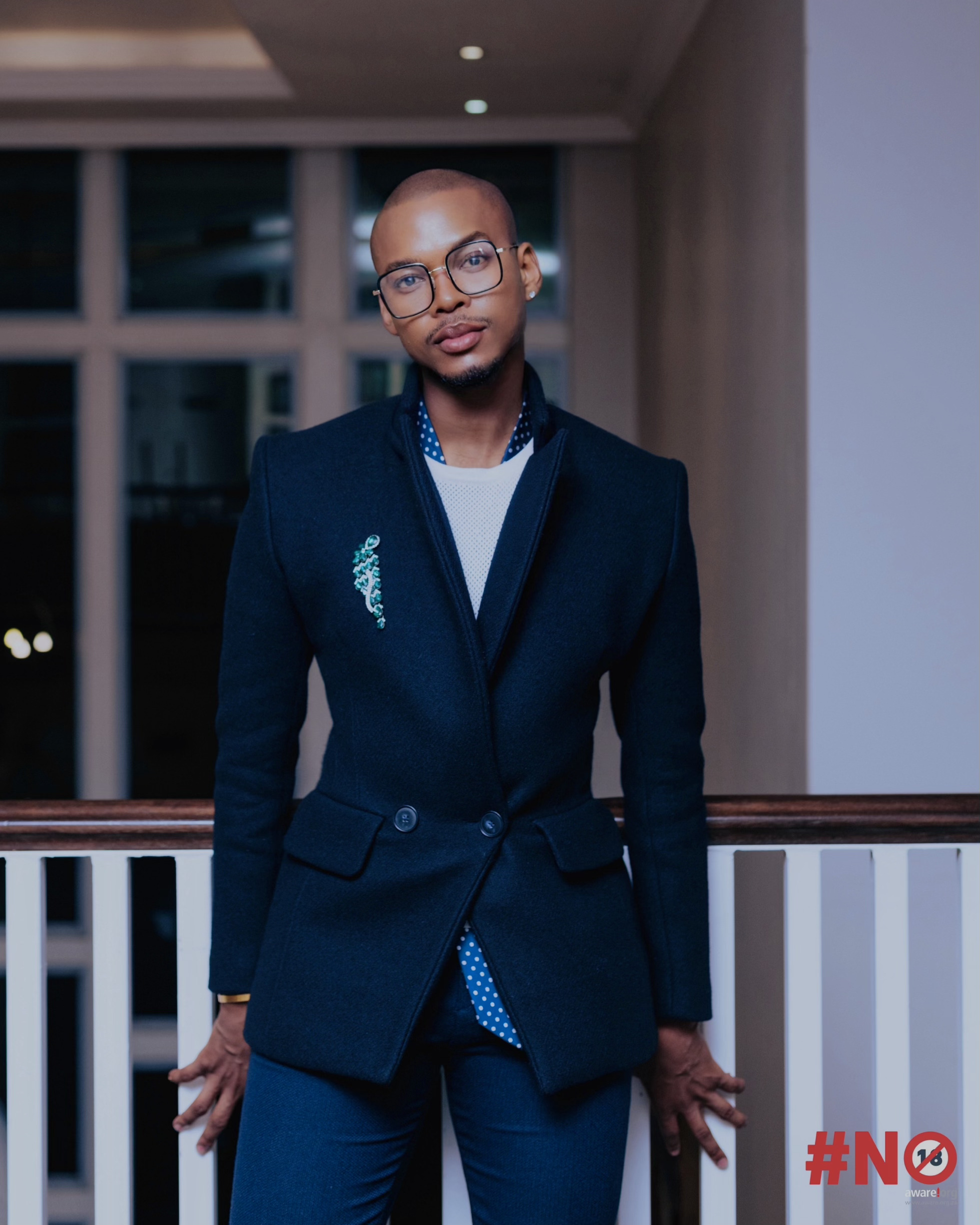
The supplied biography offers numerous awards, partnerships and industry-first claims. A strong profile does not need to repeat all of them. Its most informative evidence lies elsewhere: credited outfits, descriptions of client trust, the move into television wardrobe leadership and an explanation of the rental business.
The November 2025 announcement also belongs in that history. Contemporary reports describe it specifically as a departure from celebrity styling. It should not automatically be interpreted as withdrawal from every fashion activity, nor should it be ignored in favour of an undated promotional biography.
Gumede’s documented work shows styling as more than personal taste. It joins designers’ contributions to a client’s intended appearance. It requires negotiation and administration. It can operate across editorial, television and occasion wear without making those formats identical. The strongest spotlight, therefore, is not a catalogue of superlatives. It examines how a stylist builds an image and how many relationships sit behind the finished look.
Further Reading
- GQ South Africa’s interview – Gumede’s account of client relationships, wardrobe leadership and styling as communication
- Who Made This Fashion Image? Reading Adut Akech’s Vogue Australia Cover Credits
- The Global South Made Fashion. It Just Never Got Credit.
Frequently Asked Questions
What was Phupho Gumede K’s role on Young, Famous & African?
Gumede described styling international cast members, Annie Idibia, 2Baba, Diamond Platnumz, and Zari Hassan, in season one, and becoming head of the wardrobe department for season two. His GQ South Africa interview specifies the progression and attributes wardrobe leadership to Netflix Africa history, not Netflix globally.
Did he design every outfit he styled?
No. Published credits from DRUM’s 2022 account of the production identify garments and accessories by designers and brands including Gert-Johan Coetzee, Orapeleng Modutle, Thaddeus Official, Ronny Mahlakwane, Gucci and Versace. The stylist’s contribution is distinct from the designers’ contributions, and the credits keep them separate.
Was Phupho Gumede K included in Forbes Africa’s 30 Under 30?
Yes. Forbes Africa included him in its 2022 30 Under 30 class. The same publication’s 2022 profile described his career progression from in-house styling at Kwenta Media to work associated with Glamour, GQ South Africa, Reebok and Netflix.
Is celebrity styling still his stated career focus?
Reports in November 2025 quoted his announcement that he was ‘closing the book on celebrity styling’. This article treats his earlier styling work historically rather than assuming ongoing client availability. The announcement should not automatically be interpreted as a withdrawal from every fashion activity, but it is the most recent publicly available statement of career direction.
What is Rent-A-Dress?
Rent-A-Dress is an occasion-wear rental service that Gumede described as a co-founded venture to provide garments for weddings, galas, and other formal events without requiring a new purchase for every occasion. It was featured in a December 2024 Forbes Africa article in that publication’s Brand Voice section. The article presents the service positively but has not been independently assessed for environmental or business claims.
How does this spotlight handle claims in the supplied biography?
This article uses the supplied biography as background and distinguishes it from published reporting. Claims that cannot be independently confirmed – including industry-first formulations – are noted as supplied rather than verified. The securely documented account draws on published sources: GQ South Africa, DRUM, the Sunday Times, Forbes Africa, TFG Media and OkayAfrica. Omiren has not interviewed Gumede or independently audited the biography’s claims.