Some objects do more than serve a purpose. Over time, they carry stories and meanings shaped by the people who use them.
In cultural studies, an object that holds memory preserves shared experience by being handled, repeated, and given meaning over time.
Memory is not only mental; it also lives in objects that remain part of daily or ceremonial life.
Across many cultures, especially in African and Nigerian traditions, these objects keep heritage alive, showing that memory is practised rather than merely recalled.
Learn how everyday objects and ritual objects hold memory, preserve cultural identity, and shape heritage.
What It Means When Objects Hold Cultural Memory
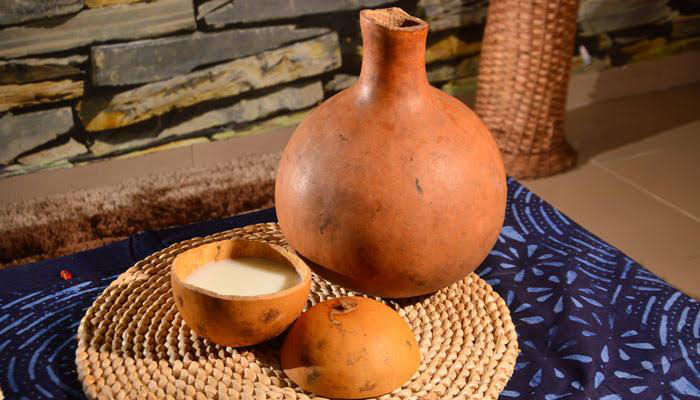
Objects that hold memory are more than their physical function. Through repeated use and shared understanding, they preserve experiences, traditions, and aspects of identity over time.
This memory is collective. Unlike personal memory, which exists in the mind, objects store experiences for entire communities.
Traditional craft tools and long-used household items carry the habits and knowledge passed down over generations.
Objects do not need to be rare or fancy to hold memory. Everyday items can become vessels of culture when they are used and valued consistently.
Their significance lies in their role in shared life, not in their materiality or appearance.
In this way, objects act as living reminders of culture, connecting past and present and allowing heritage to persist as people and contexts change.
How Objects Become Carriers Of Heritage And Identity
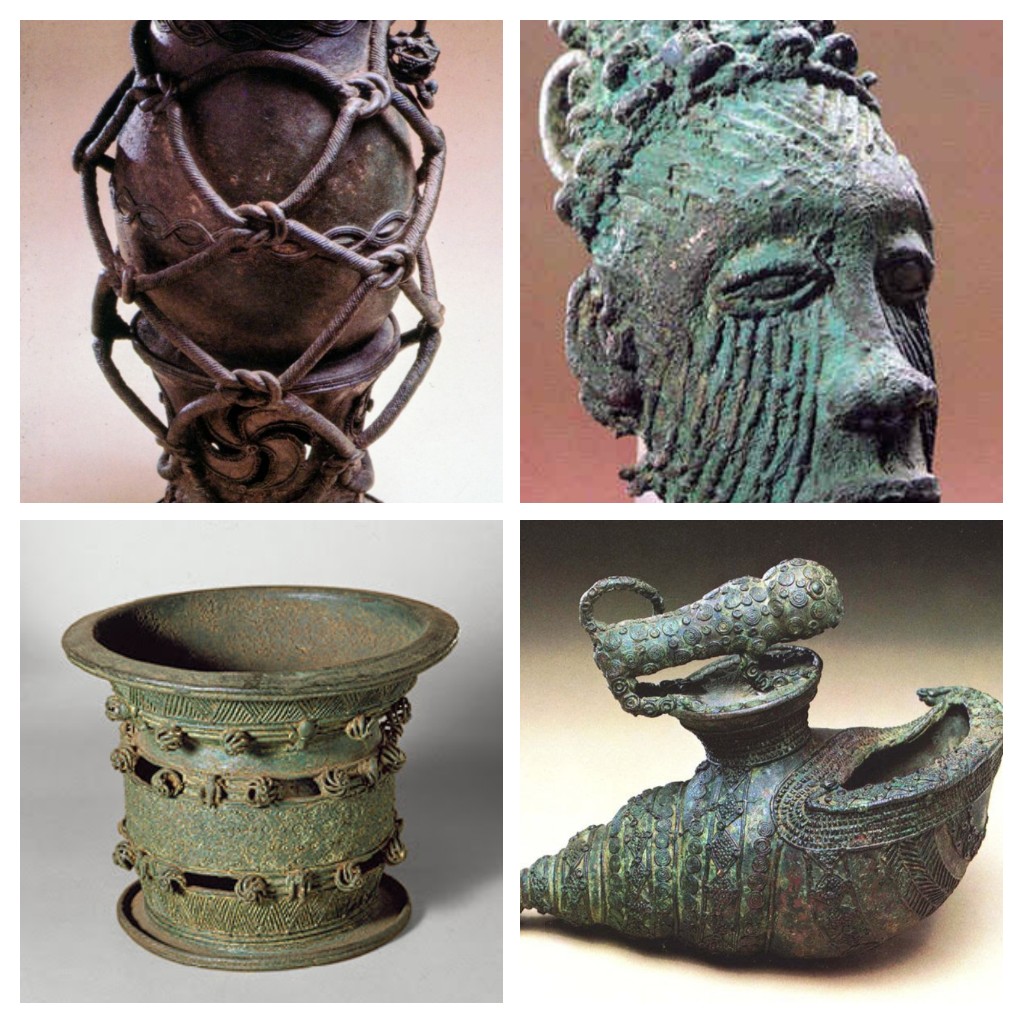
Objects that hold memory do more than preserve the past; they shape who we are and how communities see themselves.
Through repeated use and shared recognition, they carry heritage, signalling identity, belonging, and social roles.
As anthropologist Daniel Miller notes, “Material things are active participants in social life; they carry meaning because people act through them.”
A cooking pot, a carved stool, or a calabash used in ceremonies can carry a community’s story, connecting generations and reinforcing cultural norms.
Their significance comes not from rarity or beauty, but from the continuity of use and the meaning people attach to them.
Even everyday items can be vessels of identity. Through consistent use in family, communal, or ritual life, they show who belongs, what is valued, and how traditions are maintained.
Memory and identity are inseparable: the object preserves culture, and culture preserves the object.
How Ritual Turns Objects Into Memory Keepers
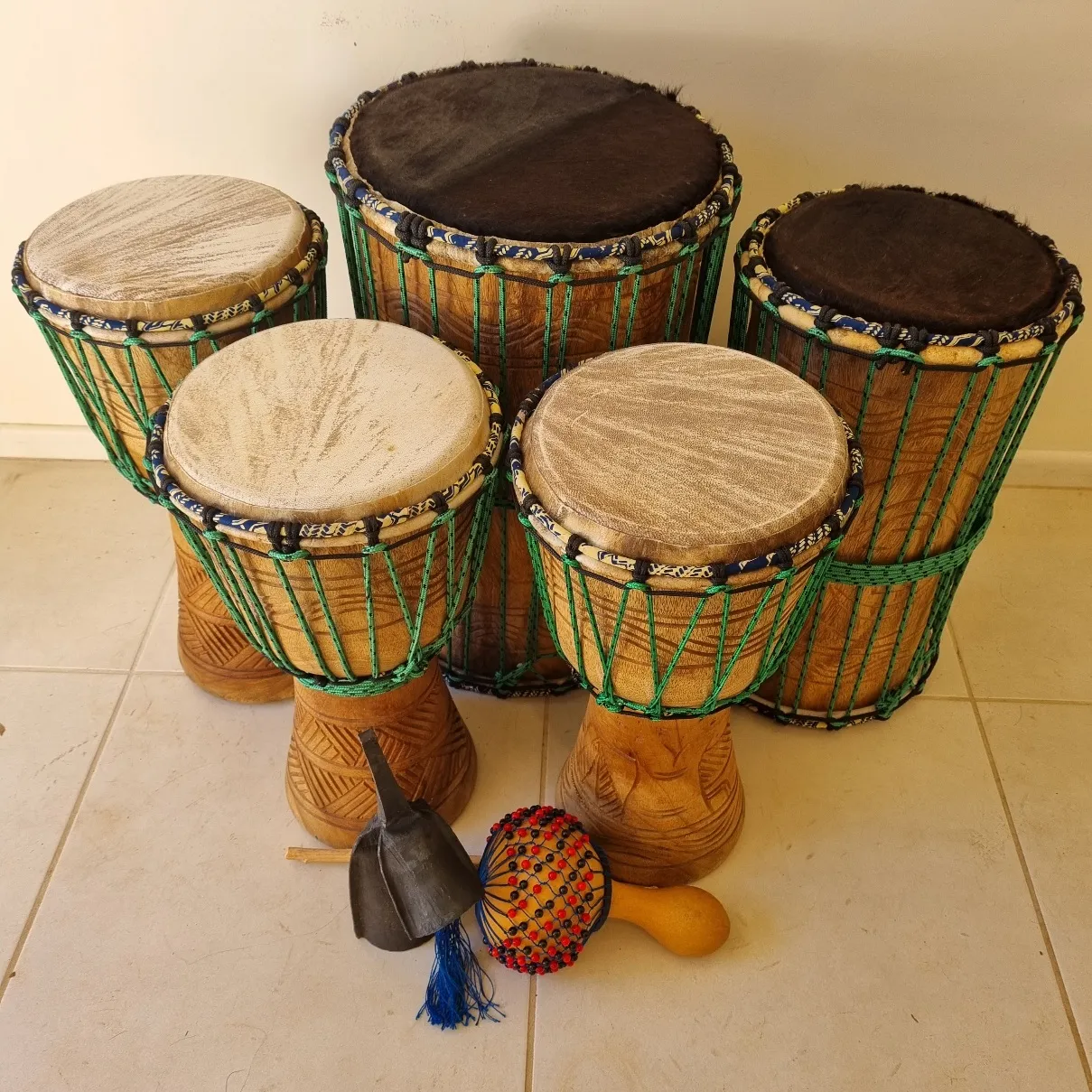
Objects hold memory not just by existing, but by being activated through ritual. Repeated ceremonial use gives them layers of meaning that everyday life alone cannot provide.
Ritual turns ordinary items into symbols of shared experience, linking people to their history in ways that are felt as well as remembered.
In some Nigerian communities, a calabash used to pour offerings and a drum played during initiation ceremonies carry beliefs and social rules.
Each use reinforces the practices and stories connected to the object, creating memory through participation rather than observation.
Unlike objects used only in daily life, ritualised items hold a living, embodied memory. They do more than remind people of the past; they anchor cultural practice in the present, ensuring traditions are actively passed down.
How Objects Carry Memory in Nigerian Cultural Heritage
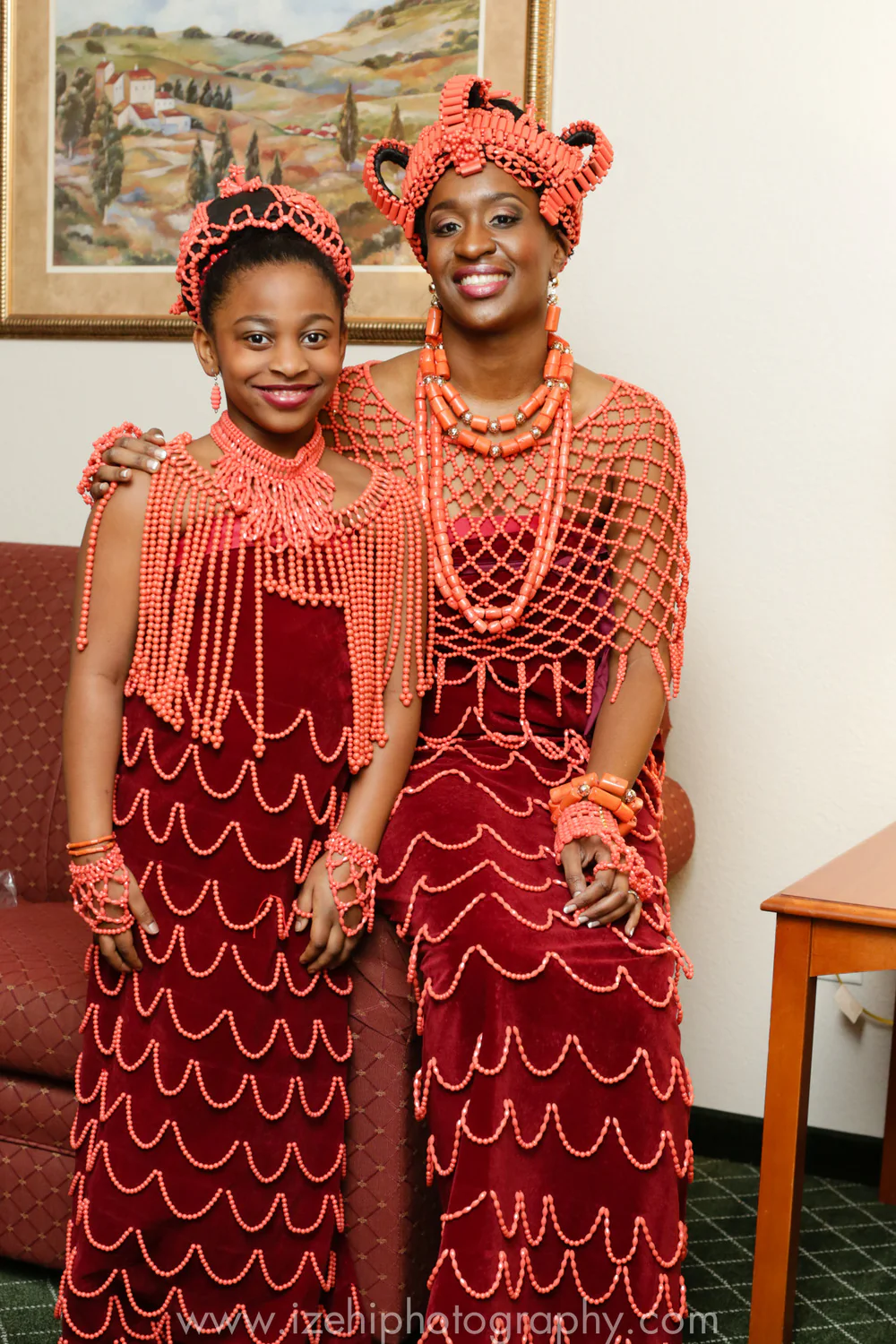
The things we use every day aren’t just objects. They hold memories and carry new stories each time we interact with them. For example, a cooking pot in your kitchen or a well-used chair doesn’t only remind you of the past.
It also records the moments happening right now, from family meals to quiet afternoons. And as these objects collect new experiences, they keep traditions alive and connect us to the people who came before us.
This happens all over the world, because everyday objects act as anchors that link the past with the present. Even as life changes, they continue to carry stories forward, so memories remain tangible and ongoing.
That’s why heritage isn’t only found in books or museums, it’s alive in the things we use, care for, and pass on to the next generation.
ALSO READ:
- Cultural Identity in Interior Spaces: Designing Homes That Reflect Heritage
- Luxury Living Spaces Inspired by African Craft and Architecture
- Afro-Luxe Home Décor: Where Design, Comfort, and Identity Meet
Everyday Objects That Keep Cultural Memory
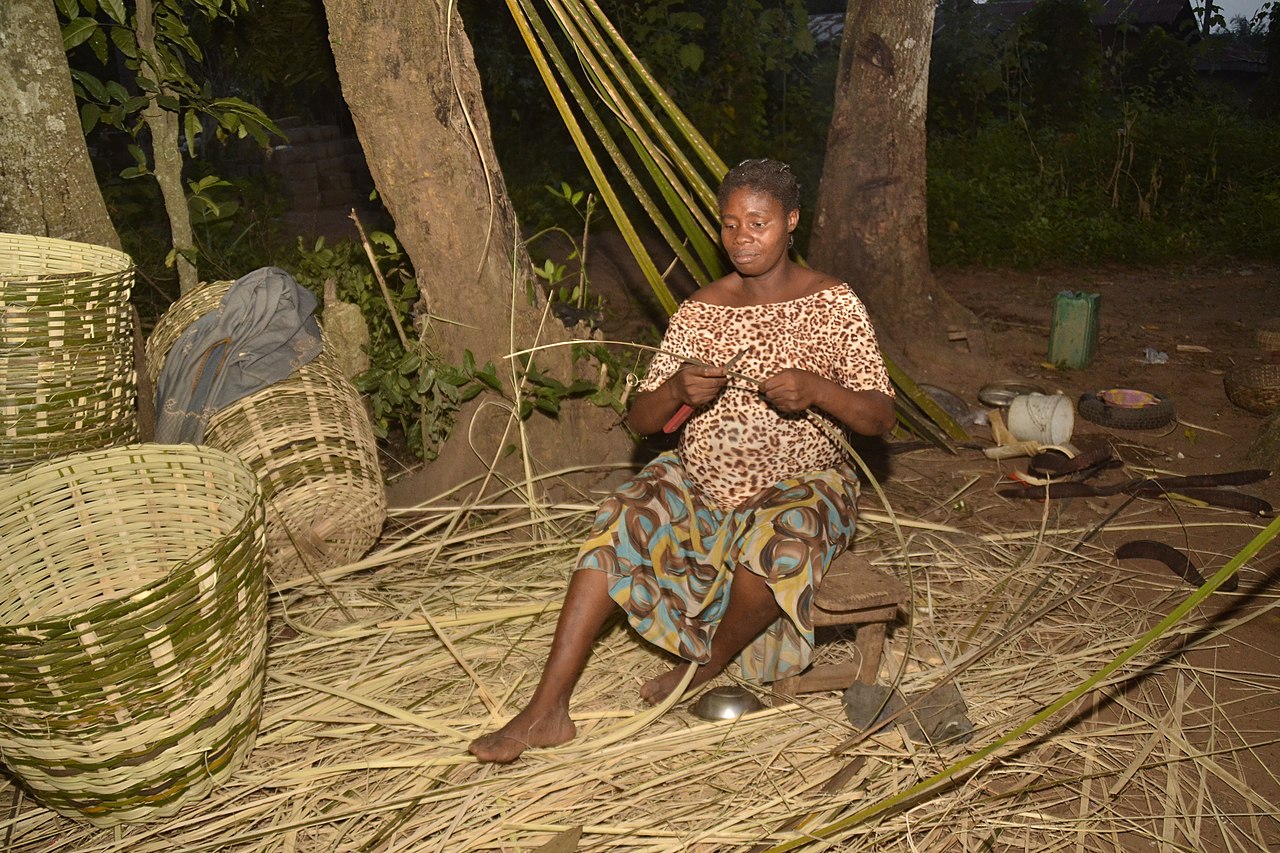
Not every object that holds memory is sacred or ceremonial. Many are part of daily life. They sit in kitchens, courtyards, workshops, offices, and even on our phones.
Over time, they quietly store habits, skills, and shared ways of living. Some of these objects include:
- Household Items: Cooking pots, storage baskets, kettles, and floor mats show how families cook, eat, sit, and host others.
- Work Tools: Hoes, sewing machines, weaving tools, carving sets, and shop equipment pass down practical knowledge across generations.
- Shared Space Objects: Stools, benches, meeting tables, and notice boards reflect how people gather and make decisions.
- Personal Items: Clothing, beads, headwear, school uniforms, and graduation gowns often mark life stages and social roles.
- Modern Memory Objects: Photographs, printed programs, trophies, voice notes, and saved messages on phones now hold personal and family history.
These objects may look ordinary, but repeated use gives them memory value. They show how people actually live, not just what they celebrate.
Conclusion
Memory lives in the things people use every day. Pots, mats, stools, or tools may look ordinary, but they hold the stories, skills, and habits of generations.
Each time they are used, repaired, or passed on, they keep culture alive and connect the past to the present.
Heritage isn’t only in books, museums, or ceremonies. It is in the objects people touch, use, and care for. An object that holds memory quietly carries tradition, showing that culture isn’t just remembered; it is lived every day.
Frequently Asked Questions
1. What Is An Object That Holds Memory?
It’s something that keeps a story or memory alive. For example, a wooden stool passed down through generations, a handwoven basket used on market days, or a family drum. These objects carry the memory of people, events, and traditions.
2. How Do Objects Preserve Memory In Nigerian Culture?
Objects preserve memory when they’re used, cared for, or passed down. A carved pestle used during farming seasons, a brass gong for community announcements, or a weaving loom kept in a workshop all carry stories and habits from one generation to the next.
3. Can Everyday Items Hold Cultural Memory?
Yes. Even simple items like school benches, wooden spoons, or market crates can hold memories. What matters is the experiences, routines, and events associated with them, not how fancy or old they are.
4. Why Are Ritual Objects Important For Memory?
Ritual objects have meaning because of how they’re used. A calabash used in wedding ceremonies, a festival mask, or a staff held by village elders becomes a memory holder through repeated practice. Repeatedly handling the object keeps the story alive.
5. How Can We Keep These Objects Meaningful?
Keep using them, repair them, or pass them on. Showing children how a family tool, a community mat, or a ceremonial basket was used helps keep memories alive. Stories, photos, or videos can help, but the best way is to keep the objects in use.
6. Do Modern Items Count As Objects That Hold Memory?
Yes. Things like old smartphones with saved messages, trophies, or photo albums can hold memory. What matters is the story or experience tied to the item, not its age or tradition.