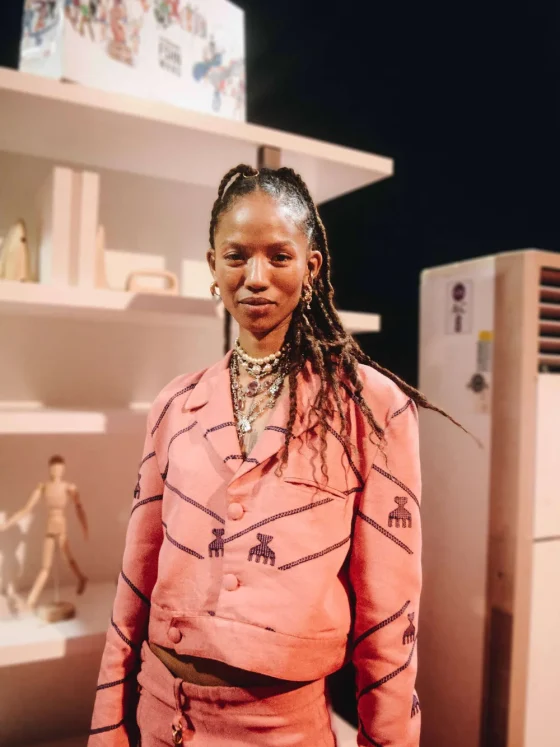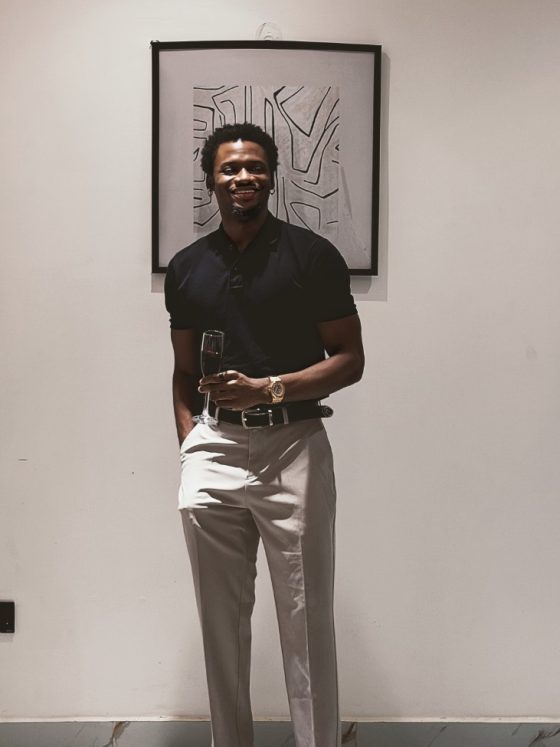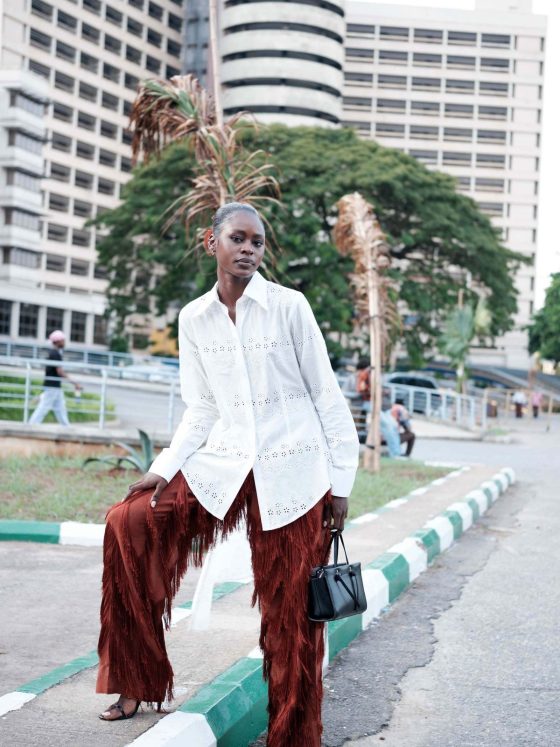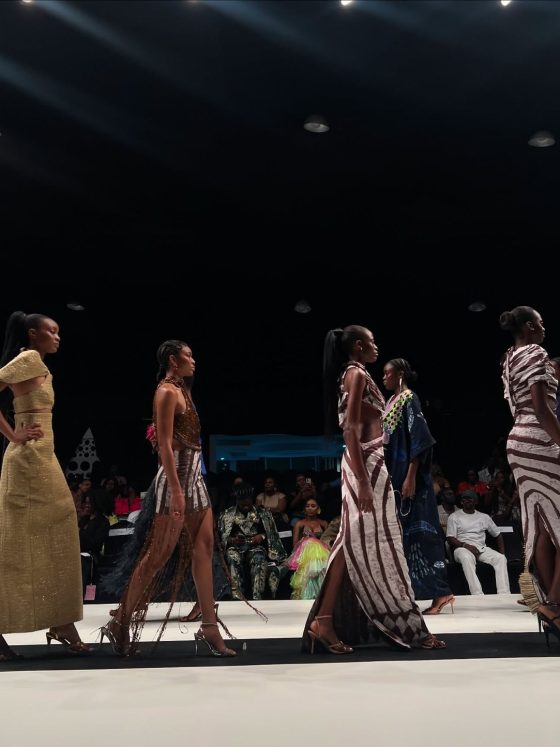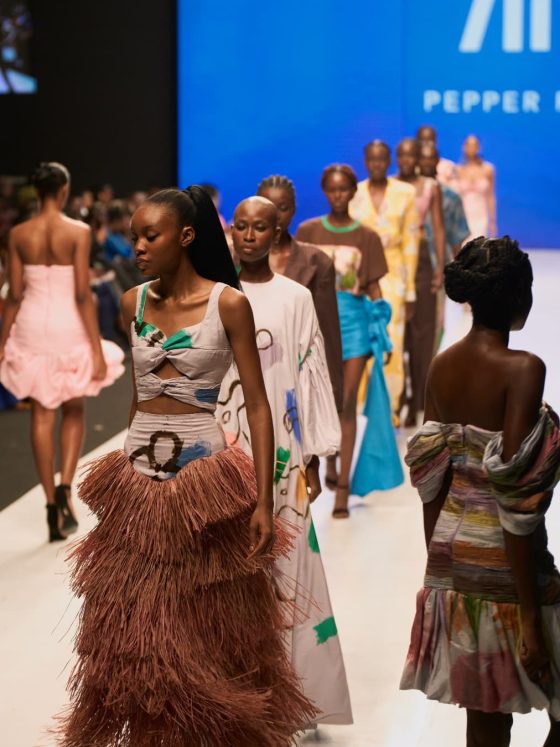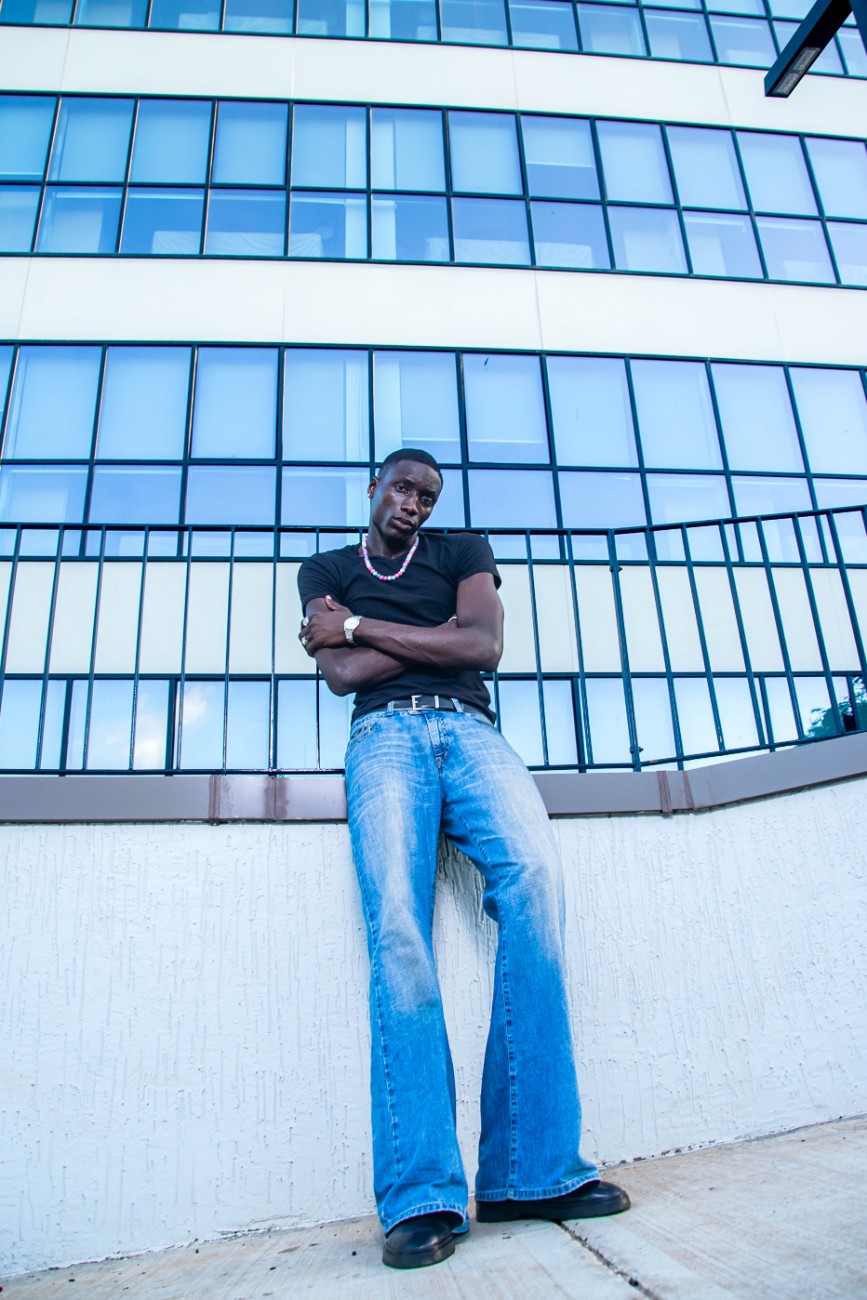
Fashion media has a specific way of introducing models from African cities. A young man from Dakar, Accra, Lagos, or Nairobi appears on a runway or in an editorial. A profile describes him as raw, magnetic, a face the industry is about to discover, a bridge between African creativity and global fashion. The profile is published. The moment passes. The model may or may not have a second runway season. The profile does not follow up.
The African fashion and beauty market is part of the continent’s 31 billion-dollar economy. Mouhamadou Lamine Barry is a Dakar-based model building a practice within that market’s most active and genuinely significant creative city. The story worth telling is not the mythology of a rising star. It is the more specific and more useful account of what it actually takes to build a modelling career from Dakar: which platforms exist, what they demand, how a portfolio is constructed, and how the Dakar creative ecosystem supports the kind of patient professional development that a career requires and a moment does not. As Guzang’s June 2026 documentation of Dakar Fashion Week 2025 confirms, the platform is now staging runway formats that only Dakar could produce: eight designers showing on traditional pirogues off Ngor Island, with the Atlantic Ocean as the runway’s horizon. A model who walks that show is not walking a generic fashion week. They are walking a specific cultural argument about where African fashion lives and what it can do with its own geography.
The fashion industry names rising stars quickly. Mouhamadou Lamine Barry is building something harder to achieve: a career grounded in the Dakar creative ecosystem.
What Dakar Fashion Week Actually Is
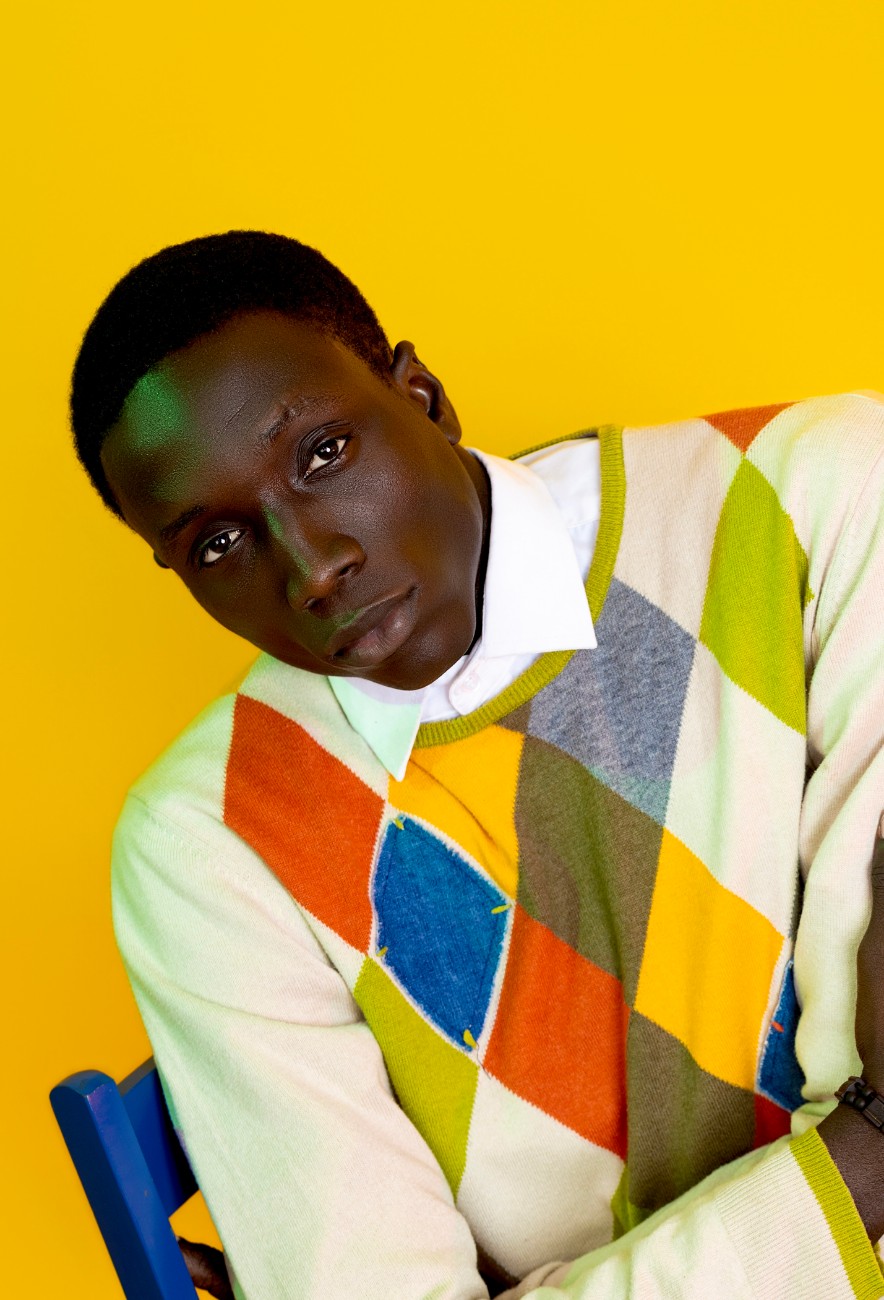
Dakar Fashion Week is one of West Africa’s most significant fashion platforms, founded by designer Adama Paris and now in its 23rd edition. Its 2025 edition demonstrated the platform’s creative ambition at its most concentrated: as FAB L’Style’s December 2025 documentation of DFW 2025 confirms, the week included a spectacular fashion show on Ngor Island, where models moved through the water, surrounded by pirogues, with the sea and the ocean as the true protagonists. The energy of the waves and the wind’s breath magnified the silhouettes. That is not a marketing description. It is a runway format that no other fashion week in the world has staged, on the Atlantic coast of West Africa, using the specific material geography of Senegal as the show’s design element.
Models who participate in Dakar Fashion Week are not filling slots in a secondary regional event. They are working within a platform that is approaching its 25th anniversary, has consistently placed Senegalese design in international media for more than two decades, and has developed a specific visual language for African fashion presentation that is increasingly distinct from both European fashion week conventions and generic African fashion branding. Walking DFW requires a model to understand that specific language: the relationship between African textiles and contemporary silhouette, the pace and energy of Senegalese runway production, and how the platform’s creative identity shapes what a model’s presence needs to do within it.
A runway appearance is not a career. A viral image is not a career. A profile that calls someone a rising star before verifying their credits is not documentation of a career. Building a career is slower, less photogenic, and more useful than any of those things.
The Dakar Creative Ecosystem That Makes Models
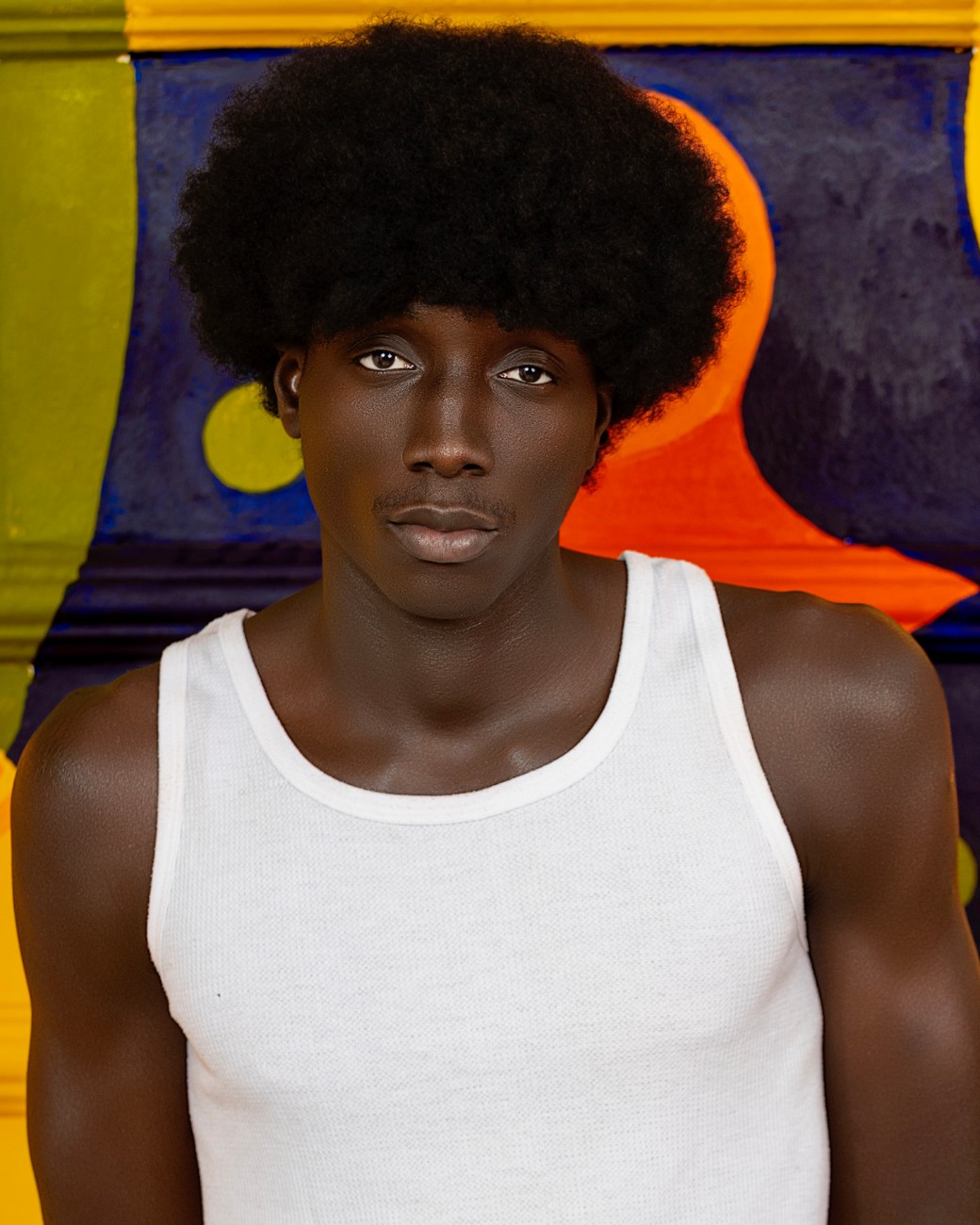
Dakar is not a city whose creative life exists only for export. It has an active internal ecosystem of fashion designers, photographers, stylists, filmmakers, musicians, beauty professionals, fashion schools, and cultural institutions that continuously produce images, garments, and events. As Olympics.com’s December 2025 documentation of the Dakar en Jeux fashion show confirms, six Senegalese fashion houses staged a runway at the Dakar TER station for the cultural events of the Dakar 2026 Youth Olympics preparation, demonstrating that Dakar’s fashion scene operates across multiple institutional contexts simultaneously: DFW, Dakar en Jeux, school programmes, youth designer showcases, and the intersection of fashion with sport, music, and diplomatic events.
A model developing a practice within this ecosystem has access to a range of contexts that do not all read the same or demand the same from the body. A DFW runway may require restraint and pace calibrated to a specific designer’s aesthetic. A youth designer showcase may demand more energy and adaptability. A commercial campaign for a Dakar-based brand requires a different kind of camera presence than editorial fashion does. A music-adjacent image has a different relationship between the model and the visual field from a formal fashion editorial. Building a career means developing the range to work across these contexts without losing a consistent professional identity.
Male modelling in West Africa is a practice shaped by the region’s cultures of masculine dress. Senegalese men’s dress includes the grand boubou, the kaftan, the suit, contemporary streetwear, and the full range of contemporary global fashion. A Dakar-based male model needs to be legible across this full range: to carry traditional Senegalese formal dress with the same ease with which he carries contemporary tailoring or relaxed editorial clothing. That range is not automatic. It is developed through working with different designers, photographers, and creative teams across different occasions.
What a Career Requires That a Moment Does Not
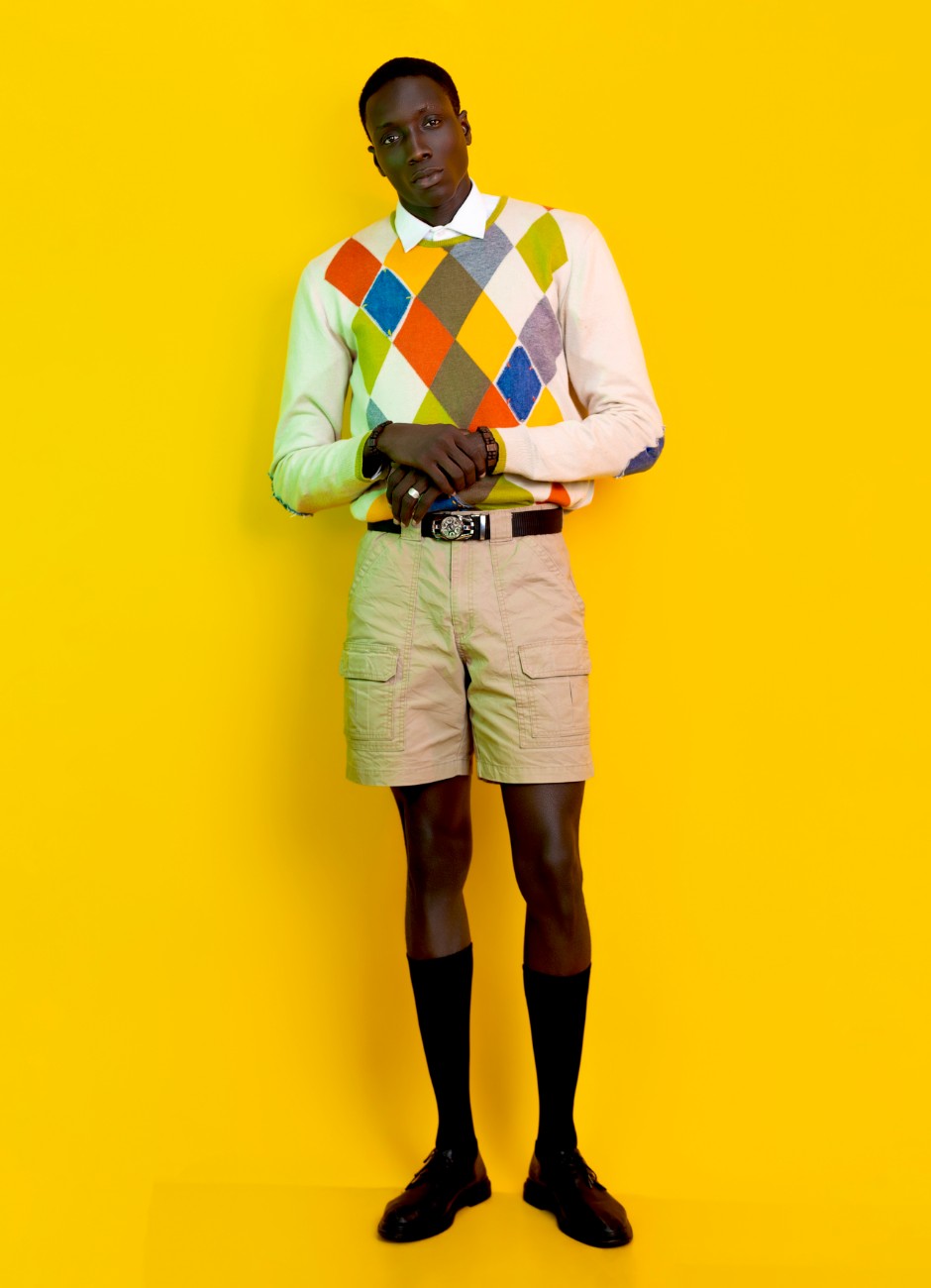
The difference between a career and a moment in modelling is structural rather than aesthetic. A moment is a single appearance, image, or profile that generates attention. A career is the accumulation of verified credits, professional relationships, portfolio development, and operational knowledge that makes a model bookable, reliable, and commercially useful over multiple seasons and across different market contexts.
For a Dakar-based model building toward broader opportunities, the specific requirements include: a portfolio with clean digitals, full-length images from multiple angles, and a range of editorial and commercial looks that allow clients to assess potential quickly; verified professional credits that can be confirmed by designers, photographers, or agencies rather than claimed without documentation; knowledge of the operational requirements of professional modelling including measurements, comp card production, social media management that supports rather than replaces the portfolio, and the contractual literacy to understand usage rights, exclusivity, and payment terms; and the patient development of relationships with the designers, photographers, stylists, and creative directors who book models for the specific market contexts in which the model wants to work.
The Standard That Rising Star Profiles Avoid
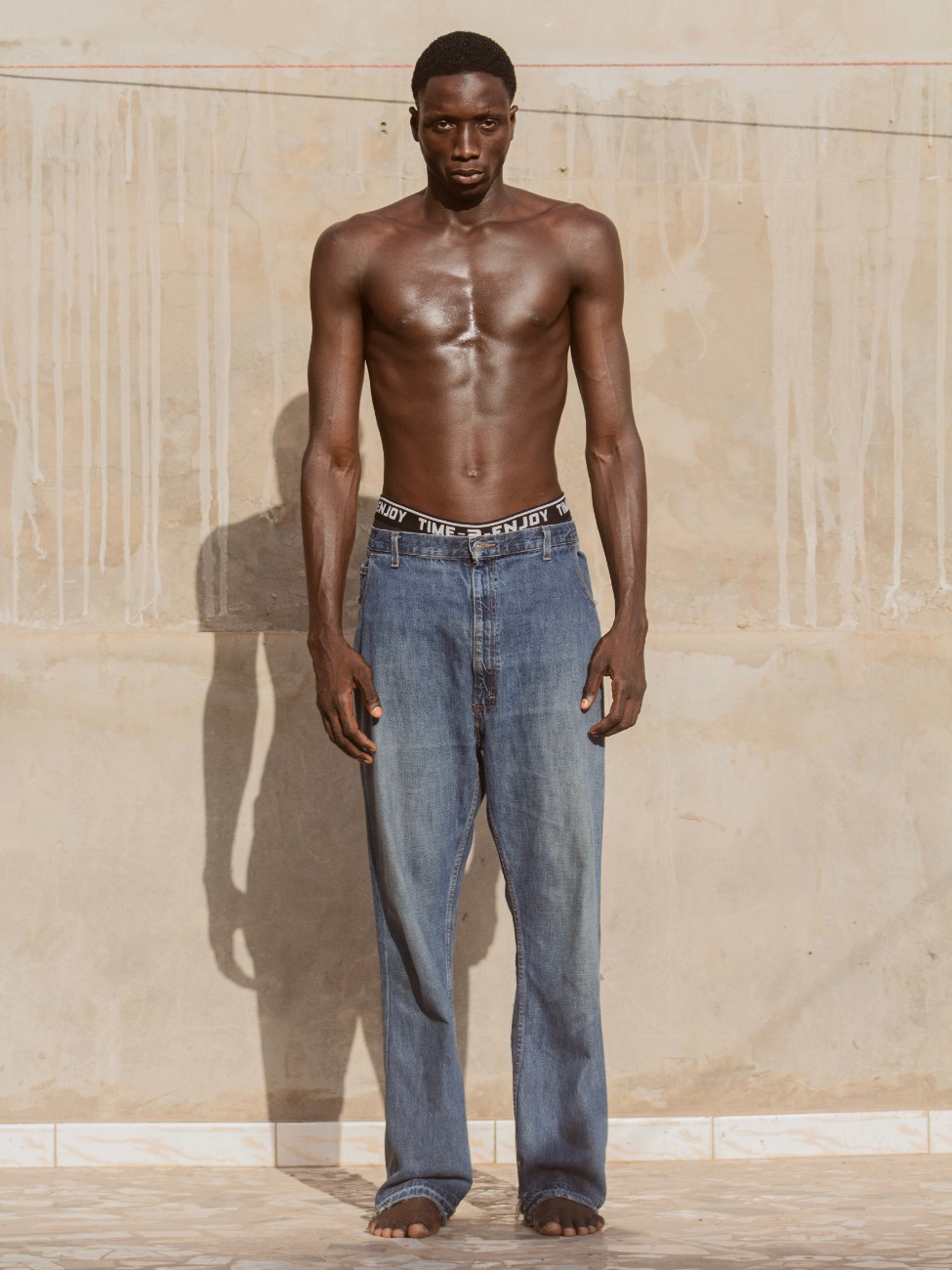
The rising star label is applied to models in African cities at a specific moment: when international fashion media notices them. That moment is not the beginning of the model’s career. It is often the point at which the model’s several years of local work become visible to an audience that was not previously paying attention. The profile that describes the model as newly discovered is describing its own discovery, not the model’s emergence.
The editorial shortcut that produces rising-star profiles applies to African designers, African fashion platforms, and African creative cities. As Omiren Styles’ documentation of the eight editorial shortcuts in African fashion reporting confirms, describing African fashion as emerging when it has been present and developing for decades is not a description of the fashion. It is a description of the external observer’s attention span. The same analysis applies to African models: the moment of international discovery is not the same as the beginning of the career.
The responsible model profile documents what a model has actually done, what platforms they have worked within, which designers and photographers have trusted them with their visual arguments, and what the model’s practice looks like across different contexts. It does not use unverifiable claims as mood-setting details. It does not describe a model’s appearance as raw or authentic as though professional skill were a secondary consideration behind visual impact. It does not treat the international market as the destination toward which all African modelling aspires.
The Omiren Argument
Mouhamadou Lamine Barry is building a career, not a moment. The African fashion and beauty market is part of a 31-billion-dollar continental economy. Dakar Fashion Week is approaching its 25th anniversary and, in 2025, staged one of the most visually distinctive runway formats in world fashion: models on pirogues in the Atlantic off Ngor Island, using Senegal’s specific geography as the runway’s design element. A Dakar-based model who develops a practice within this ecosystem, who builds verified credits across DFW, Dakar en Jeux, youth designer showcases, commercial campaigns, and editorial collaborations, who develops the range to carry Senegalese formal dress and contemporary tailoring and streetwear and editorial fashion with equal professional competence, and who accumulates the operational knowledge to work across different market contexts without losing creative identity: that model has a career. The moment that fashion media produces when it profiles a rising star from Dakar is not the career. It is a photograph of the career taken from outside, at one moment, without context. The career is what happens before the profile and what continues after it. That is what Mouhamadou Lamine Barry is building.
Also Read:
- Diaspora Style Is Not Fashion’s Trend Reservoir
- Who Should Define Cultural Authority in Fashion? Start With the Makers
- Runway Visibility Is Not Distribution: Which African Designers Have Verifiable Global Retail Access?
- African Designers in London Need More Than Visibility: The Infrastructure Test for Fashion Power
Frequently Asked Questions
Who is Mouhamadou Lamine Barry?
Mouhamadou Lamine Barry is a Dakar-based model developing a professional practice within Senegal’s creative fashion ecosystem. His work is situated within a Dakar modelling scene that includes platforms such as Dakar Fashion Week, Dakar en Jeux fashion events, youth designer showcases, and a range of local editorial and commercial production contexts. This profile documents the ecosystem and the professional standards of career development rather than making claims about specific credits that cannot be independently verified from public sources.
What is Dakar Fashion Week?
Dakar Fashion Week is one of West Africa’s most significant fashion platforms, founded by designer Adama Paris. Its 23rd edition in December 2025 featured a runway staged on traditional pirogues off Ngor Island, with the Atlantic Ocean as the backdrop, one of the most visually distinctive runway formats at any fashion week in the world. The platform is approaching its 25th anniversary in 2026. It includes shows by established and emerging designers, a young designers showcase, and events staged in collaboration with international institutions. Models who walk Dakar Fashion Week work within a platform with more than two decades of documented history.
How do models build careers in West Africa?
Models building careers in West Africa typically develop practice through a range of local and regional platforms: major fashion weeks including Dakar Fashion Week, Hub of Africa Fashion Week in Addis Ababa, and South African Fashion Week; youth designer showcases and emerging design platforms; local editorial collaborations with photographers and stylists; commercial campaigns for local and regional brands; cultural events including music-adjacent imagery and festival fashion; and the patient accumulation of verified credits that allow casting directors, agencies, and designers to assess a model’s range across different visual contexts. Career development requires portfolio investment, operational knowledge of professional modelling standards, and the range to work across different creative languages.
What does a Dakar model need to go international?
A Dakar-based model seeking broader African and international market access needs accurate digitals and measurements available for casting; a professional comp card with verified credits and contact information; a portfolio that demonstrates range across tailored fashion, commercial looks, and editorial styling; verified professional credits that can be confirmed by designers, photographers, or agency representation; knowledge of usage rights, exclusivity, and payment standards; visa and travel documentation planning for international engagements; and a social media presence that supports rather than replaces the professional portfolio. The structural requirements are the same for any professional model and apply regardless of the model’s home city.
Who are Senegalese male models?
Senegalese male modelling is a developing professional practice situated within Dakar’s active creative ecosystem. Male models working in Dakar may develop practice through Dakar Fashion Week, commercial campaigns, editorial collaborations, youth fashion events, and the range of cultural and institutional fashion occasions that Dakar’s creative scene produces. Senegalese male models need to carry the full range of Senegalese masculine dress: the grand boubou and kaftan in formal contexts, contemporary tailoring, and international fashion. That range is a specific professional skill developed through working across different designers and creative contexts over time.
Explore More
Read the full Fashion > Models & Profiles section for Omiren Styles’ profiles of West African models, the Dakar creative ecosystem, and the professional standards that distinguish career development from the industry’s discovery mythology.
Discover travel and heritage intelligence across Senegal and West Africa at Rex Clarke Adventures.