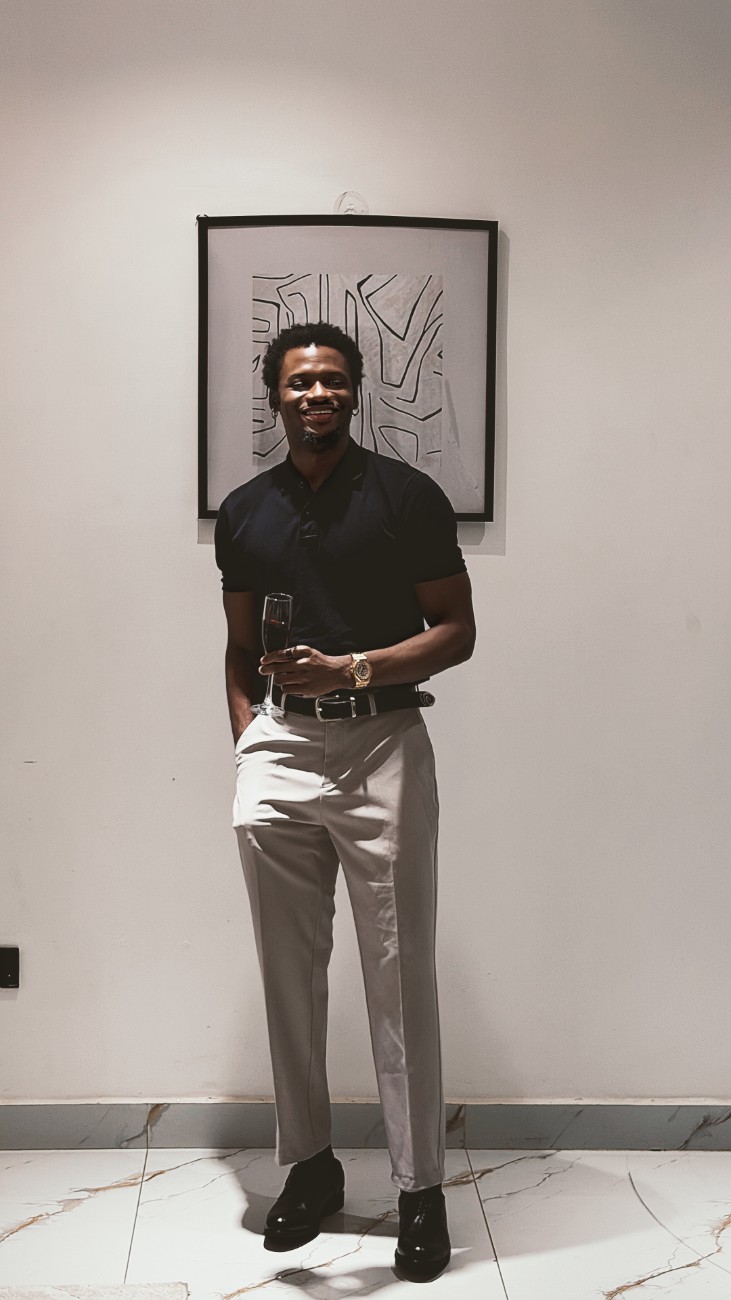
The most important thing Benwilz does on screen has nothing to do with the clothes. It is the argument the clothes make.
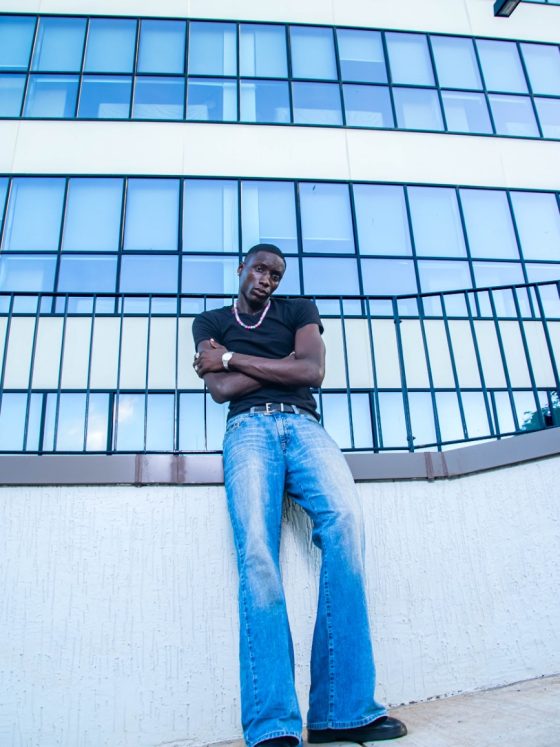
Benjamin Wilson — known across TikTok, Instagram, Pinterest, YouTube, and X as Benwilz — is an Abuja-based Nigerian men’s fashion creator, model, and digital storyteller. His platforms document contemporary menswear from the inside: the decisions a man makes when he gets dressed, the way clothing shifts presence, the connection between what a person wears and how they move through the world. That work has built him an audience of more than 45,000 followers on TikTok alone. But the significance of his practice is not captured by any single metric. Benwilz is making an argument about who Nigerian menswear belongs to, and he is doing so publicly, consistently, from Abuja.
That specificity matters. Nigerian fashion discourse has historically centred Lagos — its designers, its fashion weeks, its proximity to industry infrastructure. Abuja operates differently: it is a capital city shaped by governance, professional life, aspiration, and a particular kind of social visibility. To build a fashion voice from Abuja is to work outside the industry’s assumed geography. It is also to insist that menswear culture is not waiting for permission from established centres. Benwilz’s presence is part of the evidence that it never was.
Benwilz is an Abuja-based Nigerian menswear creator building menswear authority through personal style, digital storytelling, and a perspective that requires no institutional approval.
Nigerian Menswear Does Not Need a Gatekeeper
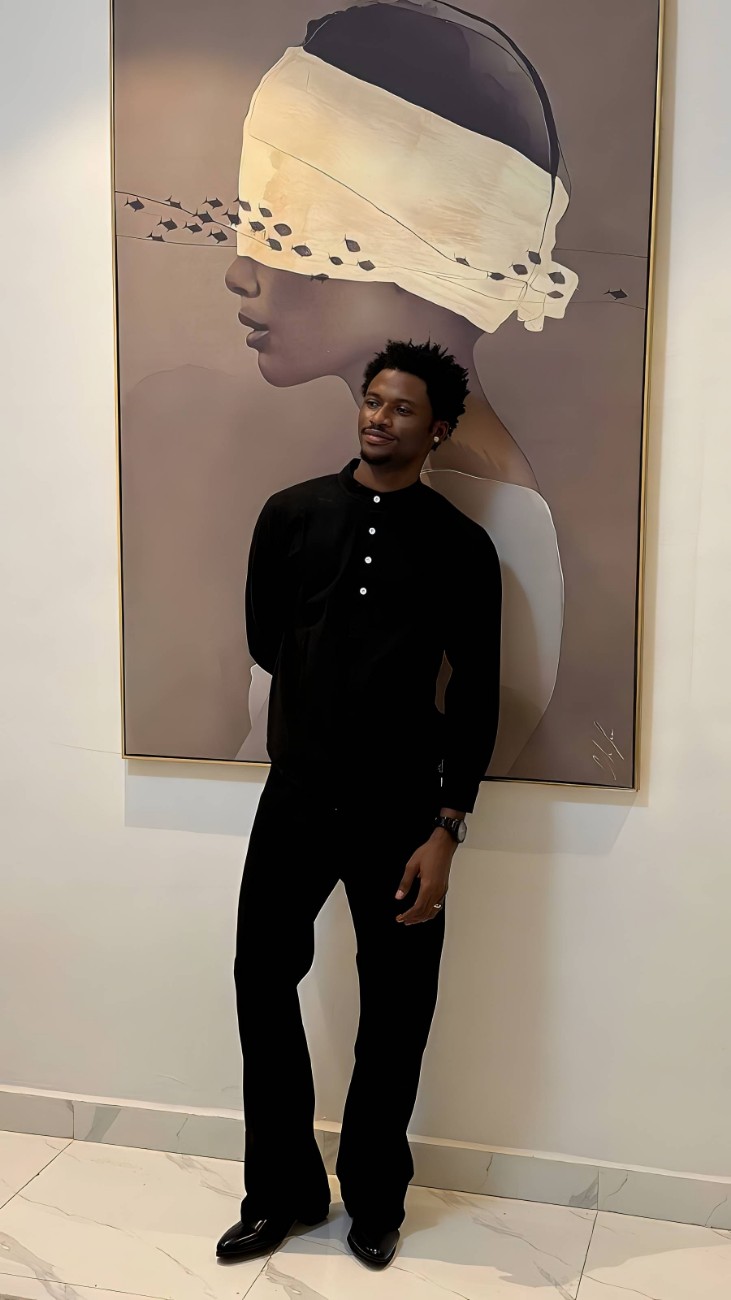
For much of the past two decades, global fashion media represented African style through a narrow set of occasions: heritage features, special collections, runway notes, or trend reports filed from a distance. The everyday visual cultures that shape how African men actually dress — the choices made in front of a wardrobe, the styling decisions in Abuja, Port Harcourt, or Enugu- rarely make it into the frame.
Social media altered that equation. Platforms now allow creators to document their wardrobes, communities, style decisions, and aesthetic philosophies directly — without waiting for a magazine assignment, a runway slot, or editorial validation. For Nigerian menswear, this shift has produced a new kind of fashion voice: one that starts with a person and their clothing, not a collection and its press release.
Benwilz works squarely within this shift. His content does not reference menswear as something that arrives from abroad and is adapted locally. It begins with the Nigerian man — his wardrobe, his self-presentation, his confidence — and builds outward. The clothes are real. The context is specific. The audience recognises the conversation because they are already in it.
This is the contribution that gets overlooked when fashion media reduces creators to follower counts and lists of brand partnerships. A creator like Benwilz is not amplifying someone else’s fashion narrative. He is authoring his own.
“A creator like Benwilz is not amplifying someone else’s fashion narrative. He is authoring his own.”
The Discipline Behind the Content
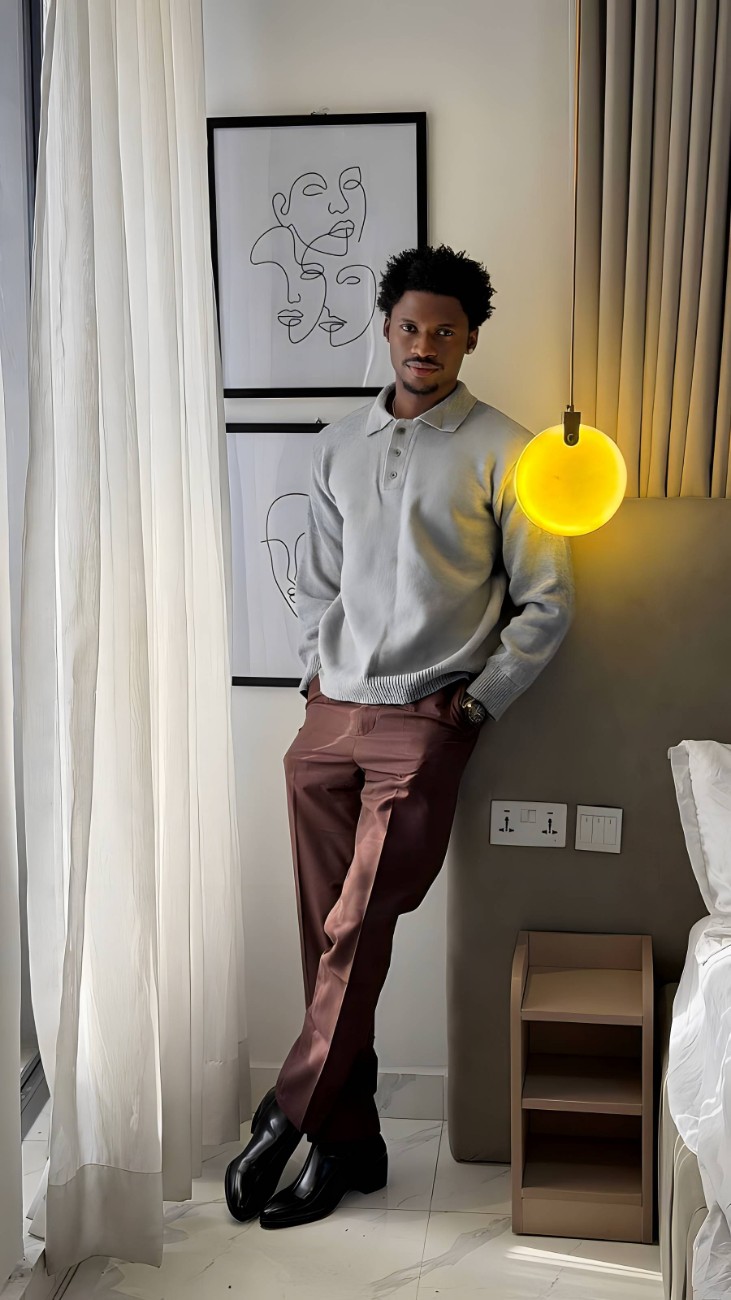
Benwilz’s practice sits at the intersection of three disciplines. As a men’s fashion creator, he produces digital content centred on contemporary style: looks, references, outfit construction, and the decisions that shape a finished wardrobe. As a model, he understands what clothing requires in front of a camera: proportion, posture, movement, the relationship between a silhouette and the person carrying it. As a digital storyteller, he translates those elements into content formats designed for audiences who encounter fashion at speed, on screens, in scrollable contexts where the first frame is the argument.
That combination is less common than it appears. Many fashion content creators can document a look. Fewer can convey what a look is doing, how a fit changes the way a man carries himself, how a styling decision signals restraint or confidence, how individual garments gain meaning through the body and personality of the person wearing them. Benwilz works in that second register. His content is about clothes, but it is more fundamentally about the person inside them.
His cross-platform presence reflects a considered approach to fashion communication. On TikTok, the work gains immediacy: short videos allow style ideas to travel fast, invite reactions, and become part of a wider conversation within hours. On Instagram, his account @benwilz1 extends the same visual identity into a curated image archive suited to audiences who engage fashion through stills and sequences. Pinterest creates a different function — placing his visual work within a reference culture where images have a longer life, circulating as inspiration and research material long after the original post. YouTube, under BigBenWilz, opens space for longer-form storytelling and a more developed relationship with viewers who want more than an outfit reel. X, at @benwilzoffical, connects fashion to real-time conversation and commentary.
Across these formats, the creative identity remains coherent. The perspective stays consistent. That coherence is not accidental — it reflects a creator who knows what argument his work is making.
Commercial Work That Fits the Conversation
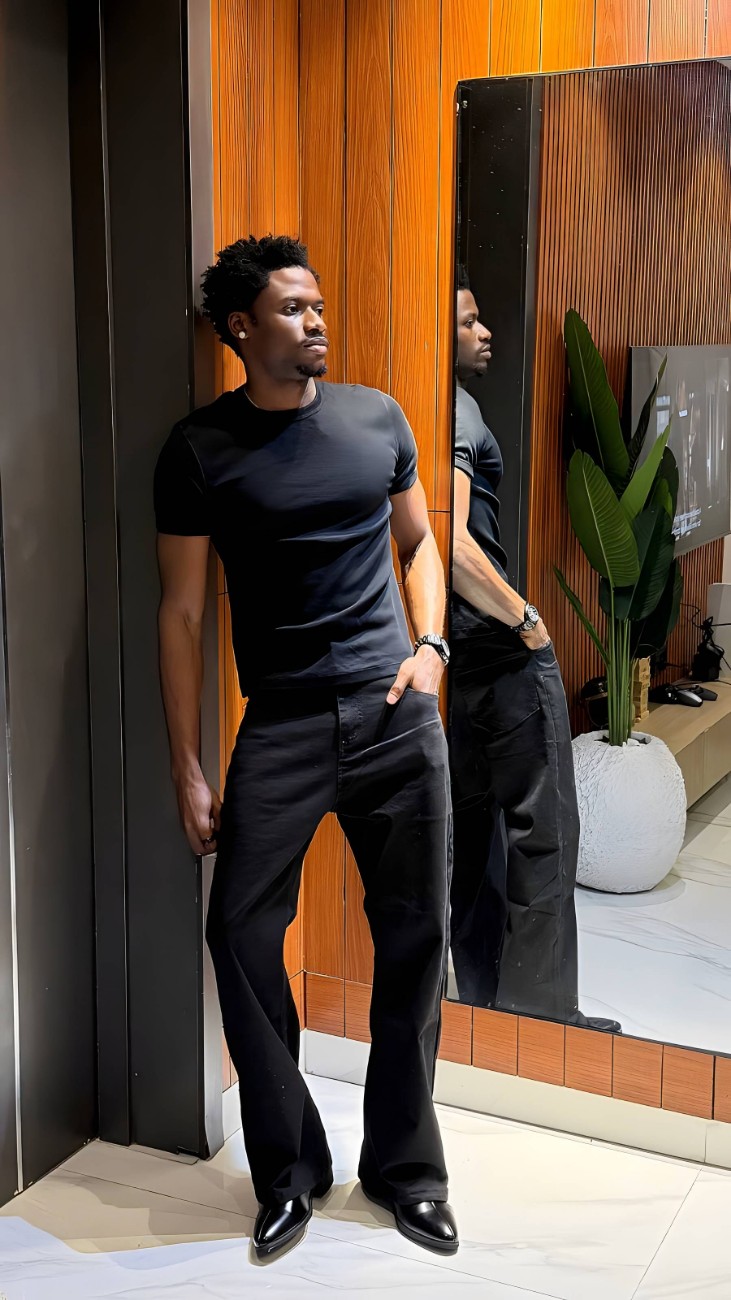
Benwilz’s commercial partnerships follow the same logic as his editorial content. His collaboration with KA Clothiers aligned his creator identity with a brand working in the Nigerian menswear space. Rather than importing a product message into an otherwise disconnected platform, the collaboration integrated clothing into the visual language and audience relationships Benwilz had already built. The result is fashion communication that reads as continuous with his practice rather than as an interruption.
His work with DYGLOW Skincare & Spa reflects a wider understanding of what menswear culture actually encompasses. Grooming, skincare, and self-care are not separate from fashion in the world Benwilz documents; they are part of the same practice of presentation, intention, and self-regard. By working with a skincare and spa business, he acknowledges the fuller version of men’s style, one in which the finished look includes the person’s condition and confidence, not only the garments they have chosen.
This matters for how brand relationships work in creator-led fashion. The most credible commercial content does not ask an audience to accept a disconnection between what a creator values and what they promote. Benwilz’s partnerships work because they extend his core conversation rather than departing from it.
His achievements should also be read in relation to the changing economics of visibility. A new generation of African creators is using social media not only to promote brands but to build independent cultural value. Their feeds become portfolios, their audiences become communities, and their perspective becomes an asset that can travel across campaigns, platforms, events, and collaborations. Benwilz’s work sits within this creative economy, where a creator’s authority comes from the consistency of their eye and the trust they build with the people who return to their content.
The Omiren Argument
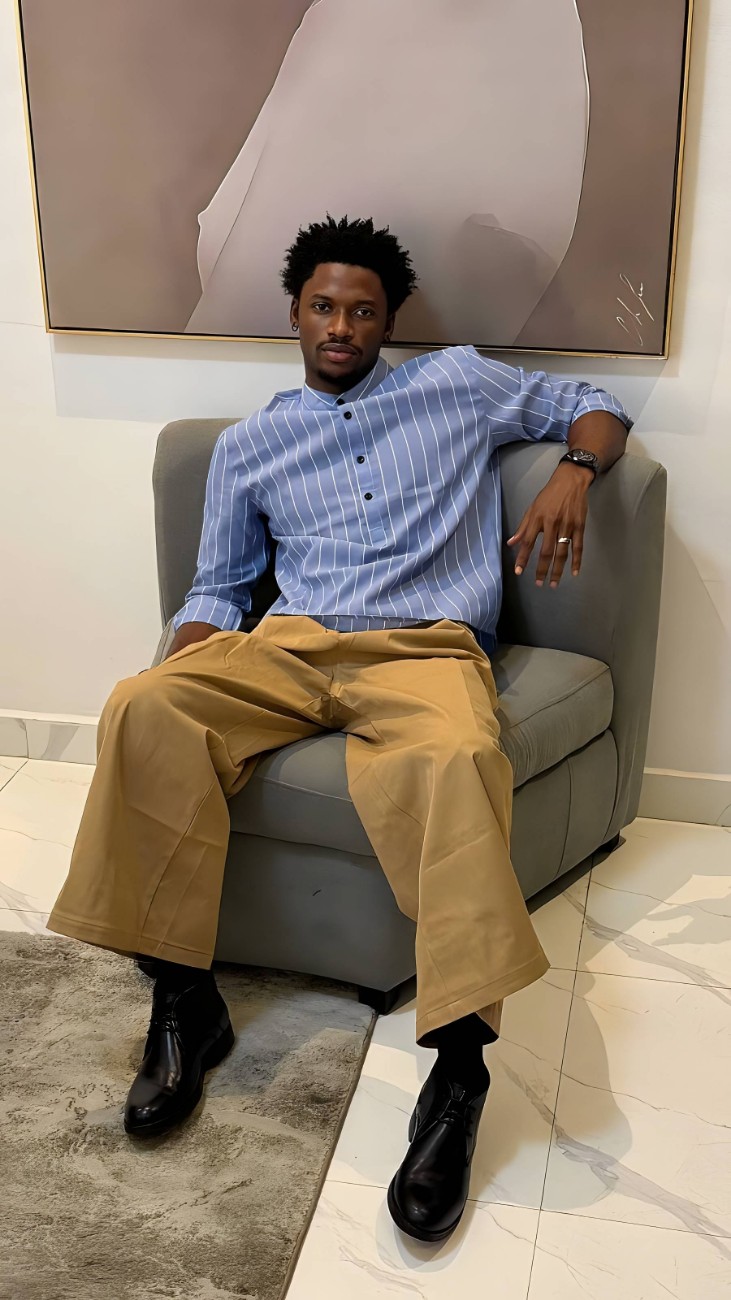
When a Nigerian creator builds menswear authority through personal style rather than institutional approval, that is not a local story — it is a cultural argument about who gets to define what Nigerian men look like.
Nigerian fashion’s digital generation is often framed as a wave: a rising tide of creators gaining visibility, building audiences, attracting brand interest. That framing positions the work as movement rather than authority — something gathering momentum rather than something already making decisions. It is the wrong frame.
What Benwilz does from Abuja is not momentum-building. It is authorship. He is not waiting for the industry to expand in his direction. He has already established a visual language, a consistent perspective, and an audience that returns to that perspective because it names something real. The African fashion market, valued at $31 billion, is shaped not only by designers and retailers but also by the cultural voices that determine what matters in everyday life. Creators are part of that infrastructure — not supplementary to it.
The disruption in Benwilz’s practice is geographical as much as it is digital. Abuja is not Lagos. It does not carry the same industry associations, the same proximity to fashion week infrastructure, or the same assumed centrality in Nigerian style conversations. To build a menswear identity from Abuja is to make a claim about decentralisation: that fashion authority is not a fixed resource distributed from one city outward, but something constructed wherever a person has clarity of perspective and the discipline to publish it consistently.
That clarity is the cultural insight. Nigerian menswear’s next chapter is not being written in a single place by a single institution. It is being written across platforms, cities, and by individual creators who have decided that their wardrobe, self-presentation, and point of view are worth documenting. Benwilz is one of the clearest examples of that decision made public.
The conclusion Omiren Styles draws from his work is straightforward. Nigerian menswear does not need a gatekeeper. It needs voices willing to argue, in public, that personal style is a form of cultural production. Benwilz is making that argument. It deserves to be read as one.
ALSO READ
- The New Gentleman: Redefining Masculinity Through Conscious, Considered Dressing
- How Lagos Street Style Is Influencing What the Diaspora Wears in New York
- African Menswear Does Not Start With a Sketch. It Starts With a Question
Frequently Asked Questions
Who is Benwilz?
Benwilz is the professional name of Benjamin Wilson, a Nigerian men’s fashion creator, model, and digital storyteller based in Abuja. He creates content focused on personal style, menswear, grooming, and self-presentation across TikTok, Instagram, Pinterest, YouTube, and X. With more than 45,000 TikTok followers and commercial collaborations including KA Clwithnd DYGLOW Skincare & Spa, he is one of Nigeria’s active voices in men’s fashion ddigital igital contentind of content does Benwilz create?
Benwilz creates men’s fashion content across multiple platforms, focusing on styling, outfit construction, modelling, grooming, and the relationship between clothing and confidence. His content treats self-presentation as a daily creative practice rather than a performance for fashion insiders. Across short videos, still images, visual reference boards, and longer-form storytelling, he maintains a consistent perspective on what contemporary Nigerian menswear looks like when authored from within.
Why is this significant to Benwilz’s work?
Abuja is Nigeria’s capital — a city shaped by professional life, social aspiration, and visibility outside the fashion industry infrastructure more commonly associated with Lagos. Benwilz building a menswear identity from Abuja signals that Nigerian fashion culture is not confined to a single city or institution. It is a practical argument for decentralisation: style authority is constructed from wherever an author has a clear perspective and the discipline to sustain it.
How does Benwilz approach brand collaborations?
Benwilz’s commercial work with KA Clothiers and DYGLOW Skincare & Spa extends his editorial perspective rather than departing from it. His menswear content has always treated grooming and self-care as part of the same conversation as clothing and styling. Brand partnerships that fit within that conversation read as a continuation of it. Those that would require him to abandon or contradict his perspective do not appear in his work.
What does Benwilz’s work contribute to Nigerian fashion?
Benwilz contributes a documented argument that Nigerian men can author their own image — from Abuja, through digital platforms, on their own terms. His work is part of a broader shift in which African creators are using social media not to gain access to fashion institutions but to build independent cultural authority. His platforms demonstrate that menswear storytelling can begin with an individual’s eye and reach audiences worldwide without institutional mediation.
CONTINUE READING ON OMIREN STYLES
Omiren Styles documents African, Caribbean, and Latin American fashion culture with editorial authority. For more creator profiles, menswear intelligence, and Afrocentric fashion analysis, visit omirenstyles.com.
Find Benwilz
TikTok: @benwilz — tiktok.com/@benwilz
Instagram: @benwilz1 — instagram.com/benwilz1
Pinterest: Benwilz — pin.it/7Lmb8tJb0
YouTube: BigBenWilz — youtube.com/@bigbenwilz
X: @benwilzoffical — x.com/benwilzoffical