In 2017, a luxury fashion house released a pre-fall collection featuring an embroidered coat selling for thirty thousand euros. The coat was nearly identical in design to a traditional garment made by artisans in Bihor County, Romania. The original artisans, whose families had made that coat by hand for generations, received no credit, no royalties, and no communication from the brand. When Romanian fashion magazine Beau Monde documented the copying and launched a counter-campaign, the brand offered no compensation. It offered no formal acknowledgement. The incident resolved itself, as incidents of this kind almost always do in fashion: through fading public attention and the brand continuing to sell the coat at thirty thousand euros.
This is not an exceptional story. It is the ordinary story of how the fashion industry engages with cultural heritage that it does not own. The question is not whether it happens. It is documented. The question is what the industry loses when it frames the response as a conversation about sensitivity rather than a reckoning about ownership.
The fashion industry resolves cultural appropriation with apologies. What the communities take from it, they actually lose is value, credit, and ownership.
What Appropriation Actually Costs

The standard framing of cultural appropriation in fashion positions the harm as cultural: meaning is lost, tradition is disrespected, and communities feel invisible. These are real harms. But they are not the primary harm. The primary harm is economic. Susan Scafidi, a fashion law scholar and author of Who Owns Culture?, identifies cultural appropriation as one of the main threats to the continued viability of cultural heritage, arguing that the core problem is not disrespect but the absence of ownership, authorship protection, and compensation. The artisan in Bihor who made the coat did not lose only credit. She lost thirty thousand euros. The brand extracted that value from her tradition, applied its label to it, and redirected the money to its shareholders.
This economic dimension is what the “appreciation vs appropriation” frame consistently sidesteps. Framing the problem as a question of intent and respect converts a property dispute into a manners dispute. It allows brands to resolve the issue by apologising, pledging sensitivity training, or making vague commitments to “honour” the cultures they have taken from, without any obligation to return value to the communities from whom they took it.
“Big brands offer no credit, no money returns to poor communities, and traditions die.” Bihor artisans’ video response to Dior, 2018
The record of fashion industry appropriation from non-Western communities is specific and extensive. Dior’s Pre-Fall 2017 collection included an embroidered jacket from Bihor County, Romania, which was sold for 30,000 euros, with no credit to the artisans and no royalties returned. When the copying was documented, Romanian artisans launched Bihor Couture, a counter-brand that sells authentic versions at accessible prices and returns money directly to the craftspeople. Their campaign video stated plainly that the real injury was financial: “Big brands offer no credit, no money returns to poor communities, and traditions die.”
In 2019, the Mexican government formally wrote to Carolina Herrera demanding an explanation after the designer’s Resort 2020 collection incorporated Tenango de Doria embroidery and Saltillo serape patterns from indigenous Mexican communities without acknowledgement. Mexico’s Minister of Culture identified the designs as having clear, well-documented origins in specific villages where artisans work the cloth by hand for months, where the designs include sacred symbols with cultural and spiritual meaning, and where those artisans had received no payment or contact from the brand. Carolina Herrera described the collection as a tribute.
For African fashion specifically, ADJOAA’s documentation of African haute couture records the pattern across European luxury houses: Valentino’s 2015 show invoking “wild, tribal Africa” with mostly white models in cornrows; Stella McCartney using traditional Ankara prints in her Spring/Summer 2018 collection without acknowledgement; Louis Vuitton using the Basotho blanket pattern from southern Africa as a menswear design. In each case, the visual vocabulary of a specific African tradition was transformed into a luxury product. In each case, value flowed to the European brand.
More recently, a major luxury house sent models down the runway in sandals nearly identical to India’s traditional Kolhapuri chappals, a handcrafted design dating to the 13th century, and branded them as “leather flat sandals” for over $800. The handcrafted originals sell for around twelve dollars. No mention of the Kolhapuri tradition appeared in the brand’s marketing.
Why the Ethics Frame Protects the Industry
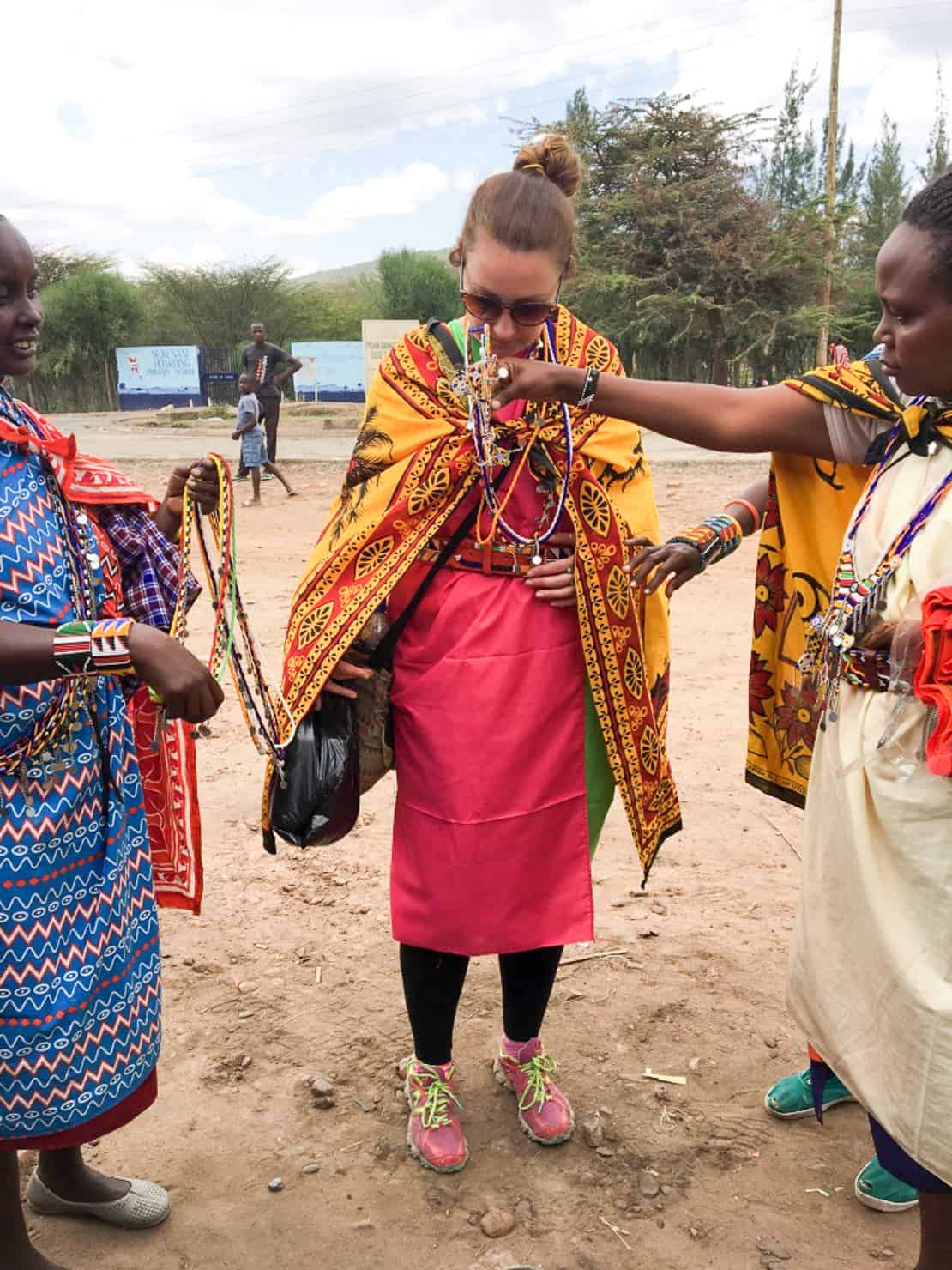
When the fashion industry discusses cultural appropriation, it almost always does so in the language of sensitivity, respect, and education. This language is not neutral. It translates a legal and economic dispute into a cultural one, which has the practical effect of removing any obligation to compensate, credit, or involve the communities whose work has been taken.
An apology does not restore the revenue. A sensitivity statement does not establish a legal claim to ownership of the Bihor artisans’ embroidery tradition. A pledge to “honour” African textiles does not redirect any percentage of the sales value of a Basotho blanket coat back to the Basotho community. The ethics frame, in other words, resolves the brand’s reputational problem without addressing the community’s economic problem. It is a mechanism for absorbing criticism while preserving the underlying extraction.
There are currently no legal protections in place in most jurisdictions that prevent brands from using indigenous or traditional cultural designs. UNESCO’s Intangible Cultural Heritage framework documents the loss of cultural heritage and cites appropriation as a contributing factor, but it does not create enforceable ownership rights. The Mexican government has proposed legislation recognising indigenous communities as lawful owners of their cultural elements, but this has not yet been enacted as a binding international standard. The Fashion Law Africa Summit, launched in 2025 to protect African designers from IP theft, identifies cultural ownership as the central issue: not whether brands respect African culture but whether they can be legally prevented from profiting from it without permission.
Also Read
- Clothing as Cultural Identity: How Africa Dresses Its Arguments
- The Online Marketplace Problem: Why African Fashion Disappears in the Algorithm
- The African Designer Gift Guide: 10 Brands Worth Giving
- How to Shop African Fashion: The Complete Guide for the Culturally Literate Consumer
What Appreciation Actually Requires

Cultural appreciation is not the opposite of appropriation on a sensitivity spectrum. It is a structurally different relationship, and the difference is economic and legal before it is ethical. A fashion brand that appreciates a cultural tradition is one that co-creates with artisans from that tradition, ensures that revenue returns to those artisans, credits the specific cultural origin in its marketing, and does not claim ownership over designs that belong to living communities.
The Fashion Law Africa Summit identifies this as “cultural ownership”: the principle that African textiles, motifs, and craft traditions belong to the communities that created them, and that those communities must be part of the commercial conversation whenever those traditions enter global markets. Sana Ahmed, the summit’s founder, is direct about what this means in practice: “They cannot do this without us. We have to be part of the conversation. If not part of it, we need to be leading those conversations, leading the forefront in how African textiles are being used and how African fashion is being represented.”
Appreciation without co-ownership is a rebranding of appropriation. Buying from artisans is necessary but not sufficient if the design has already been taken and is being sold at scale by a brand that pays no royalties. Learning the meaning of a tradition is necessary but insufficient if that meaning is then used to add narrative value to a product from which the tradition’s community receives nothing. The question is not whether the brand finds the culture interesting. It is about whether the community controls what happens to its creative output when it enters the global market.
The consumer’s role in this is real but limited. Buying directly from artisans, choosing designers from the cultures whose aesthetics you want to engage with, and refusing to support brands with documented histories of appropriation without accountability: all of these are actions that redirect value toward source communities. The practical guide for this, in the context of African fashion, is documented throughout our shopping and designer guides. They are necessary habits. They do not substitute for legal and structural change.
The consumer can also apply pressure. The Bihor Couture campaign worked because attention was directed at the brand and redirected toward the artisans. The Mexican government’s intervention in the Carolina Herrera case framed the conversation in legal and political terms rather than ethical ones. The Fashion Law Africa Summit’s work on IP protection for African designers is the structural level at which the problem is actually being addressed. Consumers who care about the issue support not only individual artisans but also the organisations building the legal architecture that protects them.
THE OMIREN ARGUMENT

The debate over cultural appropriation in fashion is not primarily an ethics problem. It is a property problem that the fashion industry has successfully reframed as an ethics problem so that it can be resolved with apologies rather than with compensation. When Dior sells a thirty-thousand-euro jacket copied from Bihor artisans who earn subsistence wages, the artisans do not need Dior’s respect. They need Dior’s money. When a luxury house markets eight-hundred-dollar sandals built on a twelve-dollar Kolhapuri tradition, the Kolhapuri artisans are not harmed by the brand’s lack of cultural sensitivity. The absence of a revenue share harms them. Framing the response as a matter of intention, awareness, or appreciation is the industry’s most effective defence against the one outcome it cannot manage: returning the value it extracted.
The context is a global fashion system built on a fundamental asymmetry. European and American luxury brands hold extensive intellectual property protection over their own designs. The communities whose design heritage those brands have historically taken, from Bihor to Oaxaca to the Basotho highlands to the textile markets of Lagos, hold almost none. No enforceable international standards prevent a brand from copying a traditional design, removing its name, and selling it without royalties or credit. This is not an oversight. It is the architecture of a system built to extract value from the Global South while legal protections remain in the North.
The disruption is not a demand for better manners from fashion brands. It is a demand for legal and commercial accountability: the recognition that cultural heritage is property, that communities are its lawful owners, and that no amount of brand-sensitivity training can resolve a theft. Omiren Styles covers African fashion from inside African and diaspora creative communities. Our editorial position is not that cultural exchange should stop. It is that exchange is not exchange when one party takes and the other thanks them for the attention. The question is not whether fashion can engage with culture. It is whether culture will ever be paid for what fashion takes from it.
Frequently Asked Questions
1. What is cultural appropriation in fashion?
Cultural appropriation in fashion occurs when a brand or designer uses elements from a cultural tradition, such as textiles, patterns, dress forms, or symbols, without the permission, involvement, or compensation of the communities that created and maintain that tradition. The harm is primarily economic: value is extracted from the originating community and redirected to the appropriating brand. Secondary harms include the loss of credit and the misrepresentation of a tradition’s meaning when it is removed from its context. Cultural appropriation is distinct from cultural exchange, which involves mutual benefit, credit, and involvement of the originating community.
2. What is the difference between cultural appropriation and cultural appreciation in fashion?
The core difference is structural, not attitudinal. Cultural appreciation in fashion involves co-creation with artisans from the originating tradition, revenue that returns to that community, accurate credit in marketing, and no claim of ownership over designs that belong to living communities. Cultural appropriation takes the visual vocabulary of a tradition and converts it into a commercial product without involving or compensating the community. Intention is not the determining factor: a brand that loves a culture but profits from it without compensation is still extracting value it did not create. The test is economic before it is ethical: who benefits, who is credited, and who owns the design.
3. What are documented examples of cultural appropriation in fashion?
Several documented cases involve European luxury brands copying traditional craft traditions. Dior’s Pre-Fall 2017 collection included an embroidered jacket from Bihor County, Romania, which was sold for 30,000 euros, with no credit or royalties to the artisans. Carolina Herrera’s Resort 2020 collection incorporated Tenango de Doria embroidery and Saltillo serape patterns from indigenous Mexican communities without acknowledgement, prompting a formal letter from Mexico’s Minister of Culture. Valentino’s 2015 collection evoked African tribal aesthetics, featuring mostly white models with cornrows. A major luxury house sold sandals modelled on India’s 13th-century Kolhapuri chappals at over eight hundred dollars, while the handcrafted original sold for approximately twelve dollars with no acknowledgement in the brand’s marketing.
4. What are the 3 Ps of cultural appropriation?
The three Ps, as identified in scholarship on cultural appropriation, are power, profit, and privilege. Power refers to the asymmetry between the appropriating party, typically a dominant or well-resourced actor such as a luxury fashion brand, and the originating community, which typically holds no legal protection over its cultural designs. ‘Profit’ refers to the financial benefit extracted from the tradition without return to its source. Privilege refers to the structural advantage that allows the appropriating party to use, sell, and claim aesthetic credit for a tradition without consequence. Together, they describe a system in which one party benefits commercially from another’s creative heritage without accountability.
5. How can consumers avoid supporting cultural appropriation in fashion?
Consumers can redirect economic value toward source communities by buying directly from artisans and designers who originate from the culture whose aesthetics they want to engage with. Our guide to shopping for African fashion and our African designer gift guide provide specific brand recommendations. Beyond individual purchasing, consumers can support organisations working to build legal protection for cultural IP, including the Fashion Law Africa Summit, which advocates for African designers’ ownership rights in international markets. The most consequential consumer action is not avoiding any single brand but building pressure for the structural accountability that consumer behaviour alone cannot create.
6. At what point does appreciation become cultural appropriation?
Appreciation becomes appropriation when the originating community ceases to participate in the value created by their tradition. Credit without compensation is appropriation. Admiration without co-ownership is appropriation. A collaboration that names the culture in press materials but returns no revenue to its artisans is appropriation with better marketing. The threshold is not intent or knowledge. It is whether the community that owns the tradition benefits economically and retains control over how it is used. When both conditions are absent, what the brand calls appreciation is indistinguishable in its effects from extraction.
Fashion Has a Debt It Has Not Paid
Omiren Styles covers African fashion and culture from inside its communities. We document the designers, the textiles, and the systems that shape how African creative heritage moves through the global market. Subscribe for editorial intelligence that names what is actually happening.