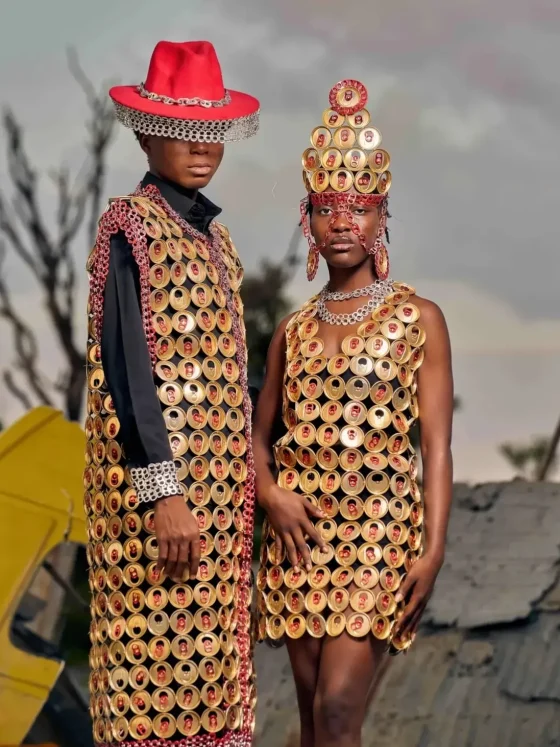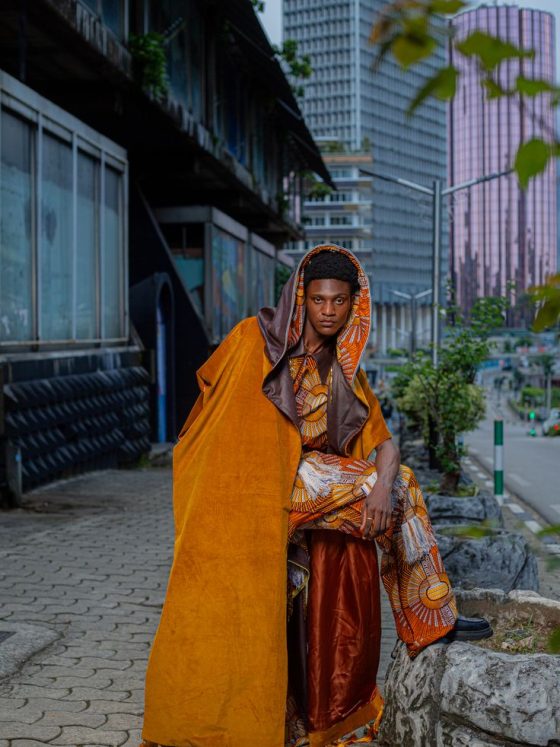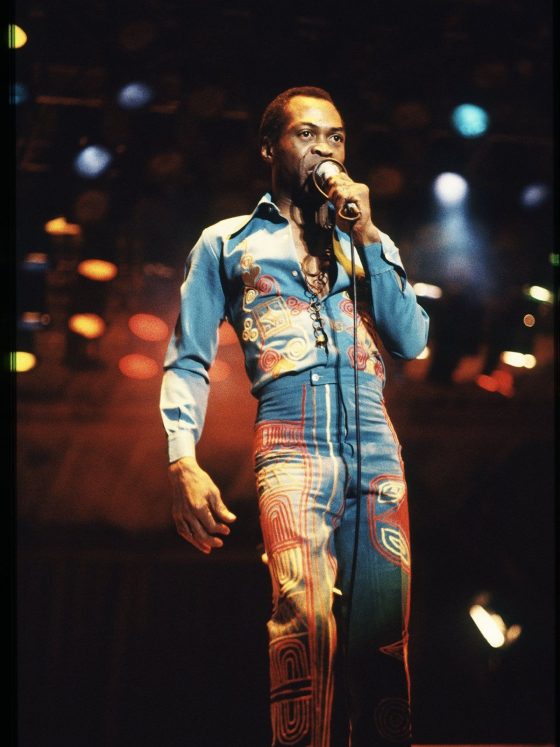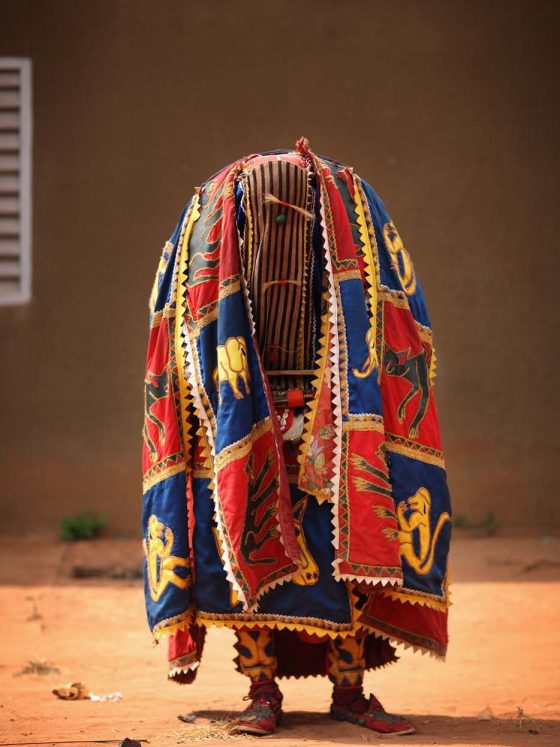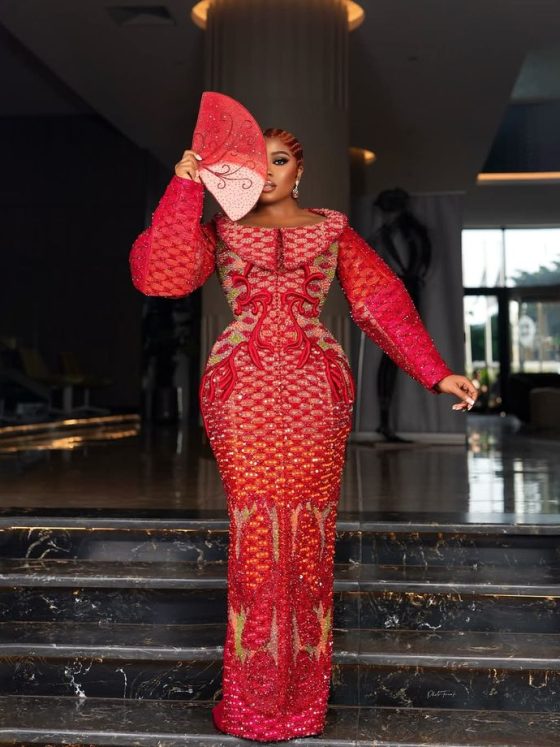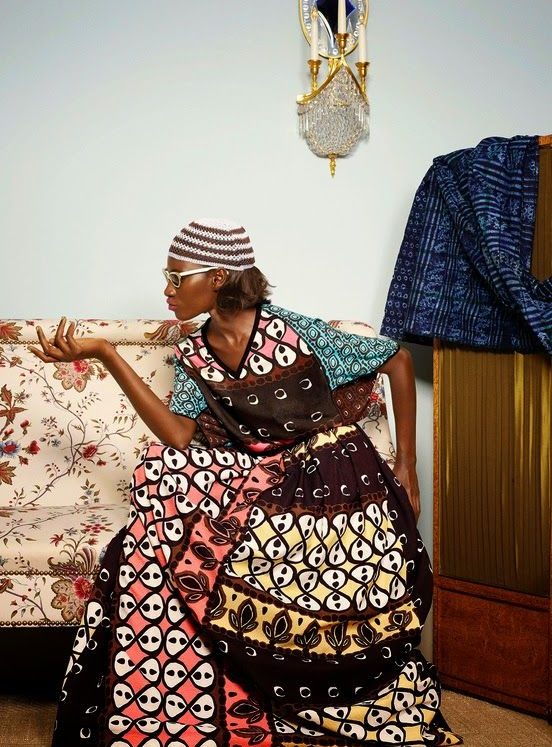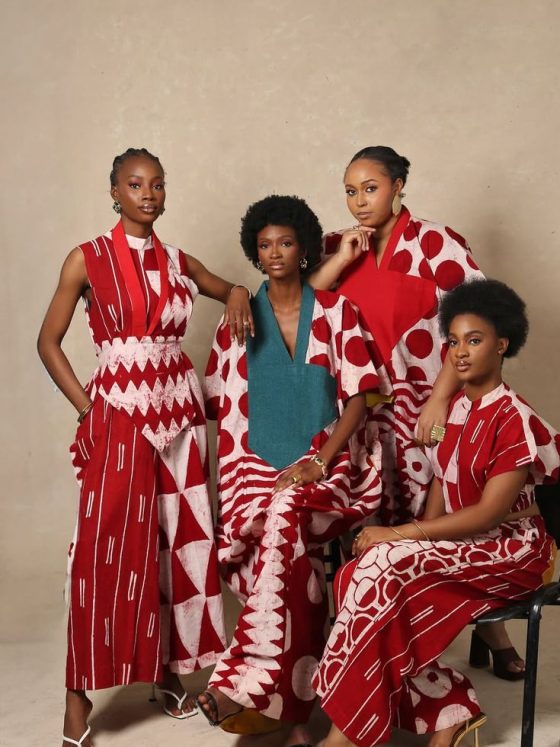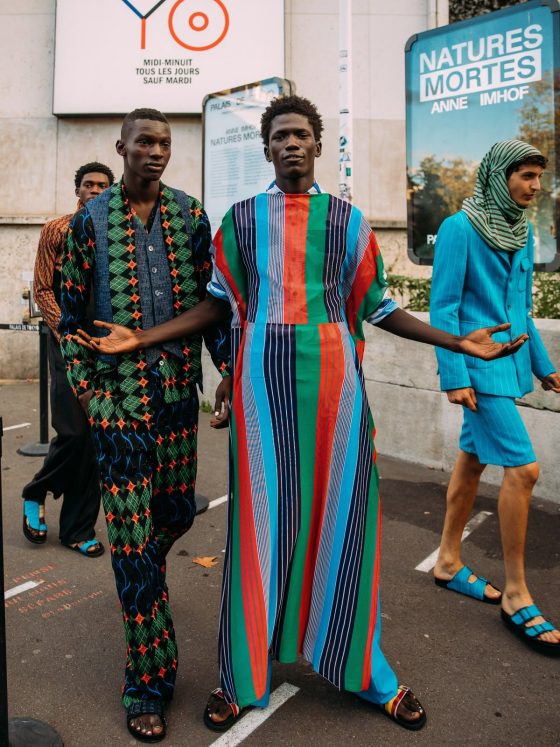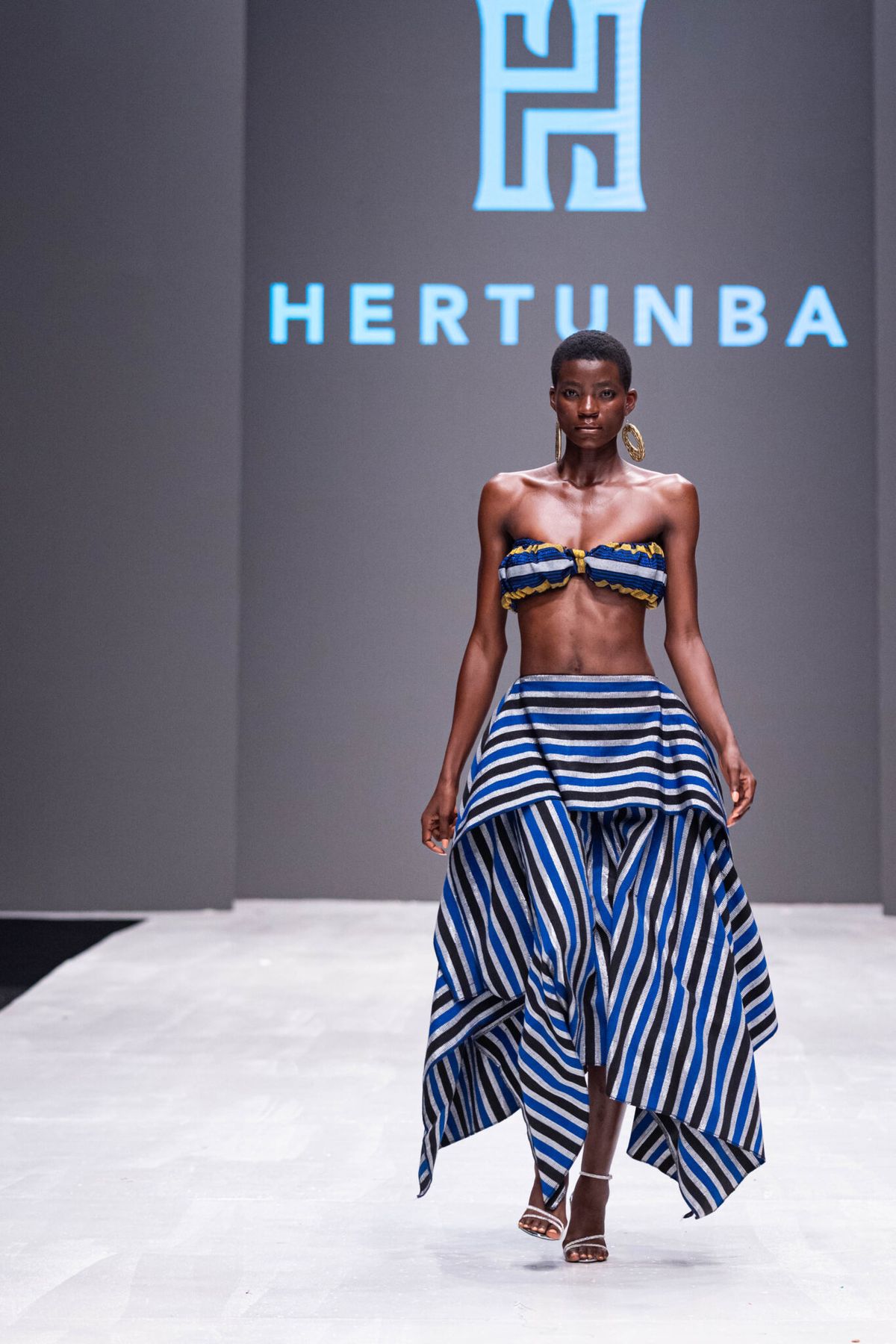
African fashion is visible. It is on global runways, in editorial campaigns, and across digital platforms that shape contemporary style. Prints inspired by West African textiles appear in international collections. Designers from cities like Lagos, Accra, and Johannesburg are gaining recognition. The aesthetics are circulating. The visibility is undeniable.
But visibility is not the same as ownership.
Behind the global rise of African fashion lies a structural imbalance. Designers create cultural and economic value, but much of that value is captured elsewhere—by foreign retailers, distribution platforms, and international intermediaries who control access to global markets. The result is a gap. One that separates creation from control and influence from profit.
To understand the future of African fashion, that gap has to be examined.
Explore who owns African fashion, the gap between designers and distributors, and how new ownership models are reshaping the African fashion industry.
The Structure of the Global Fashion System
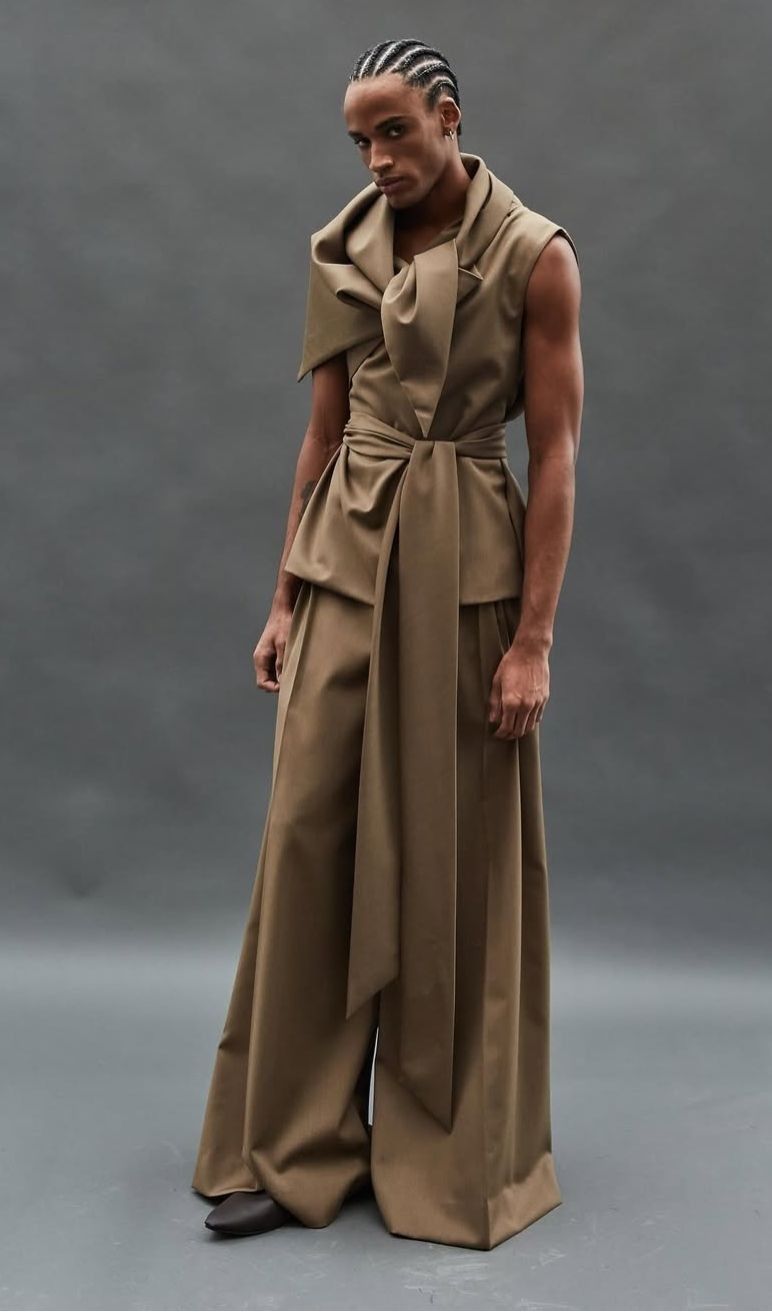
Fashion is not only about design. It is a system comprising production, distribution, marketing, and retail.
In established fashion capitals, these elements are often integrated. Designers have access to manufacturing networks, global buyers, and retail platforms that allow them to scale.
For many African designers, the situation is different.
While the design and creative direction originate locally, distribution often depends on external systems. International retailers, e-commerce platforms, and buyers act as gatekeepers, determining which brands gain access to global consumers.
This creates a dependency that shapes how African fashion is positioned and sold.
Creation Without Control
African designers are not lacking in creativity or technical skill. The growth of local fashion scenes in cities like Lagos and Accra demonstrates a strong talent base.
However, creating value is only one part of the equation.
When distribution is controlled externally, designers often have limited influence over pricing, branding, and market positioning. Products may be recontextualised to fit international expectations, sometimes losing their original narrative.
In some cases, the financial returns do not reflect the cultural and creative value being generated
The Role of Foreign Retailers and Platforms
Global retailers and platforms play a significant role in shaping the perception of African fashion.
They curate which designers are visible, how collections are presented, and which narratives are emphasised. While this can provide exposure, it also concentrates power.
Platforms that operate outside the continent often control logistics, payments, and customer data. This means that even when African brands reach global audiences, the infrastructure supporting that reach is not locally owned.
The result is a system where access is mediated rather than direct.
Aesthetic Extraction vs Economic Ownership
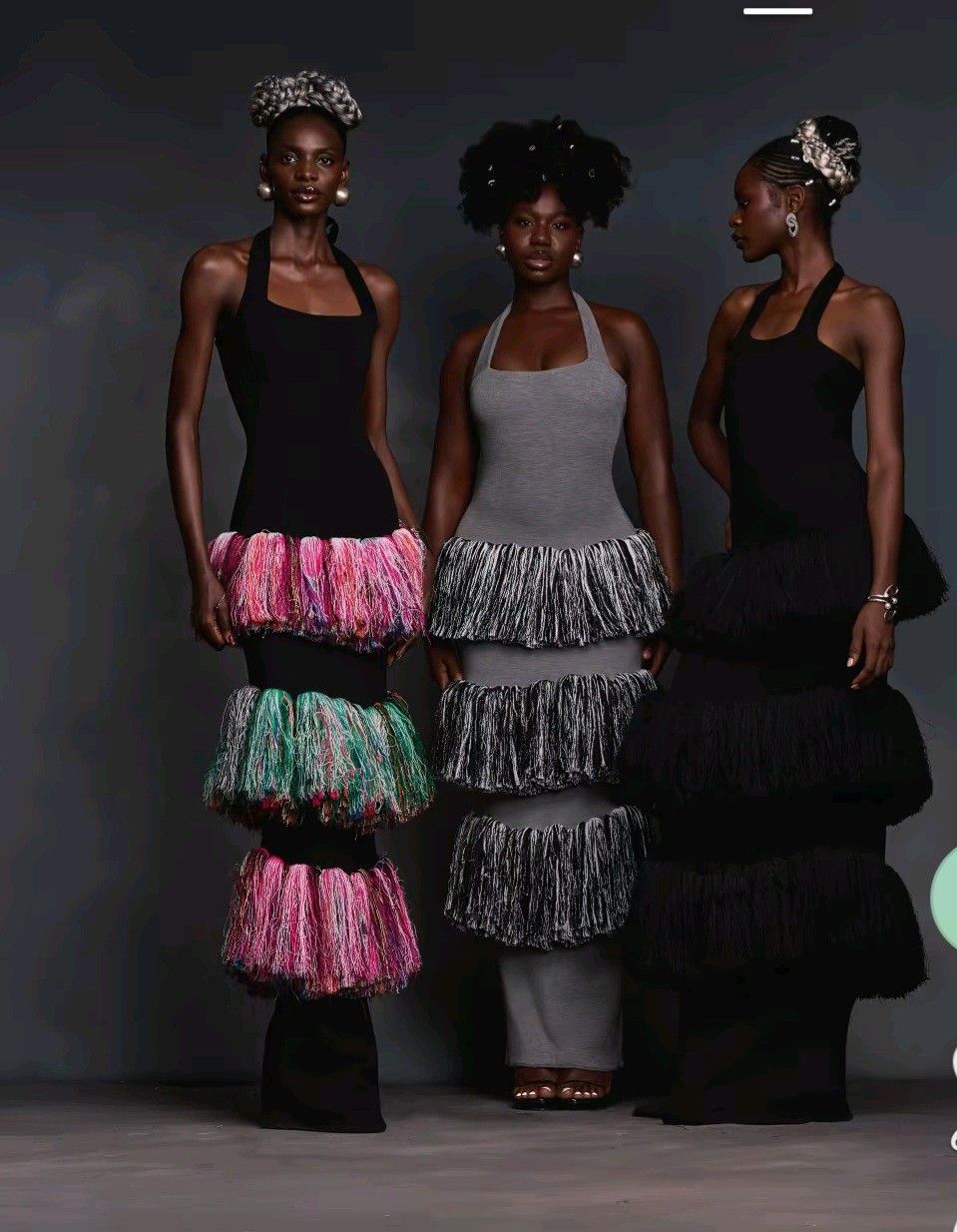
One of the most visible aspects of this imbalance is aesthetic extraction.
African prints, silhouettes, and design philosophies are frequently referenced globally. However, the economic benefits of these influences do not always return to their origins.
This creates a disconnect between cultural contribution and financial reward.
The issue is not the influence itself. Cultural exchange has always been part of fashion. The issue is ownership. Who benefits when African aesthetics become global trends?
The Rise of Independent African Fashion Systems
In response to these challenges, a shift is happening.
Designers and entrepreneurs are building independent systems that prioritise local ownership. This includes direct-to-consumer models, locally based retail platforms, and regional fashion networks.
Social media has played a key role in this shift. It allows designers to reach audiences without relying entirely on traditional gatekeepers.
Digital Platforms and Direct Access
E-commerce is changing how African fashion is distributed.
Designers are increasingly using digital platforms to sell directly to customers, both within Africa and globally. This reduces reliance on intermediaries and allows for greater control over branding and pricing.
However, challenges remain. Logistics, payment systems, and infrastructure can limit scalability.
Despite this, the move toward direct access represents a significant step toward ownership.
Local Manufacturing and Supply Chains
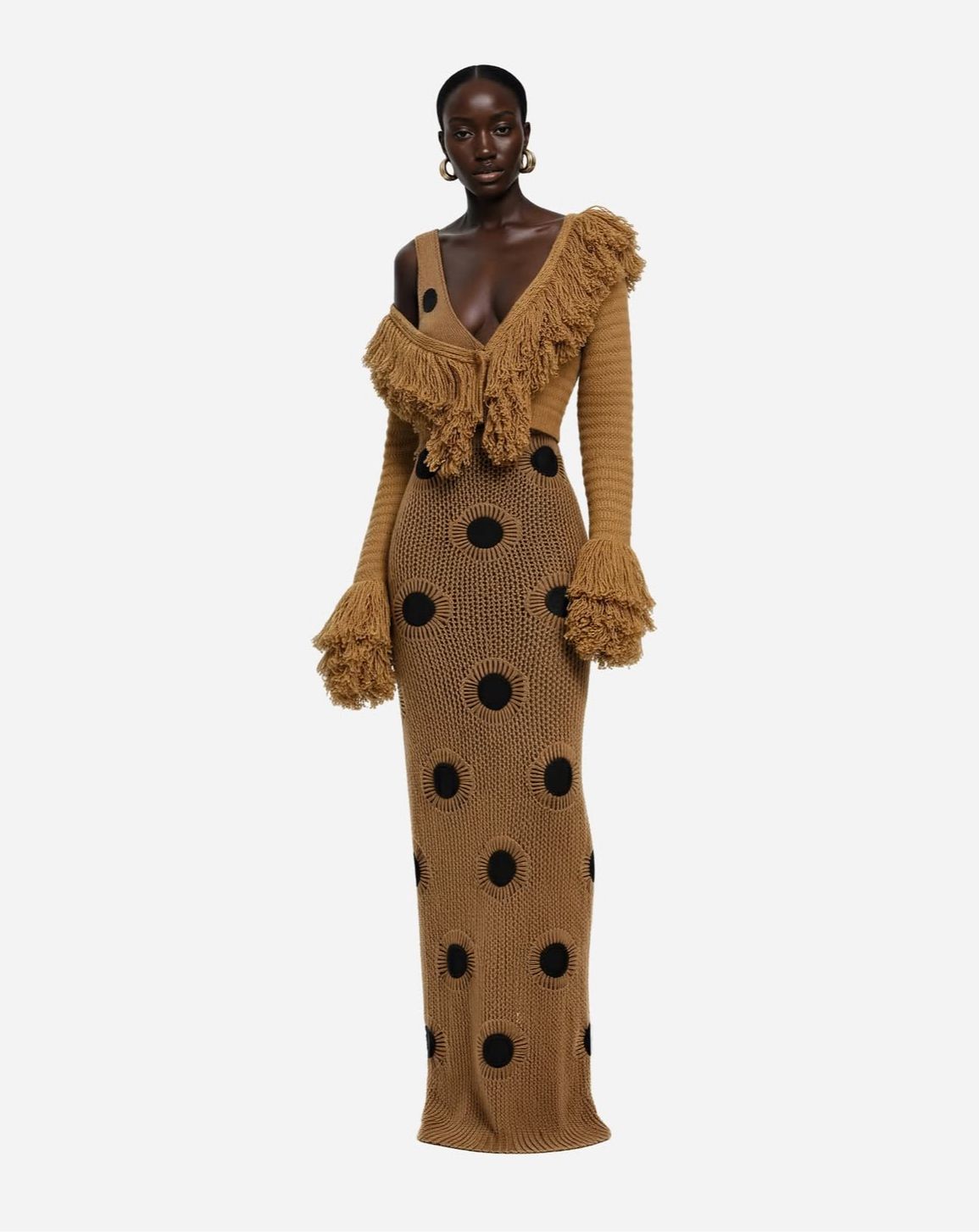
Ownership is not only about distribution. It also involves production.
Strengthening local manufacturing capacity allows designers to retain more value within the continent. It reduces dependence on external production networks and creates opportunities for economic growth.
Investment in textiles, tailoring, and production facilities is essential for building a more balanced system.
Redefining Value in African Fashion
Part of the challenge lies in how value is defined.
African fashion is often positioned as niche or emerging, rather than as a fully developed system with its own standards and markets.
Redefining value means recognising the industry not just for its aesthetics but also for its economic potential.
It also means shifting from validation by external markets to confidence in internal systems.
READ ALSO:
- The Difference Between Visibility and Impact in Building Authority
- Why Fit Is the Most Underrated Language in Fashion
What the New Ownership Model Looks Like
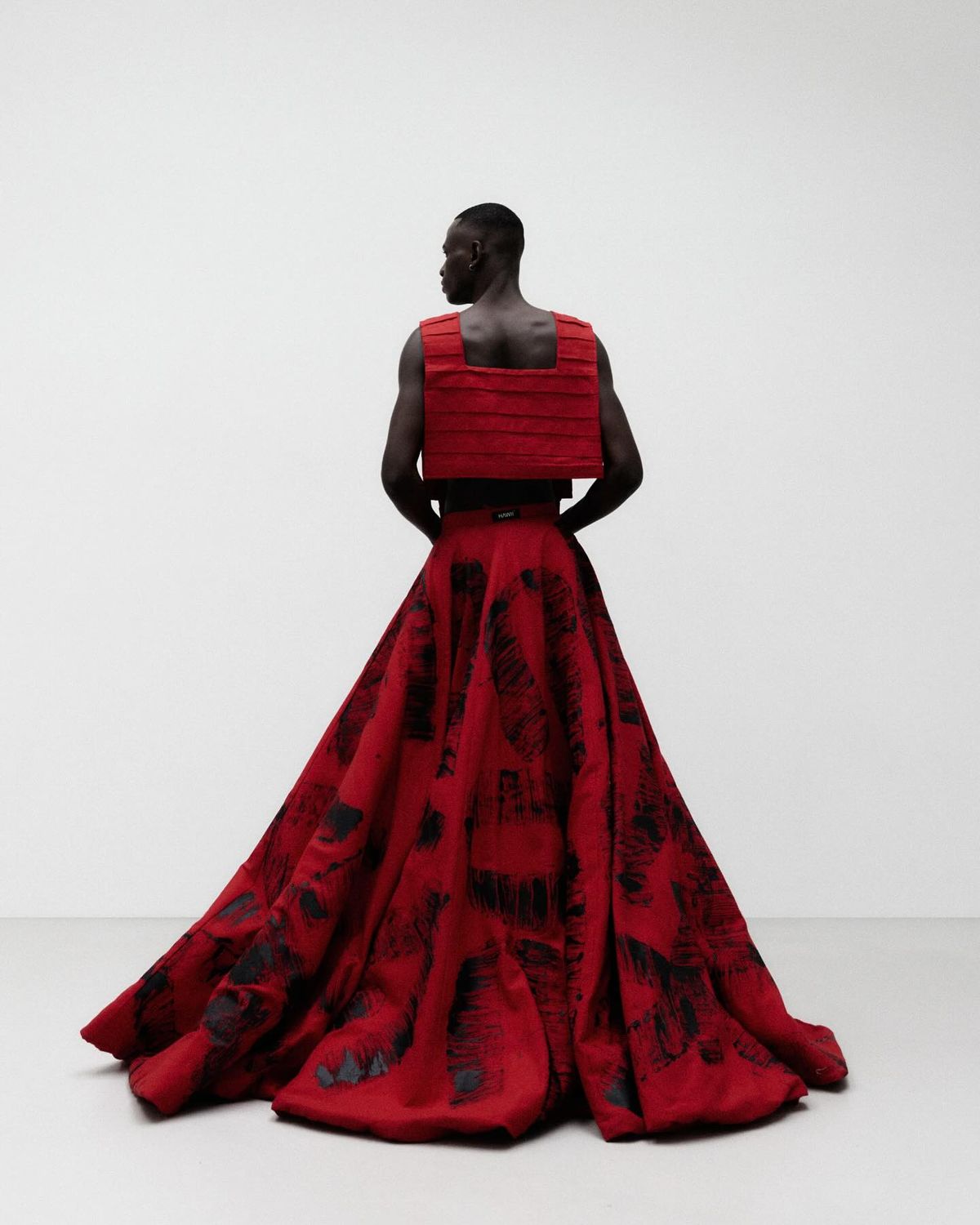
The future of African fashion is not about exclusion. It is about balance.
A new ownership model would involve:
- Designers retaining control over their narratives and branding
- Local and regional retail platforms are scaling effectively
- Stronger manufacturing and supply chains within Africa
- Strategic global partnerships that do not compromise ownership
This model does not reject global engagement. It redefines it.
From Visibility to Power
African fashion has already achieved visibility. The next step is power.
Power comes from control over systems, not just participation in them. It comes from owning the platforms, the distribution channels, and the narratives that shape the industry.
This shift is already underway, but it requires sustained effort, investment, and collaboration.
Conclusion
The question is not whether African fashion is influential. It clearly is.
The question is who owns that influence.
As designers continue to create and global interest grows, the focus must shift from visibility to ownership. From participation to control.
Because in the end, true success in fashion is not just about being seen. It is about deciding how, where, and on whose terms visibility exists.
Frequently Asked Questions (FAQs)
- Who owns African fashion?
Ownership is complex. While designers create the work, distribution and retail are often controlled by external platforms and intermediaries.
- Why is there a gap between designers and distributors?
Limited local infrastructure and reliance on global systems create a separation between creation and market access.
- What is aesthetic extraction?
It refers to the use of African design elements without corresponding economic benefits returning to their origin.
- How are African designers gaining more control?
Through direct-to-consumer models, digital platforms, and local retail initiatives.
- What is the future of African fashion ownership?
A more balanced system where designers retain control over distribution, branding, and production.