Menu
  • Fashion
  • Beauty
  • Lifestyle
  • News
  • Women
  • Men
  • Africa
  • Shopping
  • Events
  • Fashion
    • Trends
    • African Fashion Designers
    • Afro-Latin American Designers
    • Caribbean Designers
    • Street Style
    • Sustainable Fashion
    • Diaspora Connects
  • Beauty
    • Skincare
    • Makeup
    • Hair & Hairstyle
    • Fragrance
    • Beauty Secrets
  • Lifestyle
    • Culture & Arts
    • Travel & Destination
    • Celebrity Style
    • Luxury Living
    • Home & Decor
  • News
    • Cover Stories
    • Designer Spotlight
    • Fashion Weeks
    • Style Icons
    • Rising Stars
    • Opinion & Commentary
  • Women
    • Women’s Style
    • Health & Wellness
    • Workwear & Professional Looks
    • Evening Glam
    • Streetwear for Women
    • Accessories & Bags
  • African Style
    • Designers & Brands
    • Street Fashion in Africa
    • Traditional to Modern Styles
    • Cultural Inspirations
  • Shopping
    • Fashion finds
    • Beauty Picks
    • Gift Guides
    • Shop the Look
  • Events
    • Fashion Week Coverage
    • Red Carpet & Galas
    • Weddings
    • Industry Events
    • Omiren Styles Special Features
  • Men
    • Men’s Style
    • Grooming Traditions
    • Menswear Designers
    • Traditional & Heritage
    • The Modern African Man
  • Diaspora
    • Designers
    • Culture
  • Industry
    • Insights
    • Investment
    • Partnerships
    • Retail
    • Strategy
Subscribe
OMIREN STYLES OMIREN STYLES

Fashion · Culture · Identity

OMIREN STYLES OMIREN STYLES OMIREN STYLES OMIREN STYLES
  • Fashion
  • Beauty
  • Lifestyle
  • News
  • Women
  • Men
  • Africa
  • Shopping
  • Events
  • Fashion

How Craft and Process Became Central to Luxury Fashion

  • Faith Olabode
  • January 7, 2026
How Craft and Process Became Central to Luxury Fashion
Total
0
Shares
0
0
0

In 2026, as technology moves quickly and automation shapes our daily lives, people are craving more sensory experiences. The human touch has become more valuable than ever, making handmade craftsmanship the new standard of luxury. We are shifting from simple consumption to a focus on artisanal traceability.

Luxury today is less about price and more about the story behind each piece. The process, from the sound of a handloom to the careful work of a skilled tailor, is now front and centre. Vogue Business notes that consumers want ‘radical transparency’ and a real connection to the people and traditions behind their clothes. This change is not just about looks; it is about cultural intentionality, where every detail is chosen to protect craft and respect the maker. In a world filled with AI, the most incredible luxury is owning something made by human hands.

Explore how cultural intentionality is redefining luxury fashion for 2026. Discover the shift toward artisanal process, inclusive design, and sustainable craftsmanship that transforms garments into stories.

The Rise of “Living” Luxury
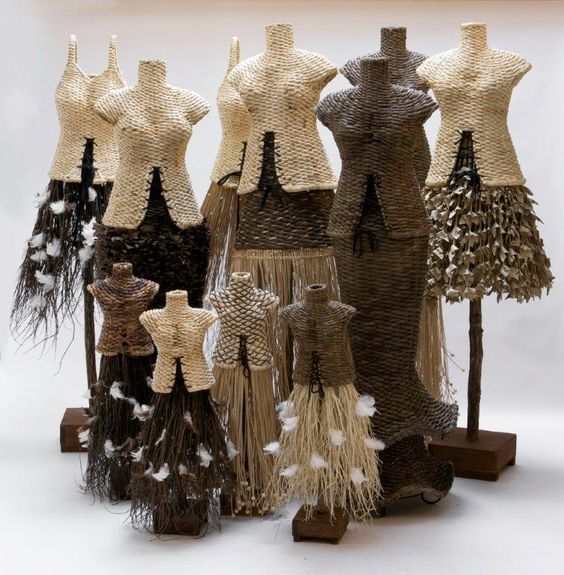
Leading the craft revolution: How cultural intentionality and the artisanal process are shaping the future of African luxury

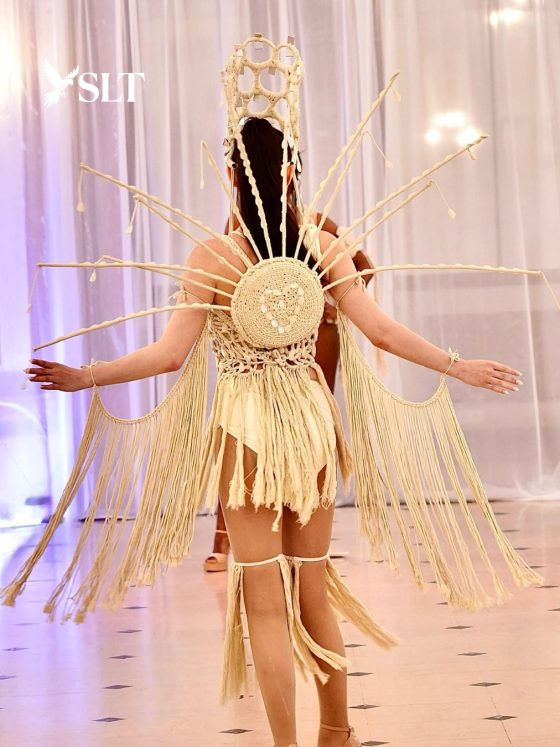
For a considerable period, luxury was synonymous with flawless perfection, which frequently seemed unattainable. But in 2026, the industry is moving toward a more authentic kind of luxury. High-end shoppers now look beyond the polished surface to find a garment’s true character. They value the unique weave, careful hand-stitching, and the genuine beauty of the artisan’s work. This shift highlights artisanal traceability, where the way something is made is just as important as the maker.

Experts worldwide agree that transparency is now the standard for excellence. A recent report by The Business of Fashion on the New Luxury Frontier found that today’s consumers are 60% more likely to choose brands that highlight the human craftsmanship behind their products. This is not just a trend; it shows a global demand for cultural intentionality. There is a renewed focus on ‘slow luxury’, where every hour of manual work adds value to a garment. In 2026, people treat master tailors like celebrities and view their process as the pinnacle of prestige.

Documenting the Artisanal Journey

By 2026, transparency in the luxury industry will not be optional but expected. To be ‘culturally intentional’, brands need to demonstrate the journeys of their products. Digital Product Passports (DPPs) are becoming common. These secure, blockchain-backed records let customers scan a label and instantly see who cut, stitched, and finished their garment.

This approach does not take away the mystery of luxury; it adds to it. With Artisanal Traceability technology, brands can make each purchase feel more special. Forbes recently reported that 73% of Gen Z and Millennial luxury buyers are willing to pay more for items with a verifiable ‘Craftsmanship Certificate. This technology does not replace the artisan; it highlights their work. It also protects our ‘Living Luxury’ from counterfeits and shows our commitment to slow fashion to every global consumer with a smartphone.

ALSO READ:

  • Craft Over Clout: African Artisanal Bags and the New Luxury
  • Cultural Craft: African Models Redefine Global Luxury
  • Quiet Luxury in Africa: How Aso-Oke, Adire & Craftsmanship Are Shaping 2025 Style

Investing in Human Design

Leading the craft revolution: How cultural intentionality and the artisanal process are shaping the future of African luxury

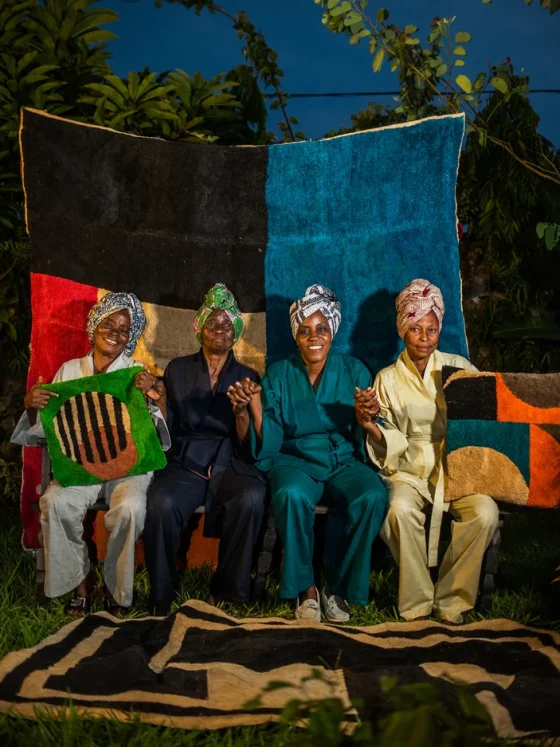
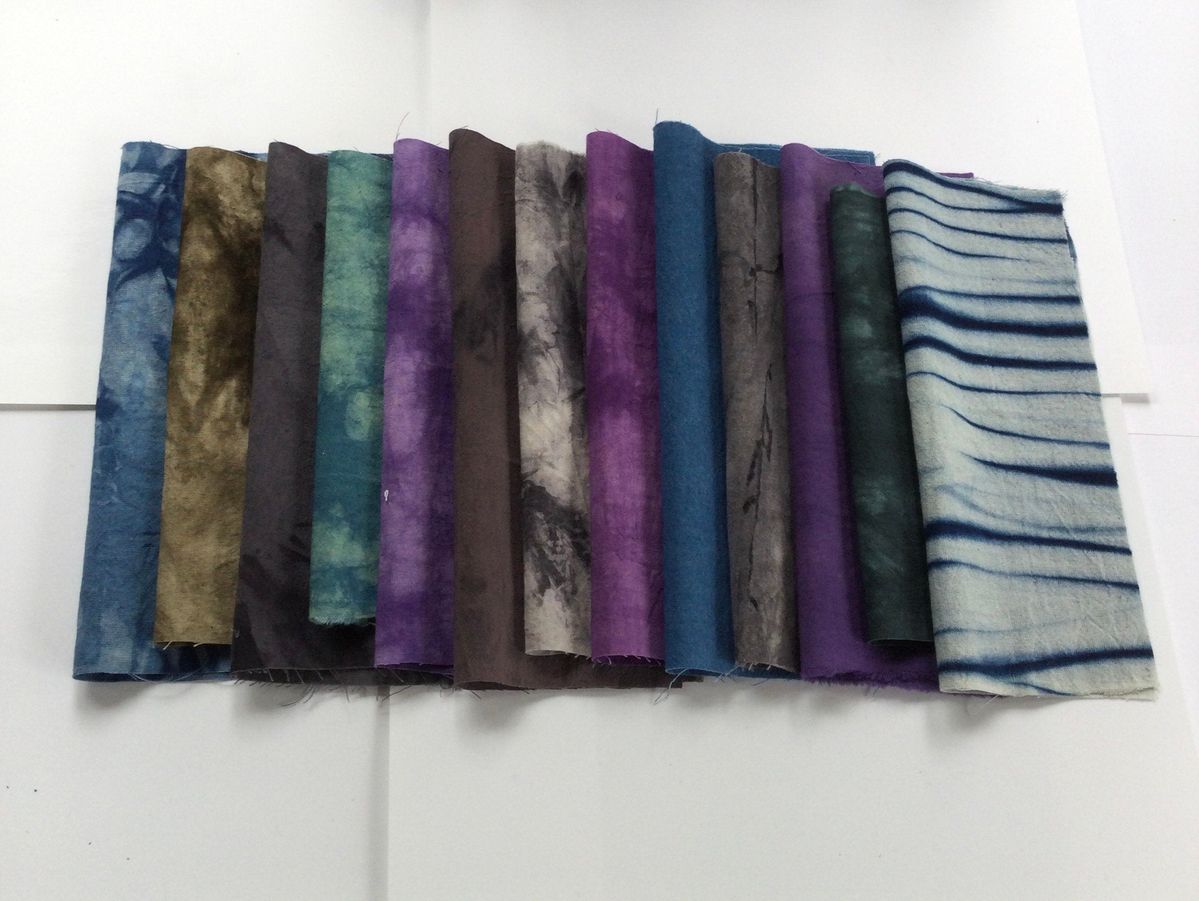
Now that AI can create flawless images in seconds, perfection no longer stands out. Luxury consumers are feeling ‘aesthetic fatigue’. They are growing tired of polished, automated, and mass-produced products. Instead, they are drawn to what we call the ‘Analogue Renaissance’. Details like a hand-stitched hem or the unique grain of a hand-woven textile have become the new status symbols. This marks the rise of human-centric design.

Today’s luxury customer does more than buy clothes; they curate their lifestyle. McKinsey’s State of Fashion 2026 Report shows that wealthy shoppers are moving away from logos and seeking ’emotional payoffs’, such as knowing who made their clothes. This is what we call cultural intentionality. They know that absolute luxury is not about showing off. It is about being sophisticated, thoughtful, and human.

Conclusion

Luxury is no longer just about what you wear but about what you know. Now, cultural intentionality is considered the real sign of prestige. Instead of the flawless perfection that once defined luxury, Living Luxury now highlights the human touch in craftsmanship and the authentic story behind each piece.

With artisanal traceability, buying something means supporting a worldwide movement that respects tradition, values skilled work, and puts transparency first. This is now the standard for excellence. The brands that will succeed in the coming years are those that realise, in a noisy digital world, that the strongest statement is a personal, thoughtful, and meaningful choice.

Style in 2026 is about the freedom to transform. To explore the full report on how intentionality is shaping the next era of design, visit Omiren Styles.

Frequently Asked Questions (FAQs)

  1. Why is the “artisanal process” becoming more valuable than the final product?

A: In 2026, automation is everywhere. As a result, the “human touch” has become the ultimate scarcity. Consumers now value the story, the labour, and the “intentional imperfections” of a handmade piece more than the machine-perfect symmetry of mass-produced goods. This shift is what we call artisanal traceability.

  1. How does “Living Luxury” differ from traditional luxury?

A: Traditional luxury focused on a “polished facade” that was static, cold, and untouchable. Living luxury is about a garment that has soul and character. It’s an aesthetic that highlights the raw beauty of natural fibres and the meticulous hand-stitching that allows a piece to evolve with the wearer over time.

  1. Are luxury brands actually using technology to show their craft?

A: Yes. Through Digital Product Passports (DPPs) and blockchain, brands can now provide a “Craftsmanship Certificate”. This allows you to scan a label and see the exact timeline of your garment, from the weaver’s loom to the master tailor’s shears, ensuring complete transparency and authenticity.

  1. What justifies the investment in “culturally intentional” fashion?

A: Investment-grade fashion in 2026 is based on longevity and heritage. When you buy from a brand, you aren’t just purchasing a trend; you are acquiring a piece of “Human-Centric Design” that retains its value as a wearable work of art.


Post Views: 339
Total
0
Shares
Share 0
Tweet 0
Pin it 0
Related Topics
  • Fashion & Craftsmanship
  • Luxury Fashion Craft
  • Sustainable Luxury Fashion
Avatar photo
Faith Olabode

faitholabode91@gmail.com

You May Also Like
The Timing of Fashion: Why Some Ideas Are Only Accepted Later
View Post
  • Beauty
  • Fashion

The Timing of Fashion: Why Some Ideas Are Only Accepted Later

  • Fathia Olasupo
  • April 15, 2026
The White Shirt: A Study in Minimalist Authority
View Post
  • Men's Style
  • Trends

The White Shirt: A Study in Minimalist Authority

  • Faith Olabode
  • April 15, 2026
The African Men Who Dress to Be Remembered: Style, Power, and the Continent’s Forgotten Dandy Tradition
View Post
  • Diaspora Connects
  • Style & Identity

The African Men Who Dress to Be Remembered: Style, Power, and the Continent’s Forgotten Dandy Tradition

  • Ayomidoyin Olufemi
  • April 15, 2026
KikoRomeo: The Nairobi Brand That Turned Kenyan Craft Into Global Fashion Authority
View Post
  • African Fashion Designers

KikoRomeo: The Nairobi Brand That Turned Kenyan Craft Into Global Fashion Authority

  • Adams Moses
  • April 14, 2026
View Post
  • African Fashion Designers
  • Opinion & Commentary

Why Fashion Brands Don’t Scale: Access Over Design

  • Fathia Olasupo
  • April 14, 2026
Mia Amor Mottley: The Prime Minister Who Wears the Caribbean on the World Stage
View Post
  • Caribbean Designers
  • Celebrity Style
  • Fashion

Mia Amor Mottley: The Prime Minister Who Wears the Caribbean on the World Stage

  • Rex Clarke
  • April 12, 2026
Kenneth Ize: The Man Who Made Aso-Oke a Global Conversation
View Post
  • African Fashion Designers

Kenneth Ize: The Man Who Made Aso-Oke a Global Conversation

  • Faith Olabode
  • April 10, 2026
East African Kikoi: The Coastal Fabric Making Waves in International Fashion
View Post
  • Cultural Inspirations
  • Diaspora Connects

East African Kikoi: The Coastal Fabric Making Waves in International Fashion

  • Philip Sifon
  • April 9, 2026

Leave a Reply Cancel reply

Your email address will not be published. Required fields are marked *

The Omiren Argument

African fashion and culture are not emerging. They are foundational. We document, interpret, and argue for the full cultural weight of African and diaspora dress. With precision. Without apology.

Omiren Styles Fashion · Culture · Identity

All 54 African Nations
Caribbean · Afro-Latin America
The Global Diaspora

Platform

  • About Omiren Styles
  • Our Vision
  • Our Mission
  • Editorial Pillars
  • Editorial Policy
  • The Omiren Collective
  • Campus Style Initiative
  • Sustainable Style
  • Social Impact & Advocacy
  • Investor Relations

Contribute

  • Write for Omiren Styles
  • Submit Creative Work
  • Join the Omiren Collective
  • Campus Initiative
Contact
contact@omirenstyles.com
Our Reach

Africa — All 54 Nations
Caribbean
Afro-Latin America
Global Diaspora

African fashion intelligence, in your inbox.

Editorial features, designer profiles, cultural commentary. No noise.

© 2026 Omiren Styles — Rex Clarke Global Ventures Limited. All rights reserved.
  • Privacy Policy
  • Editorial Policy
  • Terms of Use
  • Accessibility
Africa · Caribbean · Diaspora
The Omiren Argument

African fashion and culture are not emerging. They are foundational. We document, interpret, and argue for the full cultural weight of African and diaspora dress. With precision. Without apology.

Omiren Styles Fashion · Culture · Identity
  • About Omiren Styles
  • Our Vision
  • Our Mission
  • Editorial Pillars
  • Editorial Policy
  • The Omiren Collective
  • Campus Style Initiative
  • Sustainable Style
  • Social Impact & Advocacy
  • Investor Relations
  • Write for Omiren Styles
  • Submit Creative Work
  • Join the Omiren Collective
  • Campus Initiative
Contact contact@omirenstyles.com

All 54 African Nations · Caribbean
Afro-Latin America · Global Diaspora

African fashion intelligence, in your inbox.

Editorial features, designer profiles, cultural commentary. No noise.

© 2026 Omiren Styles
Rex Clarke Global Ventures Limited.
All rights reserved.

  • Privacy Policy
  • Editorial Policy
  • Terms of Use
  • Accessibility
Africa · Caribbean · Diaspora

Input your search keywords and press Enter.