Open any wardrobe, and you will find more than fabric. There are memories stitched into seams, ambitions folded on hangers, and versions of ourselves we once tried on. Yet there comes a moment when a garment quietly slips out of daily life, outgrown, worn thin, or simply no longer aligned with who we are becoming.
People rarely discuss what happens next. We talk about trends, designers, and new collections, but the ending of clothing tells a deeper story about how societies value resources, labour, and meaning. A garment’s final act is not just about disposal. It reveals global trade routes, cultural rituals, environmental pressures, and the invisible systems that carry our choices long after we stop wearing something. Understanding this stage helps us see fashion not as a cycle of consumption but as a living archive of human behaviour.
From wardrobe to waste or renewal, explore what happens when clothing reaches its final act and why it shapes culture, environment and identity
The Unseen Journey After the Wardrobe
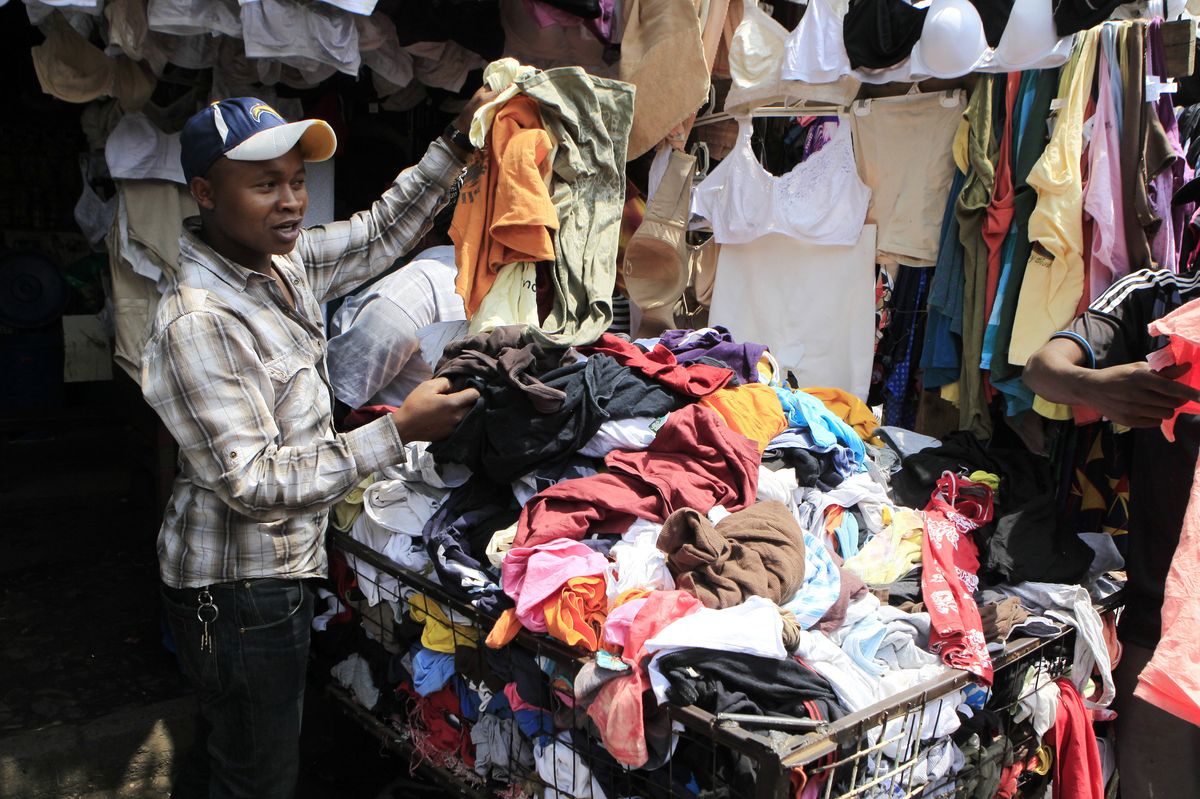
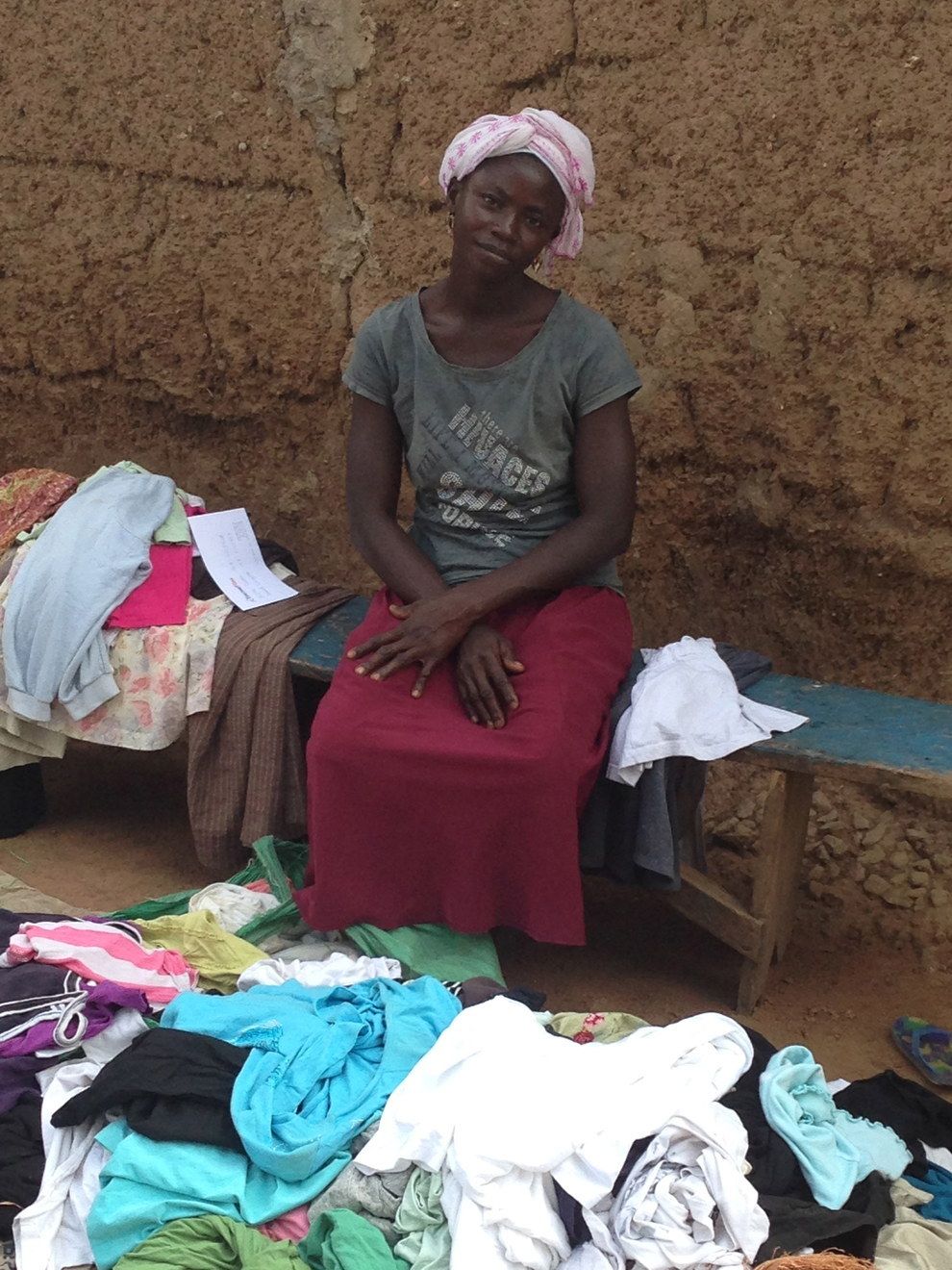
When clothing leaves our closets, it rarely disappears. Items are donated, resold, passed down, or discarded, entering a complex network that stretches across continents. Many garments travel far from where they were first worn, finding second lives in markets where affordability and reuse are essential to everyday life.
This movement exists because clothing holds residual value. For some communities, secondhand garments are not symbols of excess but tools of access. They provide style and functionality to individuals who might otherwise face exclusion from global fashion systems. The trade also supports livelihoods from market traders to repair specialists, demonstrating how the end of one story can sustain another.
Why Do Garments Reach Their “Final Act”
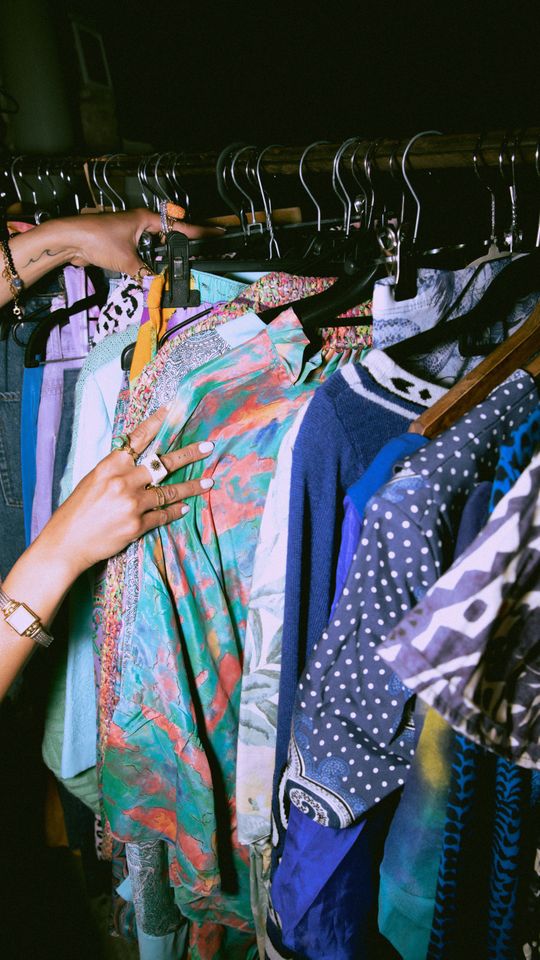
Clothes reach this stage for both practical and emotional reasons. Physical wear is obvious, but social change is just as powerful. Shifting body sizes, evolving identities, workplace expectations, and cultural trends all influence when we decide a piece no longer belongs in our lives.
In many societies, clothing acts as a marker of transition. A suit might represent a career phase. A dress might carry the memory of a milestone. Letting go can feel like closing a chapter, which explains why some items remain stored long after they are worn.
Environmental Consequences That Extend Beyond the Closet
The final stage of clothing has profound environmental implications. When garments end up in landfills, synthetic fibres can persist for decades, gradually releasing microplastics. Even natural fibres require resources to decompose and may emit methane under certain conditions.
Recycling offers an alternative, but the process is complex. Modern garments are often made from blended fabrics that are difficult to separate, limiting the amount of material that can be recovered. This reality highlights a tension between innovation and responsibility: as fashion evolves, waste systems must adapt alongside it.
Cultural Meaning of Repair and Reuse
Across cultures, repair has long been a quiet form of resilience. Mending is not simply about extending the life of clothing; it reflects values of care, resourcefulness, and continuity. In some traditions, visible repairs are embraced as markers of history, acknowledging that wear is evidence of lived experience.
Today, renewed interest in tailoring, alteration, and upcycling signals a shift in perspective. People are beginning to see clothing as something to steward rather than replace. This approach reframes the final act as a moment of transformation rather than decline.
READ ALSO:
- The Quiet Decline of Micro-Trends in Fashion: Why the Industry Is Slowing Down
- The Architect Who Designs for the Body: Why Human Experience Shapes the Spaces We Live In
- Chrome Yellow: The Toxic Pigment That Shaped Modern Art and Industry
The Global Story Behind Second Lives
When garments move across borders, they carry cultural narratives with them. One country may produce a jacket that adapts to new climates, customs, and interpretations of style in another. This circulation reveals how interconnected fashion has become and raises questions about responsibility.
Who manages the waste when items can no longer be reused? Who benefits economically from extended life cycles? These questions remind us that clothing is part of a larger system shaped by policy, infrastructure, and consumer behaviour.
Why the Final Act Matters Today
As conversations around sustainability grow, the end of a garment’s life is gaining attention because it exposes the true cost of production and consumption. Recognising this stage encourages more thoughtful design, longer use, and greater accountability across the fashion ecosystem.
It also invites a shift in mindset. Instead of seeing clothing as disposable, we begin to view it as part of an ongoing story, one that continues long after it leaves our possession.
Conclusion
A garment’s final act is not merely an ending. It is a mirror reflecting how societies balance desire with responsibility, memory with practicality, and individuality with collective impact. By paying attention to what happens after clothing leaves our wardrobes, we gain insight into global connections, cultural values, and the systems that shape everyday life.
Recognising these layers, we move closer to a more conscious relationship with what we wear, one that honours both the stories garments carry and the futures they influence.
Refresh your wardrobe inspiration — browse Fashion on OmirenStyles.
5 FAQs
- What does “a garment’s final act” mean?
It refers to what happens when clothing is no longer worn, including reuse, resale, recycling, or disposal.
- Why is this stage important?
It affects environmental outcomes, economic systems, and cultural practices tied to clothing use and waste.
- Can clothes truly be recycled into new garments?
Yes, but it remains limited because many fabrics are blended and difficult to process at scale.
- How does secondhand trade benefit communities?
It provides affordable clothing options and supports jobs in repair, resale, and informal markets.
- What can individuals do to influence a garment’s final act?
Extending use, repairing items, donating responsibly, and choosing durable clothing can make a meaningful difference.