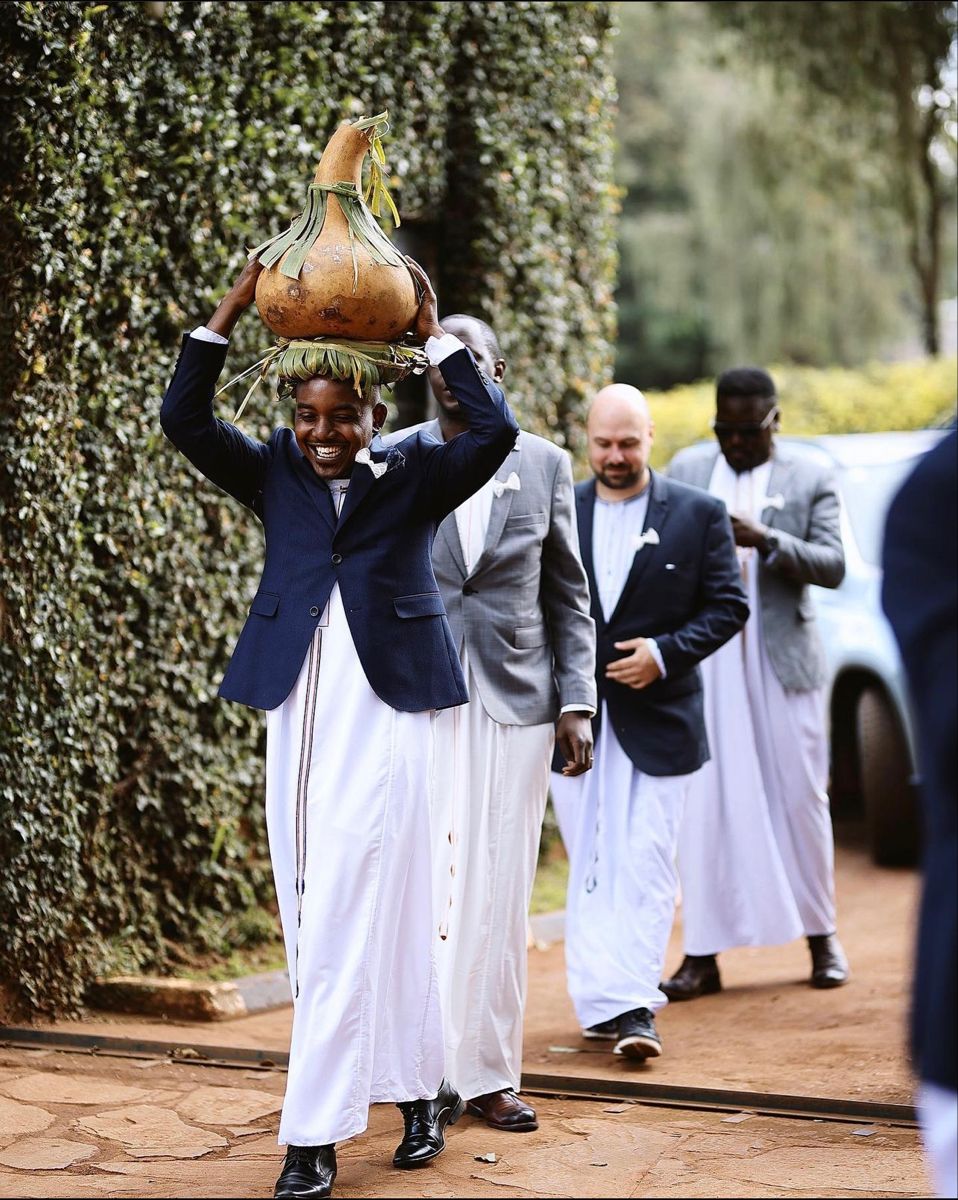
The most powerful statement a man can make in the metropolitan skyline of 2026, where the speed of Lagos or London seems like a never-ending digital flicker, is one of calm. A growing number of men throughout East Africa, from the hills of Uganda to the shores of the Swahili coast, are looking back rather than forward. At the same time, the rest of the world is fixated on the newest technology or the quickest update. The Kanzu, a garment that is more than just an outfit but a lesson in presence and accuracy, is providing them with their anchor.
Today, wearing a Kanzu is a philosophical statement. The Kanzu survives because it was designed to last in a marketplace where most items are thrown out within a season. Carrying anything that gauges significance by historical tension rather than battery discharge is a conscious choice. This floor-length cream or white robe symbolises a slow-burning type of luxury, where the quiet authority of a silhouette that has endured for generations is more valuable than a logo.
From the perspective of circular stewardship, this is the new East African romanticism. It is now about a deep connection to materials like organic cotton and sustainable linen that move with the body rather than restrict it, rather than the excess of the past. The Kanzu conveys to the man navigating a Kampala wedding or a Nairobi boardroom what no notification can: that he recognises the importance of craft and the proof of a purposeful existence. It is a vivid emblem of a journey that puts substance above the cacophonous, fast-paced world of 2026, a silent revolution worn on the sleeve.
This is about visionary resilience, not nostalgia. African men have always understood the weight of an item worn close to the body, and the Kanzu adds patience and precision to this tradition. In 2026, when a man chooses a watch or a Kanzu, he is applying his own standards of refinement rather than trying to catch up to a worldwide standard. Together, heritage and horology have yet to tell that tale. Omiren is telling it.
In 2026, the urban skyline demands a new standard of excellence. Discover how the East African Kanzu and the evolution of the relaxed silhouette are redefining modern luxury.
The Architecture of East African Presence
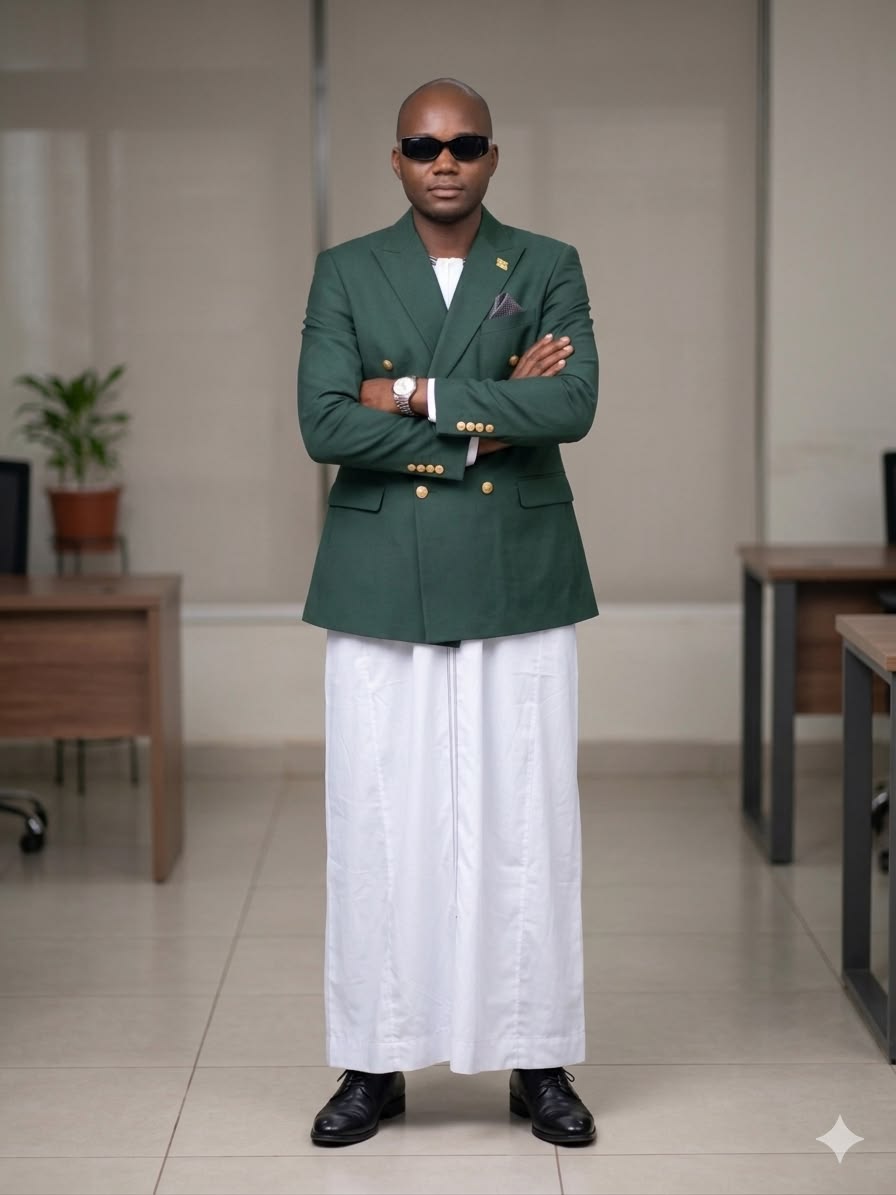
The Kanzu has come a long way from its beginnings as a ceremonial garment in the high-stakes world of 2026. It now forms the cornerstone of East Africa’s urban landscape. The Kanzu is a masterclass in presence, whether you are strolling through Nairobi’s business districts or attending a traditional Kwanjula in Kampala. The Kanzu relies on the slow-burning simplicity, in contrast to the constrictive, multi-layered suits of the West. A man can command a room without raising his voice thanks to its ankle-length silhouette, which instantly conveys weight and worldwide power.
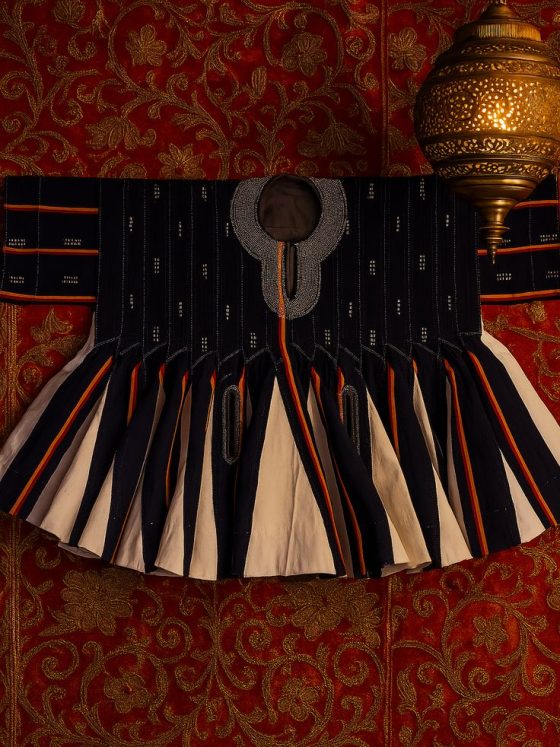
A study in philosophical distinction is the contemporary Kanzu. The 2026 standard now favours luxury, eco-friendly materials such as fine organic cotton, linen, and peace-silk, whereas earlier versions were often made of barkcloth. This is an act of circular stewardship rather than only a technological improvement. To replicate the durability of a mechanical watch, brands are increasingly focusing on repairable, heirloom-quality clothing. In Uganda, the elaborate maroon embroidery around the neck and sleeves acts as a subtle indication of status and identity, while in Tanzania, the characteristic tassel, often scented with ancestral oils, acts as a tactile record of a man’s ancestry.
The fast-cycle digital world is rejected in favour of this commitment to the handcrafted and mechanical. Wearing a Kanzu means aligning yourself with a patient and controlled rhythm. The Layered Kanzu, which pairs well with structured blazers from forward-thinking designers like John Kaveke or VAST Made by Africa, is becoming increasingly popular in 2026. This combination is a visionary move rather than a compromise. It shows that true elegance can be found in the transparency of the process, where each drape is a vibrant representation of a life lived with meaning, and each stitch is an argument for quality over quantity.
ALSO READ:
Swahili Futurism: The Refined Coastal Rhythm
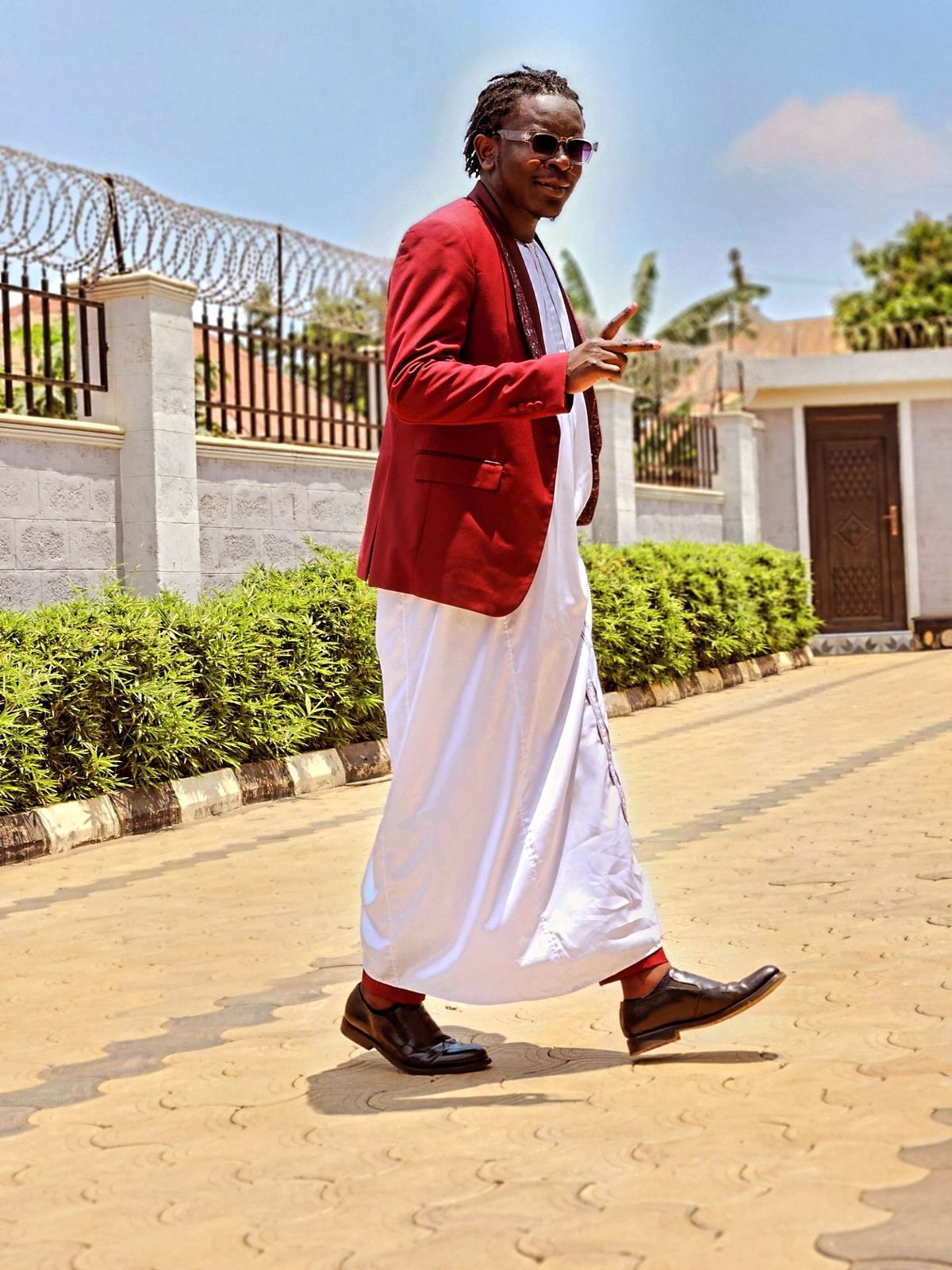
The discussion around traditional clothing has moved from preservation to futurism in the metropolitan areas of the Swahili coast, from Dar es Salaam to Mombasa. This is about perfecting the rhythm of how the Kanzu is worn, not about altering it. Swahili Futurism, a design philosophy that prioritises long-term relevance over the urgency of global trends, is on the rise in 2026. Here, the Kanzu is regarded as a slow-burn masterpiece, an item of clothing in which modernity is achieved through careful cutting and the selection of eco-linen and organic cotton, two sustainable materials.
Here, the “Omiren Argument” is evident: fashion has never been fixed or imported on the Swahili coast. Its relationship with clothing has always been flexible, as it has been a centre of international trade for centuries. The current East African guy recognises that his Kanzu is a meeting point of modern, minimalist silhouettes and traditional techniques like the Omuleela (maroon embroidery). This alternative vision of modernity does not necessitate cultural amnesia. He is expressing that his identity is present but unperformed by donning a high-end, structured jacket with a crisp, starched Kanzu. He is the master of his own seconds, moving calmly and confidently through the digital stream.
The 2026 coastal style is defined by its commitment to longevity above virality. This quiet revolution is being spearheaded by companies like Lilabare in Kenya and sustainable artisans in Tanzania, which prioritise transparent, zero-carbon production that respects the environment and the artist. Selecting a Kanzu made from ethically sourced fibres is an act of strategic intent rather than just a fashion choice. It signifies a shift toward responsible masculinity, where what we wear and carry has profound meaning. Like a beautiful mechanical watch, the Kanzu becomes more of itself over time in a world of disposable technology, gathering the patina of a life lived with purpose throughout the East African metropolitan skyline.
Grooming and Anchors of Identity
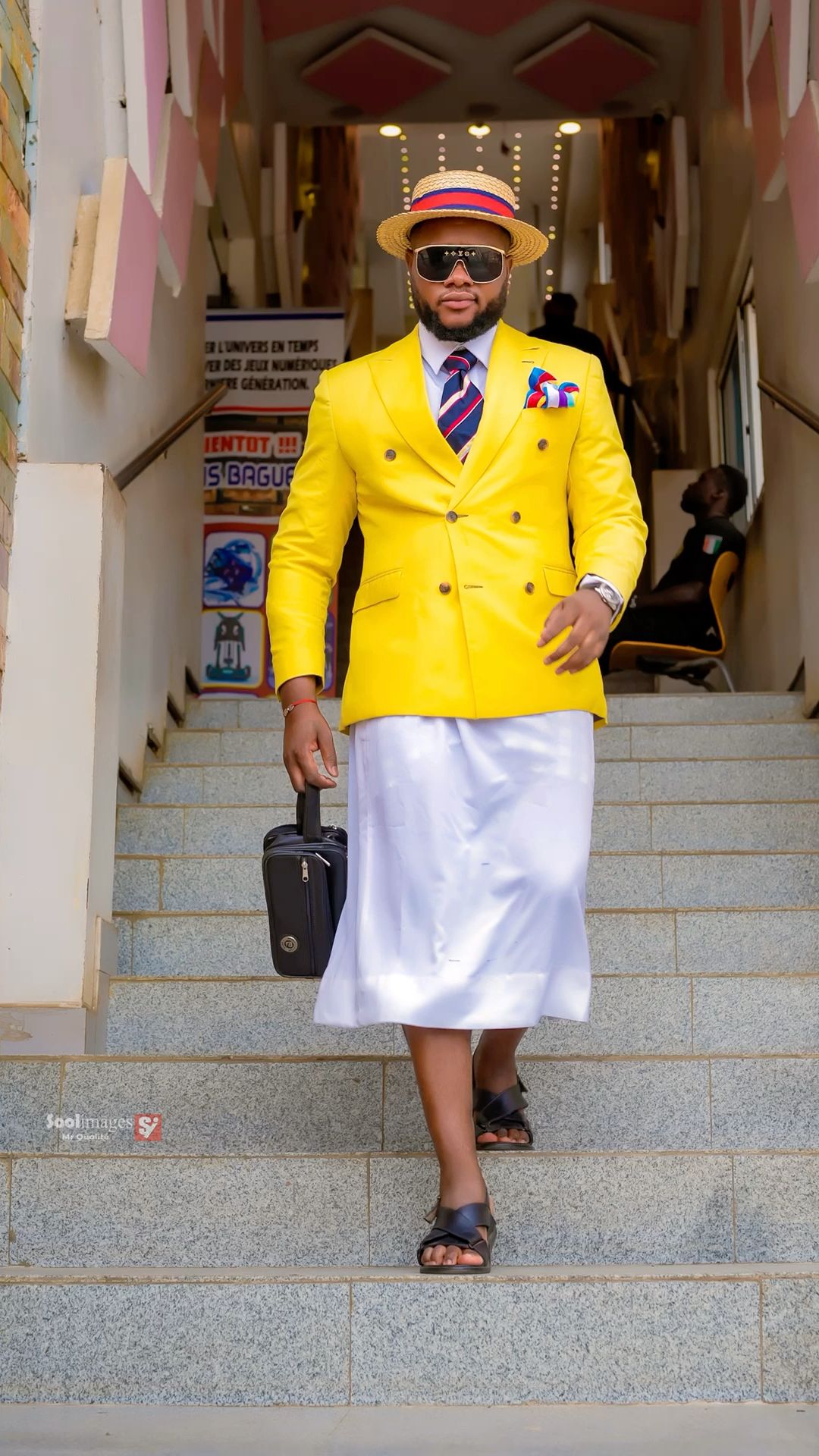
The Kanzu is never worn alone in the 2026 urban cityscape. The man is defined by his tactile rituals and the anchors he chooses to carry, while the garment serves as the canvas. The “Presence of Presence” is especially evident here. The modern East African guy views grooming as a soulful archive of intent rather than a duty. It is the last phase of his quiet revolution, a dedication to a high standard that starts with the skin and concludes with the aroma he leaves behind.
Ancestral clarity has become the new standard for grooming in 2026. African sandalwood and cold-pressed marula oil, which are utilised to uphold the clean skin status symbol that characterises worldwide authority today, are making a brilliant comeback. Nowadays, a well-groomed beard is more than just length; it’s also about precise detailing of the neckline and cheek, a discipline that resembles the precision of a mechanical watch. This practice is frequently combined with the aroma of burning oud or frankincense, which is applied as a slow-burning smell that grounds the wearer in his own past rather than as a noisy mask.

The Kofia, a colourful emblem of peace and rebirth, completes the ensemble. It is a cylindrical cap without a brim. With tiny, hand-stitched perforations that encourage airflow and serve as a decorative record of the weaver’s talent, the Kofia is a masterwork of functional design in 2026. The cap is the innovative crown of the costume, whether it is the lavishly embroidered Bargashia or the simple East African Kofi.
The Kanzu becomes a personal legacy in action when combined with upscale, eco-friendly accessories, such as a heritage watch or silver cufflinks by Patrick Mavros. Owning your time and your image is the ultimate luxury in 2026, as evidenced by a life where every detail is considered.
Conclusion
The Kanzu continues to be the pinnacle of a life lived with purpose as the shadows reach across the 2026 metropolitan landscape, from the busy streets of Kampala to the serene, salt-aired terraces of the Swahili coast. It is a sombre reminder that some things, like character, craft, and history, are not designed to be updated or replaced. It is a quiet respite from the fleeting nature of the digital world. By choosing a garment that has the weight of handmade brilliance, the modern man is regaining minutes rather than just quantifying them. Every glance at the sharp, starched lines of his silhouette serves as a reminder of his worldwide authority and his commitment to a path that places the flame of true excellence ahead of the chaos of the present.
Ultimately, the Kanzu is more than just a piece of art; it is a personal legacy in motion. It acts as a radiant chronicle of achievements and uncharted territory. In a time when our attention is constantly needed, this traditional anchor offers a new kind of connection, one that is strong, patient, and profoundly human. The Kanzu continues to be our most reliable anchor as we work toward a future marked by openness and resiliency. This silent revolution on the sleeve shows that, even as time passes quickly, the man who manages it remains grounded in his own story.
Frequently Asked Questions (FAQs):
1. What is a Kanzu?
The Kanzu is a traditional, floor-length tunic worn by men in East African countries like Uganda, Tanzania, and Kenya. It is a symbol of dignity and is often paired with a structured blazer or a Kofia cap for a visionary look that balances heritage and modern authority.
2. How do I style a Kanzu for a modern urban setting?
In 2026, the trend is layering. Pair a crisp, white organic cotton Kanzu with a well-tailored, sustainable wool blazer or a lightweight linen jacket. This creates a radiant silhouette that is perfect for both corporate boardrooms and high-end social gatherings.
3. What fabrics are best for a sustainable Kanzu?
To ensure high-end sustainability and comfort, look for Kanzus made from Tencel™, organic cotton, or peace-silk. These inclusive materials offer slow-burning durability and a superior hand feel while respecting the environment and artisanal craft.
4. Is the Kanzu suitable for daily wear?
Absolutely. While often seen at weddings or festivals, the Kanzu has evolved into a soulful choice for any man who values comfort and presence. It is a breathable, inclusive garment designed for the daily rhythm of the urban skyline.
5. Which brands are leading the Kanzu revolution?
Visionary brands like Lilabare, John Kaveke, and VAST Made by Africa are redefining the Kanzu. They focus on circular stewardship and inclusive design, ensuring every piece acts as a trendy, soulful archive of African excellence.