Skin is no longer the surface.
It is data. It is a memory. It is evidence.
For years, skincare existed within a predictable cycle. Cleanse. Treat. Moisturise. Repeat. The language was simple, almost mechanical, built around correction rather than understanding.
That model is breaking.
What is emerging in its place is something far more precise. A shift from routine to analysis. From assumption to measurement. From generic solutions to individualised systems.
Skin is no longer treated as a type.
It is treated as a variable.
An in-depth exploration of how skin science is evolving through technology, biology, and cultural awareness, reshaping how we understand beauty, skincare, and the human face.
Beyond the Routine
The idea of a universal skincare routine is becoming obsolete.
What once worked as a shared framework is now being replaced by systems that adapt in real time. Skin is being studied at a deeper level, not just visually, but biologically. Hydration levels, barrier strength, microbiome balance, and inflammation markers. All of it is being tracked, interpreted, and adjusted.
This changes everything.
Because skincare is no longer about following steps, it is about responding to conditions.
The routine becomes flexible.
The skin becomes the guide.
The Rise of Skin Data
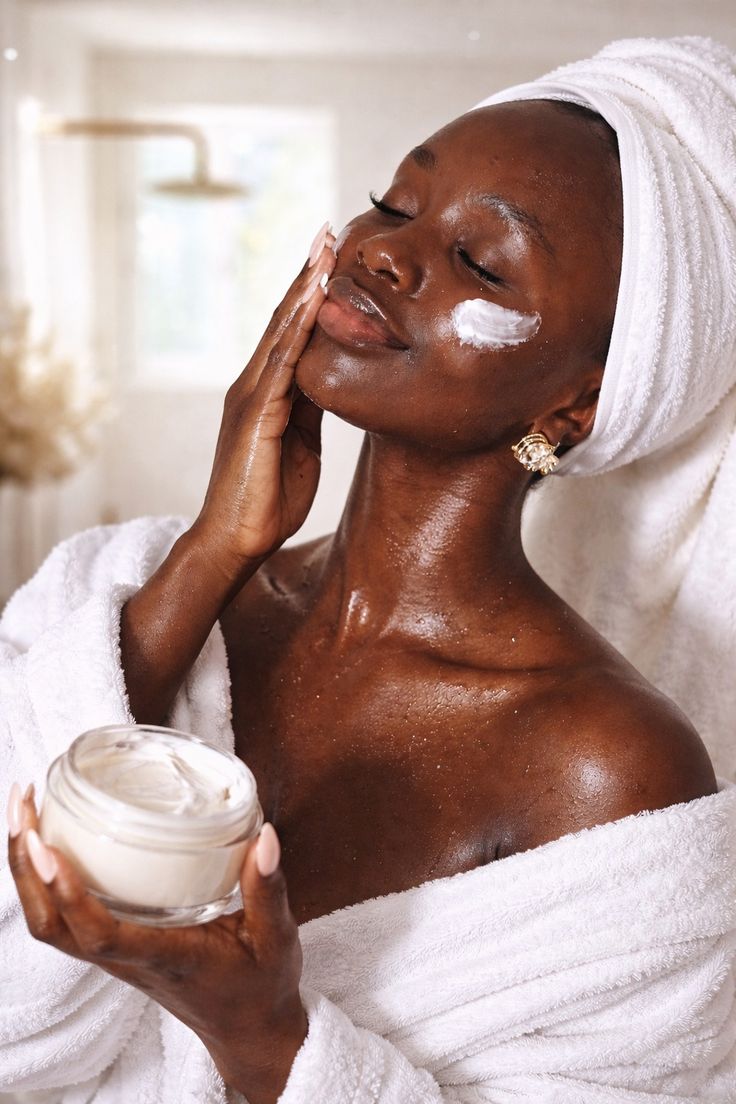
Technology has moved closer to the face.
High-resolution imaging, AI-assisted diagnostics, and at-home skin analysis tools are transforming how people see themselves. What was once invisible is now magnified. Texture becomes visible. Pores become defined. Pigmentation becomes mapped.
Clarity increases.
So does scrutiny.
The face is no longer experienced casually. It is examined. Measured. Compared to a standard that is constantly shifting as technology improves.
But with that scrutiny comes power.
Because visibility, when understood, can lead to control.
Personalisation as the New Standard
Mass skincare is losing relevance.
In its place, personalisation is becoming the expectation. Products are no longer designed for broad categories like “dry” or “oily”. They are formulated around specific needs, often unique to the individual.
This is where science begins to lead.
DNA-based skincare, microbiome-focused treatments, and adaptive formulations that respond to environmental changes. The goal is no longer to fit the product to the market.
It is to fit the product to the person.
And in doing so, skincare moves closer to precision.
The Microbiome Shift
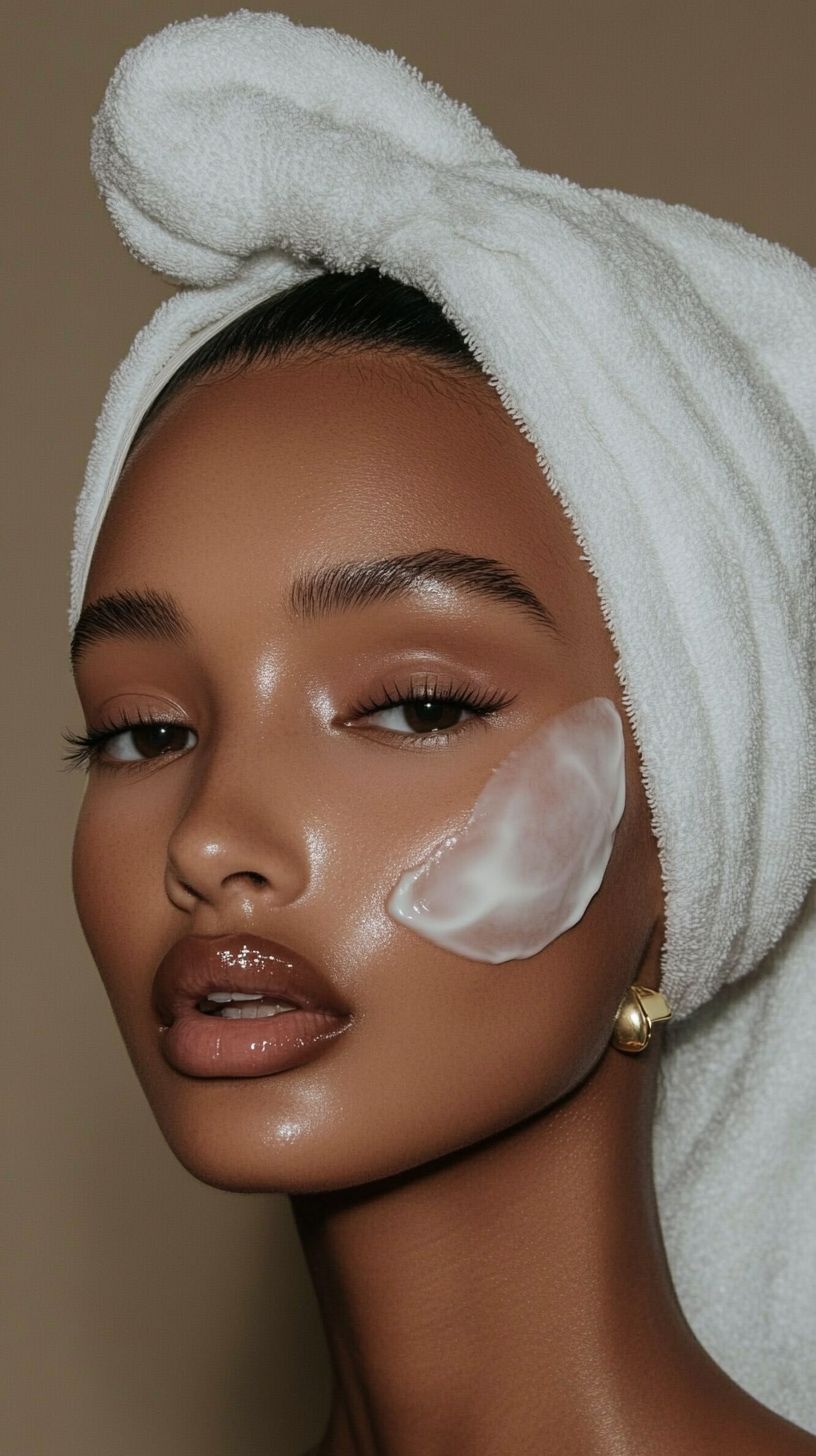
One of the most significant developments in skin science is the understanding of the microbiome.
The skin is not just a barrier. It is an ecosystem.
Bacteria, fungi, and microorganisms exist in balance, influencing everything from sensitivity to breakouts to overall skin health. Disrupting that balance can have visible consequences.
Restoring it requires a different approach.
Less stripping. Less aggression. More support.
This marks a clear departure from older skincare philosophies that focused on elimination. Instead of removing everything, the focus shifts to maintaining what is necessary.
Balance replaces control.
Redefining “Good Skin”
As science evolves, so does perception.
The idea of “perfect skin” is being challenged by increased visibility and deeper understanding. Texture is no longer a flaw. It is a feature. Variation is not failure. It is normal.
But this shift is not simple.
Because while knowledge increases acceptance, technology increases expectation. The same tools that educate also intensify scrutiny. The line between understanding and obsession becomes thin.
Skin becomes both more accepted and more analysed.
The Pressure of Visibility
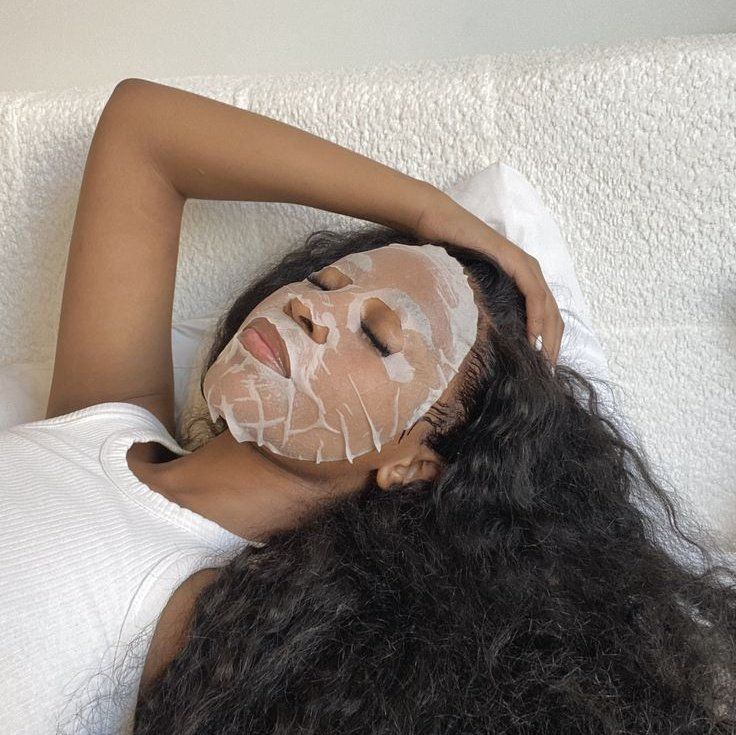
We are living in a high-definition era.
Cameras capture detail with precision. Screens display faces with clarity that was once reserved for clinical environments. The result is a heightened awareness of the skin.
Nothing is hidden.
This creates pressure.
Not necessarily to be perfect, but to be managed. To be controlled. To be maintained at a level that aligns with what is now visible.
Skin becomes a project.
Something to monitor, adjust, and optimise.
Science and Sensibility
Despite the rise of technology, there is a parallel movement toward simplicity.
Not rejection of science, but refinement of it.
Consumers are becoming more selective. Ingredients are questioned. Formulations are understood. There is less willingness to over-layer products without a purpose.
This creates a new kind of skincare culture.
One that values knowledge over trends.
Understanding of accumulation.
Read also:
- The Language of Skin: What Our Routines Reveal About Us
- Beauty’s New Epicentre: Why the World Is Turning to Africa’s Ancient Botanicals
The Emotional Layer

Skin is not just biological.
It is emotional.
Stress, environment, lifestyle, and even mood influence how skin behaves. Breakouts, dullness, sensitivity. These are not always chemical problems. They are often systemic.
Modern skin science is beginning to acknowledge this.
Treatments now consider internal factors alongside external ones. The boundary between skincare and overall well-being becomes less defined.
The face reflects more than routine.
It reflects life.
The Future of Skin
The future of skin science is not singular.
It is layered.
More technology. More data. More personalisation. But also more awareness. More restraint. More understanding.
The goal is no longer perfection.
It is alignment.
Between what the skin needs and how it is treated.
Between visibility and acceptance.
Between science and self.
Conclusion
Skin science is no longer about fixing.
It is about understanding.
A shift from surface-level correction to deeper interpretation. From routine to response. From assumption to precision.
The face is no longer just seen.
It is studied.
And in that study, a new relationship is forming. One that is less about chasing an ideal and more about learning how to exist within the reality of the skin itself.
FAQs
- What is skin science?
The study of how skin functions biologically, including hydration, barrier health, and the microbiome.
- What is personalised skincare?
Skincare tailored to an individual’s specific skin needs using data, analysis, and targeted formulations.
- What is the skin microbiome?
A community of microorganisms on the skin that helps maintain balance and overall skin health.
- Is technology changing skincare?
Yes. Tools like AI analysis and skin imaging are making skincare more precise and data-driven.
- What is the future of skincare?
More personalisation, better understanding of skin biology, and a balance between science and simplicity.