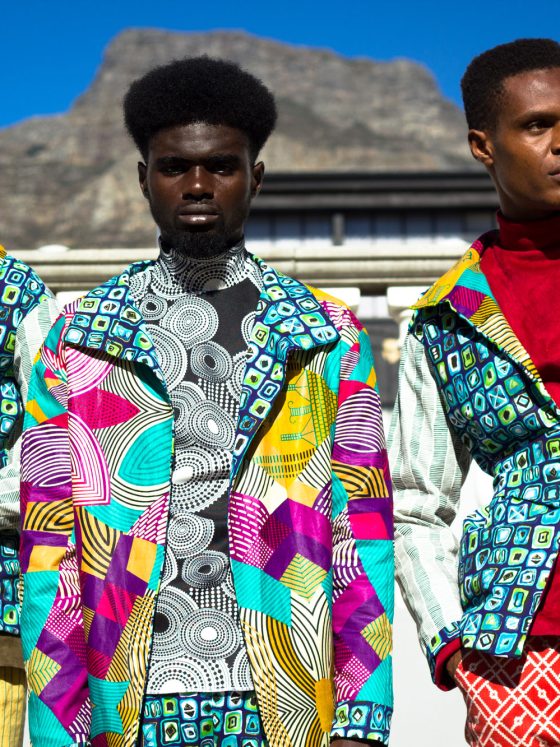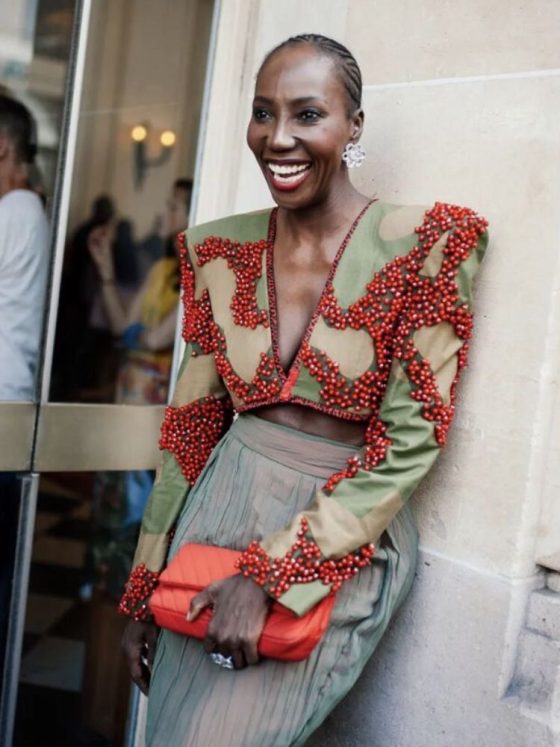
Clothing is rarely neutral. For heads of state, attire is communication, performance, and strategy. Each suit, wrapper, or ceremonial ensemble conveys a message, consciously or unconsciously, about authority, credibility, and vision. In Africa, the Caribbean, and the diaspora, leaders have long used clothing as a tool of soft power, projecting influence without uttering a single word.
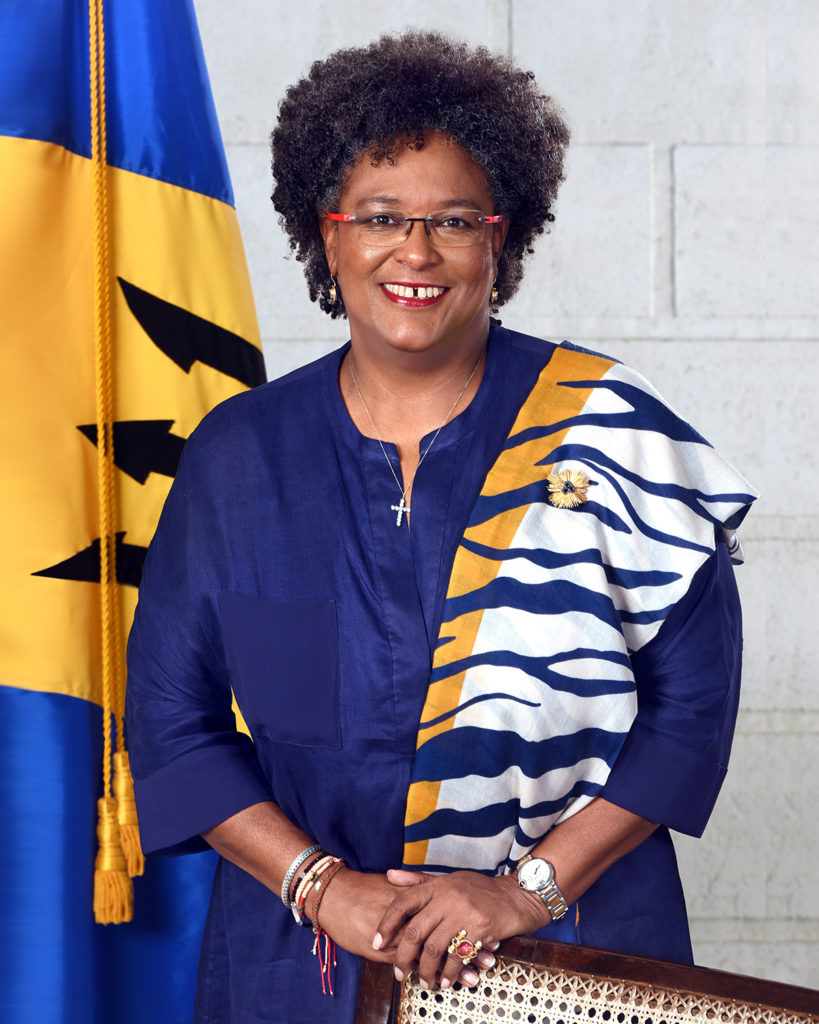
Take Ghana’s President Nana Akufo-Addo: his tailored suits paired with Kente accents are more than fashion choices; they signal sophistication rooted in heritage, blending modernity with cultural literacy. In the Caribbean, leaders such as Mia Mottley of Barbados incorporate traditional embroidery or vibrant regional textiles to assert regional identity and leadership presence on international stages. Latin American heads of state may wear indigenous weaves in formal settings to acknowledge local crafts and signal inclusive governance.
Through these choices, fashion becomes a strategic language, readable by diplomats, journalists, and citizens alike.
How leaders use fashion to project authority, heritage, and influence. Discover how clothing becomes a global soft power tool.
Soft Power Through Wardrobe
Soft power is influence achieved through attraction rather than coercion, and fashion is one of its most visible expressions:
- Heritage as Authority: Garments rooted in local culture convey authenticity and pride. When leaders wear textiles like Guatemalan backstrap weaves, Haitian hand-dyed fabrics, or West African handloom cotton, they communicate that leadership is grounded in identity.
- Visual Storytelling: Wardrobe repetition and signature styling create recognisable narratives of discipline, authority, and continuity. Leaders who cultivate a visual language reinforce trust and credibility.
- Global Recognition: By integrating culturally significant elements into universally legible attire, leaders translate local identity into symbols that global audiences can understand and respect.
Consider the diplomatic optics of attire at events like the UN General Assembly, the African Union summit, or Caribbean regional conferences. Leaders consciously blend traditional fabrics, modern tailoring, and scoloursc colours to assert values, ambition, and unity.
Fashion as Policy and Influence
Wardrobe can also function as policy communication:
- Wearing sustainably sourced or locally crafted textiles signals a commitment to domestic industries and environmental responsibility. Coordinating colours and accessories across ministers communicates government cohesion and strategic vision.
- Jewellery, pins, or ceremonial sashes reference cultural history, reinforcing national identity while engaging international audiences.
Fashion becomes a nonverbal extension of governance, shaping perception of competence, legitimacy, and authority.
Case Studies in Political Dressing
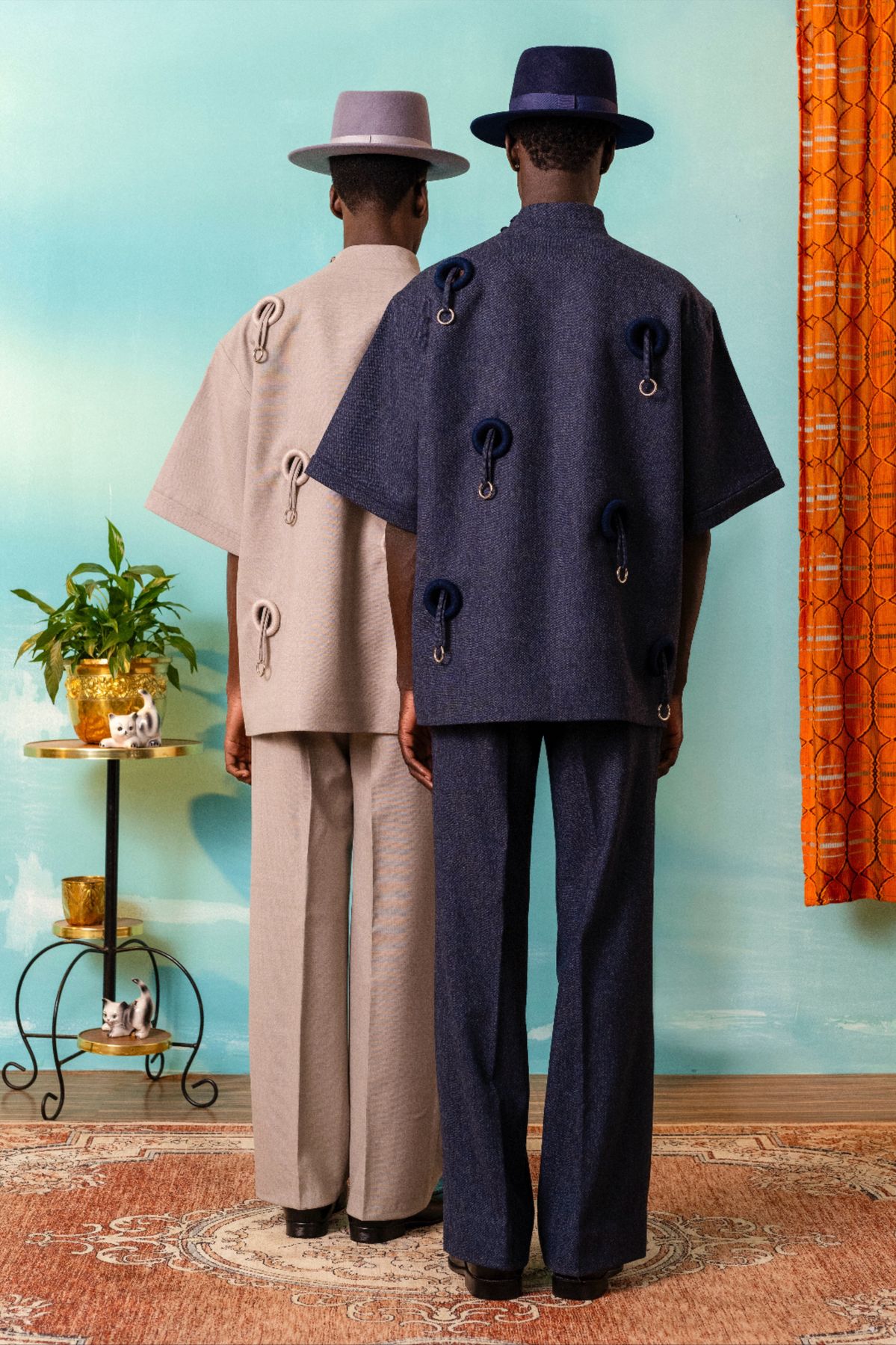
- Nigeria: President Bola Tinubu often pairs traditional hand-dyed fabrics with modern tailoring, showcasing heritage-driven authority that resonates domestically and signals sophistication abroad.
- South Africa: Leaders at state functions incorporate Ndebele or Xhosa-inspired motifs, reflecting local identity while building diplomatic appeal.
- Barbados: Mia Mottley’s colourful ensembles at international summits amplify regional craft while visually asserting Caribbean soft power on a global stage.
- Mexico and Guatemala: Indigenous textiles worn in formal contexts elevate cultural traditions and demonstrate recognition of diverse communities.
These examples show that political fashion is strategic, intentional, and deeply cultural; it is never accidental.
READ ALSO:
- Reclaiming the Narrative: How Cultural Resistance Shaped the World’s Most Powerful Style Movements
- What Ceremony Teaches Us About Dressing: The Sacred Origins of Our Most Everyday Choices
Lessons for Individuals
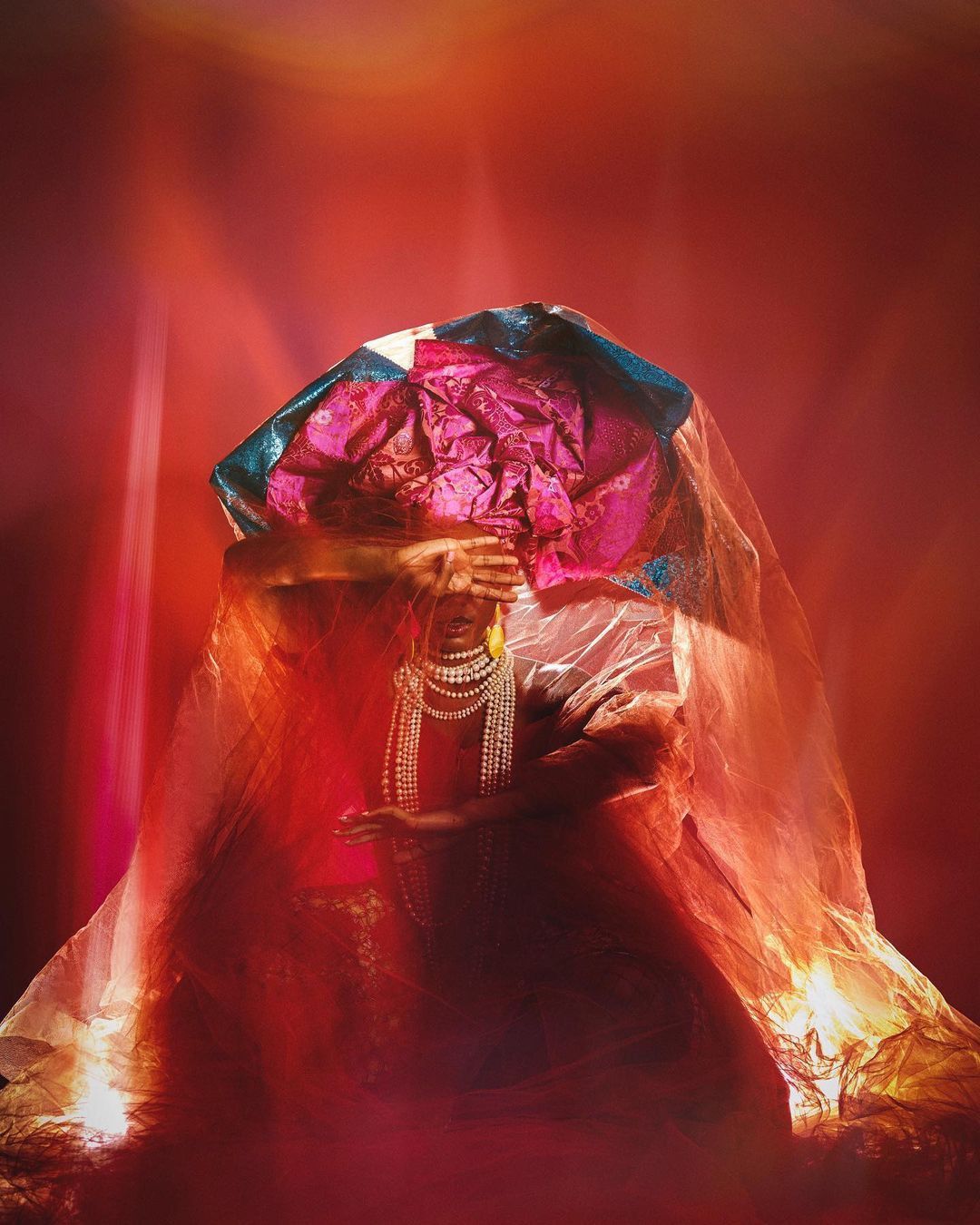
The principles leaders use for soft power are translatable to personal and professional wardrobes:
- Cultural literacy: Understand the history, symbolism, and meaning behind the textiles, patterns, and accessories you choose.
- Consistency and repetition: Signature wardrobe elements convey authority and reliability.
- Invest in craftsmanship: Quality materials communicate refinement and thoughtfulness.
- Intentional statements: Every outfit should communicate purpose, confidence, and identity.
Just as heads of state curate outfits for global impact, individuals can leverage fashion to build authority, credibility, and cultural resonance in professional and social settings.
Fashion Beyond Aesthetics
The influence of political fashion extends beyond appearances. It drives industry, diplomacy, and cultural recognition:
- When a Nigerian leader wears handwoven cotton at a European summit, it elevates domestic craftsmanship and reframes African fashion as globally relevant.
- When Caribbean leaders showcase local embroidery at international forums, it signals regional pride while creating diplomatic soft power.
Fashion becomes a strategic instrument of influence, connecting heritage, ambition, and global visibility. Lea,ders and by extension, individuals can use clothing to define narrative, assert authority, and communicate identity without words.
FAQs
- How do heads of state use fashion to project soft power?
They integrate culturally significant fabrics, consistent silhouettes, and intentional accessories to convey authority, heritage, and global influence.
- Why is heritage important in political wardrobe choices?
Cultural textiles and patterns signal authenticity, legitimacy, and pride, enhancing domestic and international perception.
- How can individuals learn from leaders’ fashion strategies?
Adopt consistent wardrobe elements, culturally informed fabrics, and intentional styling to project authority, credibility, and personal narrative.
- What role do local and artisanal fabrics play in diplomacy?
They demonstrate support for domestic industries, showcase cultural intelligence, and reinforce ethical or sustainable values.
- Why do leaders repeat signature styles publicly?
Repetition builds recognition, reinforces authority, and communicates intentionality, enhancing perceived competence and influence.