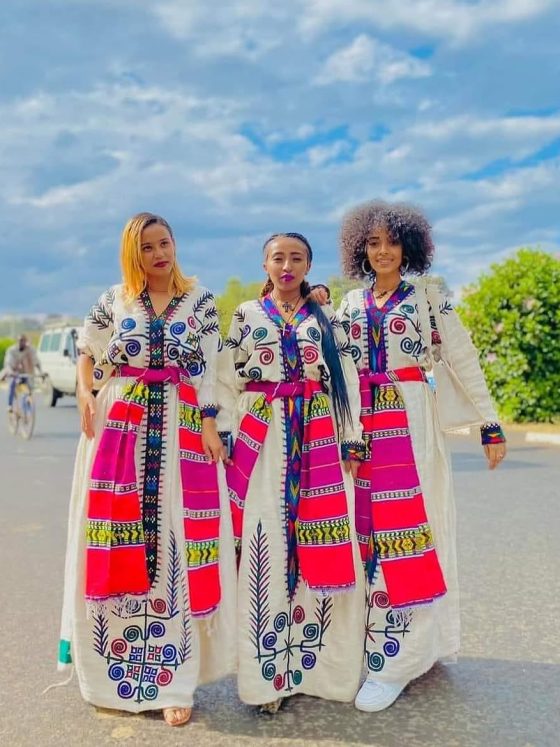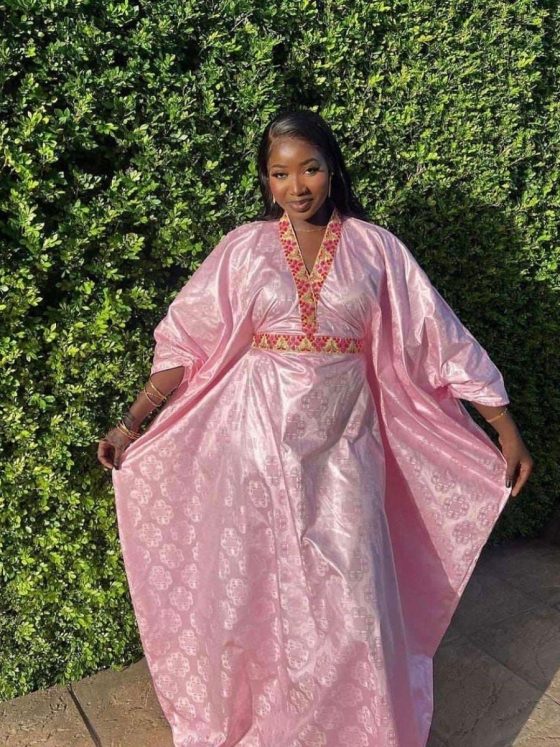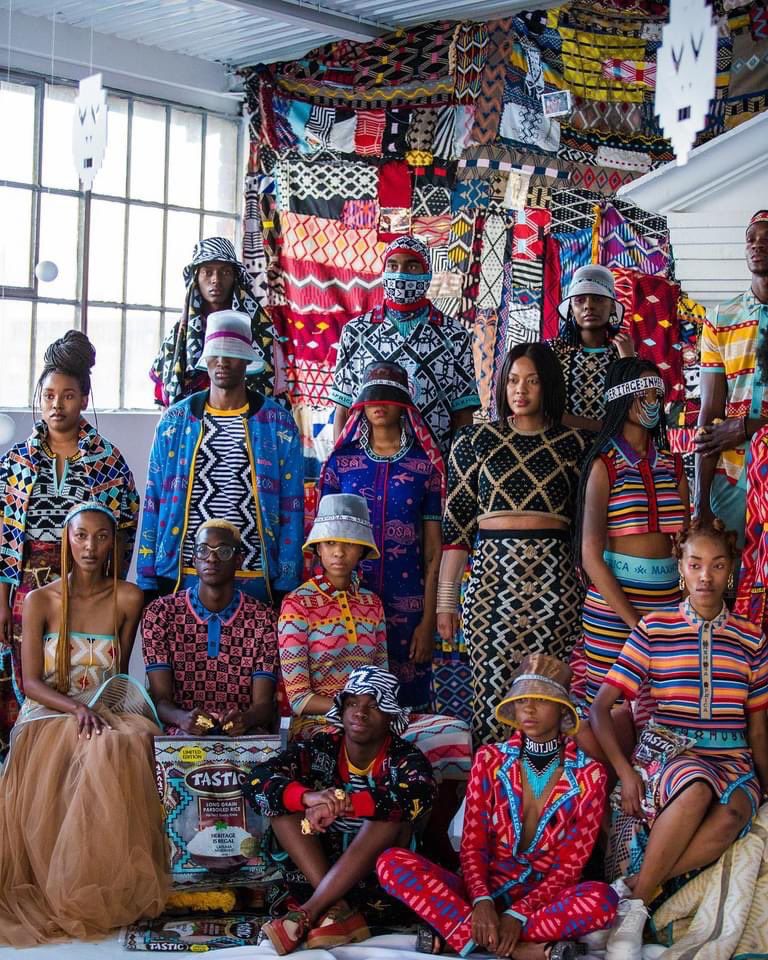
Long before fashion became seasonal and disposable, textiles across Africa were already carrying meaning that outlived trends. A piece of Kente cloth or Adire was never just about appearance. It was about identity, memory, and communication, shaped by the people who made it and the communities that understood it.
Today, that depth is under pressure. As global fashion cycles accelerate, the cultural weight of these textiles is often reduced to surface aesthetics. Patterns are copied, colours are replicated, but the stories disappear. This is where African textile museums and archives become essential. They are not simply preserving fabric. They are holding on to context, asking not just what these textiles look like, but why they exist and what they continue to mean.
From African textile museums to diaspora archives, this piece explores how heritage fabrics hold cultural memory and why preservation matters today.
What a Textile Remembers
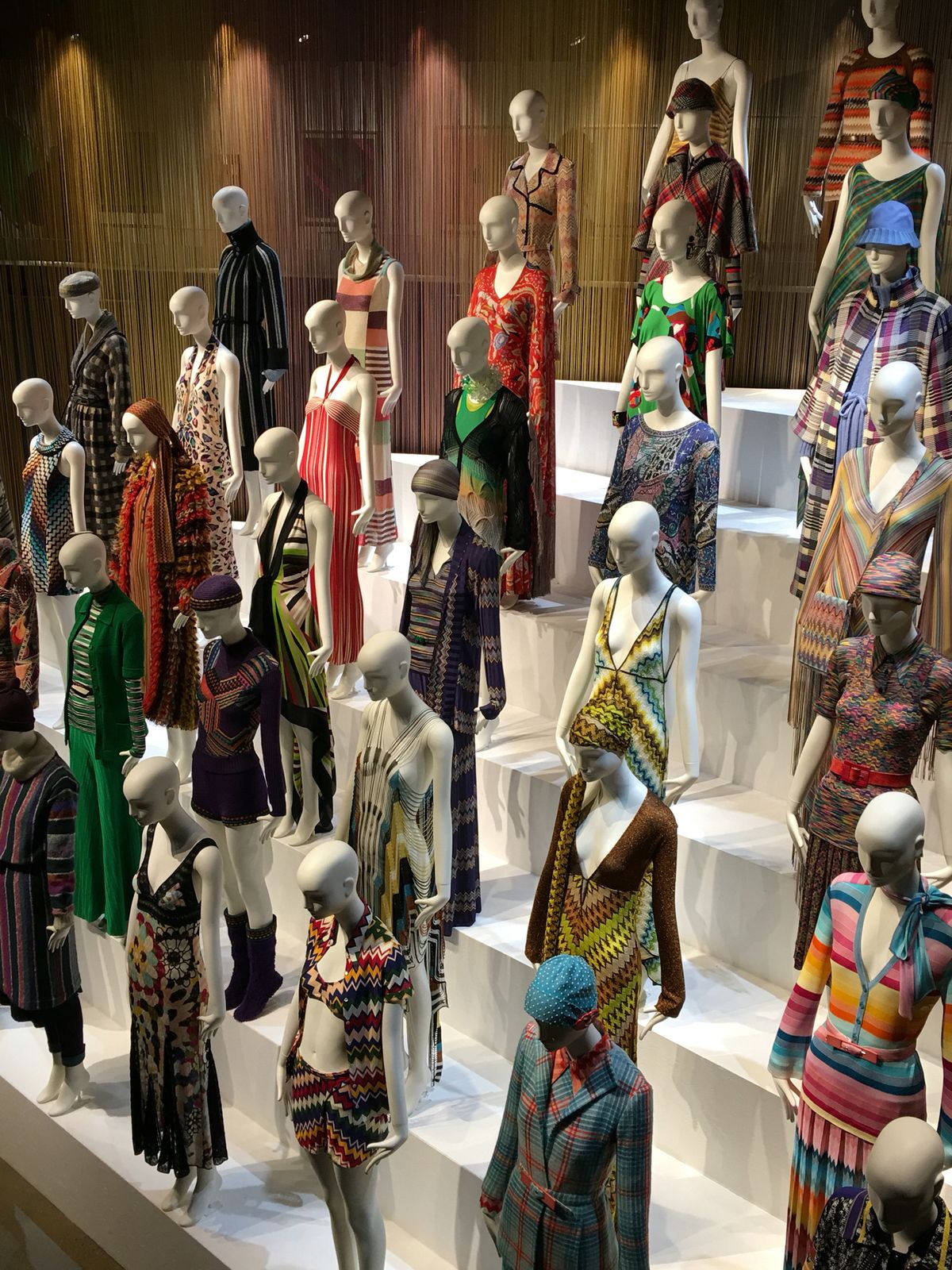
African textiles function as a form of language. Patterns are not random. Colours are not just aesthetic choices. In Ghana, Kente patterns can signal authority, wisdom, or historical events. Among the Yoruba, Adire connects to women-led economies and indigenous dyeing knowledge rooted in local plants and processes.
This is why textiles must be read, not just seen. They hold what can be called cultural data. Social hierarchy, spirituality, migration, and even resistance are woven into them. When these fabrics are removed from their context, what remains is only the surface.
Museums step in here as translators. They provide context that everyday consumption often ignores. But translation is never neutral. It shapes how culture is understood globally.
Institutions Keeping the Thread Alive
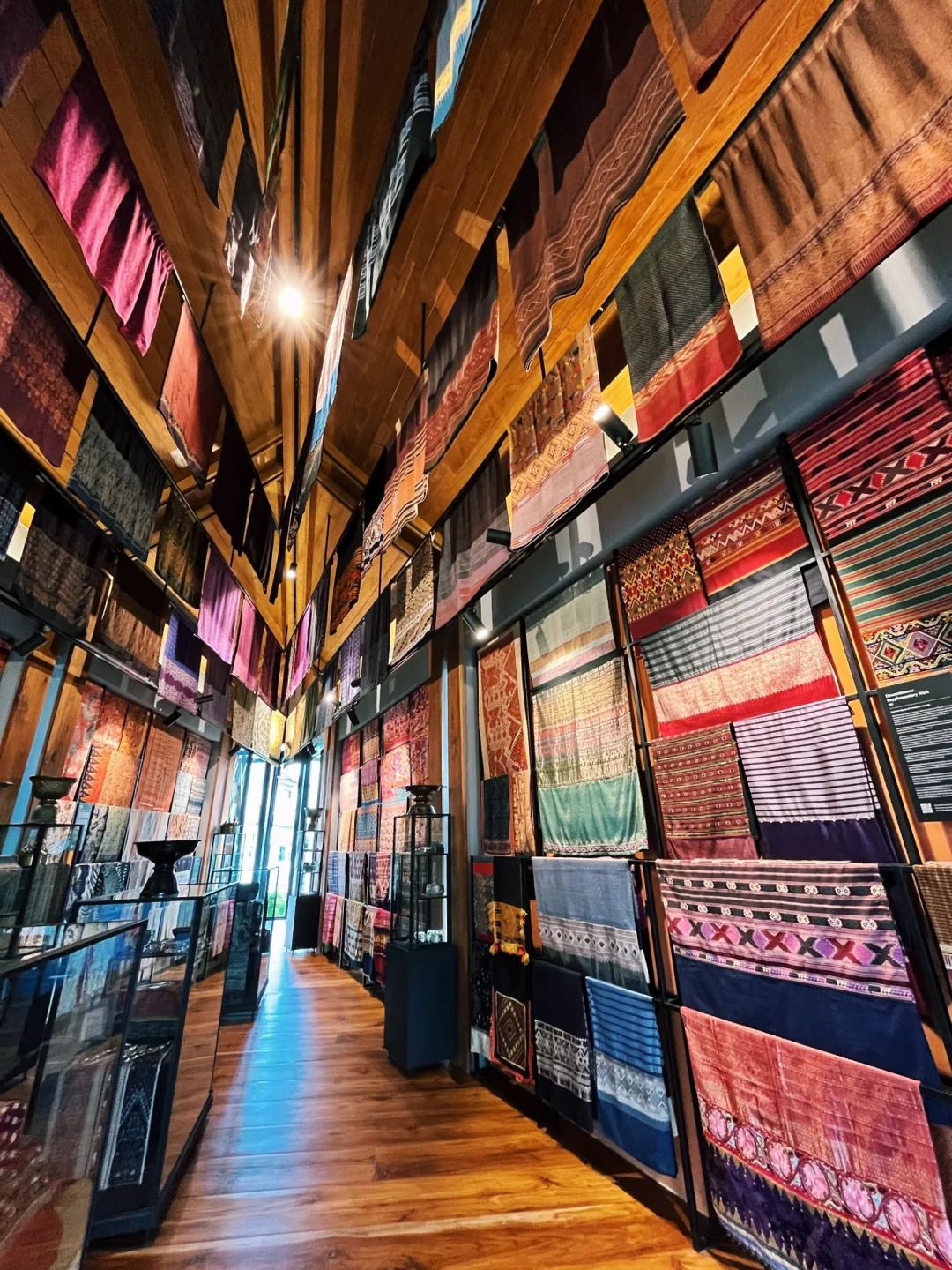
Across the continent, preservation takes different forms. In Nigeria, the National Commission for Museums and Monuments oversees collections such as the National Museum, Lagos. These spaces hold textiles that might otherwise disappear, especially those no longer in regular use.
But some of the most important work is happening closer to the source. In Abeokuta, the Adire Heritage Museum operates within a living textile ecosystem. Here, preservation is not about locking fabrics away. It is about documenting techniques while they are still being practised.
In Ghana, Kente weaving communities are building informal archives through practice. Knowledge is passed down through apprenticeship, not labels on display cases. This raises an important point. Not all archives look like museums, but they perform the same function.
Further across the continent, institutions in Dakar and Addis Ababa, such as the IFAN Museum of African Arts and the Ethnological Museum of Addis Ababa, position textiles within broader cultural histories. In Cape Town, the Iziko South African Museum connects textile traditions to identity and anthropology.
Together, these institutions form a network that is not always visible but deeply important. They are not just preserving objects. They are preserving systems of knowledge.
READ ALSO:
The Fast Fashion Problem
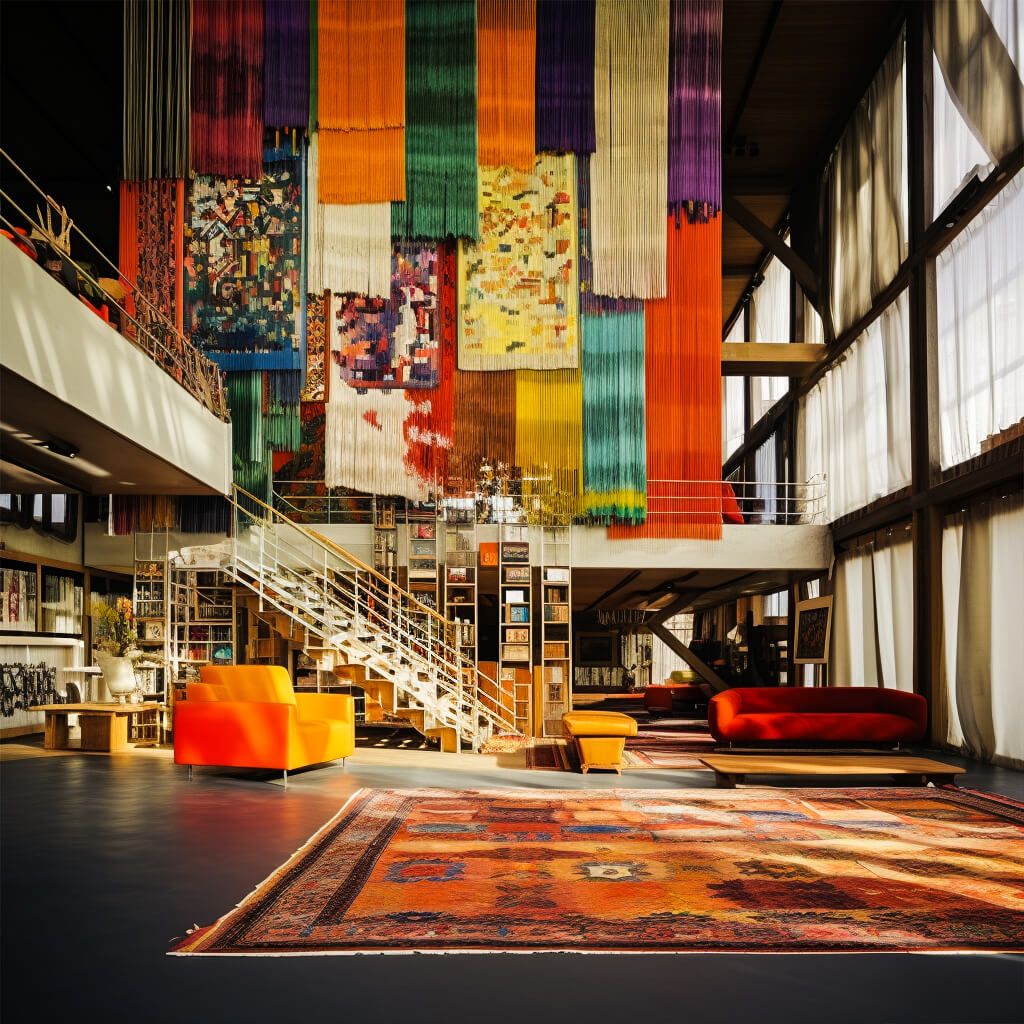
Fast fashion thrives on speed and replication. It takes visual elements from cultures around the world and turns them into trends. African textiles have become part of this cycle. Kente-inspired prints appear on global runways. Adire patterns show up in mass-produced collections.
At first glance, this visibility can seem like recognition. But recognition without context can become erased. When a textile is reproduced without its history, the story disappears. What remains is only design, stripped of meaning and ownership.
The issue is not sharing culture. African textiles have always travelled across regions and continents. The issue is imbalance. When large industries profit from these designs without engaging the communities behind them, the relationship becomes extractive.
Museums push back against this by reintroducing context. They remind audiences that these textiles are not trends. They are living records of people and places.
Repatriation and Cultural Ownership
Many African textiles are held outside the continent in institutions like the British Museum and the Metropolitan Museum of Art. These collections often benefit from better funding and global visibility, but they also raise difficult questions.
Who owns cultural memory? Is it the institution that preserves the object or the community that created it?
Repatriation debates are beginning to include textiles, not just sculptures and artefacts. Returning these works is not only about physical ownership. It is about restoring narrative control.
At the same time, diaspora museums help expand access. They introduce global audiences to African textile traditions, but they also risk presenting them as static or historical rather than evolving.
This brings us back to a central tension. Preservation can sometimes freeze culture. But textiles are meant to move, to be worn, to change. The challenge is to archive without silencing that movement.
Conclusion
African textile museums are doing more than preserving fabric. They are protecting meaning in a world that often prioritises speed over depth. They stand at the intersection of history and modernity, asking how culture can survive without losing itself.
The answer is not simple. It requires collaboration between institutions, communities, and global audiences. It requires seeing textiles not as products, but as expressions of identity and memory.
In the end, the question is not just about preservation. It is about respect. Understanding why these textiles exist, who they serve, and what they carry forward is what gives them value beyond the surface.
FAQs
- Why are African textiles considered cultural records?
Because they encode history, beliefs, and social identity through patterns, colours, and production methods passed down over generations
- What role do museums play in textile preservation?
They document techniques, store rare pieces, and provide context that helps people understand the cultural meaning behind the textiles.
- How does fast fashion affect African textile traditions?
It often reproduces designs without context or credit, reducing cultural heritage to trends and weakening traditional production systems.
- What is repatriation in the context of textiles?
It refers to the return of cultural items held abroad to their countries or communities of origin to restore ownership and narrative control.
- Can traditional textiles still evolve while being preserved?
Yes, the most effective preservation supports living traditions by allowing artisans to continue creating and adapting their craft over time.