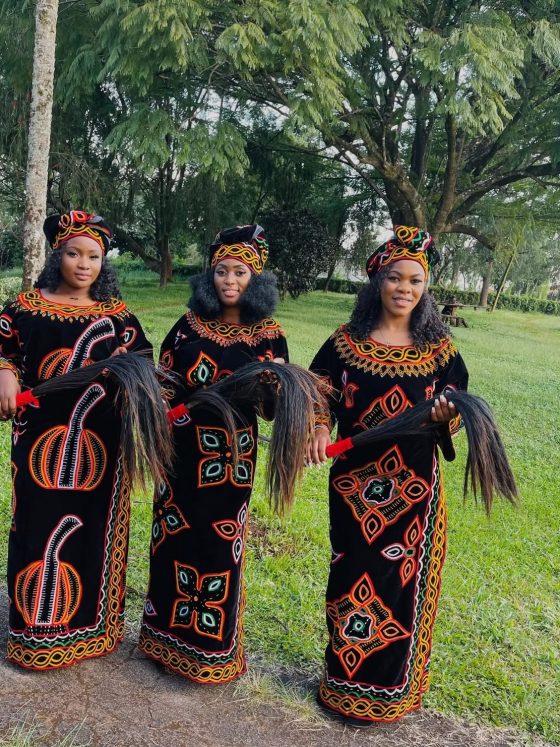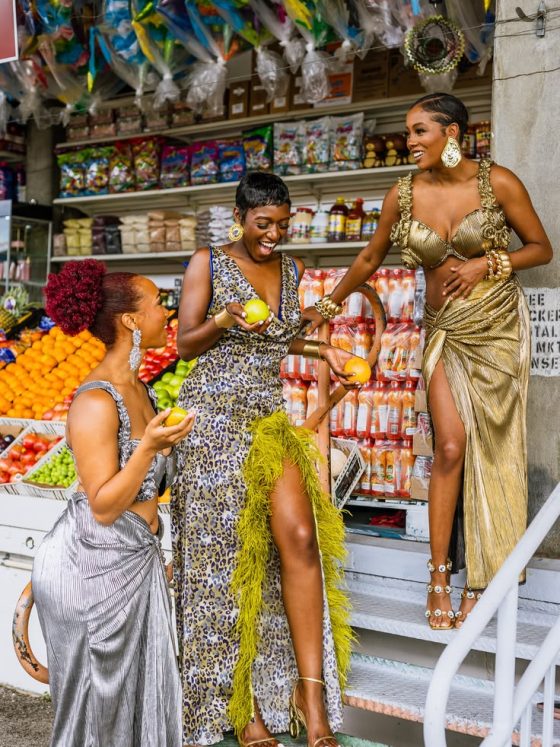
Cold weather is rarely central to conversations about African dress. Yet for African women living abroad, winter becomes one of the clearest tests of how identity is carried into public space.
Migration doesn’t weaken heritage; it reshapes it into expressions that remain protective, intentional, and globally recognisable. In this article, we will be looking at how African women in the diaspora layer culture into cold-weather style.
Winter wardrobes in the diaspora show how African women layer heritage into style, balancing climate, identity, and global fashion influence.
Winter Changes the Logic of Cultural Dressing
Migration often introduces African women to climates that were never part of their original dressing rhythms. In warmer environments, fabric, silhouette, and movement often operate with more freedom. Winter interrupts that logic.
This is where African women’s layering of culture into cold-weather style becomes especially visible. Dressing decisions are no longer guided by aesthetics alone. Coats, thermals, boots, and knitwear begin to determine how much of a cultural garment can still be seen, how it moves, and how it functions through the day.
A woman who once relied on drape, texture, or textile prominence may now have to think in stages. What sits closest to the body must provide warmth. What remains visible on the surface must still carry style and cultural intent. Dressing becomes more deliberate because the climate introduces new constraints.
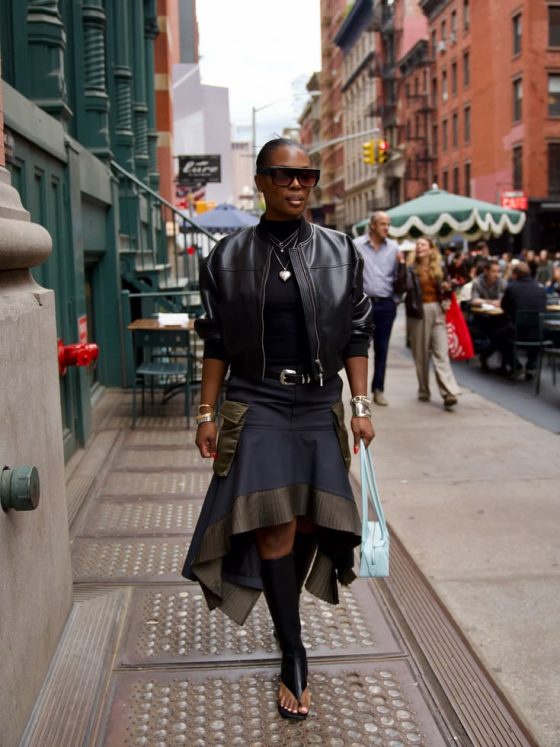
Winter also alters public perception. In many diaspora settings, neutrality often dominates cold-weather wardrobes. Dark coats, practical boots, and visual restraint become common.
Against that backdrop, visible heritage can feel more pronounced. For many women, this creates a quiet but persistent tension between adaptation and cultural continuity.
That tension changes how identity is expressed. Over time, winter dressing has become one of the clearest examples of how African women layer culture into cold weather.
Layering Preserves Heritage Through Structure and Selection
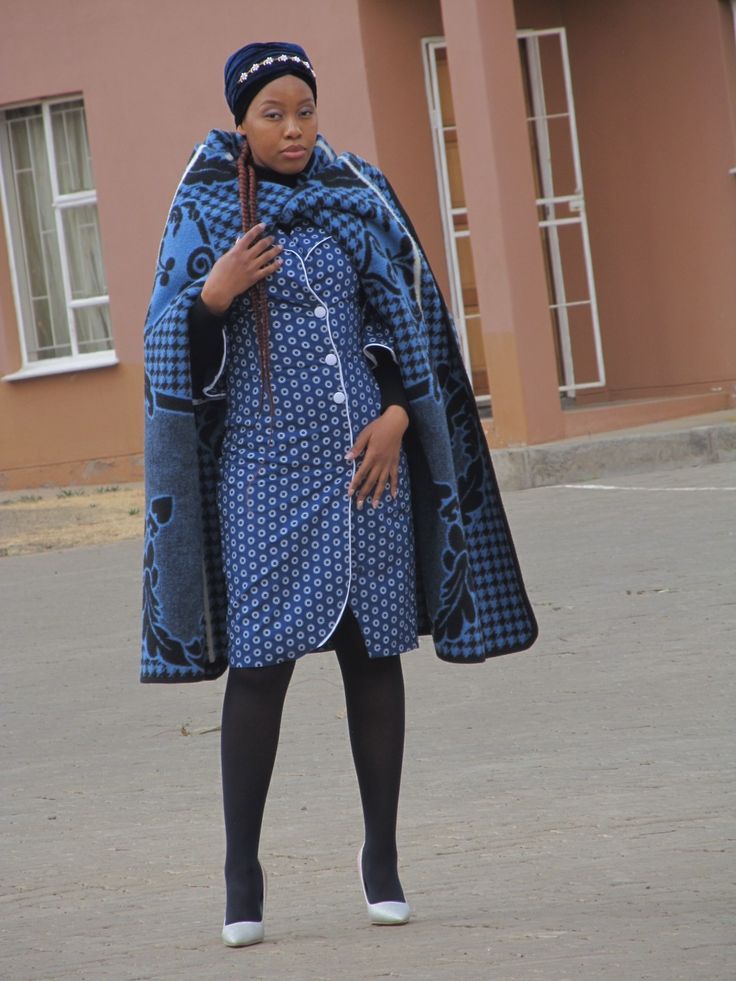
Layering is often treated as a functional response to temperature, but in diaspora wardrobes, it can also operate as a method of preservation. It is one of the strongest ways in which African women layer culture into cold-weather style that can be understood.
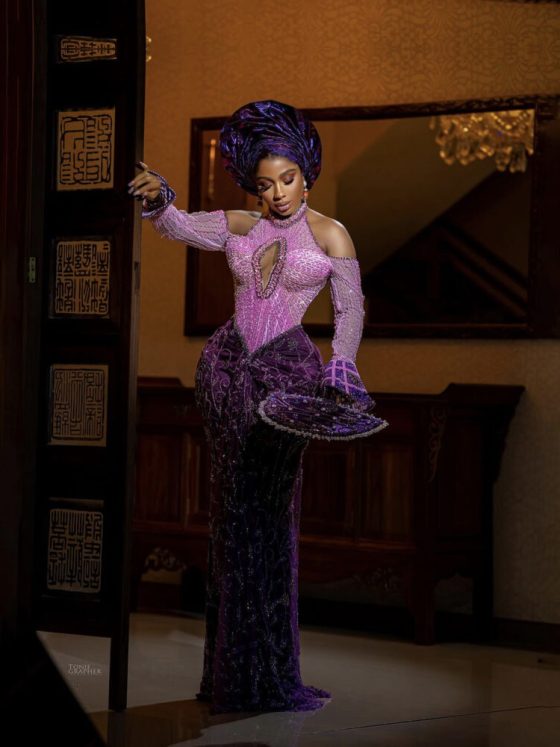
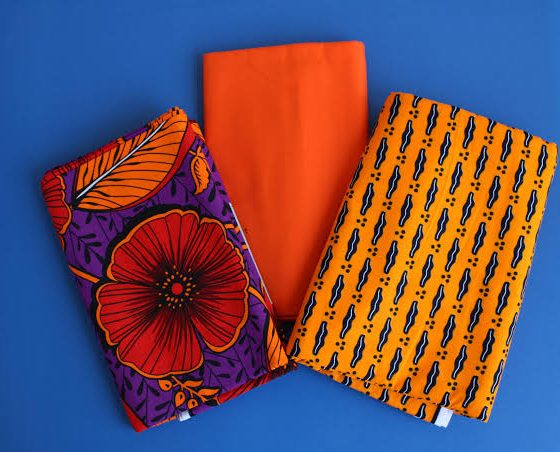
In cold weather, heritage is not always expressed in a fully traditional look. More often, it appears through selective visibility—a headwrap framed by a wool coat. Ankara or adire is visible beneath outerwear.
Jewellery that remains culturally legible even when most of the outfit is covered. These choices may seem small, but they carry memory, reference, and intention.
This kind of dressing requires structure. Not every garment can remain central once outerwear becomes necessary. As a result, women begin deciding which element of an outfit will carry the strongest cultural signal.
Sometimes it is the textile, the silhouette, or the accessory. With this structure, layering becomes less about piling garments together and more about controlling what remains visible.
That is why how African women layer culture into cold-weather style is not only a styling issue. It is also an editorial one within the wardrobe itself.
Also Read
- The Trench Coat Is Being Rewritten, and Africa Is Holding the Pen
- How Texture Is Replacing Colour as the New Statement in 2026 Dressing
- The Quiet Decline of Micro-Trends in Fashion: Why the Industry Is Slowing Down
- When Style Becomes Language: Africa’s New Fashion Movements
Every day, winter dressing can influence global fashion language.
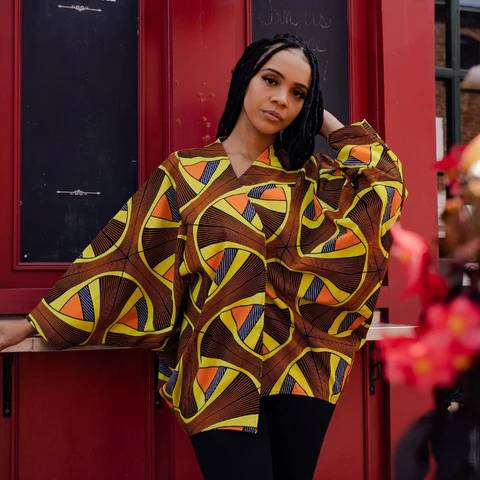
Diaspora winter dressing may appear personal, but it also contributes to larger fashion conversations. Repeated visibility in public spaces, online platforms, and creative industries gradually changes how African aesthetics are read outside their original contexts.
This is why how African women layer culture into cold-weather style matters beyond the individual wardrobe. These styling decisions show that African dress is not confined to ceremony, heat, or cultural festivals. It can function inside cities shaped by cold weather, formal work environments, and global fashion expectations without losing depth or recognisability.
That shift matters. It expands the perceived range of African fashion. It also challenges the assumption that heritage must remain fixed to remain authentic. Diaspora women demonstrate the opposite. Traditional dress can adapt while still retaining its meaning.
Over time, these winter wardrobes begin influencing broader ideas about layering, textile use, and identity-based dressing. They show that fashion authority can emerge not only from runways or brands but also from repeated acts of everyday styling.
Practical Styling Decisions Make Cultural Layering Work in Winter Zones
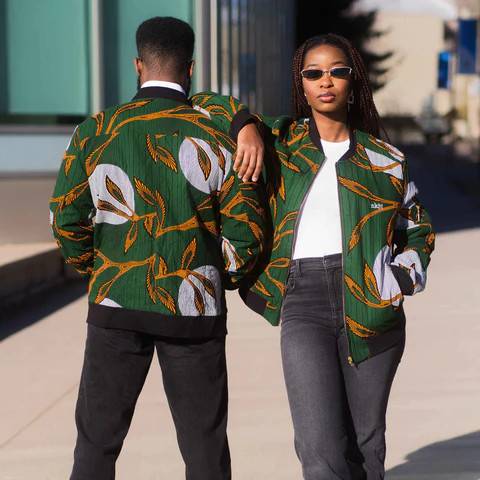
The practical side of winter dressing matters because intention alone is not enough. For many women, the success of a winter wardrobe depends on whether warmth and cultural visibility can work together without one cancelling out the other.
Here are a few ways in which African women layer their culture into cold-weather style, making it practical in everyday dressing:
Base Layers Protect Warmth Without Altering the Outfit
Thermal tops, fitted long sleeves, and leggings often sit underneath dresses, skirts, or two-piece looks. The purpose is to retain heat without interrupting silhouette, print, or drape.
Mid-Layers Help Balance Comfort and Cultural Visibility
Cardigans, knitwear, and fitted blazers often act as transitional pieces between the body and heavier outerwear. They help determine how much of the heritage garment remains visible and how formal or relaxed the look appears.
Outerwear Works Best When It Frames Rather Than Conceals
Oversized coats, belted trenches, and open-front silhouettes tend to work well because they allow glimpses of textile, colour, or movement underneath. The coat does not need to compete with the outfit. It needs to support it.
Accessories Carry Meaning When Fabric Visibility Is Reduced
Headwraps, earrings, rings, brooches, and culturally specific jewellery often become more important in winter. When most of the body is covered, accessories help maintain continuity and keep the look rooted.
Conclusion
Diaspora winter dressing reveals more than a response to the weather. It shows how identity is adjusted, protected, and made visible under new conditions.
That is what makes how African women layer culture into cold-weather style such an important subject. African women in the diaspora are not simply adding warmth to existing wardrobes.
They are reshaping how heritage functions within climates and fashion systems that were never built around it.
Through layering, textile selection, silhouette control, and strategic visibility, they show that tradition can adapt to changes.
Frequently Asked Questions
1. How Can African Women Maintain Cultural Identity While Dressing For Winter In The Diaspora?
African women layer traditional textiles with practical winter clothing, balancing warmth and visibility. Accessories, headwraps, and subtle prints help heritage remain legible even under heavier layers.
2. What Are Common Strategies For Layering African Fashion In Cold Climates?
Layering involves combining heritage fabrics with coats, knitwear, boots, and scarves. The goal is to preserve cultural markers while adapting to environmental and social expectations.
3. Does Winter Dressing in the Diaspora Influence Global Fashion Trends?
Yes. Hybrid winter aesthetics developed by African women in diaspora cities are increasingly visible on urban streets, in media, and on social platforms, subtly shaping international fashion conversations.
4. How Does Layering Impact Perceptions Of Cultural Confidence?
Deliberate styling communicates intentionality, pride, and self-assurance. Layering heritage textiles in functional winter wardrobes becomes a form of social and cultural signalling abroad.
5. Can Diaspora Winter Fashion Inspire Sustainable or Innovative Design?
Absolutely. Combining traditional textiles with modern winter clothing encourages experimentation and creative problem-solving and showcases how cultural adaptation can drive new aesthetic ideas globally.