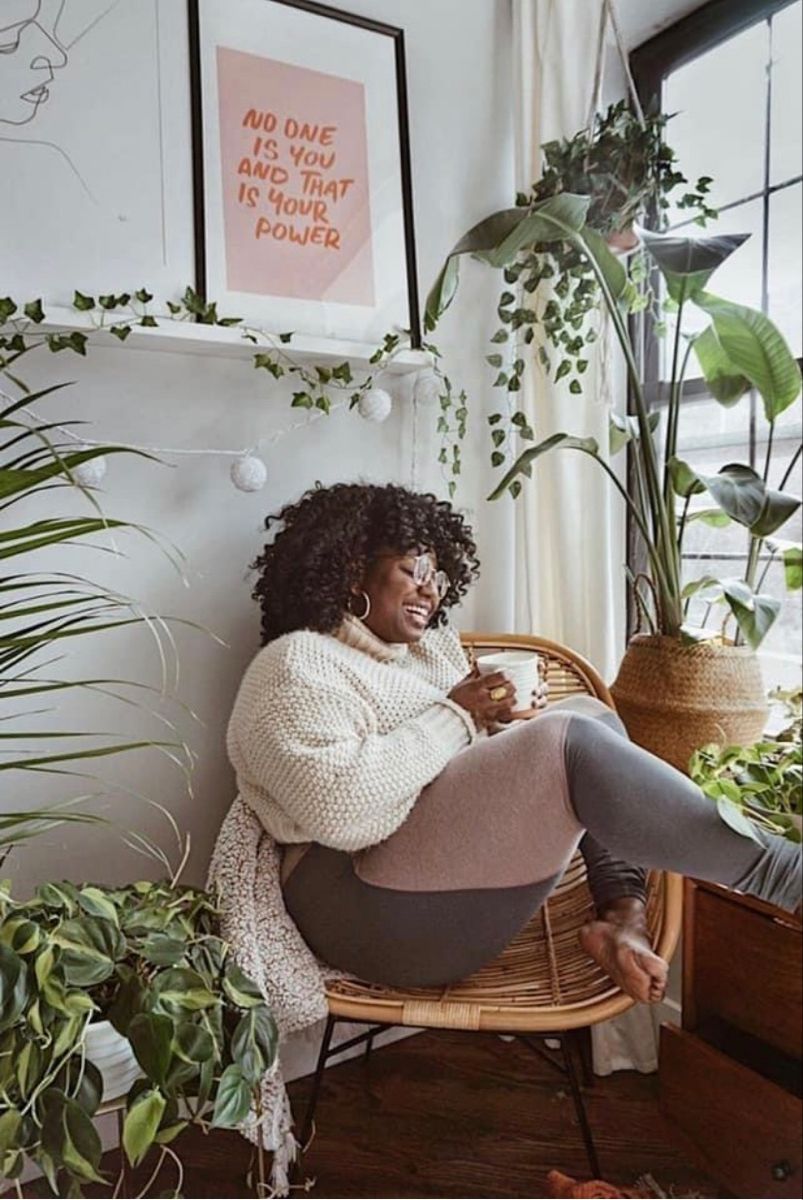
There is a moment when the door closes, and the performance dissolves.
There were no mirrors angled to gain approval, no one to impress. No external standard is to be met—just fabric against skin, movement through space, and the quiet intelligence of choosing what feels right.
This is where real style lives.
Not in public settings or curated images, but in the private hours where women dress for comfort, rhythm, and self-recognition. What a woman wears when no one is watching often reveals more about her taste, confidence, and identity than anything she wears when she steps outside.
Private style is not careless. It is considered.
It is fashion stripped of spectacle and returned to instinct.
Private style reveals how women truly dress when performance disappears, shaping fashion through comfort, rhythm, and quiet personal authority.
The Space Where Style Becomes Honest
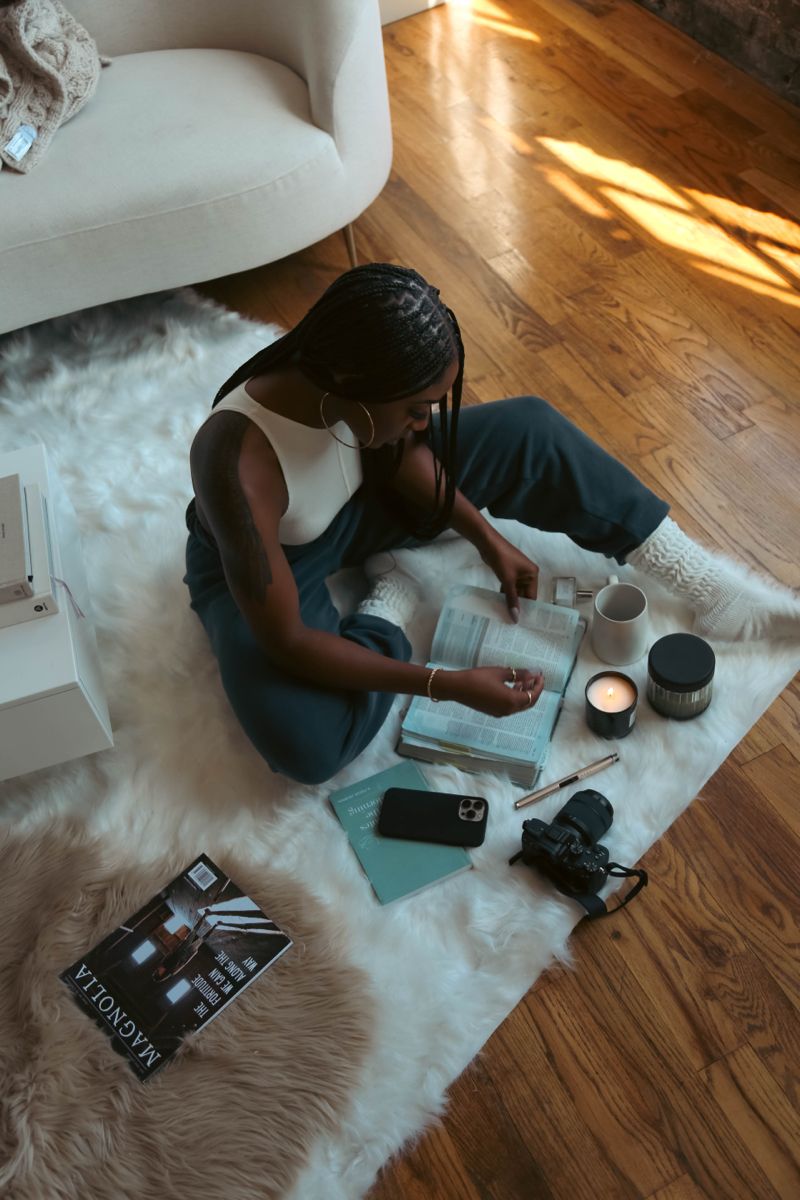
Public fashion is shaped by context. Private style is shaped by truth.
At home, clothing is chosen without negotiation. There is no need to signal relevance, status, or belonging. The body leads. The day’s energy determines it. The environment responds.
This procedure is where women reveal their actual relationship with clothing. Whether they reach for softness, structure, ease, or ritual, these choices are deeply personal. They are not trends. They are habits formed over time.
Private style reveals what a woman values when fashion is no longer about communication but about companionship.
Clothing Without Performance
When fashion is no longer observed, it becomes more functional.
Garments are selected for how they move, breathe, and settle into the body. Silhouettes loosen. Waistbands soften. Fabrics matter more than labels. Seams, weight, and texture become the priority.
The change does not mean the style disappears. It refines itself.
A perfectly worn shirt is an example of this—a robe with architectural lines. A dress is kept for home because it feels right, not because it photographs well. These are not accidental choices. They reflect a woman who understands clothing as support rather than display.
Private style is where fashion stops asking for attention and starts offering ease.
The Psychology of Dressing for Yourself
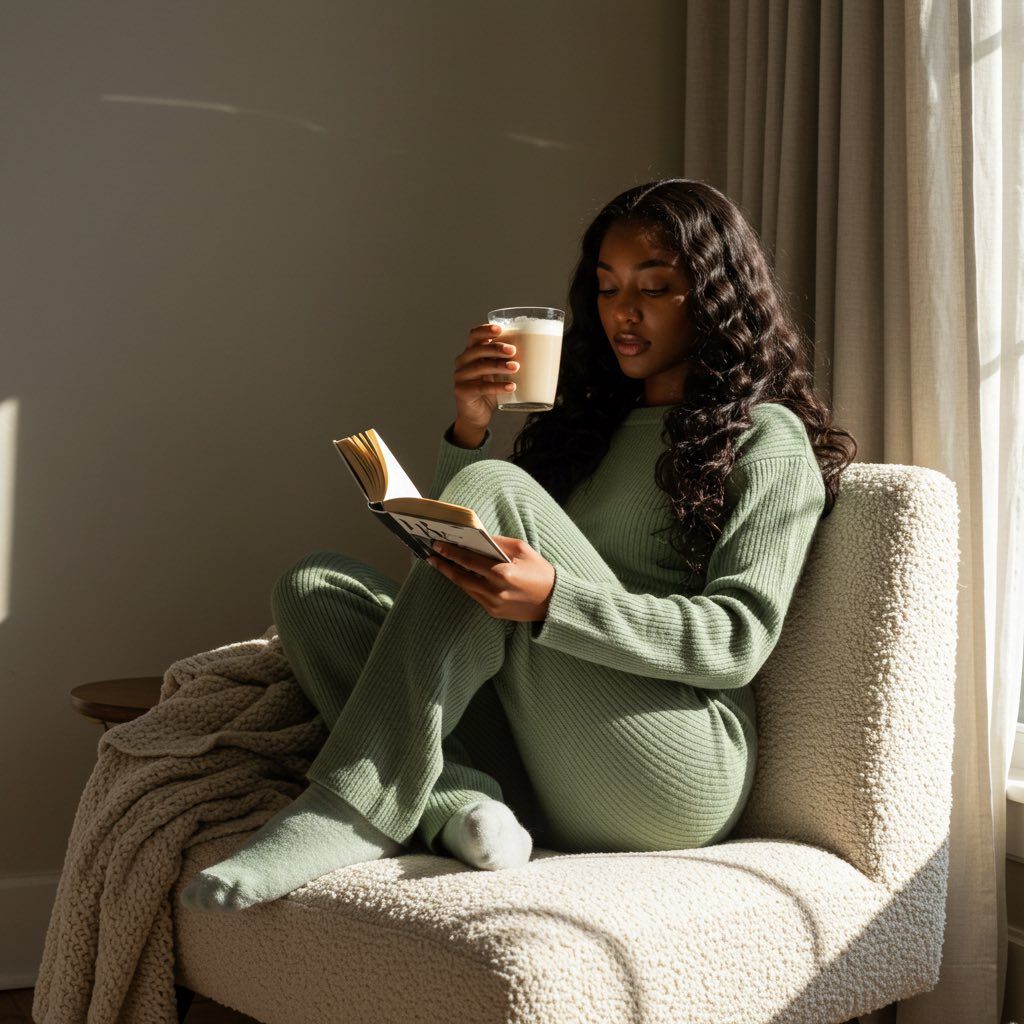
There is confidence in dressing without witnesses.
It signals a woman who does not rely on external validation to feel composed. Her sense of self does not collapse when no one is looking. Instead, it sharpens.
What women wear alone often mirrors their inner world. Calm women choose calm clothes. Structured thinkers prefer garments with form. Creative minds lean toward fluidity. These choices are not costumes. They are aligned.
Dressing privately becomes a form of emotional regulation. Clothing supports mood, focus, and energy. It holds the body through work, rest, and transition.
Style, in this context, becomes a quiet form of self-respect.
The Home as a Fashion Environment
Private style cannot be separated from space.
Light, furniture, routine, and movement shape a woman’s at-home attire. Expansive windows invite softness. Wooden floors encourage barefoot ease. Intimate spaces allow for draping rather than tailoring.
Homes become extensions of wardrobe logic. Neutral interiors invite texture. Calm environments call for restraint. Chaos demands simplicity.
This is why private style often feels more refined than public fashion. It is edited by the environment, not expectation.
Fashion begins to follow life, not the other way around.
Why Private Style Feels Timeless
Trends require spectators. Private style does not.
Because it exists outside trend cycles, it evolves slowly. Pieces are worn repeatedly. Comfort deepens. Preference becomes clear. A woman learns what works for her body without interruption.
This creates a wardrobe language that feels timeless, even when individual items change. The palette stays consistent. The silhouettes remain familiar. The intention stays intact.
Private style matures with the woman. It does not chase novelty. It refines familiarity.
This is why women with strong private style often appear effortlessly elegant in public. Their relationship with clothing is already settled.
Intimacy Without Exposure
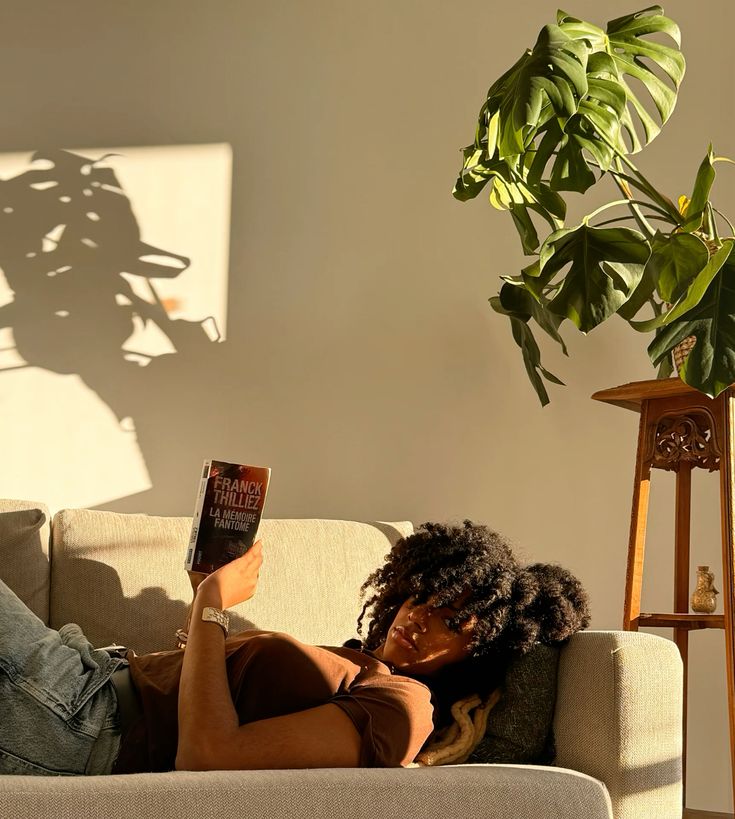
There is a misconception that intimacy requires visibility.
Private style disproves this.
It allows women to experience beauty without documentation. To feel elegant without being seen. It enables women to appreciate their softness without revealing it to others. This approach creates a different relationship with fashion, one rooted in pleasure rather than performance.
This intimacy is protective. It preserves a part of the self that is not consumable.
In a world that constantly asks women to present, private style becomes a boundary—a place where tastes are practised quietly.
INTERESTING READS:
- The Future of Luxury Modesty Fashion Trends in Africa for 2026
- What New Year Fashion Has Always Represented
- Women’s Fashion Across Generations: From Matriarchs to Modern Style
The Luxury of Dressing Without Explanation
True luxury does not require witnesses.
Private style represents a level of comfort where nothing needs justification. No outfit needs approval. No choice needs explanation. Clothing simply exists in service of the woman wearing it.
This is not about neglecting appearance. It is about freedom from scrutiny.
Luxury, in this sense, is autonomy.
To choose what feels right without wondering how it will be read is a powerful form of self-possession.
What Private Style Reveals About Modern Women
Women today are increasingly selective with their energy. They understand that not everything needs to be shared or seen.
Private style reflects this discernment.
It shows women who are grounded enough to enjoy beauty privately. Confident enough to dress for themselves. Mature enough to separate performance from presence.
This shift does not reject fashion. It deepens it.
Private style reminds us that the wearer, not the observer, first experiences clothing.
Where Fashion Becomes Personal Again
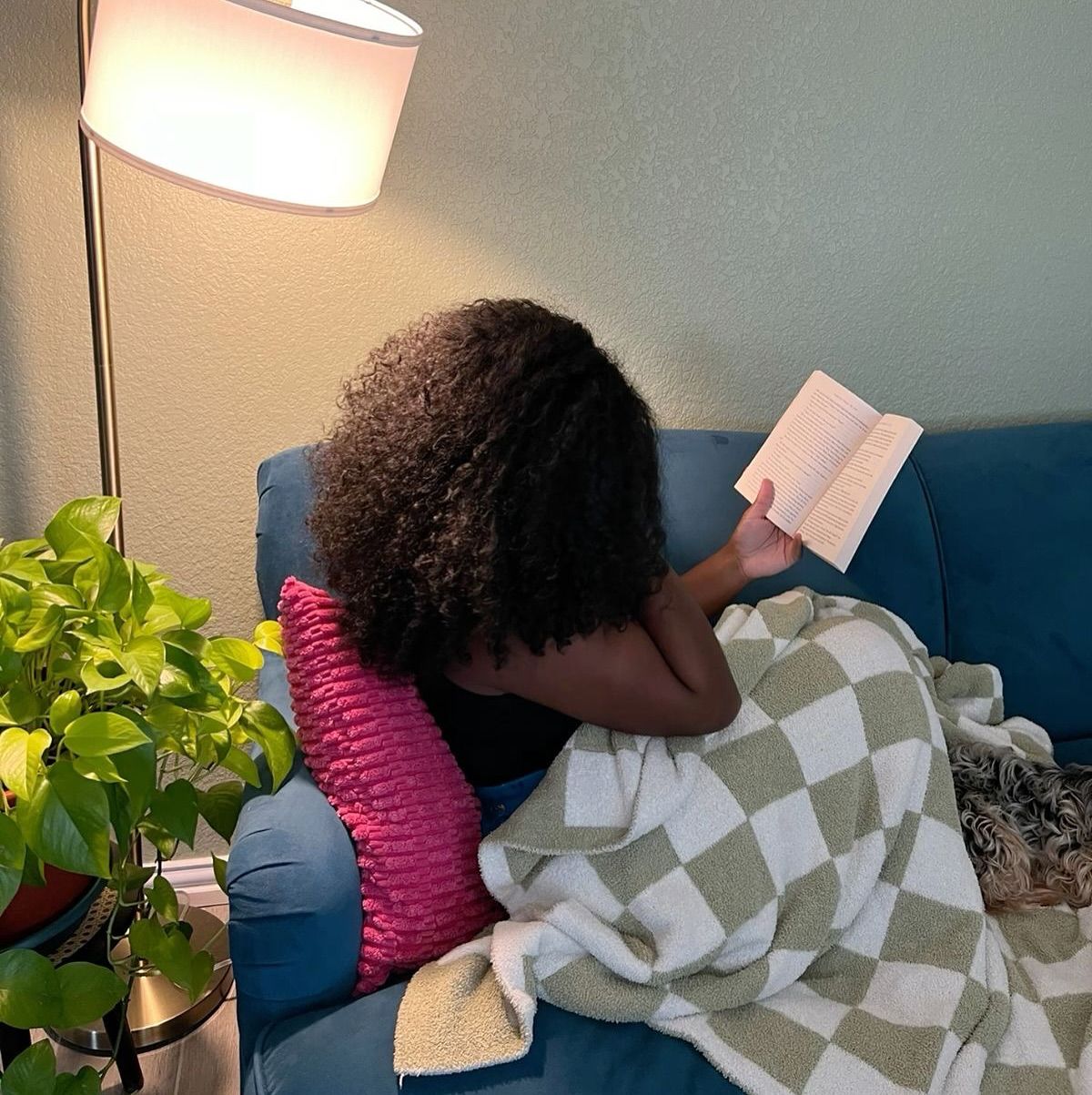
Fashion has always oscillated between public display and private ritual.
Currently, it is moving inward.
Women are rediscovering the pleasure of dressing for themselves. Of building wardrobes that support real life. Of allowing style to exist without commentary.
Private style does not replace public fashion. It anchors it.
It is where taste is refined, confidence is built, and identity is lived quietly.
And often, it is where the most beautiful style exists.
FAQs
- What is a private style?
It refers to how women dress when no one is watching, prioritising comfort, rhythm, and self-alignment over appearance.
- Is private style still considered fashion?
Yes. It reflects a deeper, more personal relationship with clothing beyond trends or visibility.
- Why is private style becoming more relevant now?
Women are increasingly prioritising autonomy, comfort, and intentional living over constant presentation.
- Does private style influence public fashion?
Often. It shapes confidence, consistency, and how women carry themselves in public spaces.
- Is private style minimalism?
Not necessarily. It can be expressive, structured, or soft, depending on the individual.