The New Year has never been a quiet moment. Across societies, the turn of time has always been marked visibly. People gather, spaces are prepared, and bodies are dressed differently. Long before countdowns and fixed dates, clothing played a central role in how communities acknowledged transition. The idea that New Year fashion is a modern invention misunderstands both fashion and time itself.
What has changed is not the instinct to dress for renewal, but the structure through which renewal is measured.
Before the modern calendar standardised January 1 as a global reference point, societies understood time through lived experience. Seasons shifted, harvests ended, rains returned, and communities adjusted their rhythms accordingly. These moments were not abstract. They were felt, anticipated, and prepared for. Clothing was part of that preparation.
To understand New Year fashion today, it is necessary to know how renewal functioned before it was assigned a date.
An exploration of New Year fashion as a marker of renewal, tracing how clothing has long been used to signal transition, intention, and new beginnings.
Before January 1: How Time Was Understood
Time was once counted through cycles rather than numbers. Agricultural societies organised their lives around planting and harvest periods. Pastoral communities tracked seasonal movement. Lunar phases guided rituals and communal gatherings. Time was practical, tied to survival, sustenance, and continuity.
Moments of transition mattered because they signalled changes in responsibility, the environment, and social order. Identifying the end of one cycle and the beginning of another was crucial. This recognition was usually prominent. It involved collective action, reflection, and visible change.
Clothing was one of the clearest ways to make that change legible.
Renewal as a Cultural Practice
Renewal was not treated as an individual concept. It was communal. Communities marked the end of one period and prepared for another through shared rituals. These could include spiritual cleansing, thanksgiving for survival, or the formal acknowledgement of a new phase of life.
Such moments demanded preparation. Homes were cleaned. Tools were repaired or replaced. Bodies were washed and dressed intentionally. Appearance signalled participation in the renewal. To show up unchanged was to appear unprepared.
This is where fashion enters history not as decoration, but as function.
Celebration Before the Calendar
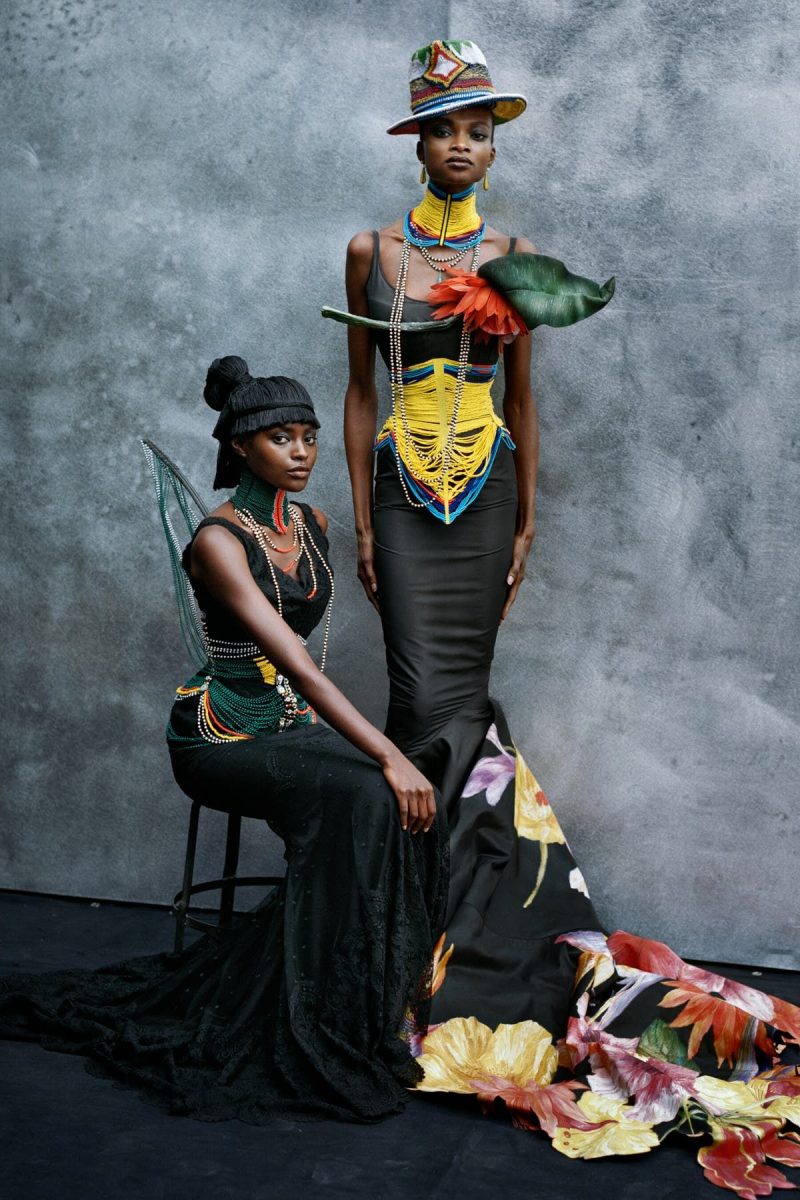
Festivals and rites served as markers of transition. These gatherings often followed harvests or seasonal shifts and were anchored in gratitude, continuity, and expectation. They were not celebrations of novelty but of survival and order.
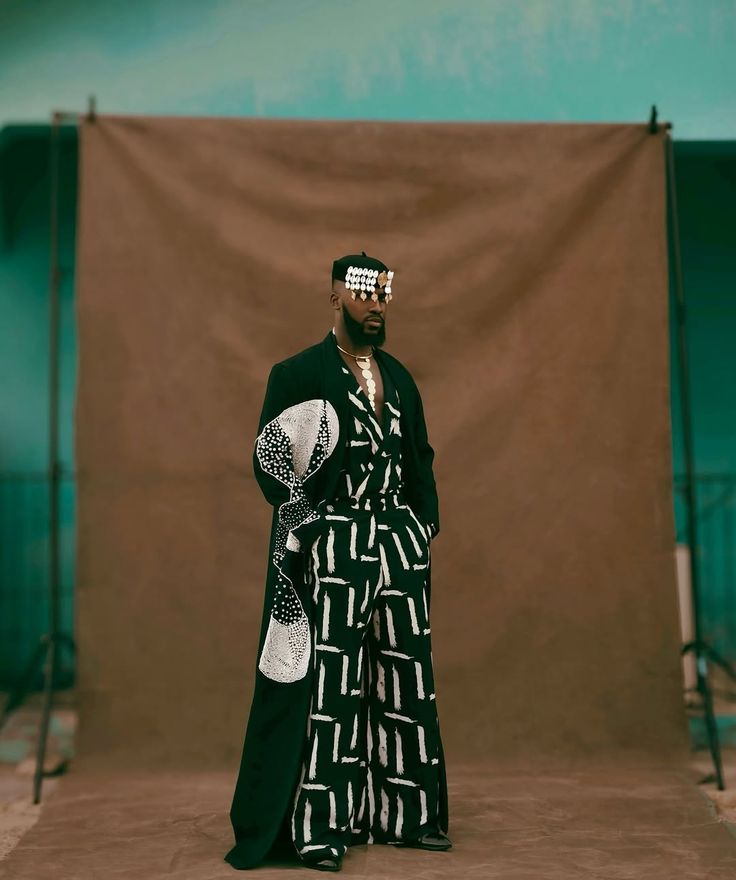
Clothing worn during these periods differed from everyday dress. Garments were cleaner, newer, or reserved specifically for ceremonial use. Fabrics carried meaning. Certain colours or adornments were chosen because of their associations with prosperity, purity, or continuity.
Fashion operated as a visual language. It communicated readiness, respect, and belonging.
READ ALSO:
- The Future of Luxury Modesty Fashion Trends in Africa for 2026
- The Next Generation of Fashion Innovators: What Will Shape 2026
- Redefining Luxury Beyond the Fashion Capitals
Dressing for Renewal Before the Modern New Year
Before January 1 existed as a concept, people still dressed for new beginnings. Newness did not mean excess. It meant intention.
Garments worn during transitional periods were often:
- Freshly made or carefully preserved
- Crafted with attention rather than speed
- Designed to signal dignity rather than display
The act of dressing well for renewal was not about spectacle. It was about alignment. Clothing aligned the individual with the moment the community was marking.
In this sense, New Year fashion did not begin with the modern calendar. The calendar simply reorganised an existing practice.
Fabric, Craft, and Meaning
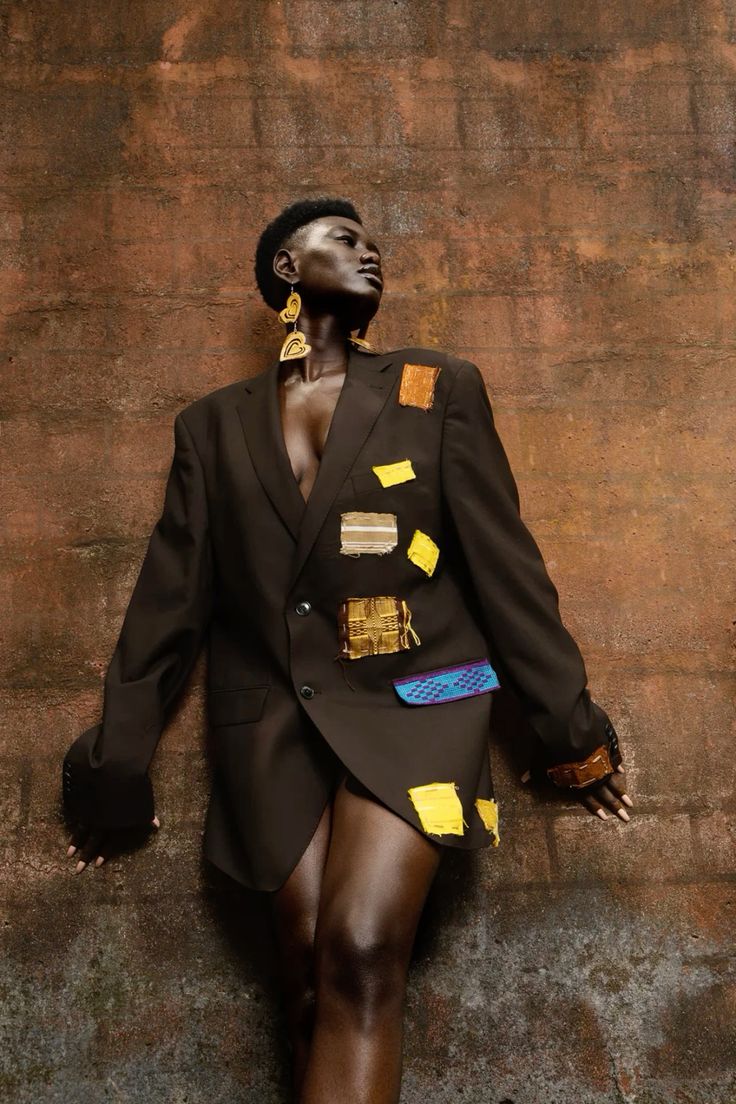
Clothing chosen for moments of renewal was rarely accidental. Fabric mattered because it carried labour. Craft mattered because it reflected time invested. Adornment mattered because it communicated social and cultural knowledge.
These garments were not worn casually. They were activated by context. Their value lay in when and why they were worn, not how often.
Contemporary conversations often overlook this relationship between fashion and time, treating clothing as constant and interchangeable. Historically, garments were activated by moments. Renewal was one of those moments.
The Arrival of January 1
The global spread of the Gregorian calendar reorganised how time was officially counted. Through trade, religion, and colonial administration, January 1 became an administrative marker for beginnings. Over time, it absorbed cultural meaning.
What is often misunderstood is that this shift did not erase existing practices. It layered over them.
Communities adapted. Renewal rituals were reinterpreted. Celebration found a new date but not a new purpose. Dressing differently at the start of the year continued because the instinct remained intact.
New Year Fashion in the Modern Context
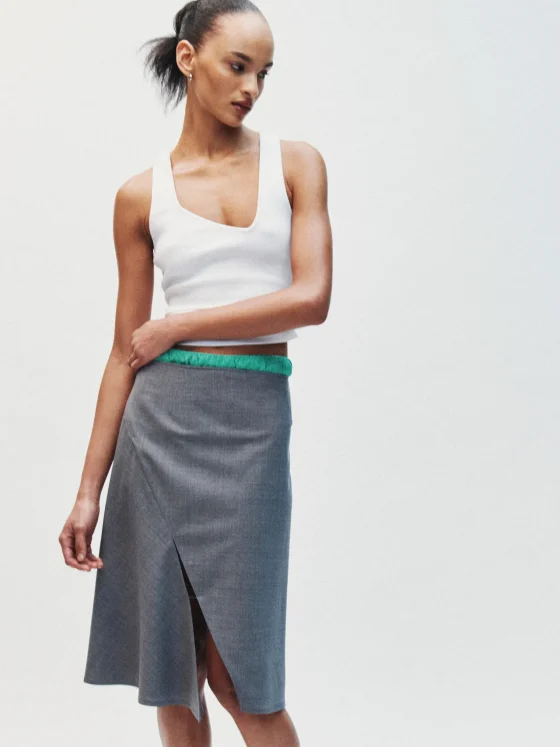
Today, New Year fashion is often framed as celebratory or expressive. People chose white garments to symbolise clarity. Others dress boldly to signal intention, confidence, or arrival. Some prioritise elegance. Others choose comfort.
These choices may appear personal, but they echo older patterns. Clothing still signals readiness for what comes next. The body is still prepared visually for transition.
What has changed is the pace. Fashion cycles now move quickly. Trends compete for attention. Yet the New Year continues to interrupt that speed. It remains one of the few moments where people consciously pause and dress with intention.
Designers and the Language of Renewal
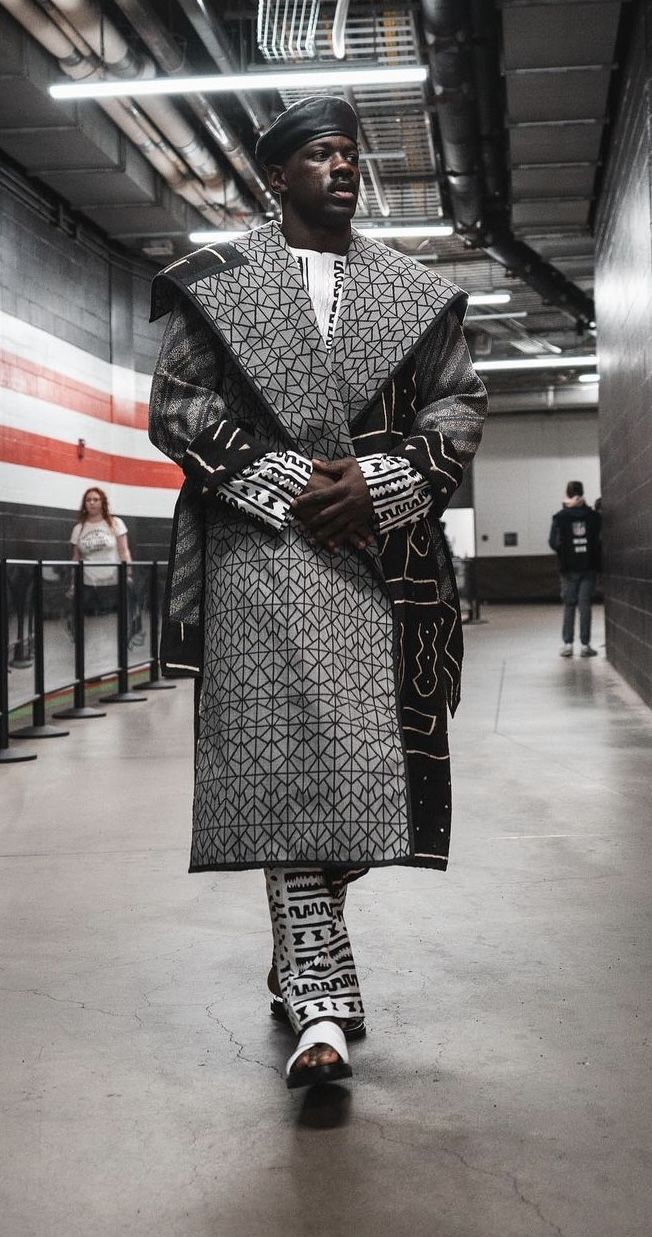
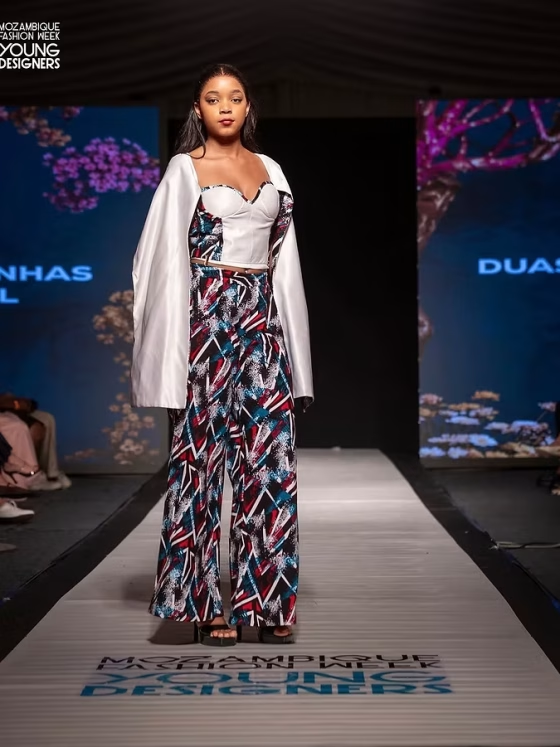
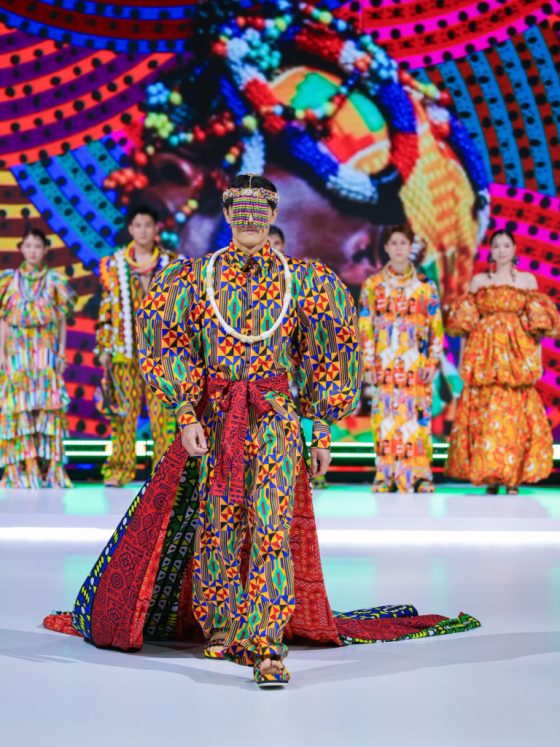
Some designers build collections around ideas of transition, continuity, and rebirth. They work with ceremonial silhouettes, symbolic colours, or textiles tied to cultural memories. Their New Year releases are not about trend response, but timing.
These designers comprehend the significance of connecting clothing to specific moments. A garment released for renewal carries a different weight than one released arbitrarily. It becomes part of how people remember time.
This approach does not rely on spectacle. It relies on understanding fashion as a cultural system rather than a seasonal product.
Continuity, Not Novelty
New Year fashion is often discussed as if it were about novelty. In reality, it is about continuity. It is one of the clearest examples of how fashion carries memory.
People dress differently at the start of the year because they always have. The reasons may shift. The silhouettes may evolve. The fabrics may change. But the impulse remains.
Fashion has always been one way humans acknowledge that time has moved forward.
Fashion as the Memory of Time
The New Year did not introduce the idea of dressing for renewal. It standardised it. Long before January 1, people understood that new phases required visible acknowledgement. Clothing made that acknowledgement tangible.
Today’s New Year fashion sits within a long lineage of dressing for transition. It reflects the same values: intention, readiness, and respect for time.
Calendars change. Systems shift. But fashion continues to serve one of its oldest functions: helping people mark where they have been and prepare for what comes next.
That is what New Year fashion has always represented.
FAQs
1. What does New Year fashion represent beyond celebration?
New Year fashion represents renewal, transition, and readiness for a new phase of time. Long before fixed calendar dates existed, people dressed differently to mark moments of change, making clothing a visual language for new beginnings rather than simple celebration.
2. Did people dress differently to mark the New Year before January 1 existed?
Yes. Before January 1 became a global reference point, communities dressed intentionally during seasonal shifts, harvest completions, and renewal rituals. These moments functioned as “new year” transitions, and special clothing signalled participation in communal renewal.
3. Why is clothing important in marking the start of a new year?
Clothing makes time visible. Dressing differently at the start of a new year allows individuals and communities to signal change, intention, and respect for transition. Fashion has long served as a way to acknowledge movement from one phase of life into another.
4. How has New Year fashion changed in modern times?
Modern New Year fashion blends older ideas of renewal with contemporary expression. While silhouettes and styles evolve, the underlying purpose remains the same: to dress with intention at a moment of transition, whether through symbolic colours, elevated garments, or deliberate simplicity.
5. Is New Year fashion about trends or tradition?
New Year fashion is rooted more in tradition than trends. While trends influence how people dress, intentionally dressing at the start of the year reflects a long-standing cultural practice of marking time through appearance.