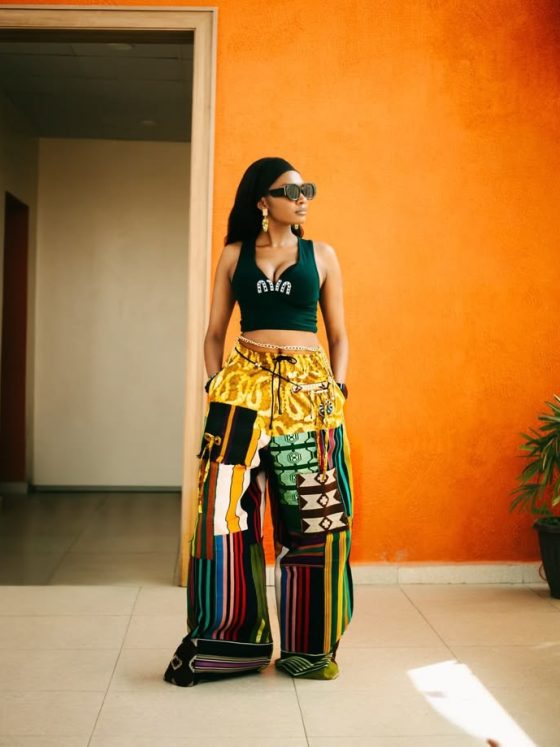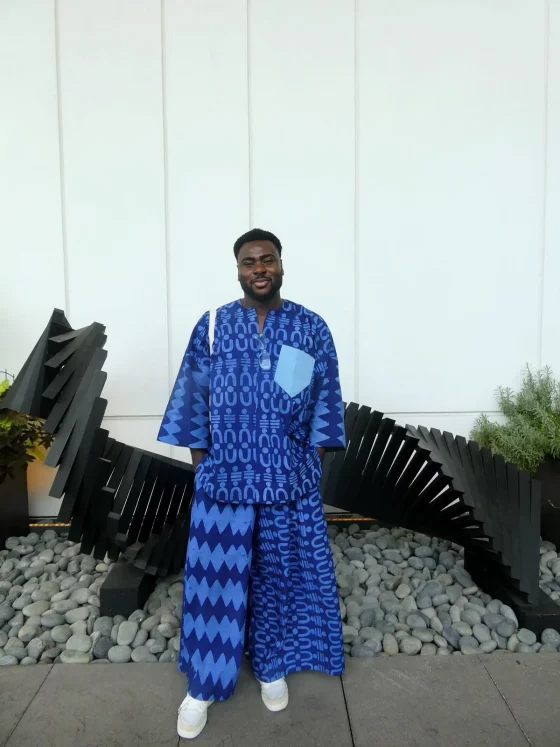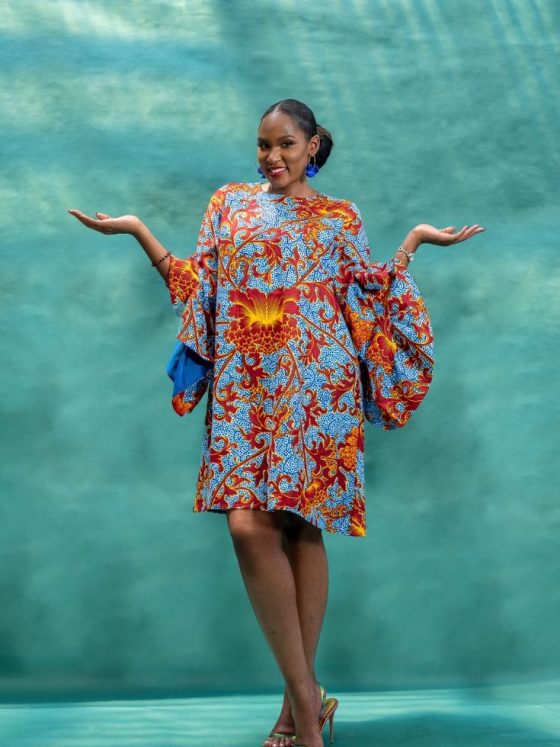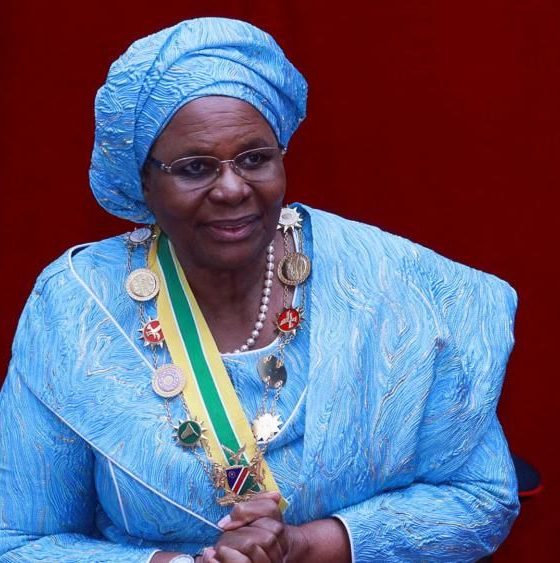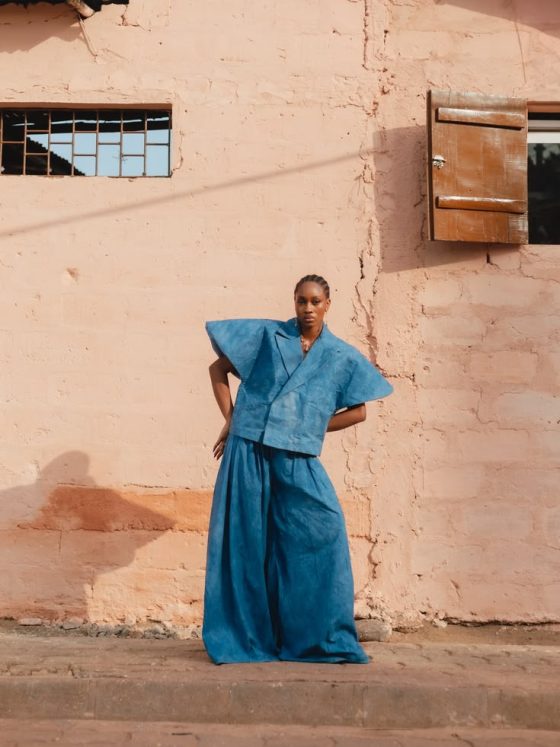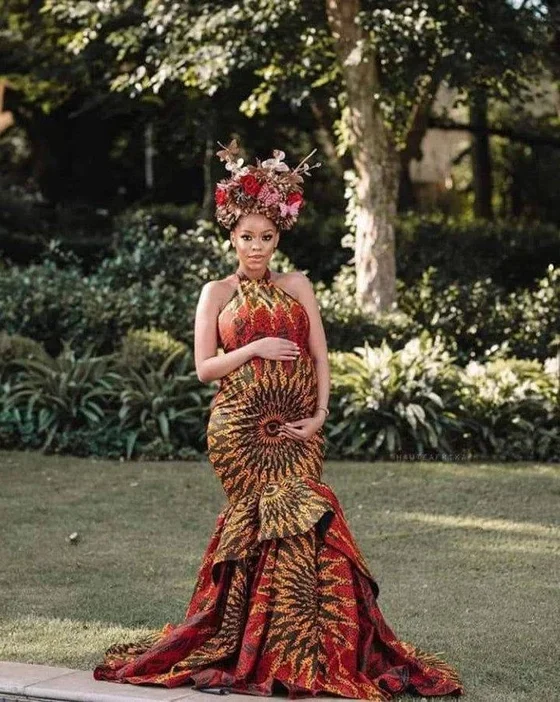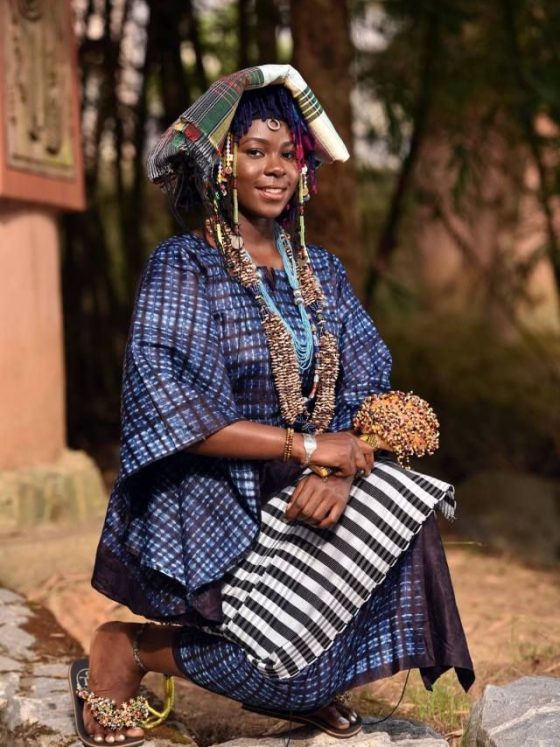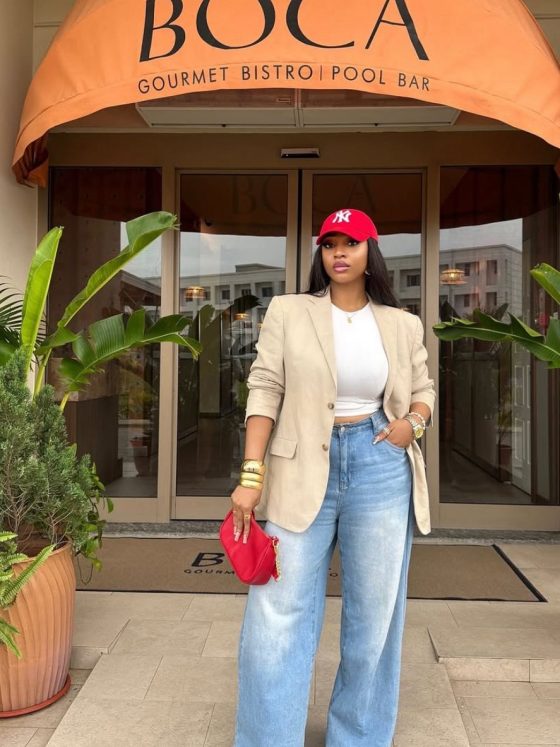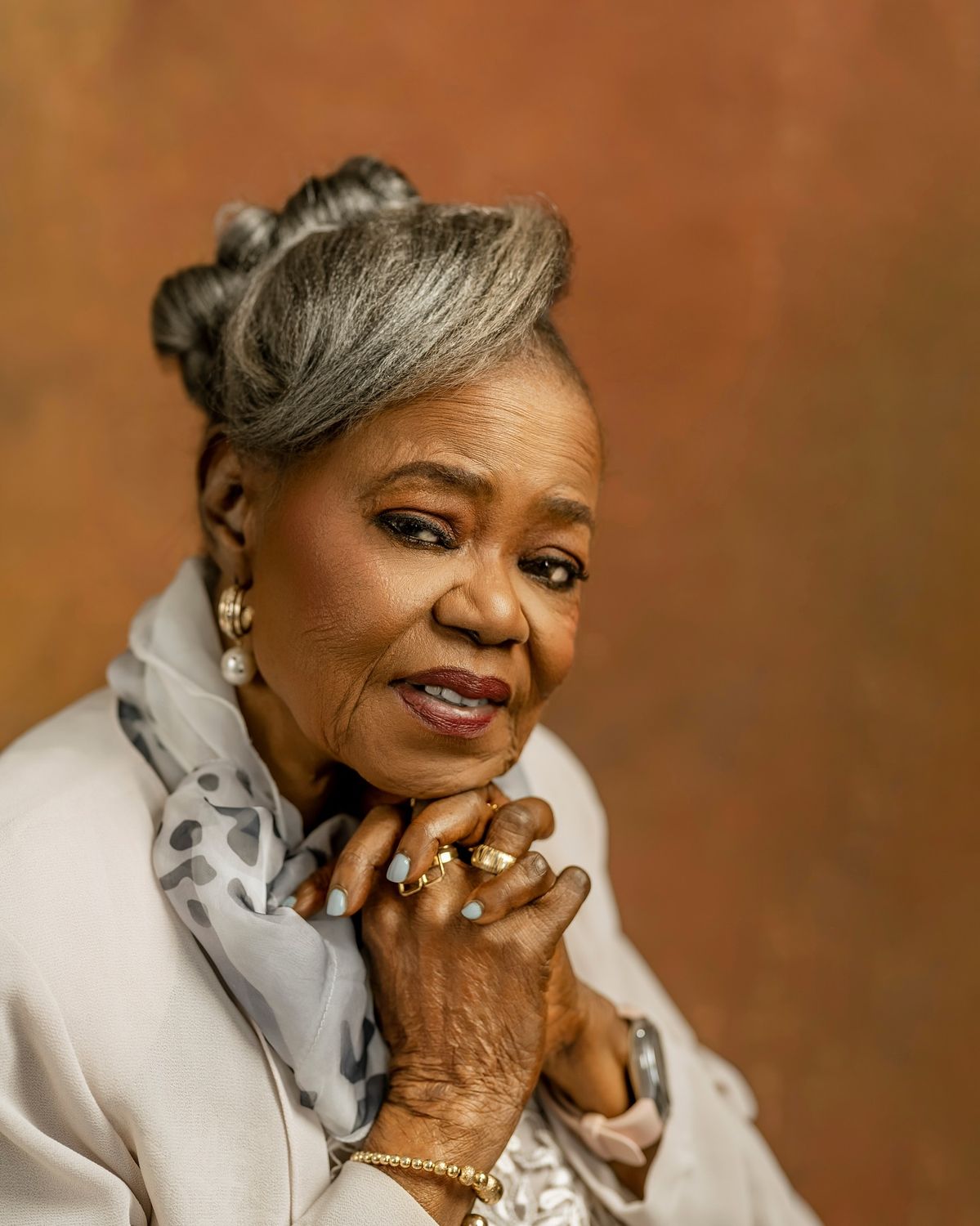
The first language we learn is visual. Before women speak for themselves, they are often seen, opinions are formed, bodies are read.
Before confidence is articulated, style is already communicating.
Across generations, women’s clothing has functioned as a silent language. One learns early, refines it over time, and passes it down without instruction. It speaks of where a woman comes from, what she has witnessed, and how she chooses to move through the world.
Style has never existed in isolation. It is shaped by environment, expectation, and inheritance. But it is also shaped by choice. Women’s fashion is powerful in the tension between the old and the new.
From matriarchs to modernity, women have always dressed with awareness, even when that awareness was constrained or subtle, even when it was misunderstood.
Women’s style evolves across generations, carrying memory, adaptation, and identity through clothing that reflects both continuity and change.
Matriarchal Style: Dressing With Purpose, Not Performance
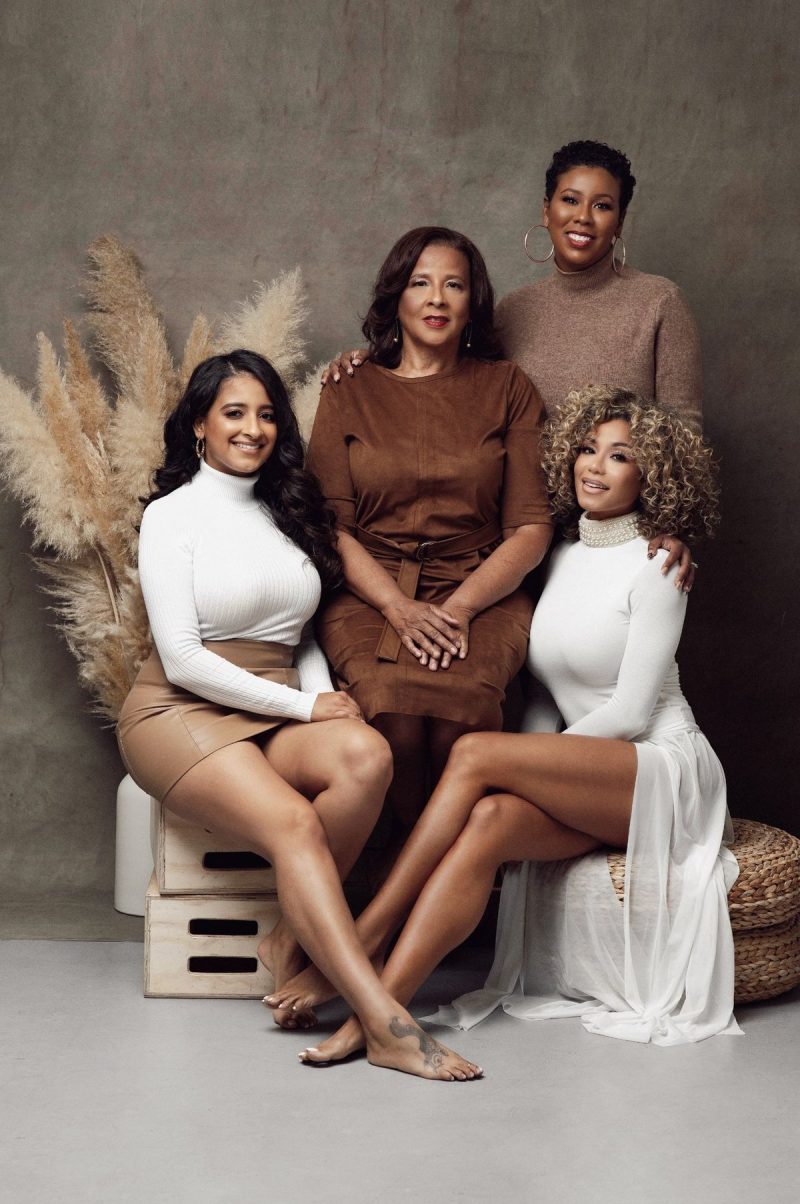
Earlier generations of women dressed with intention long before fashion was framed as self-expression.
Clothing was functional, symbolic, and strategic. Garments communicated respectability, status, maturity, and readiness. Fabric choice mattered. Fit mattered. The presentation was deliberate.
Style was rarely about visibility. It was about alignment. Dressing appropriately for one’s role, age, and community carried meaning. Elegance was measured through composure rather than spectacle.
The matriarchal style was not rigid, but it was coded. There were rules, understood rather than explained. There were specific rules about what to wear when hosting. The regulations also dictated what attire was appropriate for working environments. What attire is suitable for representing the family?
Fashion operated as a quiet authority.
Inheritance Without Instruction
One of the most powerful ways style travels across generations is through observation.
Daughters watched how women dressed without being told why. How clothing changed with mood, responsibility, and season. The daughters observed that confidence manifested itself not through boldness, but through consistency.
This inheritance was not always conscious. It lived in posture, preference, and instinct. In this way, a jacket is worn rather than styled. This comfort is found in certain silhouettes. This approach stems from a reluctance to overexplain the appearance.
Women learnt early that clothing could protect them as much as it could express. That balance was essential.
The Shift Toward Personal Choice
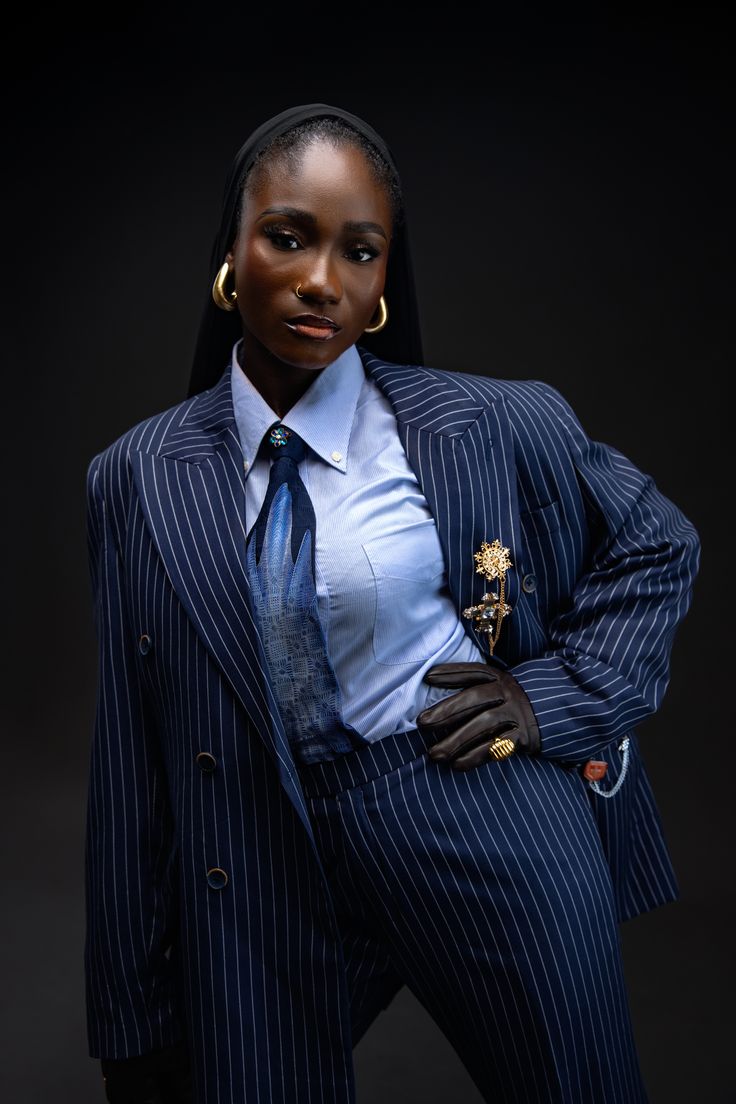
As societies evolved, so did women’s relationship with clothing.
Access expanded. Mobility increased. Exposure widened. Fashion became less about conformity and more about interpretation.
Younger generations began to question what they had inherited. Instead of rejecting it, they sought to refine it. Tradition no longer dictated the form of dress but instead informed its style.
Women began dressing for themselves first. Comfort gained legitimacy. Experimentation became acceptable. Style loosened its grip on strict codes and opened space for individuality.
This was not a break from the past. It was an evolution of it.
Modernity as Reinterpretation, Not Rebellion
Contemporary women’s style does not exist in opposition to earlier generations. It exists in dialogue with them.
Modern silhouettes borrow from structured tailoring. Minimalism echoes restraint. Fluidity reflects freedom previously denied.
What has changed is agency.
Women now choose how much of the past to carry forward. They decide what feels relevant and what no longer serves them. Style becomes edited, not inherited wholesale.
This is where fashion becomes most powerful. When it reflects awareness rather than reaction.
Dressing Across Contexts Without Losing Self
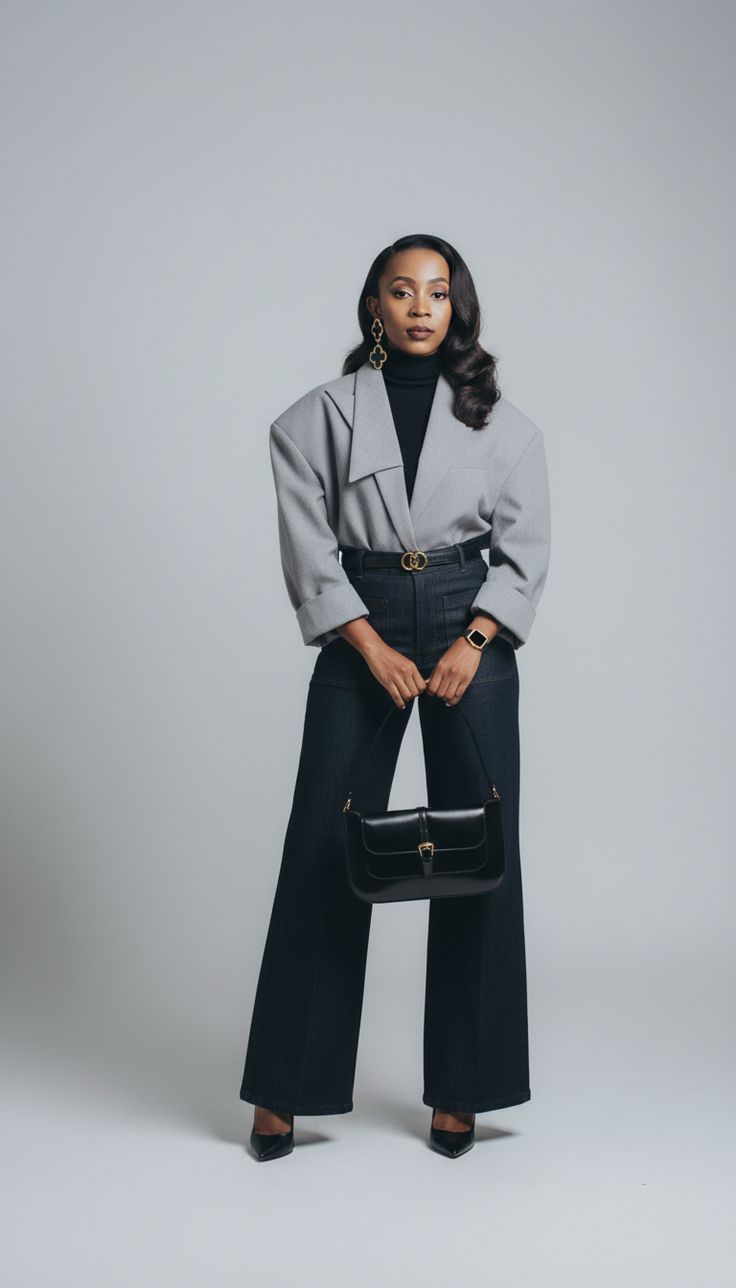
One defining feature of modern women’s style is adaptability.
Women move frequently between roles. These roles can be professional, social, private, or public. Clothing must translate without fragmenting identity.
This phenomenon has led to wardrobes built around versatility rather than excess. Pieces that hold presence are usually used without demanding attention. Silhouettes that feel intentional in multiple spaces.
Style becomes less about statements and more about coherence.
A woman who dresses with this awareness is not dressed to be decoded. She dresses to be understood by herself first.
The Emotional Layer of Generational Style
Fashion carries memory, whether acknowledged or not.
A certain neckline recalls safety. A particular fabric signals confidence. A repeated silhouette reflects familiarity.
These emotional imprints shape taste quietly. They influence what feels authentic versus what feels performative.
Modern women often return to these references later in life. Not out of obligation, but recognition. Style becomes cyclical, not linear.
What once felt restrictive may later feel grounding.
READ ALSO:
- Soft Strength: Redefining Feminine Power in Contemporary Women’s Style
- Women at the Helm: The New Power Shaping Social Impact
- How African Women Are Redefining Power Dressing Through Cultural Fashion
Culture Without Costume
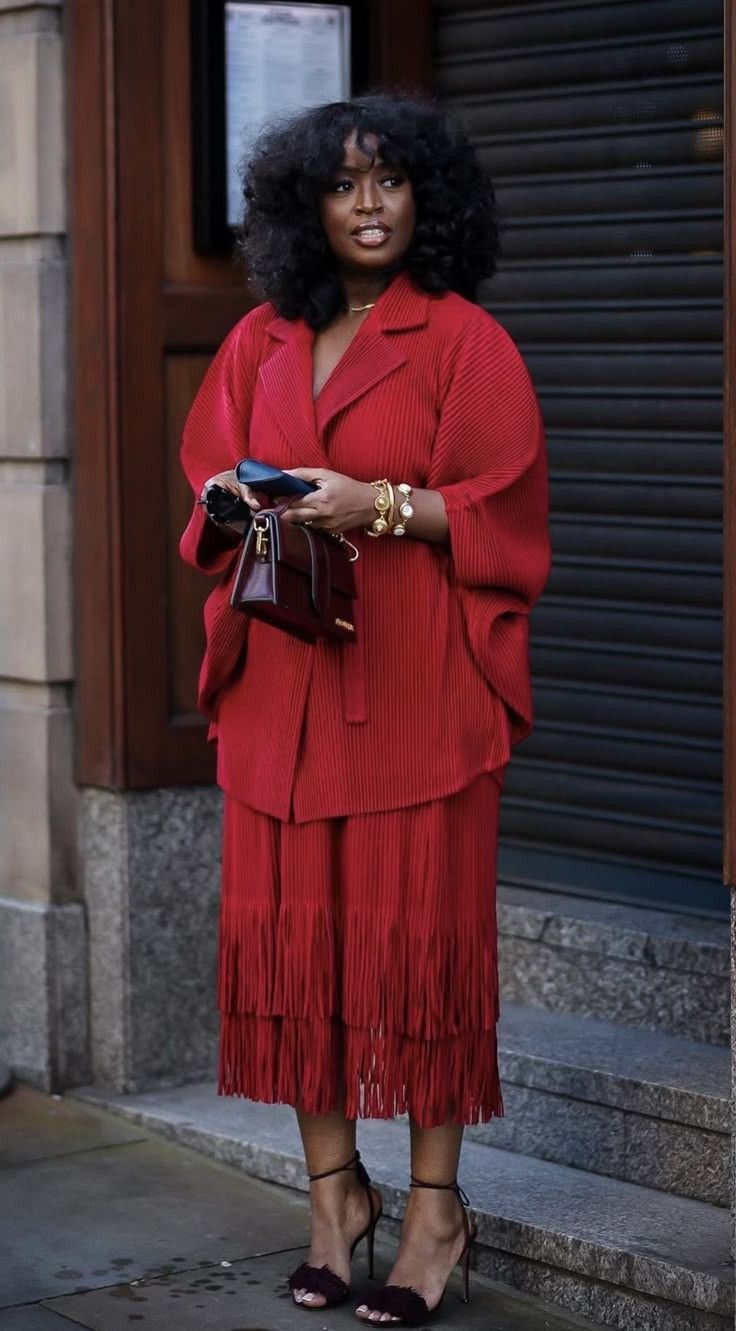
One of the most important shifts in contemporary style is subtlety.
Cultural influence no longer needs to be literal to be present. It appears in proportion, texture, layering, and attitude.
Women are less interested in symbolic dressing and more invested in personal coherence. Identity shows up in how clothes are worn, not what they announce.
This quiet integration allows fashion to feel lived-in rather than staged.
What Endures Across Generations
Despite changing trends, certain values remain consistent.
Respect for quality.
Understanding the context is crucial.
Understanding oneself is crucial.
Women who dress with longevity in mind rarely chase trends aggressively. They curate instead They edit. They evolve.
Style, at its most enduring, is not about age. It is about confidence accumulated over time.
The Future Is Informed, Not Invented
As fashion continues to globalise, the most compelling expressions of style will come from women who understand where they are from and choose how to move forward.
The future of women’s fashion is not about novelty. It is about clarity.
Style will continue to borrow from the past, reinterpret it, and release what no longer fits. That process is not lost. It is growth.
Style as a Living Continuum
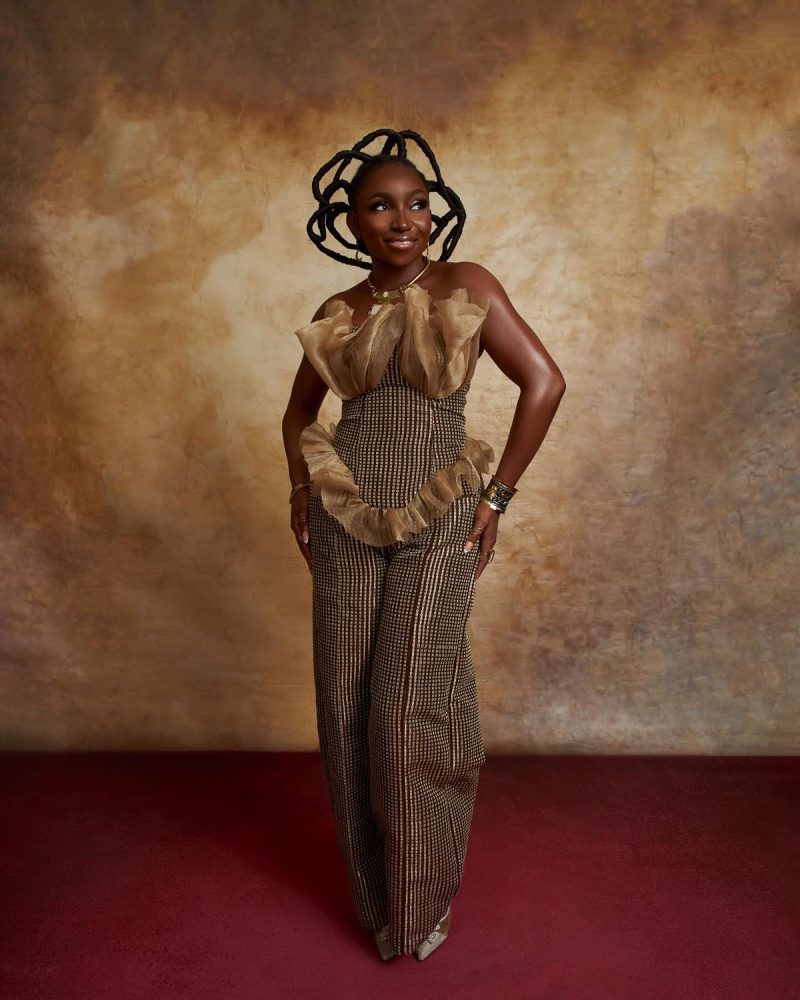
Women’s fashion is not a fixed archive. It is a living continuum.
Each generation adds its voice. Each woman edits the narrative. Clothing becomes a record not just of taste, but of lived experience.
From matriarchs to modernity, style remains one of the most intimate ways women carry memory, agency, and self-definition.
And that is why it endures.
FAQs
- How does women’s style evolve across generations?
This evolution occurs through the reinterpretation of values, silhouettes, and purpose, rather than through strict repetition.
- Is generational fashion about tradition?
Not exclusively. It balances inheritance with personal choice.
- Why is women’s clothing deeply tied to identity?
This is because women’s clothing reflects their lived experience, context, and self-awareness.
- Does modern style reject older fashion values?
No. It refines and adapts them.
- What makes style timeless across cultures?
Consistency, intention, and confidence rather than trend dependence.