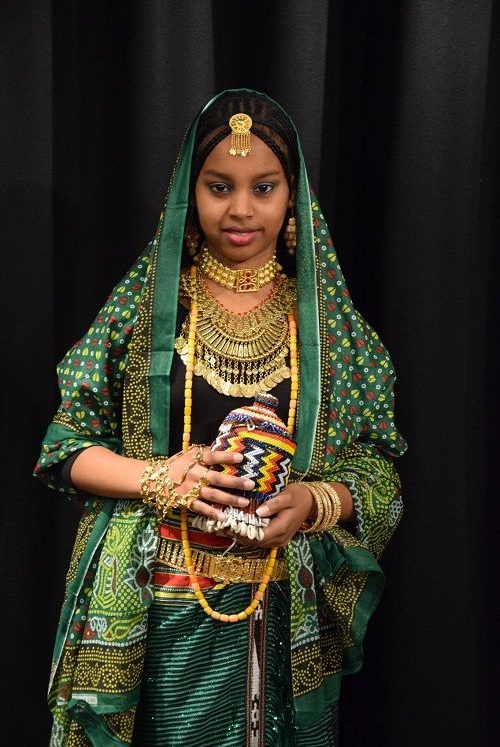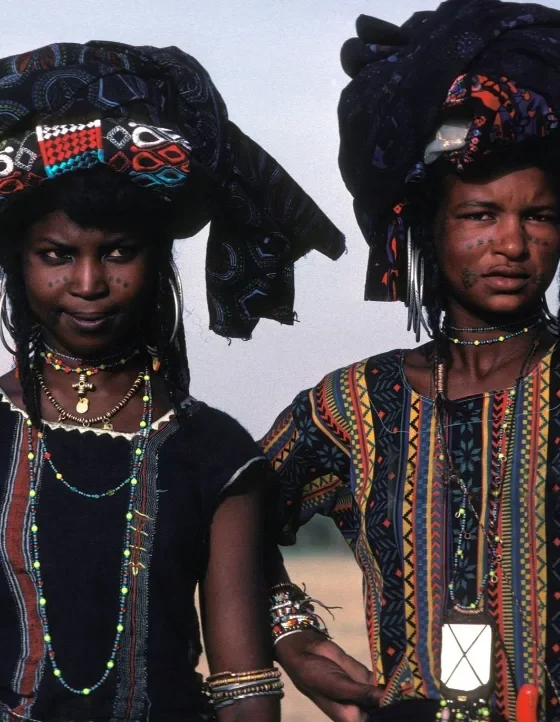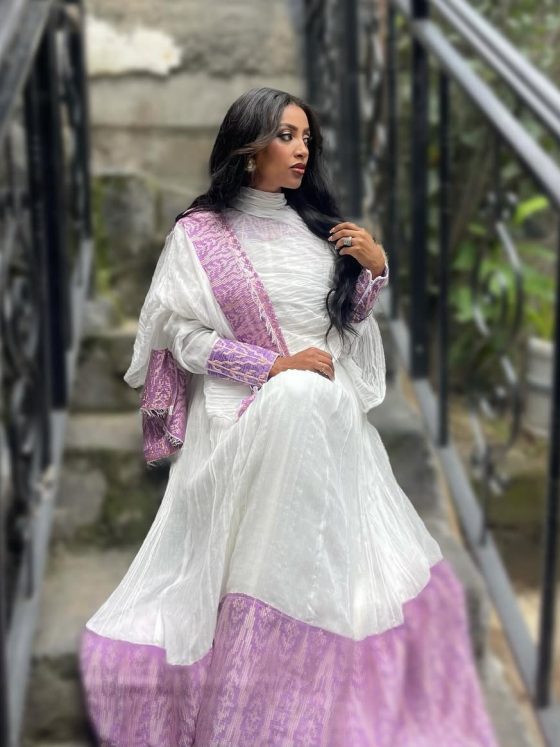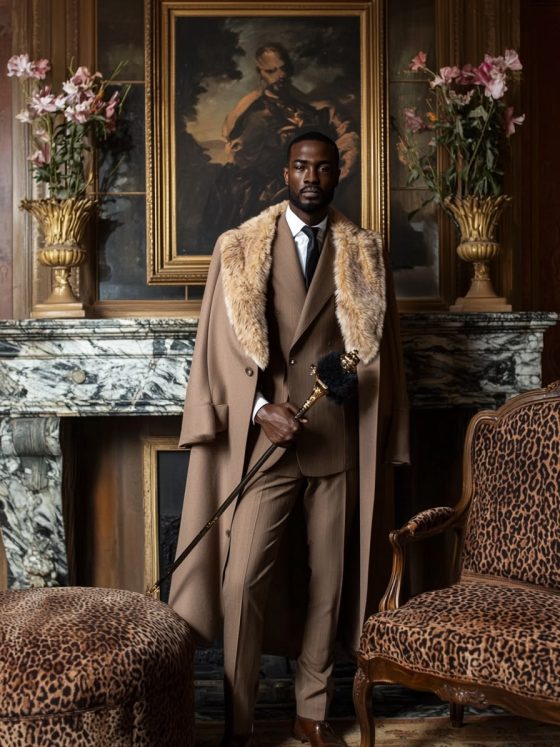
In many parts of Africa and the Arab world, fashion has never been a silent act. Long before global runways and seasonal trends, clothing functioned as language, signalling faith, status, hospitality, occupation, maturity, and belonging. A sandal could reveal a man’s journey. A robe could announce a scholarship. A head covering could communicate devotion, dignity, or readiness to welcome others.
Across centuries of contact between Arabia and Africa through trade, pilgrimage, scholarship, and shared climate, certain fashion symbols emerged that carried meaning beyond fabric and form. These symbols did not belong exclusively to one region. Instead, they evolved into Afro-Arab expressions, shaped by African craftsmanship and Arab design knowledge.
In this article, I will highlight five powerful Afro-Arab fashion symbols and their cultural meanings, trace how Arabian fashion principles influenced African fashion traditions, and show how African societies transformed those influences into a living cultural identity. What follows is not a catalogue of trends but a reading of clothing as a history, a lifestyle, and a form of knowledge worn on the body.
From desert trade routes to coastal homes, these five Afro-Arab fashion symbols reveal how clothing became a shared language of faith, climate wisdom, identity, and hospitality across cultures.
The Flowing Robe (Jalabiya / Kaftan / Boubou)
A Symbol of Knowledge, Authority, and Climate Wisdom
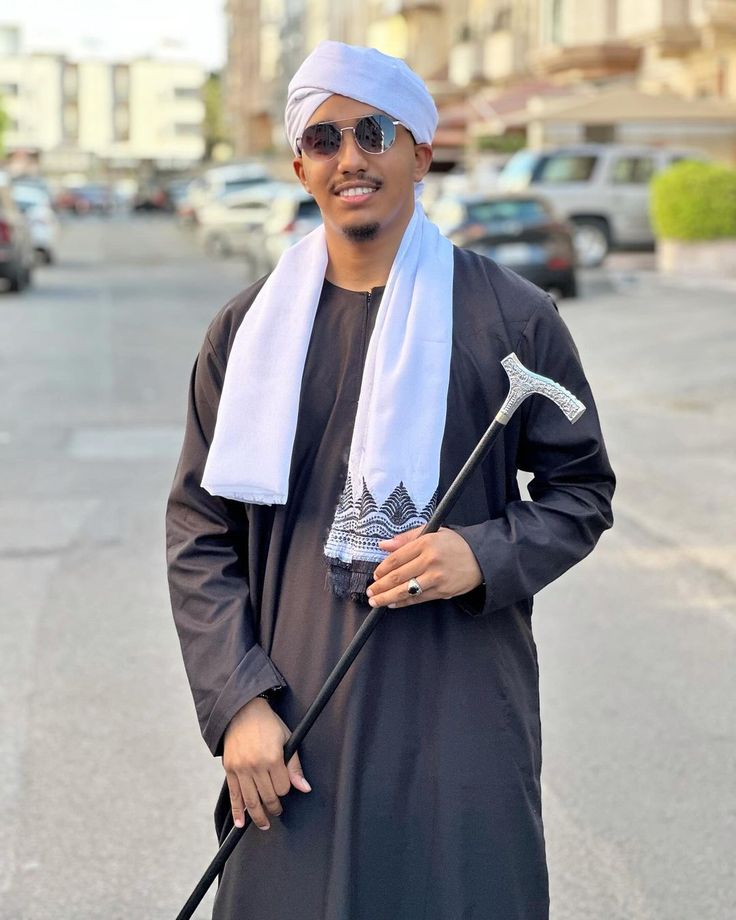
Few garments are as widely recognised across Afro-Arab societies as flowing robes. Known variously as the jalabiya in Arab regions and the kaftan or boubou in West Africa, this garment reflects a shared understanding of heat, modesty, and social presence.
Arabian fashion introduced the logic of loose, elongated silhouettes, designed to allow airflow while shielding the body from sun and dust. As this design entered African societies, particularly across the Sahel, it aligned seamlessly with local climates and lifestyles.
In African contexts, the robe took on additional meanings:
- Among scholars, it signified learning and spiritual authority
- Among elders, it represented dignity and respect
- In communal settings, it marked readiness to host and receive
The embroidery styles, colours, and fabrics became distinctly African, but the core design principle remained Arab in origin: clothing as protection, not restriction.
The Leather Sandal
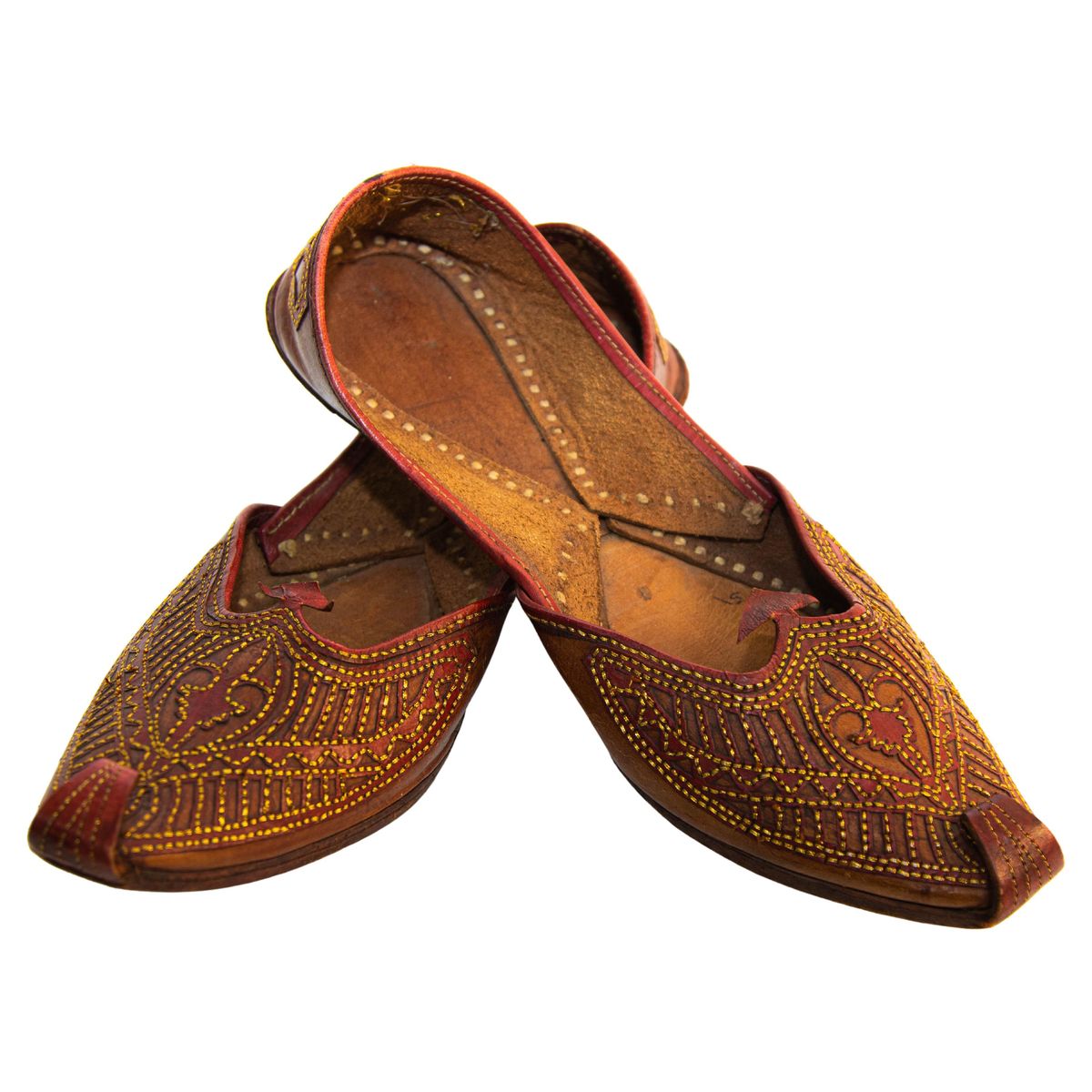
Humility, Mobility, and Faith in Motion
The Afro-Arab leather sandal is the most understated yet enduring symbol of fashion. Originating from Arab footwear traditions designed for desert life, sandals travelled to Africa through trade routes and Islamic practices.
Their meaning goes beyond comfort:
- Easy removal before prayer reflects religious discipline
- Open design supports long walks in the heat
- Durable leather symbolises practicality over abundance.
In African markets, these sandals evolved with thicker soles and reinforced stitching, adapted to rougher terrain. Worn daily by traders, scholars, and elders, the sandal became a symbol of mobility, humility, and everyday faith.
It remains a powerful reminder that Afro-Arab fashion values function as virtue.
The Head Covering (Turban, Veil, Headscarf)
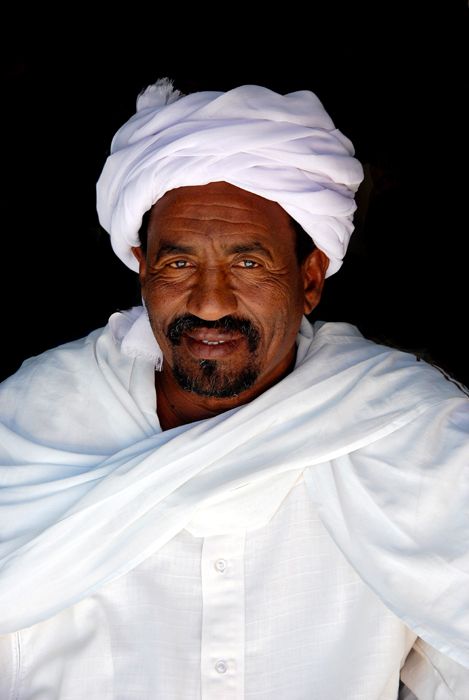
Modesty, Protection, and Identity
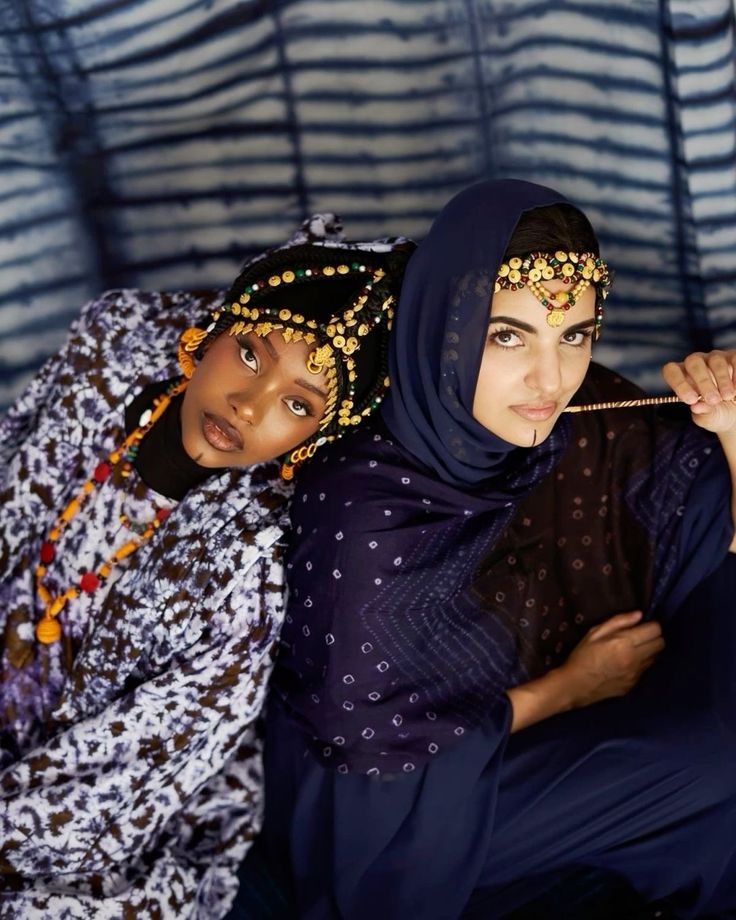
Head coverings across Afro-Arab societies carry layered meanings shaped by religion, climate, and social etiquette.
Arabian fashion traditions introduced head coverings primarily for:
- Sun protection
- Dust control
- Modesty
As these practices spread into Africa, they merged with local aesthetics and social codes. Turbans among Sahelian men developed to signify:
- Scholarly status
- Spiritual maturity
- Leadership
For women, veils and headscarves evolved into expressions of:
- Faith
- Cultural refinement
- Social identity
Colours, wrapping styles, and fabrics differ widely across regions, but the underlying symbolism remains shared: dignity through modest presentation.
READ MORE:
- Arabian Influence on Hausa and Sahelian Fashion
- The Dallah Coffee Pot: From Arabian Hospitality to Afro-Arab Home Décor Symbol
- The Arabian Sandal and Its Quiet Influence on African Fashion
White Garments
Purity, Spiritual Readiness, and Equality
White holds deep significance in both Arab and African fashion traditions, particularly within Islamic contexts. Its symbolism is consistent:
- Purity
- Cleanliness
- Spiritual focus
Arabian influence reinforced the use of white garments for prayer, pilgrimage, and religious gatherings. African societies embraced this symbolism, integrating white clothing into Friday prayers, naming ceremonies, and sacred occasions.
Beyond religion, white garments also communicate:
- Equality before God
- Simplicity over wealth
- Respect for communal spaces
In Afro-Arab fashion, the colour white is not merely decorative; it serves as a moral and spiritual language.
Embroidery as Status and Story
Stitching Identity Into Fabric
While Arab design principles influenced garment structure, African fashion asserted itself through embroidery. Over time, embroidery became the space where African identity spoke most clearly.
In Afro-Arab garments:
- Embroidery placement often reflects Arab structural cuts
- Patterns and motifs reflect African symbolism
Certain embroidery styles became associated with:
- Royalty
- Scholarship
- Marital status
- Regional identity
This fusion demonstrates how Afro-Arab fashion is not static. It is layered, Arab in form, African in storytelling.
Afro-Arab fashion symbols are not relics of the past. They are living expressions of shared history, climate knowledge, faith, and hospitality. Each robe, sandal, stitch, and silhouette carries lessons about how people once lived and how they continue to live with intention.
At Omiren Styles, we believe fashion deserves to be read slowly, thoughtfully, and respectfully. These symbols remind us that clothing is not merely worn; it is remembered, inherited, and understood.
Explore in-depth stories on Afro-Arab fashion, lifestyle, and history at Omiren Styles, where style is culture and culture is never silent.
FAQs
1. What makes Afro-Arab fashion different from purely African or Arab fashion?
Afro-Arab fashion reflects shared design principles shaped by Arab influence and African adaptation, creating hybrid symbols rooted in climate, faith, and daily life.
2. Did Arab fashion dominate African fashion traditions?
No. African societies adopted applicable Arab design principles but transformed them through local craftsmanship, symbolism, and cultural meaning.
3. Why are loose garments everyday in Afro-Arab fashion?
Loose garments improve airflow, reduce heat retention, and are consistent with the religious and social practices standard to both regions.
4. Are these symbols still relevant today?
Yes. Many remain part of daily wear, religious life, and cultural ceremonies across Africa and the Arab world.
5. Is Afro-Arab fashion considered sustainable?
Yes. Its reliance on natural fabrics, durability, and multi-use garments aligns strongly with sustainable fashion values.