Menu
  • AFRICA
    • African Fashion
    • African Designers
    • Textiles & Craft
    • Heritage Clothing
    • Made in Africa
    • Regional Style
  • DIASPORA
    • Diaspora Voices
    • Diaspora Connects
    • UK Scene
    • US Scene
    • Caribbean Diaspora
    • Afro-Latino Identity
    • Migration & Identity
  • CULTURE
    • Style & Identity
    • Ceremony & Ritual
    • Art & Music
    • Cultural Inspirations
    • Black Culture
    • Heritage Stories
  • FASHION
    • Trends
    • Street Style
    • Runway
    • Sustainable Fashion
    • Tailoring
    • Luxury Fashion
  • INDUSTRY
    • Editorial Intelligence
    • Market Trends
    • Brand Strategy
    • Retail & Commerce
    • Partnerships
    • Reports
    • Insights
    • Omiren Style Index
  • BEAUTY
    • Skincare
    • Makeup
    • Hair & Hairstyle
    • Fragrance
    • Beauty Traditions
    • Natural Beauty
  • MEN
    • Men’s Style
    • Grooming Traditions
    • Traditional & Heritage
    • The Modern African Man
    • Menswear Designers
  • WOMEN
    • Women’s Style
    • Evening Glam
    • Workwear & Professional
    • Streetwear for Women
    • Accessories & Bags
    • Bridal
  • NEWS
    • Cover Stories
    • Fashion Weeks
    • Opinion & Commentary
    • Style Icons
    • Rising Stars
  • DIRECTORY
    • Designers
    • Brands
    • Boutiques
    • Stylists
    • Models
    • Photographers
    • Creative Teams
    • Events
    • Production
    • Materials & Suppliers
Subscribe
OMIREN STYLES OMIREN STYLES

Fashion · Culture · Identity

OMIREN STYLES OMIREN STYLES OMIREN STYLES OMIREN STYLES
  • AFRICA
    • African Fashion
    • African Designers
    • Textiles & Craft
    • Heritage Clothing
    • Made in Africa
    • Regional Style
  • DIASPORA
    • Diaspora Voices
    • Diaspora Connects
    • UK Scene
    • US Scene
    • Caribbean Diaspora
    • Afro-Latino Identity
    • Migration & Identity
  • CULTURE
    • Style & Identity
    • Ceremony & Ritual
    • Art & Music
    • Cultural Inspirations
    • Black Culture
    • Heritage Stories
  • FASHION
    • Trends
    • Street Style
    • Runway
    • Sustainable Fashion
    • Tailoring
    • Luxury Fashion
  • INDUSTRY
    • Editorial Intelligence
    • Market Trends
    • Brand Strategy
    • Retail & Commerce
    • Partnerships
    • Reports
    • Insights
    • Omiren Style Index
  • BEAUTY
    • Skincare
    • Makeup
    • Hair & Hairstyle
    • Fragrance
    • Beauty Traditions
    • Natural Beauty
  • MEN
    • Men’s Style
    • Grooming Traditions
    • Traditional & Heritage
    • The Modern African Man
    • Menswear Designers
  • WOMEN
    • Women’s Style
    • Evening Glam
    • Workwear & Professional
    • Streetwear for Women
    • Accessories & Bags
    • Bridal
  • NEWS
    • Cover Stories
    • Fashion Weeks
    • Opinion & Commentary
    • Style Icons
    • Rising Stars
  • DIRECTORY
    • Designers
    • Brands
    • Boutiques
    • Stylists
    • Models
    • Photographers
    • Creative Teams
    • Events
    • Production
    • Materials & Suppliers
Uncategorized

Why Natural Dye Defines Modern African Luxury Fashion

  • Faith Olabode
  • November 26, 2025
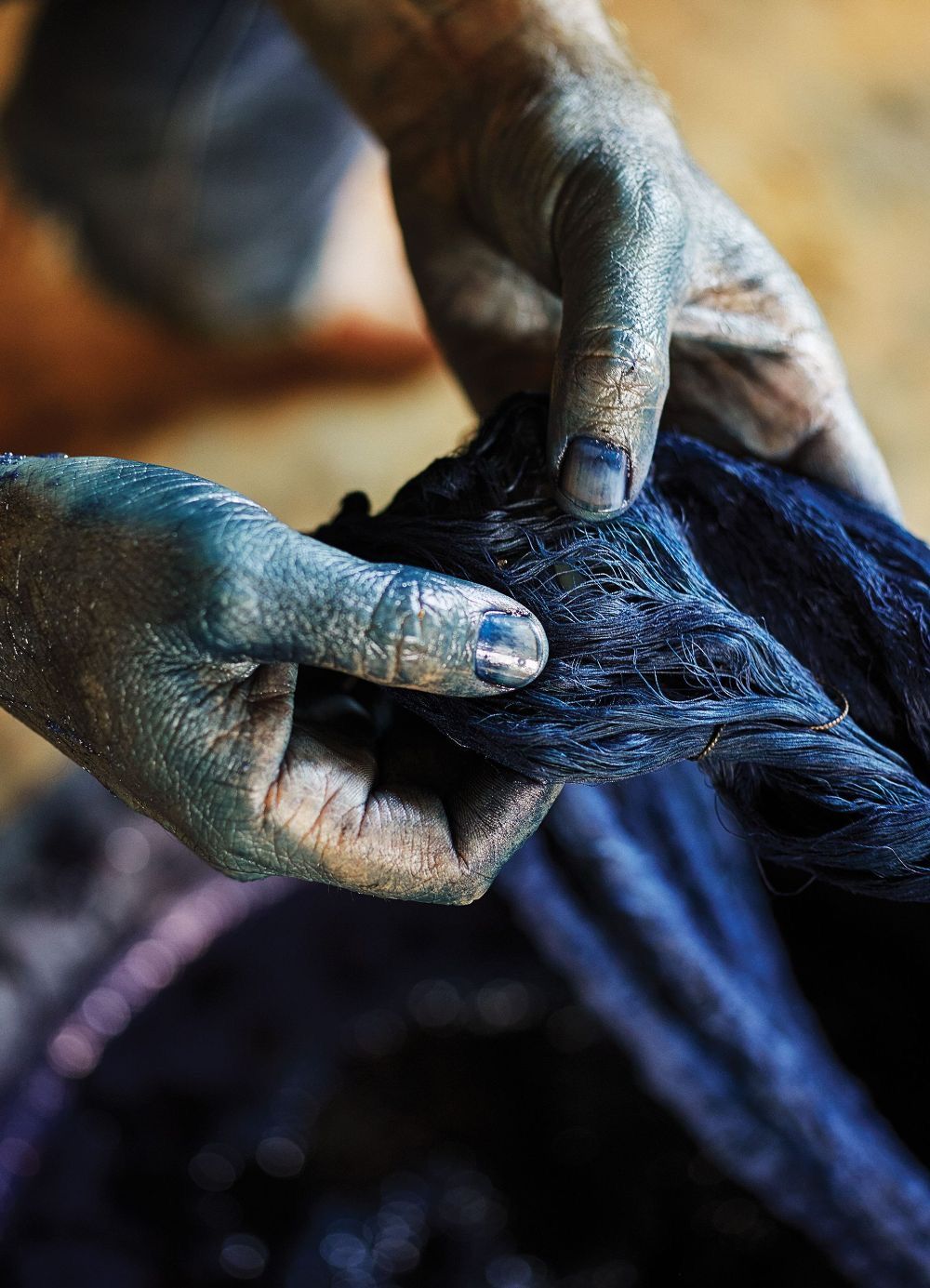
Close-up shot of an African textile dyer with naturally stained hands, symbolising generational expertise and artisanal pride

During a recent visit to traditional artisan guilds in Kano, Nigeria, which have clay indigo dye pits that illustrate the ancient method of textile dyeing in West Africa, we noticed more than just colours. We saw a significant difference in what the colour represented. People are moving away from the short-lived, harmful shades made with industrial chemicals and returning to rich, earthy pigments. A garment dyed with natural indigo carries a quiet confidence and depth that synthetic colours cannot match.

For centuries, in African cultures, colour meant more than just decoration. It has been symbolic, spiritual, and closely connected to the environment. As the global fashion industry grapples with the detrimental effects of chemicals, Omiren Styles believes our heritage holds the key to the solution.

Our heritage is not about going back in time but about moving confidently into the future. Natural dye is now a key feature of modern African luxury. It is the thoughtful choice for customers who value skill, patience, and sustainability. We set the standard for accurate colours and genuine luxury.

We set the standard for true luxury. Learn how natural, plant-based dyes are shaping African fashion’s move towards genuine sustainability and honouring cultural heritage.

The Cultural Palette: Indigo and the Ancestral Code
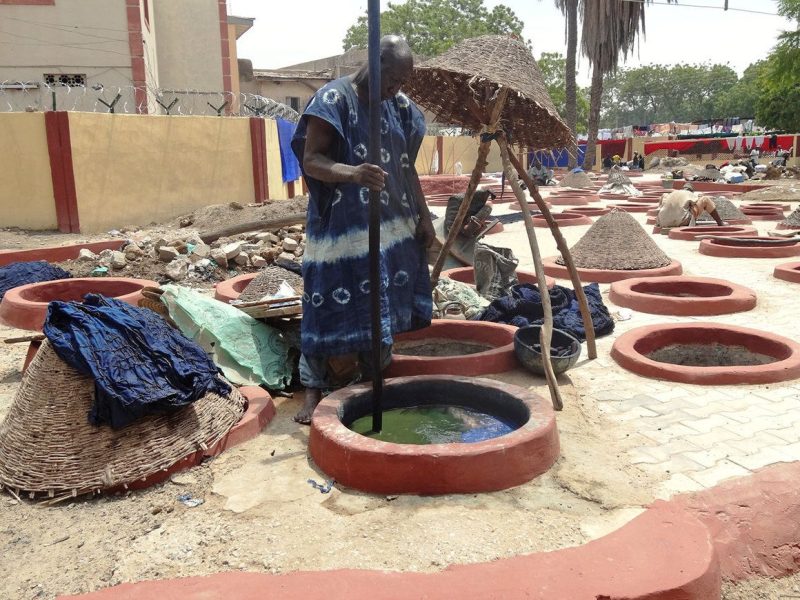
Kano, Nigeria, has traditional clay indigo dye pits that illustrate the ancient method of textile dyeing in West Africa.

Luxury in African fashion is truly about authenticity, and nothing demonstrates this better than colours that come straight from the earth. For centuries in West Africa, colour has meant more than just decoration; it has held symbolic, ritual, and cultural meanings. This aspect is especially clear in the deep, changing blues of indigo. From the well-known dye pits of Kano to the patterned fabrics made by the Adire women of Abeokuta, indigo has been, and still is, a sign of status, spirituality, and identity. Unlike chemical dyes that fade quickly, natural dyes hold memories. 
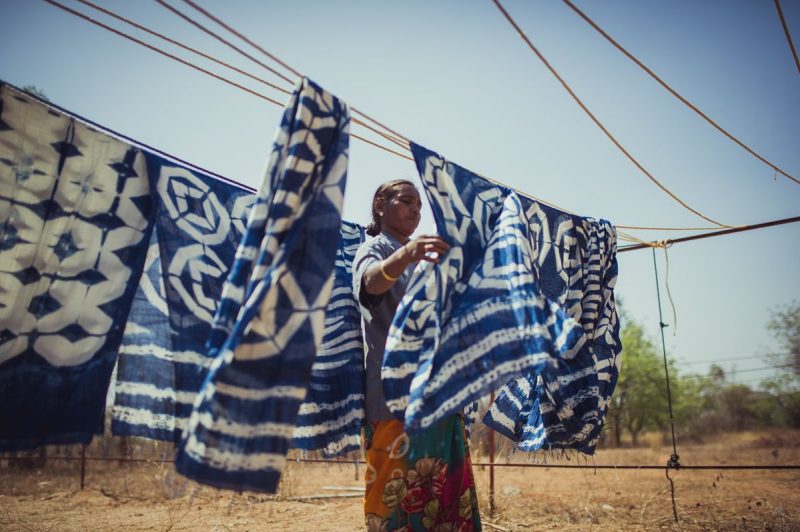
A view of natural indigo-dyed Adire Eleko fabric with subtle variations in blue, highlighting the artisanal quality.

They connect the person who wears them to the artisan and the land where their ancestors lived. This profound history is explored in depth by institutions such as the British Museum, which details the cultural significance of African indigo. This way, every rich shade is not just a copy but a real and beautiful part of the heritage.

Ecology Over Efficiency
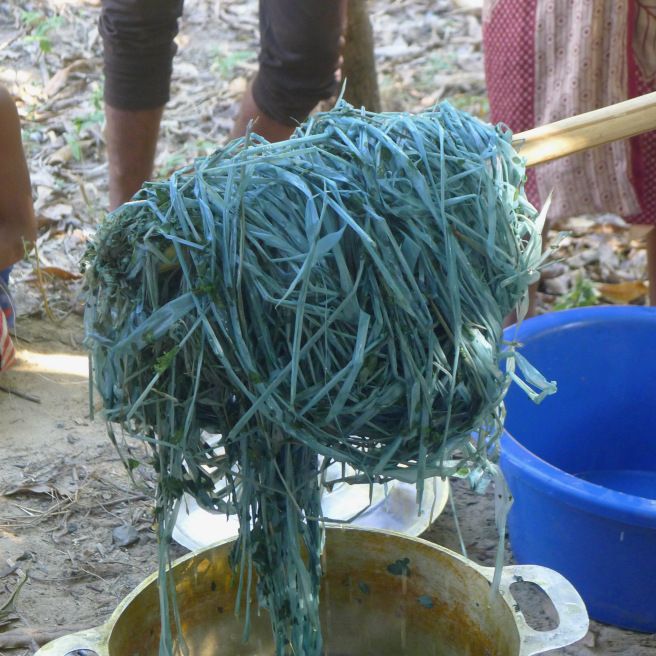
Raw indigo plant material prepared for traditional natural dye extraction, emphasising sustainable sourcing.

The global fashion industry still faces significant environmental challenges, notably water pollution from synthetic dyes. Omiren Styles points out that Africa already holds the answer in its traditions. Natural dyeing uses local, renewable plants like indigofera, kola nuts, tree bark, and roots. These dyes are biodegradable and non-toxic. The leftover water is safe for the environment. It can even be used for irrigation and for a sustainable future. 

Research from The Textile Institute also highlights the chemical and ecological benefits of plant-based dyes. Selecting natural dyes contributes to environmental protection in the communities that produce these fabrics. It is a thoughtful choice for individuals who believe that absolute luxury should not harm the earth.

The Artisan’s Triumph: Valuing Slow Colour
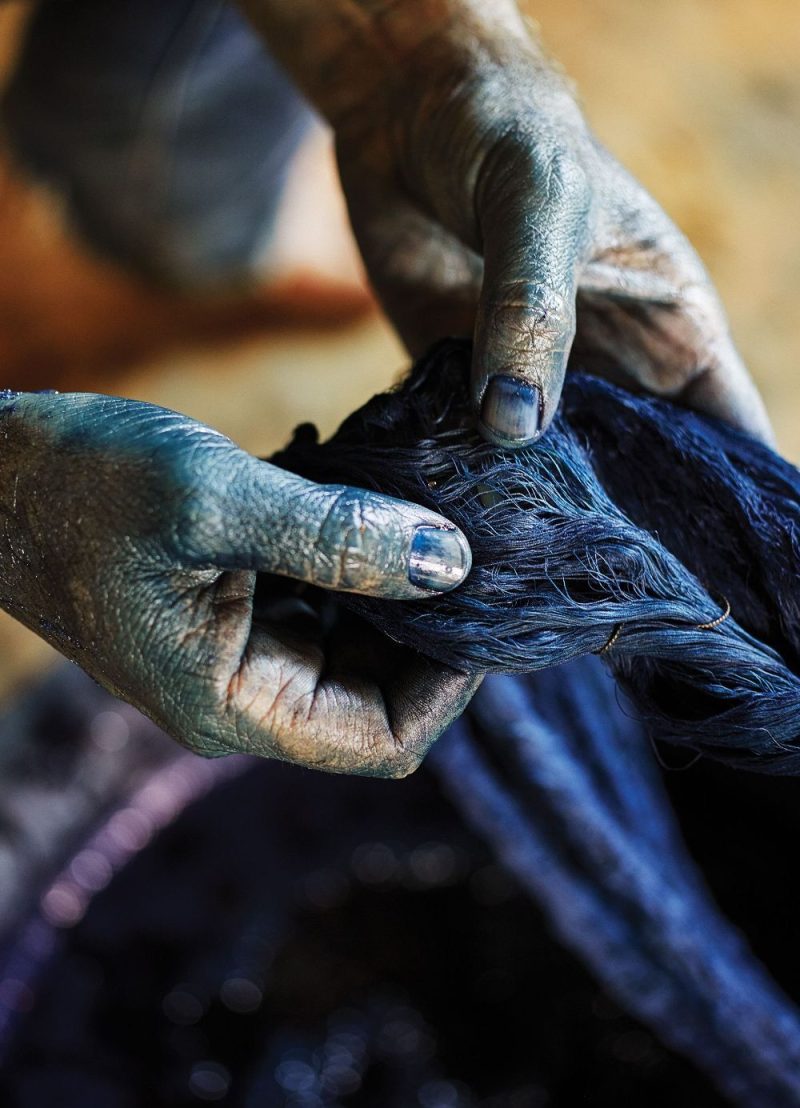
Close-up shot of an African textile dyer with naturally stained hands, symbolising generational expertise and artisanal pride

In a world where everything moves fast, making natural dye requires patience and skill. This process is known as slow colour, and its unhurried pace is what makes it unique. Indigo vats need several days to ferment, and adding layers of colour can take weeks. This careful work highlights the talent of artisans and master dyers who have spent years perfecting their craft, and it also supports local economies. When we choose these garments, we help preserve a community’s tradition and time. The result is more than clothing; it is wearable art with deep cultural value that mass production cannot offer.

ALSO READ:

  • Why Gen Z Doesn’t Need Luxury Labels to Feel Stylish
  • How Two-Piece Sets Redefined Nigerian Street Fashion and Boosted the Industry
  • Afro-Luxury Kidswear: A New Generation Shaping Style Through Heritage

The Omiren Code: Styling and Investment
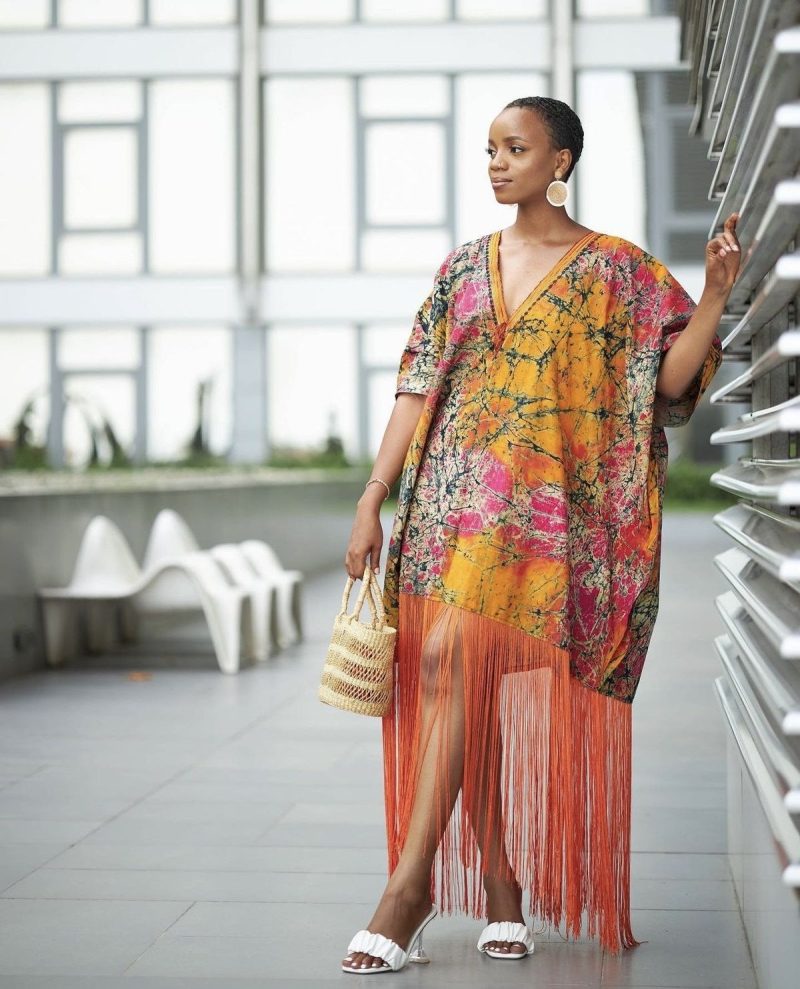
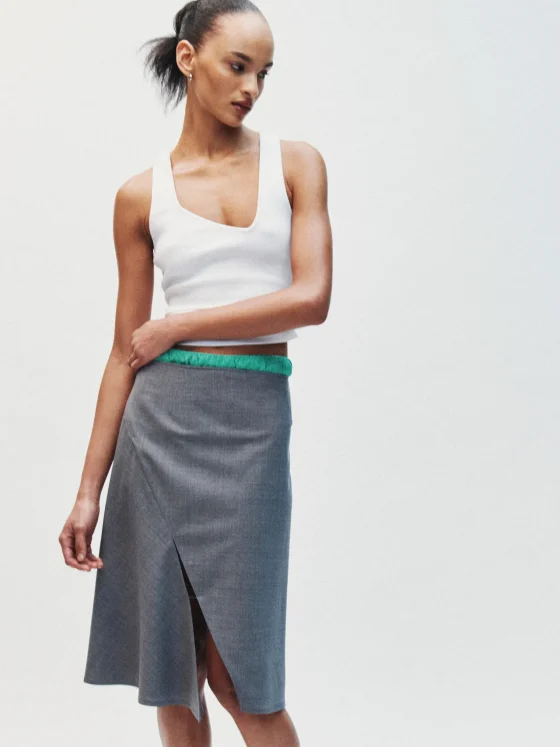
Naturally-dyed indigo textile styled minimally with understated jewellery, illustrating sophisticated, cultural elegance.

For Omiren Styles, choosing natural dyes shows a thoughtful sense of style. Natural colours like deep indigo, kola-stained rust, and ochre have a special look that chemical dyes cannot match. The colours change slightly over time, so each garment becomes more personal and unique. Styling natural dye means embracing Cultural Minimalism: wear a richly dyed piece with clean lines and simple accessories. This style aligns with luxury trends, as more people choose lasting pieces over fast fashion. 
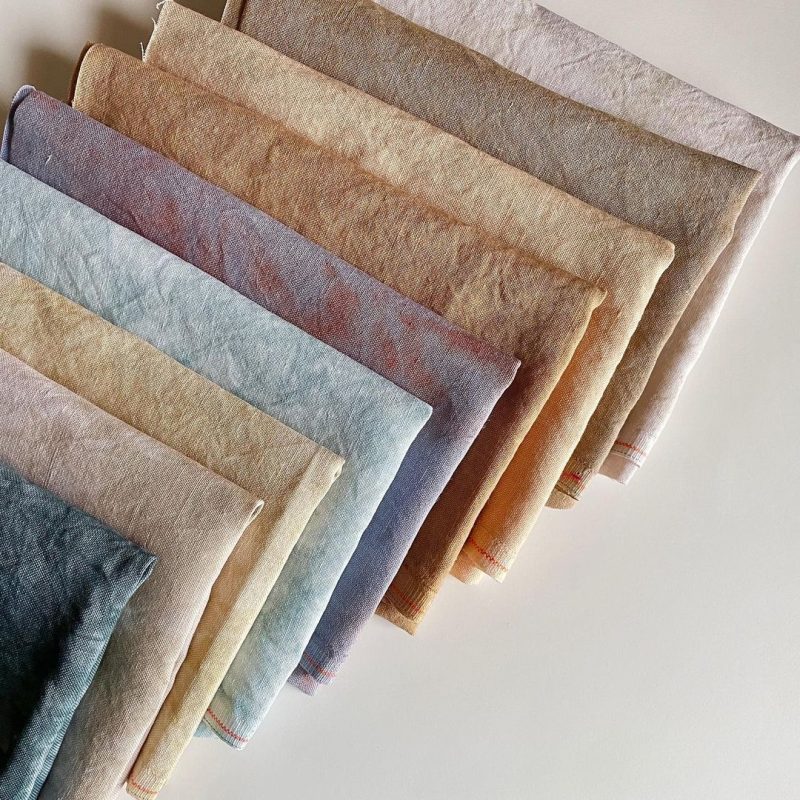
A shot of naturally dyed fabrics, displaying luxurious drape, rich and soft texture.

Picture a naturally dyed Adire scarf with a sharp Aso-Oke jacket, letting the colour and texture stand out. This is our vision for the future: a wardrobe made of pieces that grow in value ethically, culturally, and visually, year after year.

Conclusion

Natural dye is more than just a preference. It represents the actual colour of sustainable African luxury. Choosing it means valuing health, heritage, and the environment. When we invest in these traditional colours, we prefer quality over quantity; we opt for routine and ancestral wisdom rather than quick industrial methods. This dedication to “slow colour” puts African fashion in a unique position to lead the global conversation about responsible, beautiful, and significant luxury.

Frequently Asked Questions (FAQs)

  1. Do natural dyes fade more quickly than synthetic dyes?

Not necessarily. While they can fade differently, natural dyes, when expertly applied and fixed using traditional methods (such as those used by master dyers), offer superior, deeper colours that often soften and gain character over time rather than fading flat, as many synthetic dyes do.

  1. Is the natural dye process pricier?

Yes. The process is inherently more labour-intensive, requires specialised skills, and relies on seasonal natural resources. This investment in time and artisanal expertise explains why garments coloured with natural dye command a premium price, reflecting their actual cultural and ecological value.

  1. Are all African dyes natural?

No. While many artisans maintain the traditional methods, imported textiles and many mass-produced items use synthetic, chemical dyes for cost efficiency. When purchasing luxury African garments, it’s essential to choose designers who transparently source and commit to traditional natural dyeing processes.

  1. What cultural importance does indigo specifically hold in West Africa?

Indigo is not just a colour; it is a cultural signifier of wealth, status, and spirituality among many West African groups, including the Yoruba and Hausa. Its depth symbolises the mysterious and deep knowledge passed down through generations of craft guilds.

  1. How does choosing natural dye support local economies?

By demanding naturally dyed textiles, consumers invest directly in the entire localised supply chain: the farmers who cultivate the dye plants, the artisans who run the dye pits, and the master dyers, who hold complex, proprietary knowledge, bypassing industrial supply chains.

  1. What makes natural dye a “quiet luxury” choice?

Natural dyes are a quiet, luxurious choice because they lack the sharp, artificial uniformity of synthetic colour. Its subtle, nuanced tones, coupled with the slow, ethical process of its creation, appeal to the sophisticated consumer who values meaning and craft over loud, industrial perfection.


Post Views: 359
Related Topics
  • African Fashion
  • African Luxury Fashion
  • Eco-Friendly Fashion Africa
  • Natural Dye Techniques
  • Sustainable African Textiles
Avatar photo
Faith Olabode

faitholabode91@gmail.com

You May Also Like
View Post
  • Editorial Intelligence

The Ankara Economy: Who Is Actually Capturing the Value?

  • Rex Clarke
  • June 9, 2026
Why African Designers Keep Losing the Brand Strategy Game — and How to Change It
View Post
  • Editorial Intelligence

Why African Designers Keep Losing the Brand Strategy Game — and How to Change It

  • Rex Clarke
  • June 9, 2026
How Are African Men Redefining Professional Style Beyond the Suit?
View Post
  • Style & Identity

How Are African Men Redefining Professional Style Beyond the Suit?

  • Fathia Olasupo
  • June 9, 2026
View Post
  • African Designers

The Future of Fashion in Sierra Leone: Creativity, Culture, and Growth

  • Philip Sifon
  • June 9, 2026
Kahindo: The Congolese-American Designer Building Heritage Luxury Without the Heritage Story
View Post
  • African Designers

Kahindo: The Congolese-American Designer Building Heritage Luxury Without the Heritage Story

  • Ayomidoyin Olufemi
  • June 9, 2026
Traditional Clothing in Cape Verde: Afrocentric and Portuguese Fashion Identity
View Post
  • Traditional & Heritage

Traditional Clothing in Cape Verde: Afrocentric and Portuguese Fashion Identity

  • Faith Olabode
  • June 9, 2026
African Luxury Market: Why Luxury Fashion Growth Is Moving Beyond Lagos and Nairobi
View Post
  • Editorial Intelligence

African Luxury Market: Why Luxury Fashion Growth Is Moving Beyond Lagos and Nairobi

  • Rex Clarke
  • June 9, 2026
TG Omori: The Boy Director Redefining Naija Hairstyle Fashion
View Post
  • Grooming Traditions

TG Omori: The Boy Director Redefining Naija Hairstyle Fashion

  • Adams Moses
  • June 9, 2026

Leave a Reply Cancel reply

Your email address will not be published. Required fields are marked *

The Omiren Argument

African fashion and culture are not emerging. They are foundational. We document, interpret, and argue for the full cultural weight of African and diaspora dress. With precision. Without apology.

Omiren Styles Fashion · Culture · Identity

All 54 African Nations
Caribbean · Afro-Latin America
The Global Diaspora

Platform

  • About Omiren Styles
  • Our Vision
  • Our Mission
  • Editorial Pillars
  • Editorial Policy
  • The Omiren Collective
  • Campus Style Initiative
  • Sustainable Style
  • Social Impact & Advocacy
  • Investor Relations

Contribute

  • Write for Omiren Styles
  • Submit Creative Work
  • Join the Omiren Collective
  • Campus Initiative
Contact
contact@omirenstyles.com
Our Reach

Africa — All 54 Nations
Caribbean
Afro-Latin America
Global Diaspora

African fashion intelligence, in your inbox.

Editorial features, designer profiles, cultural commentary. No noise.

© 2026 Omiren Styles — Rex Clarke Global Ventures Limited. All rights reserved.
  • Privacy Policy
  • Editorial Policy
  • Terms of Use
  • Accessibility
Africa · Caribbean · Diaspora
The Omiren Argument

African fashion and culture are not emerging. They are foundational. We document, interpret, and argue for the full cultural weight of African and diaspora dress. With precision. Without apology.

Omiren Styles Fashion · Culture · Identity
  • About Omiren Styles
  • Our Vision
  • Our Mission
  • Editorial Pillars
  • Editorial Policy
  • The Omiren Collective
  • Campus Style Initiative
  • Sustainable Style
  • Social Impact & Advocacy
  • Investor Relations
  • Write for Omiren Styles
  • Submit Creative Work
  • Join the Omiren Collective
  • Campus Initiative
Contact contact@omirenstyles.com

All 54 African Nations · Caribbean
Afro-Latin America · Global Diaspora

African fashion intelligence, in your inbox.

Editorial features, designer profiles, cultural commentary. No noise.

© 2026 Omiren Styles
Rex Clarke Global Ventures Limited.
All rights reserved.

  • Privacy Policy
  • Editorial Policy
  • Terms of Use
  • Accessibility
Africa · Caribbean · Diaspora

Input your search keywords and press Enter.